8 Rules for Driving in France: Visitor Guide 2026
Can you drive in France on your home licence? Visitor rules on documents, speed limits, tolls, Crit'Air zones and fines, plus a drive-or-train check.
On this page
Last updated November 2026: driving in France is straightforward for most visitors with a valid home licence, a rental booking and a few rules learned in advance. This guide covers eight rules, from documents and tolls to Crit'Air zones and breakdowns. Each section is short and routes you to a deeper guide.
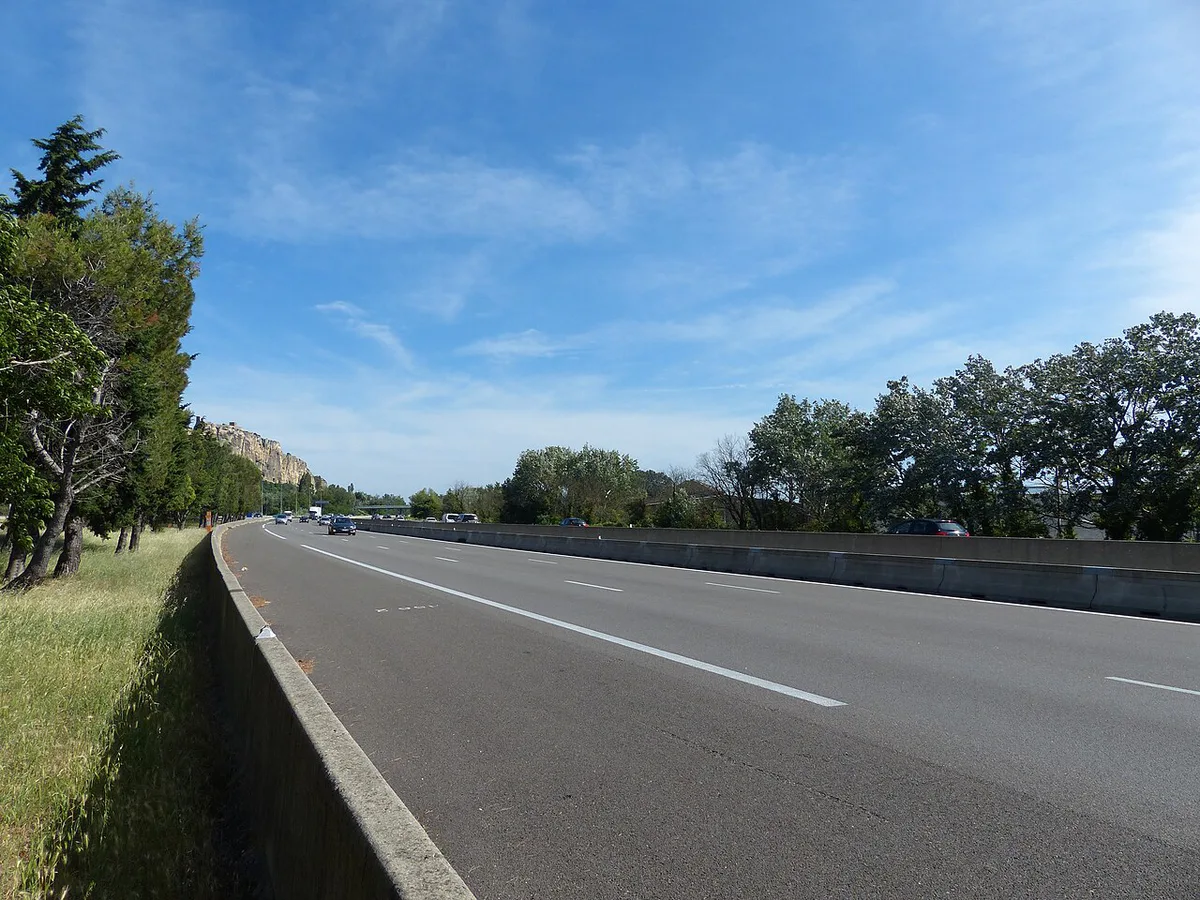
Featured image: Yiluco, CC BY-SA 4.0, via Wikimedia Commons.
Quick answer: can you drive in France?
Yes, most visitors can drive in France on a valid home licence, and the minimum age is 18. Rules checked November 2026. Speed limits, Crit'Air zones and toll systems change, so confirm anything time-sensitive on the official pages before you travel. Official French sources, such as the Service-Public driving pages, have the final word on your licence, not permit sellers. Save 112, the emergency number, in your phone before you leave the airport.
| Driver type | Licence | International Driving Permit |
|---|---|---|
| US or Canadian licence | Valid home licence accepted for visits | Often recommended as a translation; some rental desks ask for one |
| UK licence | Valid UK licence accepted | Usually not needed for short visits |
| EU or EEA licence | Valid national licence accepted | Not needed |
| Other non-EU licence | Valid home licence accepted for visits | Helpful if your licence is not in Latin script |
| Newly licensed driver | Same licence rules | Lower speed and alcohol limits apply in the first three years |
- Documents: licence, passport, rental agreement and insurance certificate.
- Equipment: reflective vest and warning triangle inside the car.
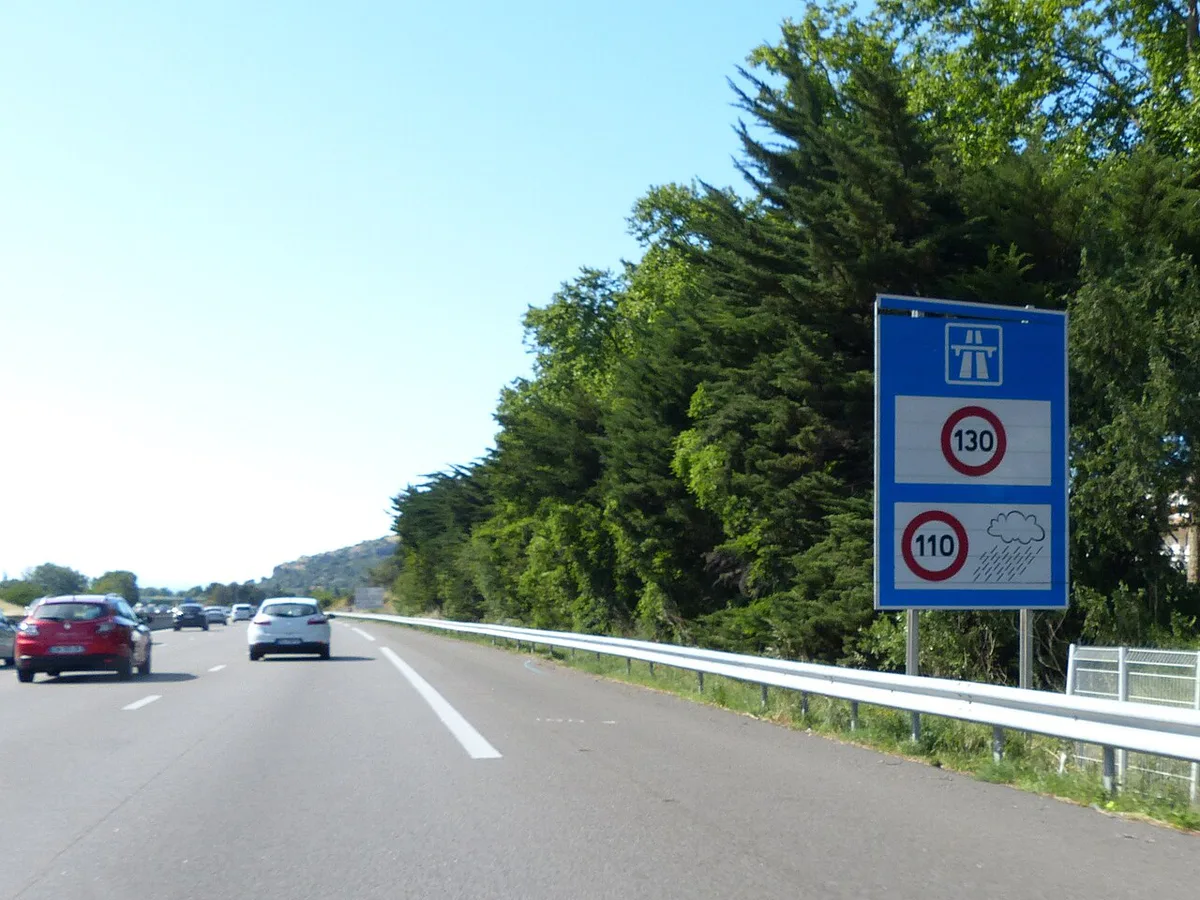
- Speed: 130 km/h on motorways in dry weather, 110 km/h in rain, 50 km/h in towns.
- Tolls: ticket on entry, payment at the exit booth, chip-and-PIN card ready.
- Cities: Crit'Air sticker may be needed in low-emission zones.
- Alcohol: 0.5 g/l for most drivers, lower for novices.
8 Rules for Driving in France Before You Pick Up the Keys
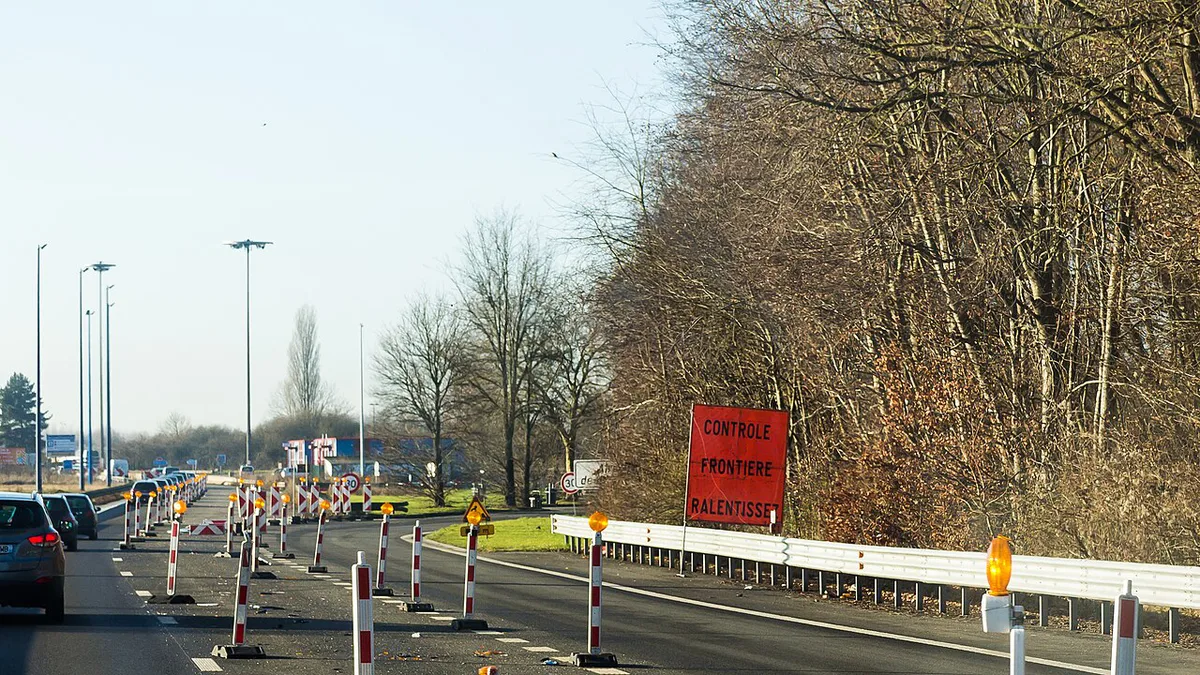
Eight rules cover most of what trips up visitors. Motorways cap speed at 130 km/h in dry weather, so tolls and cameras matter on long legs. Sécurité Routière publishes the official speed, alcohol and equipment rules. Each item below points to the guide that goes deeper.
1. Carry a valid licence and the right papers
Visitors with a valid home licence can drive in France, and the minimum age is 18. Keep your licence, passport, rental agreement and insurance certificate in the car. Rental firms hand over the registration document (carte grise) and the third-party liability cover French law requires.
An International Driving Permit translates your licence, and some rental desks ask for one. Drivers from the US or Canada should read our US licence rules for visitors.
2. Pack the mandatory equipment
Every car needs a reflective vest and a warning triangle. Keep the vest inside the cabin, not the boot, so you can put it on before stepping out. Rental cars normally carry both, but look for them before leaving the car park.
France has not fined drivers for lacking a breathalyser since 2020, though some guides still list one as advisable. Snow chains are compulsory only where signs say so in mountain areas. Our guide to how rental pick-up works lists what to inspect at the desk.
3. Learn the speed limits and cameras
Motorways allow 130 km/h in dry weather and 110 km/h in rain. Built-up areas are 50 km/h unless a sign says otherwise. Rural two-lane roads carry 80 or 90 km/h depending on the road, so follow the posted sign.
Novice limits are lower, as set out in full speed limit rules. Camera fines on foreign-plated cars are processed by ANTAI, the national offence agency. Our speed camera guide explains how the radars work.
4. Pay tolls without holding up the lane
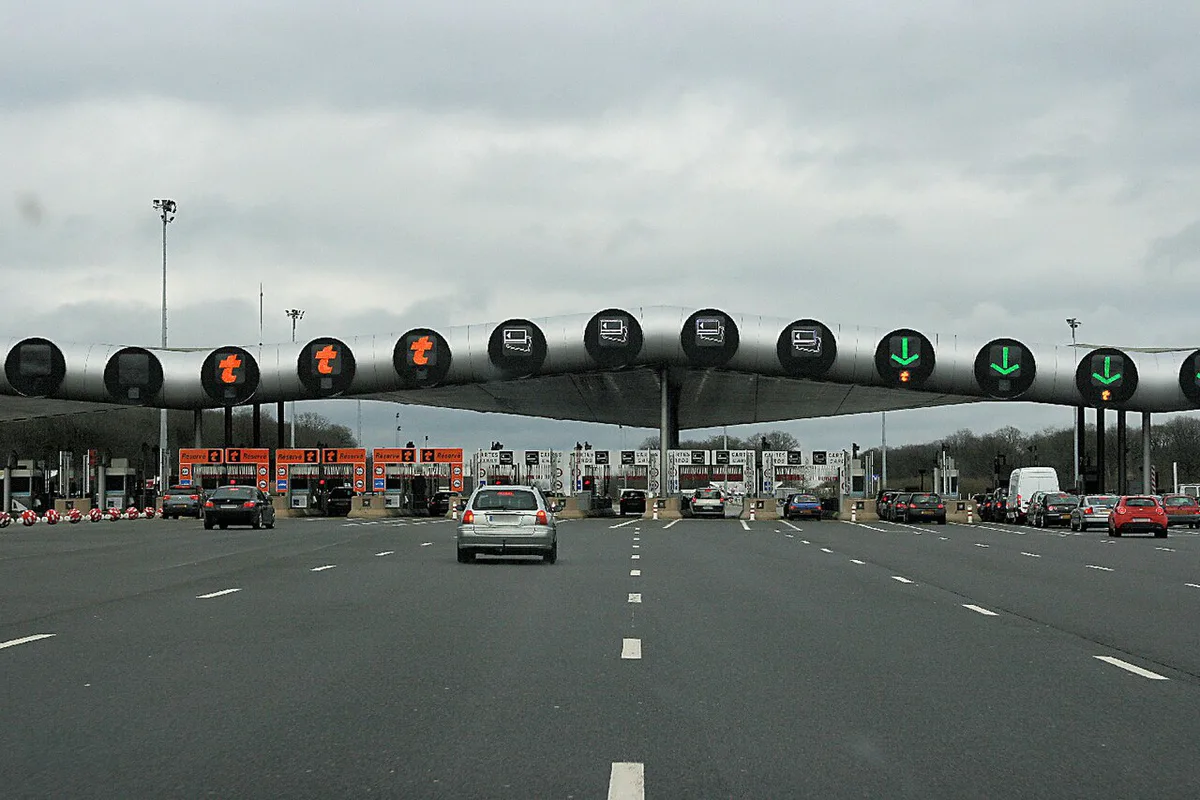
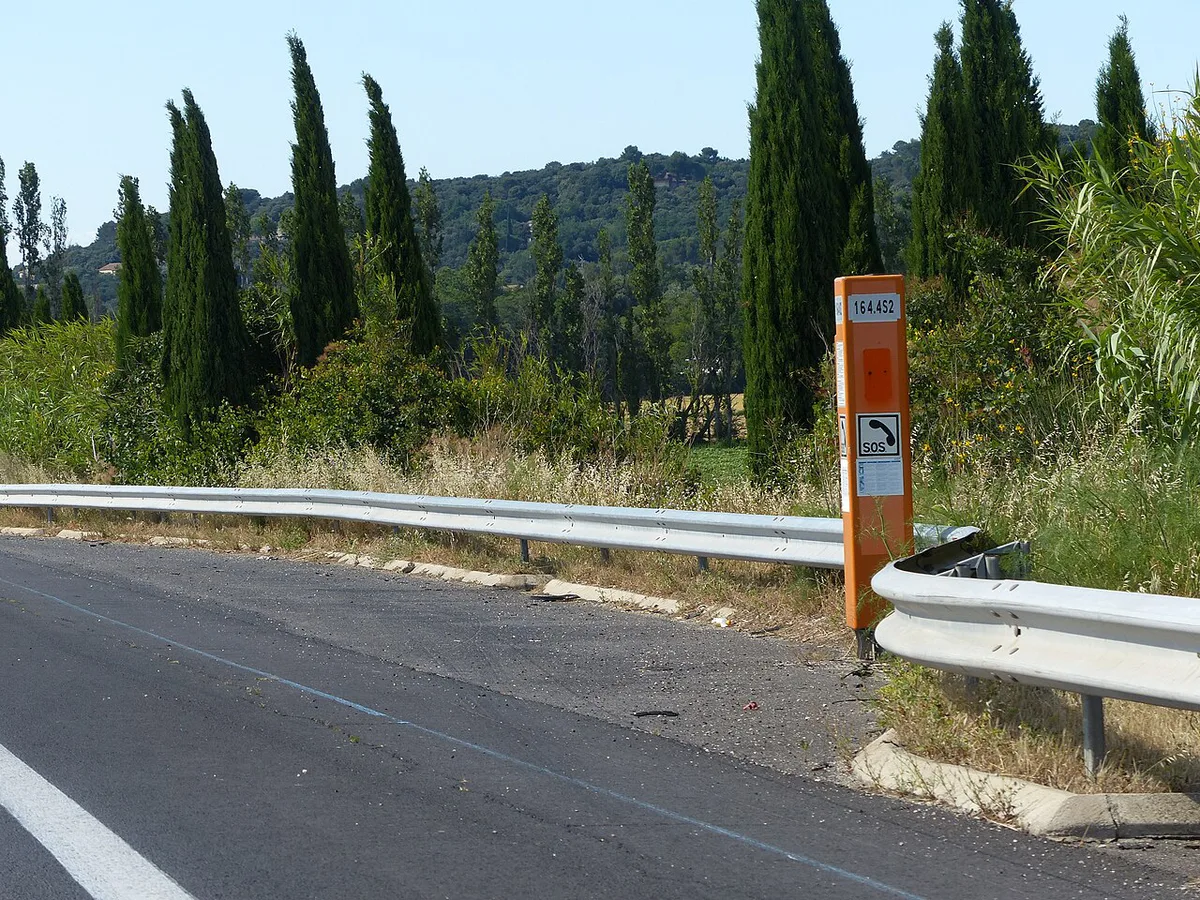
Most autoroutes (motorways) charge tolls. Take a ticket on entry and pay at the exit booth. Use a lane with a card symbol to pay by card, and avoid lanes marked with an orange t, which are for electronic tags.
Carry a chip-and-PIN card, because some booths reject other cards, and keep euro cash as a backup. Some motorways, such as the A84 between Caen and Rennes, are free. Route costs and payment methods are in toll road costs and payment.
5. Check Crit'Air and low-emission zones
Many French cities restrict older vehicles in low-emission zones (ZFE) using Crit'Air stickers. Foreign-registered and rental cars may need a sticker to enter. Stickers are ordered through the government's official Crit'Air portal.
Ask your rental company whether the car already carries one before you drive into a city centre. Our sticker ordering guide walks through the steps. For the capital, read about Paris restrictions on older cars.
6. Respect alcohol, phone and seat belt rules
Most drivers face a 0.5 g/l alcohol limit, and novices face a lower one. Above 0.8 g/l it becomes a criminal offence, with a fine of up to €9,000, up to 3 years in prison and a licence suspension. Holding a phone is banned, and headsets and earbuds are banned too.
Radar detectors are illegal to use or carry. Every passenger must wear a seat belt. Read France's drink-driving limits before any long lunch.
7. Plan parking, junctions and city driving
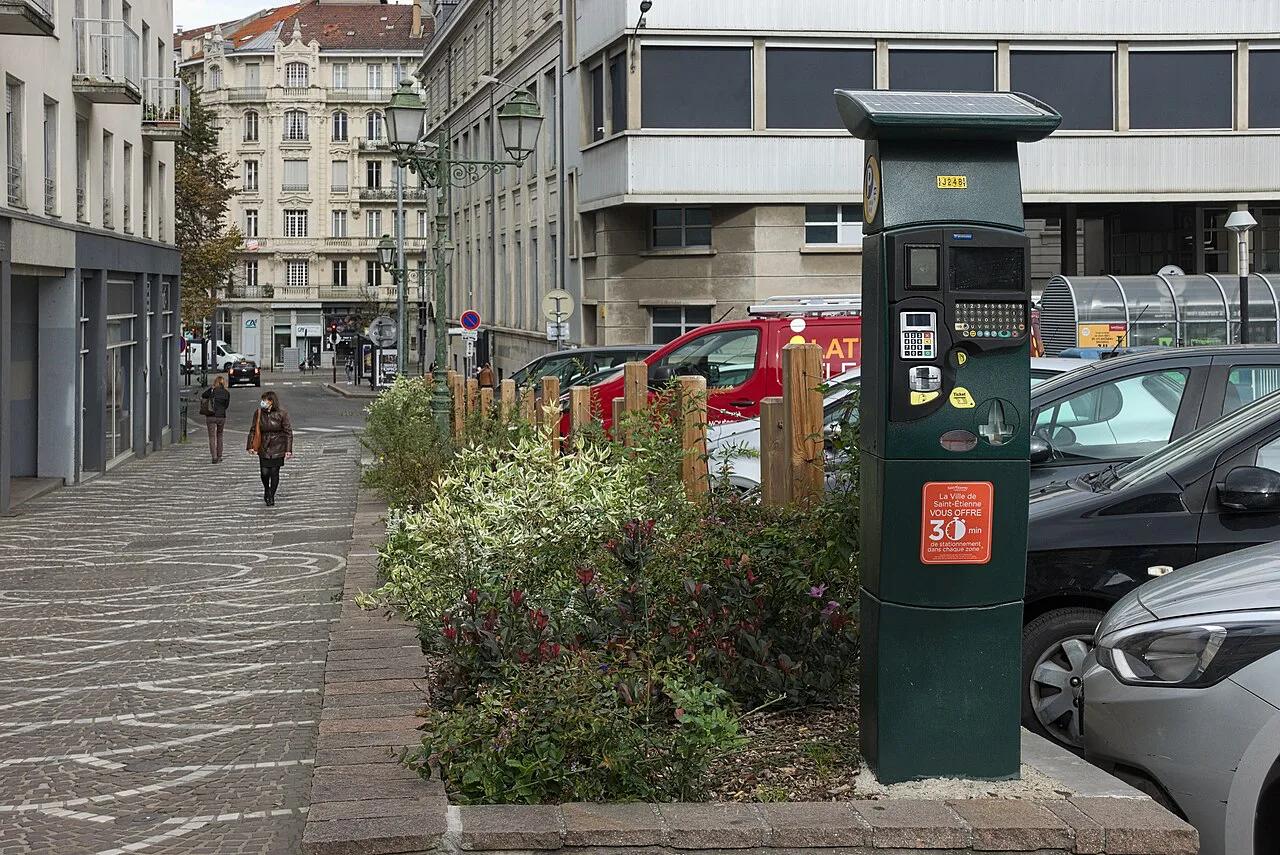
Blue-zone parking usually needs a dashboard disc, and rules vary by town. Our town parking rules cover discs, meters and expired-ticket fines. Unmarked junctions often give priority to traffic from the right (priorité à droite), while roundabout traffic already circulating has priority.
Skip a car in central Paris if you can, and read Paris driving tips if you cannot. For garages and street rules, see Paris parking options.
8. Know what to do in a breakdown or on a UK crossing
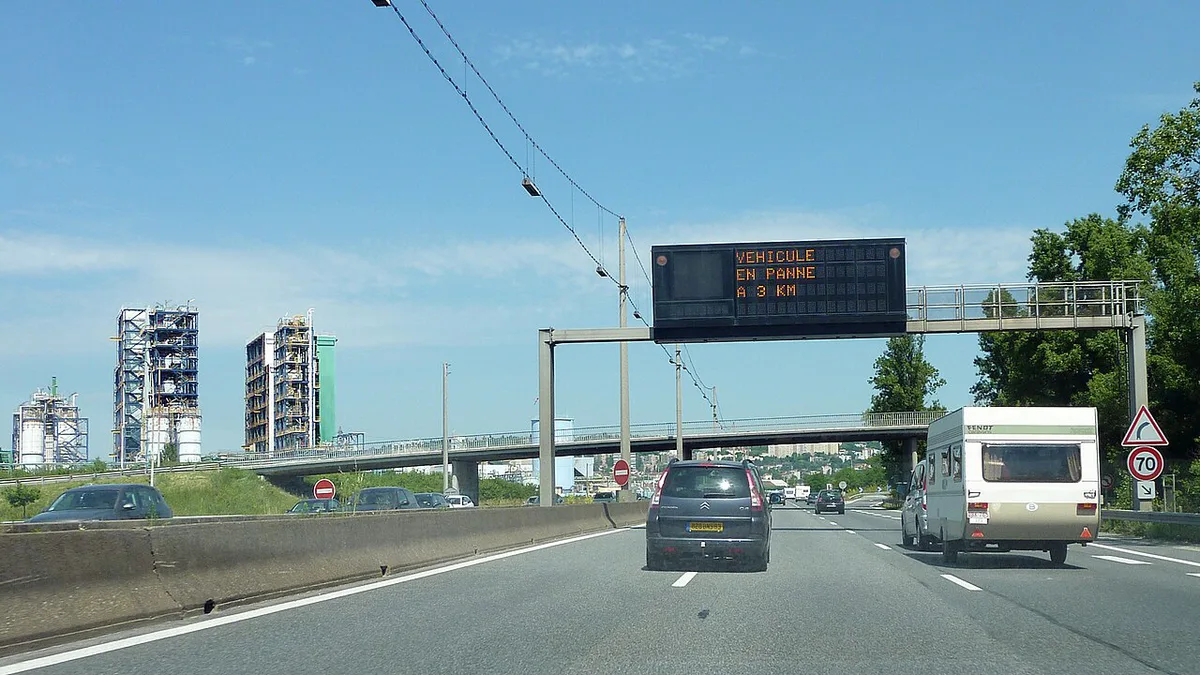
Call 112 for emergencies anywhere in France. On a motorway, switch on your hazard lights, put on the vest and stand behind the barrier. Emergency phones stand along motorways at regular intervals and connect you for help.
Place the warning triangle behind the car at a safe distance. UK drivers can cross by the Channel Tunnel shuttle. Paperwork and kit for that route are in UK driver preparation.
Should you drive in France or take the train?
Drive for rural regions, villages and multi-stop itineraries where public transport is thin. Skip the car for Paris and for trips between big cities, where trains avoid tolls, parking and city restrictions. Compare fuel, tolls and parking against rail fares for your own dates before deciding. Riviera visitors can start with car hire at Nice. Island roads reward a car too, as covered in Corsica rental advice.
| Trip type | Better choice | Why |
|---|---|---|
| Paris city break | Train and metro | Scarce parking and low-emission rules |
| Big city to big city | Train | No tolls, parking or fuel to manage |
| Villages, vineyards, multi-stop rural trip | Car | Flexible stops where public transport is thin |
| Riviera hill villages and Corsica | Car | Roads reach places trains do not |
What driving in France costs
Costs fall into five buckets, listed below. A single phone or seat belt offence costs €135, so fines are the easiest bucket to avoid. Current fares and fees sit on operator and rental sites.
Costs list €135 for a phone, but drink-driving above 0.8 g/l can reach €9,000 and a licence suspension.
- Fuel: diesel is labelled gazole, and petrol is SP95 or SP98, so read the pump and the cap before filling.
- Tolls: charged per motorway section, with some routes free.
- Parking: town meters, garages and blue-zone discs.
- Rental extras: automatic cars are scarcer than manuals, so book early.
- Fines: automated and sent to the rental company.
Fines and penalties for visitors
Fines for foreign drivers follow the rental company or the plate. Standard fixed amounts are below, and the Service-Public portal has current points and fines. Amounts can rise if left unpaid. Leaving an accident scene or dangerous driving brings prison terms, so stay and call 112.
A speed fine up to 20 km/h over costs €68 in 50 km/h zones, against €135 elsewhere, so town limits carry the lower penalty.
| Offence | Penalty | Where to read more |
|---|---|---|
| Phone in hand | €135 and 3 points | Rules in item 6 |
| Seat belt not worn | €135 and 3 points | Rules in item 6 |
| Alcohol above 0.8 g/l | Up to €9,000, 3 years in prison and a licence suspension | Drink-driving limits |
| Speeding up to 20 km/h over | €68 in 50 km/h zones, €135 elsewhere | Speed limits |
Use French motorway rest areas safely
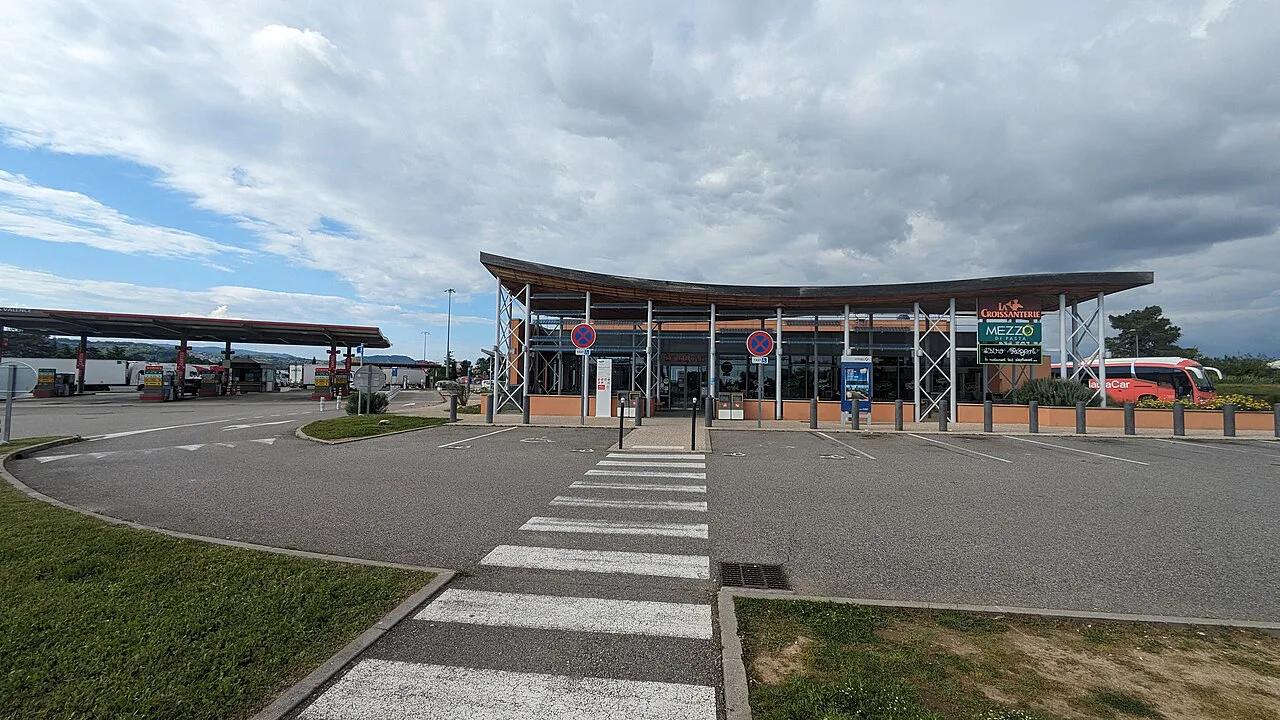
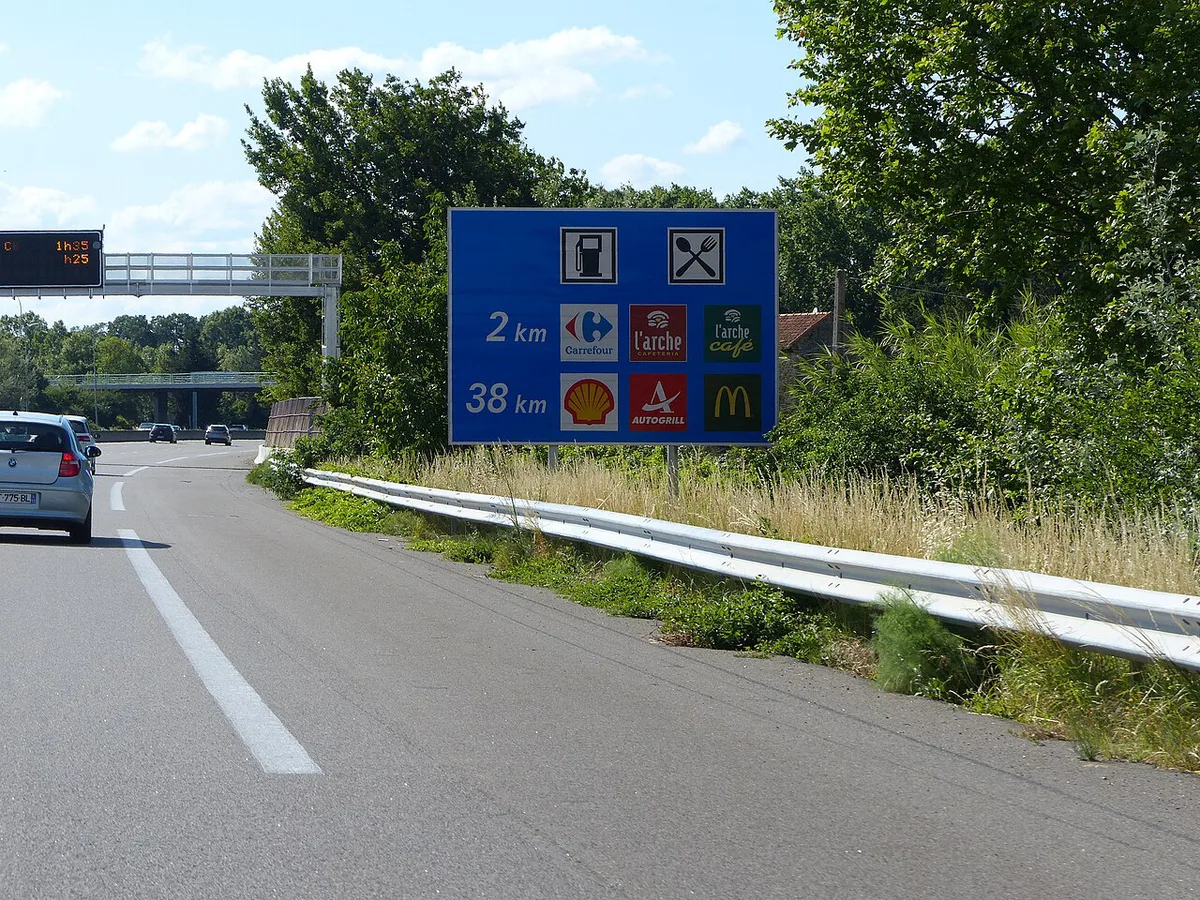
French autoroutes have rest areas called aires, which are useful for fuel, food, toilets and a proper break on long drives. Look for signs for an aire de repos for a basic stop, or an aire de service when you need fuel and shops. Do not wait until you are tired before pulling over. A motorway limit of 130 km/h makes fatigue build quickly on a long day.
Park only in marked bays and keep passports, phones and valuables out of sight before leaving the car. For an emergency on the motorway, use an orange emergency phone if one is nearby. It gives operators your location more precisely than a mobile call. You can also call 112. If the vehicle stops, use hazard lights, wear the reflective vest before leaving the cabin and wait behind the barrier where it is safe.
Explore More Guides
Keep planning your trip with these guides.
Guides
- Renting a Car in France: Documents, Insurance & Costs
- Driving in France With a US License
- Speed Limits in France: Motorway, Rural, Town & Rain (2026)
- Toll Roads in France: How to Pay, Costs and Tips
- Crit Air Sticker for France
- Paris Low Emission Zone (ZFE)
- French Speed Cameras: Fines, Tolerance & Tourist Tips
- Parking in France: Rules, Zone Bleue, Apps & Fines
- Driving in Paris: Rules, Zones, Parking and Alternatives
- Parking in Paris: Zones, Costs, Fines and Options
- Drink Driving Limit in France
- Car Hire in Nice
- Car Rental in Corsica
- Driving From UK to France: Rules, Crossing & Checklist
- Eurotunnel Le Shuttle: Driver's Guide to Crossing to France
Road-rule changes worth knowing
Optional updates to our guides.
You might also like
Continue reading
More guides you'll find useful