
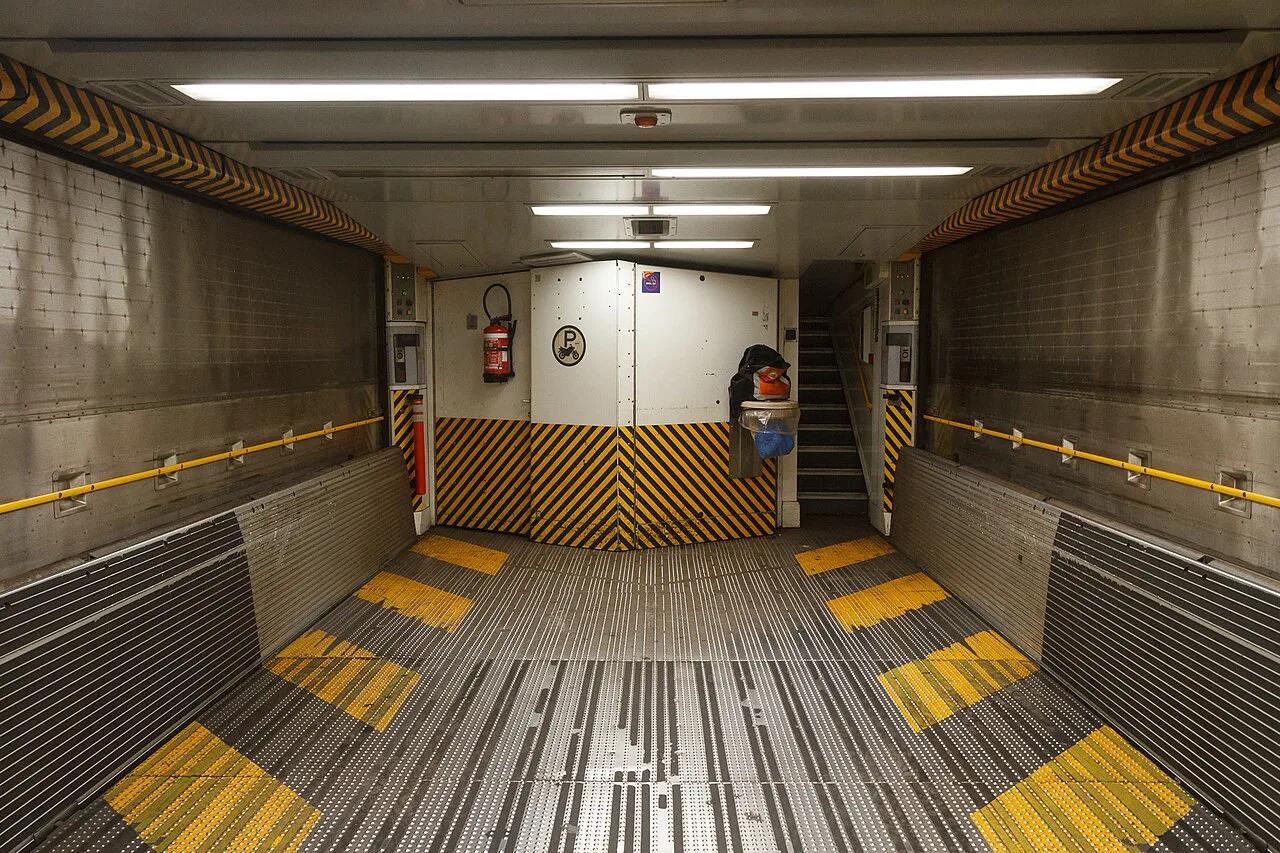
Eurotunnel Le Shuttle: Driver's Guide to Crossing to France
How Eurotunnel LeShuttle works for drivers: check-in, border control, 35-minute crossing, costs, vehicle rules, and your first miles in France.
On this page
Last updated November 2026: Eurotunnel Le Shuttle is the vehicle-carrying train between Folkestone in Kent and Calais-Coquelles in Pas-de-Calais. You stay with your vehicle for the crossing of about 35 minutes and drive off in France. It suits anyone taking a car, a motorhome or a pet across the Channel, and our UK to France driving guide covers the road beyond the terminal.
Featured image: Coprolite9000, CC BY 2.0, via Wikimedia Commons.
What Eurotunnel Le Shuttle Is and Who It Suits
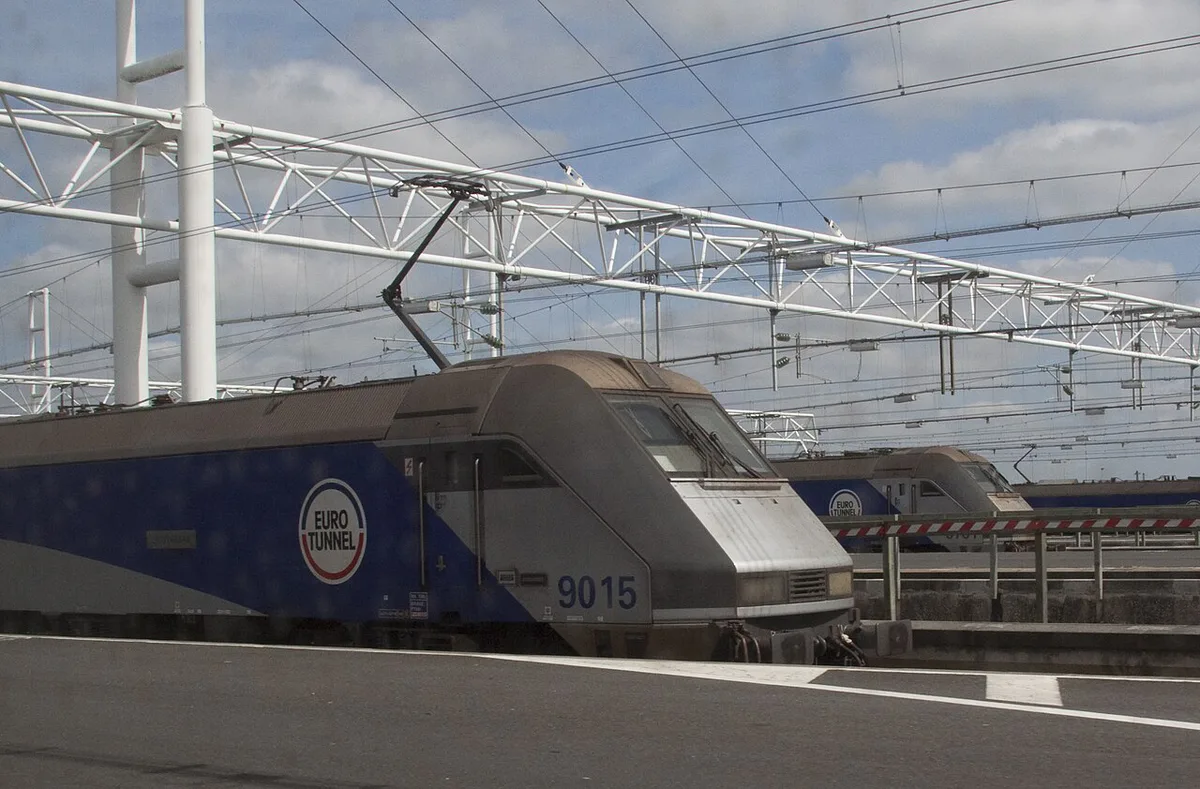
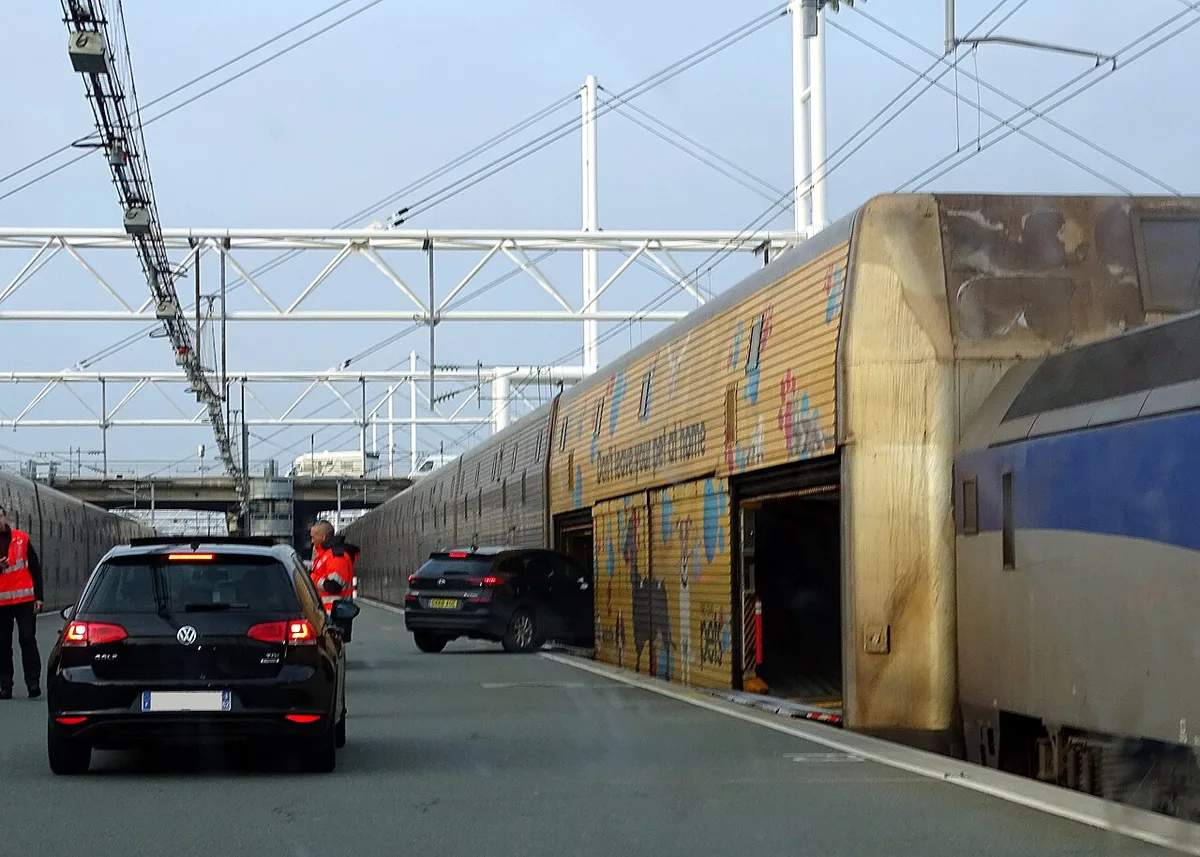
Eurotunnel runs LeShuttle through the Channel Tunnel, which opened on 6 May 1994 according to Eurotunnel. Its UK terminal is at Folkestone, and its French terminal is at Calais-Coquelles. Trains run in both directions. Vehicles drive straight onto the carriage, so there is no separate foot-passenger leg to organise.
- Choose it if you are driving on in France and want to keep your own car, luggage and pet with you.
- Choose it if you want a short crossing of about 35 minutes with no deck time.
- Skip it if you are travelling without a vehicle and plan to rent one in France.
- Skip it if your vehicle falls outside Eurotunnel's size or fuel rules.
How the Crossing Works, Step by Step
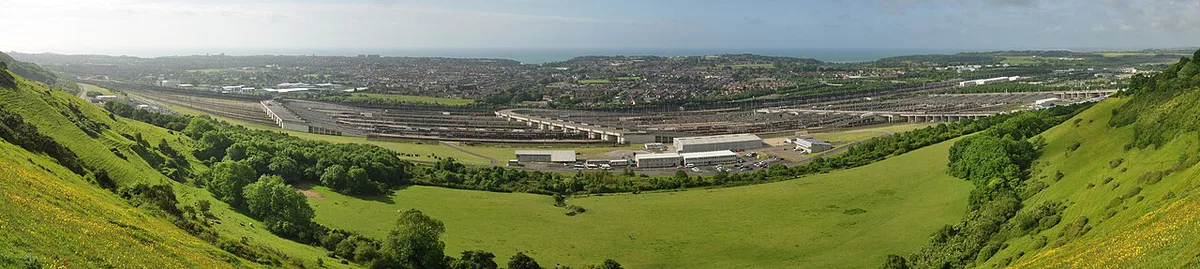
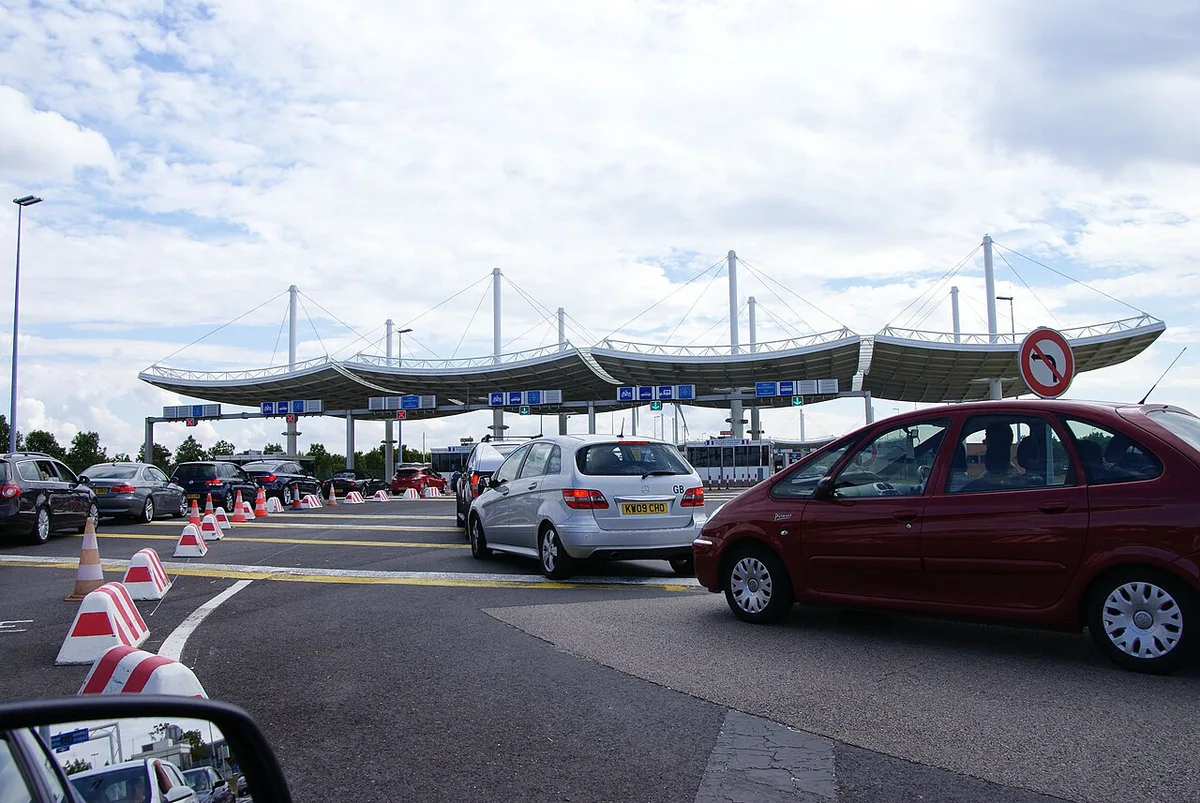
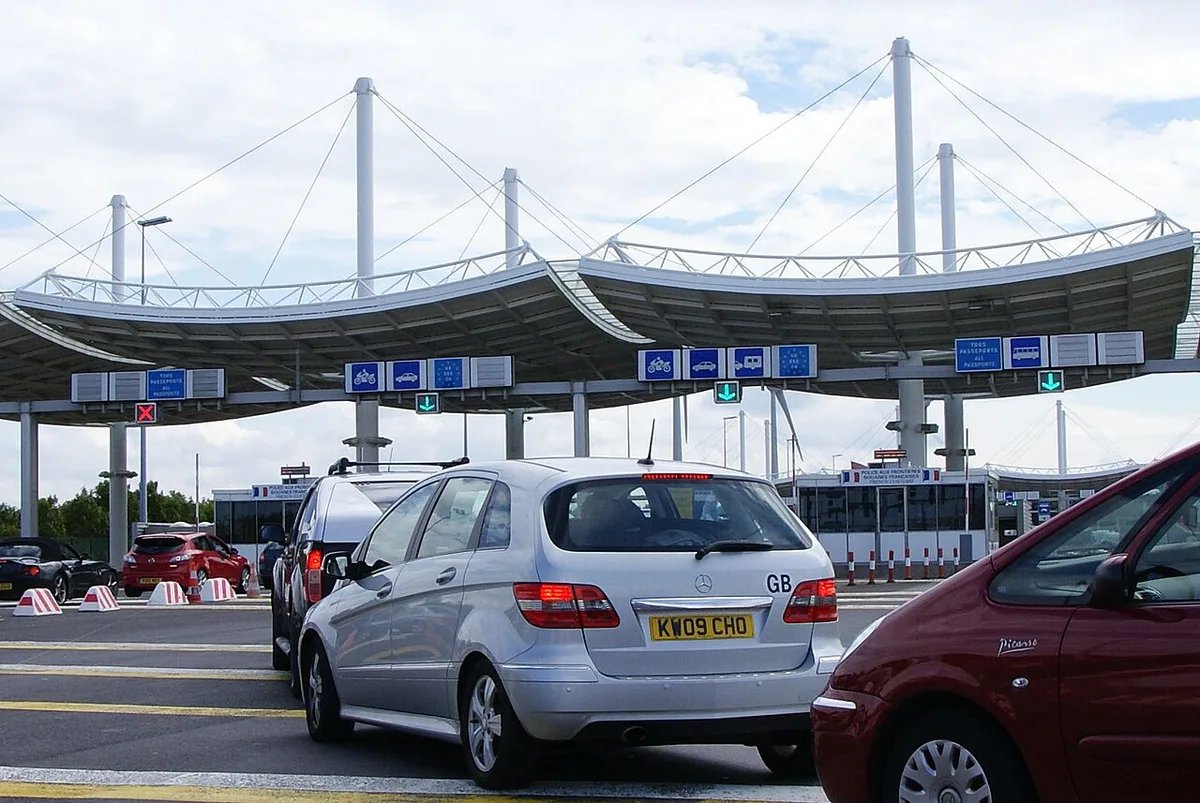
Booking comes first, and it happens on Eurotunnel's own site. Coming along the M20, leave at junction 11a for the Folkestone terminal. Your booking confirmation gives your check-in window, and arriving inside it keeps your slot. Early arrivals can wait in the terminal building until their departure is called. Border control is the step that surprises first-timers. UK and French officers run their checks side by side at the departure terminal, so you clear both countries before boarding. Under the EU Entry/Exit System, UK travellers may also be asked for fingerprints and a photo; at Folkestone this is taken before you leave the UK, it is free, and the record lasts three years, according to GOV.UK's France entry page.
- Book: pick the date, departure time, vehicle type and any pet.
- Arrive at the terminal inside your check-in window and follow the lane signs.
- Pass UK and French passport control in one stop.
- Follow staff directions to your boarding lane.
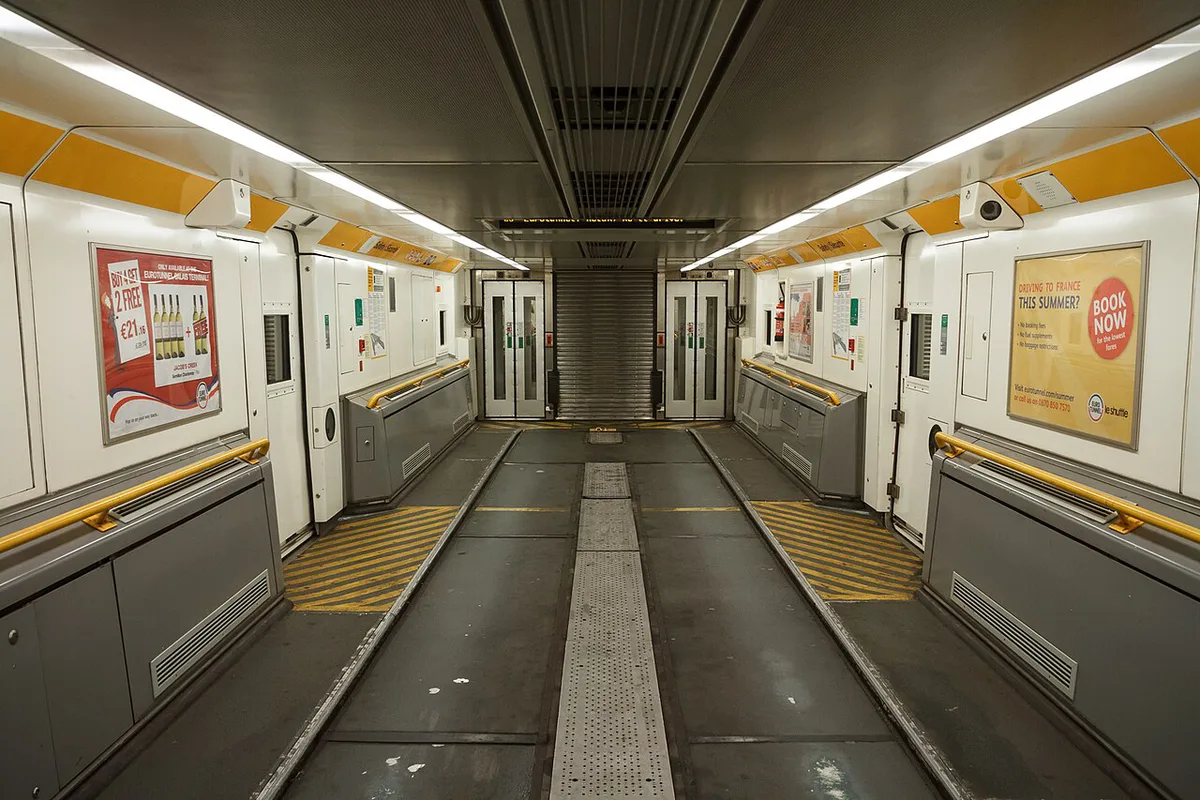
- Drive onto the train carriage and stay with your vehicle.
- Cross in about 35 minutes.
- Drive off at Calais-Coquelles and follow signs to the autoroute.
Tickets and Costs: What Drives the Price
Fares on LeShuttle move with demand. Departure date and time of day have the biggest effect. Flexible tickets cost more than fixed ones, and larger vehicles or add-ons raise the fare. Weekend and school-holiday departures usually cost more than midweek slots. Sample fares on third-party sites change daily, so use Eurotunnel's own booking page for a real quote. Compare the whole trip by adding French autoroute tolls and fuel to whichever crossing you price.
Eurotunnel Le Shuttle vs Ferry vs Eurostar vs Flying
Pick on luggage, pets and flexibility, not only on crossing time. Eurostar plus a hire car suits travellers without a vehicle. Our car rental in France guide covers that option. Flying and hiring works best for solo trips to distant regions.
| Option | Time | Flexibility | Pets | Luggage | Cost direction | Best for |
|---|---|---|---|---|---|---|
| LeShuttle | About 35 minutes on the train | High: drive on, drive off | Travel with you in the vehicle; check rules | Whatever fits your vehicle | Varies by date and ticket type | Road trips, pets, heavy loads |
| Dover-Calais ferry | Longer than the tunnel | Good | Rules differ by operator | Whatever fits your vehicle | Often lower off-peak | Drivers who want a break onboard |
| Eurostar plus hire car | Fast rail, then a pickup | Fixed tickets | Rules differ | Limited to what you carry | Higher for families | Paris-bound travellers without a car |
| Flying plus hire car | Airport time dominates | Many departure times | Hard | Baggage allowance | Varies widely | Solo trips, distant regions |
What You Can and Can't Bring
Each vehicle type has its own rules, so read Eurotunnel's restrictions page before you book.
- Electric and hybrid vehicles: rules differ from petrol and diesel cars.
- LPG and gas cylinders: restricted, so check limits first.
- Roof boxes and bikes: height and fitting rules apply. The double-deck carriages take vehicles under 1.85 m tall; taller vehicles ride in single-deck carriages.
- Trailers, caravans and motorhomes: size and height limits apply.
- Pets: add the pet at booking and follow the pet-travel rules.
Documents and Border Checks for UK Drivers
UK drivers need a valid passport, a driving licence, proof of insurance and the vehicle's registration papers. GOV.UK's France travel advice sets the passport rules: it must have been issued less than 10 years before you arrive and stay valid for at least 3 months after you plan to leave the Schengen area, and UK visitors can spend up to 90 days in any 180 in Schengen. Cars with UK plates need a national identifier, and the old GB identifier no longer does the job: GOV.UK says UK stickers have replaced the white oval GB sticker, so cover or remove a GB sticker and fit a UK one unless your plate already shows the UK identifier. Holders of a US licence should read our US licence guide for France.
Your First Miles in France
Calais-Coquelles connects to the A16 and the wider autoroute network. Drive on the right from the moment you leave the terminal. Take the first roundabouts slowly. Onward routes lead to Paris, Normandy, Brittany, the Loire and the south. Our French driving hub covers the full rulebook.
Junction 11a off the M20 leads you to Folkestone, and on the French side the A16 is your link from Calais-Coquelles.
- Autoroute charges start soon after Calais: see French toll roads.
- Limits change with road type and weather: see French speed limits.
- Automated enforcement is common: see French Speed Cameras: Fines, Tolerance & Tourist Tips.
- Entering low-emission zones needs a sticker: see Crit'Air sticker rules.
- France's alcohol limit is strict: see the French drink-driving limit.
If Something Goes Wrong
Delays, strikes and border queues can push you past your slot. Speak to Eurotunnel staff at the terminal if you miss check-in. A flexible ticket makes a later departure easier. Check live status on Eurotunnel's site before you leave home. Book your first night in France with free cancellation in case of a late arrival.
Your confirmation shows when check-in closes for your train, so plan the drive to Folkestone around that time, not the departure time. Flexible tickets cost more than fixed ones, so weigh that before you book.
- Mistake: arriving after check-in closes.
- Mistake: skipping the restrictions page for your vehicle.
- Mistake: forgetting passports and insurance papers.
- Mistake: planning a long first drive after a late crossing.
Frequently Asked Questions
Do you stay in your car in the Eurotunnel?
Yes, you stay with your vehicle during the crossing of about 35 minutes. You drive on at Folkestone and drive off at Calais-Coquelles.
How much is the Eurotunnel Le Shuttle?
Fares depend on date, time, ticket flexibility and vehicle size. Quote them on Eurotunnel's own booking page rather than third-party sample fares.
Road-rule changes worth knowing
Optional updates to our guides.
You might also like


Continue reading
More guides you'll find useful