6 Best France Road Trip Routes by Region
Plan your France road trip: compare six regional routes, how many days you need, driving rules, costs and when to go, with trade-offs.
On this page
Last updated November 2026: this France road trip guide helps you pick one region instead of crossing the whole country. Normandy suits a first drive from Paris, the Loire suits a short trip, and the south rewards longer stays. Use the table below to choose, then follow each route guide for stops and detail.
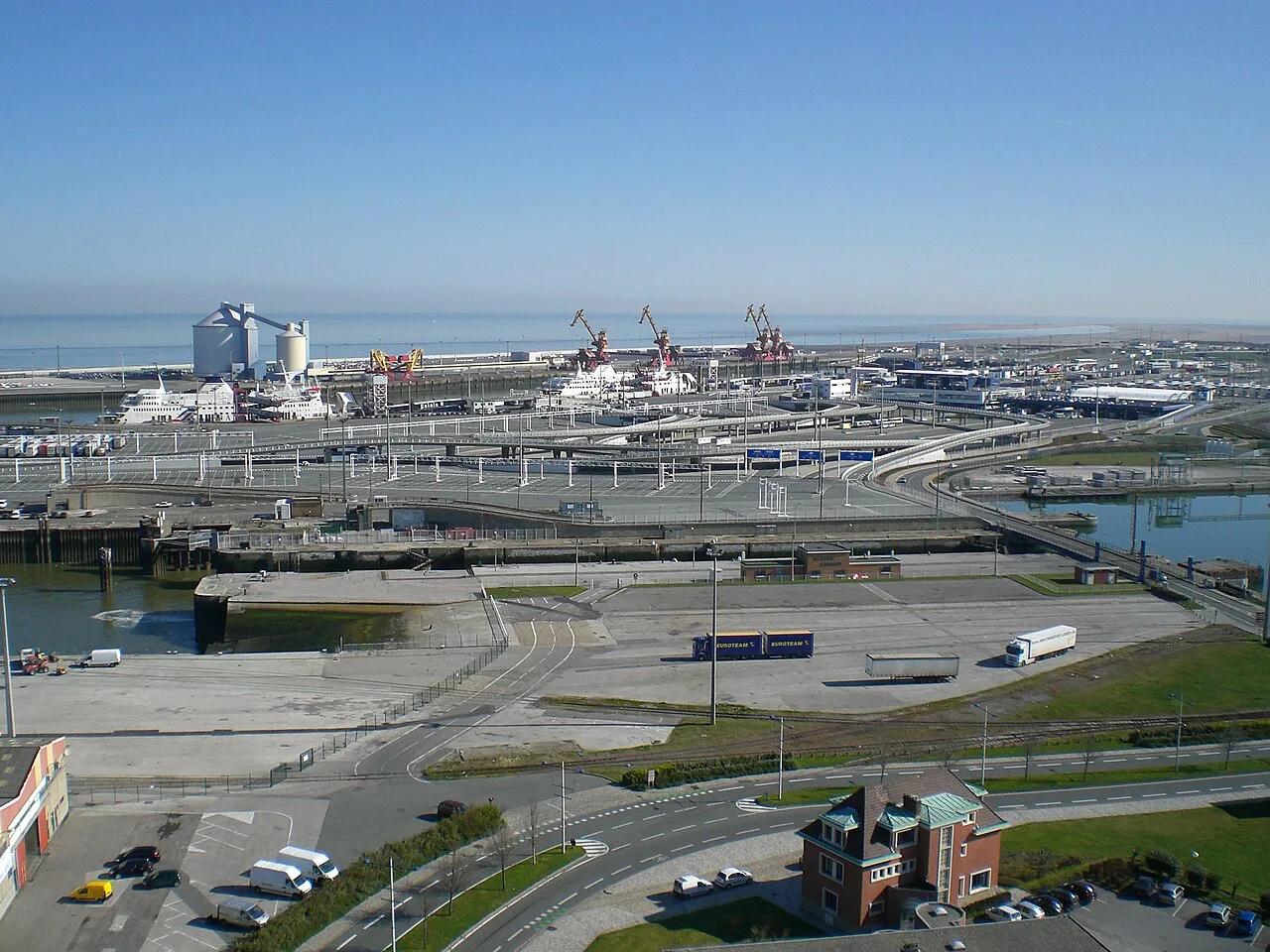
Featured image: Romainbehar, CC0, via Wikimedia Commons.
How to Choose Your France Road Trip
Start with the days you have and how much driving you want. First-timers leaving Paris usually do best with Normandy or the Loire. Southern routes reward longer trips and earlier booking of cars and rooms.
| Region | Best fit | Suggested days | Driving difficulty | Main trade-off |
|---|---|---|---|---|
| Normandy route guide | First drive from Paris, history fans | 5-7 | Easy | Coastal weather |
| Loire châteaux route | Short trips, château visitors | 4-5 | Easy | Château hopping by car or bike |
| Provence villages route | Villages and lavender season | 7-10 | Moderate | Seasonal crowds, tight parking |
| Riviera coast route | Coastal towns and beaches | 5-7 | Hard in summer | Traffic and parking |
| Route Napoléon mountain drive | Scenic drivers linking the coast and the Alps | 1-2 | Moderate to hard | Mountain-road conditions |
| high Grande Corniche road | Viewpoint drivers on the Riviera | Half day | Moderate | Narrow, winding sections |
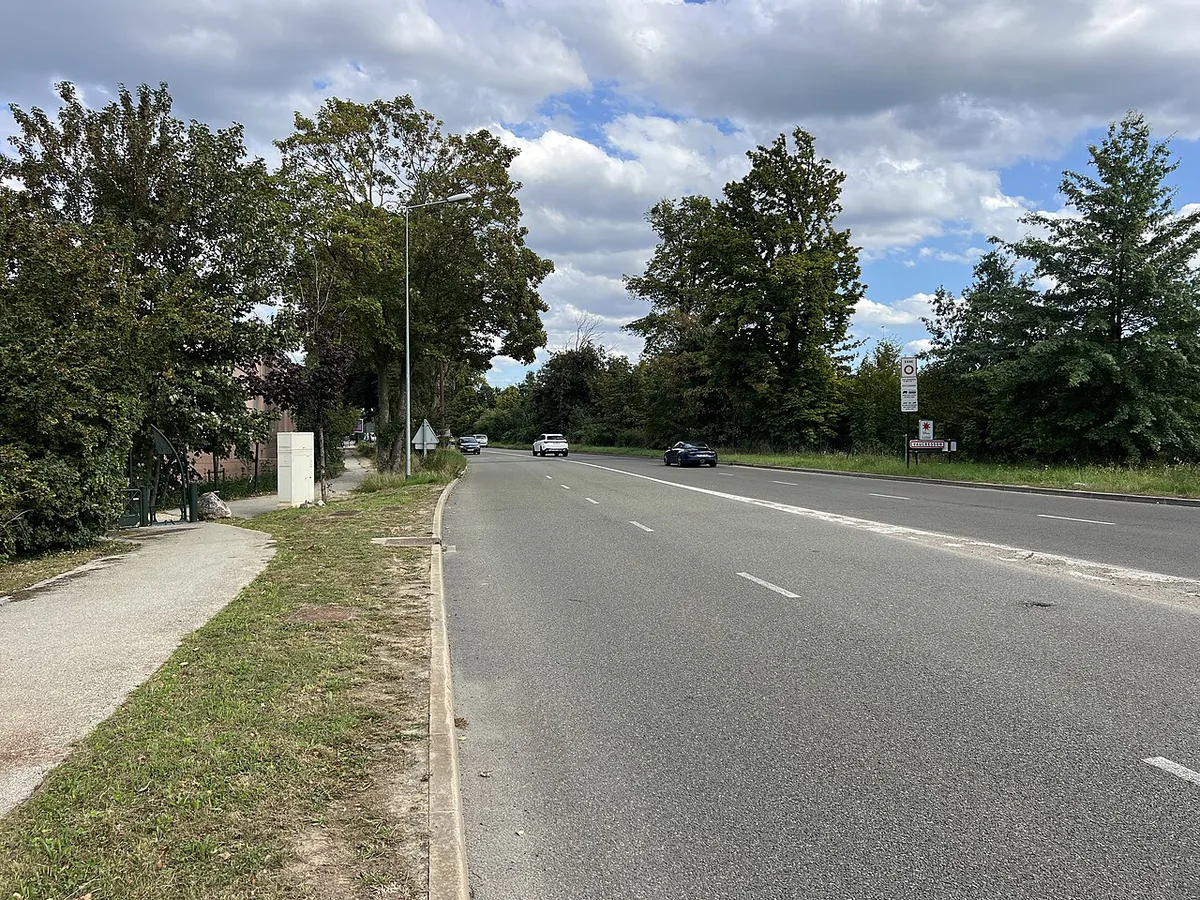
6 Best France Road Trip Routes by Region
Each route below is a short brief. The linked guide holds the stop-by-stop detail.
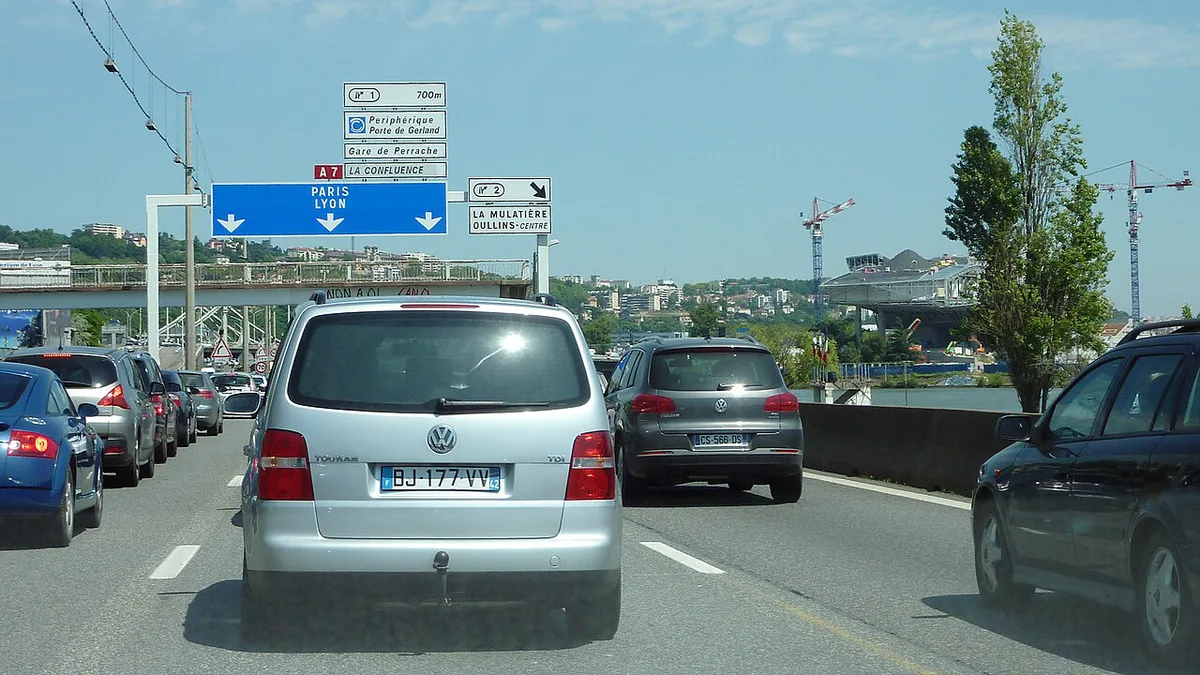
1. Normandy: D-Day beaches, Bayeux and the coast
Normandy is the easiest first drive from Paris, built around the D-Day sites, Bayeux and the coast. Base yourself in Bayeux or Caen, then fan out to the landing beaches and the Normandy American Cemetery. See the Bayeux Tapestry, then add Honfleur for its harbour and Mont Saint-Michel if you have a spare day.
Tides and shuttle timing shape the Mont Saint-Michel visit, so read Normandy Tourism's visitor pages first. Our full Normandy route guide orders the stops. Skip it if you want guaranteed sun or Mediterranean beaches.
2. Loire Valley: châteaux by car or bike
The Loire suits a short trip because the châteaux sit close together. Chambord and Chenonceau are the headline stops, and Amboise, Tours and Blois work as bases. Cycling between nearby sites is a real alternative to driving, and the choice shapes your whole schedule.
Read the Loire châteaux route guide for the car-versus-bike trade-off. Loire Valley Tourism lists current château information. Skip it if you want dramatic scenery or coastline.
3. Provence: lavender fields and hill villages
Provence is a village-hopping drive where timing matters more than distance. Lavender season pulls crowds to a few roads, and small villages have little parking. Arrive early, park outside the centre, and walk in.
Follow the Provence villages route for stop order and seasonal limits. Provence Tourism covers regional events and conditions. Skip it in peak summer if heavy traffic and heat would spoil the trip.
4. French Riviera: the coastal drive
The Riviera strings Cannes, Antibes and Nice along one busy coast. Summer traffic and parking are the main costs, so arrive early and leave the car at your base. Beach days and old-town lunches fill the stops better than distance does.
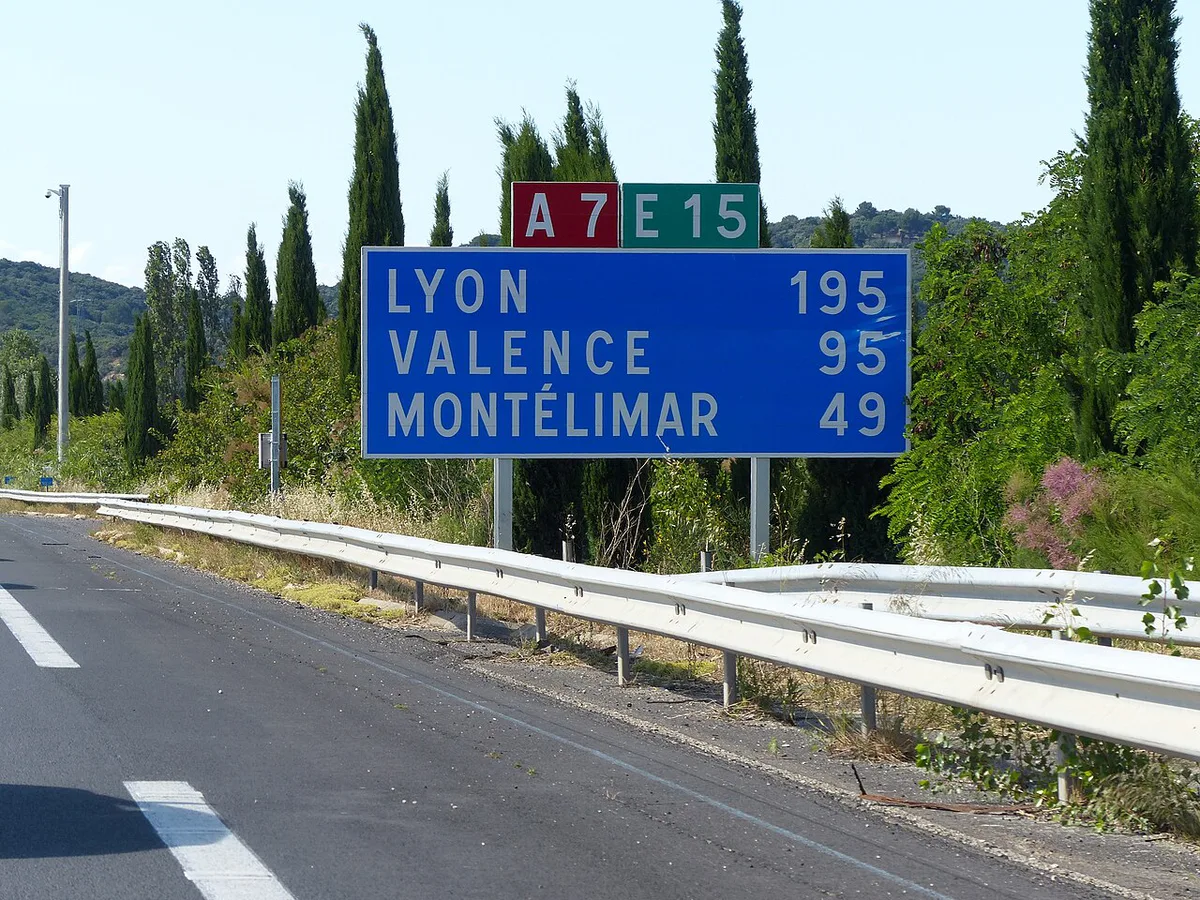
Our Riviera coast route shows the order and parking trade-offs. Côte d'Azur Tourism posts local updates. Skip it in July and August if you dislike queues.
5. Route Napoléon: the mountain link to the Alps
Route Napoléon is a scenic mountain drive between the Riviera and the Alps. Treat it as one or two days, not a whole trip. Mountain conditions change with the season, and winter services are limited.
Use the Route Napoléon mountain drive guide for sections and stops. Skip it if you dislike hairpins or have only a small car with no room for luggage.
6. Grande Corniche: the high road above the coast
Grande Corniche is the high coastal road above the Riviera, best for viewpoints rather than towns. Pair it with a Riviera base so you can drive it on a clear morning and return for lunch. Narrow, winding sections reward slow driving and early starts.
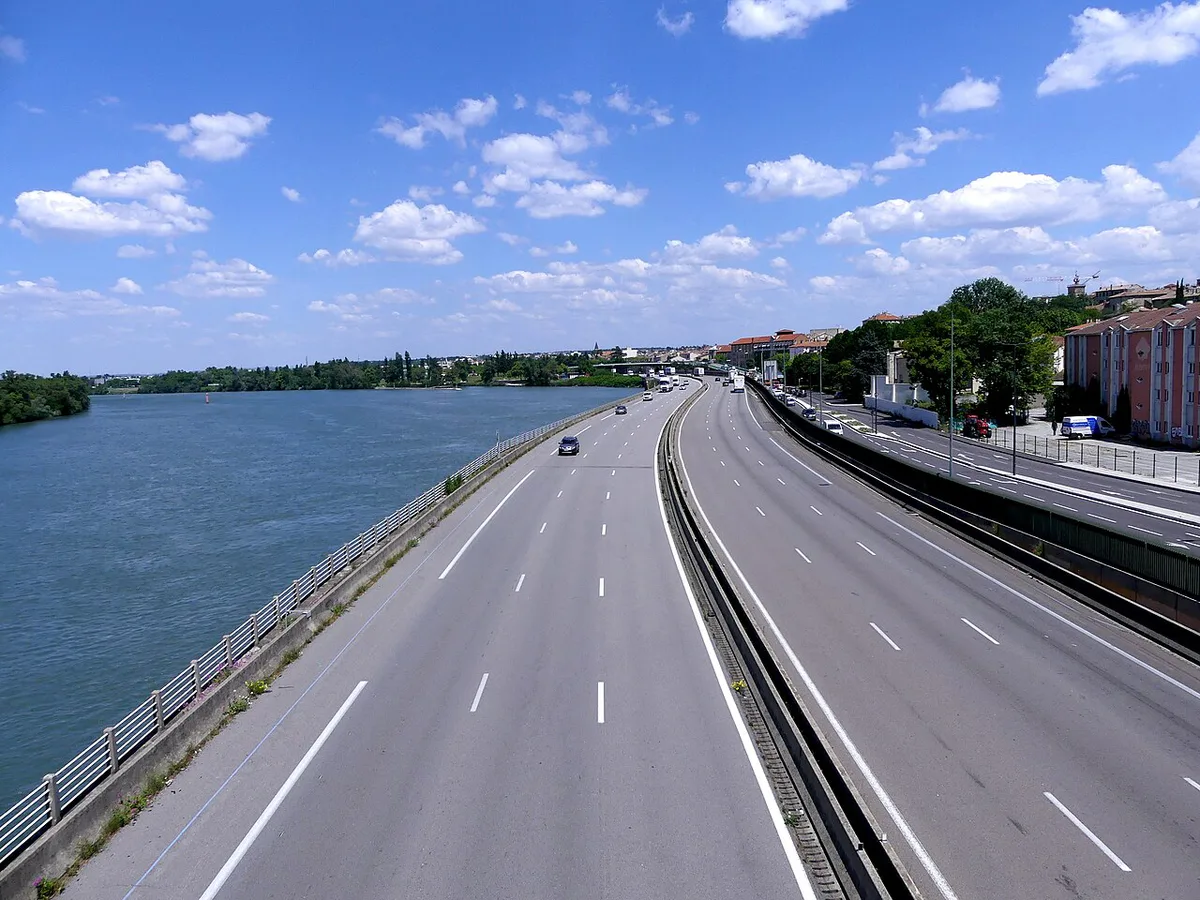
The high Grande Corniche road guide covers viewpoints and pull-offs. Skip it in fog or heavy rain, when the views vanish.
How Many Days Do You Need for a France Road Trip?
Fewer, longer stops beat a long drive between regions. A 5-day trip fits one region with one or two bases. Seven days can stretch to a second base or a Paris start. Ten days fits two neighbouring regions, and 14 days allows a train leg south. Do not combine Normandy and the Riviera in one week, because that crossing eats days. Take the TGV for long legs, then rent locally.
| Days | Best use | Trade-off |
|---|---|---|
| 5 | One region, one or two bases | Little room for a second area |
| 7 | One region plus a day trip or Paris | Tight if you add a second region |
| 10 | Two neighbouring regions | Longer drives between bases |
| 14 | Two regions plus a TGV leg south | Needs earlier booking |
Best Time to Drive France
Summer brings coastal traffic and packed car parks, especially on the Riviera. Spring and autumn are calmer and suit most routes. Winter means shorter opening hours and limited services in small towns. Mountain roads such as Route Napoléon and the Grande Corniche need extra care in bad weather. Check regional tourism boards for current seasonal details.
Driving in France: Rules, Tolls and Costs
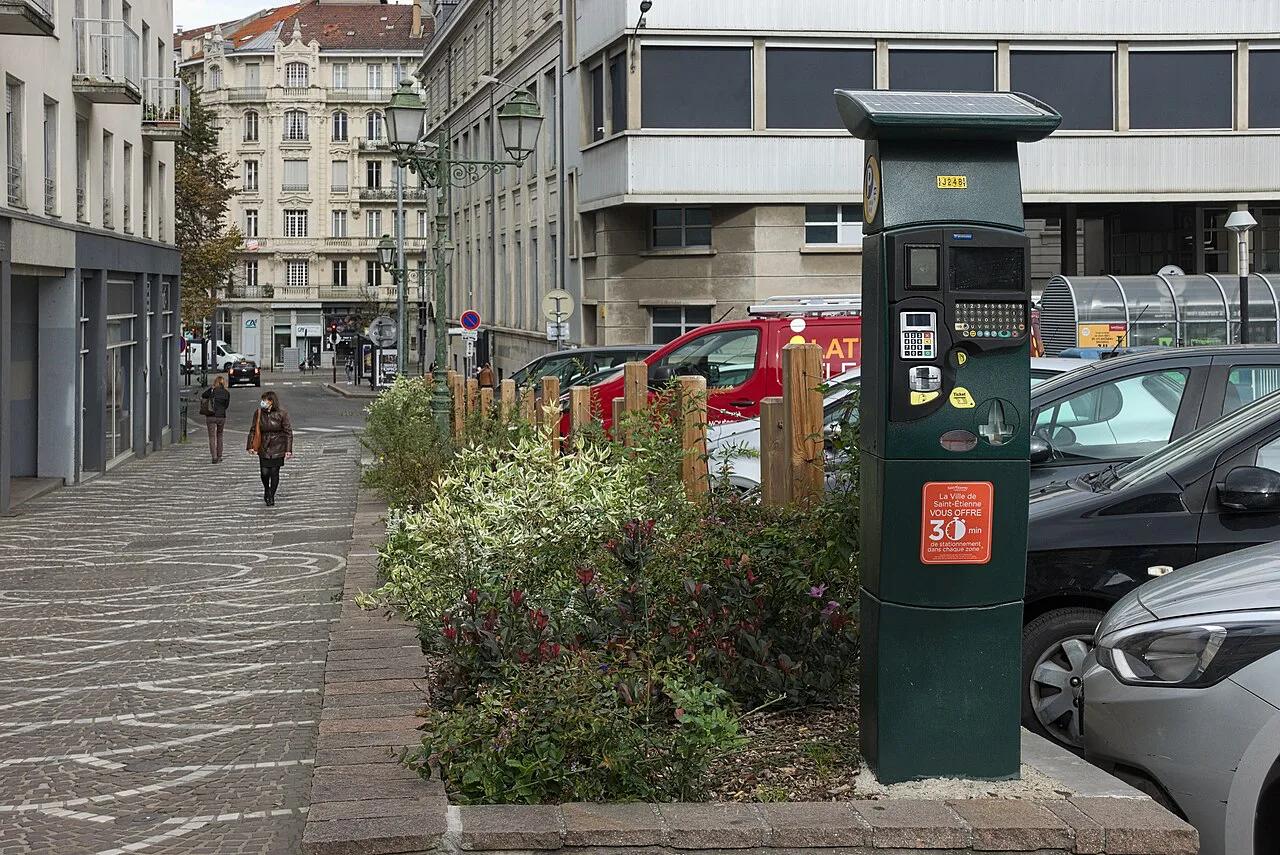
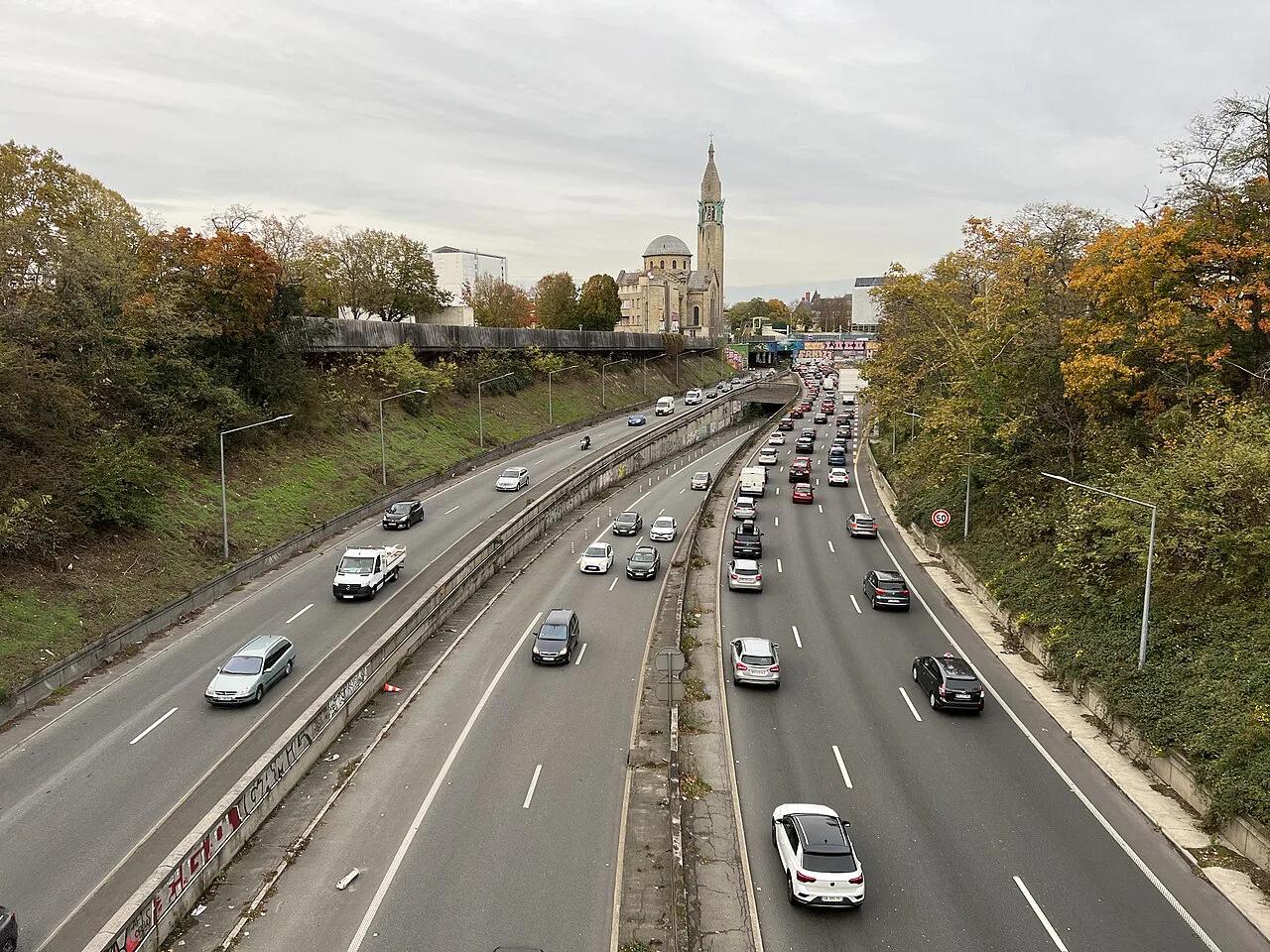
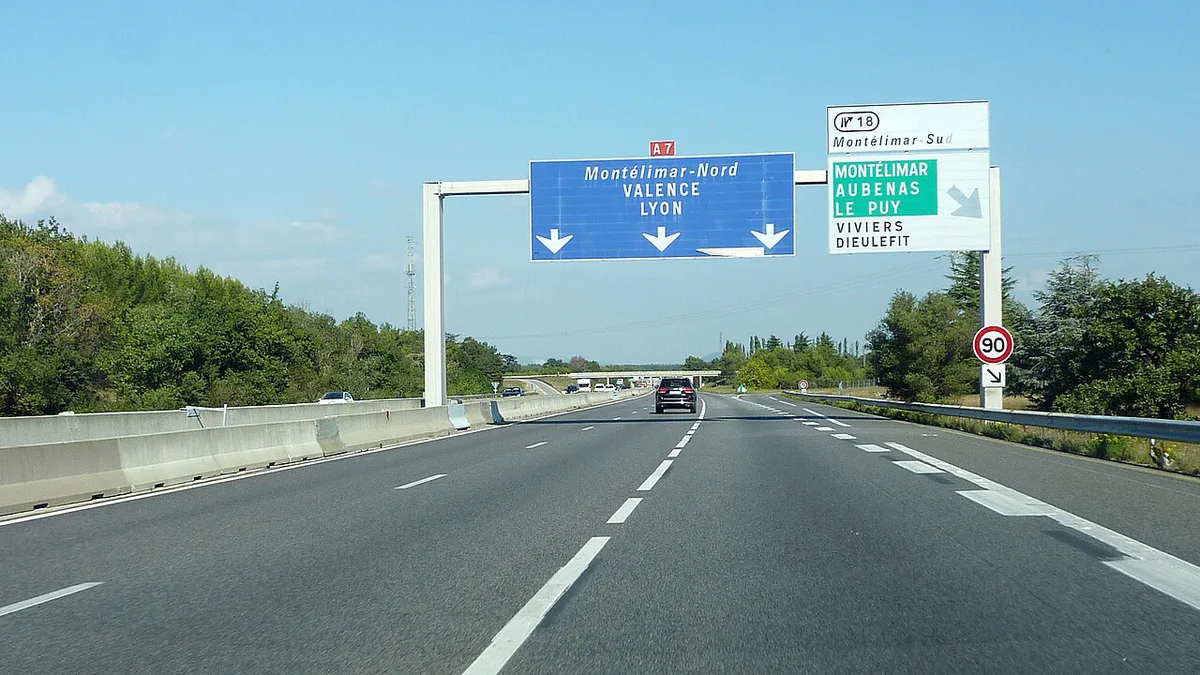
Autoroutes charge péage tolls, while national roads are free but slower. VINCI Autoroutes publishes toll information for its network. Big cities run low-emission zones, and Crit'Air explains the vehicle stickers. Rules on licences, an international driving permit and mandatory in-car equipment change, so check Sécurité Routière before you fly. Speed cameras are common, so follow posted limits. Old towns have tight, paid parking.
Renting a Car in France
Pick up outside central Paris to avoid city driving. One-way rentals usually add a surcharge, so compare that against a return trip. Book an automatic early if you cannot drive a manual. For long legs such as Paris to the south, take the TGV and rent locally. Ask what the rental price includes, and compare it with tolls and fuel.
Collecting the car after the train leg avoids Paris driving. 14 days allows a train leg south, so rent locally once the train has taken you south.
Where to Stay and Park
Choose one base per region and take day trips. In the Loire, Amboise, Tours and Blois work well. In Normandy, use Bayeux or Caen. For Mont Saint-Michel, Pontorson and Beauvoir are cheaper and quieter than the island. Staying on the island costs more but gives you the evenings. Stay outside the walls of historic centres, where parking is easier. Book tidal and shuttle timings with a buffer.
Costs and Budget Framework
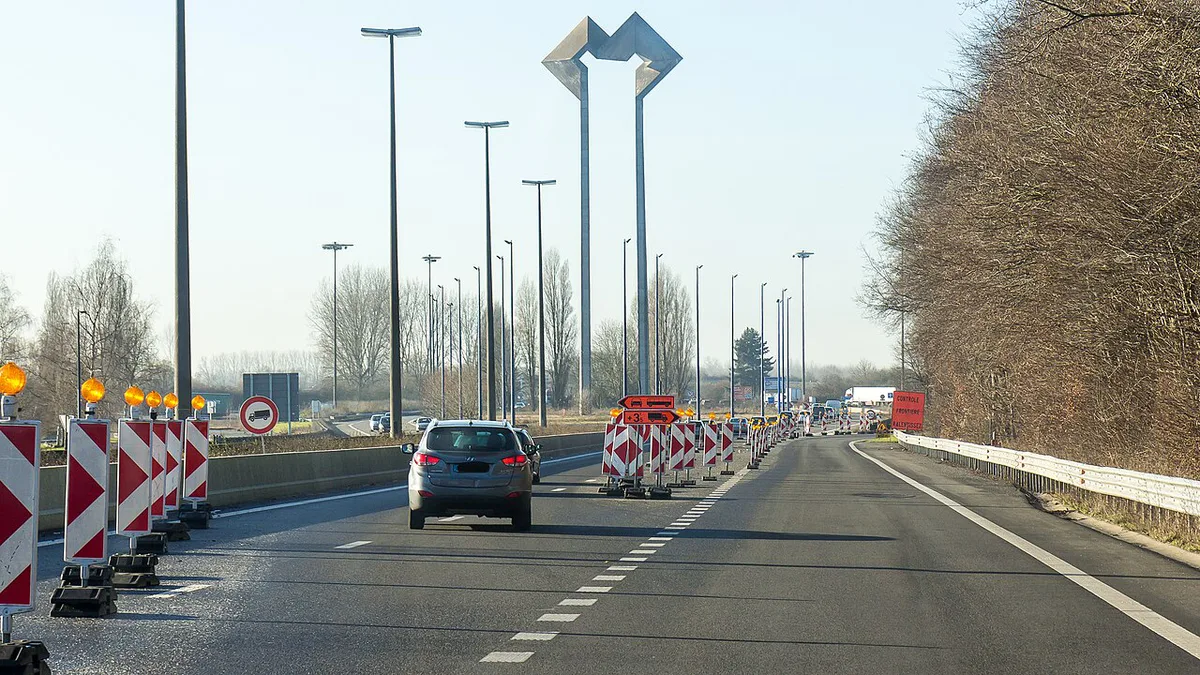
Totals depend on the season, car and route, so use this table to see what drives cost. Check official château and museum sites for ticket prices.
| Cost driver | What moves it | How to control it |
|---|---|---|
| Car hire | Season, automatic, one-way drop-off | Book early; return to pick-up city |
| Tolls | Autoroute versus national road | Mix both on long legs |
| Fuel | Distance and engine | Stay in one region |
| Lodging | Base town versus walled centre | Stay just outside the walls |
| Attractions | Châteaux, abbeys, museums | Pick two or three per day |
| Parking | Old-town car parks | Park outside and walk in |
Mistakes to Avoid on a France Road Trip
Most problems come from overplanning.
- Cramming too many regions into one week.
- Driving into central Paris instead of collecting the car outside it.
- Ignoring toll and parking costs in your budget.
- Relying on one base for a whole region.
- Booking tight ferry or shuttle times, including Mont Saint-Michel tide timing.
- Forgetting Sunday and lunch closures in small towns.
Explore More Guides
Keep planning your trip with these guides.
Guides
Road-rule changes worth knowing
Optional updates to our guides.
You might also like

Continue reading
More guides you'll find useful