Alpine Passes by Car: Best Drives, Seasons and Planning Tips
Plan an Alpine pass drive: which passes to pick, when they open, what to check and how to link them into a road trip.
On this page
Last updated November 2026: the Alps hold hundreds of alpine passes, but most drivers need only a handful. Your best pick depends on season, vehicle size, route direction and tolerance for hairpins. Below you get a shortlist, a comparison table, closure and gear rules, and sample routes for a rental car.
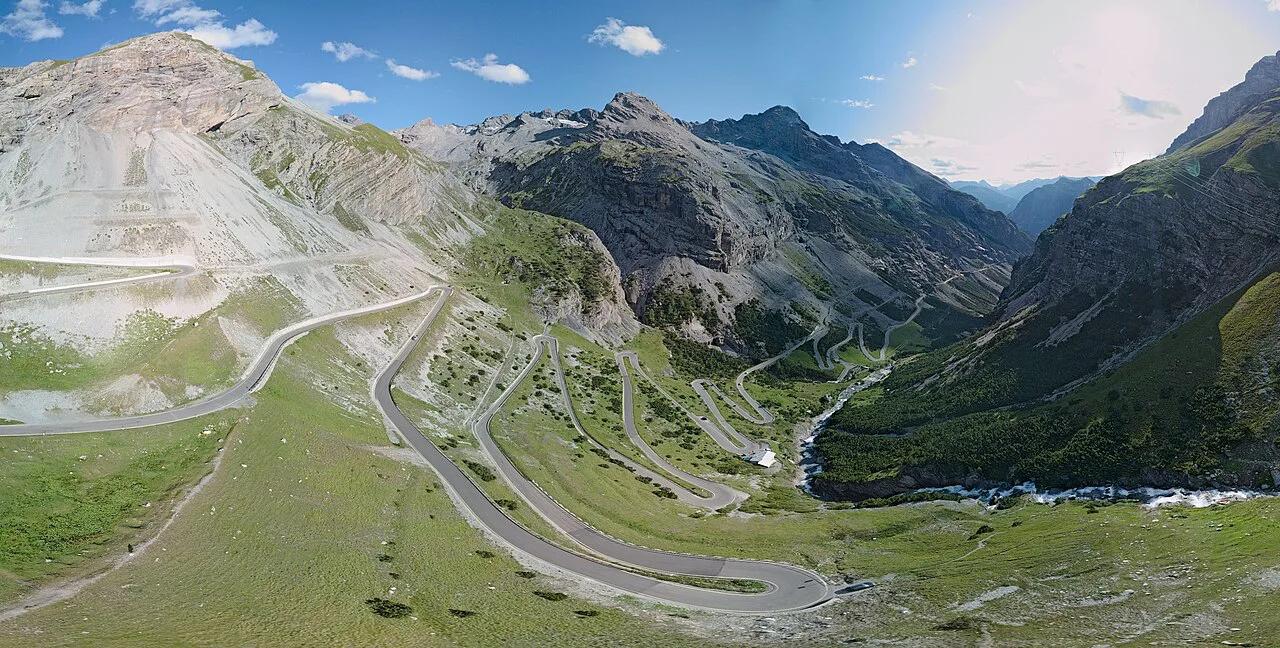
Featured image: Philip Pikart, CC BY-SA 4.0, via Wikimedia Commons.
Quick answer: which Alpine passes are worth driving
Six passes cover most of what a first-time driver wants. Stelvio in Italy is the showpiece, at a listed 2,757 m. Col du Galibier in France reaches a listed 2,642 m. Dolomites drivers can link Sella, Pordoi and Gardena in one loop. Brenner, at a listed 1,375 m, is the low and easy crossing between Austria and Italy. Elevations are in metres, as on road signs, and they vary slightly by source.
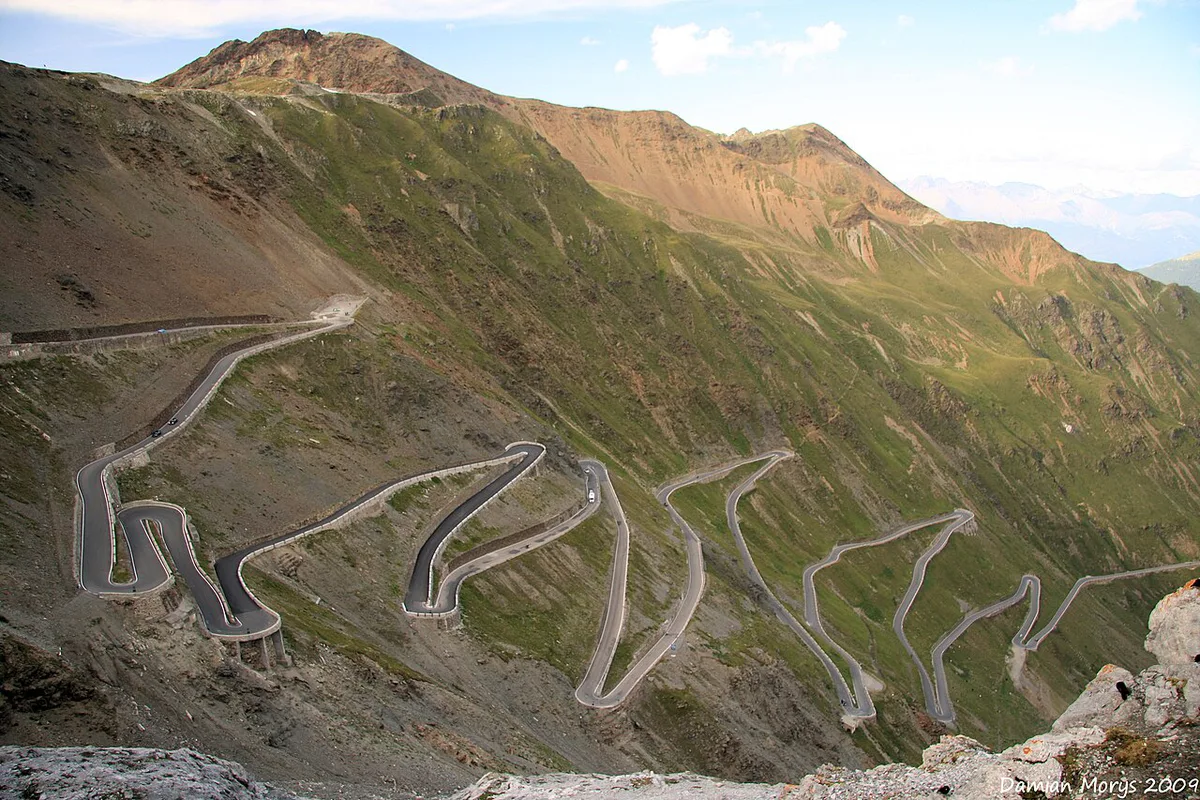
- Stelvio (SS38), Italy: the hairpin showpiece for confident drivers.
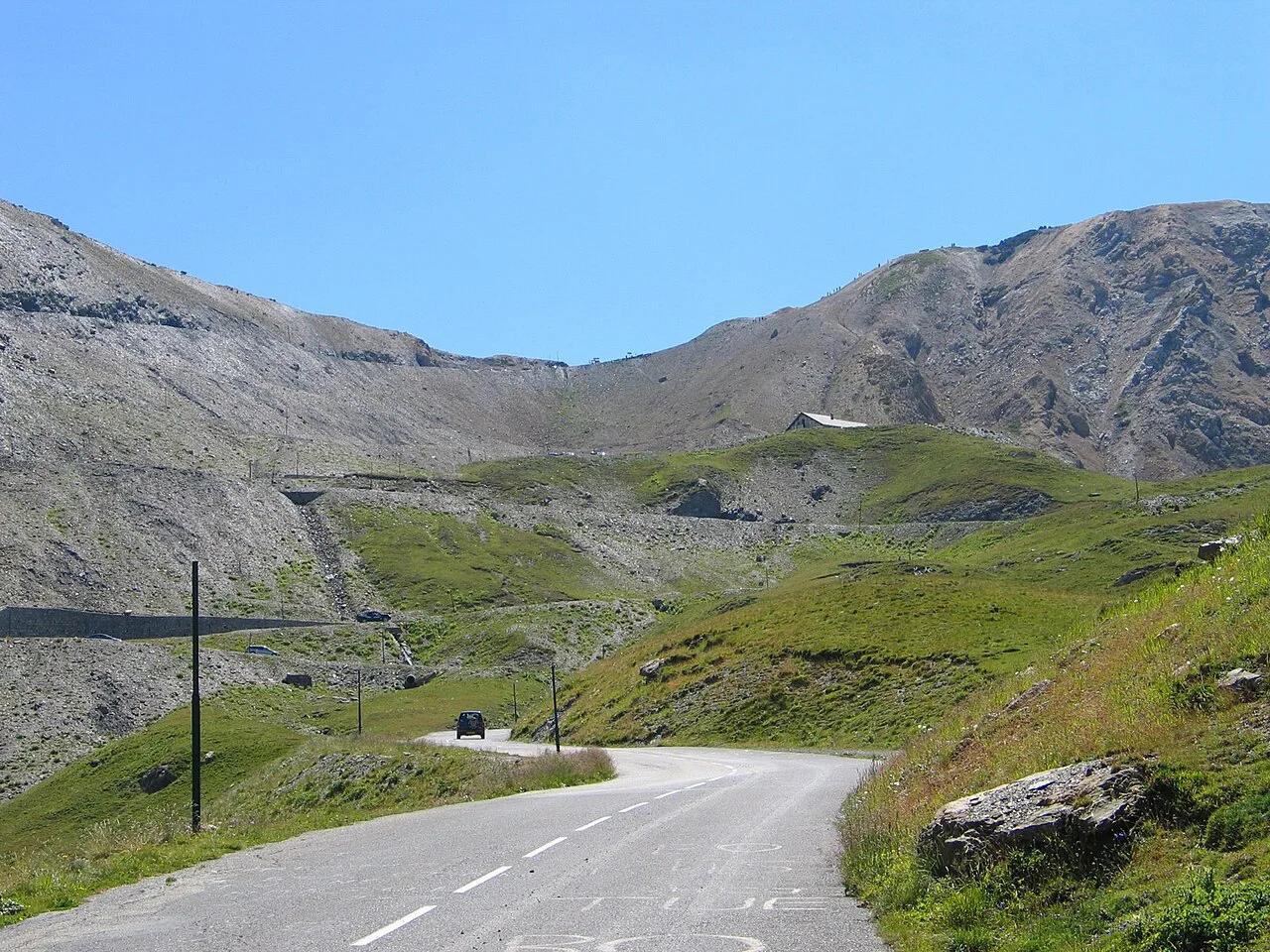
- Col du Galibier, France: high, open and scenic, with big views on a clear day.
- Sella, Pordoi and Gardena, Dolomites: three passes in one day-long loop.
- Gotthard, Switzerland: a pass drive with a tunnel fallback on the same corridor.
- Col d'Izoard, France: a quieter high-altitude option near Briançon.
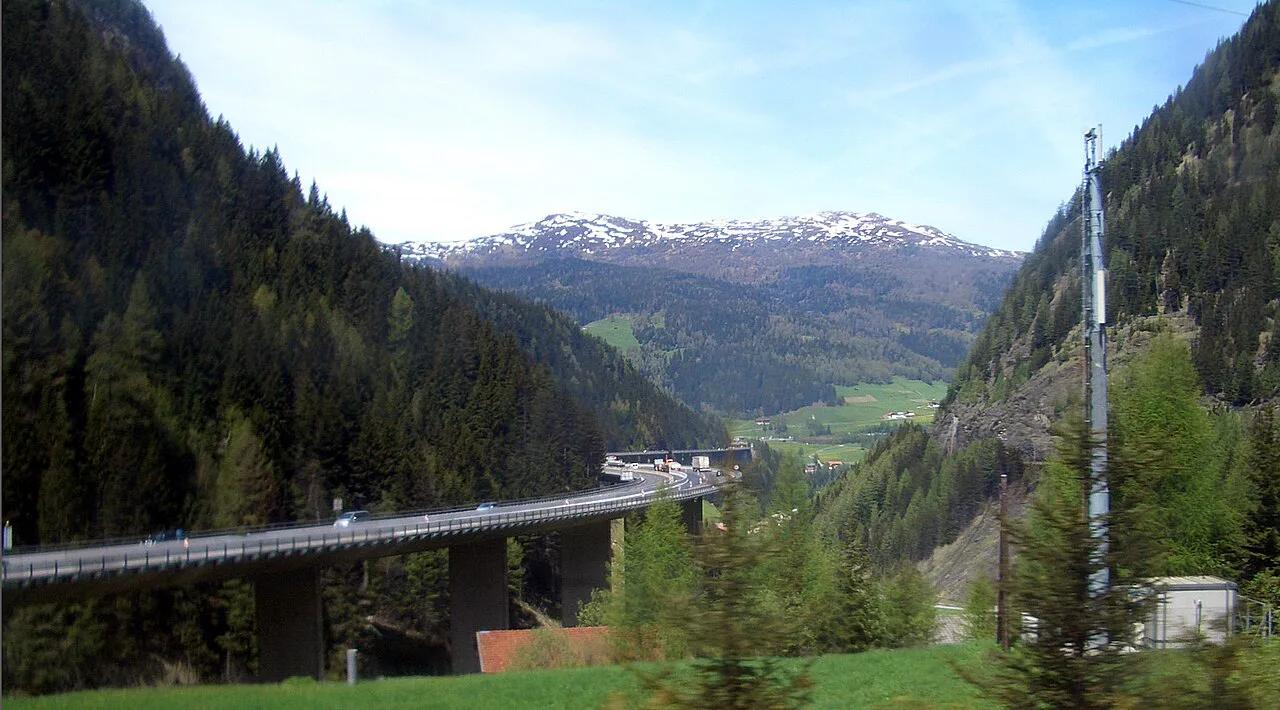
- Brenner, Austria/Italy: the gentle option for nervous drivers.
How to choose an Alpine pass
Start with five filters. Check the season window first, because high passes close for winter. Next, confirm the surface is paved, since a few famous tracks are gravel or single-track. Then match the road to your vehicle length, your comfort with hairpins and gradients, and your time of day. Finally, ask whether a tunnel or train gives you a fallback if weather closes the road. Elevations below are listed figures and vary slightly by source.
| Pass | Country | Listed elevation | Surface | Best for | Who should skip it |
|---|---|---|---|---|---|
| Stelvio (SS38) | Italy | 2,757 m | Paved | Hairpin drama | Anyone nervous about tight bends |
| Col du Galibier | France | 2,642 m | Paved | Open high-alpine views | Drivers travelling in cloud or early season |
| Passo Gavia | Italy | 2,621 m | Paved | Quiet high crossing | Drivers wanting wide, easy roads |
| Timmelsjoch | Austria/Italy | 2,509 m | Paved | Border crossing with scenery | Large campervans |
| Col d'Izoard | France | 2,361 m | Paved | Rock formations, fewer crowds | Anyone short on time |
| Albula Pass | Switzerland | 2,315 m | Paved | Swiss mountain scenery | Winter travellers |
| Passo Pordoi | Italy | 2,239 m | Paved | Dolomites loop | Those avoiding busy summer traffic |
| St Gotthard | Switzerland | 2,108 m | Paved | Classic north-south crossing | Time-pressed drivers (use the tunnel) |
| Vršič | Slovenia | 1,611 m | Paved | Julian Alps drive | Large vehicles on tight bends |
| Brenner | Austria/Italy | 1,375 m | Paved | Easy low crossing | Drivers wanting a high-alpine thrill |
Best Alpine passes by type of drive
High-altitude showpieces come first. Col de l'Iseran in France is listed at 2,770 m, the highest paved entry on most lists. Stelvio follows at 2,757 m, then Galibier at 2,642 m and Passo Gavia at 2,621 m. For nervous drivers, Gavia and Stelvio are the two to approach with care. Dolomites passes are shorter. Sella (2,244 m), Pordoi (2,239 m) and Gardena (2,121 m) link into one loop with Canazei as a gateway. Classic border crossings include Timmelsjoch at 2,509 m and Brenner at 1,375 m. Gentler options include Col de la Madeleine at 1,993 m and Col de Turini at 1,607 m in the Maritime Alps. Unpaved or rough routes such as Parpaillon, Assietta, Finestre and Via del Sale are not for standard rental cars. Read your rental terms before you try them.
When Alpine passes open and when to go
High passes close for winter, and reopening dates move with snowfall. Anything above roughly 2,000 m, such as Galibier or Stelvio, is the most exposed. Lower roads such as Brenner at 1,375 m stay open far more reliably. Summer gives the most reliable window. Shoulder seasons trade empty roads for closure risk and cold mornings. Clouds also hide views from the summit, so start early and keep a flexible day. Prices and hours checked November 2026, but no pass dates are given here because they change yearly. Check each pass's official road-status page the week you travel.
Rules, costs and gear to check
Rules differ by country, so read them before you cross. In France, the official French road safety site covers national driving rules. Some French cities near the Alps also require a Crit'Air low-emission sticker. Switzerland and Austria use vignette or toll systems, and Italy charges tolls on its motorways. No fees are quoted here, because tariffs change. Ask your rental company about winter tyres, chains and cross-border fees before pickup.
At 1,375 m, Brenner stays open far more reliably than Galibier, but winter tyres or chains still matter outside summer.
- Snow chains or winter tyres: required in many conditions outside summer.
- Fuel and EV charging: fill up before climbing, because high sections have few stations.
- Vehicle limits: check length and weight restrictions on narrow passes.
- Rental terms: confirm cross-border and mountain-road clauses.
Pass vs tunnel: time, cost and scenery trade-offs
Gotthard shows the trade-off clearly. The pass climbs to a listed 2,108 m, with Airolo and Andermatt as gateway towns. The tunnel along the same corridor is faster and works when the pass is shut. On the Zurich to Milan corridor, you can drive the pass for scenery or take the tunnel for speed. Our Zurich to Milan drive covers that corridor. San Bernardino, listed at 2,065 m, is another option on that route. Brenner is the opposite case, since at 1,375 m it is already the easy road. Skip the pass if weather is poor, you are short of time or your vehicle is large.
Gotthard's listed 2,108 m sits above the roughly 2,000 m line where closures hit hardest, so the tunnel is the safer backup on the same corridor.
Where to base yourself and link passes into a route
Gateway towns make planning easier. Bormio suits Stelvio and Gavia. Canazei suits the Dolomites loop. Briançon suits Izoard and Galibier, and Airolo or Andermatt suit Gotthard. A two-day Dolomites plan could be Sella, Pordoi and Gardena. A three-day plan adds Stelvio and Gavia from Bormio. A four-day plan could add Galibier and Izoard from Briançon. Book mountain lodging early for summer weekends. Use Scenic Drives in Europe: Best Routes by Season & Driver for wider ideas. Our 12 Best Road Trips in Europe by Season and Budget guide shows how to fit passes into a longer trip.
Mistakes to avoid
Most problems come from over-planning one day. Avoid stacking too many passes, because slow hairpins eat hours. Do not rely on a navigation app for closures. Do not start a high pass late in the afternoon. Do not take an unpaved shortcut in a rental car.
- Skipping the official status page before leaving.
- Leaving with less than half a tank before a long climb.
- Assuming summer means every pass is open.
- Booking a lodging base too far from the pass.
Frequently Asked Questions
What is a mountain pass called?
The word changes with the language. French roads say Col, Italian roads say Passo, and German-language roads say Joch or Pass. Timmelsjoch and Passo Gavia are two examples.
What countries does the Alps pass through?
Passes in this guide sit in Switzerland, France, Italy and Austria. Slovenia's Vršič is a Julian Alps option. Switzerland, France, Italy and Austria hold the most passes.
What is the best driving route through the Alps?
It depends on your season and nerve. Stelvio and Galibier suit confident drivers in summer. Brenner suits a gentle crossing, and the Dolomites loop of Sella, Pordoi and Gardena suits a compact trip.
Road-rule changes worth knowing
Optional updates to our guides.
You might also like
Continue reading
More guides you'll find useful