
8 Things to Sort Before Driving in Europe
Planning on driving in Europe? Eight pre-trip checks cover licence and IDP needs, insurance, kit, tolls, low-emission zones and the mistakes that cause fines.
On this page
Last updated November 2026: driving in Europe is open to most visitors, but licence, insurance, kit and road rules change from one country to the next. Work through the eight checks below before you collect a hire car. Each one links to a deeper guide for your situation.
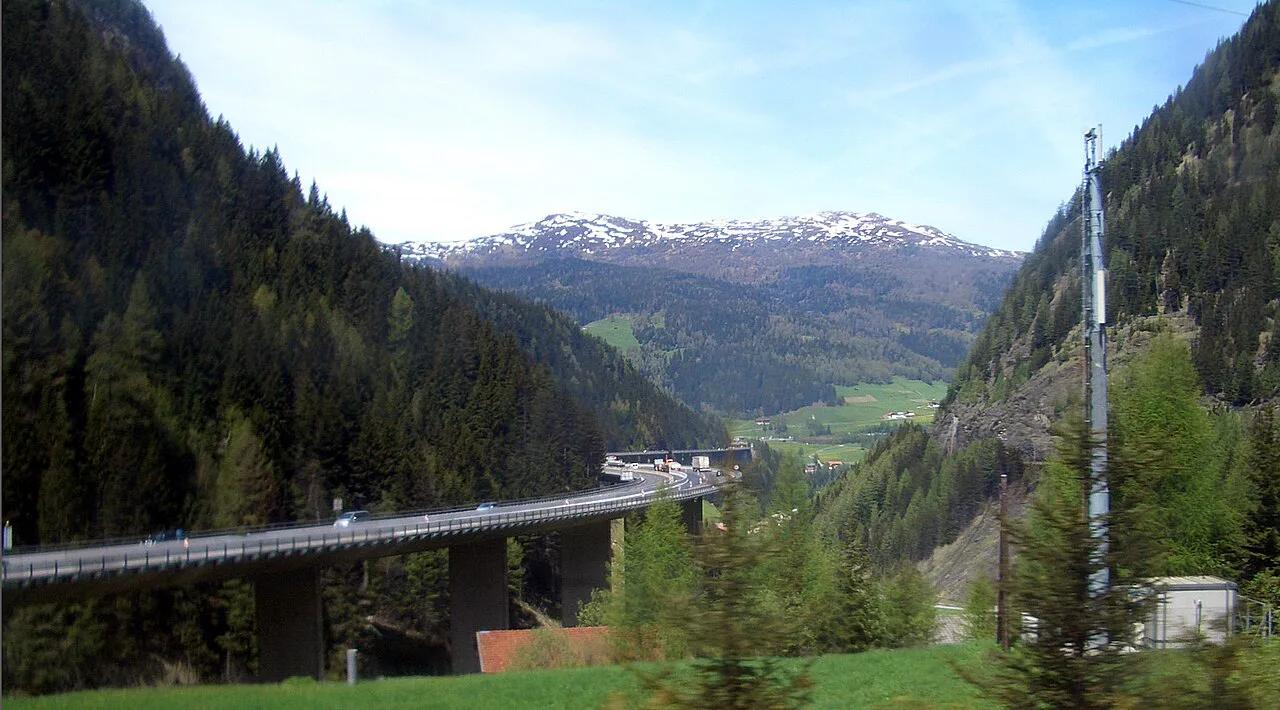
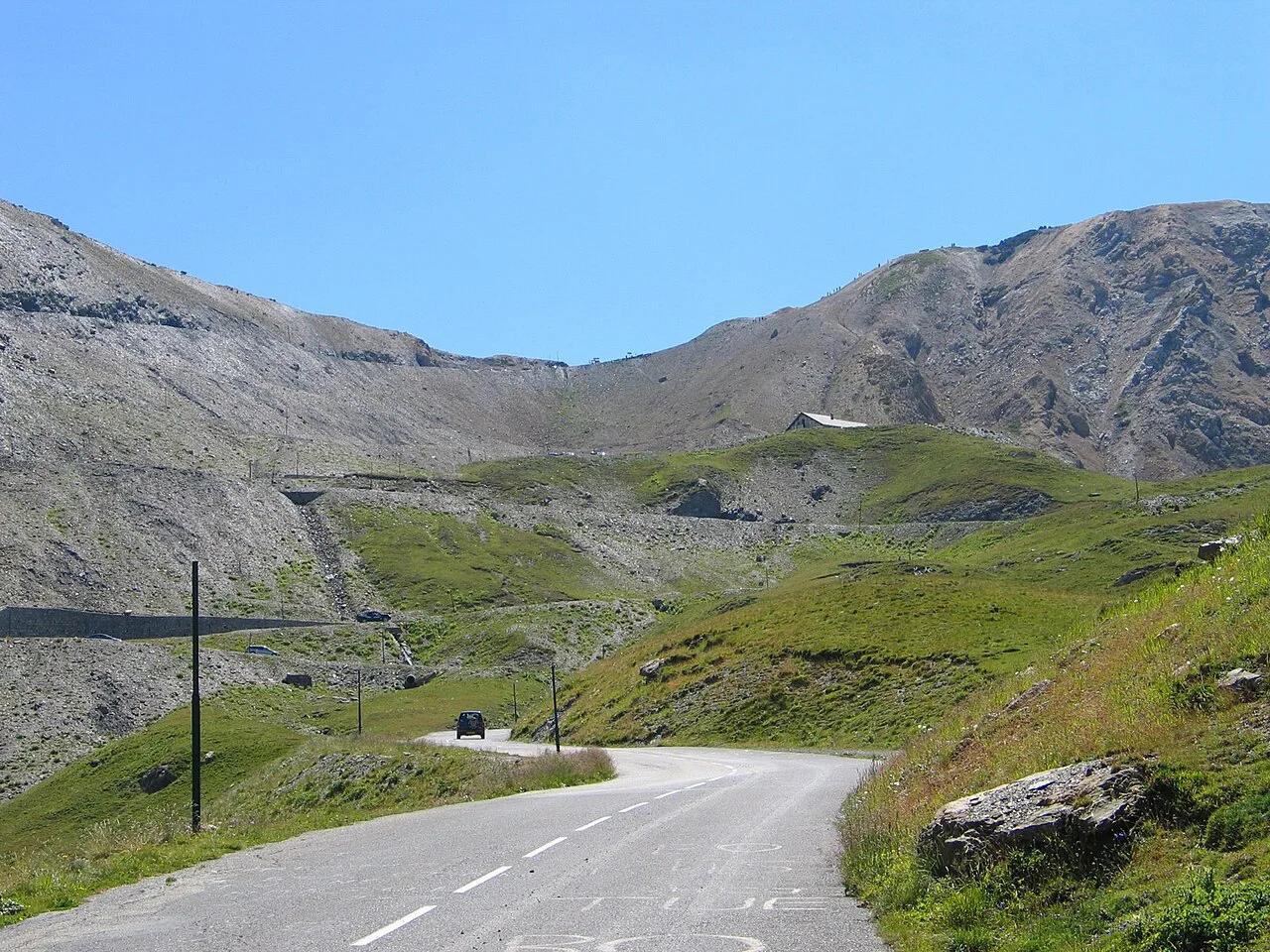
Featured image: Vladimir Menkov, CC BY-SA 3.0, via Wikimedia Commons.
8 Things to Sort Before Driving in Europe
Rules checked November 2026. Rules shift often, especially UK and EU paperwork, low-emission zones and kit requirements. Use these eight checks as your pickup-day list, and treat each country's official page as the final word.
1. Licence and international driving permit
Start with the licence in your wallet, because it decides what else you need. US and other non-EU drivers should read our guide to driving in Europe with a US license. Permit rules differ by country, and rental desks add their own policies on top.
Our explainer on the International Driving Permit for Europe: Who Needs One shows when it is worth arranging one before you fly. UK drivers with a photocard licence need no IDP in the EU, Switzerland, Norway, Iceland or Liechtenstein, according to the GOV.UK driving abroad guidance. Skip the permit research only if you plan to travel city to city by train.
2. Documents and insurance
Carry your licence, passport, vehicle papers, proof of insurance and the hire-car agreement in the car. Keep digital copies on your phone as a backup, not a replacement. Non-EU visitors are now registered by the EU Entry/Exit System, which has run at all Schengen external borders since 10 April 2026; the separate ETIAS travel authorization is not yet in operation. A Green Card proves that your insurance meets the legal minimum abroad. The Motor Insurers' Bureau says UK-registered cars need none in the EU, Andorra, Bosnia and Herzegovina, Montenegro, Serbia or Switzerland, but must show one in Albania, Moldova, North Macedonia, Turkey and Ukraine. Our guide to Green Card Insurance for Driving in Europe: Do You Need One? explains who needs one.
UK-registered cars need the UK identifier, which replaced GB on 28 September 2021: a plate showing UK with the Union flag, or a UK sticker. Spain, Cyprus and Malta want the sticker whatever the plate shows. See the guide to the UK sticker rules for plate-by-plate detail. Drivers in a standard hire car can usually leave most of this to the rental company, but ask at the desk.
3. Which side of the road and who has priority
Most of Europe drives on the right. Ireland, Malta and Cyprus drive on the left, as does the UK. If your trip includes one of those, read our guide to Driving on the Left in Europe: A Visitor's Guide first. Roundabouts trip up many visitors, so study how Roundabouts in Europe: Rules, Lanes and Signalling work before your first junction.
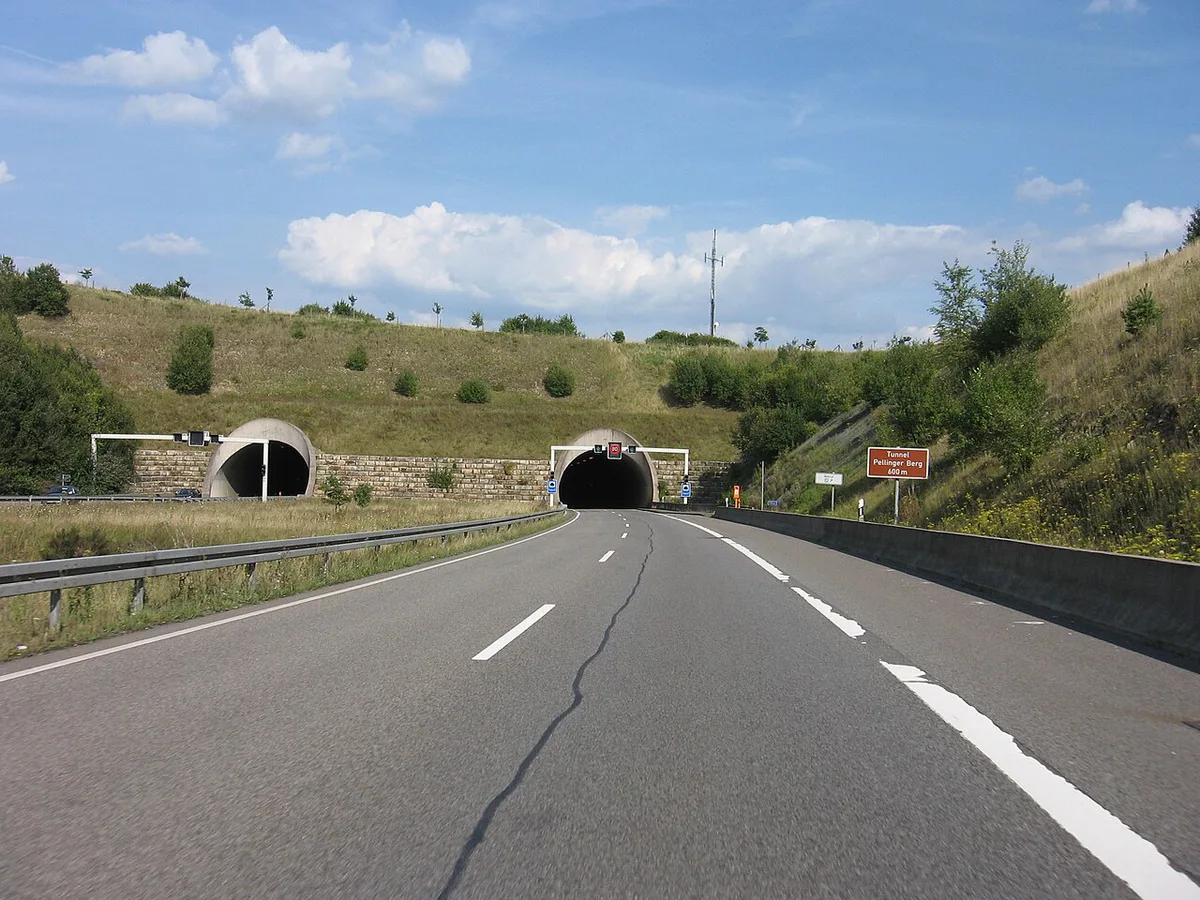
Some countries and some side streets apply the old rule that traffic from the right goes first. Our page on Priority to the Right: How the Rule Works in Europe shows how to spot it. US drivers used to four-way stops should slow down at every unmarked junction.
4. Speed limits and drink-drive limits
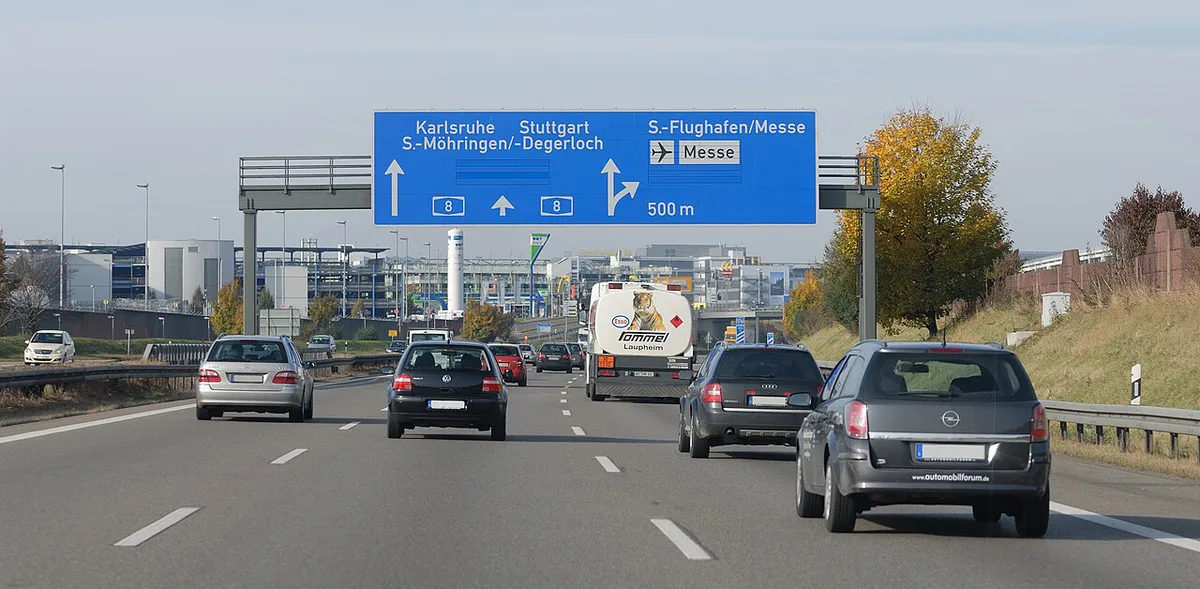
Motorway limits and alcohol limits differ by country, and by road type and driver experience. Germany is the best-known case, because parts of its autobahn network have no general limit. Posted signs set the limit on each stretch, and a recommended 130 km/h applies where none is posted. Alcohol limits are low in many countries, and some set stricter limits for novice drivers.
Safest plan: do not drink at all if you are driving that day. Signs carry much of the information, so learn the European Road Signs Explained: Shapes, Colors and Key Signs before you go. The European Commission road safety site is a good starting point for national figures.
5. Mandatory kit in the car
Required equipment varies by country. Common items include a warning triangle and a high-visibility vest. GOV.UK notes that you need a reflective jacket and a warning triangle in many countries, and some countries add more. A hire car normally arrives with the kit that its pickup country requires.
Crossing a border can change what you need, so ask the desk before you leave. Right-hand-drive cars may need light adjustments. Our guide to Headlight Beam Deflectors for Driving in Europe: Do You Need Them? covers the options. Drivers renting a left-hand-drive car locally can skip that step.
6. Low-emission zones, tolls and vignettes
Many cities restrict older or higher-emitting vehicles, and some require a sticker or registration in advance. Our guide to low-emission zones in Europe shows which cities to check. France runs a national scheme, described on the official air quality certificate site.
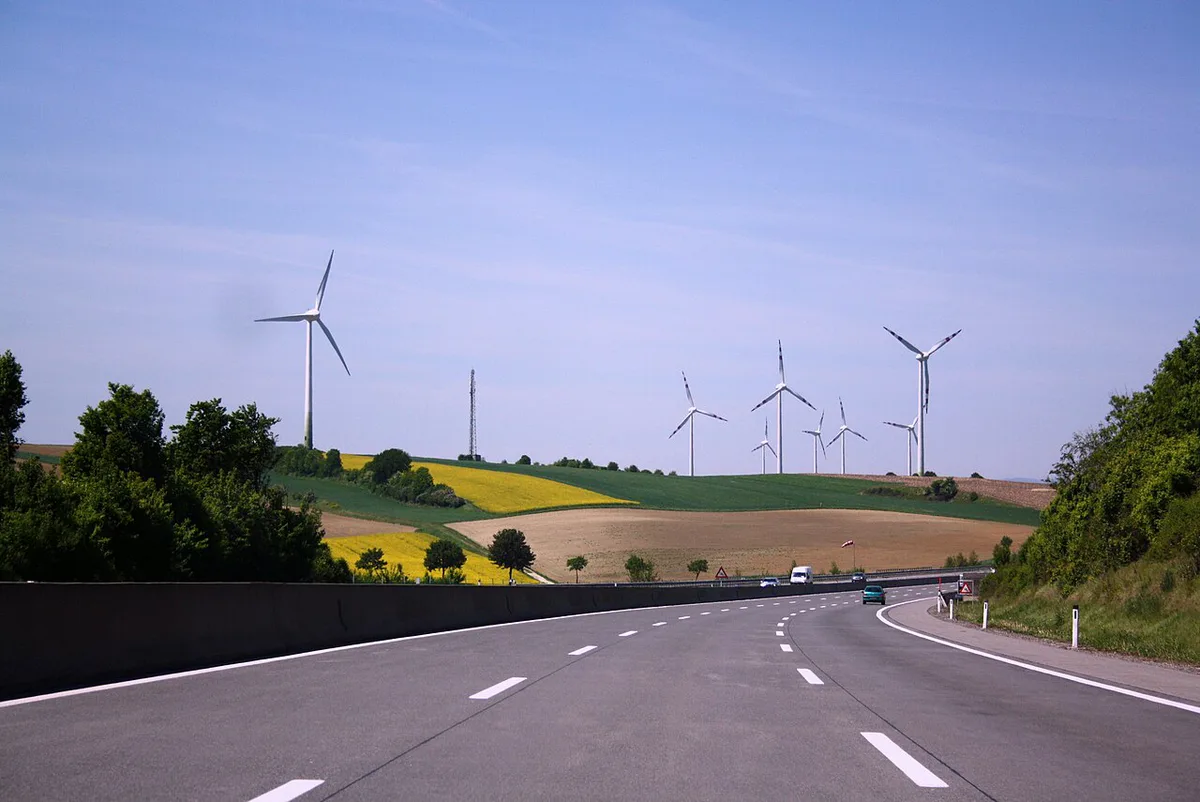
Toll roads cost money but save time and fatigue. Free roads cost nothing and take longer. Some countries sell a vignette, a pass for motorway use, instead of charging per toll booth. Unpaid tolls and missing stickers are a common source of fines, so decide your approach before you set off.
7. Breakdown cover, hire cars and EVs
Ask your hire company what roadside help is included and what happens if you cross a border. Some companies restrict travel to certain countries or add cross-border fees, and young drivers may pay a surcharge. If you drive your own car, read our guide to breakdown cover in Europe before buying a policy.
Electric cars need a charging plan, because networks and payment apps vary by country. Our EV charging guide explains how to prepare.
8. Mistakes that lead to fines
Unpaid tolls and missing vignettes top the list, because enforcement often follows you home. Driving into a low-emission zone without registration is the next most common. Entering a roundabout the wrong way, or missing a priority-to-the-right junction, causes both fines and accidents.
Drinking before driving carries heavy penalties in much of Europe. Missing kit can also draw a fine, so check it at pickup, not at the roadside. Take photos of the car at pickup and keep every toll receipt.
Can you drive in Europe on your licence?
Your licence type sets the starting point. Use this table for a quick read, then follow the linked guides above for detail.
| Licence type | Permit (IDP) | Where to check |
|---|---|---|
| US or other non-EU | Required in some countries (Austria, Spain, Poland), an alternative to a translation in others (Italy, France) | Rental company and destination country's official page |
| UK | Not needed with a photocard licence in the EU, Switzerland, Norway, Iceland or Liechtenstein | GOV.UK driving abroad |
| EU or EEA | Usually accepted across the EU | Your Europe driving abroad |
Who should skip self-driving
City-only trips rarely suit a car. Low-emission zones, parking costs and limited access make trains and public transport simpler in places such as Paris, Rome and Amsterdam. A car makes sense for rural regions, mountain routes and multi-stop road trips. Drivers who dislike unfamiliar rules can mix both, taking trains between cities and renting for a single region.
Pre-trip checklist and official sources
Before you fly, sort your licence and permit, insurance papers, kit, toll or vignette plan and any city zones on your route. The Your Europe driving abroad pages cover EU rules for visitors. Each national road authority covers its own limits and penalties.
Before pickup, note France's motorway limit of 130 km/h in dry conditions and 110 km/h in rain, then check the mandatory kit list for the same trip.
Key speed limits to check before you drive
Posted signs always override the general rule, especially near cities, works and mountain roads. Still, knowing the baseline prevents an expensive first mistake. In France, the normal motorway limit is 130 km/h in dry conditions and 110 km/h in rain. Spain’s general motorway limit is 120 km/h. Italy also uses 130 km/h on many motorways, subject to signed local changes.
Germany has no blanket speed limit on some autobahn sections, but 130 km/h is the recommended advisory speed. Many autobahn stretches do have signed limits, including variable limits during congestion or poor weather. Limits change at each border, so read the first sign after the frontier and the signs after every exit. A hire car’s speed display can usually be switched between mph and km/h, which helps drivers arriving from the UK or US.
Frequently Asked Questions
What to do when driving in Europe?
Follow the local rules for the country you are in, and carry your licence, passport, insurance and rental papers. Learn the priority rules and road signs before your first junction. Skip alcohol entirely if you are driving.
How much does it cost to drive through Europe?
Costs depend on fuel, tolls or vignettes, parking and any rental surcharges. Toll roads cost more but save time, while free roads are cheaper and slower. Each country's toll operator publishes its prices, and your rental terms list any cross-border fees.
Explore More Guides
Keep planning your trip with these guides.
Guides
- International Driving Permit for Europe
- Driving in Europe With a US License
- European Road Signs Explained
- Roundabouts in Europe: Rules, Lanes and Signalling
- Driving on the Left in Europe
- Priority to the Right: How the Rule Works in Europe
- Low Emission Zones in Europe
- Breakdown Cover Europe: What It Covers and How to Choose
- Green Card Insurance for Driving in Europe
- UK Sticker for Driving in Europe
- Headlight Beam Deflectors for Driving in Europe
- EV Charging in Europe
Road-rule changes worth knowing
Optional updates to our guides.
You might also like


Continue reading
More guides you'll find useful