Cross-Border Car Rental in Europe: Rules, Fees & Insurance
Can you drive a rental car to another European country? See how company policy, fees and insurance work, which borders need permission, and what to check first.
On this page
Last updated November 2026: cross border car rental Europe is usually allowed, but only if you declare the trip to the rental company. Permission, fees, insurance and country exclusions are set by the company and the specific car. Most problems come from an undeclared crossing, not from the border itself.
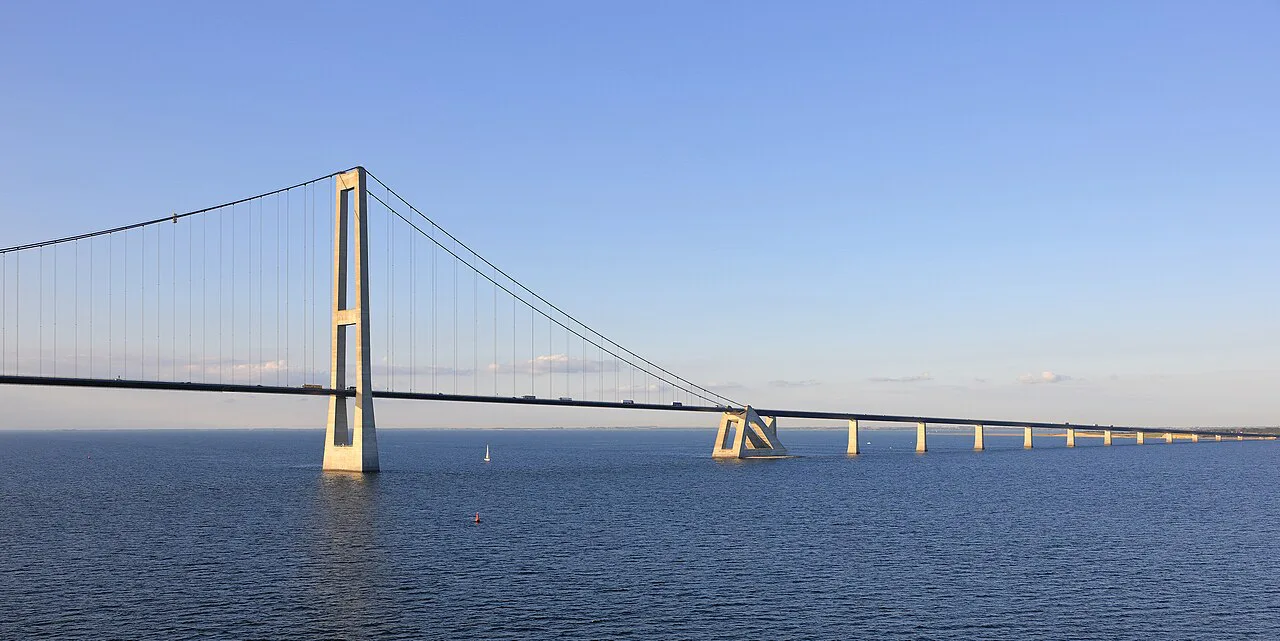
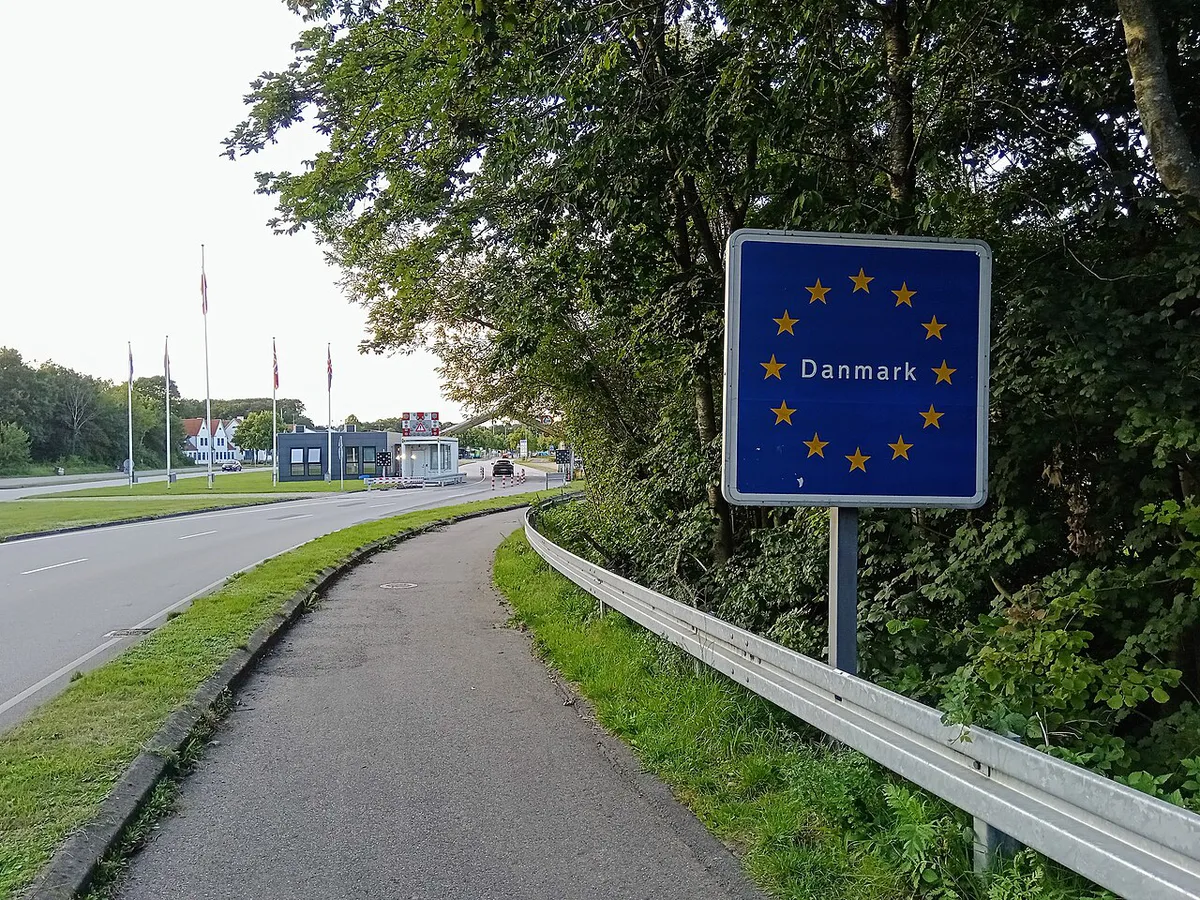
Featured image: jooray, CC BY-SA 2.0, via Wikimedia Commons.
Can you take a rental car across borders in Europe?
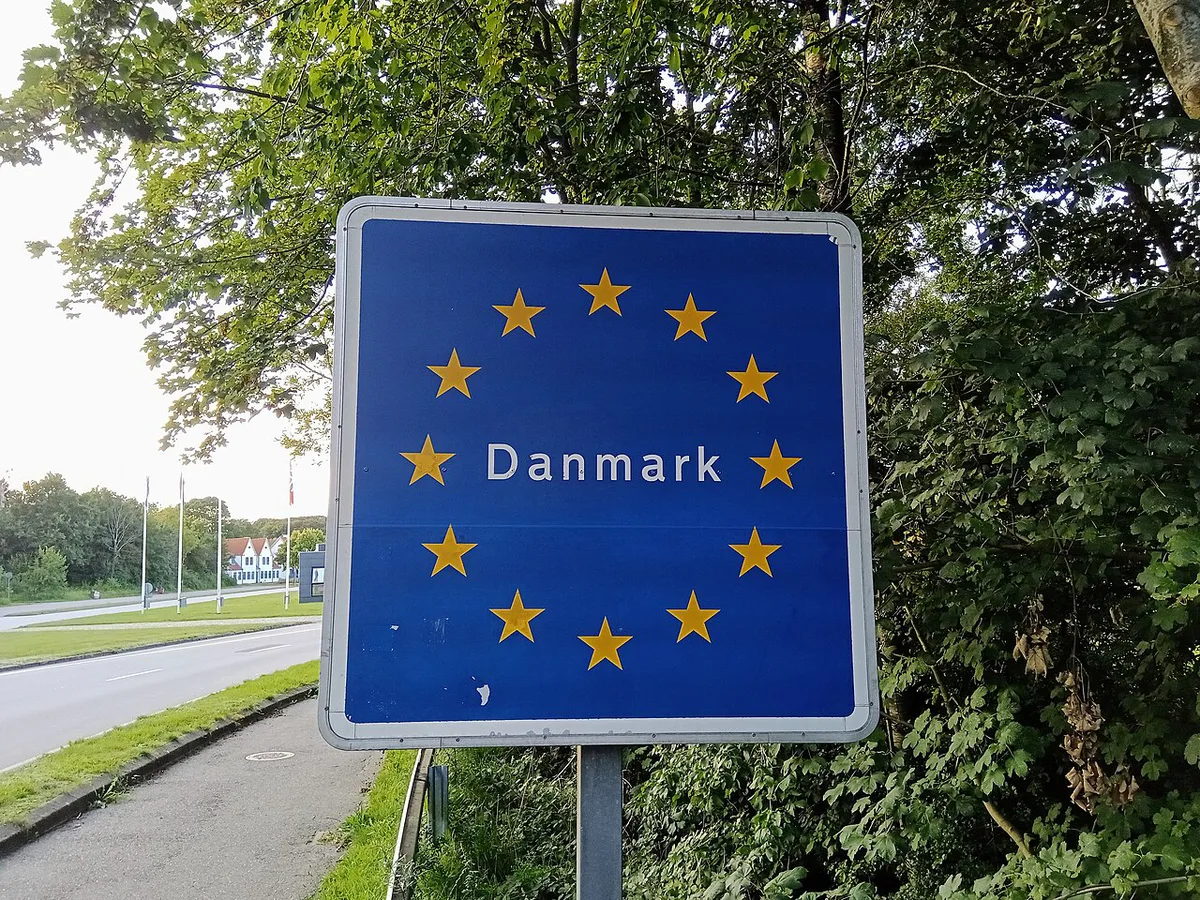
In most cases, yes. Schengen means you will rarely meet routine passport checks when you drive between member countries. That freedom applies to you, though, not to the rental contract. Your rental agreement decides which countries the car may enter, and the company can say no even when the road is wide open. Cars can also be restricted by category. A premium model or a van may carry tighter limits than an economy hatchback from the same desk. Treat the border as a paperwork question you settle at booking, not at the roadside. The EU guidance on renting a car sets out your general consumer rights as a renter. Country access is still a company-by-company decision.
Which countries are usually allowed, restricted or barred
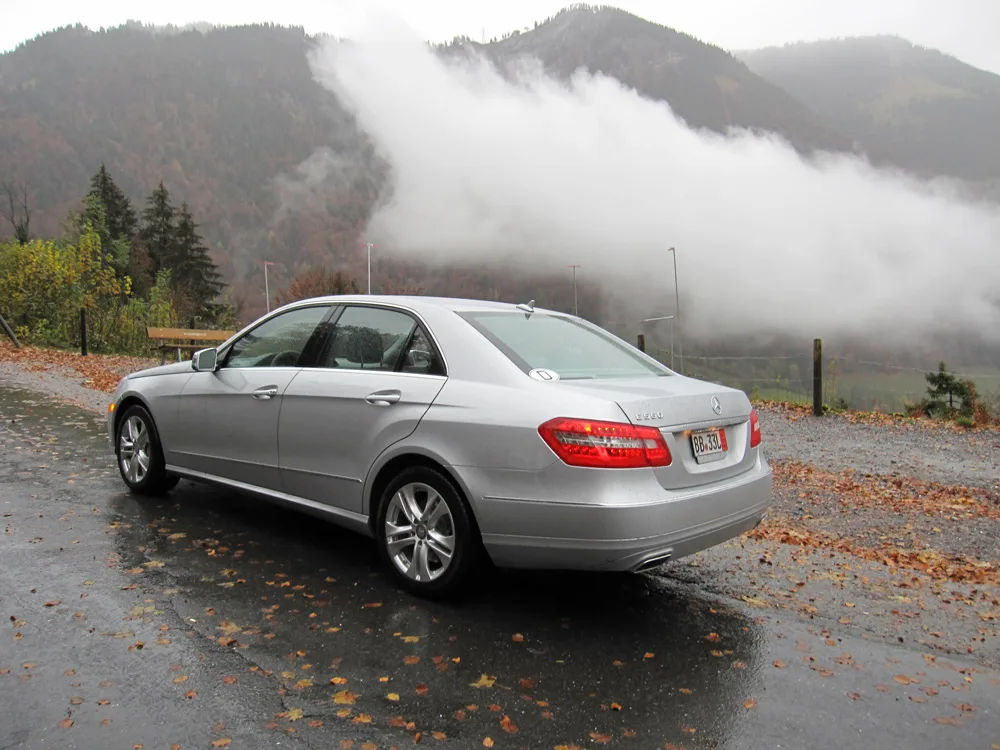
Think in three tiers when you read a company's country list. Western European neighbours inside Schengen are the easiest case. Eastern Europe and the Balkans are more restrictive, and Albania and Serbia are examples where cover may not extend. Do not assume your pick-up country's list matches another company's. Open the specific country list in the terms of the rental you are about to buy.
| Tier | What it usually means | What to do |
|---|---|---|
| Usually allowed | Neighbouring Western European countries, often with no extra step beyond declaring the trip | Tick the cross-border option at booking and keep the confirmation |
| Permission or fee needed | Written approval, a surcharge or extra documents before you leave | Ask for the permission in writing and note the fee type |
| Often prohibited | Some Eastern European and Balkan countries, with Albania and Serbia as examples where insurance may not apply | Choose another route, or plan a swap of vehicles at the border |
Cross-border fees and paperwork
Companies usually charge for the right to cross, and the fee is often a flat amount per rental or a charge per day. The price can differ by country and by car class. Aggregator headline prices often leave it out. Read the line items before you pay, and ask which countries the fee covers. Carry the rental agreement, the vehicle registration papers and any cross-border authorisation the company issues. Keep your driving licence and passport with you as well. If staff hand you a letter or a stamped addendum at the desk, keep it in the glovebox rather than in your luggage. A patrol officer in another country may ask for it before anyone checks the border.
Insurance, Green Card and breakdown cover
Insurance is where a border matters most. Cover that applies in Germany may not apply in Albania or Serbia. Some countries expect a Green Card, which is an international insurance certificate. Roadside assistance can also shrink or vanish in some regions. Ask the company to confirm in writing which countries your insurance and breakdown cover include. GOV.UK driving abroad guidance explains when drivers need a Green Card and what to carry.
An undeclared crossing is the real risk. If you cross without telling the company and then have an accident, the insurer may refuse the claim. Treat that as a reason to declare, not a reason to gamble. Our guide to rental car insurance in Europe covers excess, waivers and third-party cover in more detail.
Mandatory equipment and road-use rules by country
Road rules change at the border even when the checks do not. Switzerland requires a motorway vignette, which is a sticker or digital permit. Ask whether your car already has one before you drive in. France runs tolled motorways, and VINCI Autoroutes publishes its vehicle classes for planning. Some countries also require reflective vests, warning triangles or winter tyres by law. A car rented in one country may not carry everything the next country expects. Look up the rules for each country on your route through the European Commission road safety portal and national sources. Ask the desk what the car carries before you leave the car park.
That Amsterdam to Venice drive runs through 4 countries, so each border may bring its own required kit.
Electric rentals add a charging question as well. See our electric car rental guide for network coverage. Campervans often carry stricter cross-border terms, so read the campervan rental guide before you book one.
Cross-border rental vs. swapping cars
A cross-border rental is not the only way to cover two countries. You can drop the car and rent a new one on the other side. You can also travel by train or flight and rent locally. The table compares the three options on cost, time and hassle.
| Option | Cost | Time | Hassle | Best for |
|---|---|---|---|---|
| Cross-border rental | Often an extra flat or daily fee | Fastest, no handover | Low once the trip is declared | Multi-country road trips through permitted countries |
| Drop the car and rent another | Two rentals, no cross-border fee | Adds a handover at the border | Medium, with two sets of paperwork | Routes that enter a barred country |
| Train or flight plus local rental | Fares plus a second rental | Depends on schedules | Low driving stress, more logistics | Long hops where the car adds little |
Route examples that cross borders
Two classic itineraries show where to focus your checks. Nice → Milan → Lake Como → Zurich crosses 3 countries: France, Italy and Switzerland. Your crossing check is the Swiss vignette, so confirm the car has one before you reach Switzerland.
Amsterdam → Munich → Salzburg → Venice runs through 4 countries: the Netherlands, Germany, Austria and Italy. Your check is the permitted-country list for all four. This route also ends in Italy, which makes it a one-way rental. Read our one-way car rental guide for drop-off fees.
Pre-booking checklist and mistakes to avoid
Run through this list before you click book. For general rental basics, see our guide to renting a car in Europe.
- Declare every country you plan to enter, including transit countries.
- Get the cross-border permission and fee terms in writing.
- Ask which countries your insurance, Green Card and breakdown cover include.
- Check vignettes and tolls for each country on your route.
- Do not assume the aggregator price includes cross-border fees.
- Mistake: crossing without telling the company, which can breach the contract.
- Mistake: assuming insurance extends to every country by default.
- Mistake: reaching Switzerland with no vignette on the windscreen.
- Mistake: ending the trip in another country without pricing the one-way drop.
Frequently Asked Questions
Can you rent a car to go across the border?
Yes, in many cases. Tell the rental company which countries you plan to enter at booking. It may add a fee, require written permission or bar certain countries.
Can I drive a rental car from the UK to Europe?
Often yes, if the rental company allows it. Ask for the cross-border terms and confirm the insurance covers each country. GOV.UK driving abroad lists the documents drivers may need.
What happens if I return my rental car to a different location?
The company may charge a one-way or drop-off fee. The amount depends on the route and the company. Our one-way rental guide explains how it works.
Road-rule changes worth knowing
Optional updates to our guides.
You might also like

Continue reading
More guides you'll find useful