

7 Steps to Renting a Car in Europe: Rules and Costs
Renting a car in Europe: licence and IDP rules, age limits, costs, insurance, cross-border and one-way traps, and when trains beat a car.
On this page
Last updated November 2026: renting a car in Europe pays off on rural, coastal and multi-country routes, and it loses to trains on city-to-city hops. Four checks decide most bookings, and the steps below take them in order. US and UK drivers get the documents, costs and traps in one place.
Featured image: Stephen Craven, CC BY-SA 2.0, via Wikimedia Commons.
Quick answer: is renting a car in Europe worth it?
Rent when your route runs through villages, coastline or several countries. Skip the car for city-only trips, where trains and metros usually beat parking and low-emission zones. US drivers can use a valid US licence for under 90 days in France, so paperwork rarely blocks a short trip. Use the table to match your trip shape to a verdict.
| Trip shape | Verdict | Why |
|---|---|---|
| City-only, one base | Skip the car | Public transport covers the centre, and parking in old districts is scarce. |
| Countryside and villages | Rent | Rural stops often have no rail link. |
| Multi-country route | Rent, with care | Cross-border permission and fees apply. |
| Mountains or islands | Rent, check terrain | Winter equipment rules differ by country. |
| Family with luggage | Usually rent | One car replaces several train transfers. |
7 Steps to Renting a Car in Europe
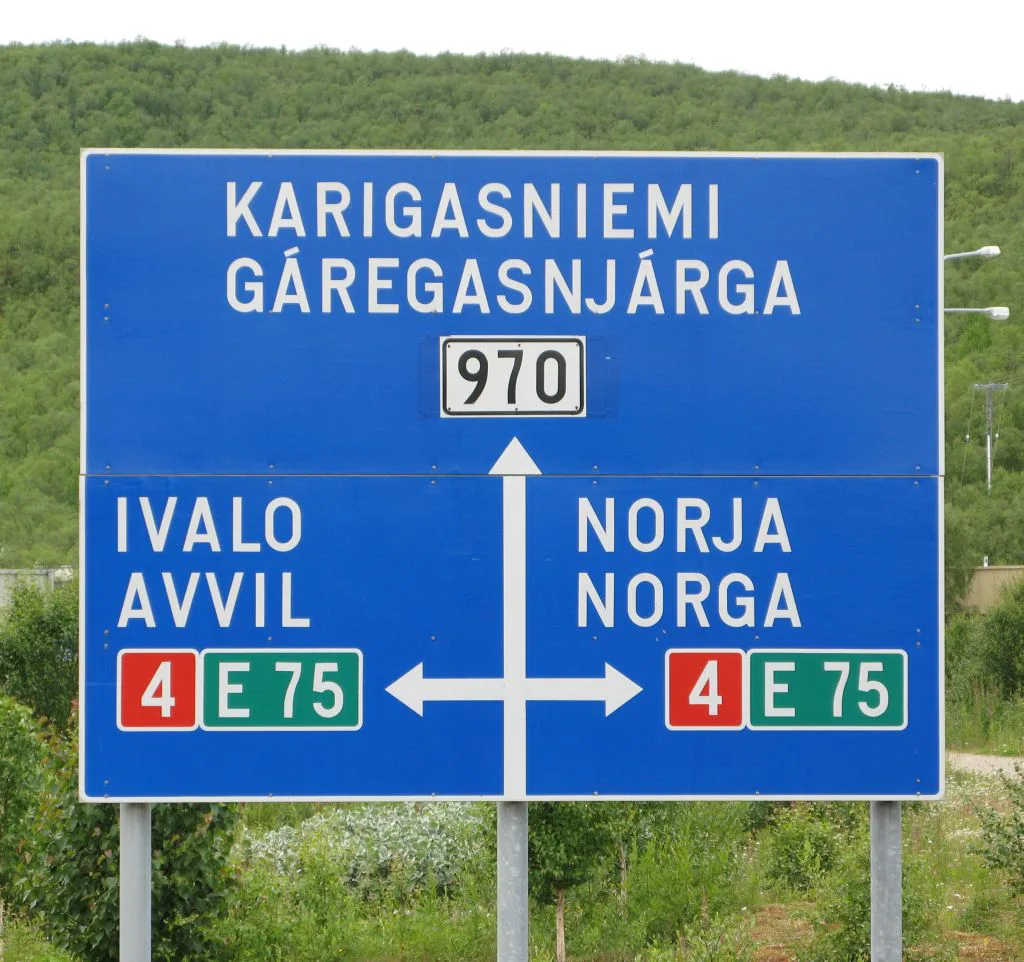
Work through these seven steps in order. France's tourism board says a valid US licence covers stays under 90 days, agencies set a minimum rental age of 21 or 25, and some want one year of licence history. Rules change, so check each supplier and country page before you book. Policies checked November 2026.
1. Check your licence and International Driving Permit
Bring your national photo licence and your passport, since both are standard rental-desk documents. US drivers staying under 90 days in France can drive on a valid US licence. France's tourism board also recommends an International Driving Permit (IDP), which translates your licence.

US drivers can buy an IDP from the American Automobile Association. UK drivers should read the GOV.UK driving abroad guidance for each destination. IDP rules differ by country and licence origin, so check every country on a multi-country route.
Each country adds rules of its own. Italy fines drivers who enter a ZTL camera zone, and Icelandic rental companies decide which of their vehicles may use the F-roads. Our guides to renting a car in Italy and renting a car in Iceland cover those rules.
2. Confirm the age limit and the credit card
Rental minimum age in France is 21 or 25, depending on the agency. Some agencies also want you to have held your licence for at least one year. Younger drivers should expect a young-driver surcharge on top of the base rate.
The main driver needs a credit card in their own name, because the deposit is held on it. A card in a partner's name will not work for the main driver. Drivers under 25 should compare suppliers' age terms before comparing headline rates.
3. Price the whole trip, not just the base rate
Base rate is only one line of the final bill. Our cost table below lists every extra, from one-way fees to city low-emission zone charges. In France, fuel and motorway tolls run about twice US and Canadian levels, according to France's tourism board.
Reserving ahead and prepaying can lower standard rates, especially on longer rentals. Compare the total against rail passes and point-to-point tickets before you commit. Solo travelers on a city-only itinerary should skip the car entirely.
4. Choose where to pick up the car
Airport, city-centre and station desks each trade convenience against cost and stress. Airport desks suit arrivals with luggage and let you reach a motorway without crossing a dense centre. Airport desks can carry a surcharge, so compare the all-in price against a city desk.
City-centre desks drop you into traffic and low-emission zones on day one. Opening hours differ by desk, so check the late-arrival policy if your flight lands at night. Nervous drivers should skip a city-centre pick-up and choose a suburban or airport desk.
5. Decide between manual and automatic
Manual gearboxes are the default at many European rental desks, and automatics are fewer. Book an automatic early if you drive only automatics, particularly in summer. Automatics usually cost more, so weigh that gap against your comfort level.
Hill starts on narrow village roads and in mountain terrain punish unpracticed manual drivers. Families should also check boot size, not just seat count, before accepting a car class. Confident manual drivers can skip the premium and put the savings toward fuel and tolls.
6. Sort out insurance and the deposit
Rental-desk cover, third-party cover and card cover are different products. Your key figure is the excess, the amount you owe if the car is damaged. The credit-card hold is separate, because it freezes part of your limit until you return the car.
Our guide to excess and waiver options shows how to compare them. Your Europe's car rental page sets out consumer rights for renters in the EU. Anyone unsure what their card covers should ask the issuer, not the desk, before paying for duplicate cover.

7. Plan borders and one-way drop-offs
Tell the supplier every country you will enter, because permission and fees depend on the supplier and the destination. Some suppliers restrict certain countries or vehicle classes. Our cross-border rental rules page lists what to ask at booking.
One-way rentals end in a different city or country, and a one-way fee is a common extra. Read about one-way rental costs before pricing a point-to-point route. Round-trip travelers returning to the pick-up desk can skip this step.
How much renting a car in Europe really costs
Total price is the base rate plus every extra in the table. France's tourism board puts fuel and motorway tolls at about twice US and Canadian levels, so budget fuel separately. Booking ahead and prepaying can lower standard rates on longer rentals. Compare any rental against rail passes and transfers before you commit.
A 21 or 25 minimum age in France can add a young-driver surcharge, so count that line before comparing headline rates.
| Cost category | What drives it | What to look for |
|---|---|---|
| Base rate | Car class, season, rental length | Whether mileage and taxes are included |
| Young-driver surcharge | Driver age and licence history | Supplier age terms (21 or 25 in France) |
| One-way fee | Different drop-off city or country | Fee shown before payment |
| Cross-border fee | Countries you enter | Restricted countries and vehicle classes |
| Insurance excess or waiver | Cover level you choose | Excess amount and card-hold size |
| Fuel | Distance and fuel type | Full-to-full versus prepaid tank |
| Tolls and vignettes | Motorway use by country | Payment method and pass options |
| Parking | Historic centres and hotels | Hotel parking charges |
| Low-emission zones | City rules and vehicle type | Whether the car carries required stickers |
Driving in Europe: rules, tolls and city restrictions
Rules differ by country, so check each one on your route before you go. France works as one example. Motorways there charge tolls, and VINCI Autoroutes' class guide shows how cars are charged. Everyone must wear seat belts front and back, and children under 10 may not ride in front. Cars must carry a safety vest and a warning triangle. Paris requires a Crit'Air vignette for its low-emission zone, so ask the desk about your car. European Commission road safety pages cover EU-wide rules.
A valid US licence covers trips of under 90 days in France, but multi-country routes need each country's permit rule checked.
| Item | Varies by country | France example |
|---|---|---|
| Tolls and vignettes | Pay-per-use tolls or prepaid stickers | Tolls levied on motorways |
| Low-emission zones | City-specific stickers and limits | Crit'Air vignette for Paris |
| Historic-centre access | Limited-traffic zones and parking | Check each city's rules |
| In-car equipment | Safety jackets, triangles, winter gear | Jacket or triangle must be carried |
| Seat belts and children | Age and seat rules | Belts front and back; under 10 not in front |
Alternatives and special rentals
Trains and transfers beat a car on city-to-city routes where you sleep in a new centre each night. A car wins when you need villages, trailheads or late arrivals. If you want an EV, our electric rental guide covers charging and low-emission zones. If you want to sleep in the vehicle, our campervan rental guide covers the differences from a standard car.
Common mistakes to avoid when renting a car in Europe
Most rental problems trace to a handful of avoidable errors. If a dispute arises, the European Consumer Centres Network helps with cross-border complaints.
| Mistake | Fix |
|---|---|
| Booking with a partner's credit card | Use a card in the main driver's name |
| Ignoring age terms | Check the 21-or-25 minimum and surcharge before comparing rates |
| Skipping the IDP question | Check each country's rule for your licence origin |
| Not declaring border crossings | Tell the supplier every country you will enter |
| Collecting the car in a dense centre | Pick up at an airport or suburban desk |
Frequently Asked Questions
Can I rent a car in Europe as an American?
Yes, with a valid US licence, a passport and a credit card in your name. France's tourism board recommends an International Driving Permit as well. Check each country's rules before you go.
Is it cheaper to rent a car at the airport?
Not always. Airport desks can carry a surcharge, while city desks add traffic and zone stress. Compare the all-in price at each desk.
How expensive is car rental in Europe?
Total cost is the base rate plus extras like insurance excess, tolls, parking and one-way fees. In France, fuel and motorway tolls run about twice US and Canadian levels. Use the cost table above to price each category.
Explore More Guides
Keep planning your trip with these guides.
Guides
Road-rule changes worth knowing
Optional updates to our guides.
You might also like


Continue reading
More guides you'll find useful