Low Emission Zones in Europe: Driver's Guide for Visitors
How low emission zones work across Europe, which stickers or registration visitors may need, and how to check your car before you drive into a city.
On this page
Last updated November 2026. Low emission zones europe-wide are urban areas where vehicles that fail set emission standards are restricted, must pay or must register. Each city writes its own rules, so a car allowed in one city can be banned or fined in the next. Before booking, check your destination's own scheme, then match it to your vehicle's Euro standard, fuel type and any required sticker. For wider trip planning, start with our Europe driving guide.
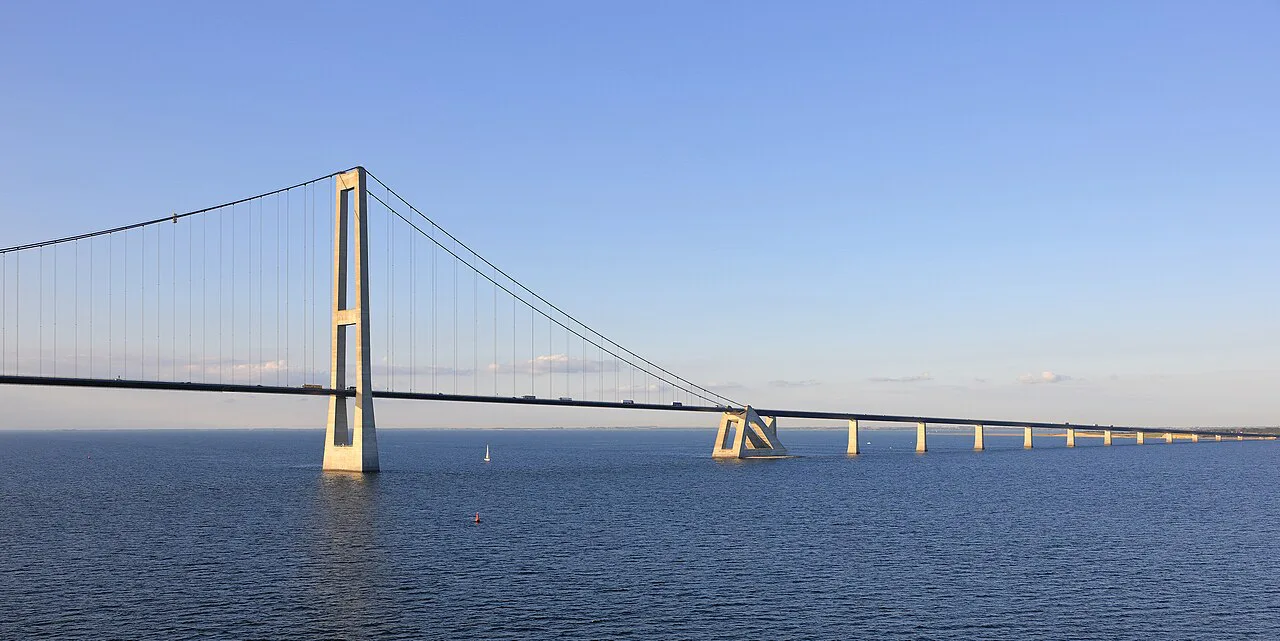
Featured image: David Hawgood, CC BY-SA 2.0, via Wikimedia Commons.
What a Low Emission Zone Is (and What It Isn't)
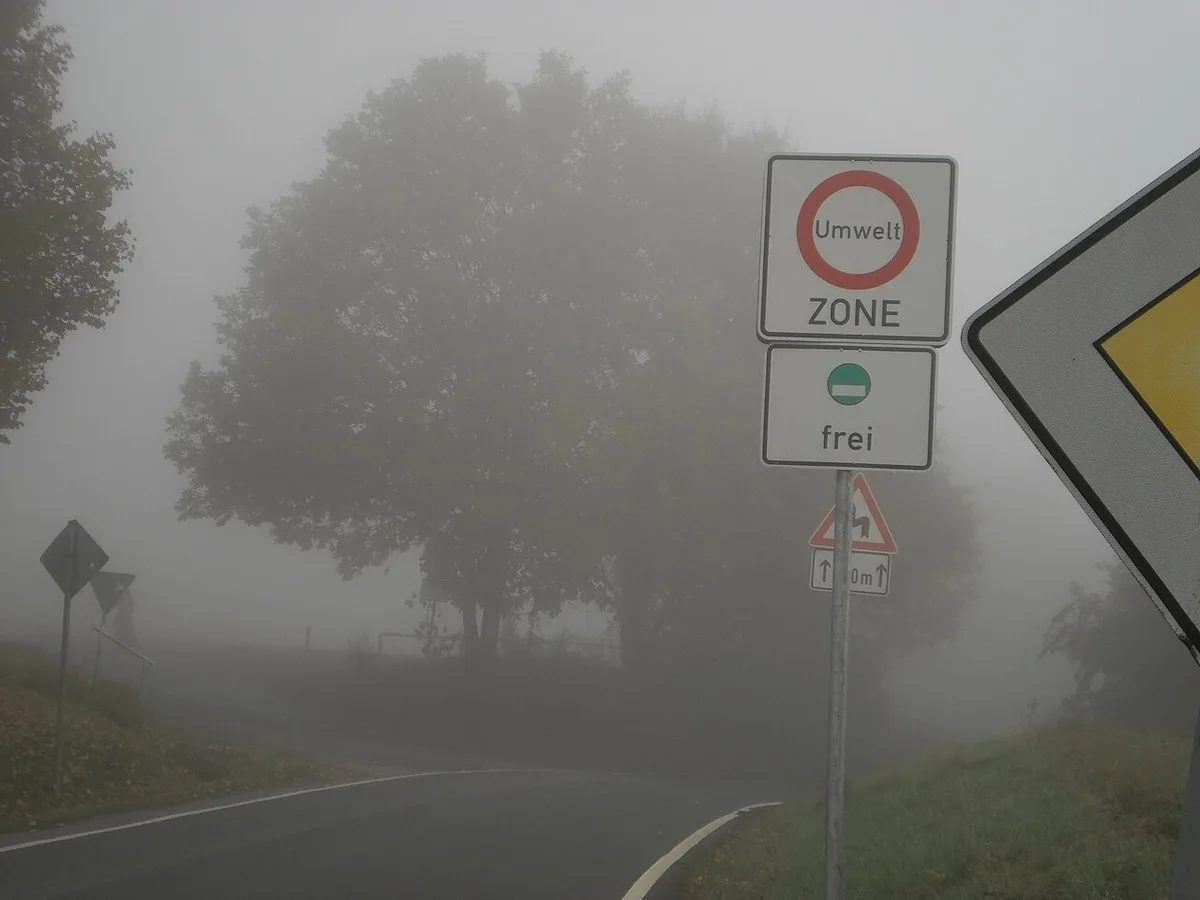
A low emission zone (LEZ) limits access for vehicles that fail an emission standard. Some zones ban those vehicles outright. Others charge them or require registration. Several different schemes share similar names, so read the label carefully. Italy's ZTL (zona a traffico limitato) is a limited traffic zone. It usually restricts access by permit rather than by emissions, and Bologna's listing is even labelled "ZTL / LEZ". A zero-emission zone is stricter again, and Paris and Brussels both appear in the Urban Access Regulations directory with zero-emission schemes. A congestion charge targets traffic volume, not exhaust. Winter-only zones, truck-only zones, pedestrian areas and emergency pollution schemes also appear in the same directories. Work out which kind of scheme your route crosses before you assume a single sticker solves it.
Why the Rules Differ City by City
Local authorities set the criteria, not the EU. A city decides its boundary, which vehicle types are covered, and which Euro standard is the cutoff. Cars, vans, trucks, coaches and motorcycles can each face different limits. Light vehicles are classed from Euro 1 to Euro 6, and the standard depends on fuel type and registration date. Diesel usually faces tighter limits than petrol. Your city's official page is the only reliable source for the current cutoff. National sources such as Your Europe's driving abroad pages give general guidance but do not replace city rules.
Pre-Trip Checklist: Can Your Car Enter?
Run this 5-minute check for every city on your route. Do it before you book the car and again before you leave.
Across a multi-city route, that 5-minute check repeats for each city, so ask the rental desk its Euro standard in the same pass.
- Find the car's Euro standard on the registration document or ask the rental company for it.
- Note the fuel type: petrol, diesel, hybrid or electric.
- Open the destination city's official LEZ page and read the vehicle criteria.
- Find out whether the scheme needs a sticker, registration or payment.
- Check whether your hotel is inside the zone, and ask whether guest vehicles may enter.
- Learn the entry signs. Our guide to European Road Signs Explained: Shapes, Colors and Key Signs shows what to look for.
Sticker, Registration or Pay-as-You-Go: The Three Scheme Models
Most schemes fall into one of three models, plus outright bans. France's Crit'Air is the clearest sticker example, and the official Crit'Air certificate site is where drivers apply for it. The city's own page states which model it uses.
| Model | How it works | What you must do | Risk if skipped |
|---|---|---|---|
| Sticker | Vehicle displays a windscreen label showing its emission class (France's Crit'Air) | Order the sticker before travel and fit it | Fine if you enter a restricted zone without it |
| Registration | Foreign plate is registered with the city or national system | Register the plate and vehicle details before entry | Camera reads the plate, finds no registration and issues a fine |
| Pay-per-entry | Non-compliant vehicles pay a charge for each day or entry | Pay through the official channel by the deadline | Penalty charge sent to the registered keeper |
| Outright ban | Vehicles below the standard may not enter at all | Choose a compliant car or park outside | Fine, with no payment route to legalise entry |
Rental Cars, Foreign Plates and US/UK Drivers
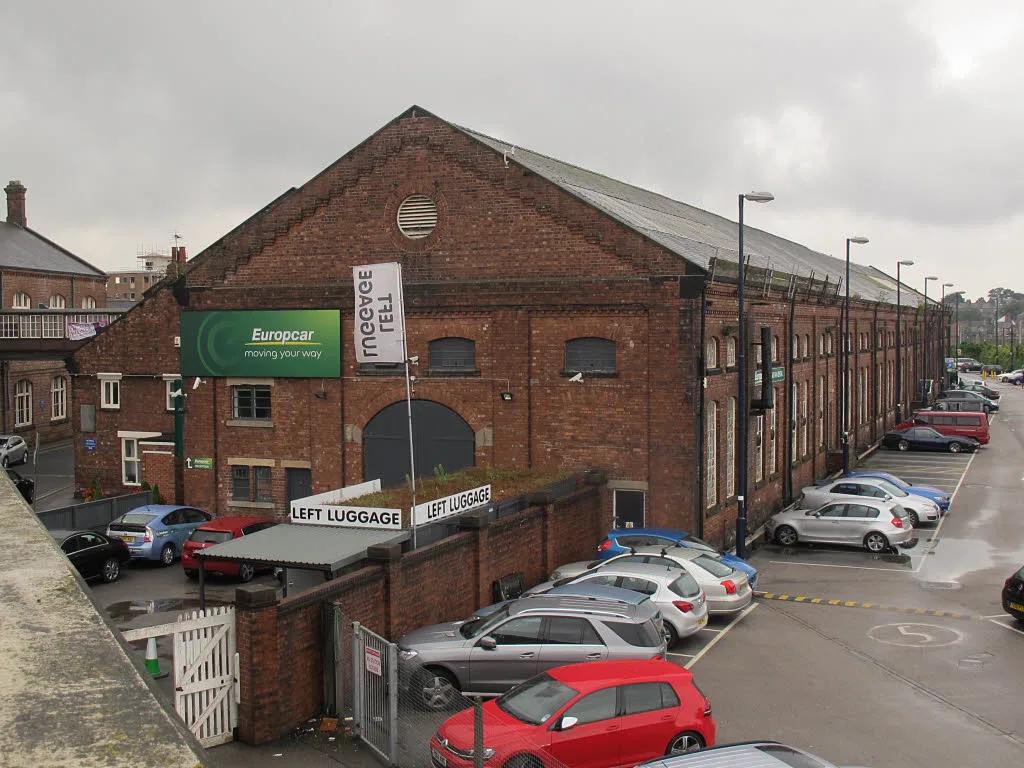
Ask the rental desk two questions before you sign. Does this car carry the sticker or registration needed for my route? Which Euro standard is it? Fines go to the registered keeper, which is the rental company, and it can pass the cost and an admin fee to you. Do not assume the company handled registration. US drivers should also read our notes on driving in Europe with a US license. Licence rules are separate from zone rules, but both come up at the counter. An International Driving Permit for Europe: Who Needs One does nothing for emission compliance. UK-plated drivers should also check the UK sticker rules for plate identification abroad.
Euro 1 to Euro 6 is the scale, but each city picks its own cutoff, so ask the rental desk which class the car sits in.
Country Snapshots: Where Visitors Are Most Likely to Hit a Zone
These short entries name schemes listed in the Urban Access Regulations directory. Each city's own site lists its current rules, dates and fees.
- France: Paris and Lyon are among many French zones. Crit'Air is the French sticker system.
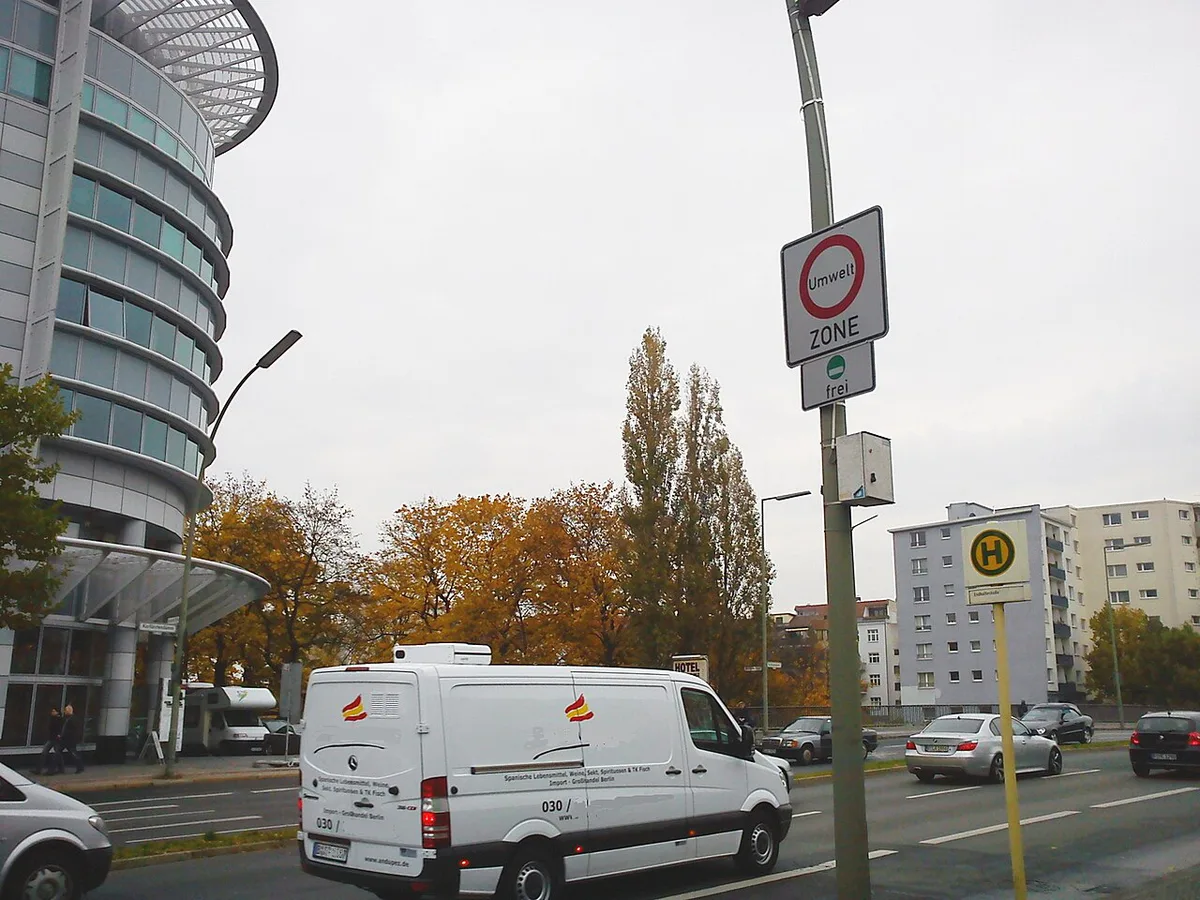
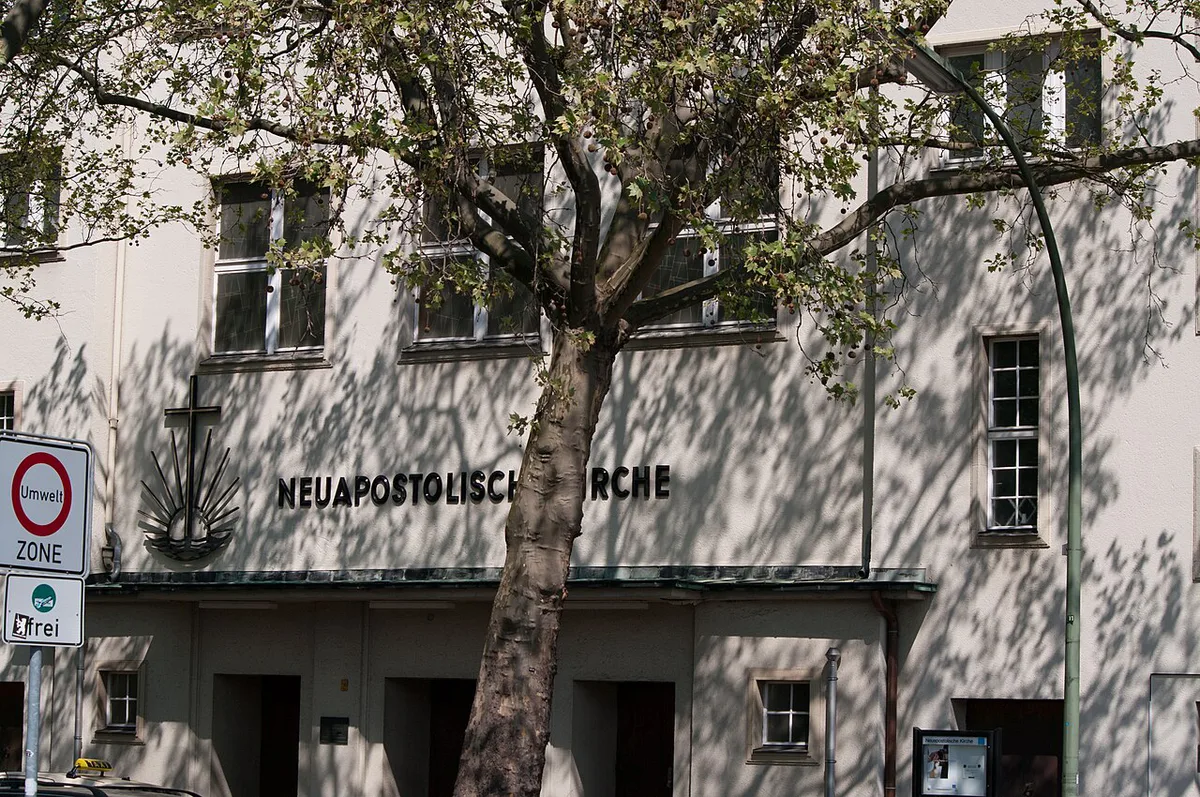
- Germany: dozens of cities, including Stuttgart, Munich, Cologne and Berlin, appear in the directory. Germany uses an environmental badge.
- Italy: Bologna is listed as ZTL / LEZ, and Milan has Area B. Many small towns have a ZTL too, including Amalfi, Positano and Capri.
- Belgium: Brussels, Antwerp and Ghent appear in the directory. Brussels also lists a zero-emission zone and a limited traffic zone.
- Austria and neighbours: Vienna and Salzburg have pedestrian and parking zones, and the Tyrol has seasonal restrictions on its roads.
- Nordics: Copenhagen with Frederiksberg, Aarhus, Aalborg, Odense and Helsinki all appear.
- Croatia: Dubrovnik has a limited traffic zone.
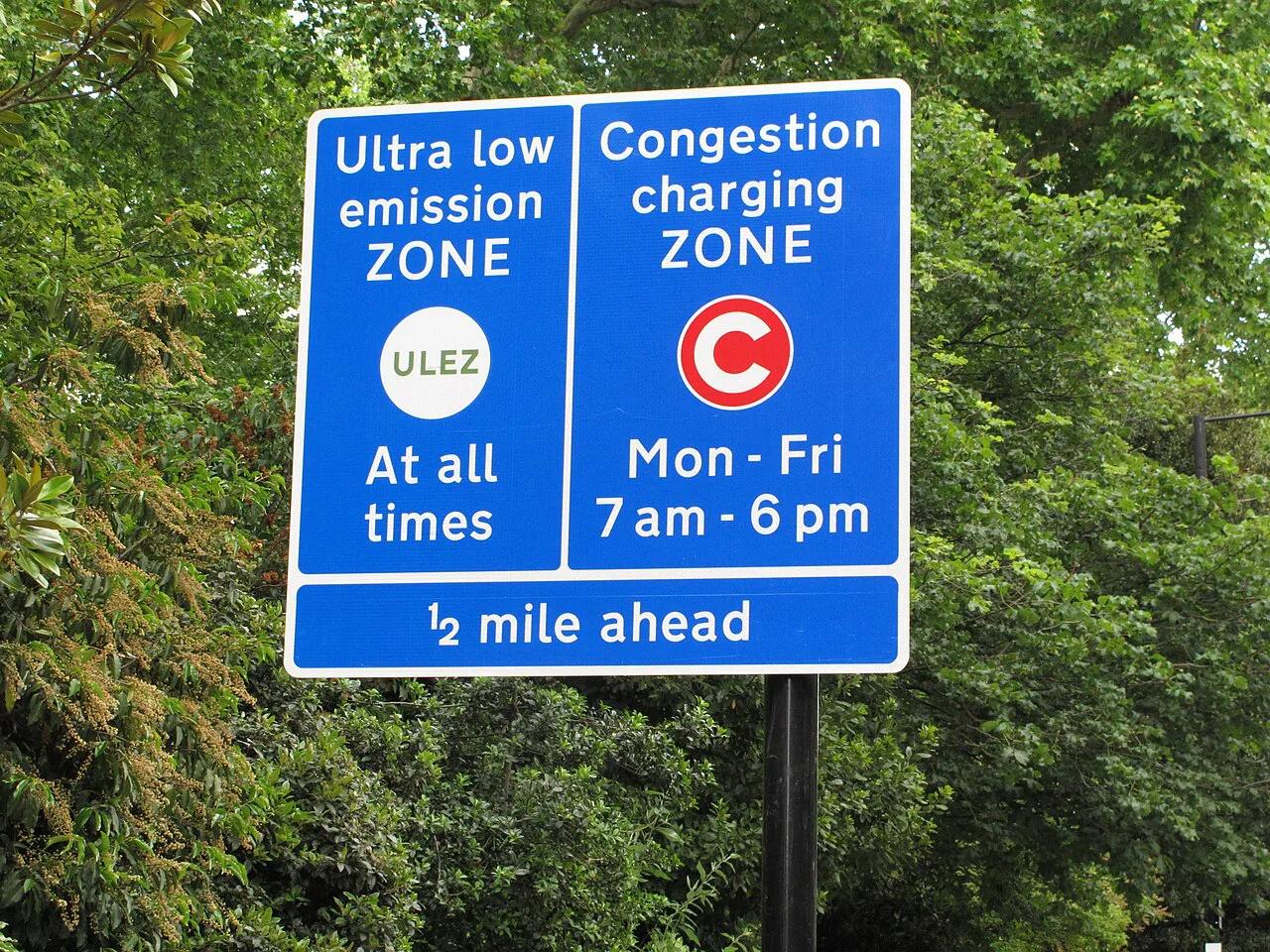
- UK: London's ULEZ is a daily charging scheme run by Transport for London, not a sticker scheme.
EVs, Hybrids and Older Diesels: What Changes
Electric cars are often favoured in zones, but access is not automatic everywhere. Some ZTLs and limited traffic zones restrict even electric vehicles unless they hold a permit. Hybrids depend on local definitions. Older diesels carry the greatest risk, because many schemes set a stricter cutoff for diesel than for petrol. A modern petrol car is often the safest rental for a multi-city route. An EV suits a trip with predictable stops, and our EV charging guide covers the practical side. For a pure city break, public transport sidesteps the question.
Fines, Enforcement and What to Do If You Slip Up
Many zones use cameras that read number plates. A fine then goes to the registered keeper. For a rental, that is the rental company, and a notice can reach you weeks after the trip. If you think you entered without the right sticker or registration, contact the city's official site first. Keep your rental agreement, plate number and entry date. Ask the rental company which fees it adds when it forwards a penalty. Full insurance paperwork sits in a separate category, and our Green Card Insurance for Driving in Europe: Do You Need One? page explains the cross-border cover side. If a breakdown strands you near a zone, breakdown cover in Europe is worth reading beforehand.
When Not to Drive: Park-and-Ride and Transit Alternatives
Match the car to the trip, not the other way round. For a city break, skip the car and use trams, metros and trains. For a multi-city road trip, plan parking outside each zone and enter by transit. For a rural base with a day trip into a city, park at the edge and ride in. Cars cost more in time and risk inside zones than they save. Other rules also catch drivers, so read about Roundabouts in Europe: Rules, Lanes and Signalling and Priority to the Right: How the Rule Works in Europe before you set off.
| Trip type | Best option | Trade-off |
|---|---|---|
| City break | Skip the car, use transit | Lowest fine risk; less freedom outside the city |
| Multi-city road trip | Park outside, ride in | Extra transfer time; no zone exposure |
| Rural base with city day trip | Park-and-ride at the edge | Small ticket cost; avoids entry rules |
Frequently Asked Questions
Can I drive in Brussels low emission zone?
Brussels operates a low emission zone, and it also lists a zero-emission area and a limited traffic zone. Foreign-plated cars must meet the criteria and may need to register. Check the Brussels official pages for your car's Euro standard before entering.
Can I drive in France without a Crit'Air sticker?
In zones that require Crit'Air, entering without the sticker risks a fine. Outside those zones, you can drive normally. The official Crit'Air certificate site is where visitors order the sticker, so apply before you travel.
What are the European emission standards?
Light vehicles are classed from Euro 1 to Euro 6, with higher numbers meaning cleaner engines. The class depends on fuel type and registration date. Cities choose which class they allow.
Where should I place the German emission sticker on my car?
The German environmental badge goes on the inside of the windscreen, where it is visible from outside. If you rent in Germany, ask the desk to show you where it is fitted.
Road-rule changes worth knowing
Optional updates to our guides.
You might also like
Continue reading
More guides you'll find useful