European Road Signs Explained: Shapes, Colors and Key Signs
Learn how European road signs work, which ones confuse visitors, and how speed, toll and low-emission signs differ. Practical guide for drivers.
On this page
Last updated November 2026: European road signs are largely standardized, so a handful of shape and color rules lets you decode most of them. Exceptions catch visitors out, mainly speed units, priority rules, zone signs and left-hand traffic. This guide teaches the grammar once, then covers the signs that confuse first-time drivers, and it sits under our driving in Europe hub.
Featured image: Dai Lygad, CC BY 2.0, via Flickr.
How European road signs work: a shape and color cheat sheet
Most European countries follow the 1968 Vienna Convention on Road Signs and Signals, which fixes the shapes and colors. Learn the grammar and unfamiliar signs stop being a puzzle. Details still vary by country, and the national road authority has the final word. Your Europe publishes a driving abroad overview that links to national rules.
| Shape or color | Meaning | Typical example | Risk if ignored |
|---|---|---|---|
| Triangle, red border | Warning ahead | Sharp bend, animals, slippery road | Safety |
| Circle, red border | Prohibition or limit | Speed limit, no entry, no overtaking | Fine or collision |
| Blue circle | Mandatory action | Minimum speed, keep right, direction arrow | Fine |
| White disc, grey or black slash | End of a restriction | End of speed limit or no overtaking | Staying slow, or missing a new rule |
| Yellow diamond, white border | You are on the priority road | Priority road sign | Misjudging who yields |
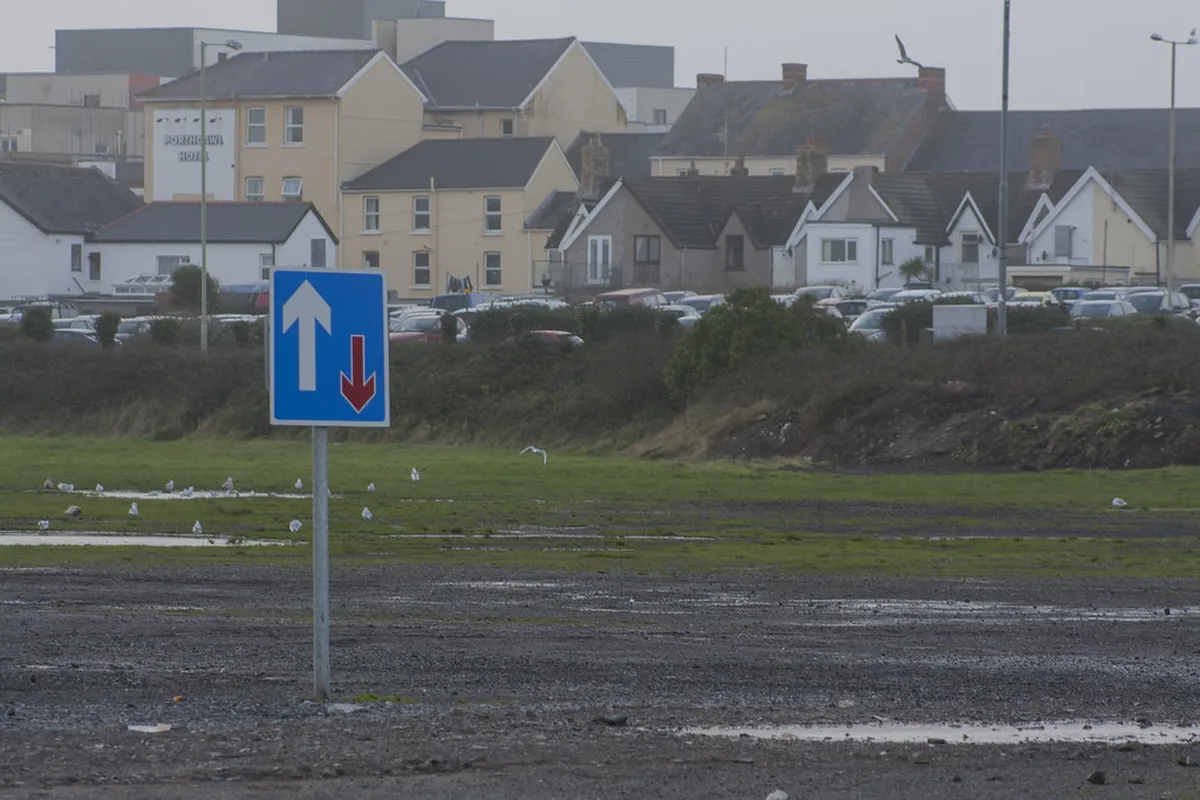
| Inverted triangle, red border | Give way | Yield at a junction | Collision |
| Red octagon | Stop fully | Stop sign | Fine or collision |
| Blue or green rectangle | Information or direction | Parking, motorway, exit | Wrong turn |
Signs that confuse first-time visitors
A short list of signs carries the highest stakes, and they are worth memorizing before you fly. Everything else you can decode on the road using the table above. Each entry below gives the sign, its meaning and what to do.
- Yellow diamond with a white border: you are on a priority road. Traffic from side roads should yield to you, so keep your speed steady.
- Same diamond with a black diagonal bar: priority ends. From that point, junction rules revert to the local default, which in many countries means yielding to the right. Our guide to yielding to traffic from the right explains that default.
- Inverted red-bordered triangle: give way. Slow down and be ready to stop.
- Red octagon: stop. Stop completely, even if the junction looks empty.
- Blue circle with white arrows chasing each other: roundabout ahead, traffic circulates. Our roundabout rules cover entry and exit lanes.
- Red-bordered circle with two cars side by side: no overtaking. Stay in your lane until a white disc with a slash cancels it.
- Red circle with a white horizontal bar: no entry. Never drive in, even if your GPS routes you that way.
- Red-bordered circle with a number: maximum speed in km/h. Read it as km/h, never mph.
Speed, motorway and toll signs
Speed limits on the continent are posted in km/h. A sign reading 100 means 100 km/h, which is about 62 mph. Misreading that number as mph is an easy and costly error, so convert every limit before you trust your speedometer. Many rental cars show km/h as the main dial, which helps. Limits differ by country and road type: the standard motorway limit is 130 km/h in France (110 km/h in rain) and Italy, and 120 km/h in Spain. In Germany, many Autobahn sections have no posted limit, but a recommended speed of 130 km/h applies, and ADAC publishes German right-of-way and driving rules. Motorway direction signs follow country habits. Germany and France use blue for motorways, while Italy and Switzerland use green. Toll and vignette signage also varies, so look for a booth, a sticker symbol or a camera pictogram, and decide before the entry lane. Do not stop suddenly on a motorway if you are unsure. Leave at the next exit instead.
On German Autobahn stretches without a posted limit, a recommended speed of 130 km/h applies, and your rental's km/h dial matters.
- Number in a red circle: maximum speed in km/h.
- Same number in a blue circle: minimum speed.
- White disc with a grey slash: the limit has ended, so check which default applies.
- Toll or vignette symbol: payment is required on this stretch.
Low-emission zones, parking and pedestrian-zone signs
Low-emission zone signs often show a city name and a plate or sticker pictogram. Entering without the right permit can bring a fine. France, for example, runs an official air quality certificate scheme for its zones. Our low-emission zones guide lists how to check a city before you drive in. UK drivers should also read about the UK identifier sticker. Pedestrian zones usually show a pedestrian figure or a no-entry circle with supplementary plates for delivery hours. Parking signs use a white P on blue, and plates below it give time limits, days and payment rules. Parse the numbers and arrows on plates, because the text is in the local language.
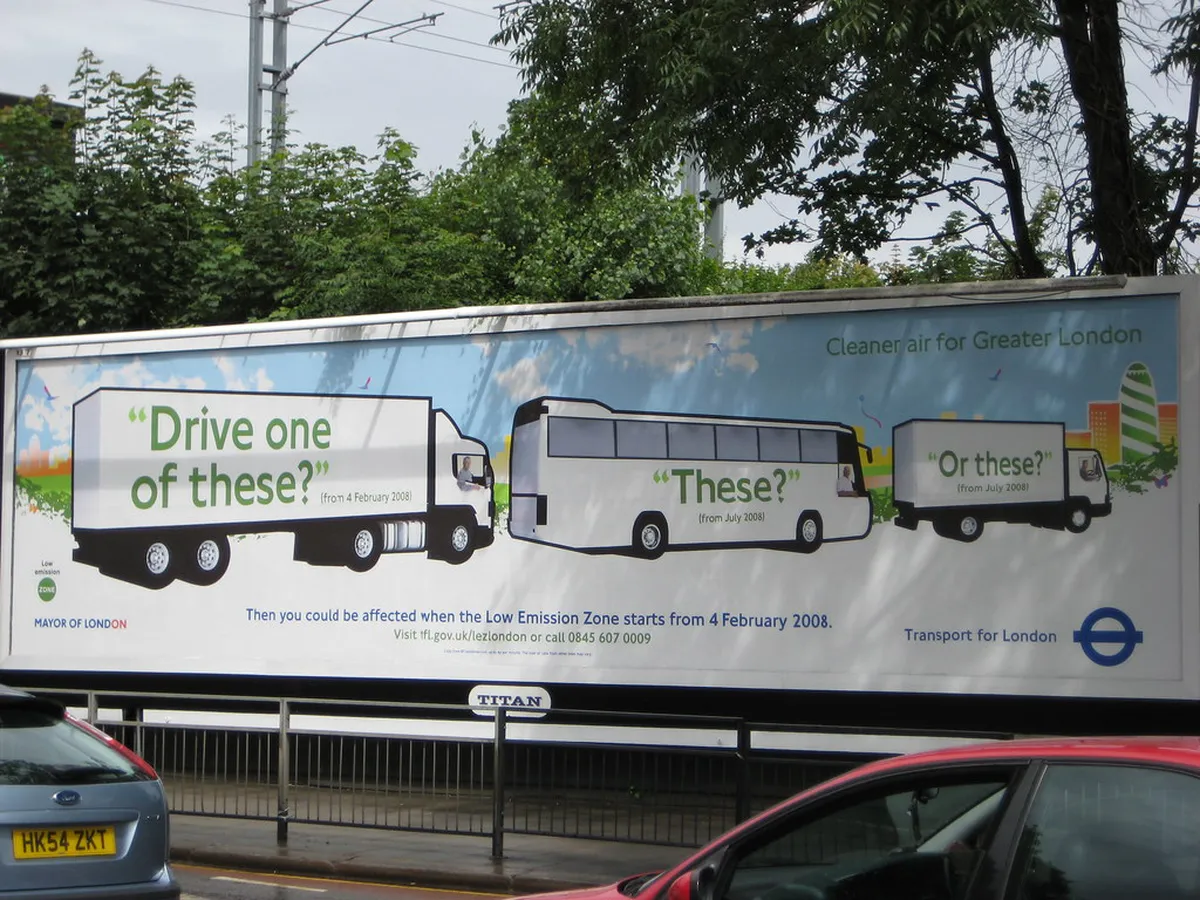
- Zone entrance sign: check if it applies to your vehicle before crossing.
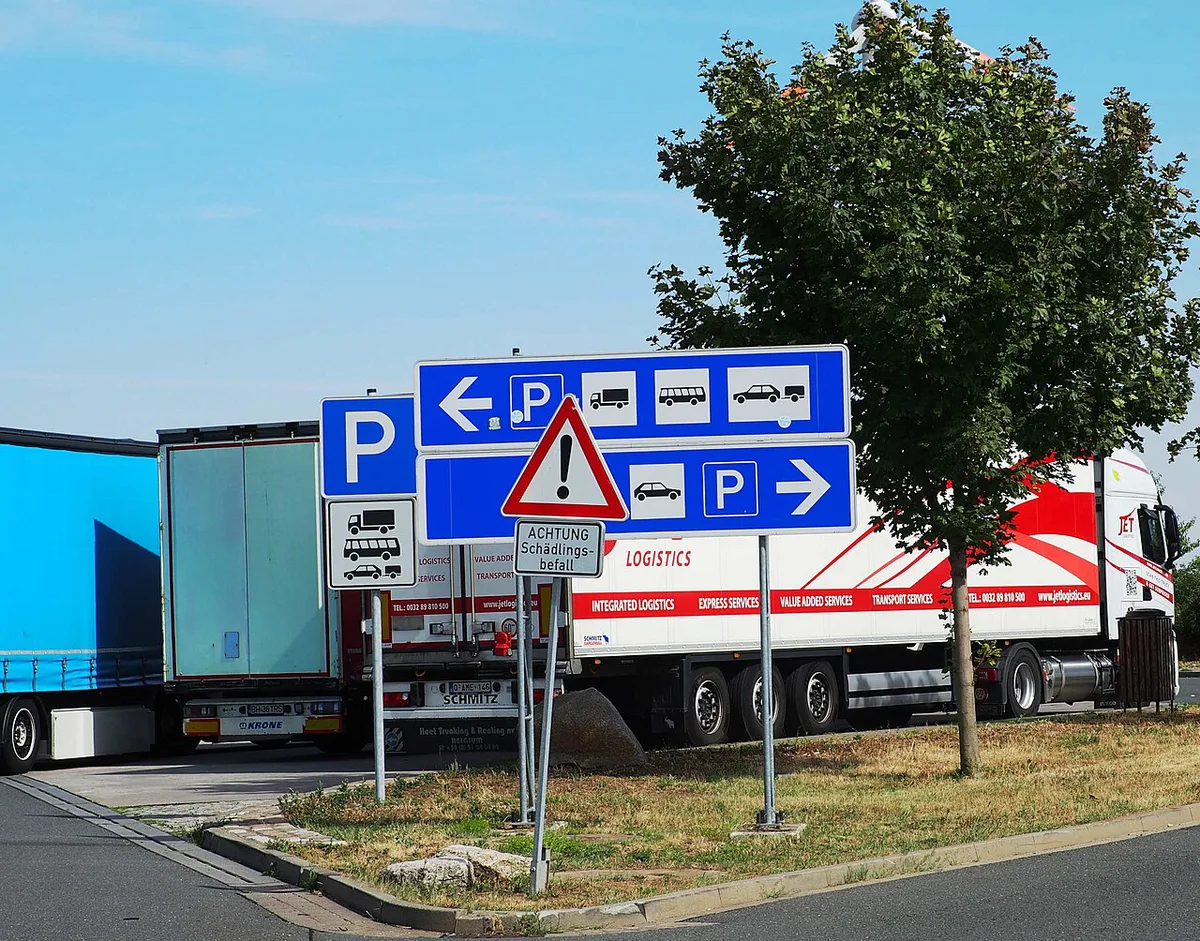
- White P on blue: parking permitted, with conditions on the plate below.
- Red circle with a diagonal cross: no parking or no stopping, depending on the symbol.
- Pedestrian figure sign: no vehicles, unless a plate allows limited access.
Where European road signs differ by country
The UK uses mph on its speed signs and drives on the left. Ireland also drives on the left but posts speed limits in km/h. Cyprus and Malta drive on the left too, so check your hire car pickup point before leaving the airport. Our left-hand traffic tips cover the adjustment. Nordic and Alpine countries add winter signs: wildlife crossings, snow chain requirements and winter tire notices. Seasonal pass closures are posted at the foot of the climb, so read them before committing to a mountain road. Official road authority sites show current closures better than any roadside sign. When you cross a border, speed limits and equipment rules change, often with only a small entering-country sign and no speed reset marker. Your first sign after the frontier is the one to read.
If you don't understand a sign: practical decision rules
Most confusion clears up if you slow down and follow a short routine. Apply the checklist below in order.
A handful of signs carries the highest stakes, so a slow, shape-first check beats guessing when one is unclear.
- Slow down smoothly and check your mirrors.
- Read the shape and color: triangle warns, red circle forbids, blue circle commands.
- Scan for numbers, arrows and symbols on any plate beneath it.
- Compare with your GPS, but obey the physical sign if the two disagree.
- Avoid stopping on a motorway; take the next exit and re-plan.
- Pull over safely when a sign remains unclear, then look it up.
Before you go: documents and gear
Signs are only part of driving abroad. Check whether you need an International Driving Permit for Europe: Who Needs One before booking. US visitors can read about driving with a US license. Sort your cover with our Green Card Insurance for Driving in Europe: Do You Need One? page, and plan roadside help with breakdown cover options. UK drivers heading to the continent should read about Headlight Beam Deflectors for Driving in Europe: Do You Need Them?. Rental cars usually carry the correct local equipment and stickers, and the rental desk can show you where they are. Electric car drivers should learn the charging pictograms too, and our EV charging guide covers them. GOV.UK keeps a driving abroad checklist for UK travelers.
Road-rule changes worth knowing
Optional updates to our guides.
You might also like
Continue reading
More guides you'll find useful