Driving on the Left in Europe: A Visitor's Guide
Which European countries drive on the left, what changes at junctions and roundabouts, and how to prepare as a US visitor renting a car.
On this page
Last updated November 2026: driving on the left applies in the UK and Ireland, plus Cyprus and Malta, while the rest of Europe drives on the right. In these countries cars are normally right-hand drive, so you sit beside the centre line, and on the continent that layout flips. Roundabouts, junction turns and overtaking are the hardest adjustments, and our parent guide to 8 Things to Sort Before Driving in Europe covers the wider rules.
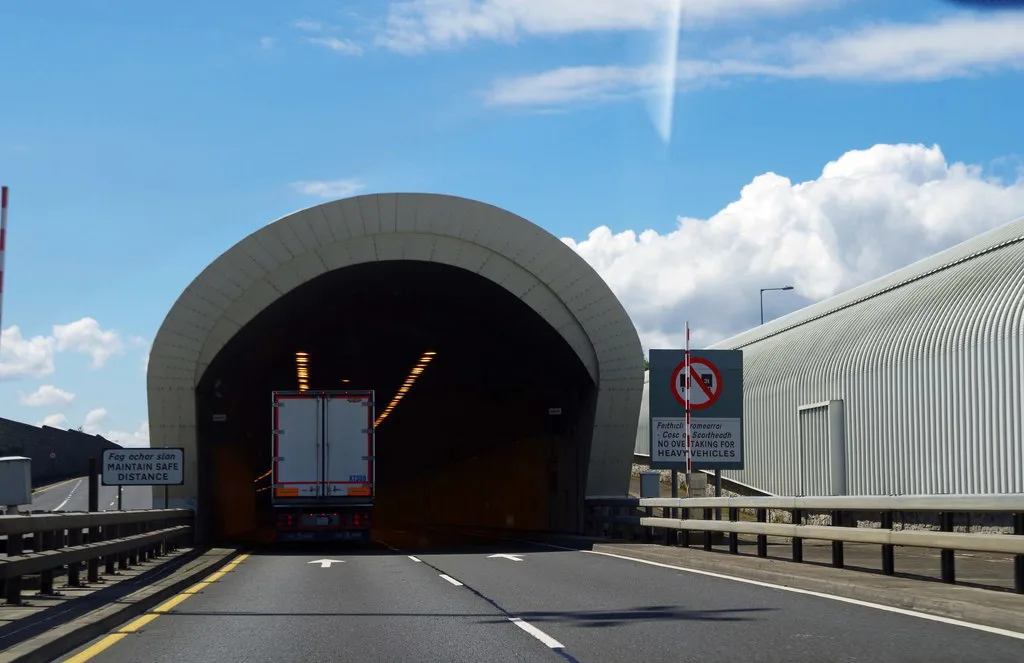
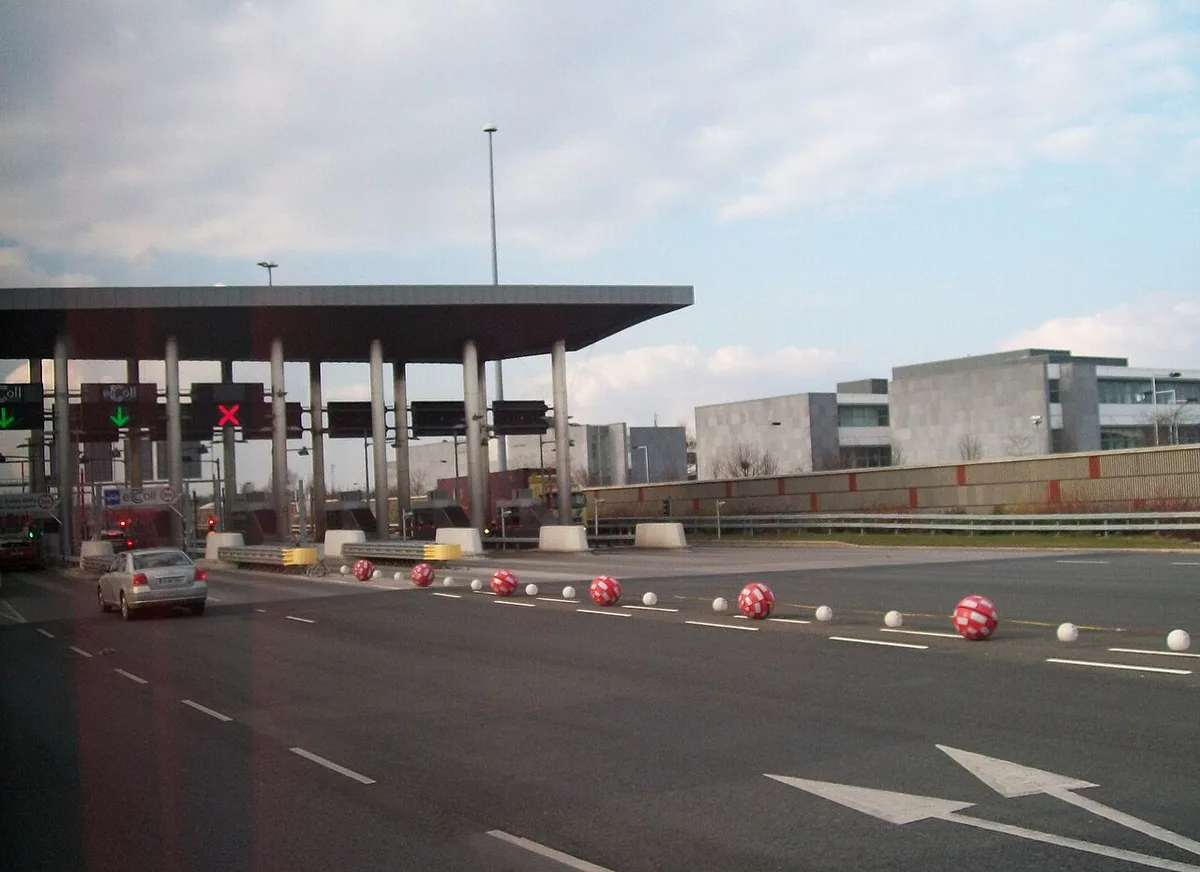
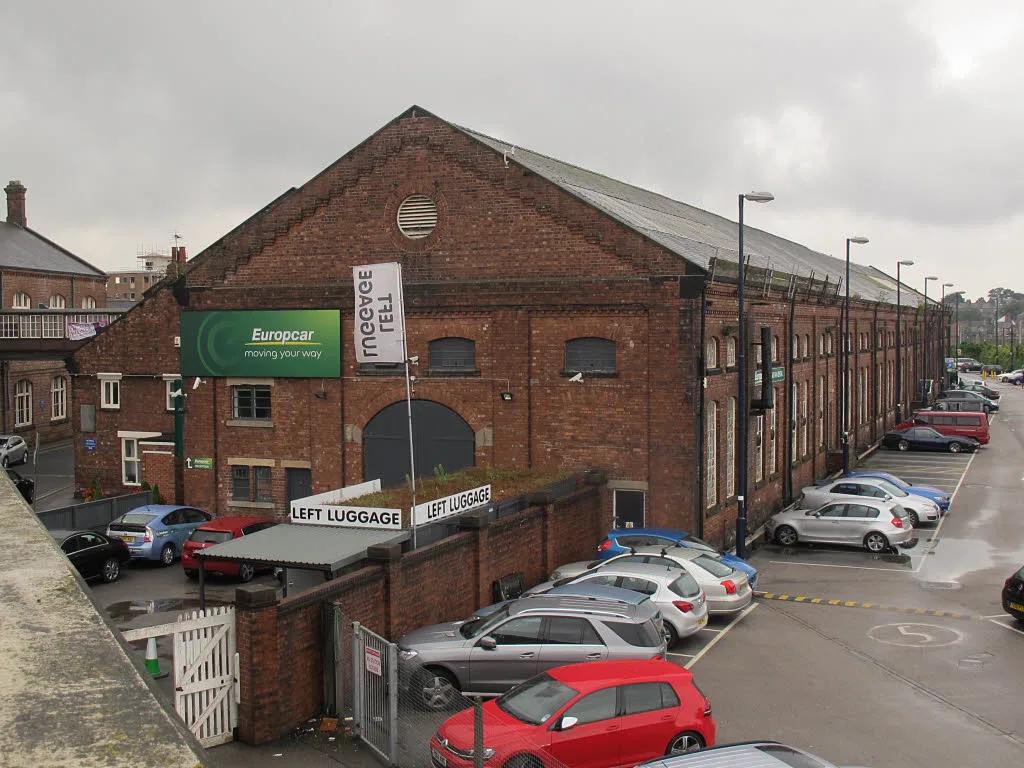
Featured image: Eric Jones, CC BY-SA 2.0, via Wikimedia Commons.
Quick Answer: Which European Countries Drive on the Left
Four European countries keep traffic on the left. Two matter most for a US renter: the UK and Ireland. Cyprus and Malta also drive on the left, as Your Europe's road rules page notes alongside Ireland. Everywhere else on the continent drives on the right.
US drivers picking up a rental in the UK or Ireland should read the rental and first-30-minutes sections below. UK and Irish drivers heading to the continent should jump to the crossing section and then read about Priority to the Right: How the Rule Works in Europe.
- United Kingdom: left-hand traffic, right-hand drive cars
- Ireland: left-hand traffic, right-hand drive cars
- Cyprus and Malta: left-hand traffic, right-hand drive cars
- Jersey, Guernsey and the Isle of Man: separate territories that also keep left
What Actually Changes When You Drive on the Left
Right-hand drive is the norm for cars in left-hand traffic countries, which puts the driver nearest the centre line. UK rules are published in the Highway Code, and Ireland has its own rules of the road. Use this table as a quick reference for the seven changes that matter most.
| Feature | Right-hand traffic (US, mainland Europe) | Left-hand traffic (UK, Ireland) |
|---|---|---|
| Seating position | Driver sits on the left of the car | Driver sits on the right, near the centre line |
| Gear and controls | Manual gear lever worked with the right hand | Manual gear lever worked with the left hand |
| Overtaking side | Pass on the left | Pass on the right |
| Roundabout direction | Counterclockwise | Clockwise |
| Junction turns | Right turn is short, left turn crosses traffic | Left turn is short, right turn crosses traffic |
| Signs and markings | Mirrored layout, signs mainly on the right | Mirrored layout, signs mainly on the left |
| Pedestrian crossings | Traffic nearest you comes from the left | Traffic nearest you comes from the right |
The Hardest Moments for Driving on the Left
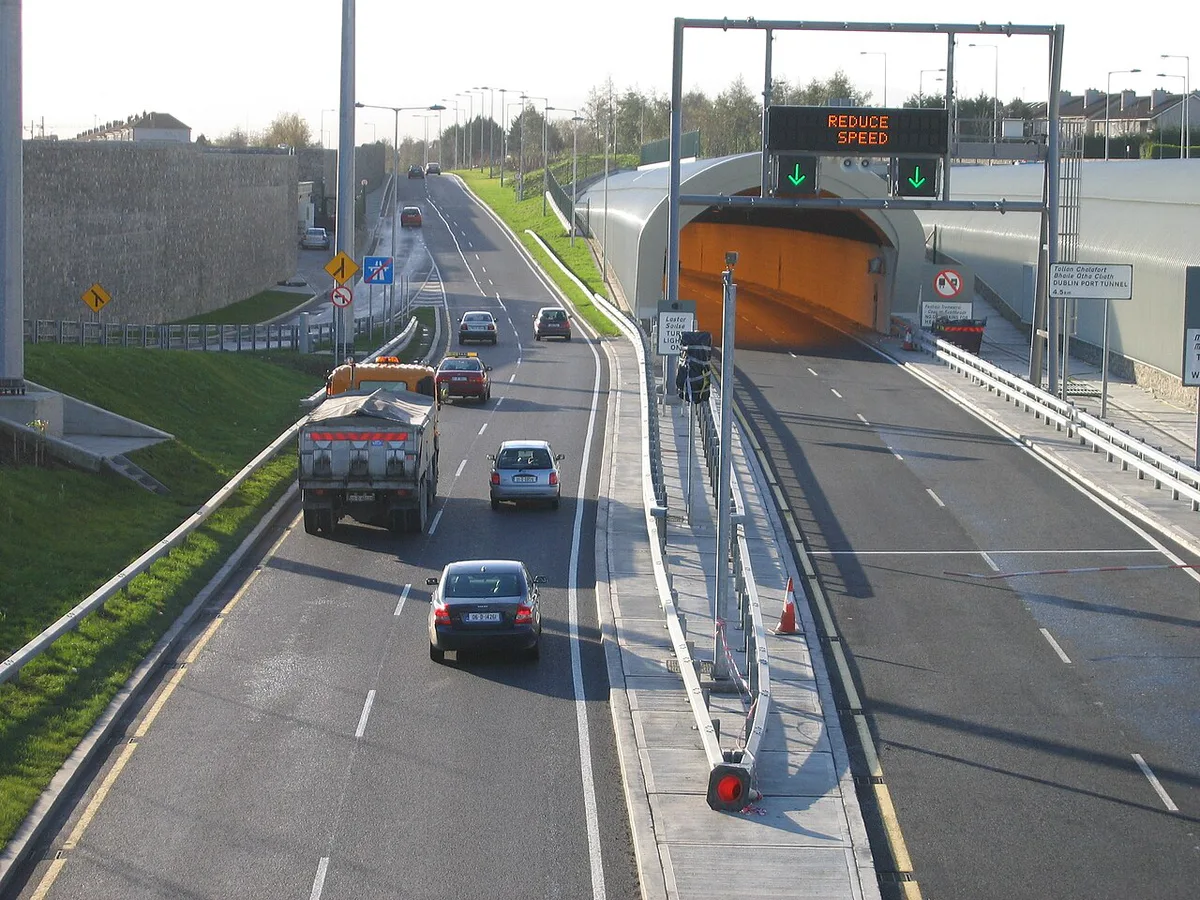
Most errors happen in the first minutes after a stop, not on open road. Roundabouts are the clearest test, because you enter clockwise and give way to traffic already circling. Our guide to Roundabouts in Europe: Rules, Lanes and Signalling explains lane choice and exits. Right turns now cross oncoming traffic, so wait for a clear gap rather than following the car ahead. Pulling out of car parks, fuel stations and one-way streets is the other risk, because lane instinct resets after every stop. Some single-track rural roads use passing places, so follow the posted signs and slow down on blind bends. Drivers going the other way, from left-hand traffic to the continent, face priority-to-the-right junctions with no sign at all.
- Roundabouts: look right, enter clockwise, signal your exit
- Right turns: cross oncoming traffic only on a clear gap
- Car parks and fuel stations: say "stay left" out loud before pulling out
- One-way streets: confirm which kerb you should hug
Rental Car Decision Guide
Automatic or manual is the biggest rental decision. Automatics usually cost more and can sell out first, while manuals are cheaper but need your left hand on the gear lever. Weigh that extra task against how much you want to learn at once. Before you accept the keys, run through the pickup checks below.
Pick a quiet-town pickup, because Minutes 5-15 are best spent on quiet roads below your usual speed.
- Automatic or manual: an automatic removes shifting so you can focus on lane position and junctions.
- Vehicle size: a smaller car is easier to place on narrow roads and in tight car parks.
- Mirrors: adjust all three before leaving the bay, since your sight lines have flipped.
- Stalks: indicator and wiper controls may sit on the opposite sides from your own car, so test both.
- Fuel type: read the filler cap and the keys' paperwork to avoid petrol in a diesel.
- Reverse gear: find out how the car engages it before you need it.
- Pickup location: a quiet town gives gentler first roads, while an airport or city centre gives easier access but busier junctions.
- Test drive: do a slow loop of the car park before joining traffic.
Documents, Insurance, and Equipment Before You Go
Requirements depend on your route and your vehicle. A US renter collecting a car in the UK or Ireland needs fewer items than a driver taking a car across a border. Government sources such as Your Europe set out the official position for EU routes.
- Licence: see our guide to driving with a US licence.
- Permit: read about the International Driving Permit for Europe: Who Needs One before you book.
- Insurance papers: a car crossing borders may need Green Card Insurance for Driving in Europe: Do You Need One?.
- Breakdown cover: compare options in our breakdown cover guide.
- UK-registered cars on the continent: see the UK Sticker for Driving in Europe: Do You Need One? rules.
- Headlights: a car set up for one side can dazzle oncoming drivers on the other, so read about Headlight Beam Deflectors for Driving in Europe: Do You Need Them?.
Crossing Between Left- and Right-Hand Traffic
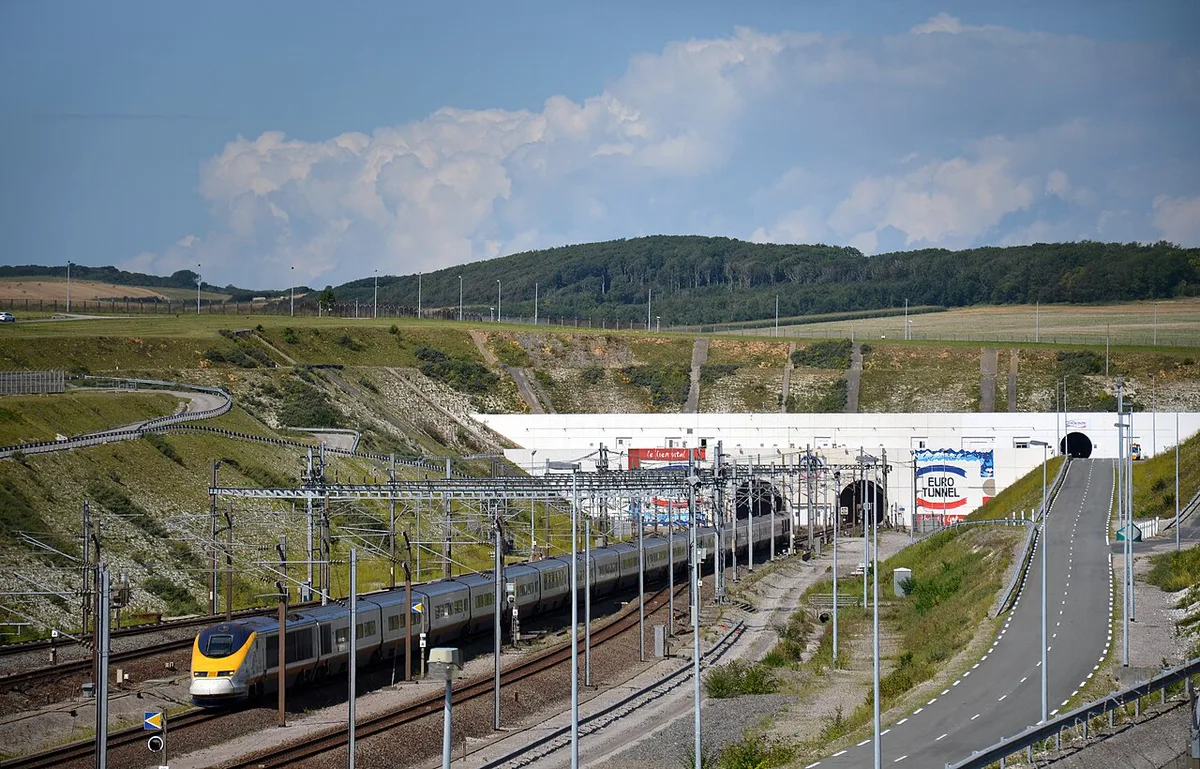
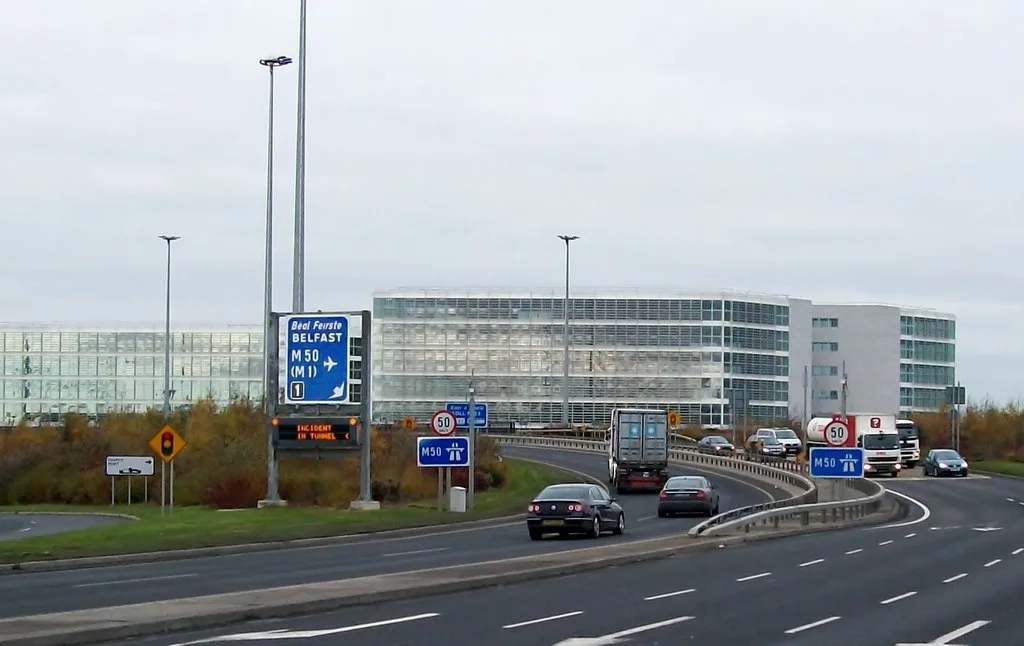
Ferry and tunnel crossings put you onto the opposite side within minutes of landing. Your car arrives set up for the side you left, so headlights and mirrors need attention first. Official road signs differ in detail between countries, and our guide to European Road Signs Explained: Shapes, Colors and Key Signs covers the common ones. Continental cities may also have low-emission zones, covered in our low-emission zones guide. Electric cars should read the EV charging guide, since plug types and access cards vary by country. Use this first-30-minutes routine after landing or pickup.
Give the first-30-minutes routine priority over speed on any drive, since roundabouts and junctions arrive within that window.
- Minutes 0-5: park safely, adjust mirrors and set the satnav before moving.
- Minutes 5-15: keep to quiet roads and drive below your usual speed.
- Minutes 15-30: follow local traffic through the first roundabout and the first junction.
- Throughout: ask your passenger to watch the kerb and call out junctions.
Common Mistakes to Avoid
Most visitors repeat the same handful of errors, usually after a quiet stretch or a stop.
- Drifting to the wrong lane on an empty road
- Looking the wrong way at junctions and crossings
- Reaching for the wiper stalk instead of the indicator
- Misjudging roundabout entry and giving way to the wrong side
- Hugging the kerb or the centre line too closely
- Trusting the satnav over signs and road markings
Why Some Countries Drive on the Left
Different countries settled on different sides over centuries, and many left-hand systems trace to British influence. Popular explanations involving swords or Napoleon are folk accounts, so treat them as stories rather than settled history. Sweden changed from left to right on 3 September 1967, known as Dagen H, which shows how costly a switch is, since signs, junctions and buses all change at once.
Frequently Asked Questions
Where do they drive on the left in Europe?
The UK and Ireland drive on the left, as do Cyprus and Malta. Every other European country drives on the right.
What is the difference between right-hand drive and left-hand drive cars?
Right-hand drive cars have the steering wheel on the right and suit left-hand traffic. Left-hand drive cars have it on the left and suit right-hand traffic.
Is it difficult to drive on the right side?
Most drivers adjust within a short time if they start slowly on quiet roads. Roundabouts and junction turns need the most attention at first.
Road-rule changes worth knowing
Optional updates to our guides.
You might also like
Continue reading
More guides you'll find useful