Driving Rules in Ireland: A Visitor's Guide (2026)
Drive on the left, know which licence you need, and avoid the common visitor mistakes. A clear guide to Ireland's key driving rules and road reality.
On this page
Last updated November 2026: the first of the driving rules in Ireland is that you drive on the left. Visitors with a valid home licence can usually hire a car, though rental firms add their own conditions. Roundabouts, narrow rural roads and manual gearboxes catch out most first-timers, so this page puts those rules first.
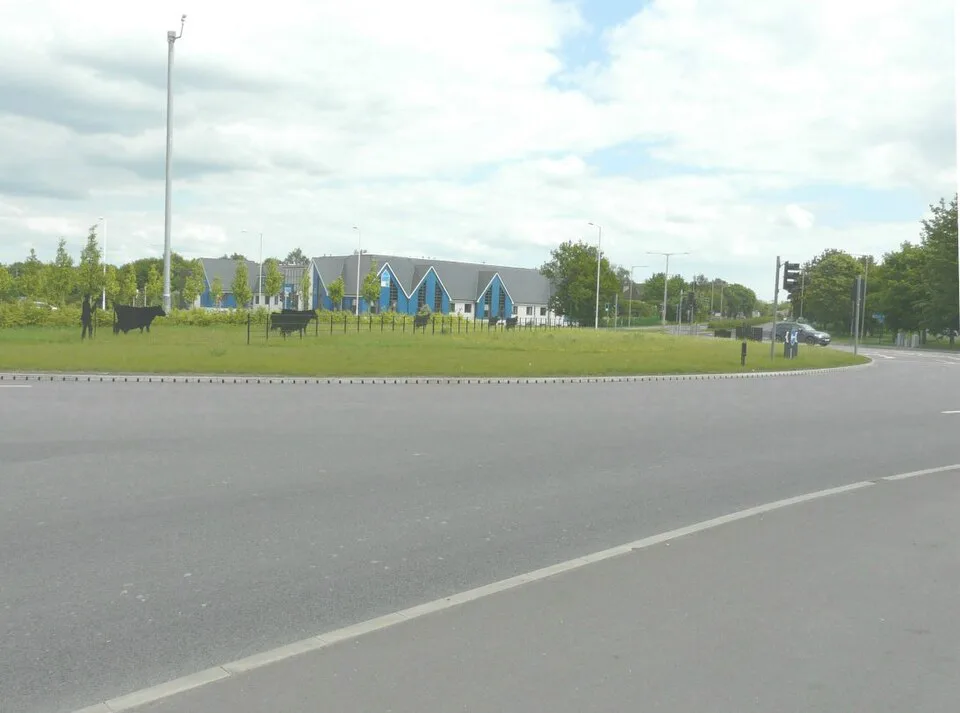
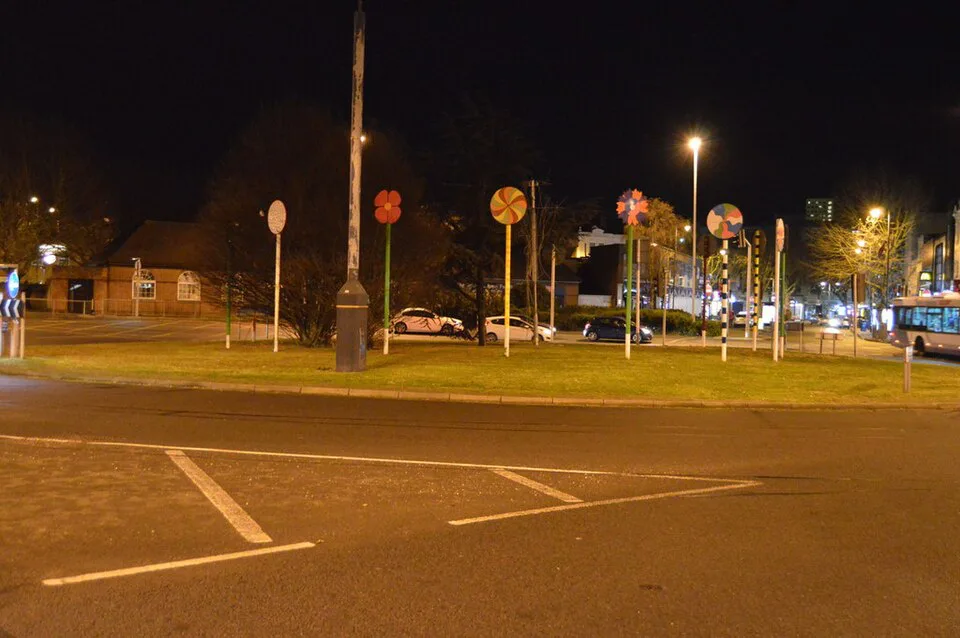
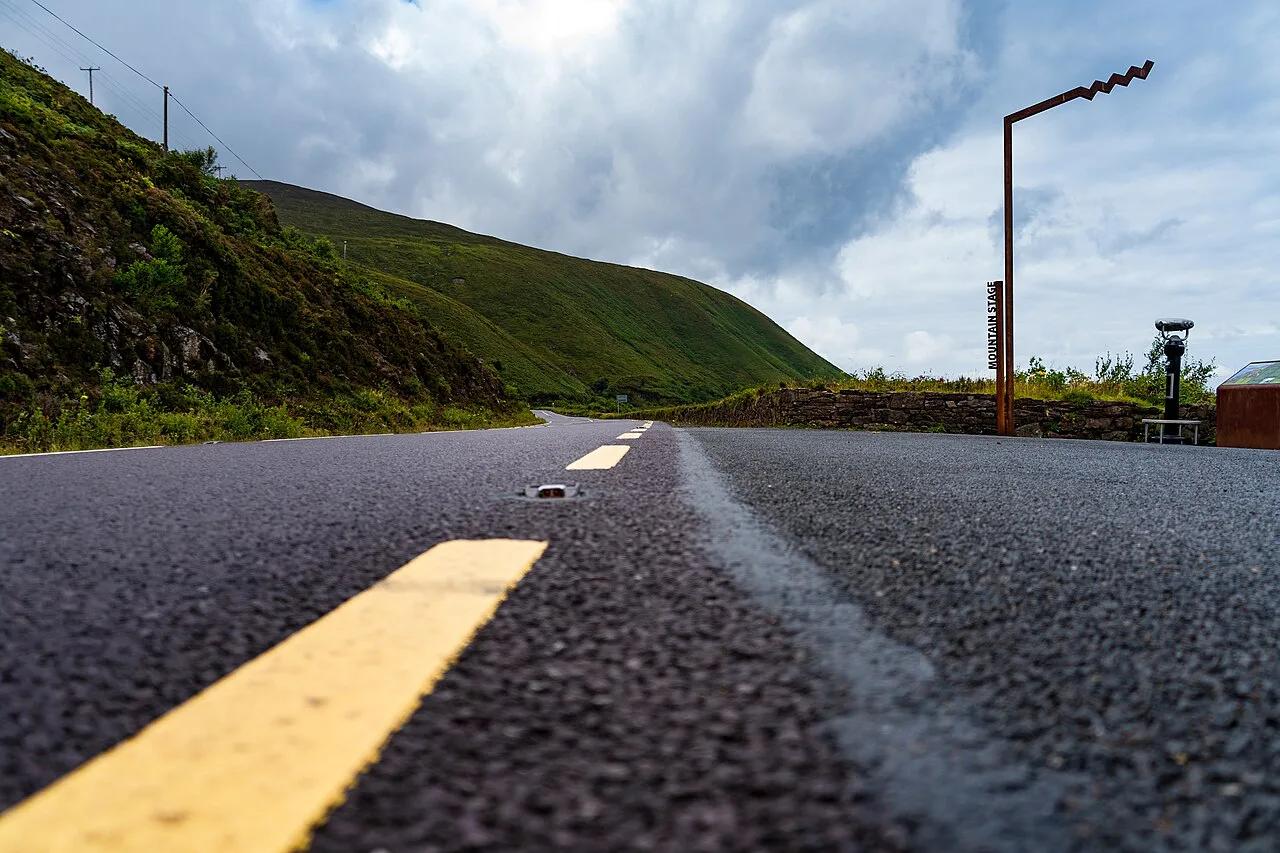
Featured image: Mucklagh, CC BY-SA 4.0, via Wikimedia Commons.
Quick answer: the rules visitors most need to know
Start with this short rule sheet, then use the sections below for detail. Each topic with its own guide links out so you can go deeper only where you need to.
- Drive on the left and keep to the left lane on dual carriageways and motorways.
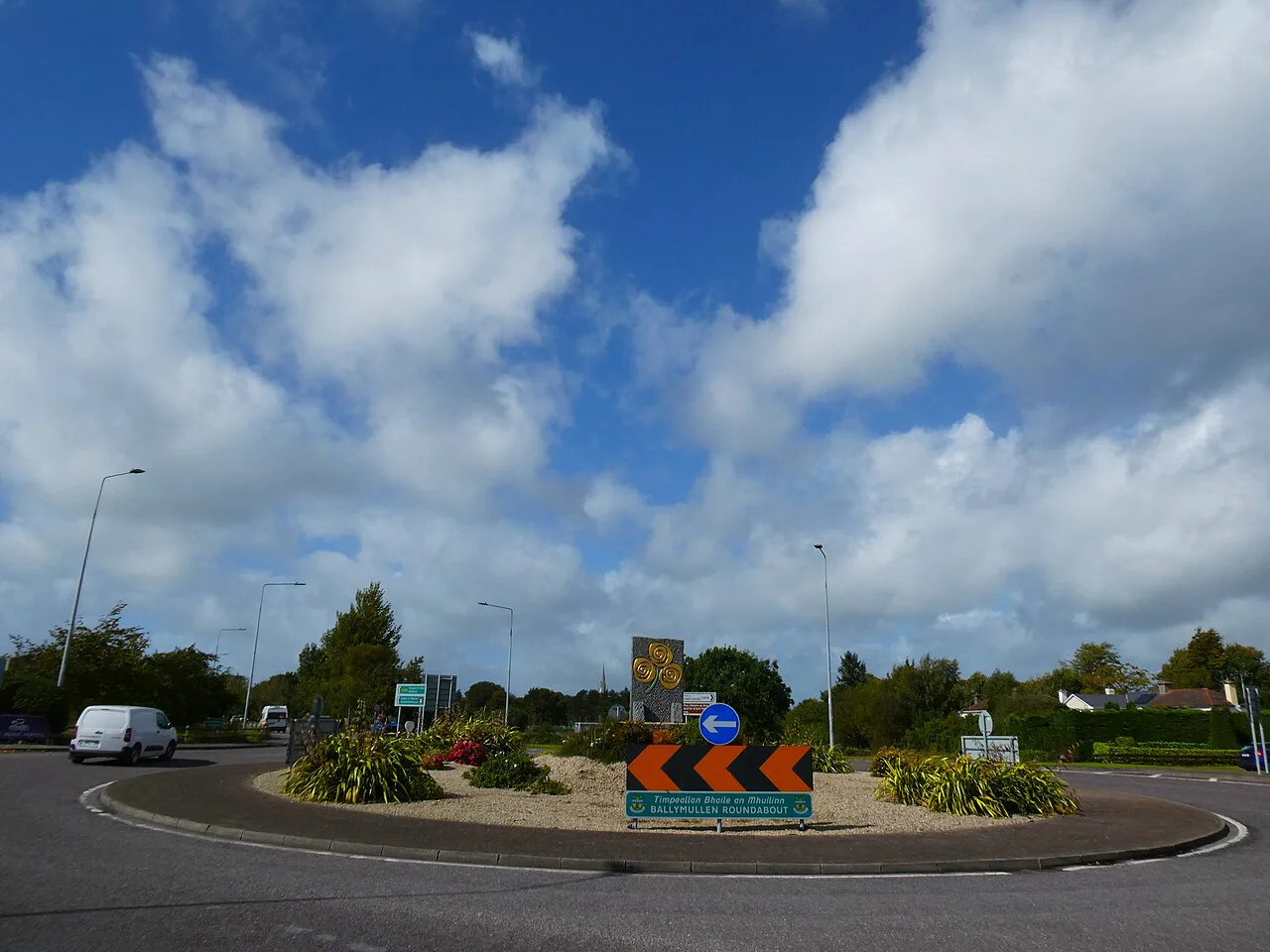
- Go clockwise at roundabouts and give way to traffic already on the roundabout.
- Read speed signs in km/h, not mph, except in Northern Ireland.
- Wear a seat belt in every seat, and use the right child restraint for each child.
- Do not hold a phone while driving.
- Do not drink and drive. Ireland's limit is low, and the safest amount is none.
- Ask for an automatic when you book, because manual cars are the default at many rental desks.
Do you need an Irish licence or permit to drive as a visitor?
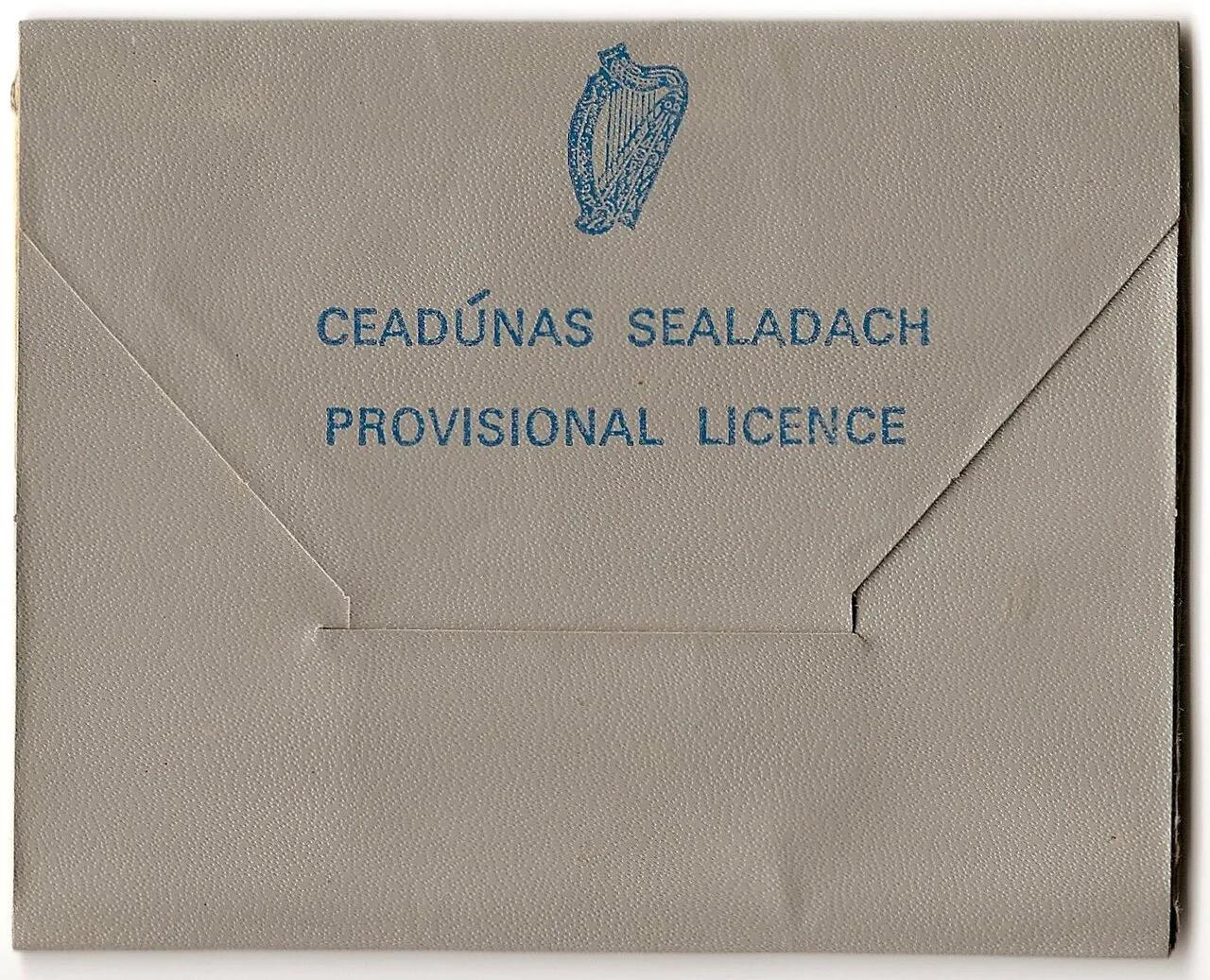
Visitors can drive on a valid licence for up to 12 months, but the paperwork depends on where it was issued. According to Citizens Information, an EU or EEA licence is enough, as is a UK licence or one from Ireland's other recognised states, such as Australia, Canada, Japan, New Zealand and Switzerland. A licence from anywhere else, including the US, should be backed by an International Driving Permit from your home country. Rental firms can set their own rules on licence age, how long you have held it and extra documents. Bring your physical licence, your passport and your rental paperwork. US drivers should read our guide to driving with a US licence for the specifics. Anyone who becomes resident must exchange a licence from the EU, the EEA or a recognised state, or go through the full Irish licensing process if it was issued elsewhere.
Core driving rules in Ireland at a glance
This table covers the rules that trip up visitors most often. Treat it as a quick check before you pick up the keys.
| Rule | What it means in practice | Common visitor mistake |
|---|---|---|
| Drive on the left | You sit on the right side of the car and keep close to the left edge of your lane. | Drifting right after a quiet junction or a fuel stop. |
| Roundabouts | Enter clockwise and give way to traffic already on the roundabout, which comes from your right. | Waiting for a gap from the wrong direction. |
| Motorway lanes | Stay in the left lane and use the right lane only to overtake. | Cruising in the overtaking lane. |
| Seat belts and child seats | Everyone buckles up, and children need a restraint that suits their size. | Assuming the rental firm has fitted a child seat. |
| Mobile phones | Hands-free use only while driving. | Holding a phone at a red light. |
| Speed signs | Limits are posted in km/h. Look for the round sign with a red border. | Reading a 100 sign as 100 mph. |
Speed limits, tolls and drink-driving: short summaries
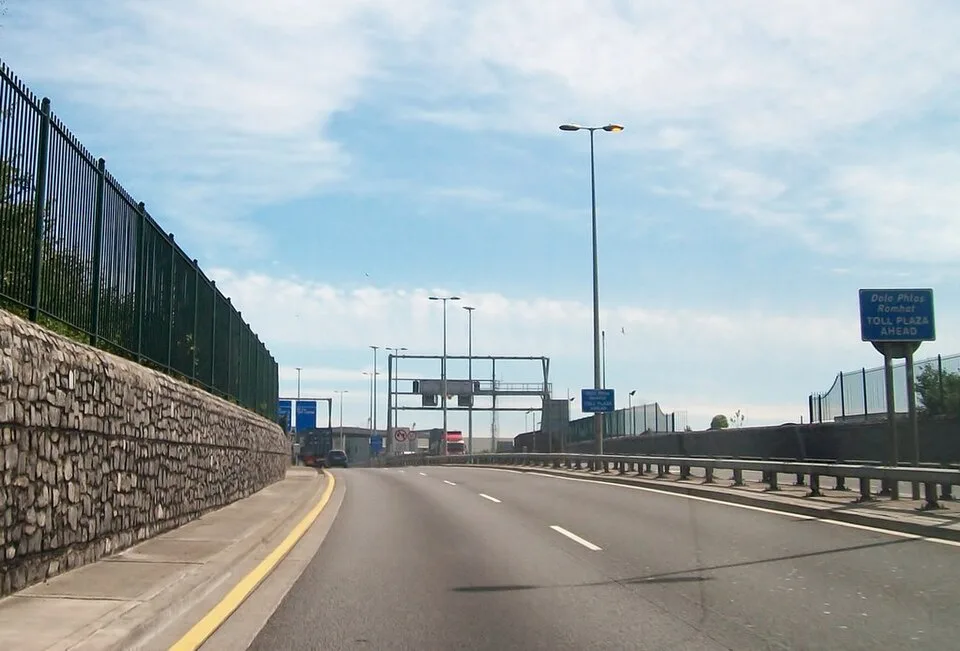
Speed limits on Irish roads are in km/h. The defaults are 120 km/h on motorways (about 75 mph), 100 km/h on national roads (about 62 mph), 80 km/h on regional roads, 60 km/h on rural local roads since 7 February 2025, and 50 km/h in towns (about 31 mph). A speeding fixed charge is €160 and 3 penalty points. Signs override these defaults, so read each one. Our full guide to Irish speed limits covers the planned 30 km/h town limits and cameras. Tolls are mostly on motorways, and the M50 around Dublin uses a barrier-free system run through eFlow, where a car without an account pays €3.80 per trip in 2026, due by 8pm the next day. Plan payment in advance using our toll roads guide. Ireland's limit for most drivers is 50 mg of alcohol per 100 ml of blood, which is below the 0.08% many US visitors know. Learner, novice and professional drivers have a 20 mg limit, and our drink-driving limit guide explains who counts as one. Transport Infrastructure Ireland publishes road network information if you want the official view.
Driving on narrow and rural roads
Rural roads are where driving in Ireland feels hardest. Lanes can be barely wider than one car, with stone walls, blind bends and the occasional sheep. Use passing places, and reverse to one if you are closer to it than the oncoming driver. Slow down before every bend. Speed limits are maximums, not targets, so a lower speed is often right. Avoid small R and L roads on your first day. Stick to national roads until you are comfortable with the car's width and your road position.
Motorways commonly run 120 km/h (about 75 mph), but on narrow rural lanes limits are only ceilings, so slow down earlier.
Hiring a car: manual vs automatic, insurance and size
Manual cars are common in Irish rental fleets, so book an automatic early if you drive one at home. A licence for automatic cars may limit you to automatics, so check your licence with the rental firm. Choose a compact car for narrow roads, and read the insurance excess terms before you pay. Our guide to Renting a Car in Ireland: Insurance, Costs & Tips covers insurance and booking. If you land in Dublin, see car hire at Dublin Airport for collection details. Use a simple first-day plan:
- Collect the car and spend a few minutes learning the controls.
- Circle the airport car park before you join a main road.
- Avoid rush hour on your first drive.
- Pick a simple route on a motorway or national road.
- After fuel stops and parking, check you rejoin the road on the left.
Driving in Dublin and parking
Dublin is the hardest place to start. City streets are busy, and the M50 ring road adds tolls. If you pick up a car at the airport, head out of the city rather than into it. Our guide to Driving in Dublin: Do You Need a Car? Rules and Tolls covers the main routes. Parking rules vary by town, so read each sign and read our parking in Ireland guide before you leave the car. Dublin City Council publishes its own parking information at dublincity.ie.
Set up eFlow before you reach the M50 around Dublin, since its tolls are collected without barriers.
Crossing into Northern Ireland
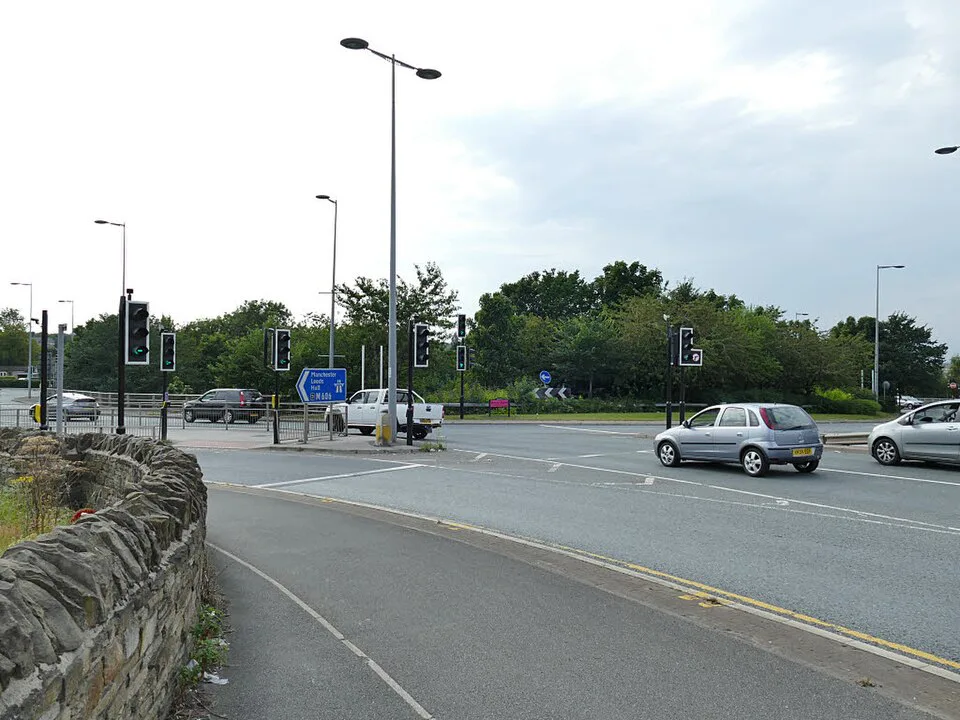
Northern Ireland is part of the UK, so rules and units can change at the border. Speed signs there use mph, not km/h. Ask your rental firm whether you can take the car across, and whether cross-border insurance costs extra. Currency also changes, so budget for that before you cross.
Should you drive at all? Who should skip the car
A car makes sense for coastal routes, rural stops and multi-stop trips where buses and trains are thin. Skip it if you are staying in Dublin or another city, if you are a nervous driver, or if your stay is short. In cities, walking and public transport are easier than parking. Think about time and access, not just cost. Our parent guide to 7 Things to Know About Driving in Ireland (2026) helps you weigh the decision.
- Hire a car for rural, coastal and multi-stop routes.
- Skip the car for city-only trips and short stays.
- Skip it if left-hand driving on narrow roads would stress you.
- Consider a day-long car hire for one rural leg rather than the whole trip.
Frequently Asked Questions
Can you drink one beer and drive in Ireland?
Ireland's limit is 50 mg of alcohol per 100 ml of blood for most drivers. One drink can put you close to that, depending on your size and what you have eaten. The safest choice is not to drink at all, and our drink-driving guide explains the details.
Is it difficult to drive in Ireland as a tourist?
Most visitors manage well on motorways and national roads. Narrow rural lanes, roundabouts and left-hand driving take a day to get used to. Choose a compact automatic, avoid rush hour on day one, and stay off small R roads at first.
Road-rule changes worth knowing
Optional updates to our guides.
You might also like
Continue reading
More guides you'll find useful