7 Things to Know About Driving in Ireland (2026)
What to know before driving in Ireland: left-side rules, licence needs, M50 tolls, speed limits, rural lanes and whether you should rent a car at all.
On this page
Last updated November 2026: driving in Ireland means keeping left, and visitors with a valid national licence can get behind the wheel. Motorways are easy, and narrow rural lanes are where the stress sits. Reserve an automatic ahead of time, and use our verdict below to decide whether you should drive at all.
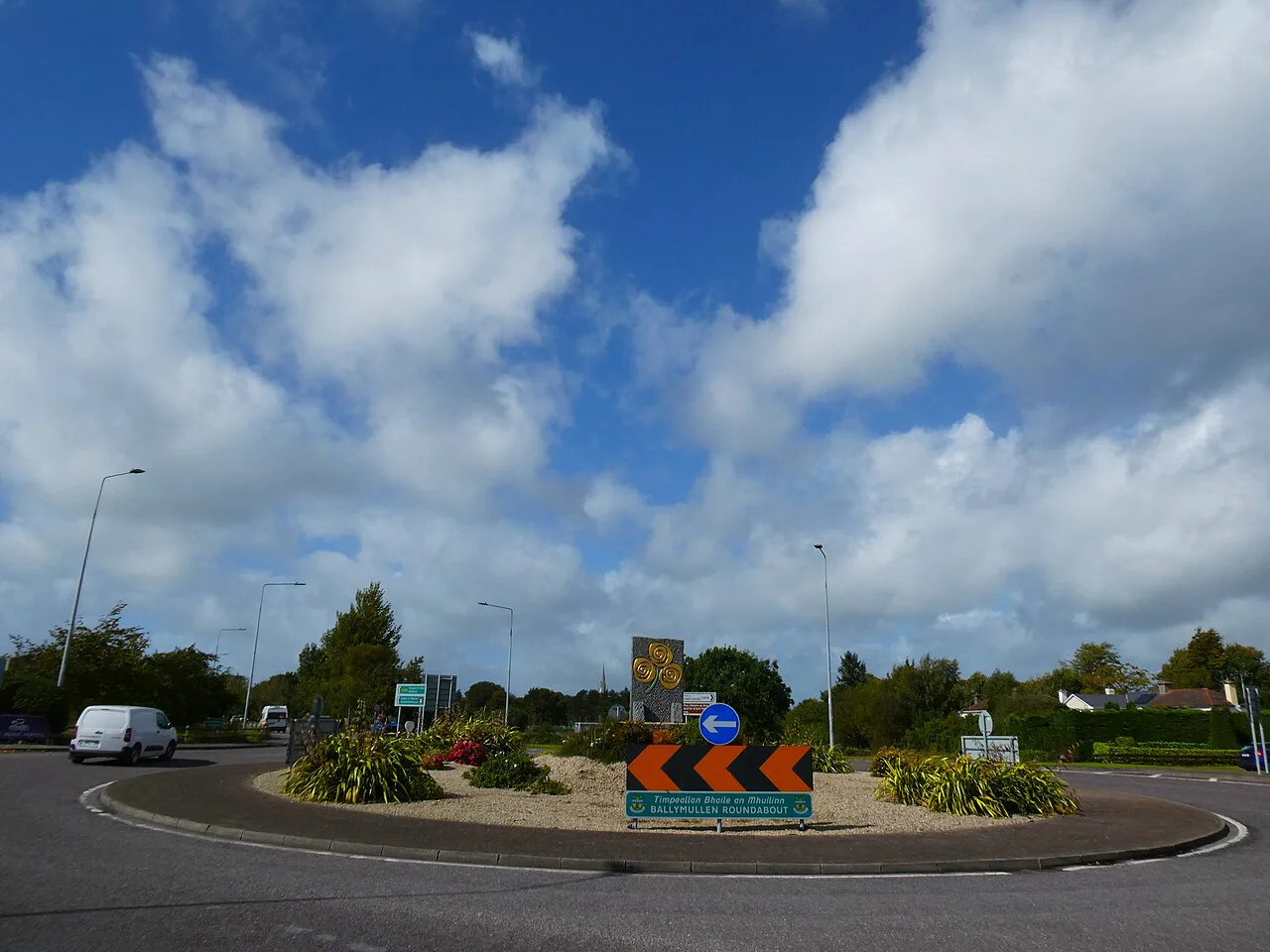
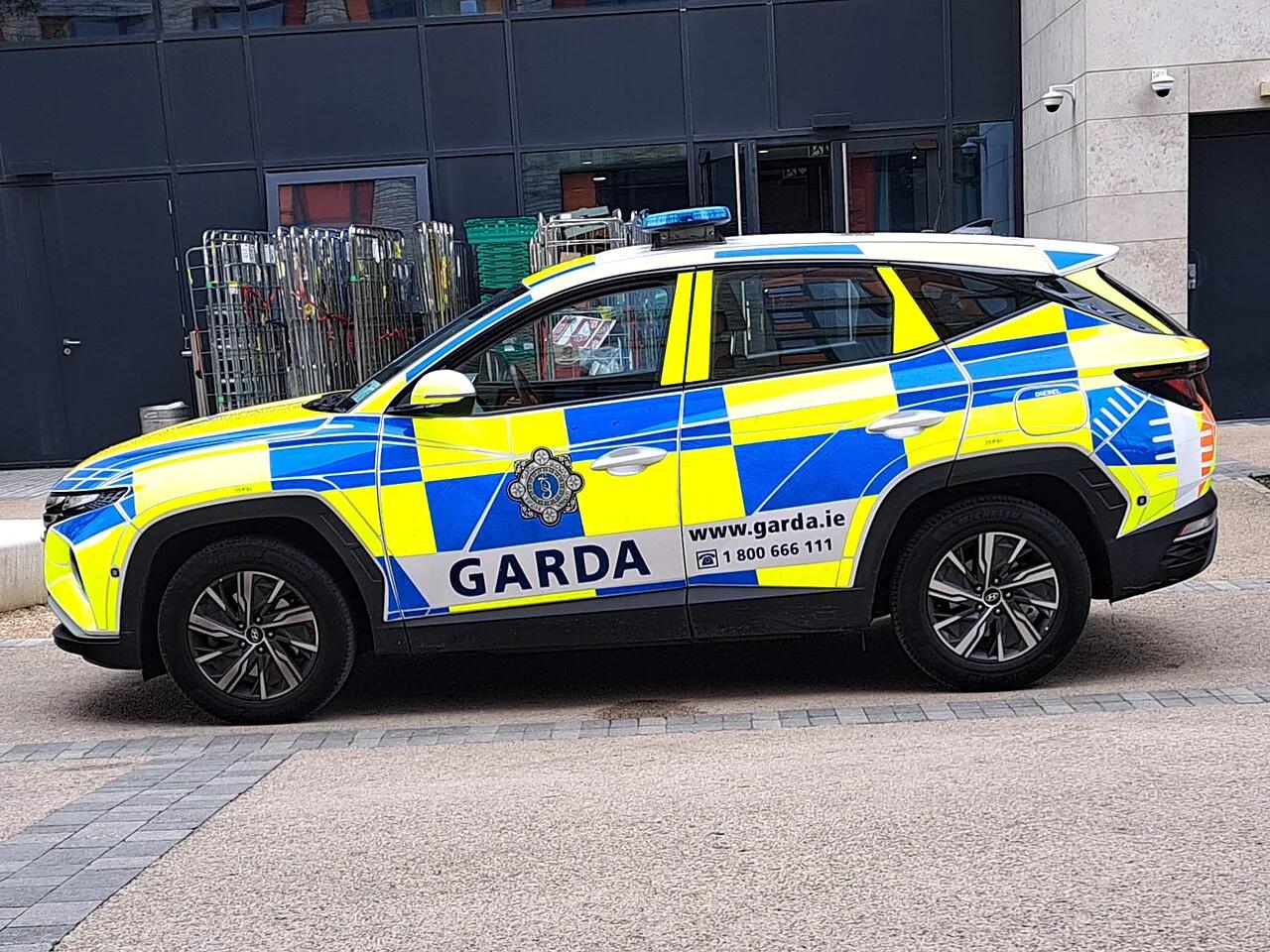
Featured image: Eric Jones, CC BY-SA 2.0, via Wikimedia Commons.
Quick answer: can you drive in Ireland, and should you?
Yes, you can. Ireland drives on the left, and US visitors can use a valid US licence for up to 12 months. We'd rent a car for a west-coast road trip, where public transport thins out. We'd skip the car for a Dublin-only stay. Match your own trip to the table below.
| Traveler | Our verdict | Why |
|---|---|---|
| Nervous first-timer | Drive, with a plan | Book an automatic, pick a small car and stick to motorways on day one. |
| Confident driver | Drive | Rural lanes are tight, but you set the pace and the route. |
| Family | Drive, one larger car or two small ones | Luggage and passengers decide the size; lanes reward a narrower car. |
| Solo traveler | Drive for scenic regions only | Use trains between cities and rent for one region. |
| Dublin-only stay | Skip the car | City parking and traffic add stress, and the sights are close together. |
| West-coast road trip | Drive | Places like the Dingle Peninsula are hard to reach without your own car. |
7 Things to Know About Driving in Ireland
Rules, limits and toll deadlines below were checked November 2026. Each point links to a deeper guide when you need the detail.
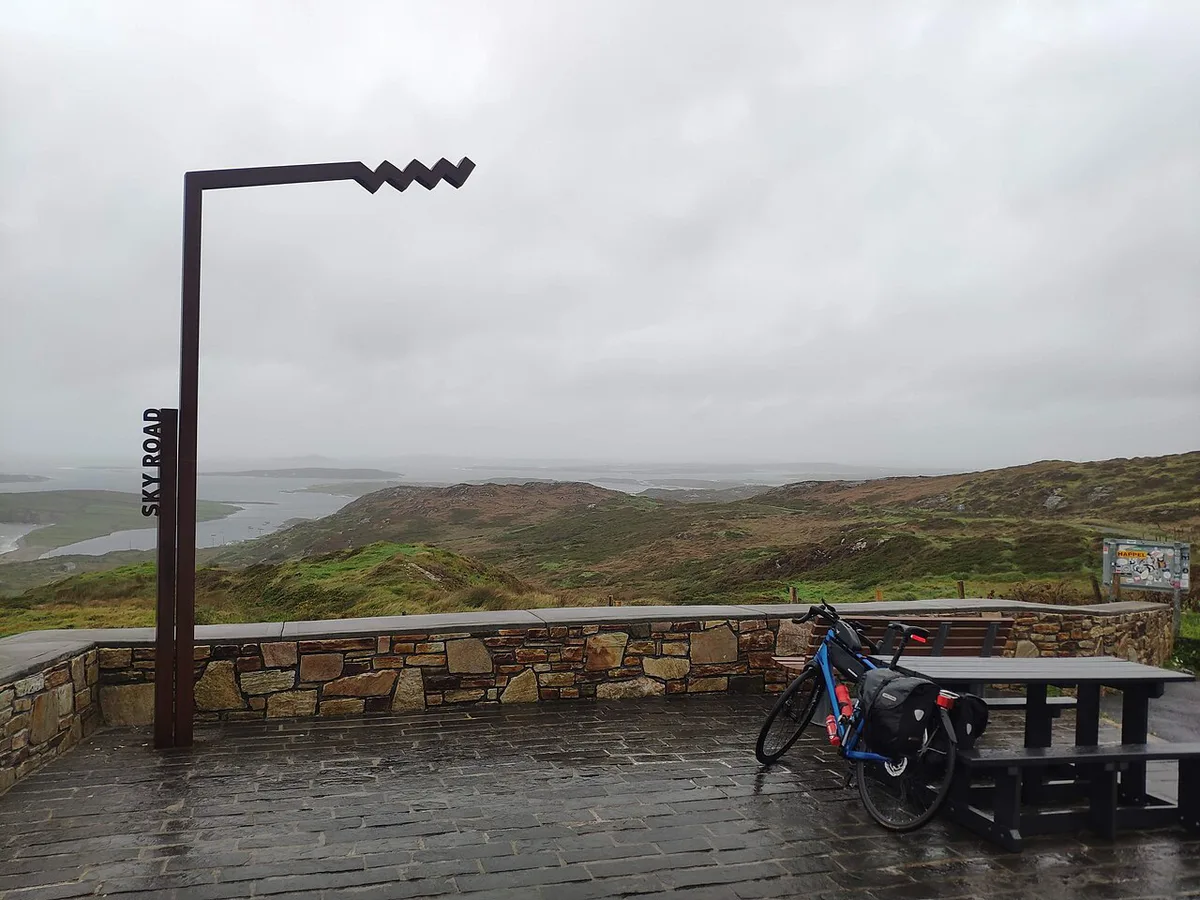
1. Keep left and treat roundabouts with respect
Cars on the island of Ireland drive on the left, and you sit on the right side of the car. Slips happen most when you turn from one road onto another, especially after a quick stop. At roundabouts and crossroads, traffic to your right has right of way unless signs say otherwise.
Everyone in the car, front and back, must wear a seat belt, and hand-held phones are banned even in stationary traffic. Our full rundown of overtaking and lane rules sits in Ireland's road rules guide. Skip the keys on arrival day if you are exhausted from an overnight flight.
2. Check your licence and insurance before you book
Visitors from the EU, the EEA and recognised states can drive on their national licence. The US is not a recognised state, so US licence holders need an international driving permit alongside the licence, per Citizens Information, and can then drive for up to 12 months as visitors, and in the Republic you must carry the licence at all times. You need insurance in your own name or as a named driver, and basic cover is included in a rental by law.
Because hedges and stone walls scrape paintwork, we'd add comprehensive cover and ask the rental desk about excess waivers. Details for Americans are in driving with a US licence. Rental terms and extras are covered in our Ireland car rental guide.
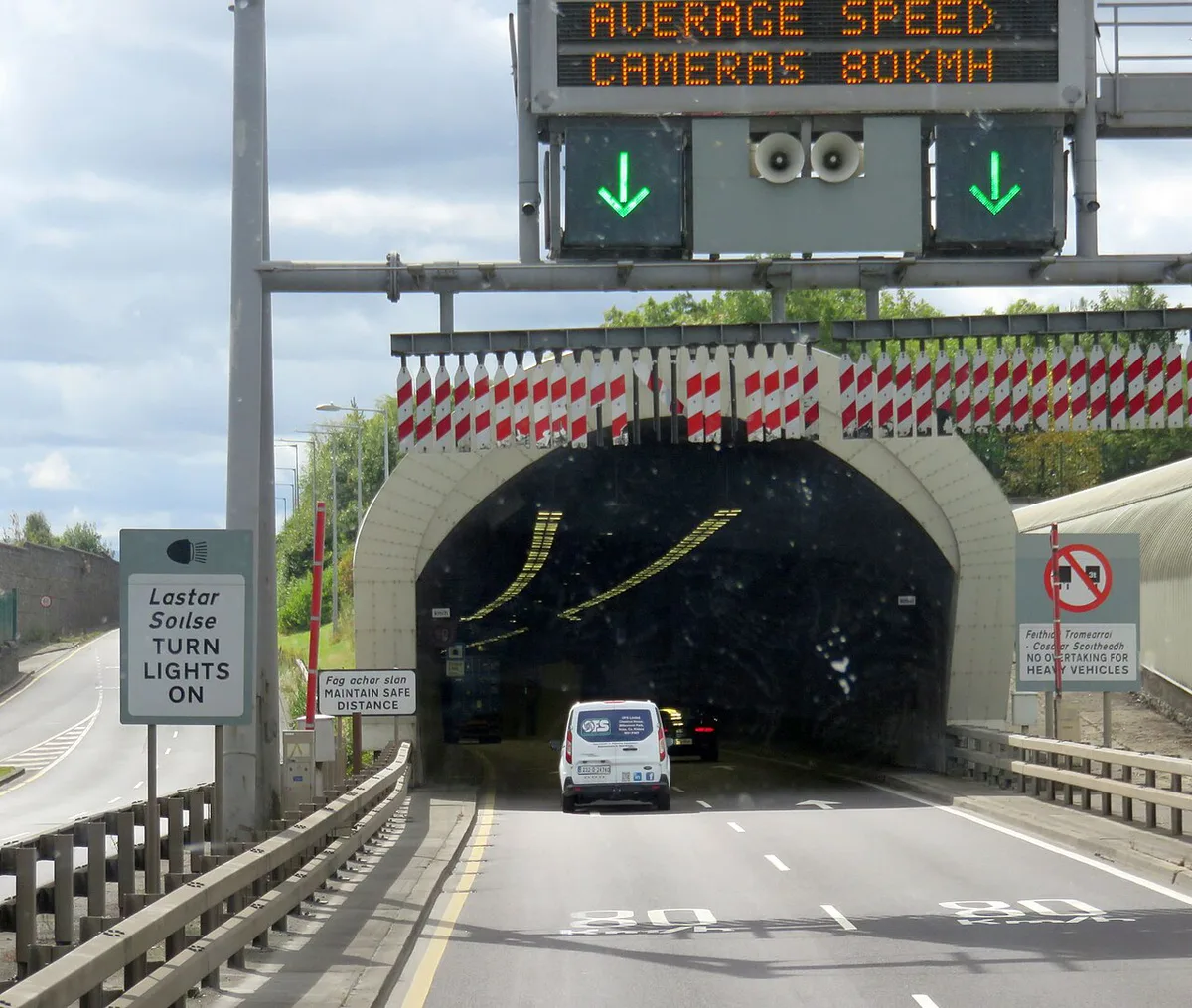
3. Reserve an automatic and choose a small car
Manual cars are more common in Ireland than automatics. Many first-timers forget to specify an automatic and end up with a stick shift. Our pick is an automatic every time, because your left hand will already be busy with new habits.
For two people, a compact car is easier on lanes with hedges on both sides, such as those on the Dingle Peninsula. A group of six may do better with two small cars than one large vehicle. Skip the automatic only if you drive a manual daily at home.
4. Save the rural lanes for day two or three
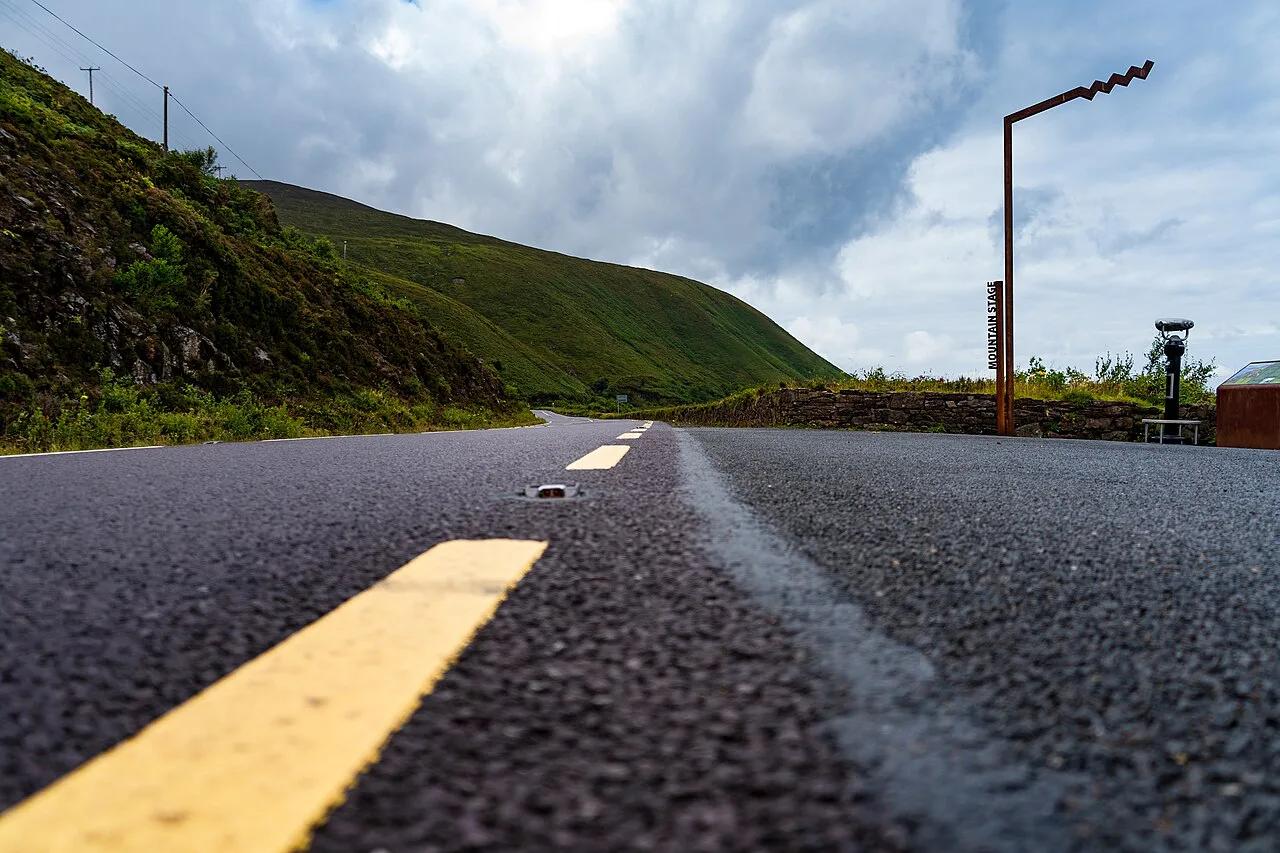
Motorways are wide and work like US highways, apart from exiting on the other side. Country lanes have no shoulder, hedge-lined blind bends and passing places where you must pull in and wait. Watch for livestock and cyclists, and slow down before every bend you cannot see around.
Signposts in Gaeltacht areas appear in Irish only, so download offline maps before you leave Wi-Fi. If you are nervous, avoid driving after dark until you feel steady, and keep headlights clean and on. Check your route in Google Satellite and Street View to spot the narrowest stretches in advance.
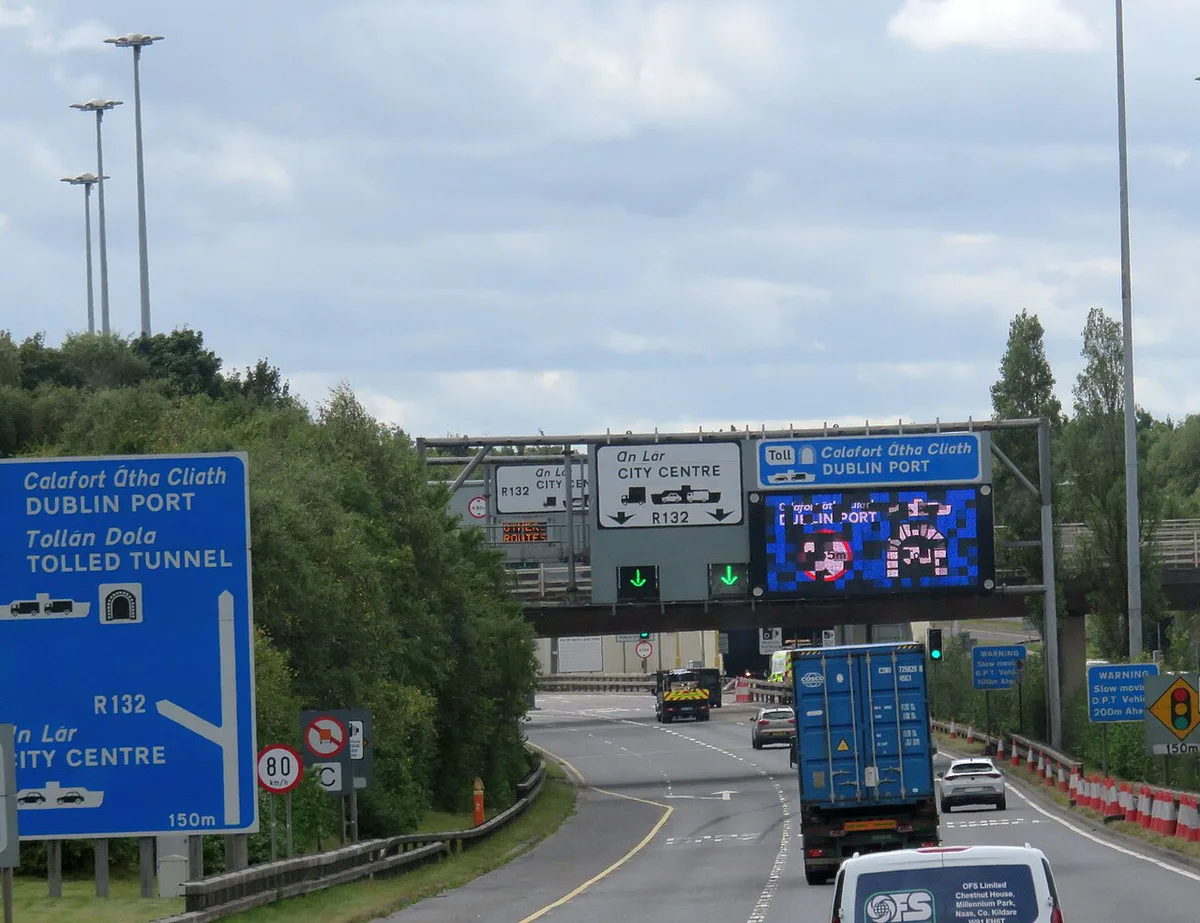
5. Pay the M50 toll before 8pm the next day
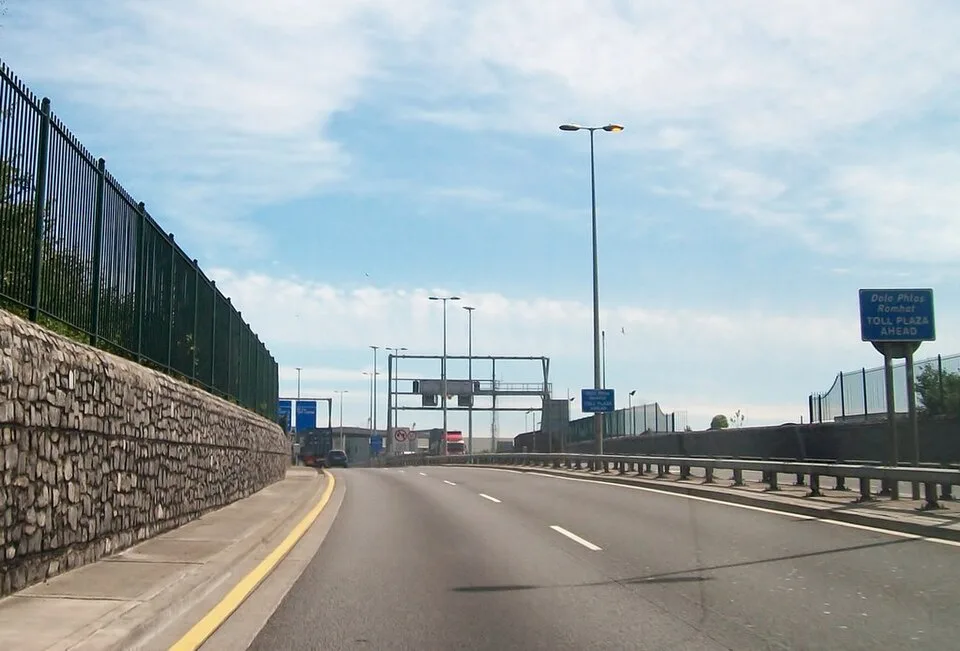
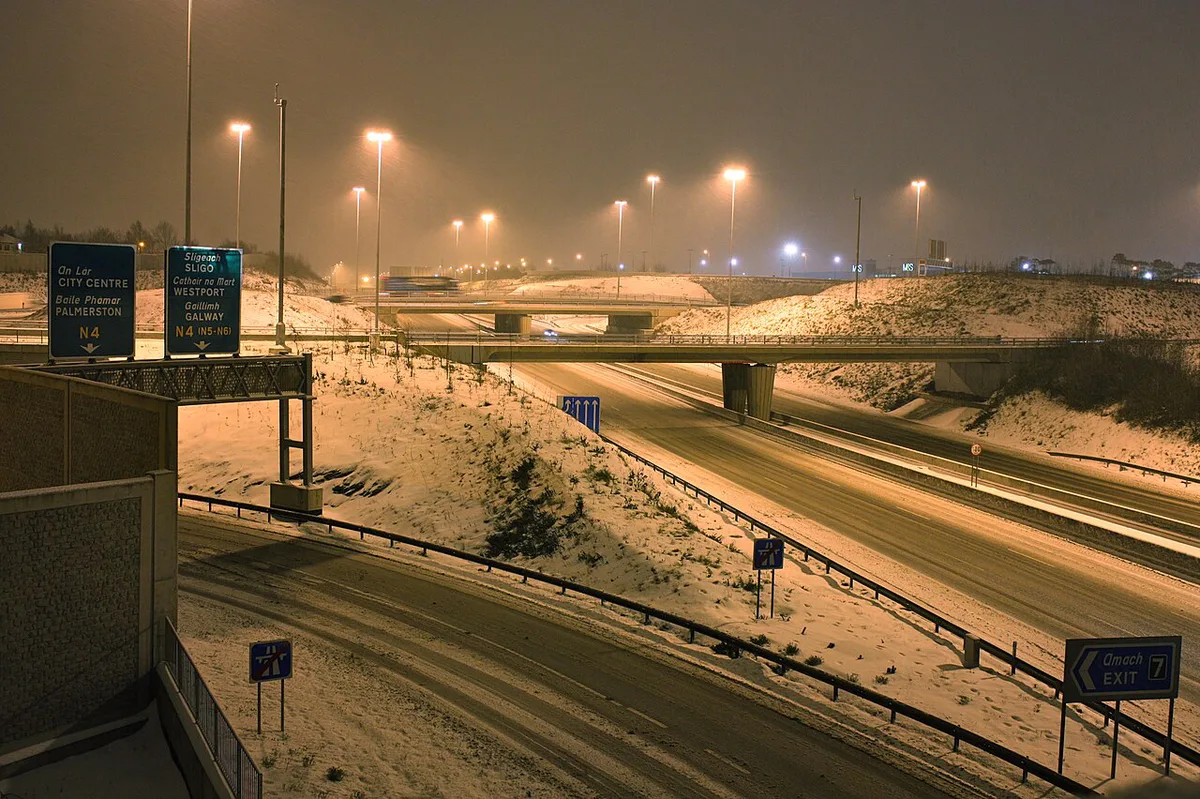
The M50 ring road around Dublin has no toll booths. Cameras read your number plate instead. You must pay before 8pm the next day, online, through the Apple or Android app, or at branded Payzone outlets. Skipping payment risks penalties, so set a phone reminder on the day you drive it.
Other tolled roads in the Republic take payment at the booth, and Northern Ireland has no tolled roads. Tolls are managed by Transport Infrastructure Ireland and Dublin City Council, and eFlow handles M50 payments. Our spoke on Toll Roads in Ireland: How Tolls Work for Visitors lists the rest.
6. Watch the km/h and mph switch at the border
The Republic of Ireland uses kilometres per hour and kilometre distances on signs. Northern Ireland uses miles per hour and miles. Motorways in the Republic carry a limit of 120 km/h, about 75 mph, which is easy to misread on a US speedometer.
Rental cars may show both units, so find the km/h display before you leave the car park. Fuel prices switch from euro to pounds when you cross the border. See our speed limit breakdown for each road type.
7. Treat drink-driving as a zero-tolerance rule
Ireland has strict laws against driving under the influence of alcohol or drugs, and the penalties are stiff. Our rule is simple: if you plan to drink, leave the car at your lodging. Rural pubs are often far from taxi ranks, so book a ride or choose a designated driver beforehand.
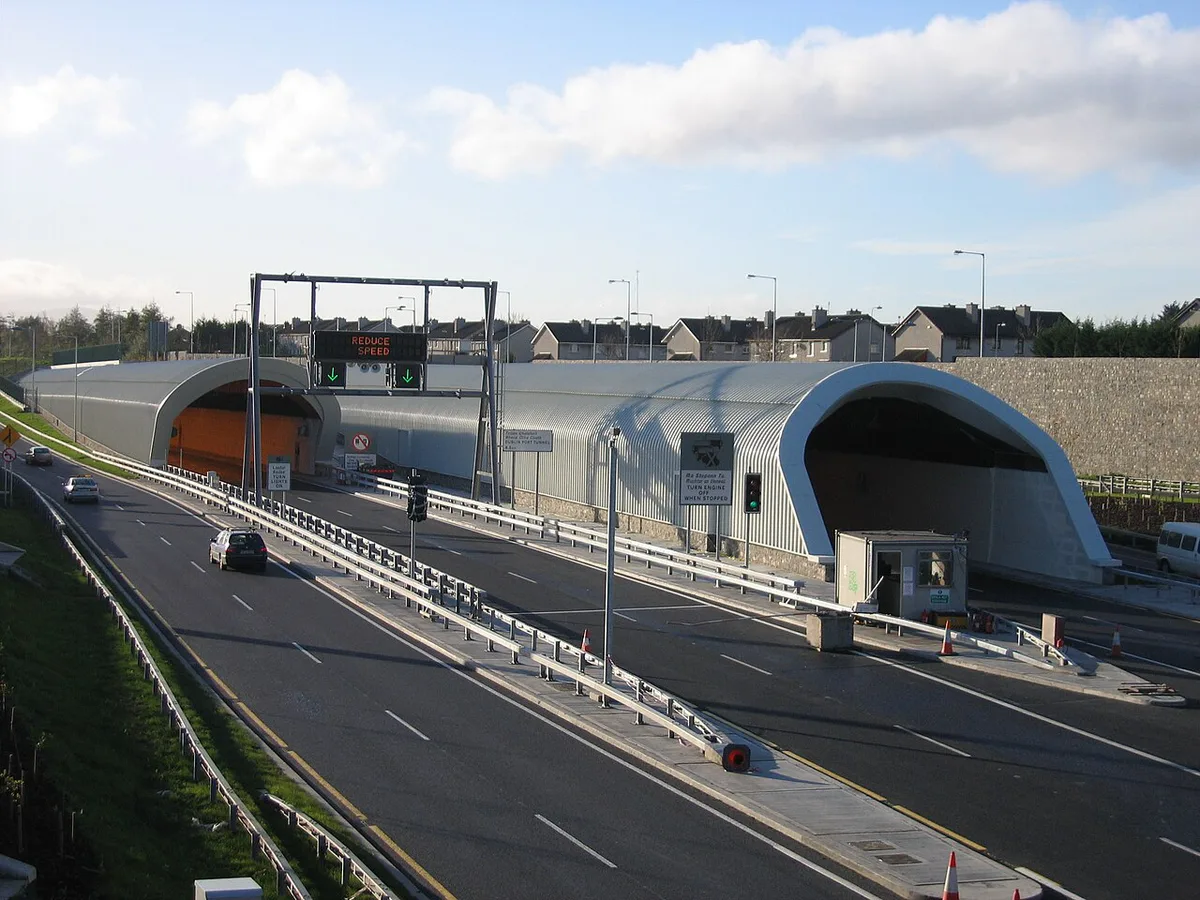
Current limits and penalties are set out in our drink-driving guide. Skip any 'one pint' reasoning on lanes where one mistake has nowhere to go.
Road types in Ireland: a difficulty ladder
Roads in Ireland are generally of a high standard. In the Republic, motorways carry an M prefix, such as the M50, and national roads carry an N, such as the N18. Northern Ireland uses M for motorways, plus A and B for primary and non-primary roads. Ratings below are our editorial assessment, not an official score.
Linking cities on the N18 suits steady speed, while the narrowest lanes wait until your second or third day.
| Road type | Example | Our difficulty | Best for |
|---|---|---|---|
| Motorway (M) | M50, M1 | Easy | First drive from the airport if you feel confident |
| National road (N) | N18 | Moderate | Linking cities at steady speed |
| Regional and secondary roads | Two-way roads outside towns | Moderate to hard | Day two onward, once the left side feels natural |
| Rural lanes | Dingle Peninsula | Hardest | Daylight only, small car, slow pace |
| Gaeltacht roads | Irish-only signposts | Moderate | Offline maps and patience |
| Dublin city | Busy streets and roundabouts | Hard | Skipping the car altogether |
| Northern Ireland | M, A and B roads | Moderate | Same left-side rules, but in mph |
Speed limits in Ireland: Republic vs Northern Ireland
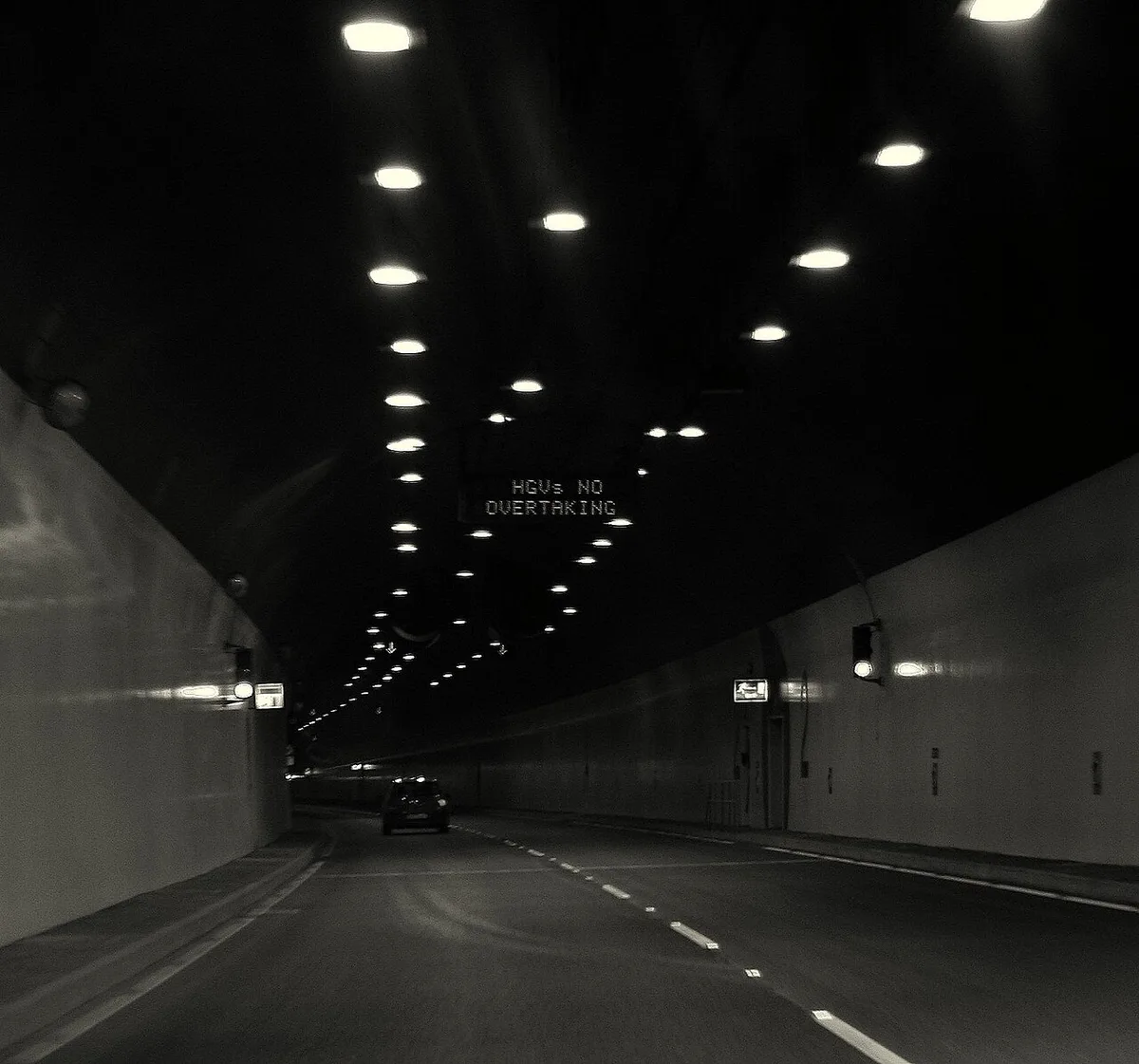
Tourism Ireland lists 120 km/h on Republic motorways, 80 km/h on national roads and 60 km/h on other open roads. Built-up limits are posted on signs, so read each one as you enter a town. Northern Ireland uses 70 mph on motorways and dual carriageways. Speed limits are limits, not targets, and many single-track lanes feel too fast at far less. Full detail sits in our speed limit guide.
Northern Ireland has no tolled roads, so its 70 mph motorways need no toll payment on the way.
| Road | Republic of Ireland | Northern Ireland |
|---|---|---|
| Motorway | 120 km/h (about 75 mph) | 70 mph |
| Dual carriageway | Posted on signs | 70 mph |
| National road | 80 km/h (50 mph) | Not applicable |
| Other open road or single carriageway | 60 km/h (35 mph) | 60 mph |
| Built-up area | Posted on signs | 30 mph |
Tolls, parking and fuel: the money side of driving in Ireland
Pay the M50 online, by app or at a Payzone outlet before 8pm the next day. For parking, most towns use pay-and-display machines that take coins, with the ticket visible on the dashboard. Cashless operators include Payzone, ParkMagic and Easytrip in the Republic, and RingGo and JustPark in Northern Ireland. City rules and rates differ, so read street signs, and see our parking guide for more. Dublin city driving has its own quirks in our Dublin driving guide. Fill up first at the pump, then pay inside, and check whether your rental takes petrol or diesel before you pour.
Tips for driving in Ireland as an American: your first 90 minutes
Sit in the car before you move it. Adjust mirrors, then find the indicators, headlights, window wipers, de-fog control, hazard lights and fog lights. Picking up at the airport or in town changes your first route. We'd leave Dublin Airport on the quiet route rather than the M1/M50, where limits reach 120 km/h, unless you feel confident. Aim for a large car park where you can regroup. Our Dublin Airport car hire guide covers the desk side of pickup. Convert signs as you go: every speed in the Republic is in km/h. Americans with a valid US licence can find paperwork details in our US licence guide. Set your phone to offline maps before you leave the airport Wi-Fi.
Don't want to drive? Alternatives
You can take the train, a tour bus or a private coach. The rail network reaches larger cities across the island, but you will need tours or taxis for outdoor activities once you arrive. A mixed plan works well: train between cities, then rent a car for one region. We'd pick that mix for anyone who dreads lanes but wants the coast. Choose it over a full road trip if you are flying into Dublin and spending most of your time in cities.
Frequently Asked Questions
Is it difficult for Americans to drive in Ireland?
It can be, but preparation helps. Americans can drive with a valid US licence for up to 12 months. Motorways feel familiar, and the hardest part is narrow rural lanes.
What does a US citizen need to drive in Ireland?
A valid, full US driving licence plus an international driving permit, since the US is not on Ireland's list of recognised states. You also need insurance, which a rental includes at a basic level by law. In the Republic, carry your licence at all times.
Is it a good idea to rent a car in Ireland?
For regions like the Dingle Peninsula, yes. For a Dublin-only stay, we'd skip it. A mixed plan of trains between cities and a car for one region suits many first-timers.
Explore More Guides
Keep planning your trip with these guides.
Guides
- Renting a Car in Ireland: Insurance, Costs & Tips
- Car Hire at Dublin Airport
- Driving in Ireland With a US License
- Speed Limits in Ireland: km/h Guide for Drivers (2026)
- Toll Roads in Ireland: How Tolls Work for Visitors
- Driving in Dublin: Do You Need a Car? Rules and Tolls
- Drink Driving Limit in Ireland
- Parking in Ireland: Lines, Discs, Payment and Fines
- Driving Rules in Ireland: A Visitor's Guide (2026)
Road-rule changes worth knowing
Optional updates to our guides.
You might also like
Continue reading
More guides you'll find useful