Parking in Ireland: Lines, Discs, Payment and Fines
How parking in Ireland works for visitors: yellow lines, disc parking, pay-and-display, Dublin and airport options, and what happens if a rental car gets a ticket.
On this page
Last updated November 2026. Parking in Ireland comes down to three things: read the sign, pay the right way, and choose a car park over a risky kerb. Lines on the road and a pole-mounted sign together tell you whether you can stop, for how long, and whether you pay. This guide covers the markings, payment methods, Dublin, scenic areas and rental-car consequences.
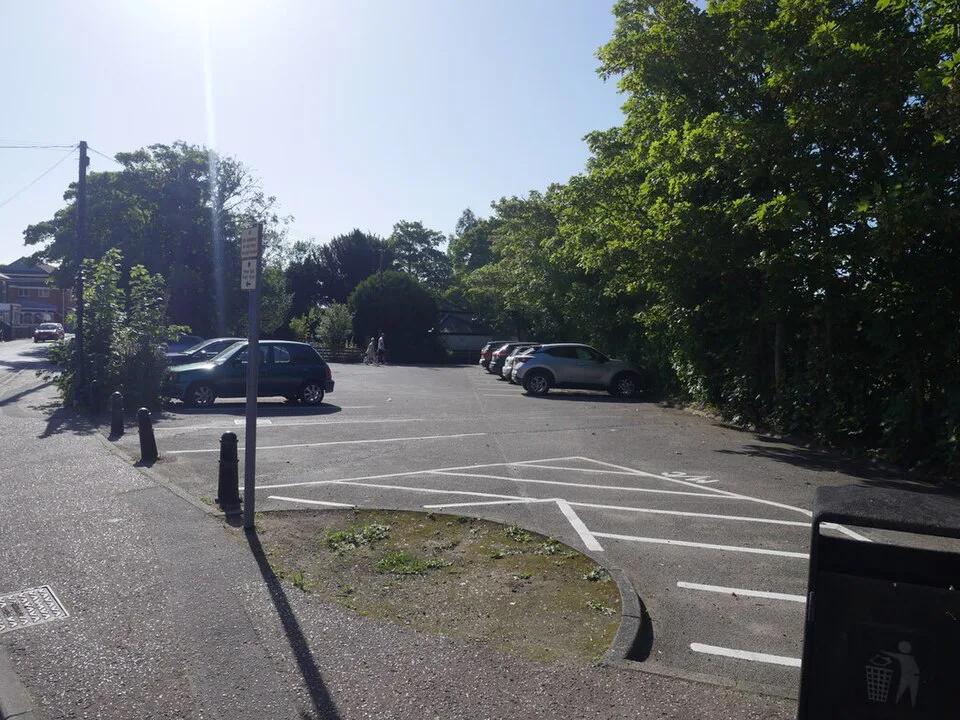
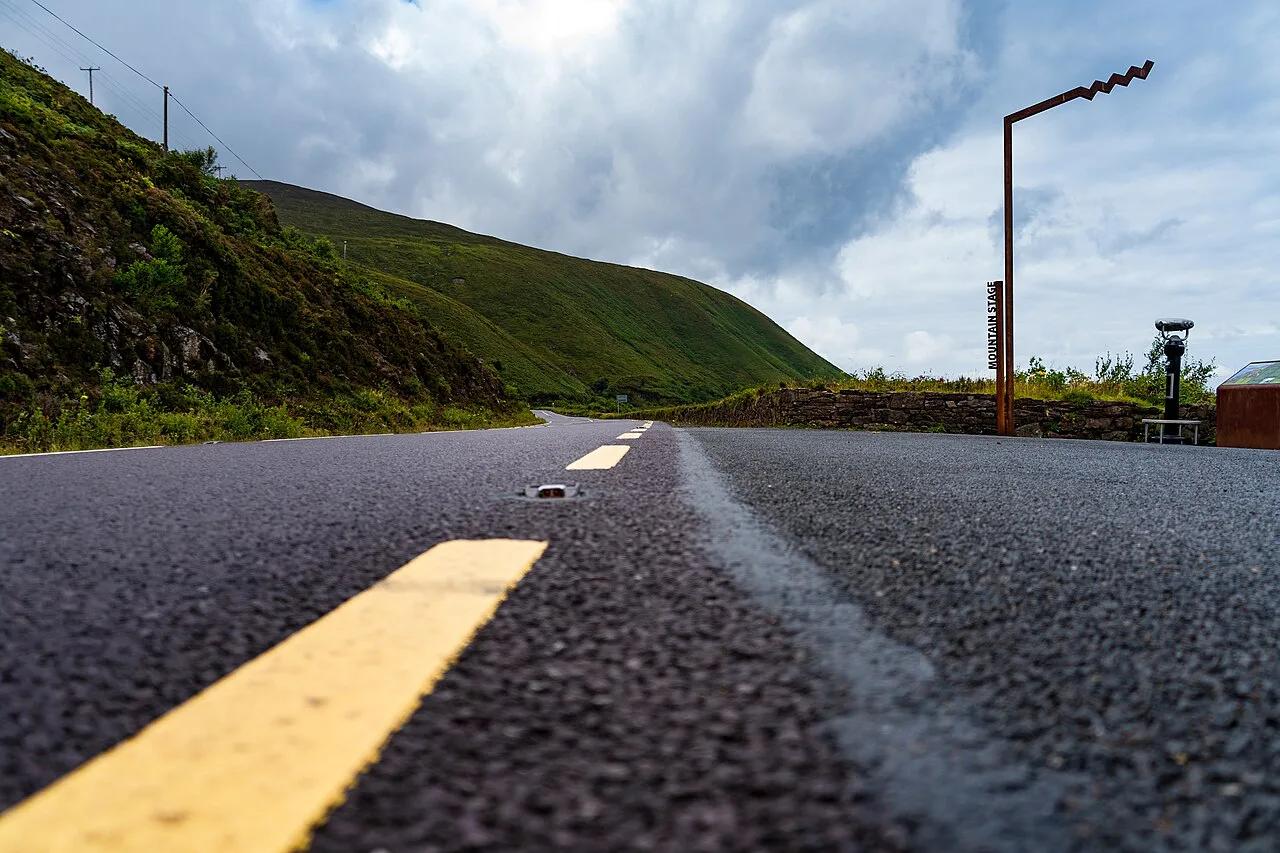
Featured image: David Pashley, CC BY-SA 2.0, via Wikimedia Commons.
How Parking Works in Ireland
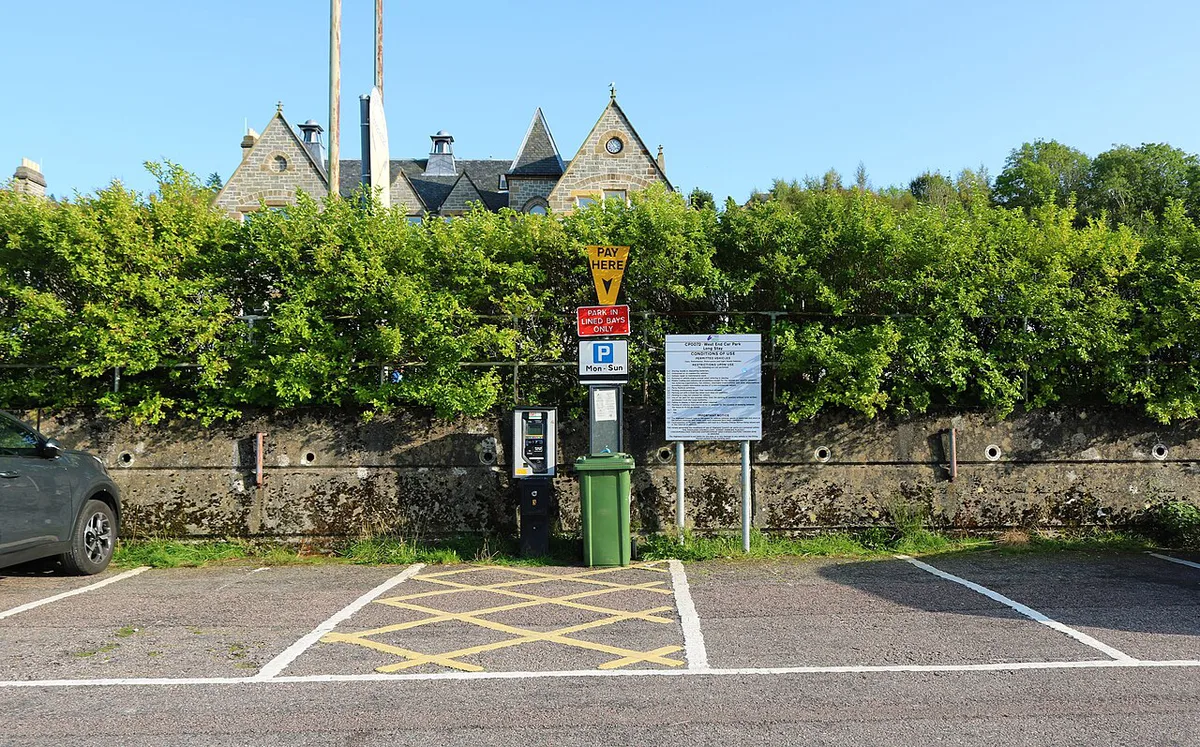
Most towns and cities mix free kerbside spaces, paid on-street bays and paid car parks. Paid bays are usually marked on the road, with a sign or machine nearby that sets the rules. Rural areas are often easier, though popular sights fill early. Pair this page with our complete Ireland driving guide for the wider picture.
- Payment: pay-and-display machines, card or coin car parks, and in some places parking apps.
- Markings: single and double yellow lines restrict stopping, and bays carry their own signs.
- Main risk: a fine, and in some places a clamp, which a rental company may pass on to you.
Reading Markings, Signs and Time Limits
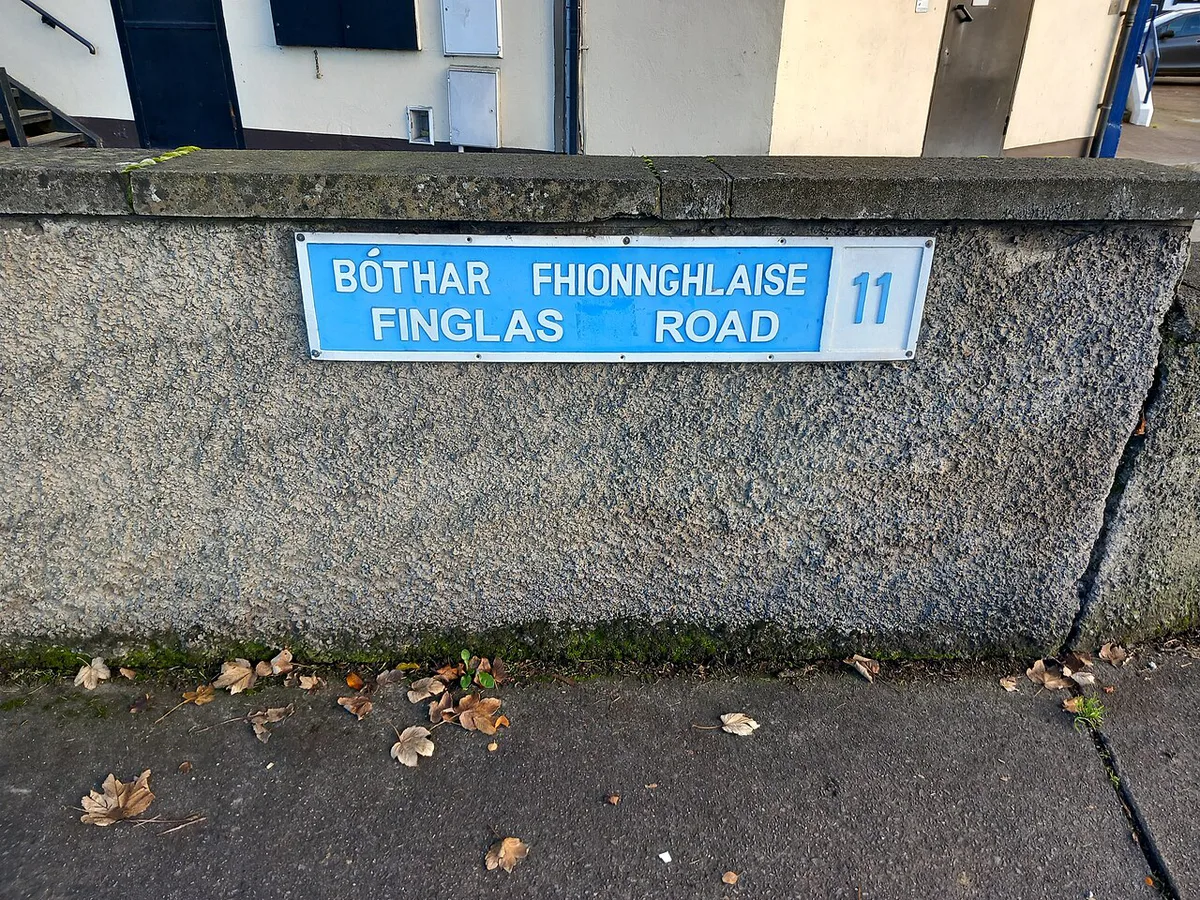
Double yellow lines along the kerb mean no parking. Single yellow lines restrict parking at certain times, and the nearby sign states which days and hours. Always read the pole sign before you leave the car, even when the lines look faint. Pay-and-display bays, loading bays, permit or resident bays and disabled bays each have their own sign and time limit. Some towns use disc parking, where you display a disc showing your arrival time. Discs are sold locally, so look for the instructions on the sign. For wider road-sign context, see our Irish driving rules overview.
- Double yellow: do not park here.
- Single yellow: restricted at the times on the sign.
- Loading bay: for goods vehicles during the hours shown.
- Permit or resident bay: only for vehicles displaying the right permit.
- Disabled bay: only with a valid disabled parking permit.
- Disc parking: display your arrival time as the sign instructs.
Paying for Parking: Machines, Cards and Apps
In a pay-and-display bay, you buy a ticket from a machine and place it on your dashboard where it is visible from outside. Carry some coins, because not every machine takes cards. Many car parks take card at the exit or at a pay station. Some councils and operators run parking apps, but these may need a local phone number or account. As a visitor, treat apps as optional and keep a machine or car park as your fallback. Rates vary by town and car park, so read the tariff board at the machine. Prices and rules checked November 2026 at council level; local signs always win.
Where to Park: On-Street, Car Parks and Park-and-Ride
Choose by how long you stay and how much you carry in the car. Short stops suit on-street bays. Overnight stays and luggage-heavy days suit a car park or your hotel's own spaces. In busy cities, park-and-ride or public transport can beat circling for a space.
| Option | Best for | Trade-off |
|---|---|---|
| On-street bay | Short stop, quick errand | Time limits and fines if you overstay |
| Multi-storey or surface car park | Day visitors, longer stays | Costs more per hour than a short stop, but easier to plan |
| Park-and-ride | Big-city day trips | Needs a transit leg; cheaper than the centre |
| Hotel parking | Overnight stays | Ask when booking whether it is free or charged |
| Airport parking | Trips starting or ending at the airport | Pre-book through the airport site where offered |
Parking in Dublin and at the Airport
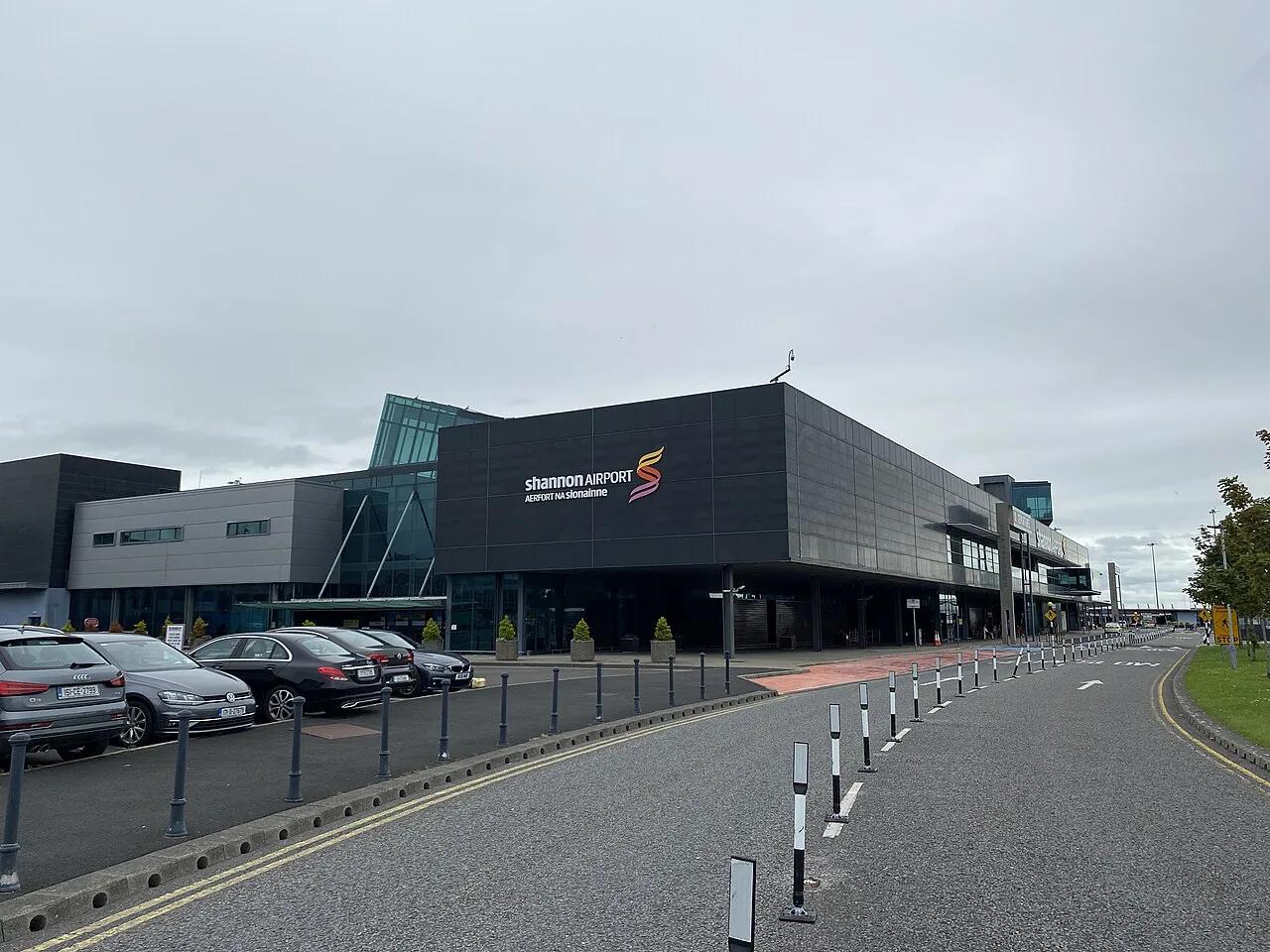
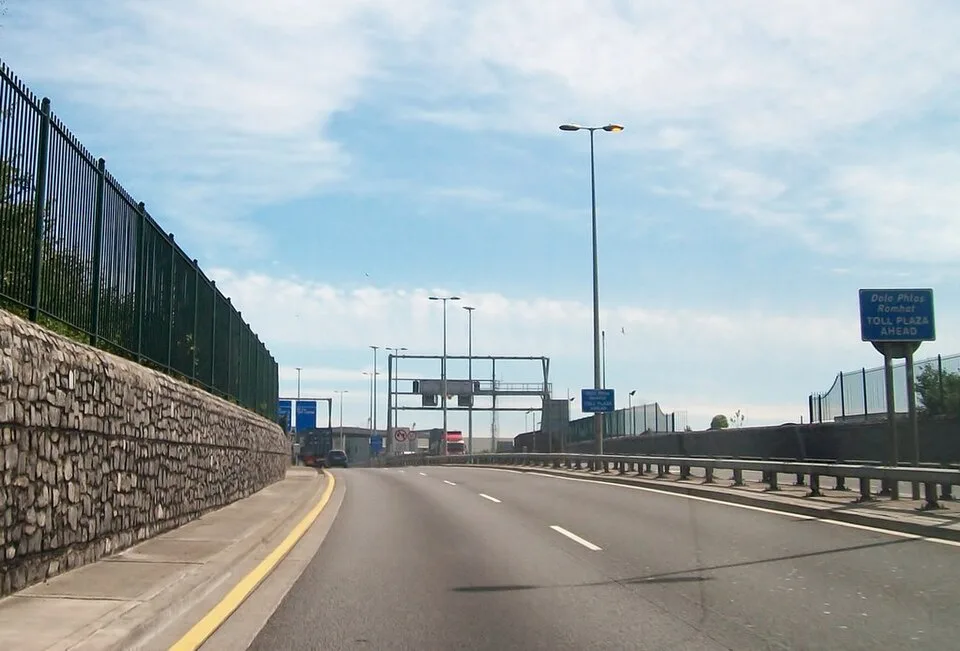
Dublin city centre is hard on drivers: limited kerbside space, tight restrictions and heavy traffic. If you are staying a night or two, use a car park or park outside the centre and travel in by public transport. Read the on-street rules on the Dublin City Council site before stopping anywhere central. Our Dublin driving guide covers the routes and the traps. Dublin Airport lists its own car parks and booking options on the official airport website. If you collect a rental there, our Dublin Airport car hire guide explains the pickup. Ring-road tolls are a separate cost; see Toll Roads in Ireland: How Tolls Work for Visitors when you plan the day.
Parking in Small Towns and Scenic Areas
Small-town main streets usually have a mix of free and pay-and-display bays, often with time limits. Coastal car parks and national park lots fill on fine days, especially in summer. Arrive early, and have a second option in mind, such as the next village or a car park a little further out. Fees vary by site and may be run by a council or park authority, so check the sign at the entrance. Do not park on narrow country roads or block gateways, because farm and emergency vehicles need passing room.
Fines, Clamping and Rental-Car Charges
A parking ticket on a rental car is still your responsibility. The rental company can identify the driver and may add an administration charge, so read your rental terms before you set off. If the car is clamped or towed, follow the notice on the vehicle and contact the rental company early. Photograph the car, the lines and the sign where you parked. Keep your pay-and-display ticket or receipt until the rental is closed. Our guide to renting a car in Ireland covers what to check at pickup. Drivers using an overseas licence will also find our US licence driving guide useful.
Safety, EV Charging and Accessibility
Take valuables with you and leave nothing visible in the car. This matters most at busy tourist car parks and trailheads. EV charging bays are for charging vehicles only, so do not park a petrol car in one and do not stay plugged in after charging ends. Accessible parking is for permit holders, and overseas permit holders should check the relevant local authority's rules before travelling. Campervans and motorhomes face local restrictions on overnight parking, so use a campsite or a signed facility rather than a random lay-by. If you have been out for the evening, read our guide to the drink-driving limit in Ireland before you pick the car back up.
Pre-Trip Parking Checklist
A few minutes of preparation prevents most parking problems.
- Carry coins and a payment card.
- Photograph the parking sign and your parked car.
- Note the time limit and set a phone reminder.
- Bring a charging cable if you have an EV.
- Pick a plan B car park before you arrive.
- Keep tickets and receipts until the rental is closed.
Frequently Asked Questions
Is it illegal to park too close to someone's driveway?
Parking across a driveway entrance can block access and may lead to a fine. Leave clear space at any entrance, gateway or dropped kerb.
Where can I have free parking in Ireland?
Some small towns and rural roads have free spaces, but rules vary by place. Look for signs at the bay or car park entrance, and avoid yellow lines.
Road-rule changes worth knowing
Optional updates to our guides.
You might also like
Continue reading
More guides you'll find useful