
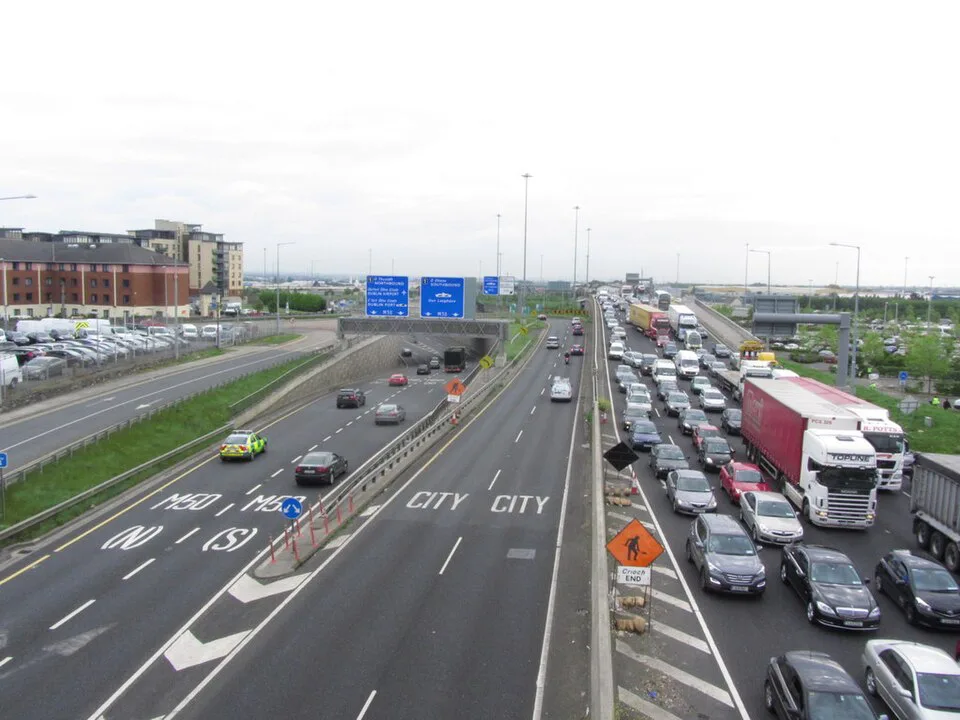
Driving in Dublin: Do You Need a Car? Rules and Tolls
Should you drive in Dublin? Compare car vs public transport, and learn the parking, M50 toll and left-side tips visitors need.
On this page
Last updated November 2026. Driving in Dublin is rarely worth it for a city-centre stay, because the core is compact and well served by buses, trams and taxis. A car earns its place only when the trip continues beyond the city. Collect it on the day you leave, not on the day you land.
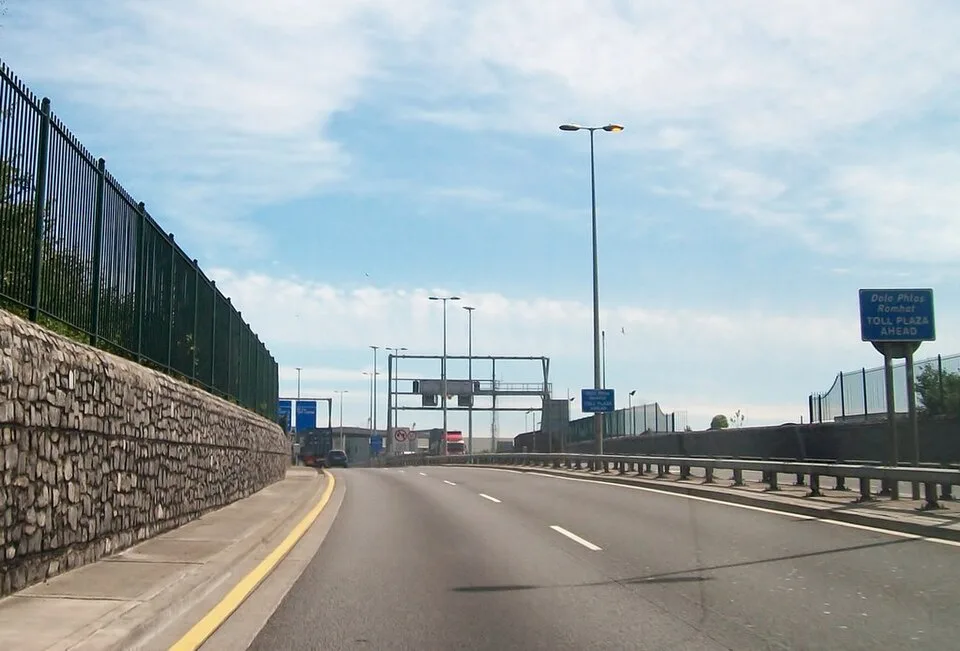
Featured image: Colin Park, CC BY-SA 2.0, via Wikimedia Commons.
Should you drive in Dublin?
Match the car to the trip, not the other way round. Central Dublin has one-way streets, bus and tram lanes and limited, costly parking. Those features punish drivers who do not know the layout. Our broader Ireland driving guide covers country roads once you leave the capital. For the city itself, use the table below to decide.
| Trip type | Car? | Why |
|---|---|---|
| City-only break | No | Walking, buses, trams and taxis cover the centre; parking adds cost and stress. |
| Dublin plus day trips | Only on the day trip days | Hire for the days you leave the city and skip it for the rest. |
| Onward road trip | Yes, collected on departure | Start the rental when you leave the centre, not on arrival. |
| Late arrival, long flight | Delay pickup | Sleep first and drive when you are rested. |
Car vs public transport vs taxi: time, cost and access trade-offs
Costs below are relative. Current fares and rates change, so check the operators' own sites before you budget.
| Option | Cost | Time in the centre | Stress | Access |
|---|---|---|---|---|
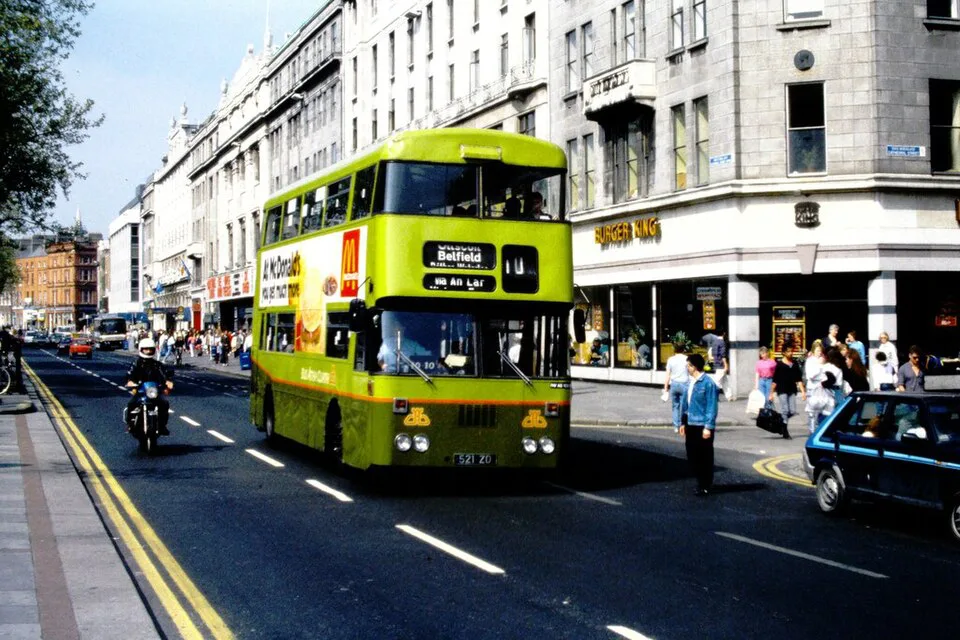
| Rental car | Highest once parking, fuel and tolls are added | Slow at peak hours | High for first-time left-side drivers | Door to door, but parking is limited |
| Bus or tram | Low | Predictable on dedicated lanes and tracks | Low | Good along main corridors |
| Taxi or rideshare | Mid to high | Fast off-peak | Low | Door to door, no parking worry |
| Organised tour | Mid, fixed in advance | Set by the itinerary | Low | Best for out-of-town sights without a car |
Where to pick up a rental car

You have two realistic choices. Collecting at Dublin Airport puts you straight onto fast roads after a flight, on the wrong side of the car, with a phone full of unfamiliar directions. That suits confident drivers who want to leave the city fast. Our guide to car hire at Dublin Airport covers desks and shuttle details. Check the airport's official site for current transport options. A city or suburban depot is gentler, because you take a taxi or bus there and start on quieter streets. It costs a little extra time and gives you a calm first hour. For booking steps, see our guide to Renting a Car in Ireland: Insurance, Costs & Tips.
- Airport pickup: fastest start, steepest learning curve.
- City depot: calmer start, needs a separate transfer.
- Automatic gearbox: book early, since automatics are usually fewer than manuals.
Driving on the left in Dublin: junctions, roundabouts and lanes
Left-side driving is hardest at turns. Muscle memory pulls you to the nearer lane, especially when turning right across traffic. Say "stay left" aloud before each turn and keep your shoulder level with the centre line. Roundabouts run clockwise. Give way to traffic already on the roundabout, which comes from your right, and signal as you leave. Dublin's older streets are narrow, so a small car makes lane discipline and parking easier. Watch for cyclists on your left at junctions, and for pedestrians stepping out between queuing buses.
Dublin road rules visitors miss
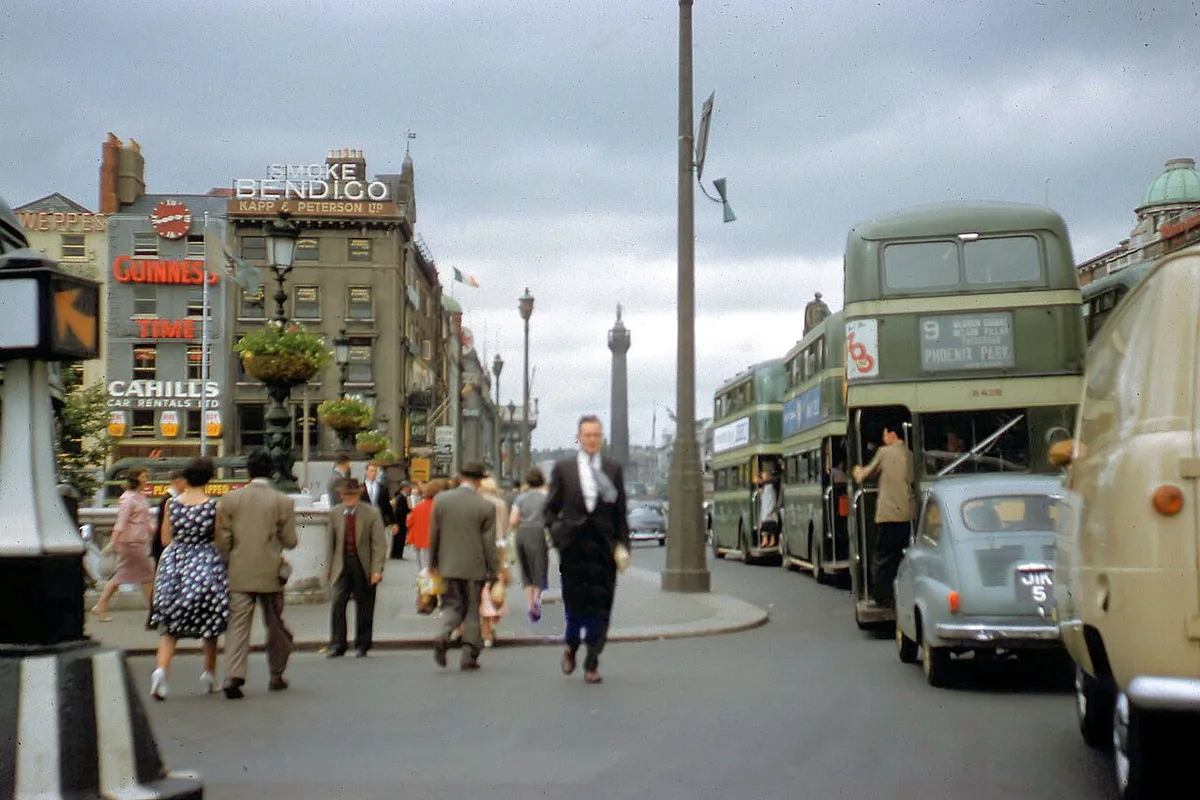
Bus lanes and tram tracks cause most visitor mistakes. Do not drive in a bus lane during its signed hours, and never stop on Luas tracks. College Green in the city centre is heavily restricted to general traffic, so follow signs and your satnav's diversions, and read the current rules on Dublin City Council's site. Several central streets are one-way, which sends wrong-turn drivers on long loops. The Dublin Port Tunnel links the port and the northern road network under the city, and it carries a charge. Read the signs before entering. For limits, see Speed Limits in Ireland: km/h Guide for Drivers (2026). Alcohol rules are covered in the drink-driving limit guide. The safest plan is not to drink at all if you are driving. Our full driving rules page covers phones, seat belts and signs.
M50 and other tolls: how to pay without a fine
The M50 ring road uses barrier-free tolling, so there is no booth to stop at. You must pay afterwards, and rental drivers often miss this. Ask your rental company how it handles tolls before you leave the depot. Some add the charge to your bill, and others expect you to pay yourself. Read the current payment method and deadline at eFlow. Missing the deadline can bring a penalty. Wider road-network information is on Transport Infrastructure Ireland's site. For other tolled roads, see Toll Roads in Ireland: How Tolls Work for Visitors.
Parking in Dublin: where, how and what to avoid
Central parking is scarce and priced for short stays. Multi-storey car parks are easier than on-street bays, and many hotels offer parking at a daily rate, so ask when booking. On-street pay-and-display bays have time limits and strict enforcement. Park-and-ride at a suburban tram or rail stop is a cheaper way to reach the centre. Current rates and rules are on Dublin City Council's site. Our guide to Parking in Ireland: Lines, Discs, Payment and Fines explains lines, signs and fines. Never leave luggage visible in a parked car.
Insurance, excess and what to check at pickup
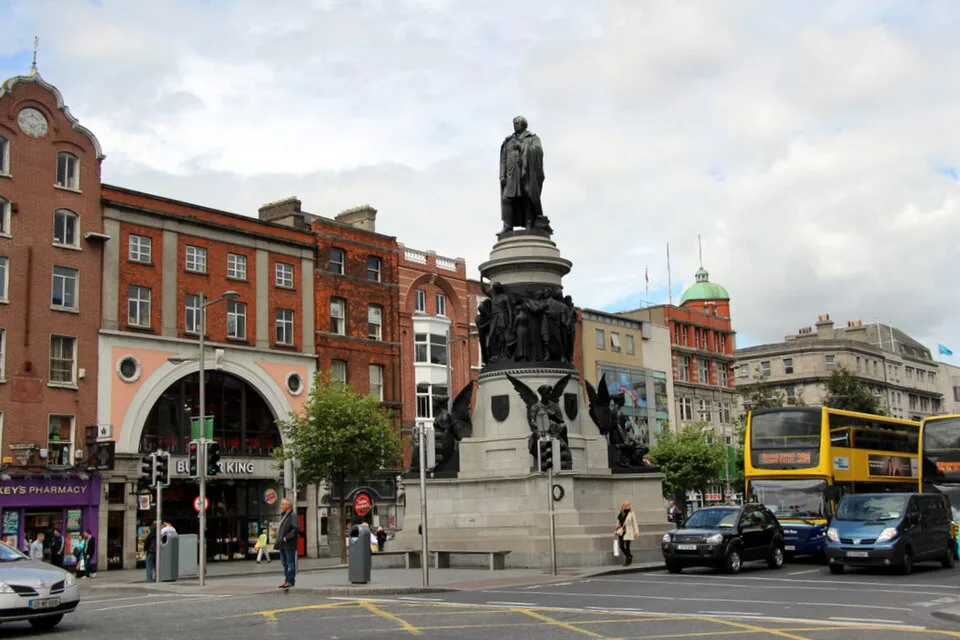
Decide on cover before you reach the desk. Check what your credit card covers in Ireland, and whether it counts as primary cover. Compare that with the rental company's excess and its own waiver. Buying cover through a booking website can conflict with cover at the desk, so read the terms. Walk around the car with the agent and photograph every scrape, especially on the left side, where new drivers misjudge the kerb. Confirm the fuel type and the toll arrangement before you drive off.
Day trips by car from Dublin
Leave the city by the M50 or the Port Tunnel and you reach the motorways fast. Use satnav for live drive times, since traffic changes them daily. Coastal and mountain routes south and north of the city make good day trips, and each is a few hours at most. Match the car days to those trips. Our country-wide driving guide has regional route ideas.
Day trips can head out on the M50, the ring road that charges a toll you pay after driving.
Practical checklist before you drive in Dublin
Run through this list the night before pickup. Visitors with a US licence should read driving in Ireland with a US licence first.
- Licence: carry your full licence and check the rental company's age and licence rules.
- Phone: get a local SIM or offline maps so navigation never drops.
- Gearbox: book an automatic early if you are not fluent with a manual.
- Tolls: ask how M50 charges reach you, then pay by the deadline.
- Mistakes to avoid: renting for the Dublin days, entering bus lanes, wrong-lane turns and ignoring the M50 toll.
Frequently Asked Questions
Is it difficult to drive in Ireland as a tourist?
Dublin is harder than rural Ireland for first-timers. Traffic, bus lanes and one-way streets all demand attention. Start on quiet roads, rent a small automatic and avoid the city centre in the first hour.
Are you allowed to take one pint and drive in Ireland?
Ireland sets a legal alcohol limit, and even one drink can affect your driving. The safest approach is to drink nothing before you drive. Use a taxi, tram or bus if you plan to drink.
Road-rule changes worth knowing
Optional updates to our guides.
You might also like

Continue reading
More guides you'll find useful