Renting a Car in Ireland: Insurance, Costs & Tips
Everything to know before renting a car in Ireland: age rules, insurance, automatic vs manual, border fees, tolls and pickup tips.
On this page
Last updated November 2026: renting a car in Ireland makes sense for rural, coastal and multi-stop trips, and it makes little sense for a Dublin-only stay. Three traps cause most of the pain: surprise age surcharges, confusion over insurance excess, and unplanned drives into Northern Ireland. Use the decision table and pickup checklist below, then read our complete Ireland driving guide for the wider picture.
Featured image: 瑞丽江的河水, CC BY-SA 4.0, via Wikimedia Commons.
Do you need a rental car in Ireland?
Rent a car if your route is rural, coastal or has several stops. A group of 3 or more usually also gets better value from one car than from several train and bus tickets. Skip it if you are solo and staying around Dublin, where Driving in Dublin: Do You Need a Car? Rules and Tolls costs time and nerves. Trains and day tours cover most city-to-city plans.
| Itinerary | Rent a car? | Why |
|---|---|---|
| Dublin only | No | Walking, buses and taxis cover it; parking is a hassle |
| Dublin plus one day trip | Usually no | A guided tour or train is simpler |
| Wild Atlantic Way or Ring of Kerry loop | Yes | Rural stops are poorly served by public transport |
| Northern Ireland coast trip | Yes | Needs a cross-border notification (see below) |
| City-to-city by train | No | Rail is faster than driving between big towns |
Who can rent: age, licence and documents
The minimum rental age is typically 21. Drivers aged 21 to 25 usually pay a young-driver surcharge of about €25 to €30 per day. Some companies also charge drivers over 75, and the rules differ by company. Under-25s may need to have held a full licence for 24 months, so check that clause before you book.
Drivers under 25 may need to have held a full licence for 24 months, and the young-driver fee then adds €25 to €30 per day.
Bring your full driving licence, your passport and the credit card used for the booking. The card must be in the lead driver's name. US drivers can read the licence detail in our guide to driving in Ireland with a US licence. Add every driver to the agreement, or an accident may leave you uncovered.

Choosing a company: majors, local brands and comparison sites
More than a dozen companies operate in Ireland. They include Avis, Budget, Hertz, Sixt, Europcar and the Irish brand Dan Dooley, which is now part of the Enterprise group. Compare them on three points rather than on brand alone. Read each company's own terms page before paying.
| What to compare | Why it matters |
|---|---|
| Price transparency | Does the quote include CDW, airport fees and extra drivers? |
| Desk location | A terminal desk is faster than a shuttle to an off-site depot |
| Insurance upsell | Pressure at the desk can cancel cover you already hold |

Manual vs automatic
Manual cars are the default on many Irish fleets, and an automatic usually costs more. Book an automatic early in peak season, because fewer are available. Pay the premium if you rarely drive a manual. Narrow rural roads, hills and left-side driving are enough to manage without also learning a gearbox. If you take a manual, test reverse gear before leaving the car park, since some cars make it awkward to find.
Insurance explained: CDW, Super CDW and credit-card cover
Basic collision damage waiver (CDW) typically adds €15 to €25 per day. It leaves you with an excess of roughly €1,500 to €3,000 if the car is damaged. Super CDW (SCDW) cuts that excess to between €0 and €250. Tyres, glass and undercarriage are commonly excluded from both tiers, so ask what is left out.
Skipping the desk's CDW for card cover can still mean a hold of up to about €5,000, so weigh it against €15 to €25 per day.
Credit-card cover can replace the desk's CDW, but only on conditions. Many companies want a letter of coverage from your card issuer. They may also place a hold of up to about €5,000 on the card. If you accept the desk's cover, you may void your card's cover. Some cards exclude Ireland, so read your benefits guide first.
| Tier | Typical excess | Common exclusions |
|---|---|---|
| CDW | About €1,500 to €3,000 | Tyres, glass, undercarriage, wrong fuel |
| Super CDW | About €0 to €250 | Often still tyres and glass |
| Credit-card cover | Set by your card issuer | Varies; some cards exclude Ireland |
True cost of a rental: a worked budget
Prices and hours checked November 2026. The headline daily rate rarely matches the final bill. Add CDW at €15 to €25 per day, a young-driver fee of €25 to €30 per day if it applies, and a location surcharge for airport pickup. Northern Ireland trips add a cross-border fee of roughly €25 to €30 per rental. Fuel, tolls and parking come on top. Treat the stack below as illustrative, and use it to compare quotes like for like. Pay for zero-excess cover if you have no card cover or cannot afford the card hold.
| Cost item | Typical amount |
|---|---|
| CDW | €15 to €25 per day |
| Young-driver fee (under 25) | €25 to €30 per day |
| Cross-border fee | €25 to €30 per rental |
| Airport surcharge | Small fee added at booking |
| Fuel | Relatively expensive per litre |
| Tolls | €1 to €3 on regional tolls |
- What the headline price leaves out: extra drivers, child seats, satnav, one-way fees and post-trip admin charges for fines or tolls.
Pickup and return logistics
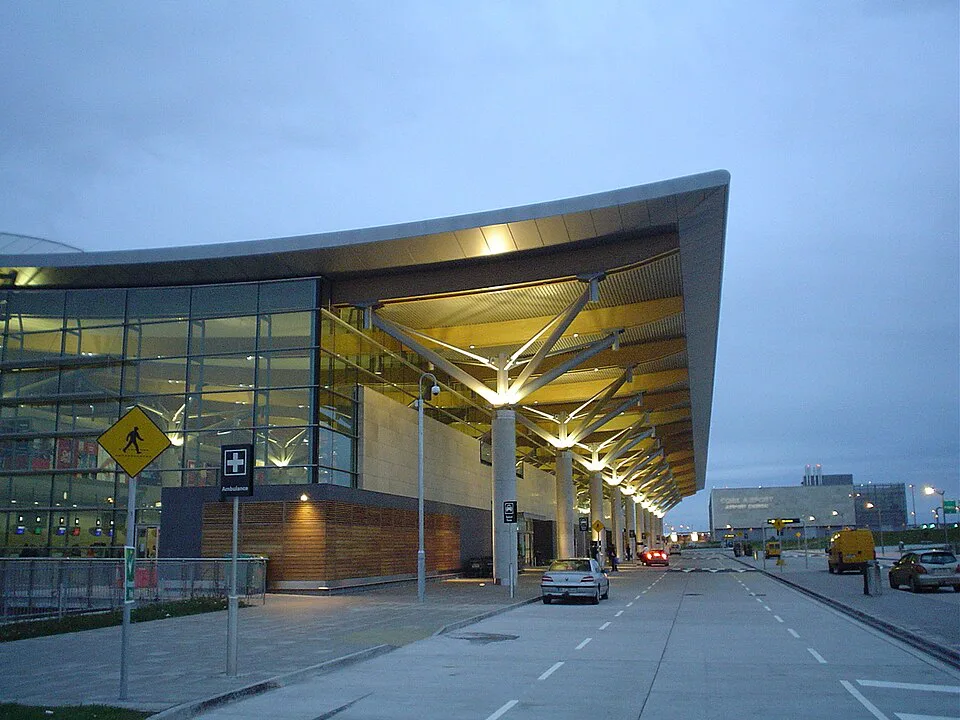
Airport pickup is the easiest choice for most visitors, because you skip city traffic on day one. Our guide to car hire at Dublin Airport covers the desks and shuttles. Shannon, Cork and Belfast work as alternatives if your route starts elsewhere. City pickup can save the airport surcharge, but you start in Dublin traffic. Ask for the card-hold release time when you return the car.
- Photograph or film the whole car, including wheels, roof and bumpers.
- Get every existing mark written on the damage report.
- Confirm whether the car takes petrol or diesel.
- Test reverse gear and the lights.
- Save the roadside-assistance number from your agreement.
- Confirm the fuel policy and return time.
Crossing into Northern Ireland
Tell the rental company before you cross. Northern Ireland is part of the UK, so the company must extend your insurance, and it will charge the cross-border fee of about €25 to €30. Without the extension, you may have no damage, theft or third-party cover, even with a credit card. Signs switch from km/h to mph, and you will need sterling. See our Ireland speed limits guide for the limits on both sides.
Fuel, tolls and parking
Many Irish rentals run on diesel, and putting petrol in a diesel car is an expensive mistake that CDW does not cover. Check the fuel cap label before you leave the forecourt. Fuel is sold per litre and is relatively expensive.
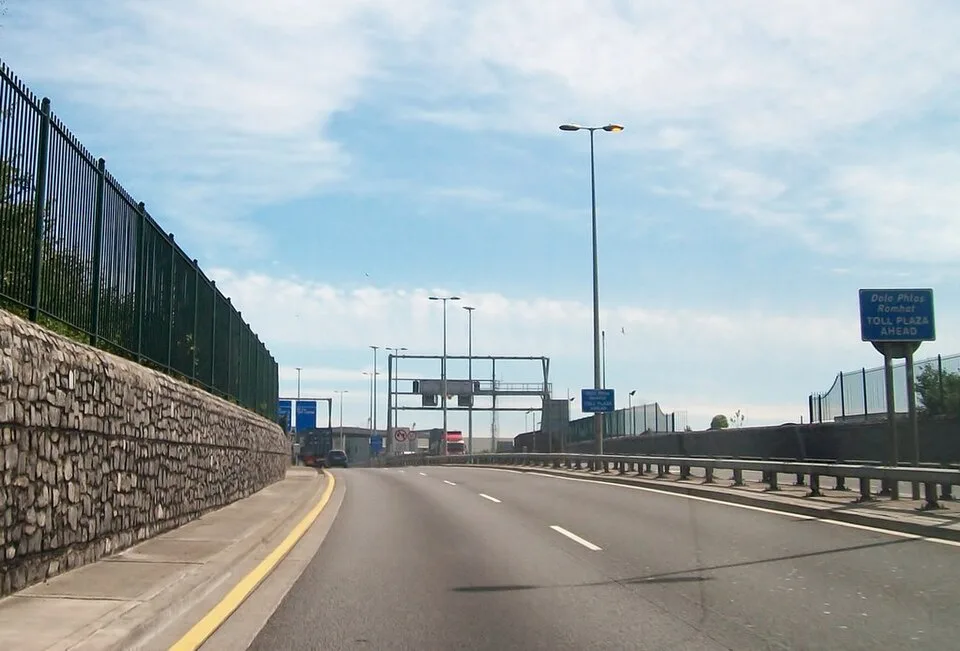
The M50 around Dublin is a barrier-free toll. Rental companies often bill it for you, with a reported charge of about €3.10. If not, pay through eFlow before 8 p.m. the next day. Other tolls cost roughly €1 to €3, so carry coins. Our Toll Roads in Ireland: How Tolls Work for Visitors page lists the routes. City parking adds up quickly, so read Parking in Ireland: Lines, Discs, Payment and Fines before you book a hotel with no car park.
Driving basics for first-timers
Keep left, and stay left when turning right. Enter roundabouts clockwise and give way to traffic already on them. On motorways, the left lane is the slow lane. Rural roads are narrow and often have animals on them, so plan generous drive times. Read Ireland's driving rules before you go. Never drink and drive; see the drink-driving limit in Ireland. Dial 999 or 112 for emergencies. If the car breaks down, call the rental company's roadside number first. Transport Infrastructure Ireland publishes road and tolling information.
Common mistakes and how to avoid them
Most problems come from a short list of habits. Fix each one before you reach the desk.
- Skipping the walk-around: film the car before leaving.
- Accepting duplicate insurance: decide on card cover or desk cover, not both.
- Booking a manual by accident: check the transmission filter.
- Forgetting the border notification: tell the company before you cross.
- Underestimating drive times: rural roads are slow, so add buffer.
Road-rule changes worth knowing
Optional updates to our guides.
You might also like
Continue reading
More guides you'll find useful