
Car Rental Insurance in Europe: What You Need and What to Skip
Do you need extra car rental insurance in Europe? See what's included, what your policy or card may cover, and how to avoid costly counter upsells.
On this page
Last updated November 2026: the car rental insurance Europe question comes down to one test, which is whether you can absorb the excess yourself. Basic liability and a damage waiver with a high excess are typically bundled into the rental price. Our parent guide to 7 Steps to Renting a Car in Europe: Rules and Costs covers the rest of the booking.
Featured image: AutoRentals, CC BY-SA 4.0, via Wikimedia Commons.
Short answer: do you need extra car rental insurance in Europe?
Often you do not need every add-on, but you do need a plan for the excess. Extra cover is optional, while a large bill after a scratch is not. Run through four questions before you book.
- Does your card offer primary cover that is valid in this country and for this car type?
- Could you pay the full excess tomorrow if the car were damaged?
- Is the trip multi-country?
- Is the vehicle a van, a luxury model or an EV that your card may exclude?
What's already included in a European rental
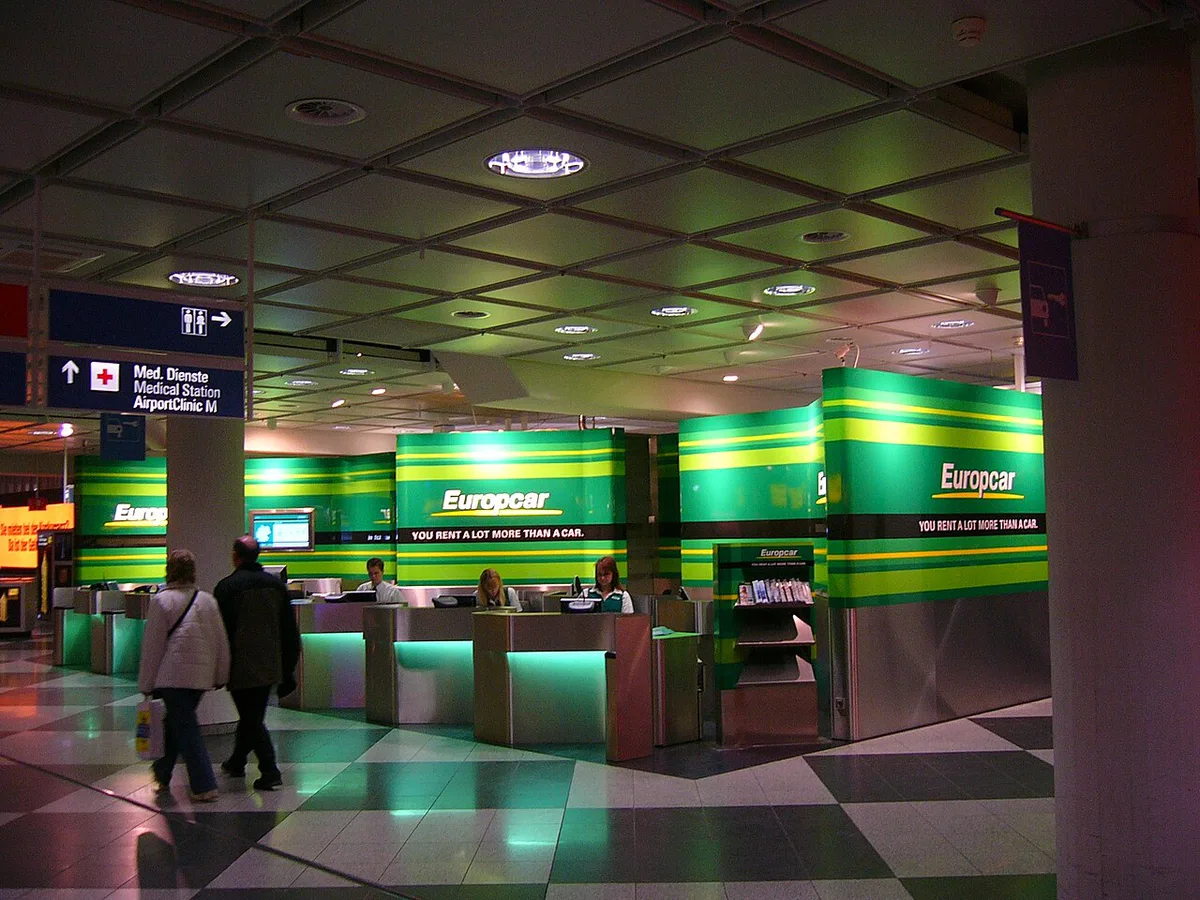
Basic third-party liability and a collision damage waiver with a high excess are typically part of the rental price. One Budapest operator, Schiller Rent, states that all of its contracts include basic insurance. Its page, dated 10 October 2023, lists an excess of EUR 900–1,800 for damage, depending on the car category. That is one operator's published rate, so treat it as an example rather than a European average. The same operator says cover stays valid when you leave the country, citing a Budapest–Vienna trip. Legal minimum liability limits differ by country. Read your rental contract for the figure that applies to you. EU passenger and rental rights explain what you can expect from the contract itself.
Rental insurance terms decoded
Rental desks use abbreviations that blur together. This table separates them. Terms vary by company, so read your own contract.
| Term | What it covers | Common exclusions | Usually worth it? |
|---|---|---|---|
| Third-party liability | Injury and damage you cause to others | Your own car and injuries | Already included |
| CDW / LDW | Damage to the rental car, above the excess | Tyres, glass, undercarriage, roof, keys | Included, but with an excess |
| Theft protection | Theft of the vehicle | Keys left in the car, personal items | Included, often with a higher excess |
| Super CDW / excess reduction | Cuts or removes the excess | Often the same exclusions as the CDW | Depends on your excess and card |
| Personal accident | Medical and death benefits for you and passengers | Overlaps with travel insurance | Often duplicate cover |
| Personal effects | Items stolen from the car | Items left visible in the car | Often duplicate cover |
| Roadside assistance | Breakdowns, lockouts, flat tyres | Wrong fuel, lost keys | Check what is included |
Excess and deposit: the real cost of a scratch
The excess, called the deductible in North America, is the amount you pay before the waiver applies. Schiller Rent lists a higher excess of EUR 2,000–5,000 for theft or damage beyond repair. At pickup, the company typically places a hold on your credit card. That hold ties up your credit limit, so a debit card may not work. Some operators halve the deposit when you buy their higher tiers. Schiller Rent does this on its comprehensive and super products. This varies by company, so ask at booking.
If you could not pay EUR 900–1,800 tomorrow, arrange excess cover before you reach the pickup desk.
Your four ways to cover the excess
You have four routes. Schiller Rent's half-excess product costs EUR 17–26 per day, which shows how quickly counter cover adds up over a long rental. Pre-bought policies from independent providers are typically cheaper, but you pay the rental company first and claim back later.
| Option | Upfront cost | Who pays first | Claim hassle | Best for |
|---|---|---|---|---|
| Rental counter's own product | High | Nobody, or a small amount | Low | Short trips and zero-excess peace of mind |
| Pre-purchased third-party excess cover | Low to medium | You, then you reclaim | Medium | Frequent renters who can carry the excess |
| Credit card cover | Low, often included | You, then you reclaim | Medium to high | Single-country trips on standard cars |
| Travel insurance with collision cover | Medium | You, then you reclaim | Medium | Travelers already buying a trip policy |
Does your home auto insurance cover you in Europe?
Usually not. Many home auto policies stop at national borders or exclude rental cars abroad. Read your own policy, and ask your insurer in writing whether it covers rentals abroad. A written answer helps if a claim is later disputed.
Credit card coverage: the fine print
Card cover is often secondary, meaning it pays after another policy has paid. Some cards offer primary cover. Ask your issuer these questions and keep the answers in writing.
- Is the cover primary or secondary?
- Which countries and car types are excluded, such as vans and luxury cars?
- Must you decline the rental company's CDW for the benefit to apply?
- Do you need a letter of coverage to show at the desk?
- What is the maximum rental length?
Country and trip-type traps
Standard cover can change with the type of trip. Windscreen and tyre damage is a common gap. Schiller Rent prices its zero-excess windscreen and tyre product at EUR 11–18 per day. Other frequent exclusions are the undercarriage, roof, keys, wrong fuel, and ferry or tunnel crossings.
- Border crossings: cross-border rental rules cover permission, fees and country restrictions.
- One-way trips: one-way rental terms explain drop-off fees and any cover differences.
- Campervans: campervan hire often falls outside card cover and carries a higher excess.
- Electric cars: electric car rental adds battery and charging-cable damage as a distinct exclusion risk.
Counter upsell script and pickup checklist
At the desk, say you have your own excess cover and decline duplicate products politely. Accept only what fills a real gap. Super cover from Schiller Rent runs EUR 35–58 per day, so a long rental makes the choice expensive. Before you drive away, run through this checklist.
Super cover at EUR 35–58 per day duplicates what a primary card already provides, so confirm your card's status first.
- Photograph every panel, wheel, windscreen and the roof, with a timestamp.
- Make sure each mark appears on the written damage report.
- Record fuel level and mileage.
- Note the fuel policy and the return deadline.
- Keep every page of paperwork, and confirm out-of-hours return rules.
- Carry your licence, passport, rental voucher and policy or benefit letter.
Mistakes to avoid
Most costly errors come from assumptions made at the desk.
- Buying duplicate cover that your card already provides.
- Assuming the card covers everything, including vans and some countries.
- Keeping the CDW when your card requires you to decline it.
- Skipping the damage photos.
- Booking through a reseller whose cover differs from the counter's.
If something goes wrong
Stay safe first. Call the police for any injury or dispute. Then call the rental company before arranging repairs. Photograph the scene, collect the other driver's details, and keep every receipt. Card and third-party insurers usually reimburse you after you pay the rental company, so keep the final invoice. If you cannot resolve a dispute, the European Consumer Centres Network helps with cross-border complaints. UK drivers can check UK driving-abroad guidance for permit rules. International Driving Permit requirements vary by country and licence.
Quick scenarios
These examples use reasoning only, not prices.
- One week, one country: if your card is primary and valid, you may only need to carry the excess hold.
- Multi-country road trip: confirm cross-border permission, then consider pre-bought excess cover that applies in every country.
- Long rental or campervan: card cover often has a day limit and may exclude vans, so a counter product can make sense.
Frequently Asked Questions
Does my auto insurance cover international rentals?
Often it does not. Ask your insurer in writing whether your policy covers rentals abroad.
Does Visa cover rental car insurance in Europe?
Coverage depends on your card issuer and card level, not the network alone. Check your benefits guide for primary or secondary status, excluded countries and vehicle types.
Is it worth getting excess protection on a hire car?
It is worth it if you could not comfortably pay the excess, which can reach EUR 900–1,800 at one operator. Pre-bought cover is typically cheaper than the counter product.
Does Europe require car insurance?
Yes, basic liability insurance is typically included in the rental price. Confirm the legal minimum and your excess in your contract.
Road-rule changes worth knowing
Optional updates to our guides.
You might also like


Continue reading
More guides you'll find useful