
7 Things to Know About Toll Roads in Europe
Which European countries charge tolls, which need a vignette, and which are free. Payment methods, rental-car tips and fines before you drive.
On this page
Last updated November 2026: toll roads in europe do not run on one system, so a single day's drive can cross two or three. We sort them into time-based vignettes, distance tolls at gates, and one-off charges for bridges and tunnels. Check each country on your route before you leave, because what you buy in one country is useless in the next.
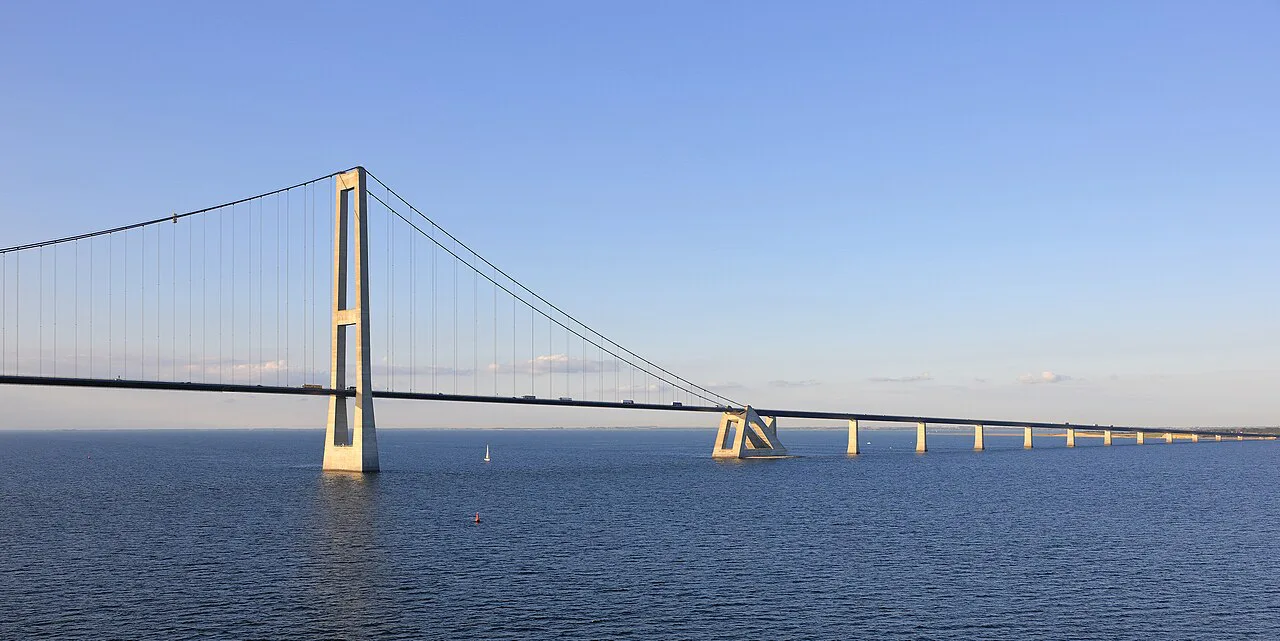
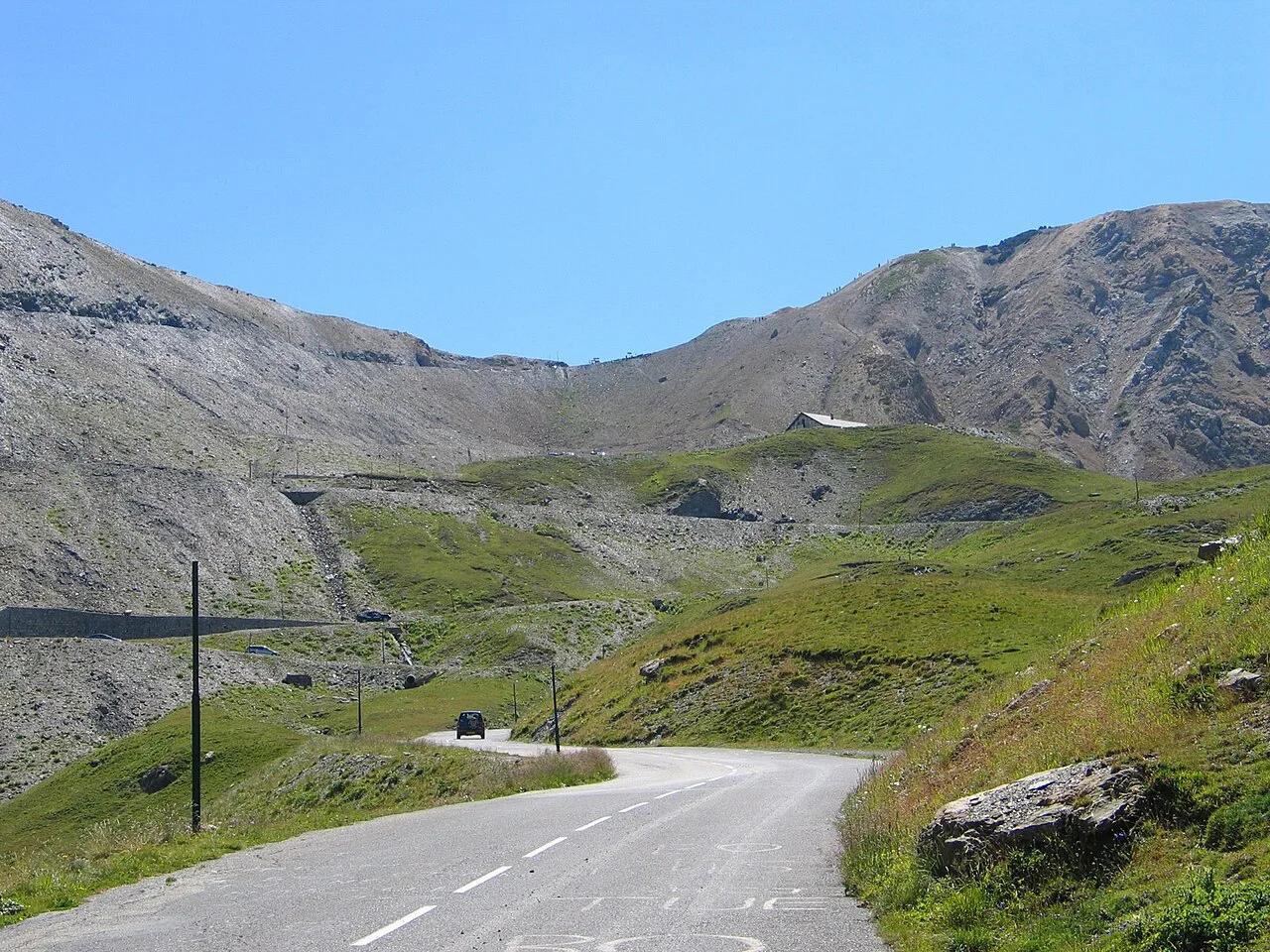
Featured image: Martin Falbisoner, CC BY-SA 4.0, via Wikimedia Commons.
Quick answer: three ways Europe charges drivers
Europe has no shared toll pass. Each country picks its own model, and the EU only sets common rules. Under Directive 1999/62/EC, tolls are charged by distance and vehicle type, while vignettes are charged by time. The European Commission's road charging page explains that framework. Our rule of thumb is simple. Vignettes suit short transits, and distance tolls punish long drives. Prices below come from the national and operator listings read in November 2026. Most reset on 1 January, and some change mid-year: Bulgaria raised its vignette prices on 1 August 2026, and Øresundsbron changed its tariff on 14 September 2026.
| System | How it charges | Typical countries | Buy before the border? |
|---|---|---|---|
| Vignette | Flat fee for a set period, tied to your plate | Czechia, Hungary, Slovakia, Slovenia, Bulgaria, Romania, Austria, Switzerland | Yes, online |
| Distance toll | Pay per section at gates or by transponder | France, Italy, Spain, Portugal, Greece, Croatia | No, pay at the gate |
| Facility toll | Single bridge, tunnel or pass | Alpine tunnels, Great Belt, Øresund, Faroe and Iceland tunnels | Usually at the plaza |
7 Toll Systems on Toll Roads in Europe, Country by Country
Each entry below covers one toll type, with the countries it applies to and who should plan differently. Tolls are mostly a car-driver question here. Trucks follow separate rules that we do not cover.
1. Time-based e-vignettes in Central and Eastern Europe
Czechia, Hungary, Slovakia, Slovenia, Bulgaria and Romania sell passes tied to your licence plate. Cameras read the plate, so a typo in the number can mean a fine even if you paid. Start with the national guides. Czech drivers should read our Czech vignette guide. Hungary has its own rules in our Hungary vignette guide. Slovakia is covered in the Slovakia e-vignette page.
Slovenia, Bulgaria and Romania follow the same pattern. See the Slovenia vignette page, the Bulgaria vignette page and the Romania vignette page. Skip this system only if you never touch a motorway in these countries, which is rare for a through route.
2. Distance tolls in France, Italy, Spain, Portugal, Greece and Croatia
These countries charge by the kilometre and vehicle class, so cost grows with distance. In a closed system you take a ticket on entry and pay on exit. Croatia works this way on most of its tolled motorway network. Italy's closed system applies to most of its autostrade, and transponder lanes let you pass without stopping. Cards work at staffed booths in most of these countries.
Some Portuguese motorways have electronic-only gantries with no booth at all, so a foreign-plated car needs a payment method registered before it uses them. Sort that out before arrival. Skip nothing here on long legs, because toll-free alternatives are slower.
3. Alpine tunnel tolls
Some tunnels charge on top of any vignette. Pick the crossing first, then price it. Mont Blanc and Fréjus share one 2026 tariff for a car under 2 m tall: €55.50 one way and €69.20 return when you pay on the French side, or €56.40 and €70.40 on the Italian side, with the return valid until midnight on the seventh day after issue. Western options include the Mont Blanc Tunnel: Tolls, Closures & Alternatives (France–Italy) and the Fréjus Tunnel. Switzerland's Great St Bernard Tunnel: Status, Tolls and Alternatives is another crossing, at €33.50 or CHF 32 one way for a car since 1 February 2026.
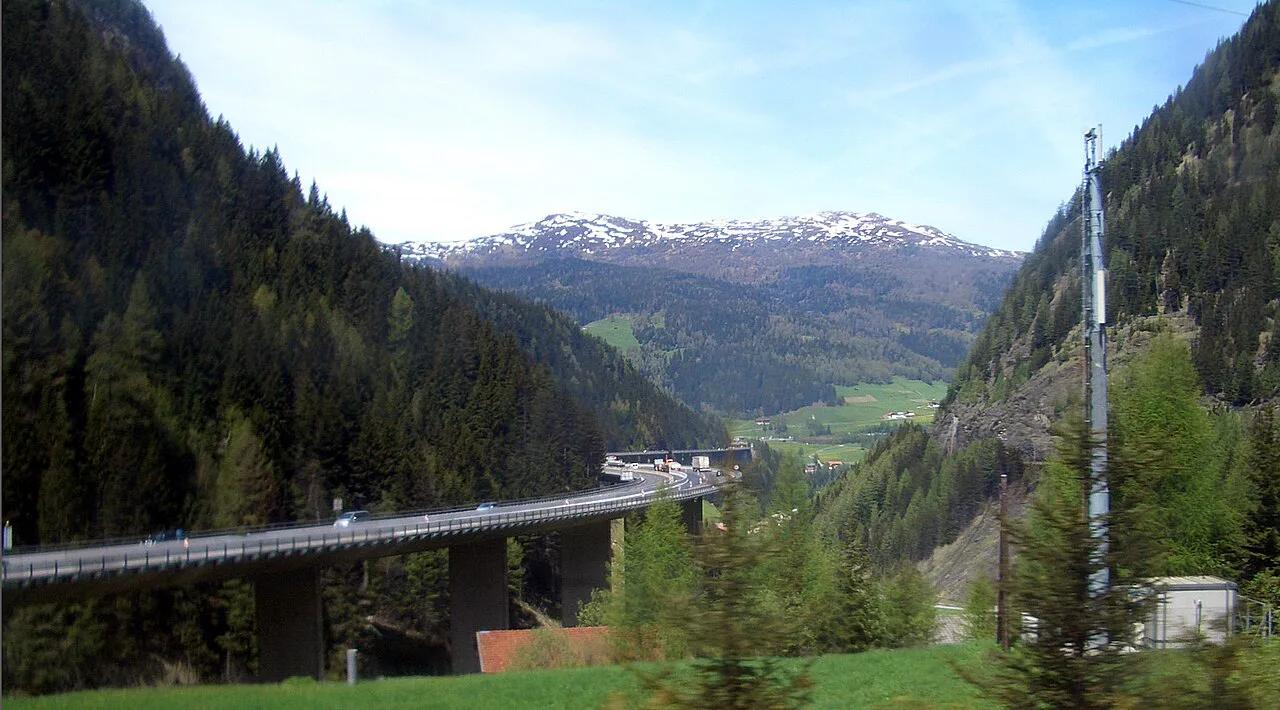
In Austria, see the Tauern Tunnel: Toll, Route and Driving Tips and the Karawanks Tunnel: Tolls, Rules, Delays and Alternatives toll pages. A car pays €15.00 per trip on the A10 Tauern section and €9.00 for the A11 Karawanks tunnel in 2026, on top of the vignette. Our view: drivers with a flexible schedule should compare each tunnel against the pass route, since passes can close seasonally.
4. Danish and Swedish bridges
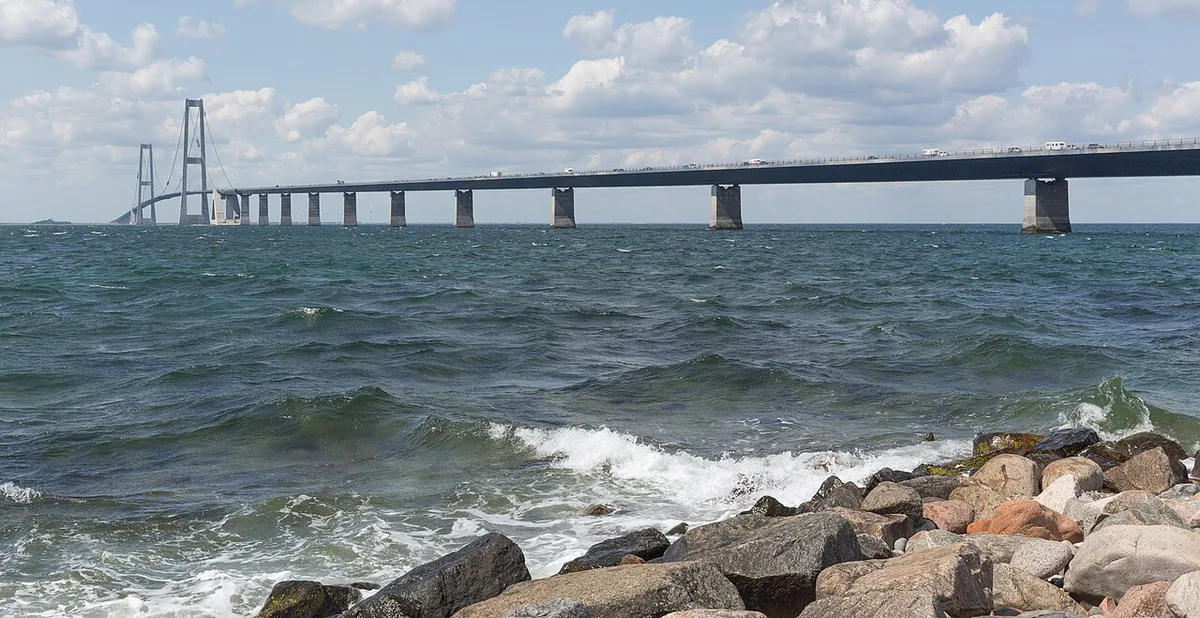
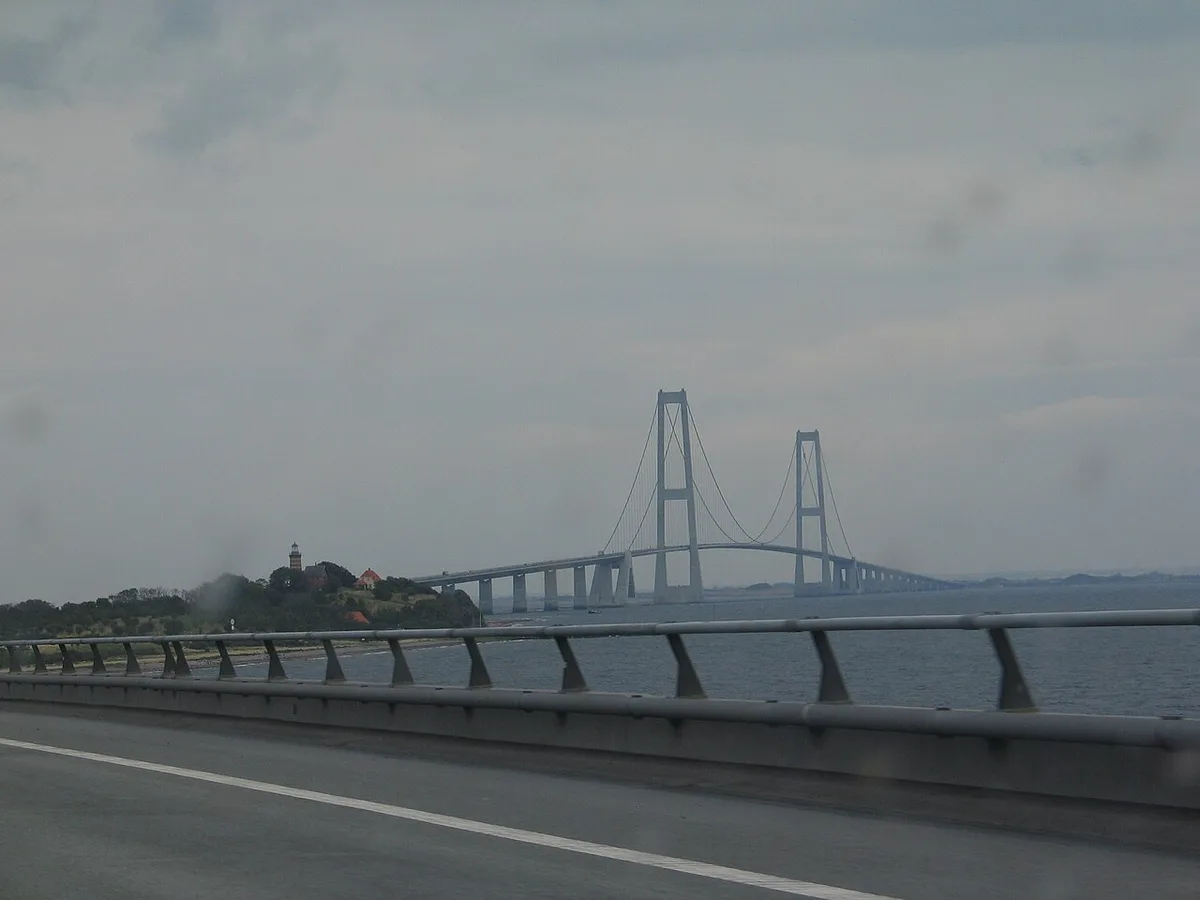
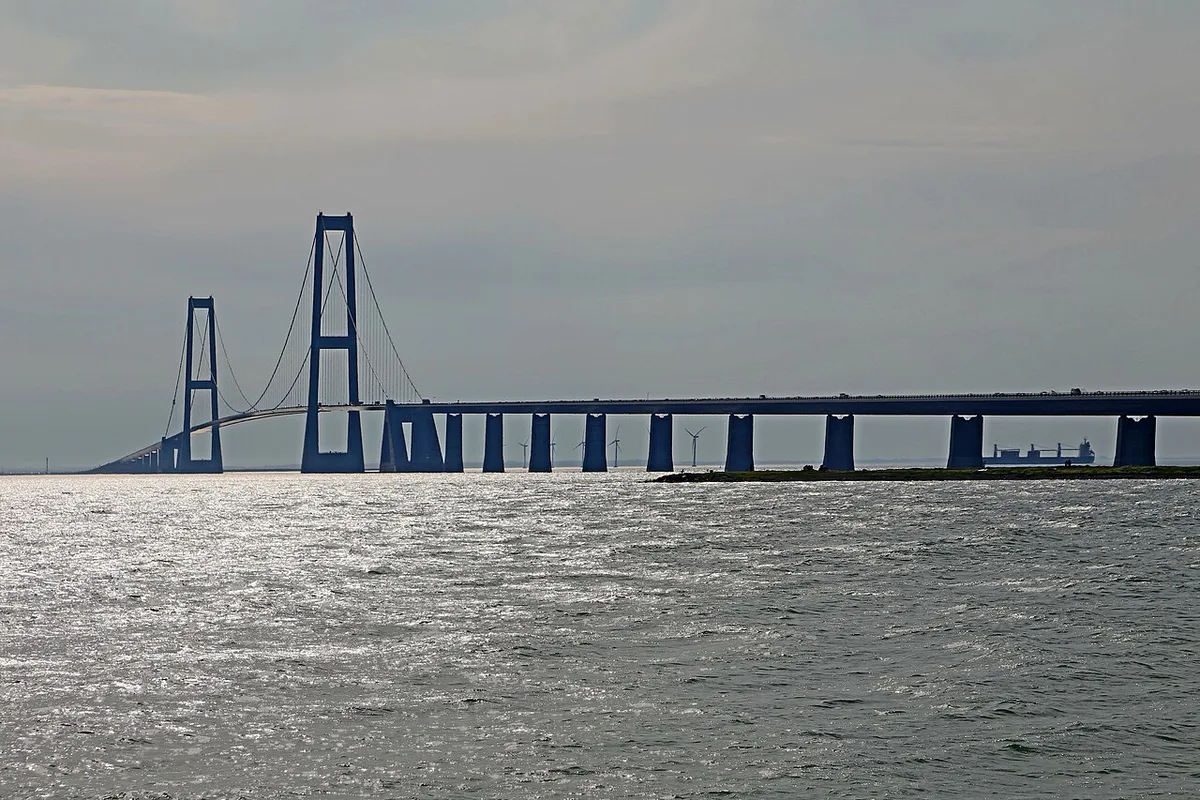
The Great Belt Fixed Link and the Øresund Bridge are toll crossings. They sit on the main Denmark and Sweden route. Read the Great Belt Bridge page for the Danish crossing. The Øresund Bridge toll page covers the link to Sweden.
In 2026 a car under 6 m pays DKK 235 by card or cash on the Great Belt, or DKK 205 in the express lanes with a Bizz or number-plate payment. Øresund costs DKK 470 at the toll station or DKK 420 as an online ticket from 14 September 2026, and DKK 182 per trip with the ØresundGO agreement (DKK 370 a year). BroBizz is the Danish transponder. It also works in Norway's Autopass system. For a single Great Belt crossing, pay at the plaza; for Øresund, the online ticket is cheaper than the booth.
5. Austria and Switzerland vignettes
Both countries require a vignette for motorways. Austria also charges separate tunnel and pass tolls, so a vignette does not cover everything. Switzerland sells an annual vignette only, so a short visit still means the full-year price of CHF 40 (see our Switzerland vignette guide). It runs from 1 December of the previous year to 31 January of the next and comes as an e-vignette or a sticker.
Austria's 2026 car vignette costs €9.60 for 1 day, €12.80 for 10 days, €32.00 for 2 months and €106.80 for the year, which runs from 1 December 2025 to 31 January 2027. Bought online, the 2-month and annual vignettes start no earlier than the 18th day after purchase, so buy the 1-day or 10-day option for a last-minute trip. From the 2027 vignette year Austria sells only the digital version, covered in our Austria vignette guide. Buy from the operator or federal site, not a reseller. Skip the Swiss vignette only if your route avoids motorways entirely.
6. Toll-free countries
Germany charges no tolls to cars on the Autobahn. Finland, Cyprus, Monaco, Kosovo, San Marino and Liechtenstein are also free. Luxembourg charges cars nothing on its motorways.
Free means free for cars. Trucks and some facilities differ. Use these countries to cut your total: our pick is to route through them where the map allows.
7. Island tunnels in the Faroes and Iceland
Faroese tunnels charge 50 DKK for Vágatunnilin (4.9 km) and 50 DKK for Norðoyatunnilin (6.2 km). Eysturoyartunnilin (11.2 km) costs 175 or 125 DKK, and Sandoyartunnilin (10.8 km) costs 175 DKK. Vágatunnilin and Norðoyatunnilin charge only on the way back from Vágar and Klaksvík, covering both directions. There are no toll booths: cameras record your plate, and you pay online within 6 days, set up automatic card payment, or settle with your rental company.
Iceland's 7.4 km Vaðlaheiðargöng tunnel costs 2,216 ISK for cars. Pay online within 24 hours before or after passage. Skip this entry unless you plan to drive in these islands.
How to pay tolls as a visitor
Buy vignettes from the official national shop, not a reseller. The Czech e-vignette shop, Hungary's national toll operator and Slovakia's eznamka are the official routes. Hungary's HU-GO site is the distance toll for vehicles over 3.5 t, not the car vignette shop. Resellers add fees and carry scam risk.
| Country | Short pass | Medium pass | Annual pass |
|---|---|---|---|
| Czechia (2026) | CZK 230 (1 day), CZK 300 (10 days) | CZK 480 (30 days) | CZK 2,570 |
| Slovakia (2026 and 2027) | €8.10 (1 day), €10.80 (10 days) | €17.10 (30 days) | €90 (365 days) |
| Bulgaria (from 1 August 2026) | €5.30 (1 day), €6.60 (weekend), €10.00 (week) | €19.90 (month), €35.90 (quarter) | €64.50 |
| Austria (2026) | €9.60 (1 day), €12.80 (10 days) | €32.00 (2 months) | €106.80 |
| Slovenia, Class 2A car (2026) | €16 (week) | €32 (month) | €117.50 (12 months from start) |
| Romania, Euro 6 car (from 1 October 2026) | 22 lei (1 day), 30 lei (10 days) | 48 lei (30 days), 76 lei (60 days) | 254 lei |
| Switzerland | None | None | CHF 40 |
Hungary prices by vehicle category and period, so read the operator's table for your car. Keep your purchase confirmation for the whole trip. At gates, cards work in most countries. Telepass covers Italy and some neighbours, but no single device works everywhere. For a rental car, ask what toll product the company includes and what admin fee it adds.
Gate payment works in most countries, but foreign cars on Portugal's Via Verde need a 3 or 5 day pass or a linked bank account.
Fines and avoiding tolls
Vignette countries use plate recognition and roadside checks. Distance-toll countries send notices to the rental company, which then bills you with an admin fee. Official penalties dwarf the vignette price: up to CZK 20,000 for driving without a Czech vignette, €300 to €3,000 in Austrian administrative proceedings if you do not pay the on-the-spot replacement toll, and a €46.50 compensatory fee for a car in Bulgaria. Avoiding tolls rarely works in vignette countries. In France, Italy and Spain, free roads cost more time on long legs.
| Region | Our view on avoiding tolls |
|---|---|
| France, Italy, Spain | Tolls usually worth it for long legs |
| Vignette countries | Avoiding is rarely practical |
| Germany and Nordics | Mostly free for cars |
Common mistakes and recent changes
The most common errors are buying from an unofficial reseller and assuming a neighbour has the same system. Others are mistyping the plate, forgetting separate tunnel tolls on top of a vignette, and ignoring city low-emission or congestion charges. Check your vehicle class too, since height, weight, axles and trailers change the price. On policy, the European Commission says vignettes must be phased out from the TEN-T road network by 2030, with some exceptions, and that short-term vignettes must be priced so they do not penalise occasional users. CO2-based pricing has applied to heavy vehicles since 2024. It is optional for light vehicles, except minibuses and vans, which must follow by 2026. Closer to home, Slovenia's vignette has been electronic only since 2022, and Austria stops selling the sticker from the 2027 vignette year.
The 2030 phase-out does not help a 2026 or 2027 trip: Austria, Czechia, Slovakia and the other vignette countries still sell car vignettes, and Slovakia's 2027 edition went on sale on 2 November 2026 at unchanged prices.
Frequently Asked Questions
Do European countries have toll roads?
Yes, many do. France, Italy, Spain, Portugal, Greece and Croatia charge by distance. Czechia, Hungary, Slovakia, Slovenia, Bulgaria, Romania, Austria and Switzerland use vignettes.
Which European countries require a toll vignette?
Czechia, Hungary, Slovakia, Slovenia, Bulgaria, Romania, Austria and Switzerland. Buy from the official national shop before you drive.
Do I need to pay tolls when renting a car in Italy?
Yes, Italian autostrade charge tolls. Pay by card at the gate or use a transponder. Ask your rental company what its toll product covers and what admin fee it adds.
Explore More Guides
Keep planning your trip with these guides.
Guides
- Czech Republic Vignette 2026
- Hungary Vignette Guide
- Slovakia Vignette 2026–2027
- Slovenia Vignette 2026/27
- Bulgaria Vignette 2026
- Romania Vignette (Rovinieta)
- Mont Blanc Tunnel: Tolls, Closures & Alternatives (France–Italy)
- Fréjus Road Tunnel
- Great St Bernard Tunnel: Status, Tolls and Alternatives
- Tauern Tunnel: Toll, Route and Driving Tips
- Karawanks Tunnel: Tolls, Rules, Delays and Alternatives
- Great Belt Bridge: Toll, Payment & Is It Worth It
- Øresund Bridge Toll 2026
Road-rule changes worth knowing
Optional updates to our guides.
You might also like


Continue reading
More guides you'll find useful