Karawanks Tunnel: Tolls, Rules, Delays and Alternatives
What to know before driving the Karawanks Tunnel between Austria and Slovenia: the separate toll, vignette rules, delay risks and the Ljubelj pass alternative.
On this page
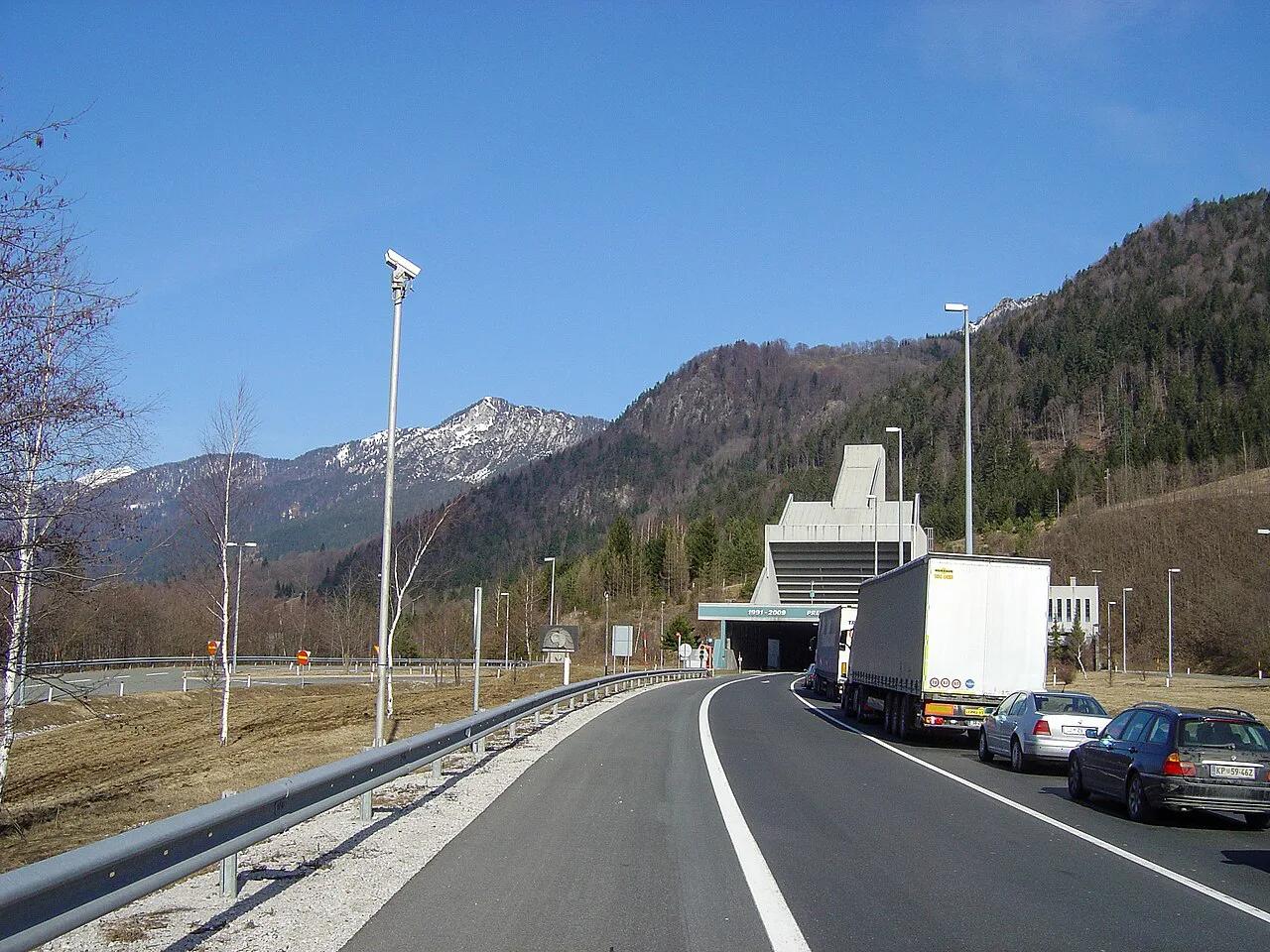
Last updated November 2026: the Karawanks Tunnel is the road tunnel that carries the A11 from Villach in Austria into the A2 near Jesenice in Slovenia. It is also spelled Karawanken or Karavanke, and it is not the separate Karawanken rail tunnel. A tunnel toll of €9.00 per trip for a car in 2026 applies on top of your national motorway vignette. A new east tube opened in March 2026, but the original tube is now shut for renovation until 2029, so traffic still runs both ways in one tube. The sections below cover how to pay, where queues form and what to use if the tube is closed.
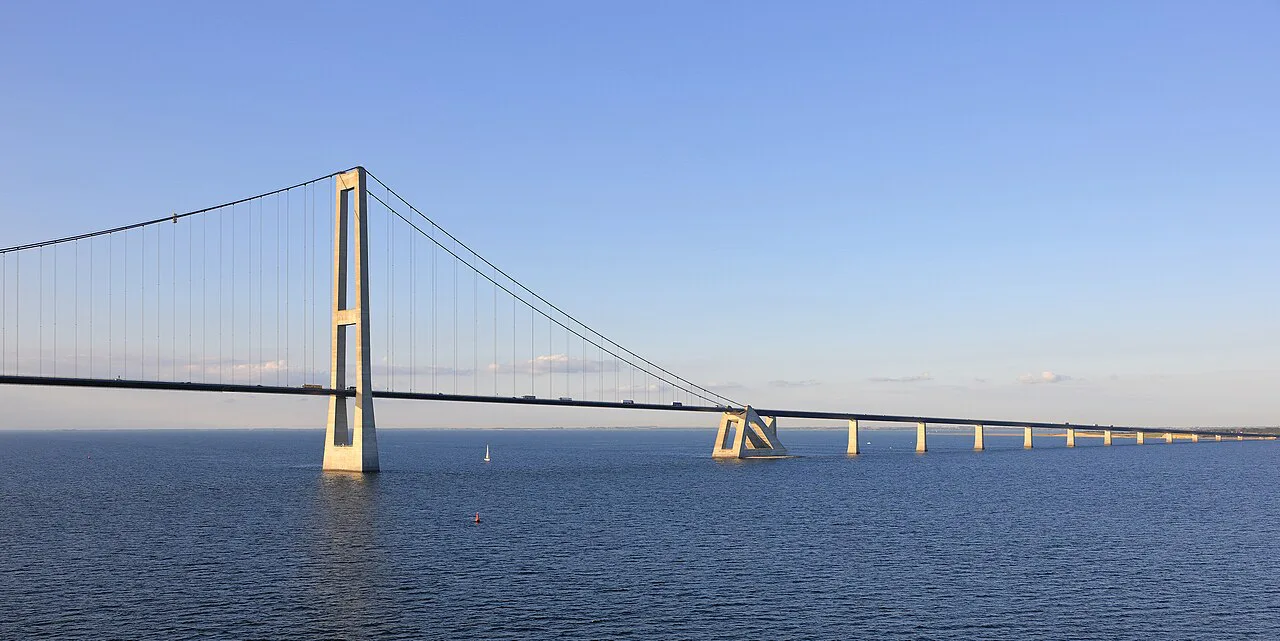
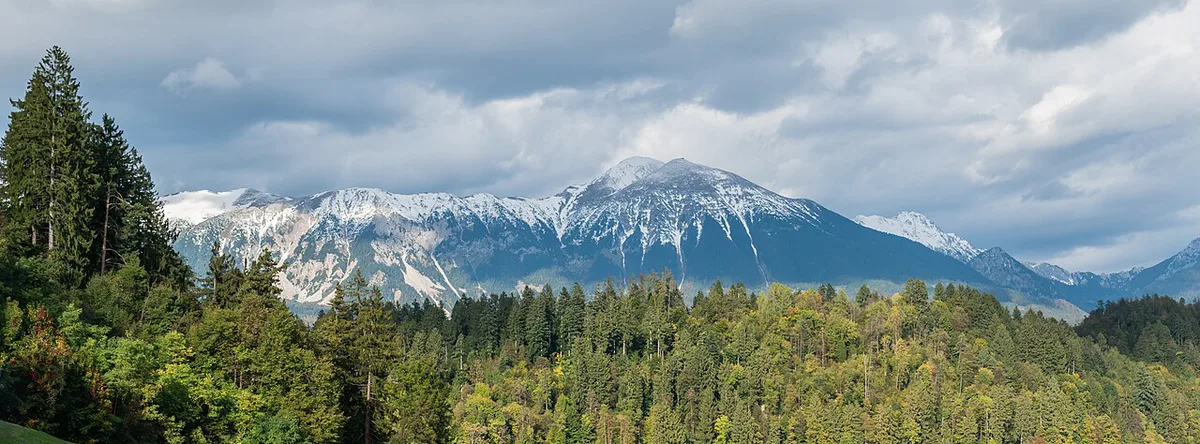
Featured image: Szilas, CC BY-SA 4.0, via Wikimedia Commons.
Karawanks Tunnel at a glance
This crossing links the Austrian A11 with the Slovenian A2 on the border between Villach and Jesenice. Its owners are the two national motorway companies, ASFINAG in Austria and DARS in Slovenia. Use the list below as a quick answer before reading the detail.
- Route: A11 (Austria) to A2 (Slovenia), Villach side to Jesenice side.
- Type: road tunnel for cars, motorhomes and trucks, not the rail tunnel; the original tube is 7.9 km long and opened on 1 June 1991.
- Cost: €9.00 per trip for a car in 2026, charged separately from the vignette.
- Layout in 2026: one tube, the new east tube, carrying both directions at up to 80 km/h until both tubes open in 2029.
- Operators: ASFINAG and DARS publish the tariff, rules and live status.
- Best planning tool: the official DARS motorway information on the Slovenian side.
Road tunnel versus rail tunnel
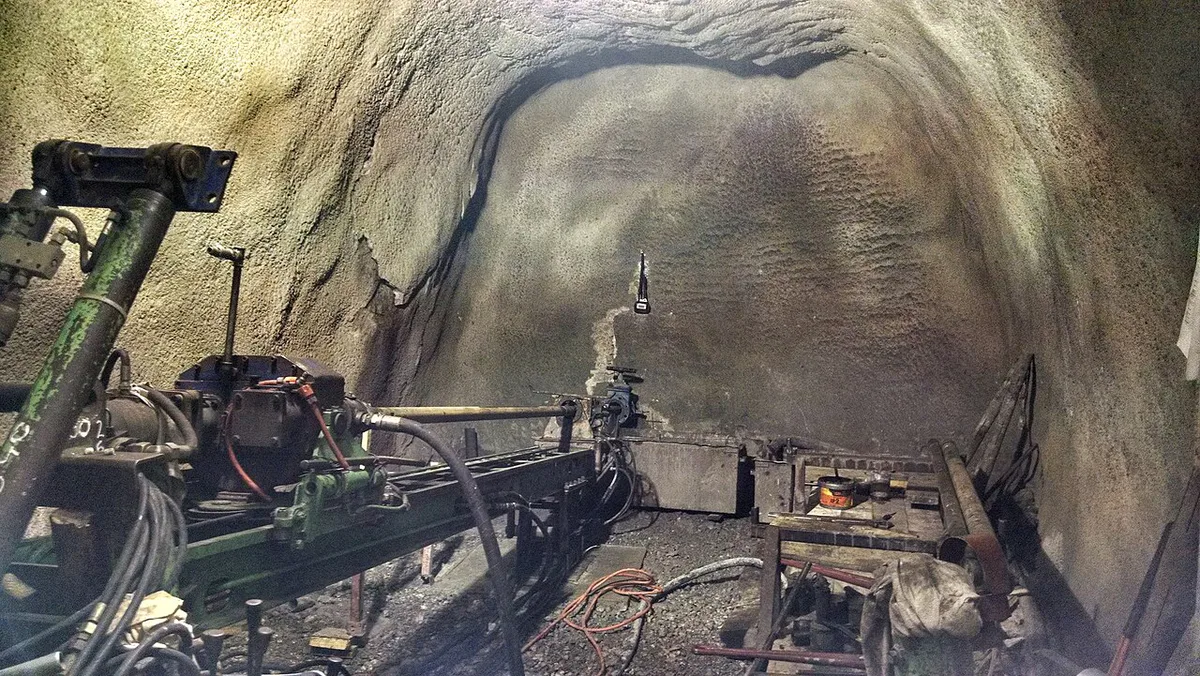
Search results mix two different structures under the same mountain range. The road tunnel is the motorway link this guide covers. The Karawanken rail tunnel is a separate railway bore, about 8 km long and opened in 1906, used by trains between Slovenia and Austria. Closure notices for the railway describe trains only. They tell you nothing about current road conditions, so ignore them when planning a drive. The motorway tunnel opened in 1991, and its second tube is the one that has changed the driving picture since 2026.
Tolls and vignettes: what you pay and where
A motorway vignette does not cover the tunnel. Drivers pay the tunnel toll in addition to the Austrian vignette and the Slovenian e-vignette. In 2026 a car pays €9.00 per trip in either direction, up from €8.80 in 2025. Who collects it depends on direction. Heading south into Slovenia, you can buy ASFINAG's Digital Section Toll online with your plate and drive through without paying at the booth. Heading north into Austria, you pay on site at the Hrušica toll station, in cash or by card. Our Slovenia vignette guide explains the plate-based e-vinjeta, which costs €16 a week for an ordinary car. For the wider picture of European charging systems, see our European toll roads overview. The European Commission also explains how road charging works across the EU.
| What you pay for | Covered by vignette? | Where to find the amount |
|---|---|---|
| Austrian motorway use before the tunnel | Yes, with an Austrian vignette | €9.60 for 1 day, €12.80 for 10 days (2026) |
| Slovenian motorway use after the tunnel | Yes, with a Slovenian e-vignette | €16 a week for a Class 2A car (2026) |
| Tunnel passage itself | No, charged separately | €9.00 per car trip (2026) |
| Trailer, caravan or motorhome | Class rules differ by vehicle | Operator tariff by vehicle class |
Traffic, queues and the second tube
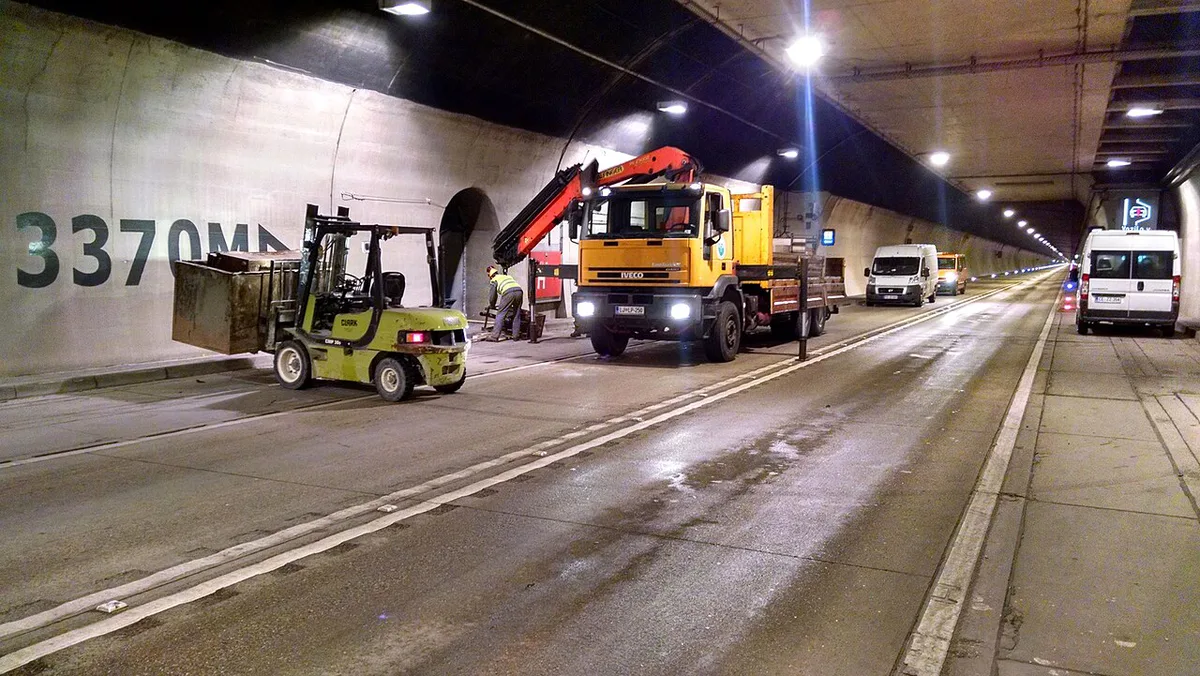
Delays gather at the tunnel on summer holiday weekends and when winter weather slows traffic on the approach. From 1991 the tunnel ran as a single tube with traffic in both directions. Work on a second, east tube started on 18 September 2018, and it opened to traffic in March 2026. That did not double capacity yet: the original west tube closed for renovation at the same time, so the new tube carries both directions until full two-tube operation in 2029. In the meantime the limit is 80 km/h, dropping to 50 km/h in heavy traffic, and overtaking is banned. Cross on a weekday morning outside school holidays when you can, and watch the live traffic reports before leaving Villach or Kranj.
The new east tube opened in March 2026, but with the west tube under renovation until 2029, expect two-way traffic in one tube and the same summer queues as before.
Rules and safety inside the tunnel
Tunnel rules apply to everyone, and operators enforce them with cameras and staff. Follow the posted signs rather than assuming ordinary motorway habits carry over. This checklist covers the points drivers most often miss.
- Keep your headlights on and hold 80 km/h or less, or 50 km/h when signs show heavy traffic.
- Keep a safe distance and do not overtake: the tube carries oncoming traffic.
- Drivers with hazardous goods must follow the operators' restrictions.
- In a breakdown, switch on hazard lights and use the emergency phones.
- Do not stop to take photos or turn around inside the tube.
- Mistake to avoid: assuming your vignette already covers the tunnel.
Alternatives: Ljubelj pass and other routes
The Ljubelj pass, called the Loibl pass in Austria, is the nearest road alternative across the Karawanks. It is a mountain road with bends and gradients, so it is slower than the tunnel. It suits drivers who want to avoid the tunnel toll or need a detour during congestion. Winter conditions can close or restrict mountain passes, so look up the road status before committing. Other border crossings exist further east and west, but they add driving distance. Other Alpine tunnels work differently, so compare the Tauern Tunnel toll if you are routing through Austria.
Ljubelj is slower than the A11 motorway run, but it avoids the separate tunnel toll for drivers counting costs.
| Route | Main advantage | Main trade-off |
|---|---|---|
| Karawanks Tunnel (A11/A2) | Motorway all the way, fastest link | Separate tunnel toll, possible queues |
| Ljubelj/Loibl pass | No tunnel toll, scenic mountain road | Slower, winter closures possible |
| Other border crossings | Spread traffic away from peaks | Longer detour |
| Rail (Karawanken rail tunnel) | No driving | Not a drive-through road option |
Planning the drive
Use Villach as your last major stop on the Austrian side. Fill the tank there, since the stretch into the tunnel has few alternatives. On the Slovenian side, Jesenice, Kranj and Ljubljana give you orientation points for fuel, food and rest. Buy your Slovenian e-vignette before reaching the border. Heading onward through the Alps? See Mont Blanc Tunnel costs, our Fréjus Tunnel guide and the Great St Bernard Tunnel page to compare other crossings.
Frequently Asked Questions
How much does it cost to enter the Karawanken Tunnel?
A car pays €9.00 per trip in 2026, on top of the Austrian and Slovenian vignettes. Southbound you can prepay online with ASFINAG's Digital Section Toll; northbound you pay at the Hrušica toll station, in cash or by card. Other vehicle classes are on the DARS site.
Is there a border between Austria and Slovenia?
Yes. The Karawanks Tunnel crosses it between Villach in Austria and Jesenice in Slovenia. Carry valid ID and check current border-control notices before you travel.
Road-rule changes worth knowing
Optional updates to our guides.
You might also like
Continue reading
More guides you'll find useful