5 ZTL Italy Cities: Hours, Fines and How to Avoid Them
What an Italian ZTL is, which five cities enforce one, how fines work, and how to avoid them with a rental car. City-by-city driver's guide.
On this page
Last updated November 2026: ztl italy rules decide whether a rental-car trip ends clean or with fines in your mailbox months later. A ZTL (zona a traffico limitato) is a camera-enforced restricted-traffic zone in a historic centre. Cameras at each gate (varco) photograph your plate, and the fine usually reaches you through the rental company.
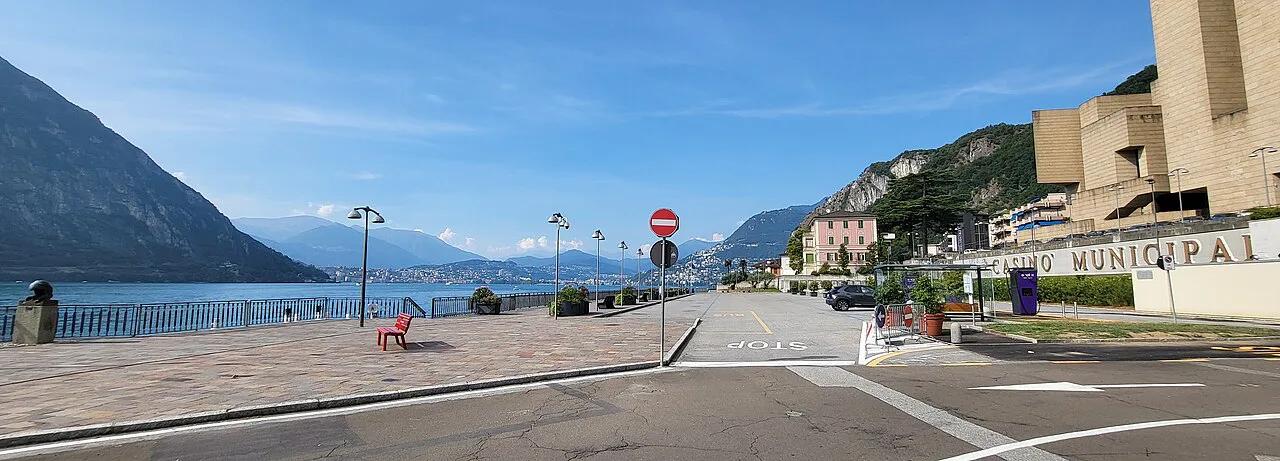
Featured image: Tenam2, CC BY-SA 3.0, via Wikimedia Commons.
What Is a ZTL in Italy?
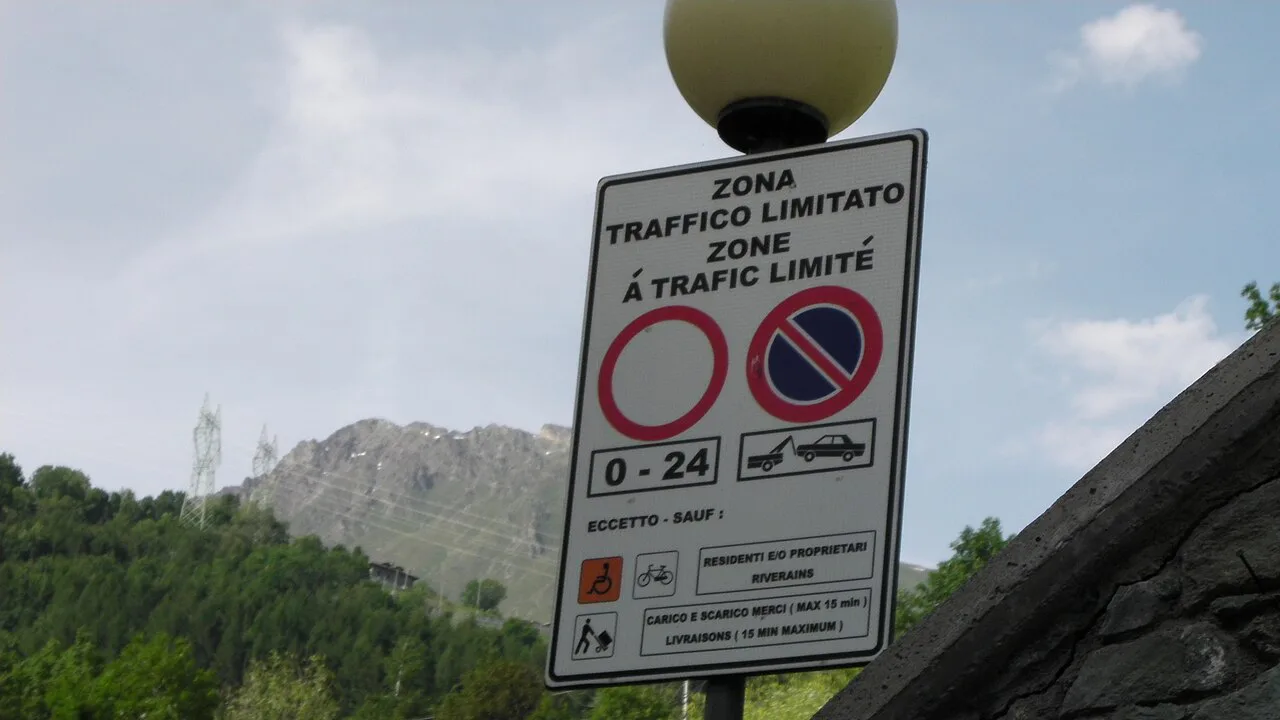
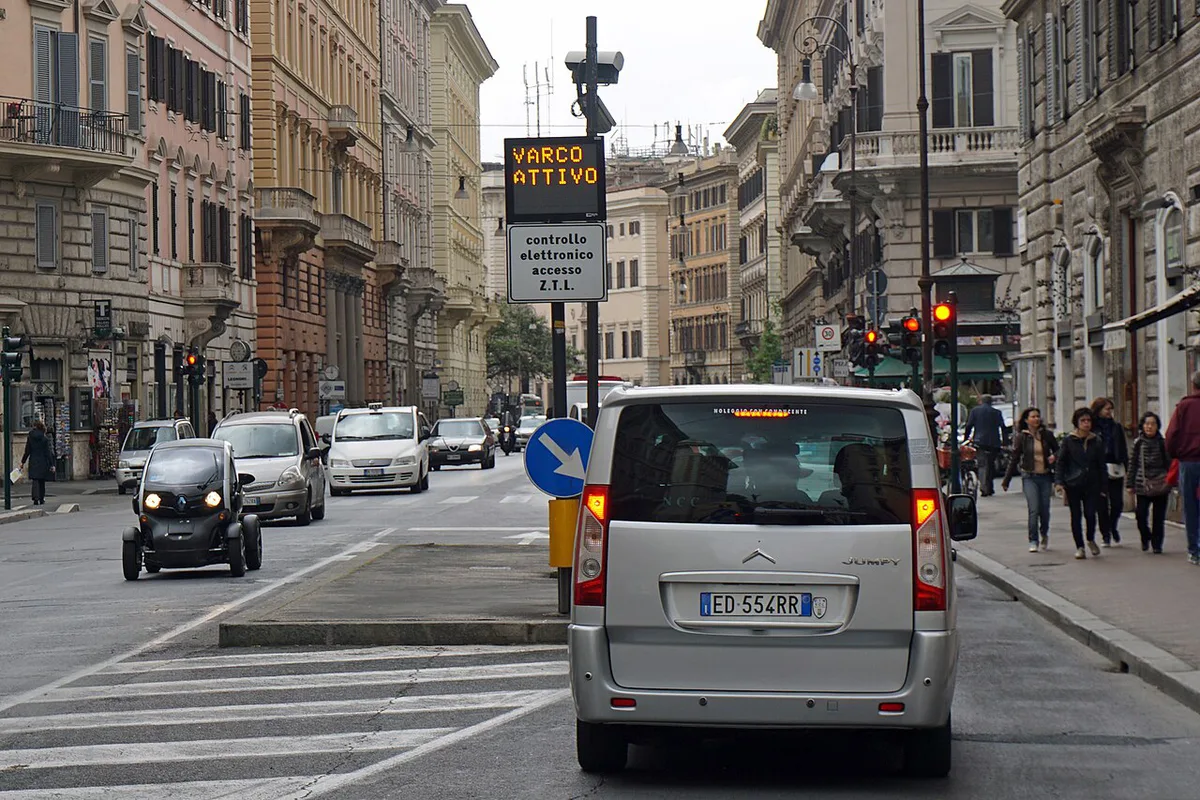
ZTL stands for zona a traffico limitato, a limited traffic zone. Only residents, taxis, delivery vehicles and permit holders may enter during restricted hours. It is a traffic rule, not an app or a piece of software. Look for a round white sign with a red border and the words "zona a traffico limitato". Many gates add an electronic panel reading "varco attivo" (gate active, entry restricted) or "varco non attivo" (gate inactive). A camera sits beside or above the sign and reads every plate that passes. GPS does not reliably warn you about active gates. Rental cars follow the same rules as private cars, so no exemption applies. If you are unsure, park outside the centre and walk.
An unauthorised entry costs €83 to €332 plus notification costs. Repeat entries into the same ZTL on one calendar day now count as one fine, but a second zone or a second day fines again.
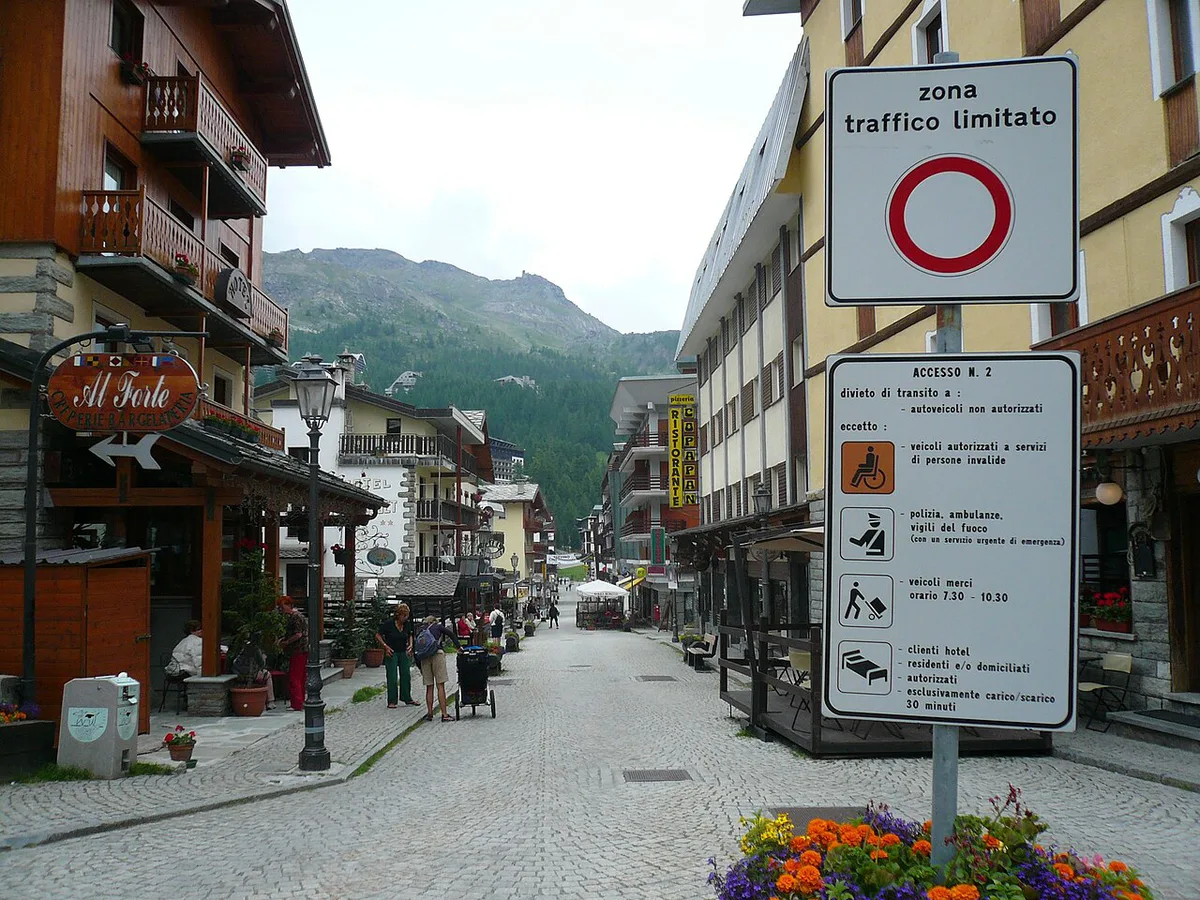
5 ZTL Italy Cities Where Cameras Catch Rental Cars
Hours and prices below were checked in November 2026 against each city's mobility agency or dated local reports. They change by weekday, season and holiday, and the city's own map has the last word. The five cities below combine strict enforcement with heavy visitor traffic. Each has its own guide with detail.
1. Rome: Several Zones, Several Timetables
Rome has separate zones with different hours, so one rule never covers the whole centre. The Centro Storico day zone runs Monday to Friday 06:30–18:00 and Saturday 14:00–18:00, and its night zone Friday and Saturday 23:00–03:00. Tridente (A1) runs Monday to Friday 06:30–19:00 and Saturday 10:00–19:00. Trastevere is closed Monday to Saturday 06:30–10:00, and Trastevere and San Lorenzo close again on Friday and Saturday nights from 21:30 to 03:00, adding Wednesday and Thursday nights from May to October. Testaccio's night zone runs Friday and Saturday 23:00–03:00. Since 1 July 2026, electric and hydrogen cars need a permit for every ZTL, at €1,000 a year for non-residents.
Gate maps and holiday exceptions are on the Roma Mobilità site. All night zones switch off in August. Our Rome ZTL guide maps each zone. Skip driving in if you are only visiting for the day.
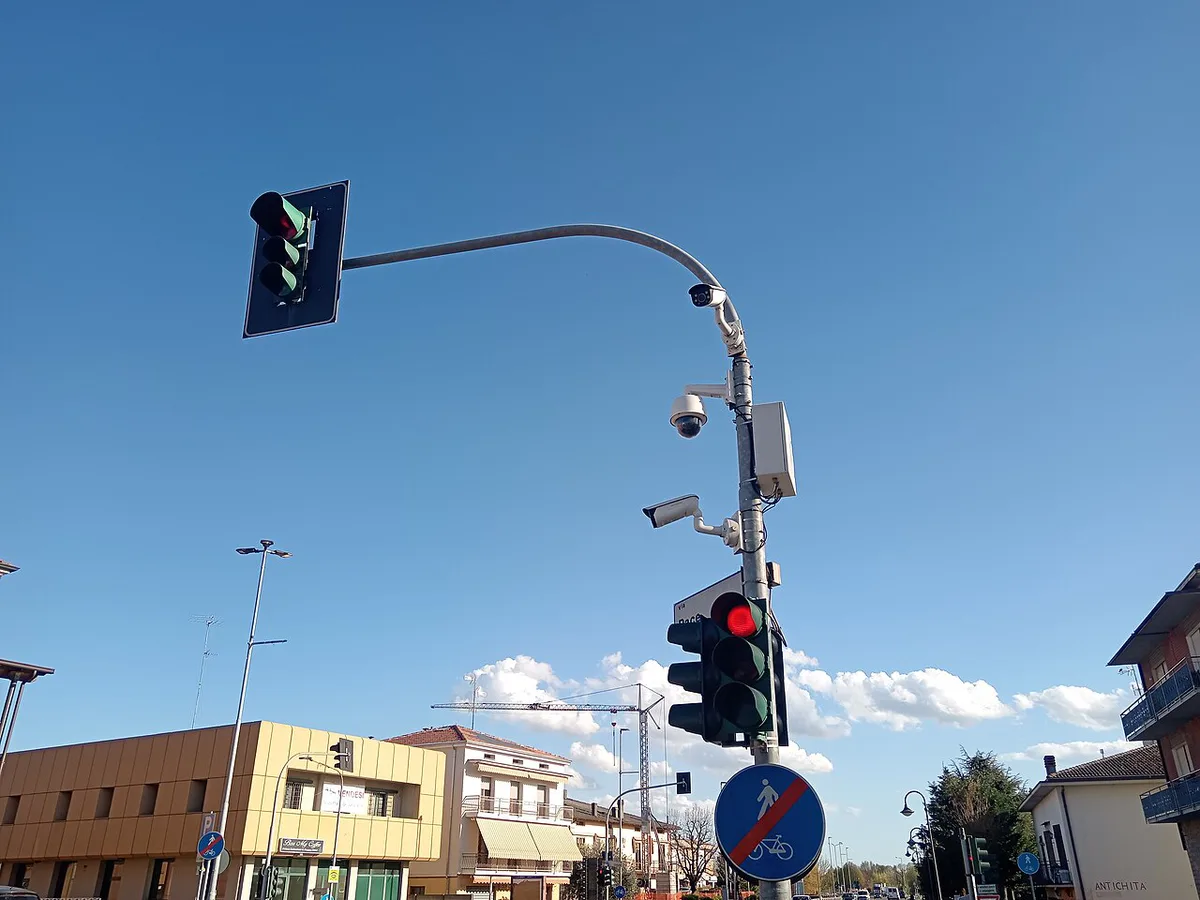
2. Florence: Sectors, a White List and a Three-Hour Window
Florence's daytime ZTL covers sectors A, B and O, all camera-monitored. Hours run Monday to Friday 07:30–20:00 and Saturday 07:30–16:00, with Sundays and holidays free. A summer night restriction adds Thursday to Saturday 23:00–03:00 in all five sectors, including F and G, from the first Thursday of April to the first Sunday of October. Registered vehicles join the SAS "white list". Hotel guests may take the shortest route to the hotel or a car park, and the hotel must add the plate to the list soon after you pass the gate, so hand it over at check-in.
Servizi alla Strada (SAS) also sells daily permits online, in "transit only" and "transit and parking" versions, for up to 10 days a month per vehicle. Read the Florence ZTL guide before booking a central hotel. Day-trippers should leave the car outside.
3. Milan: Area C Is Pay-to-Enter
Milan's central ZTL is Area C, active Monday to Friday 07:30–19:30 and free at weekends and on holidays. Entry costs €7.50 a day, paid online through MyAreaC, at parking meters, at Intesa Sanpaolo cash machines or at Lottomatica and Sisal outlets, by midnight of the day after you enter. Unpaid entries draw a fine of €83 plus notification costs. Electric cars still enter free in 2026. Area B is a separate low-emission zone covering about 72% of the city, so your engine class matters too.
Tickets are sold and registered on the city's MyAreaC portal. Details sit in the Milan Area C guide. Skip it if your hotel is outside Area C and you can take the metro in.
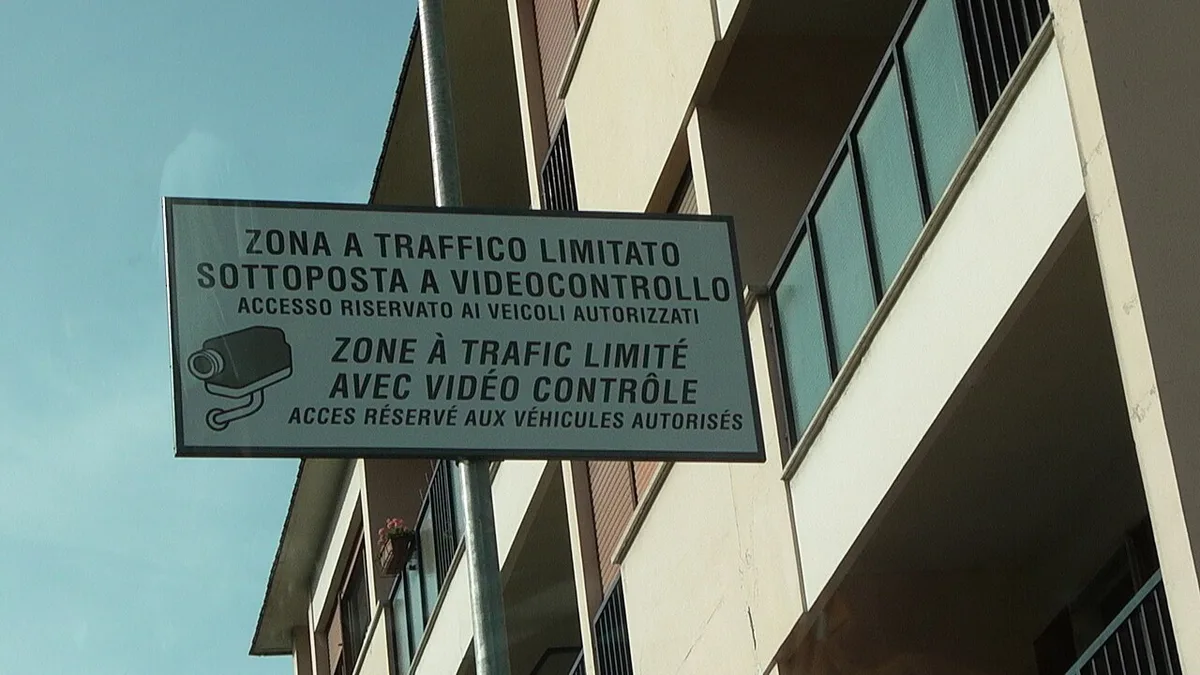
4. Bologna: The Whole Centre, Including Weekends
Bologna treats its historic centre as a ZTL, monitored by the SIRIO camera system. Restrictions run 07:00–20:00 every day, weekends and holidays included. Inside it, Zona T (Via Rizzoli, Ugo Bassi and Indipendenza) and the university and Pratello zones are closed 24 hours without a permit. Hotels inside the zone send your plate to the Comune so it joins the access list. Non-residents can buy a €6 day ticket, valid until midnight, or a €15 ticket for four consecutive days, online through the Sosty app before entering. It covers the Centro Storico zone only, not Zona T.
Find the current rules on the Comune di Bologna site. Our Bologna ZTL guide walks through the purchase. Anyone staying outside the centre should simply park at the edge.
5. Siena: A Centre Closed to Visitors' Cars
Siena's ZTL runs 24 hours a day, every day, across six sectors, with exceptions for residents and deliveries. Hotel guests may drive in once a day for up to 60 minutes to unload once the hotel has registered the plate, but Zona Y around Banchi di Sopra and the upper Campo stays closed even to them. Park in a car park at the edge, such as Il Campo, Santa Caterina or La Stazione, where the central lots charge €2 an hour or €35 a day.
Hotel guests should ask the property about access before arrival, rather than assuming a pass exists. Current access details are in our Siena ZTL guide. Skip Siena by car entirely if your hotel has no parking outside the walls.
ZTL Cities at a Glance
Use this table to compare when each zone is active and what a visitor needs.
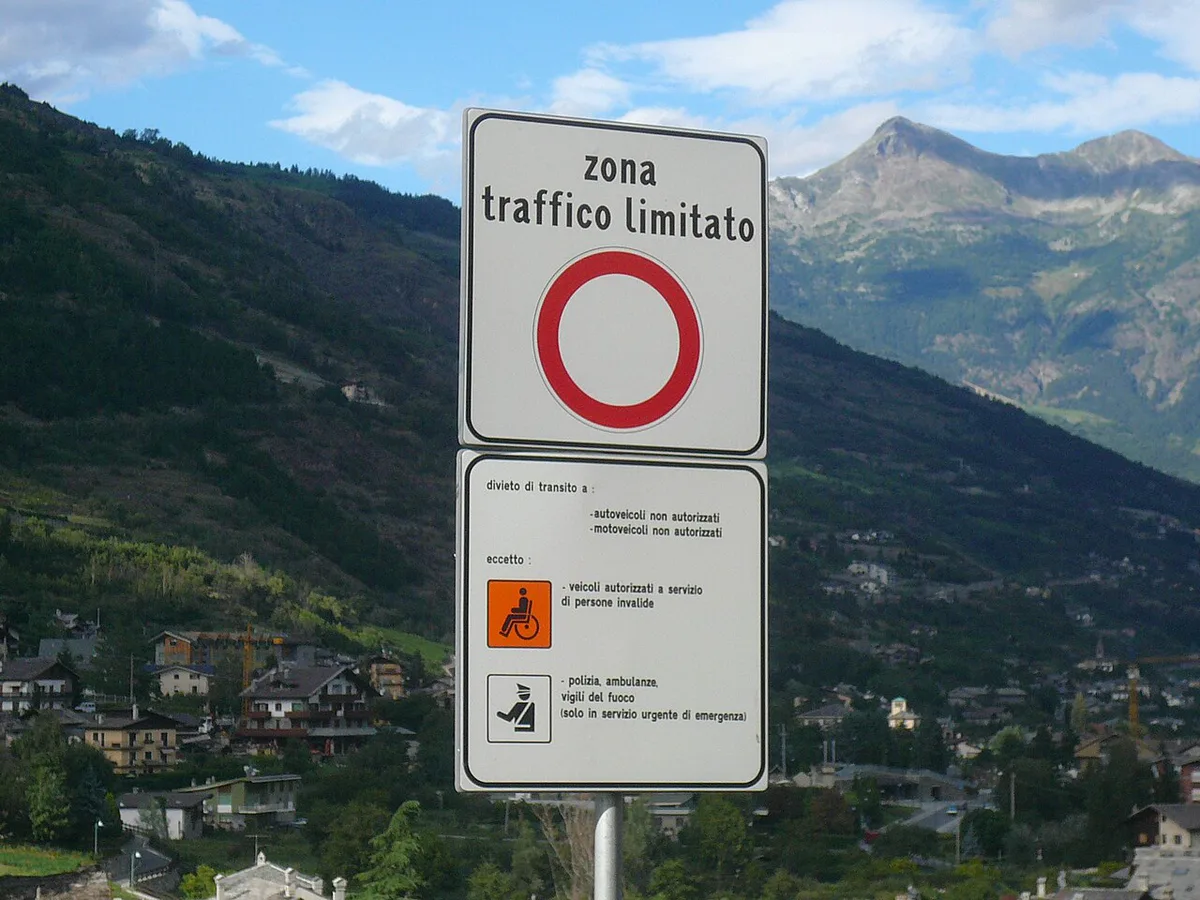
| City | When active | Day access | Hotel guests | Best approach |
|---|---|---|---|---|
| Rome | Zone-specific; Centro Mon–Fri 06:30–18:00, Sat 14:00–18:00; Tridente Mon–Fri 06:30–19:00, Sat 10:00–19:00 | No day ticket; EV permit €1,000/year | Hotel can register plate | Park outside, use transit |
| Florence | Mon–Fri 07:30–20:00, Sat 07:30–16:00, summer nights Thu–Sat 23:00–03:00 | SAS daily permit, transit only or transit and parking | Hotel registers plate after entry | Park outside the sectors |
| Milan (Area C) | Mon–Fri 07:30–19:30 | €7.50 a day, pay by midnight the next day; free weekends | Charge applies; ask the hotel | Park-and-ride at a metro line |
| Bologna | 07:00–20:00 daily; Zona T 24 hours | €6 day or €15 four-day ticket via Sosty | Hotel sends plate to the Comune | Park at the edge, walk or bus |
| Siena | 24 hours, every day | None for visitors | One entry a day, 60 minutes, via hotel | Park at edge, walk in |
Other ZTL Cities Worth a Check
Verona, Pisa, Naples and Turin also run camera-enforced ZTLs in their historic centres, and Naples splits its restrictions into several smaller district zones. The same approach works in each: find the hotel's position on the city's ZTL map, ask the hotel about plate registration, and park outside the zone if it cannot register you. Holiday apartments rarely have a way to register a guest's plate.
ZTL Fines: How They Work
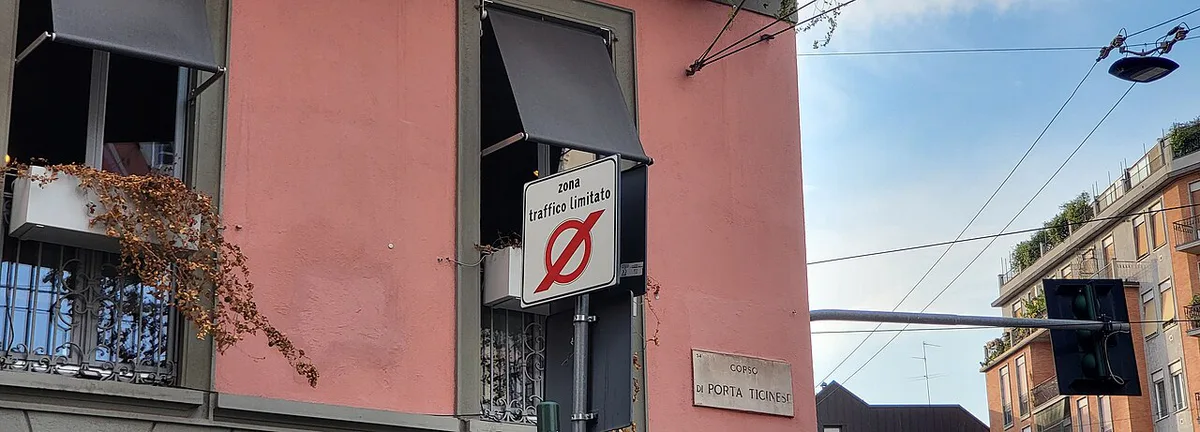
The fine for an unauthorised ZTL entry is €83 to €332 under article 7 of the Codice della Strada, plus notification costs, and the amounts are frozen for 2025 and 2026. Since 14 December 2024, repeat camera-recorded entries into the same ZTL on the same calendar day count as one violation. A different zone, or the next day, brings a new fine. Paying within 5 days of notification cuts the amount by 30%. The authorities have 360 days to notify a driver who lives abroad, so notices often arrive months after your trip. Rental companies forward them, often adding a handling fee. Ignoring a notice is risky: the EU is extending its cross-border enforcement rules to ZTL breaches, with member states due to apply them by July 2027. Ask your rental company before pickup how it handles forwarded fines and whether it pre-registers plates.
Staying in a ZTL: Hotel Registration Checklist
A hotel inside a zone must register your plate, and that does not happen automatically. Ask before booking whether the property handles registration at all. B&Bs and budget hotels often do not. Send your plate and arrival time when you book. In Florence, hand over the plate at check-in so the hotel can register it straight away. Get written confirmation before you drive in. In Siena, hotel access means one entry a day of up to 60 minutes, and Zona Y stays closed. Holiday apartments are rarely able to register a plate.
Rental Cars and ZTLs
Collect your car at the airport or on the outskirts, not in a historic centre. That avoids driving through a gate on your first hour. Ask the rental company how it forwards fines, what handling fee it charges and whether it registers plates. Check your GPS settings for restricted-zone avoidance, but never rely on them alone. Photograph your pickup paperwork and keep your itinerary so you can match any later notice to a date.
Park Outside or Drive In? A Decision Guide
For a day visit, park outside and use transit or walk. If your hotel is inside the zone, it must register your plate, so get that in writing. On a road trip, plan ZTL cities as park-and-walk stops. Our guides to Parking in Rome: Where to Park, Costs & ZTL Warnings and Parking in Florence: Where to Park & Avoid ZTL Fines list your options.
Give a Florence hotel your plate at check-in: its registration only covers a short window after you pass the gate.
| Option | Time | Cost | Access | Suits |
|---|---|---|---|---|
| Park outside, walk or transit | Extra walking or transit time | Parking fee only | None needed | Day visitors |
| Day pass | Little extra time | Permit price, where offered | Limited, per rules | Short, planned entries |
| Stay inside with hotel registration | Least walking | Hotel parking costs more | Registered route only | Guests with confirmed registration |
Road-Trip Planning: Rome to Florence and Beyond
Rome and Florence both have ZTLs, so plan to drop or park the car before each city. Sort your stops so you arrive outside restricted hours. Read Driving in Rome: Should You Do It? ZTL, Tolls, Parking before you pick up the car. Then use Driving in Florence: ZTL, Parking & Car Tips for the next leg. Hotels inside either zone should register your plate before you set off.
Common ZTL Mistakes to Avoid
Following the GPS into a gate is the classic error. Another is assuming one fine covers a whole trip: repeat entries into one ZTL on the same day count once, but each other zone and each new day fines again. Assuming your hotel registers your plate automatically also catches visitors out. Weekends are not free everywhere: Bologna enforces every day and Florence until 16:00 on Saturday, while Milan's Area C is free at weekends. Trusting a "varco" panel as a legal guarantee is risky, since signs and ordinances prevail. Finally, many visitors assume a rental car is exempt, and it is not.
Frequently Asked Questions
What is ZTL closed in Italy?
"ZTL closed" usually means the zone is restricted and cameras are enforcing it. A "varco attivo" panel signals that entry is not allowed. When the panel reads "varco non attivo", the restriction is off at that moment, and the posted hours show when it returns.
Can I not pay a traffic fine in Italy as a foreigner?
Ignoring a fine is risky, because Italian fines can be enforced across the EU. Read the payment deadline on the notice and pay or contest it in time. Your rental company may also charge a handling fee for forwarding it.
Explore More Guides
Keep planning your trip with these guides.
Guides
- ZTL Florence: Rules, Fines and How to Avoid Them
- ZTL Rome: Zones, Hours, Fines & How to Avoid Them
- ZTL Milan: Area C, Rules and How to Avoid a Fine
- ZTL Bologna: Zones, Hours & How to Avoid Fines
- ZTL Siena: Can You Drive In? Parking and Fine Tips
- Driving in Rome: Should You Do It? ZTL, Tolls, Parking
- Parking in Rome: Where to Park, Costs & ZTL Warnings
- Driving in Florence: ZTL, Parking & Car Tips
- Parking in Florence: Where to Park & Avoid ZTL Fines
Road-rule changes worth knowing
Optional updates to our guides.
You might also like
Continue reading
More guides you'll find useful