Parking in Italy: Colour Codes, ZTL Zones & Where to Park
Blue, white or yellow lines? Learn Italy's parking colour codes, how to avoid ZTL fines, and where to park in cities, on the coast and in small towns.
On this page
Last updated November 2026: parking in Italy is colour-coded by the line painted around each bay. Historic centres are usually ZTL zones, where cars without a permit risk a camera fine. Park outside the centre and walk or take transit in, and read our guide to 6 Things to Know About Driving in Italy: ZTL, Tolls & Rules for the wider trip.
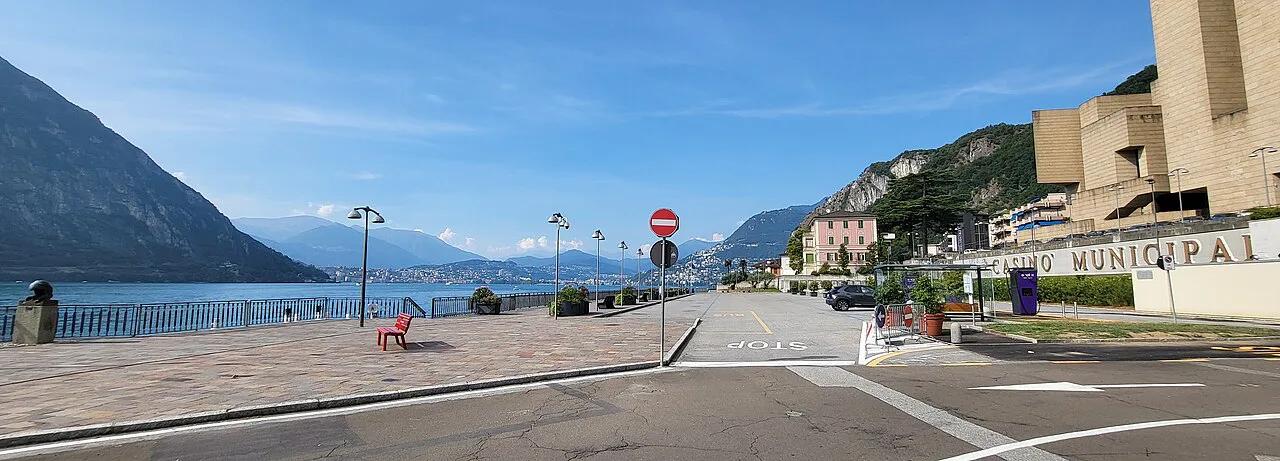
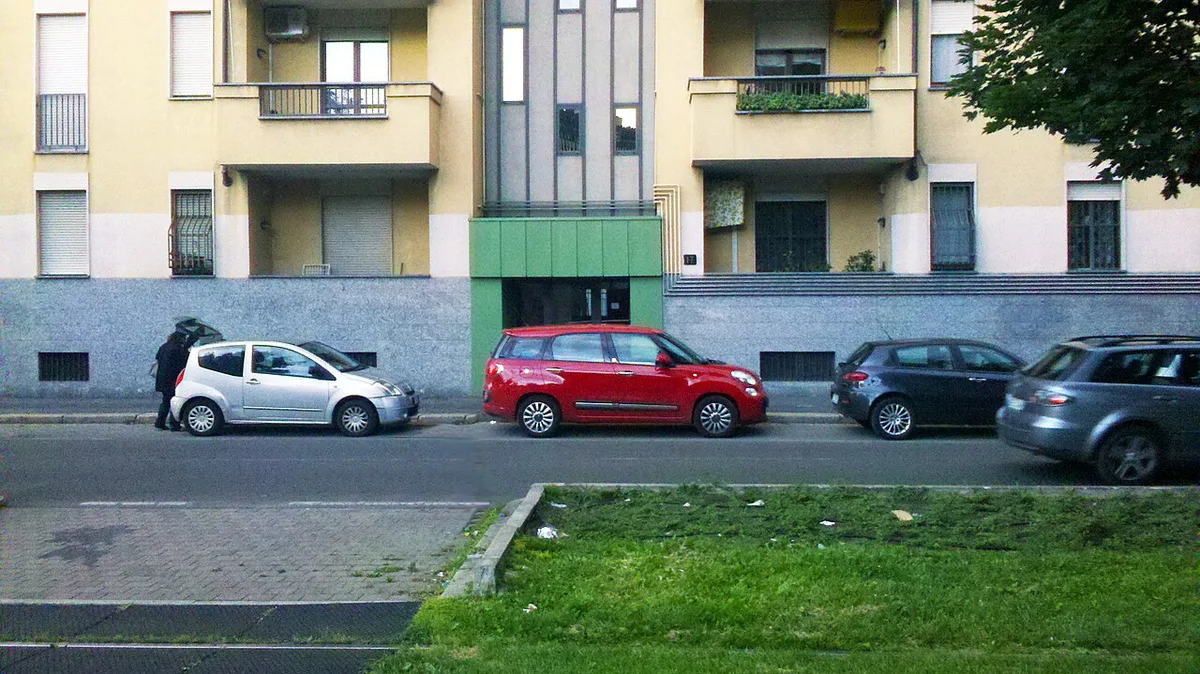
Featured image: DI Florian Fuchs, CC BY 3.0, via Wikimedia Commons.
Quick answer: how parking works in Italy
Three line colours cover most street parking. Blue means you pay. White usually means free, with possible time or resident limits. Yellow means reserved, so leave the bay alone. Cameras guard the entrances to historic centres, so the safest default is to leave the car at the edge of town. From there you walk, or ride a bus, tram or metro in.
Parking line colours explained
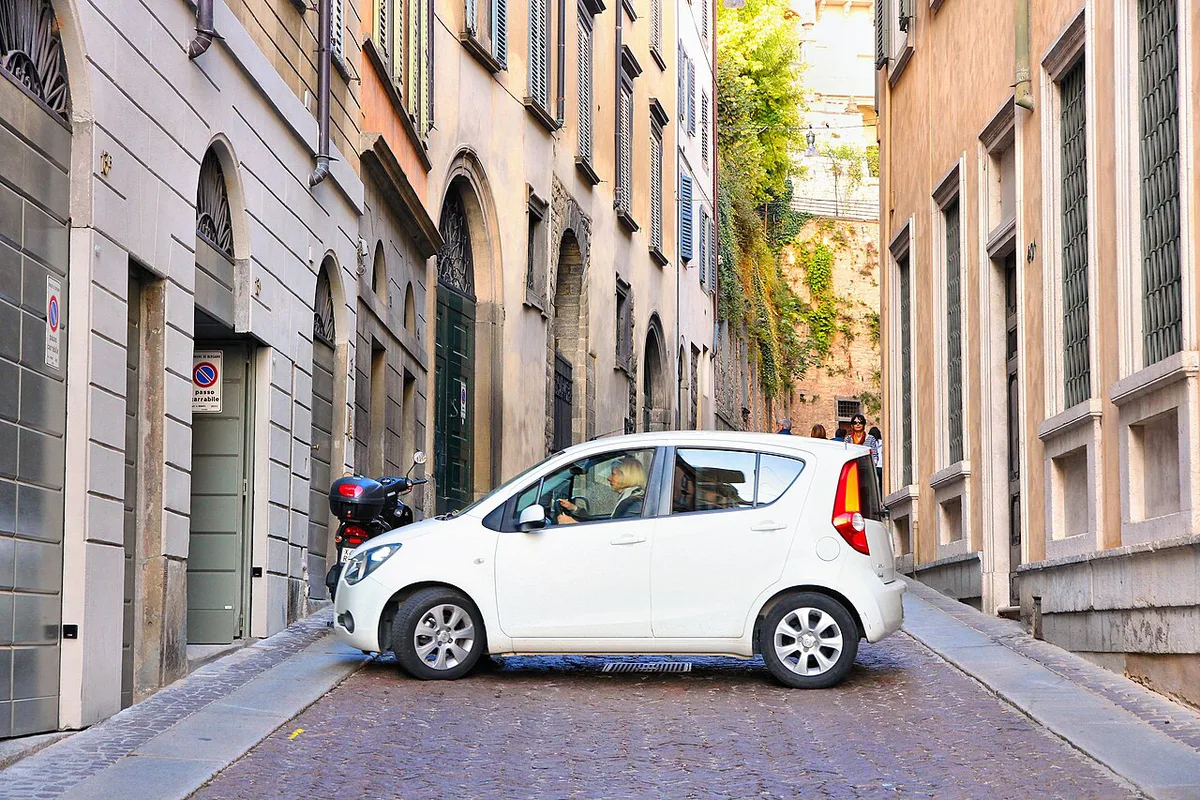
Check the colour first, then read the nearest sign for hours and exceptions. Signs override your assumptions, especially on white lines. For the wider rulebook, see our guide to Italian driving rules.
| Line colour | What it means | What to check |
|---|---|---|
| Blue | Paid parking, pay-and-display or via an app | Posted paying hours, maximum stay, where to buy the ticket |
| White | Usually free | Time limits, resident-only signs, market-day or street-cleaning restrictions |
| Yellow | Reserved, for example for residents or disabled drivers | Do not park unless the sign clearly allows you |
ZTL zones: the fine you can't see coming
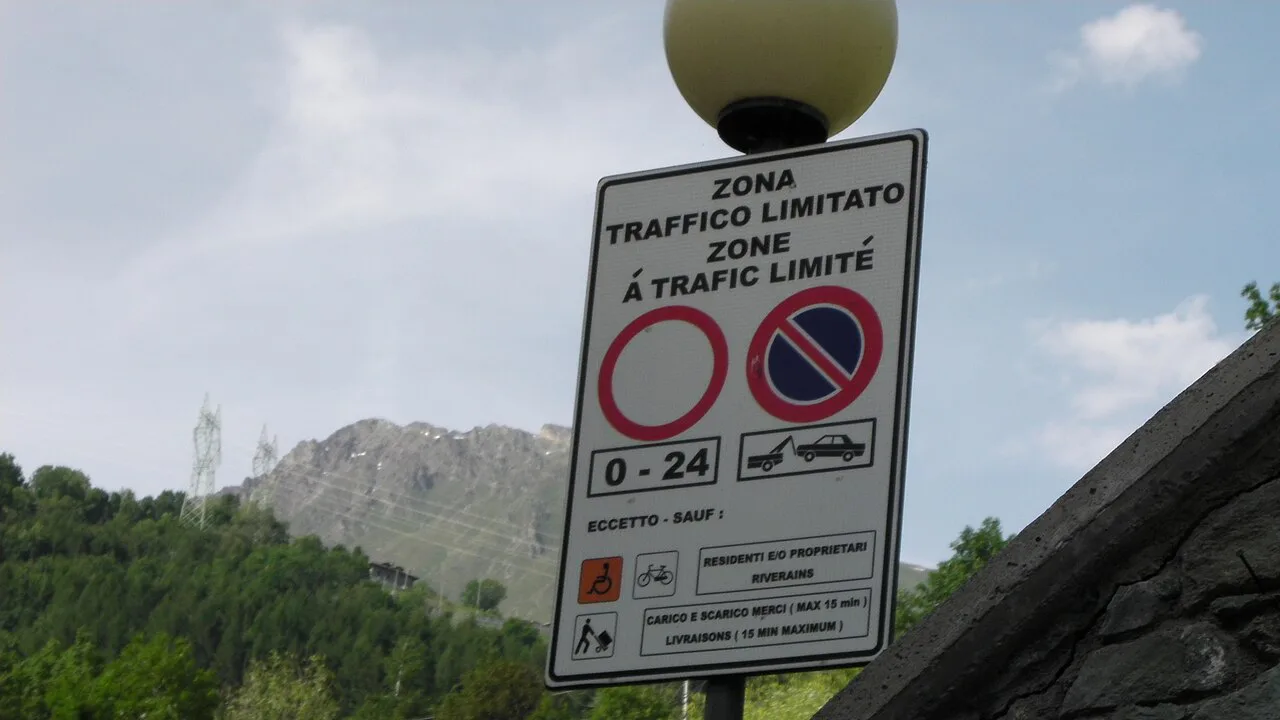
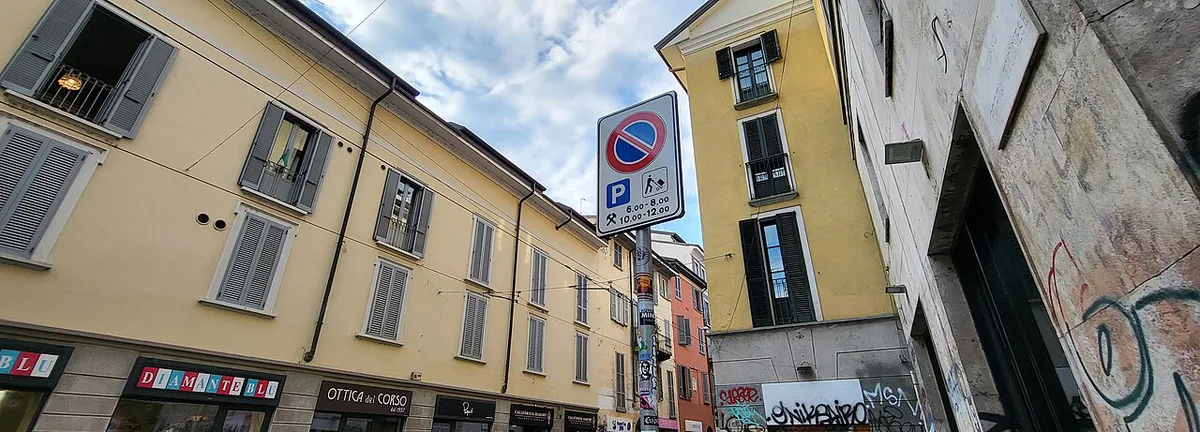
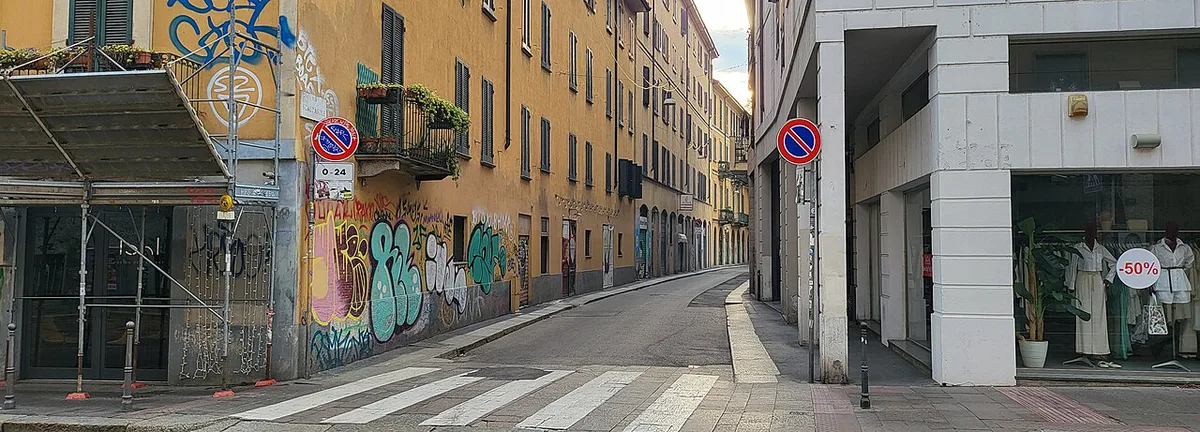
ZTL stands for zona a traffico limitato, a restricted traffic zone. Cameras read your plate as you pass the entrance, so no officer stops you and no one warns you. Entrances carry signs that show when the restriction is active, and the national rules sit with the Ministry of Infrastructure and Transport. Your GPS may route you straight through one, so watch for the sign rather than the screen.
Follow three habits in any old centre. Ask your hotel before arrival whether it sits inside a ZTL and can register your plate. Park outside the zone if it cannot. Expect any fine to reach you weeks after the trip.
With a rental car, the notice goes to the rental company first. Companies often forward your details and add an administrative fee of their own. Our guide to Renting a Car in Italy: Costs, Insurance, ZTL & Tips (2026) explains how to read the fine-handling terms before you sign. Florence publishes its own zone maps and hours through the Comune di Firenze.
Do you need a car at all?
City-only trips to Rome, Florence or Milan rarely need a car. Trains and local transit reach the main sights, and you skip both the garage bill and the ZTL risk. Rural Tuscany, Sicily and Sardinia are different. Villages, beaches and farm stays often have no practical public transport. Our Italy driving hub helps you decide, and US readers should also read about driving with a US license.
Where to park by destination type
Each destination type has a different trade-off between cost, walking distance and risk. Cost levels below are relative, not quoted prices.
| Destination | Typical option | Cost level | Walking distance | Main risk |
|---|---|---|---|---|
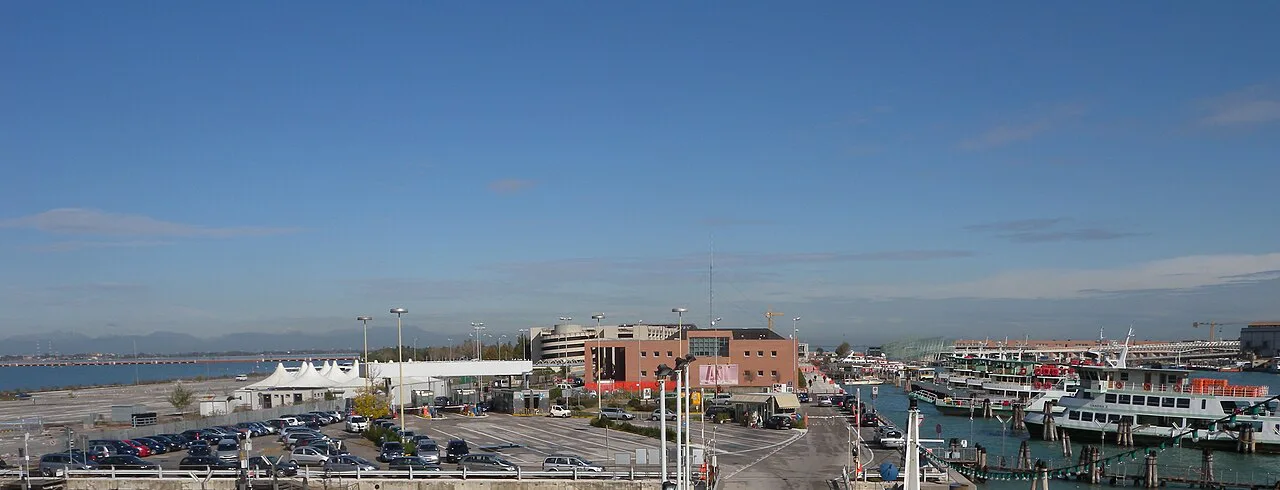
| Rome, Florence, Milan | Park-and-ride or garage at the edge, then transit in | Medium | Short walk plus a transit ride | Drifting into a ZTL |
| Tuscan hill towns | Lots outside the walls | Low to medium | Often uphill, a few minutes on foot | Tight lots on busy days |
| Amalfi Coast towns | Paid garages or scarce roadside bays | High | Varies, often steep | Few spaces in summer |
| Sicily and Sardinia | Town car parks, beach lots, hotel parking | Low to medium | Varies by town | Seasonal crowding at beaches |
Parking in Tuscany, the coast and the islands
Hill towns usually want you to park outside the walls and climb in. Our guide to Renting a Car in Tuscany: Do You Need One? (ZTL, Pickup, Costs) covers the rural side. On the Amalfi Coast, space is scarce and seasonal, so read about Amalfi Coast car rental before you commit. Island drivers can start with Driving in Sicily: Roads, ZTL Zones, Tolls and Rental Tips and Sicily car rental. For Sardinia, see our guide to car hire in Sardinia. Some towns restrict access on market days, so check locally.
How to pay for street parking
Blue bays are normally pay-and-display. You buy a ticket from a nearby machine and leave it visible on the dashboard. Coin and card acceptance varies by machine, so carry both. Some towns offer pay apps, but use one only if the town's own website names it. Do not count on an attendant at night. Read the sign for paying hours, because bays may be free outside them. Posted hours also settle whether you pay on a Saturday.
Garages, hotel parking and booking ahead
A paid garage costs more than street parking. It also removes the fine risk, the hunt for a bay and the chance of a break-in. Choose one when you arrive in a city late or carry luggage. Ask your hotel whether it has parking, whether you must reserve a space, and what size limits apply. Check height limits if you drive a larger car or carry a roof box. Reserve ahead in peak summer, especially on the coast. Save the address of your park-and-ride or garage offline before you set off.
Mistakes to avoid
Most parking trouble in Italy comes from a short list of avoidable errors.
- Following GPS into a ZTL.
- Parking in a yellow bay.
- Ignoring a resident-only sign.
- Leaving valuables visible in the car.
- Skipping the hours printed on the sign.
- Assuming the rental company will absorb a fine.
Pre-trip checklist
Run through these steps before you collect the car.
- Ask your hotel about ZTL registration.
- Get the rental company's fine-handling policy in writing.
- Check garage height limits.
- Save the park-and-ride address offline.
- Read our notes on Toll Roads in Italy: How to Pay, Costs & Tips for Drivers.
- Review Italian speed limits too.
Frequently Asked Questions
How to know if parking is free in Italy?
White lines usually mean free parking. Read the nearest sign for time limits, resident-only rules or market-day bans.
Do you have to pay for street parking on a Saturday?
Blue bays are paid during the hours printed on the sign or machine, which can include Saturday. Read the posted hours before you walk away.
Road-rule changes worth knowing
Optional updates to our guides.
You might also like
Continue reading
More guides you'll find useful