6 Things to Know About Driving in Italy: ZTL, Tolls & Rules
What to know before driving in Italy: license and IDP, ZTL zones, speed limits, tolls, parking and fines, plus where renting a car is worth it.
On this page
Last updated November 2026: driving in Italy is worth it for Tuscan hill towns, coastal roads and small villages, and a poor idea inside Rome or Florence. Four hazards cost visitors money: ZTL cameras, speed cameras, missing paperwork and toll-lane mistakes. Use this hub to decide where to drive, then follow the links to the detailed guide for each topic.
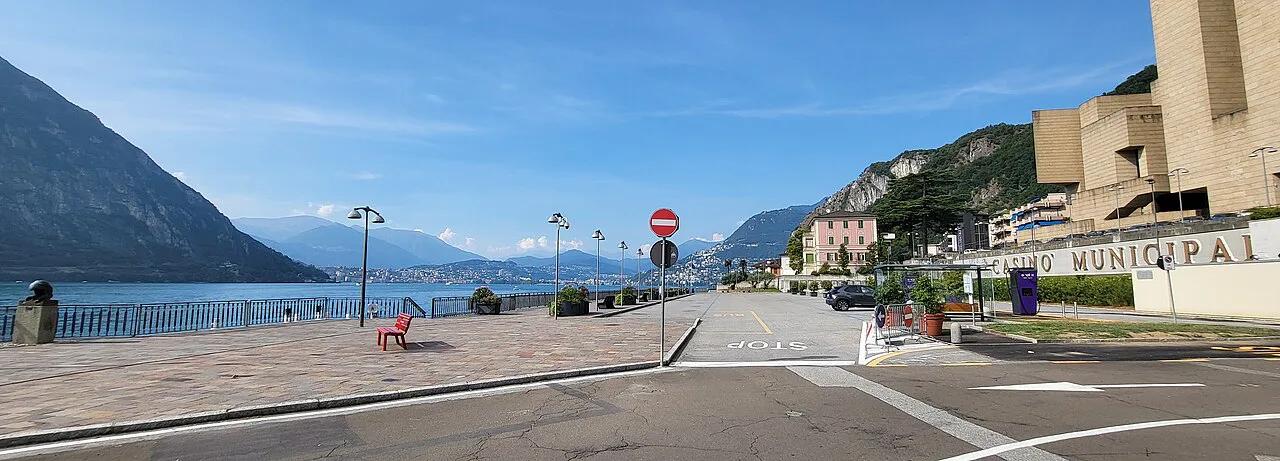
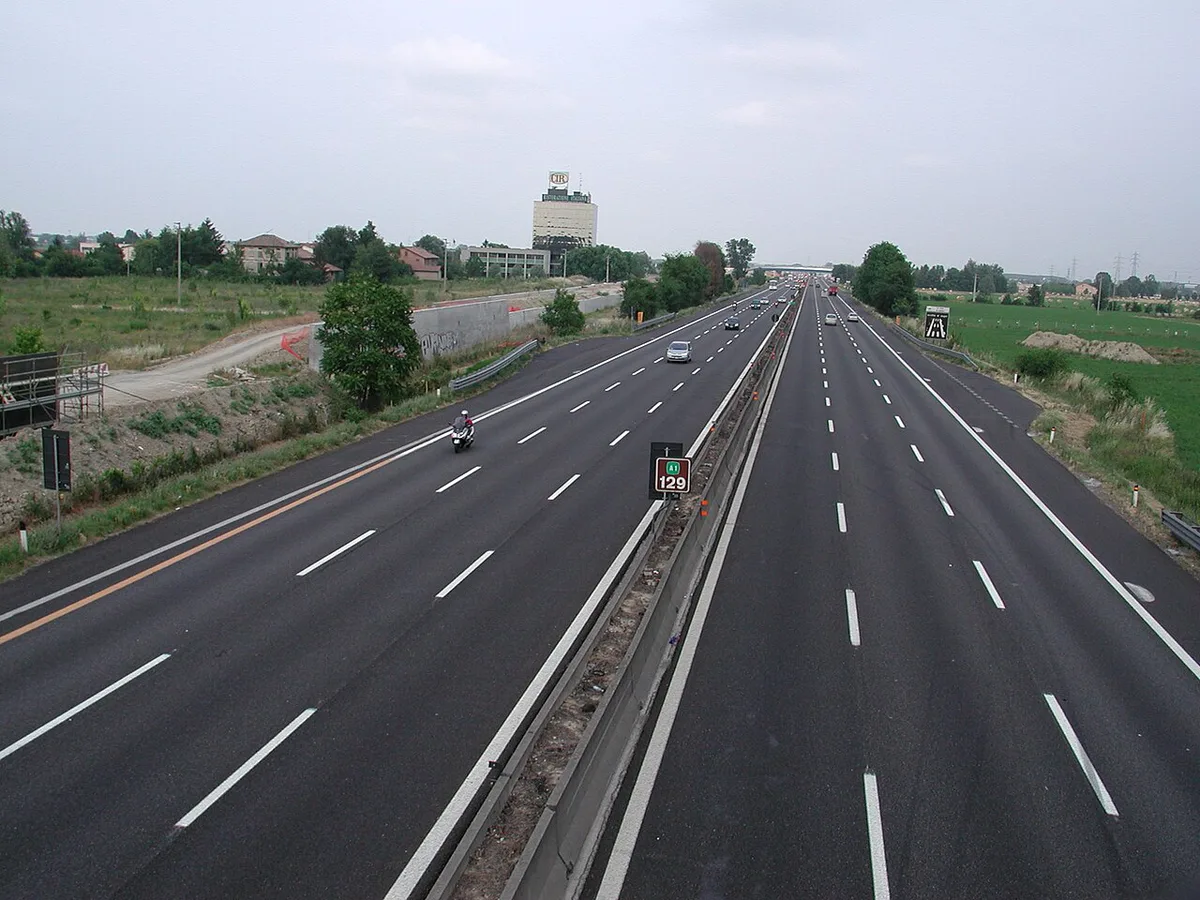
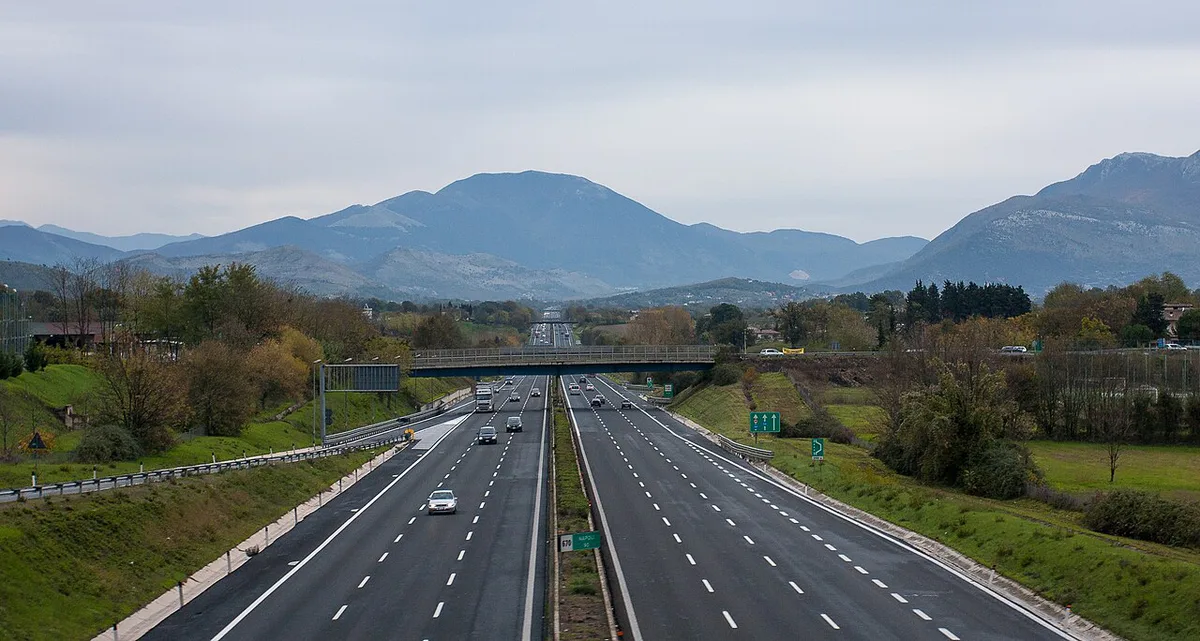
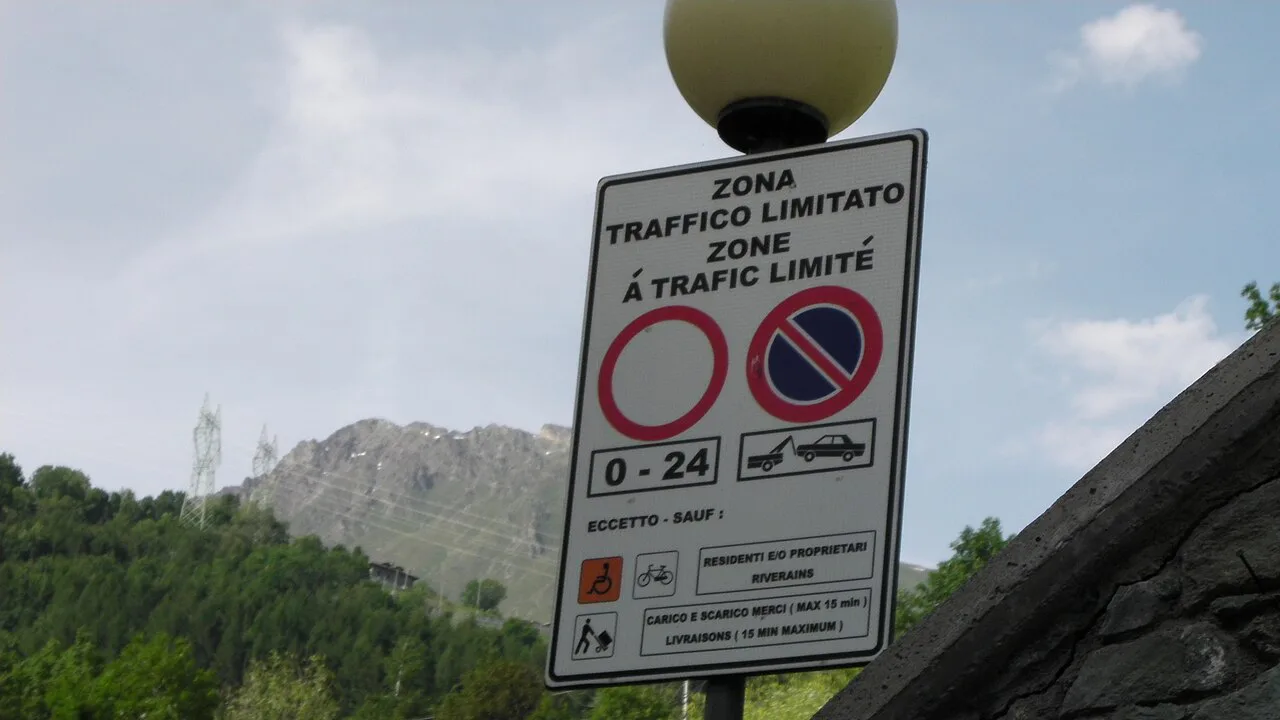
Featured image: PROPOLI87, CC BY-SA 4.0, via Wikimedia Commons.
Should You Drive in Italy? A Quick Verdict
Cities punish drivers, while the countryside rewards them. Italy's historic centres use restricted-traffic zones called ZTL, where cameras can trigger fines of up to about €350. Parking is the second problem, so most visitors take trains between big cities and rent a car only for the rural stretch. Small towns and islands are the reverse case, because public transport thins out and a car becomes the practical way to reach them.
| Situation | Verdict | Why |
|---|---|---|
| Rome, Milan and other big cities | Skip the car | ZTL cameras, scarce parking and heavy traffic |
| Tuscany and rural areas | Drive | Hill towns and wineries are easiest by car; see Renting a Car in Tuscany: Do You Need One? (ZTL, Pickup, Costs) |
| Amalfi Coast | Think twice | Tight roads and little parking; see Amalfi Coast car rental |
| Sicily | Usually needed | Distances between sights are long; see car rental in Sicily |
| Sardinia | Usually needed | Beaches and villages sit far from stations; see car hire in Sardinia |
Driving in Italy: 6 Things to Know Before You Pick Up the Keys
Prices and hours checked November 2026. Each item below summarises one topic and points to a dedicated guide. Figures such as ZTL hours of 8:00 to 20:00 and a 130 km/h motorway limit are typical values, and local signs override them.
| Road class | Limit | In mph |
|---|---|---|
| Urban areas | 50 km/h | 31 mph |
| Secondary roads | 90 km/h | 56 mph |
| Main extra-urban roads | 110 km/h | 68 mph |
| Motorways (autostrade) | 130 km/h | 81 mph |
| Motorways in rain | 110 km/h | 68 mph |
| Novice drivers on motorways | 100 km/h | 62 mph |
1. License and IDP paperwork
Carry your home license, your passport and proof of liability insurance whenever you drive. Drivers from the US and other non-EU countries should add an International Driving Permit, which is a translation booklet and not a license. Rental counters often skip the question, but police can ask for the permit after a stop or an accident. A US permit is issued through AAA and stays valid for one year.
Keep a reflective vest and a warning triangle in the car, since both are required equipment. Our guide to US license rules covers the paperwork in detail. Read the rental pickup checklist before you reach the counter. EU license holders can skip the permit.
2. ZTL zones: the fine most visitors collect
A ZTL (zona a traffico limitato) is a restricted-traffic area in a historic centre, found in cities such as Rome and Florence. Unauthorised cars are usually barred during set hours, often 8:00 to 20:00, though each city sets its own schedule. Cameras read your plate at the boundary, and the fine can reach about €350.
Rental companies typically pass your details to the authorities, so the notice can land weeks after you leave. If your hotel sits inside a ZTL, ask it to register your plate before arrival. Florence publishes its zone rules on the Comune di Firenze site. Skip driving into any historic centre unless your hotel confirms registration.
3. Speed limits and Tutor cameras
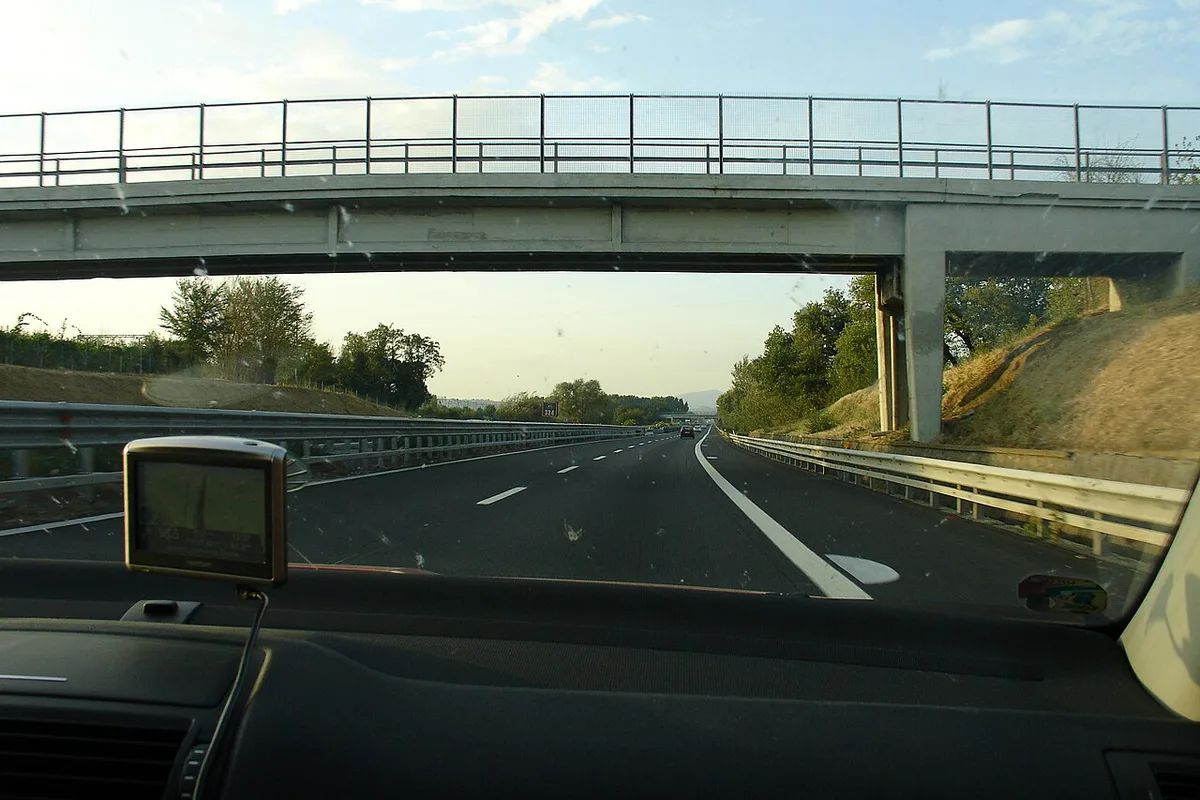
Limits run from 50 km/h in towns to 130 km/h on motorways, with the full breakdown in the table below. Rain drops the motorway limit to 110 km/h, and novice drivers with under 3 years of experience face 100 km/h on motorways. Tutor cameras measure average speed over long stretches, so slowing only at a camera does not help.
Fixed and mobile cameras also operate in urban areas. Fines scale with how far you exceed the limit, and the highest tiers can bring license suspension. The Automobile Club d'Italia is a sound place to check current fine tiers. Our Italian speed limit guide covers each road class.
4. Tolls on the autostrada
Motorways carry an A prefix and green signs, such as the A1 Autostrada del Sole linking Milan and Naples. Most autostrade are toll roads, so budget for tolls on every long transfer. You can pay by cash, card or Telepass, the electronic system run by Telepass.
Avoid lanes marked for Telepass only unless you hold a device, and pick lanes showing card or cash symbols. Toll amounts depend on distance, so price your route on the Autostrade per l'Italia site. Our toll road guide explains lane types and payment options.
5. Parking colors and traps
Blue lines mean paid parking, white lines mean free parking and yellow lines mean reserved spaces. Black-and-yellow markings mean no parking at all, and towing is a real risk. Illegal parking fines run from about €41 to €344, depending on the offence.
In blue-zone areas you may need a parking disc, which tourist offices can supply. Parking is often free on Sundays and holidays. Park outside the centre and walk in. Our parking guide lists what to look for. Skip central garages if your hotel offers a plate-registered space.
6. Rules that surprise visitors
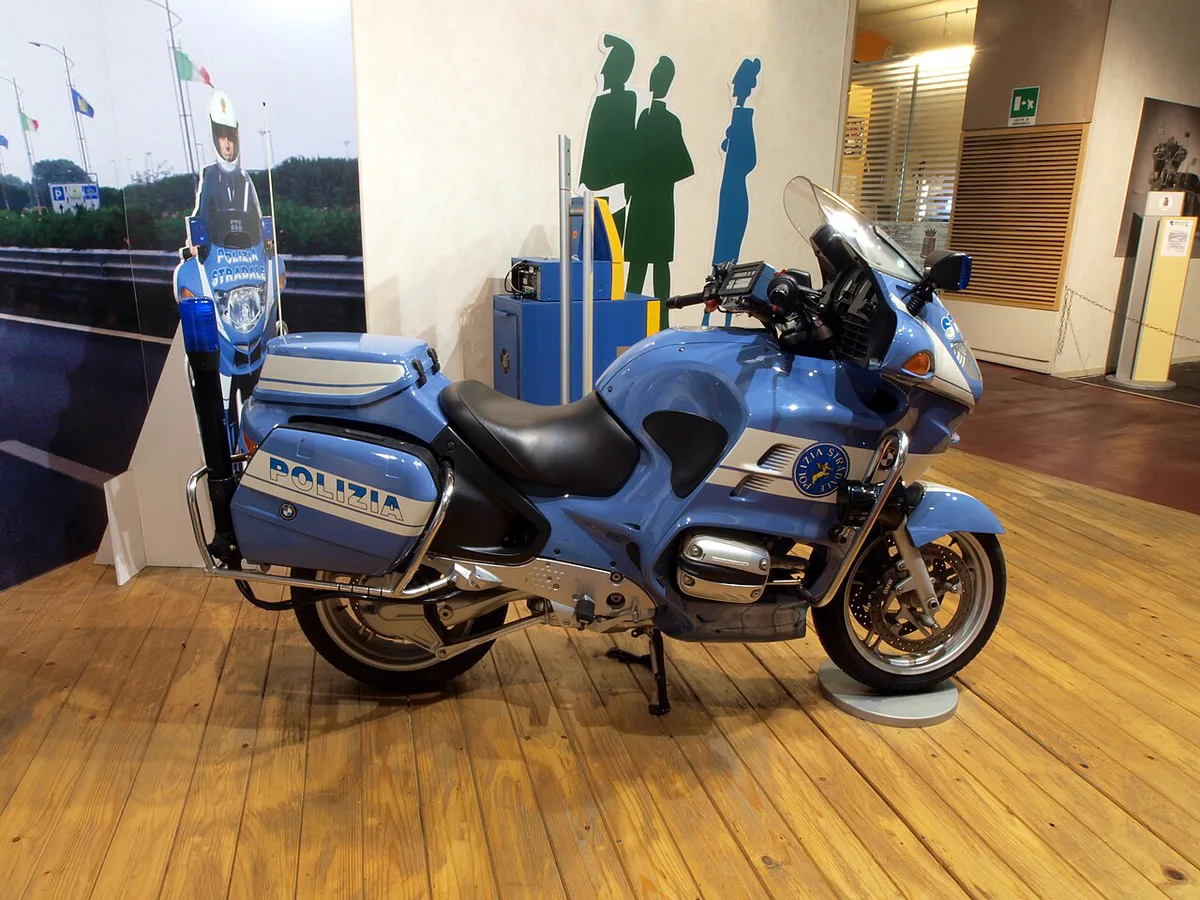
Dipped headlights are compulsory outside towns, even in daylight. Right turns on red are illegal, even after a full stop. Phones must be hands-free, and fines for holding one start around €161. Children under 12 or 1.50 m tall need an approved restraint, and pets must be harnessed in the back or carried in a crate.
Snow chains or winter tires are mandatory in snowy conditions, and the alcohol limit is 0.5 g/l. Trucks are banned on Sundays, which makes the autostrada calmer. Read the full rules guide before your first drive. Nervous drivers should skip rural night driving.
ZTL Checklist Before You Enter a Historic Center
Run these steps before every arrival in a city centre, because a single camera pass during ZTL hours of 8:00 to 20:00 can mean a fine of up to about €350. Most steps take under 5 minutes. Each one removes a common cause of surprise notices.
Keep the stakes in view: ZTL fines can reach about €350, while illegal parking runs from €41 to €344 depending on the offence.
| Step | Action |
|---|---|
| 1 | Ask your hotel whether it sits inside a ZTL |
| 2 | Request plate registration before you arrive |
| 3 | Look for a red-circle ZTL sign with active hours |
| 4 | Park outside the zone if you are unsure |
| 5 | Keep the rental contract details to match any later notice |
Road Conditions and Regional Difficulty
Italy has nearly 6,400 km of autostrade and some 288,000 km of secondary roads. Motorways are usually in good condition in the north and centre. In the south and rural areas, secondary roads can be narrower, winding or uneven. Mountain roads in the Alps and Apennines need a reliable car with good tires and brakes. Summer traffic jams hit northern cities and coasts, and Sundays are the worst day for coastal and lake roads. Our Sicily driving guide covers the south in detail.
| Region | Difficulty | Main risk | Who should skip |
|---|---|---|---|
| Milan and northern cities | Moderate | Summer jams and city-centre restrictions such as Milan's Area C | Anyone staying only in the city |
| Tuscany and central countryside | Easy to moderate | ZTL at hill-town gates | Nobody; this is the best use of a rental |
| Amalfi Coast | Hard | Narrow roads and scarce parking | Nervous drivers |
| Sicily and the south | Moderate to hard | Narrow, winding or uneven rural roads | Drivers who dislike uneven surfaces |
| Alps and Apennines | Moderate | Mountain roads and snow | Winter visitors without chains |
| Coasts and northern lakes | Moderate | Weekend and Sunday congestion | Anyone with fixed Sunday deadlines |
Fines, Notices and What to Do if You Get One
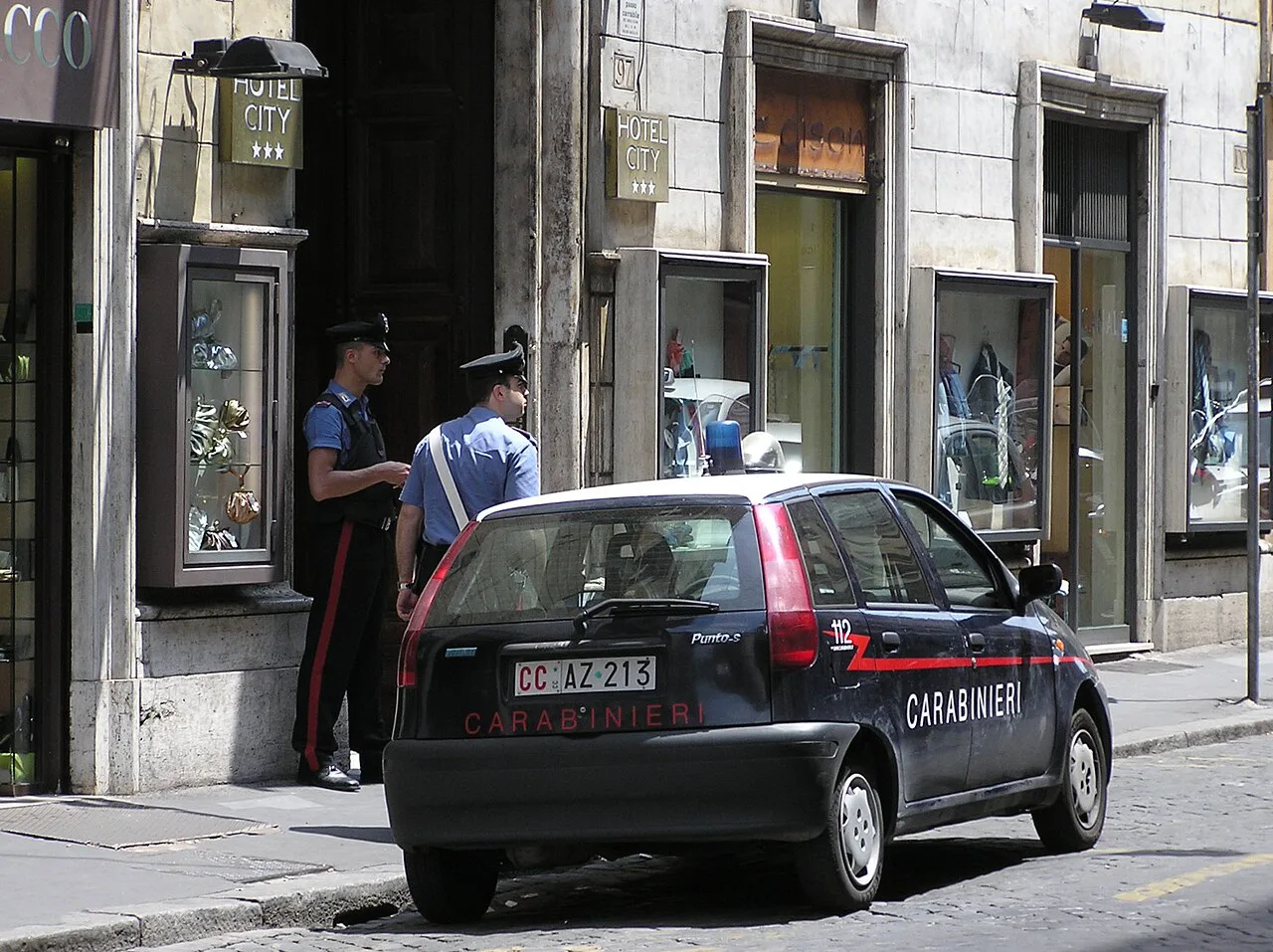
Fines follow the car, so the notice usually reaches the rental company first, which then passes on your details. Reports say notices can arrive up to a year after the offence. Police can also demand immediate payment from drivers who live abroad, so ask for a receipt. Published summaries say each license holds 20 points and each infraction removes 4. In an emergency, 112 is the EU-wide number. Dial 113 for the Polizia di Stato, 115 for firefighters and 118 for medical help.
Speed notices matter here: a license holds 20 points, and Tutor cameras measure average speed over long stretches.
Right of Way, Roundabouts and Overtaking
Drive on the right in Italy and overtake on the left. At unsigned junctions, traffic approaching from the right normally has priority. Signs and road markings override that default, so slow down before entering small-town intersections.
At roundabouts, check the yield signs at the entrance. Most modern roundabouts give priority to vehicles already circulating. Use indicators when leaving, and watch for scooters filtering through gaps beside cars.
Keep overtaking decisions conservative on rural roads. The usual limit is 50 km/h in urban areas and 90 km/h on secondary roads, but bends, crests and solid centre lines can make passing unsafe or prohibited. Never cross a solid line to get around a slower vehicle.
Give yourself extra space near parked cars, cyclists and motorcycles. Italian roads can narrow quickly at village gates, especially where pedestrians step into the carriageway.
Explore More Guides
Keep planning your trip with these guides.
Guides
- Renting a Car in Italy: Costs, Insurance, ZTL & Tips (2026)
- Driving in Italy With a US License
- Speed Limits in Italy: Motorway, Rural & Town (2026 Guide)
- Toll Roads in Italy: How to Pay, Costs & Tips for Drivers
- Parking in Italy: Colour Codes, ZTL Zones & Where to Park
- Driving Rules in Italy: Speed, ZTL, Tolls & Documents
- Car Rental in Sicily
- Driving in Sicily: Roads, ZTL Zones, Tolls and Rental Tips
- Car Hire Sardinia: Airports, Costs & Pick-Up Tips
- Renting a Car in Tuscany: Do You Need One? (ZTL, Pickup, Costs)
- Car Rental on the Amalfi Coast
Road-rule changes worth knowing
Optional updates to our guides.
You might also like
Continue reading
More guides you'll find useful