Car Hire Sardinia: Airports, Costs & Pick-Up Tips
Plan car hire in Sardinia. Compare Cagliari, Olbia and Alghero pick-up, understand costs and deposits, and avoid damage disputes.
On this page
Last updated November 2026: car hire Sardinia is the default choice for most visitors, because buses reach many villages only 1–2 times a day and some beaches not at all. This guide compares pick-up at Cagliari Elmas, Olbia Costa Smeralda and Alghero Fertilia, then covers costs, deposits and damage-claim protection. For national rules, start with our driving in Italy guide.
Featured image: Air fans, CC0, via Wikimedia Commons.
Do you need car hire in Sardinia?
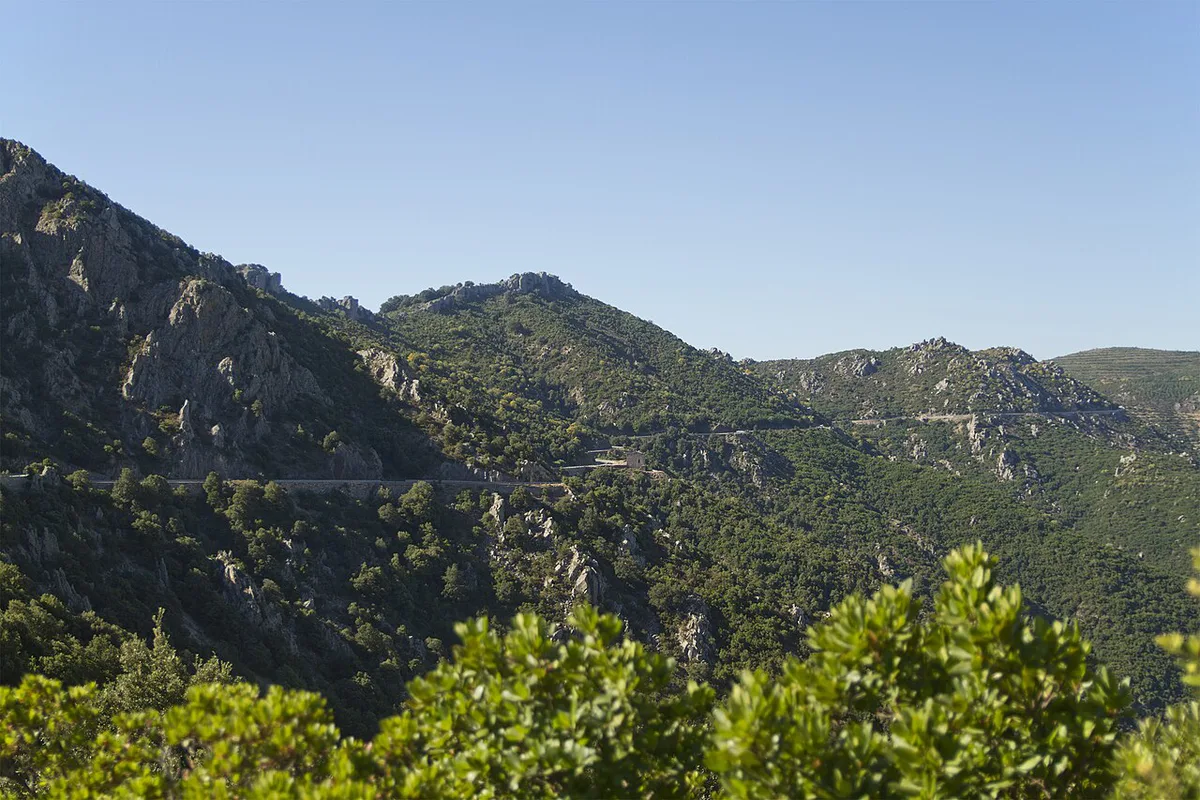
Short answer: yes, if you plan to leave one town. Sardinia has a fairly developed bus network, but many places see a bus only 1–2 times a day. Some beaches have no public transport at all. A car links the south coast, Gallura in the northeast and the interior on your own schedule. Regional visitor information is published by Sardegna Turismo, which helps when you map villages against bus access. In our editorial assessment, the interior and the beach coves are where hiring pays off most.
If a village sees a bus only 1–2 times a day, compare that against a pre-booked transfer for a single-resort stay.
- Staying in one resort: a pre-booked transfer or taxi may cost less than a week of hire.
- Based in Cagliari only: the old town and the airport train link work without a car.
- Based in Alghero old town only: you can walk the centre and add taxis for single beach trips.
Which airport to collect from: Cagliari, Olbia or Alghero
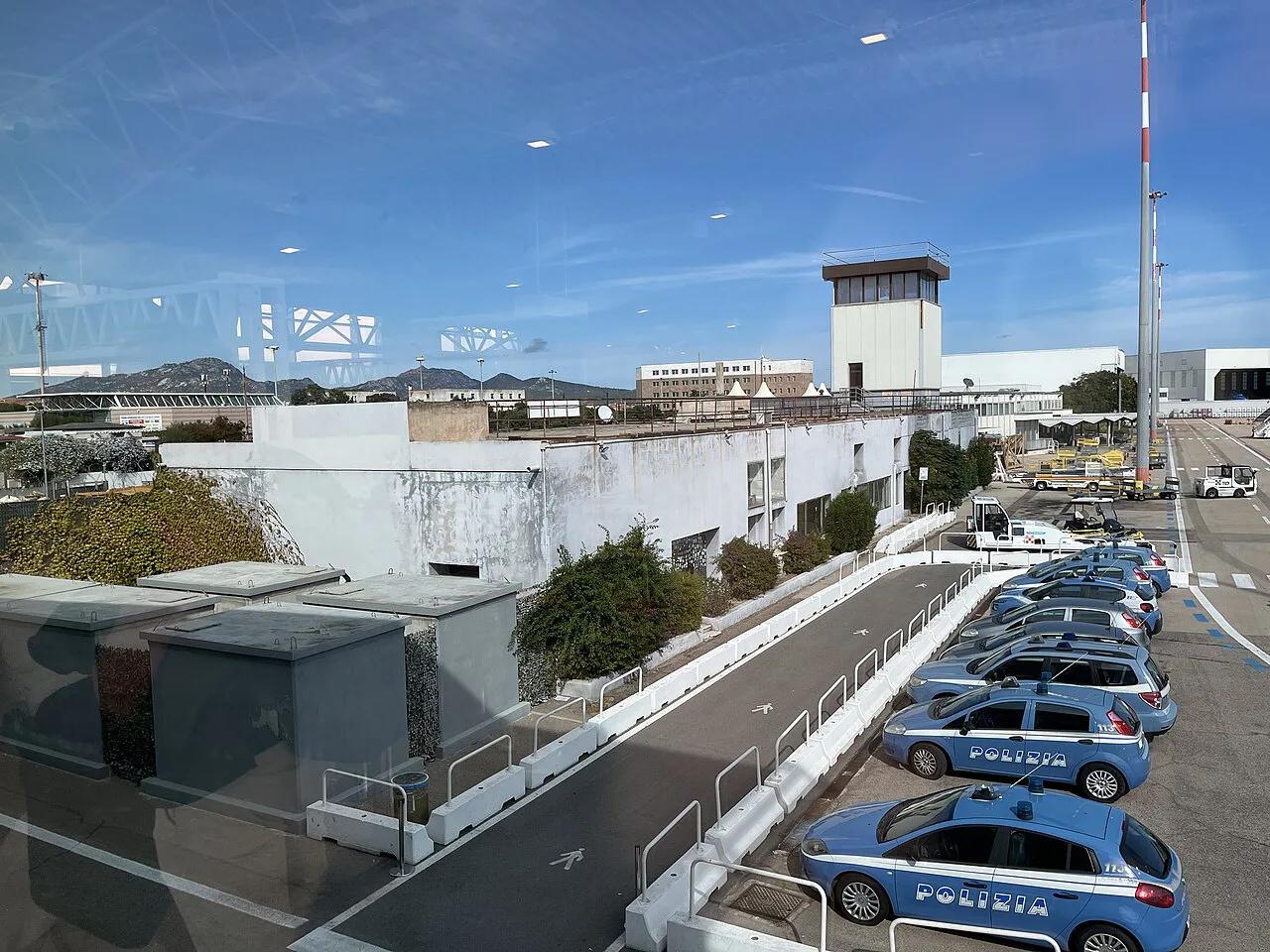
Pick the airport closest to your first night, not the cheapest flight. Collecting in the south and returning in the northeast creates an open-jaw trip, and agencies often add a one-way fee. Compare that fee before you book. Desks at Cagliari and Olbia include international brands such as Sixt, alongside Italian firms such as Locauto. Winter opening hours can be shorter, so match the desk hours to your landing time, especially on late flights.
| Airport | Best for | Drive-time trade-off | Caution |
|---|---|---|---|
| Cagliari Elmas | South coast and Cagliari city | Good base for the south; the interior means winding secondary roads | Compare one-way fees if you finish elsewhere |
| Olbia Costa Smeralda | Gallura, Costa Smeralda and the northeast | Shortest start for northeastern beaches | Summer desk queues are reported; book early |
| Alghero Fertilia | Alghero and the northwest | Best start for the northwest coast | Check desk hours for late arrivals |
Car hire costs and what changes the price
Prices swing by tens of percent between winter and summer, and early booking is cheaper. Longer rentals also lower the daily rate. Prices and hours checked November 2026. The figures below are 2026 estimates from a travel-community guide, based on booking about 5 months ahead. Treat them as an illustration, not a quote. Insurance is included by some companies and costs roughly €5–10 per day extra at others.
Summer desk queues at Olbia are reported, and booking 5 months ahead is cheaper, so reserve early for both.
| Rental length | Summer (from) | Winter (from) |
|---|---|---|
| 4 days | €100 | €80 |
| 7 days | €250 | €120 |
- Season: summer is far dearer than winter.
- Booking window: reserving 5 months ahead beat booking 1 month ahead in the same guide.
- Cover: compare full-excess cover with the cheaper deposit-heavy option.
- Extras: child seats, automatic gearboxes and one-way drops should be priced before you pay.
Documents, licence and card requirements
EU licences are accepted without an international driving permit. Drivers with non-EU licences should carry a permit, and Italian rules can be stricter than rental desks suggest. Check permit guidance with ACI before you fly. US readers should read our guide to US licences in Italy. Rental firms usually require a credit card. Debit cards are sometimes accepted, but on worse terms or with a deposit that can exceed €1,000. Travelers without a credit card should ask about this before booking. For general rental steps, see our Italy car rental guide.
Choosing the right car for Sardinian roads
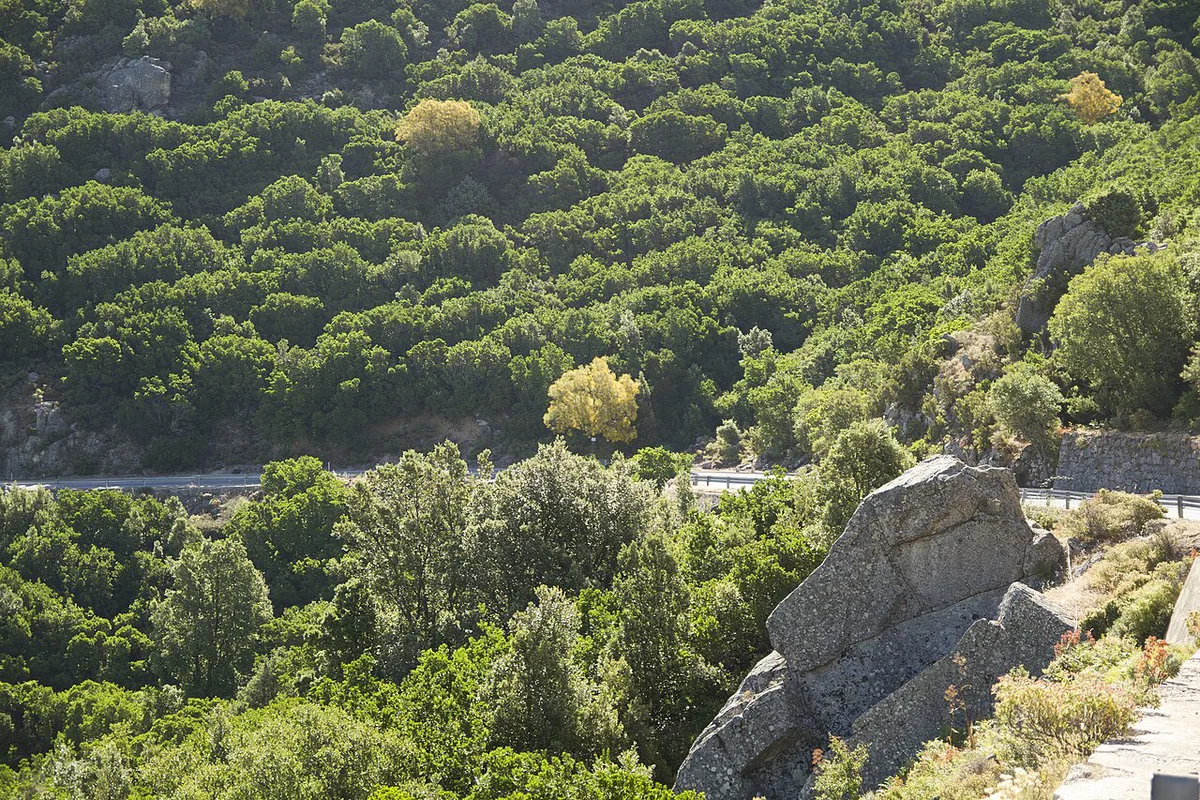
Main roads are in very good condition. Secondary roads are very winding and often poor. A compact or small SUV handles tight village corners better than a large estate. One reviewer praised a compact SUV for exactly that reason. Luggage space is the trade-off, so test it against your bags. Manual cars are typically cheaper and easier to find, so book an automatic early. If your route includes unpaved beach tracks, read the contract to see whether those roads are covered.
Pick-up and drop-off checklist to avoid damage disputes
Reviewers describe post-rental charges, such as a scratch claim, a card charge two days after return, and an invoice that grew through an administration fee. These are traveler reports, not claims about any named company. A few minutes of evidence protects you.
- Film the whole car at pick-up, including bumpers and the underside edge where you can see it.
- Get every existing mark written on the damage form and signed.
- Confirm the fuel policy, usually full-to-full, and keep the final fuel receipt.
- Check the spare wheel, jack and emergency numbers before leaving the car park.
- Repeat the video at drop-off, with the agent present and the date visible.
- Ask for a written final invoice before you leave.
- Read any tablet screen before you sign, and check the amount shown.
Driving in Sardinia: fuel, parking, speed, tolls and ZTLs
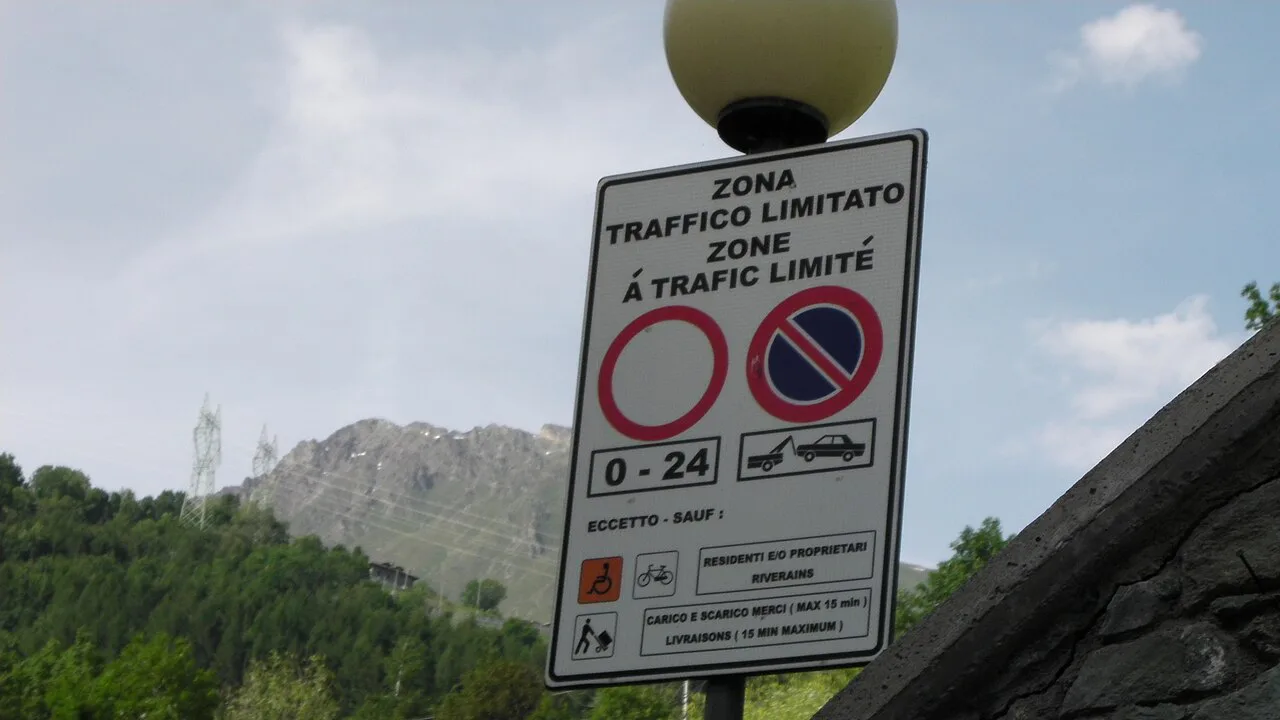
Fuel runs about €1.65–2 per litre in 2026, which is above average for Europe. Petrol stations are common in all major towns. Parking is charged at most touristy places, at about €5–8 per day, and large car parks serve most beaches. Our Italy parking guide explains the markings. General limits are 50 km/h in villages and 110 km/h outside them, but mountain roads rarely allow that pace. Details are in our Italy speed limit guide. Many main roads on the island are toll-free, but read our toll road guide before you rely on that. Old towns such as Cagliari's Castello and Alghero's centre may have limited traffic zones, so park outside and walk in. Fines for entering are explained in our Italy driving rules guide. Expect little use of turn signals, and take care at junctions in small villages.
Local rental companies vs international brands and comparison sites
Judge firms by terms, not by logo. Comparison sites sort results by your criteria, which helps for price. Local firms may offer door-to-door pick-up or no-credit-card terms, so ask directly. Whichever you choose, compare these points side by side.
- Excess and deposit amount.
- Fuel policy and refuel location near the airport.
- Opening hours for your arrival time.
- Written damage procedure and final invoice process.
- Pay-at-desk upsells, which are a common surprise.
Planning other Italian islands and regions
Comparing islands? See car rental in Sicily. Our Sicily driving guide sits alongside it.
Frequently Asked Questions
Is it expensive to rent a car in Sardinia?
It depends on the season. A 2026 guide lists 7-day rentals from about €120 in winter and €250 in summer when booked early. Insurance can add €5–10 per day.
How much does it cost to hire a car in Italy?
Costs vary by region and season. In Sardinia, 4-day rentals start from about €80 in winter and €100 in summer. Our rental guide for Italy covers national rules.
Road-rule changes worth knowing
Optional updates to our guides.
You might also like
Continue reading
More guides you'll find useful