Speed Limits in Italy: Motorway, Rural & Town (2026 Guide)
Italy's speed limits by road type, wet-weather rules, Tutor and camera enforcement, fines, and what rental-car drivers should know before the trip.
On this page
Last updated November 2026: speed limits in Italy are 130 km/h on motorways, 110 on main extra-urban roads, 90 on other rural roads and 50 in towns. Posted signs override these defaults, and rain lowers the motorway and main-road limits. Part of our Italy driving guide, this page covers speed only.
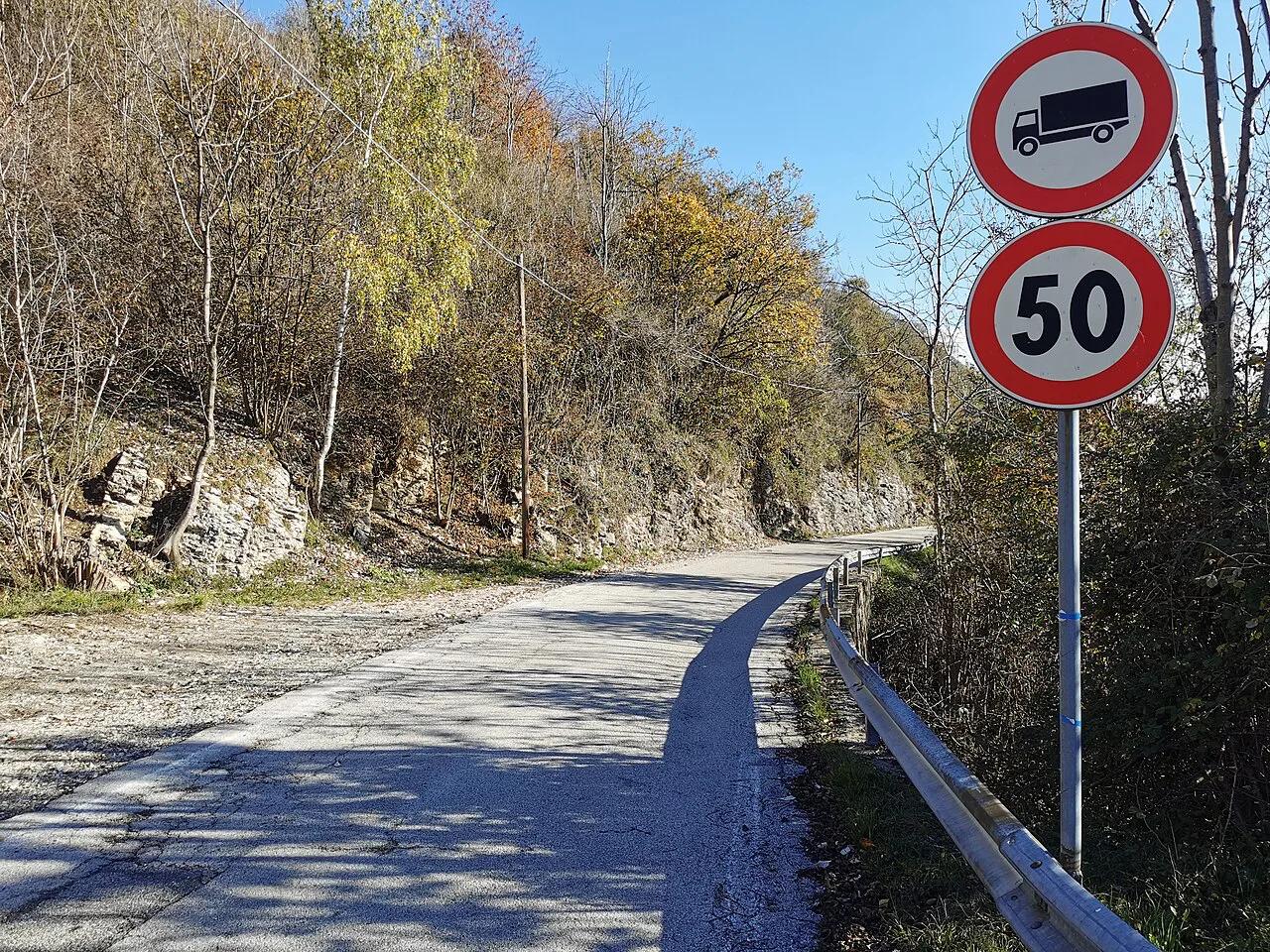
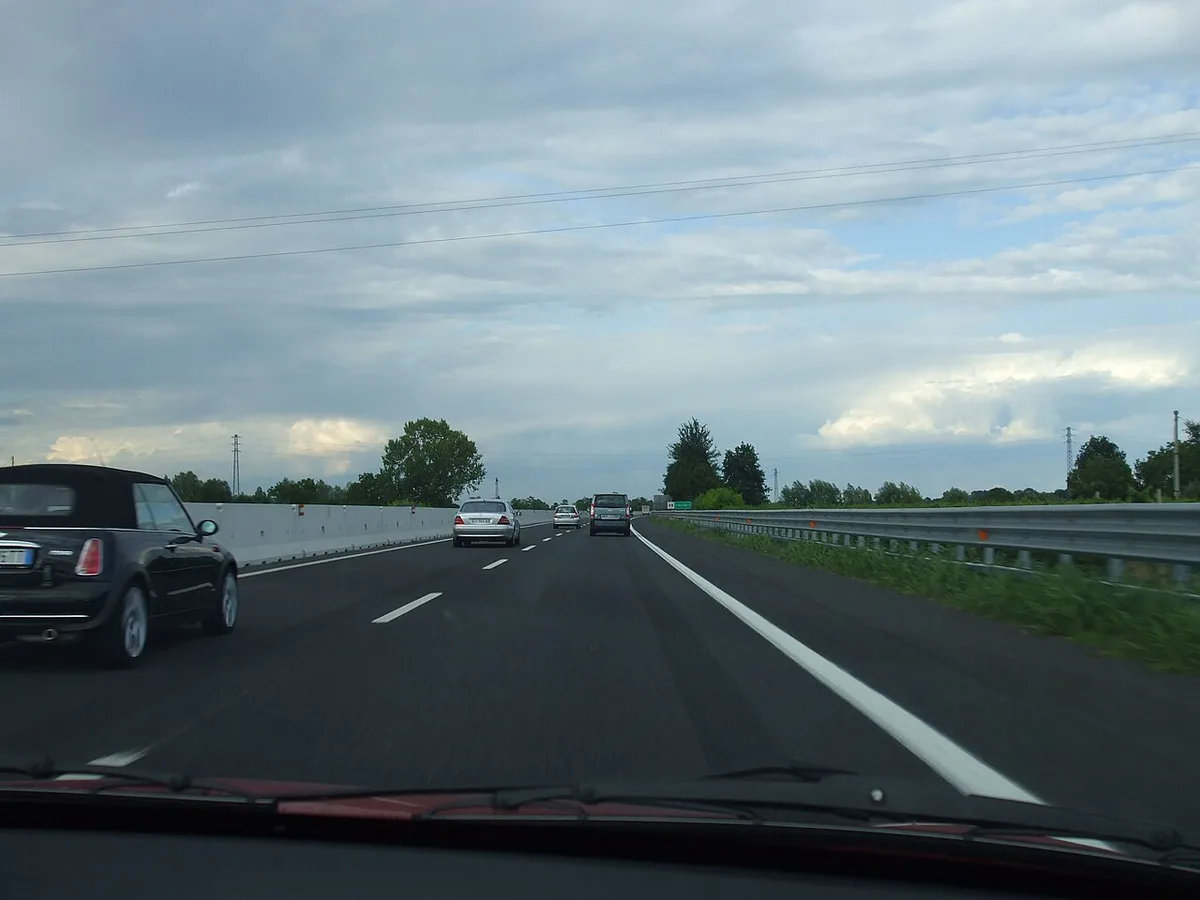
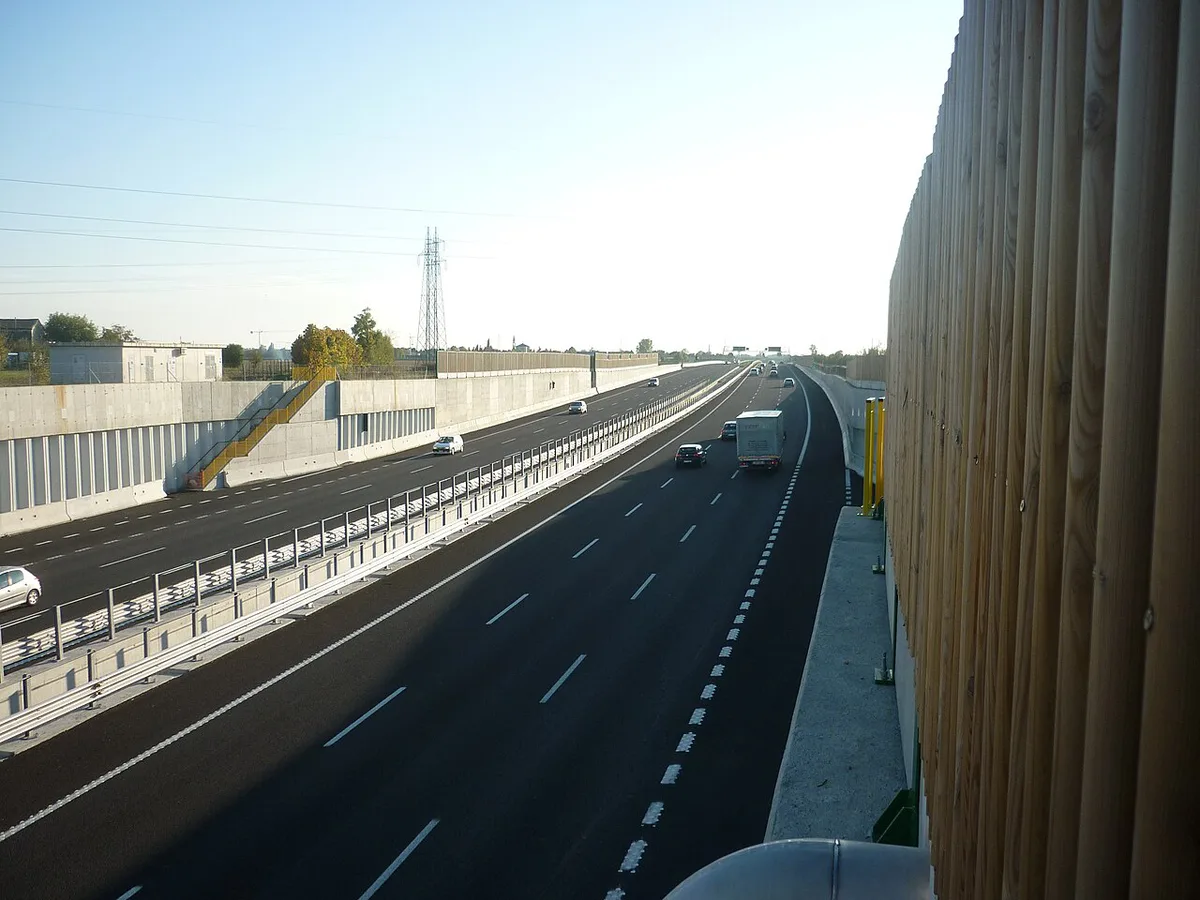
Featured image: Kaitu, CC BY-SA 4.0, via Wikimedia Commons.
Italy speed limits at a glance
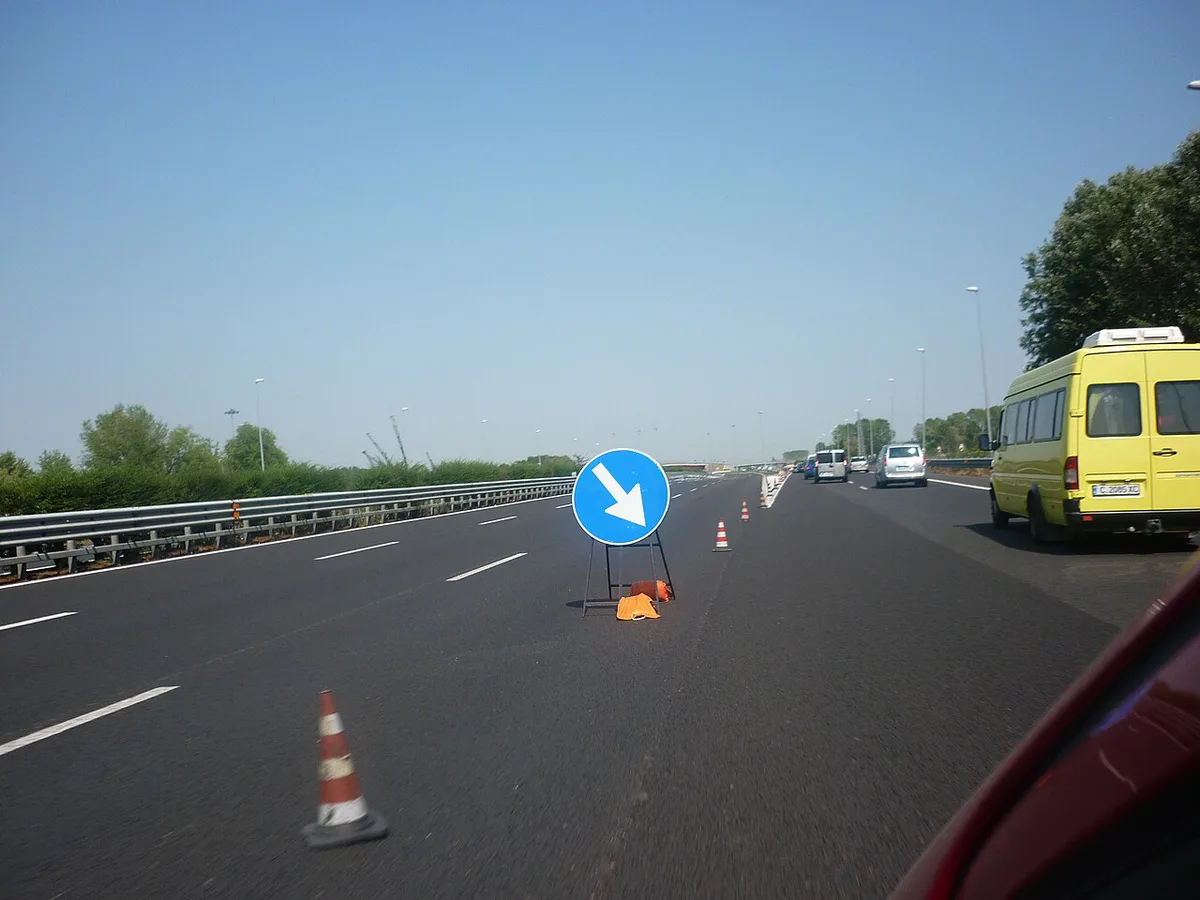
Italy sets default limits by road type under the Codice della Strada. Motorways allow 130 km/h in dry weather, which is about 81 mph. Main extra-urban roads allow 110 km/h (68 mph), and other rural roads allow 90 km/h (56 mph). Towns are capped at 50 km/h (31 mph), or up to 70 km/h where signed. In rain, the motorway and main extra-urban limits both drop by 20 km/h, while other roads keep their limit, as the table shows. These figures come from article 142 of the code, with the new-driver limits from article 117.
| Road type | Dry limit | Rain or snow | First 3 years of licence | What you'll actually do |
|---|---|---|---|---|
| Motorway (autostrada) | 130 km/h (81 mph) | 110 km/h (68 mph) | 100 km/h (62 mph) | Often lower in traffic or at roadworks |
| Main extra-urban road (dual carriageway) | 110 km/h (68 mph) | 90 km/h (56 mph) | 90 km/h (56 mph) | Watch for lower posted signs at junctions |
| Other rural road | 90 km/h (56 mph) | 90 km/h (56 mph) | 90 km/h (56 mph) | Winding roads rarely allow the full limit |
| Built-up area | 50 km/h (31 mph) | 50 km/h (31 mph) | 50 km/h (31 mph) | Zone starts at the town-name sign |
How to tell the road type from the signs
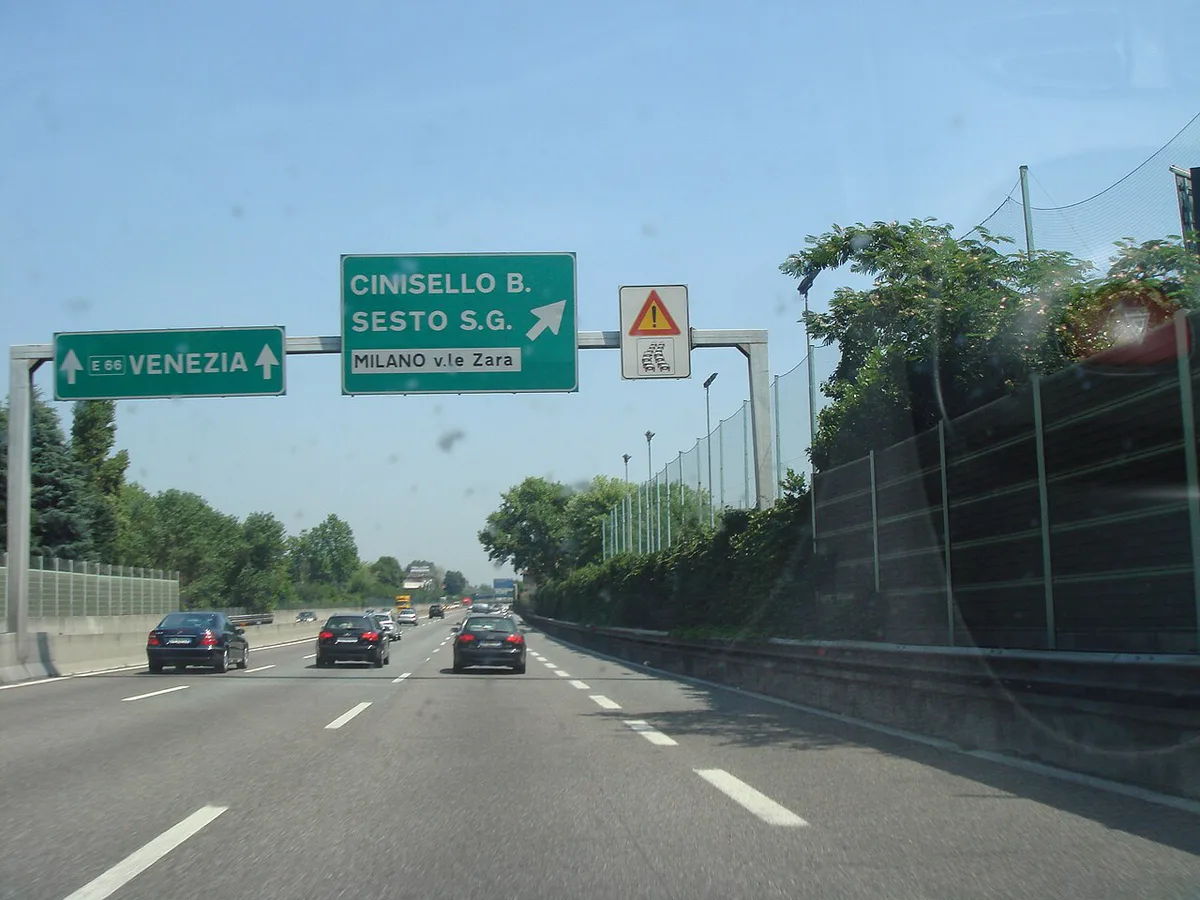
Sign colour tells you which default applies. Green signs mark motorways, blue signs mark extra-urban roads, and white signs mark urban streets. A town-name sign on the roadside marks the start of the 50 km/h zone, even when no speed sign follows. Slow down before that sign, not after it. Any posted limit beats the default for that road type. Our Italian driving rules guide covers priority, equipment and other rules beyond speed.
Rain, fog and reduced visibility
Rain or any other precipitation cuts the motorway limit from 130 km/h to 110 km/h (68 mph). Main extra-urban roads drop from 110 to 90 km/h (56 mph). The code names only those two road types, so the 90 km/h limit on other rural roads does not change in rain. Fog has no single national limit. Road operators can post temporary limits of 50 km/h on signed stretches when visibility falls below 100 metres, and the rear fog light may only be used when visibility is under 50 metres. Italian drivers often slow further in heavy rain, so keep your own pace conservative on unfamiliar roads.
Rain lowers only two limits: motorways to 110 km/h and main extra-urban roads to 90 km/h. Country roads stay at 90 km/h.
Motorway speed limit in Italy
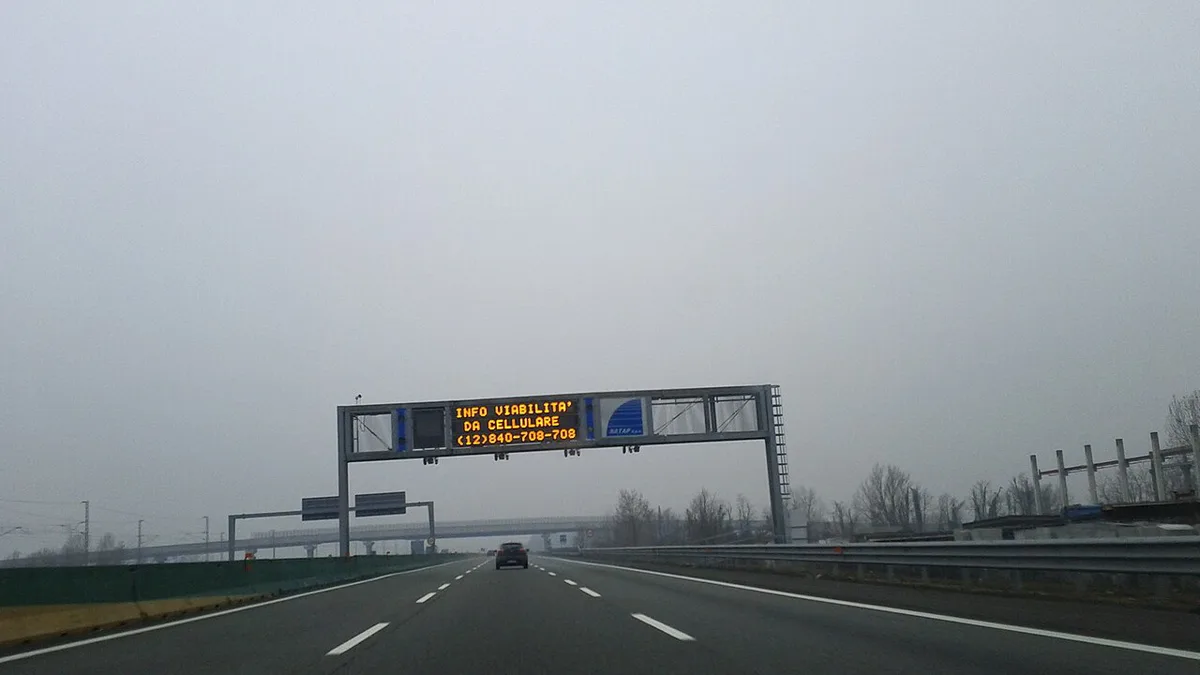
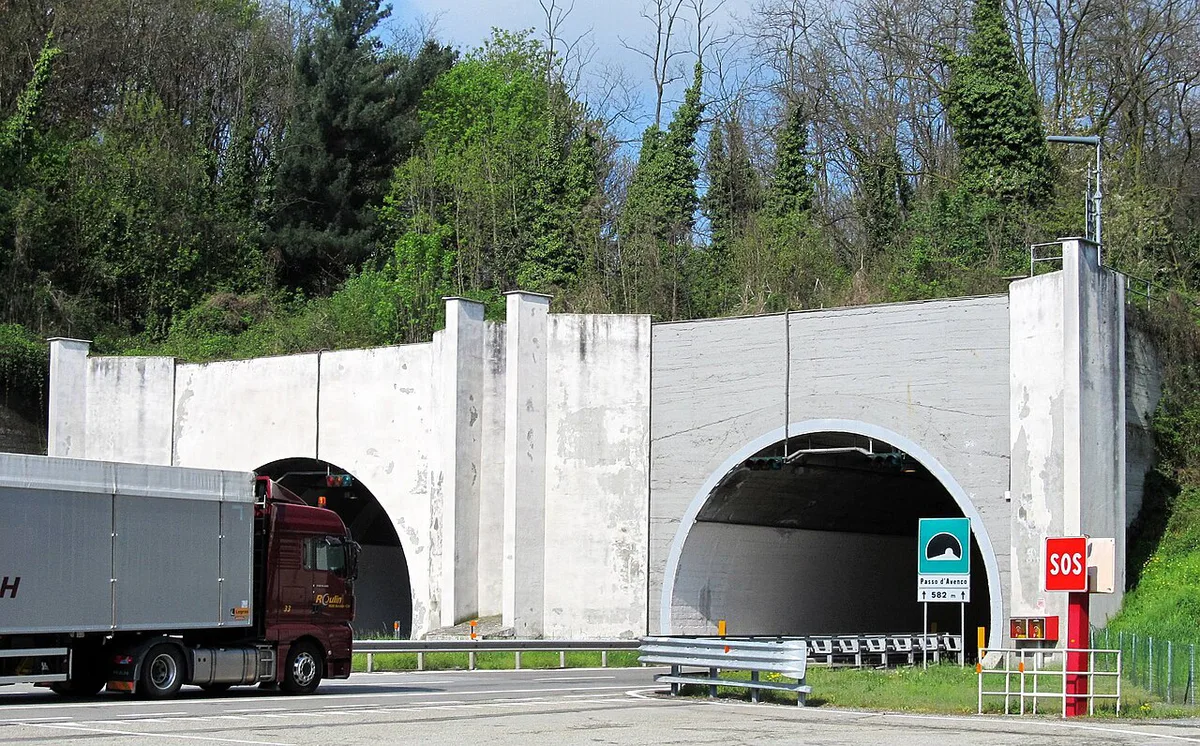
Autostrade carry the 130 km/h ceiling, and some sections post lower limits for roadworks, curves or traffic. The code lets operators raise the limit to 150 km/h on three-lane motorways with average-speed cameras, but no stretch has ever used it. Variable-speed signs can change the number during the day, so read the gantry rather than rely on memory. Tolls, booths and Telepass lanes are covered in our Italian toll roads guide. Autostrade per l'Italia publishes motorway network information on its site. Stay in the right lane unless you are overtaking.
Speed cameras, Tutor and ZTL cameras
Italy uses fixed and mobile speed cameras, called autovelox, across many road types. Motorways add Tutor, which measures average speed between two points rather than a single spot. Slowing down only at a camera sign does not help there. Readings are reduced by a tolerance of 5%, with a minimum of 5 km/h, before a fine is calculated. Treat that as a technical margin, not a safe allowance. ZTL cameras are a separate matter. They fine you for entering restricted historic centres, not for speed. Our Italian parking guide explains how to avoid those fines.
Speeding fines and penalties
Fines rise sharply with overshoot, and the worst bands add licence suspension. Figures below were checked in November 2026 against article 142 of the Codice della Strada. The inflation update due in 2025 and 2026 was frozen, so they are unchanged until at least 2027. Paying within 5 days earns a 30% discount under article 202, but not for offences that carry a suspension, which rules out the two highest bands. A handheld phone at the wheel costs €250 to €1,000 plus a suspension of 15 days to 2 months, even on a first offence. For current official figures, see the Polizia di Stato road safety pages.
| Overshoot | Fine range | Consequence | Discount for prompt payment? |
|---|---|---|---|
| Up to 10 km/h over | €42 to €173 | Fine only | Yes, 30% within 5 days |
| 10 to 40 km/h over | €173 to €694 | Fine, possible points | Yes, 30% within 5 days |
| 40 to 60 km/h over | €543 to €2,170 | Licence suspension, 1 to 3 months | No |
| Over 60 km/h | €845 to €3,382 | Licence suspension, 6 to 12 months | No |
Fines for rental-car drivers
Cameras photograph the plate, not the driver. Notices go to the registered keeper, which is the rental company. The company identifies you and usually adds an administrative fee. Fee amounts vary by company, so read your rental terms before you sign. The notice can arrive months after you return home. Budget for that delay when you plan your card limit. Our guide to renting a car in Italy covers contracts and insurance.
Paying within 5 days earns a 30% discount, yet a rental notice can arrive months after you return home.
Newly licensed drivers and reduced limits
Italy applies stricter rules to recent licence holders. For the first three years after obtaining a category B licence, the limit is 100 km/h on motorways and 90 km/h on main extra-urban roads, and the alcohol limit is zero. Everyone else faces a 0.5 g/l limit (0.05%). The code ties these rules to licence age and makes no exception for foreign licences, so if you passed your test less than three years ago, drive to the lower limits. The Automobile Club d'Italia publishes guidance for drivers in Italy.
Regional notes: islands, mountains and coast
Legal limits matter less than the road in front of you in several regions. On Sicily, mountain and inland roads twist and narrow, as explained in our Sicily driving guide. Rental planning there is covered in our Sicily car rental guide. For the island next door, see our Sardinia car hire guide. Tuscany's back roads are narrow and lined with stone walls, as our Tuscany car rental guide explains. The SS163 on the Amalfi Coast has tight bends and little room to pass, so real speeds sit well under 90 km/h. Our Amalfi Coast car rental guide goes deeper.
Winter tyre and chain rules that affect speed
Between 15 November and 15 April, roads covered by a winter ordinance require winter tyres fitted or snow chains on board, and local orders can extend those dates. The season has already started as of this update. Outside built-up areas the fine is €87 to €344, and you may also be ordered not to continue. With chains fitted, the limit is 50 km/h. Slower speeds on snowy roads follow naturally. See our full rules guide for equipment details.
Do you need an international driving permit?
Under article 135 of the code, a non-EU licence must be carried with an international driving permit or an official translation. Driving without one risks a fine of €408 to €1,634. A non-EU licence stays valid until one year after you take up residence in Italy, so the limit matters only to people moving there. US drivers should read our guide to driving in Italy with a US licence for the paperwork.
Common mistakes to avoid
Most speed trouble in Italy comes from a short list of habits.
- Assuming 130 km/h applies on every motorway stretch, when roadworks and variable signs often post less.
- Missing the town-name sign, which starts the 50 km/h zone without any extra warning.
- Treating the 5 km/h camera tolerance as a safe margin.
- Forgetting that Tutor measures your average speed over a whole section.
- Not budgeting for a rental-company fine that arrives months after the trip.
- Keeping dry-weather speeds in rain, when motorways drop to 110 km/h and main extra-urban roads to 90 km/h.
Frequently Asked Questions
What is the highest speed limit in Italy?
The highest default limit is 130 km/h, about 81 mph, on motorways in dry weather. It drops to 110 km/h in rain.
Do I have to pay traffic fines from Italy?
Yes. In a rental car, the notice goes to the rental company, which passes on your details and often adds an administrative fee. Paying within 5 days gives a 30% discount on the two lowest speeding bands.
Road-rule changes worth knowing
Optional updates to our guides.
You might also like
Continue reading
More guides you'll find useful