Renting a Car in Tuscany: Do You Need One? (ZTL, Pickup, Costs)
Should you rent a car in Tuscany? Compare pick-up spots, avoid ZTL fines, understand insurance and parking, and see when trains work better.
On this page
Last updated November 2026: renting a car in Tuscany pays off in the Chianti hills, the Val d'Orcia and agriturismo stays. It becomes a liability for city-centre stays in Florence, Siena and Pisa, where trains and buses do the job better. Three decisions shape the trip: whether to rent, where to collect and return the car, and how to handle ZTL zones, parking and costs.
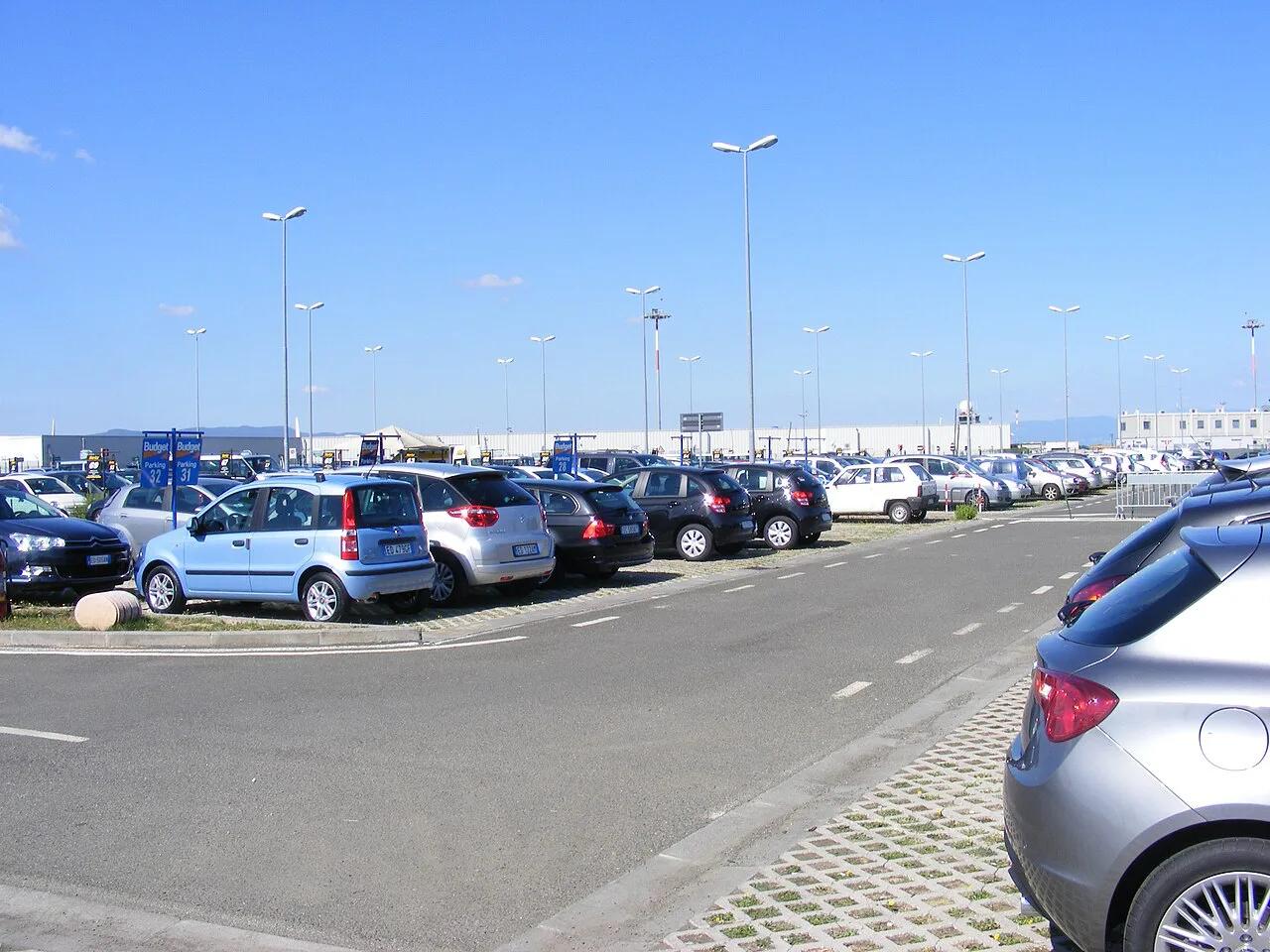
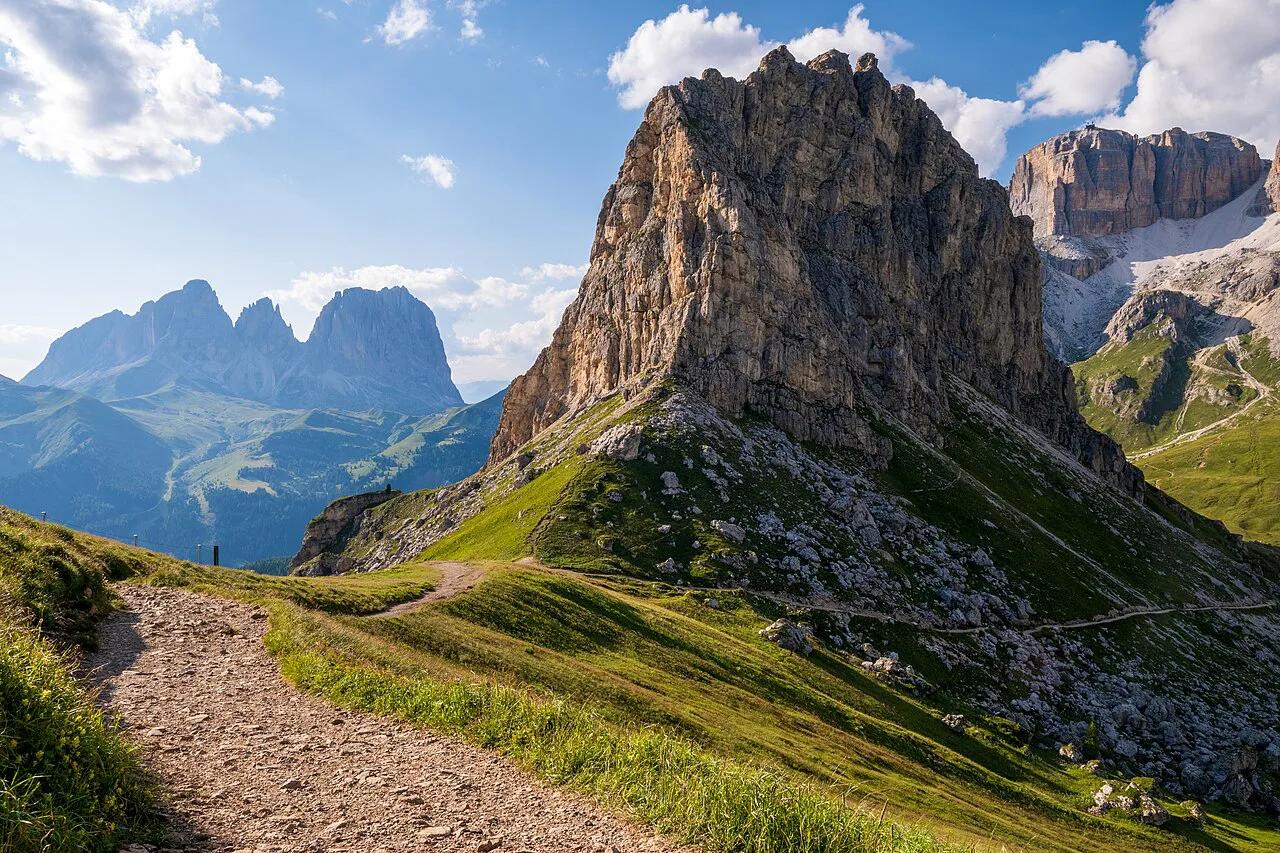
Featured image: User:Mattes, Public domain, via Wikimedia Commons.
Do You Need a Car in Tuscany?
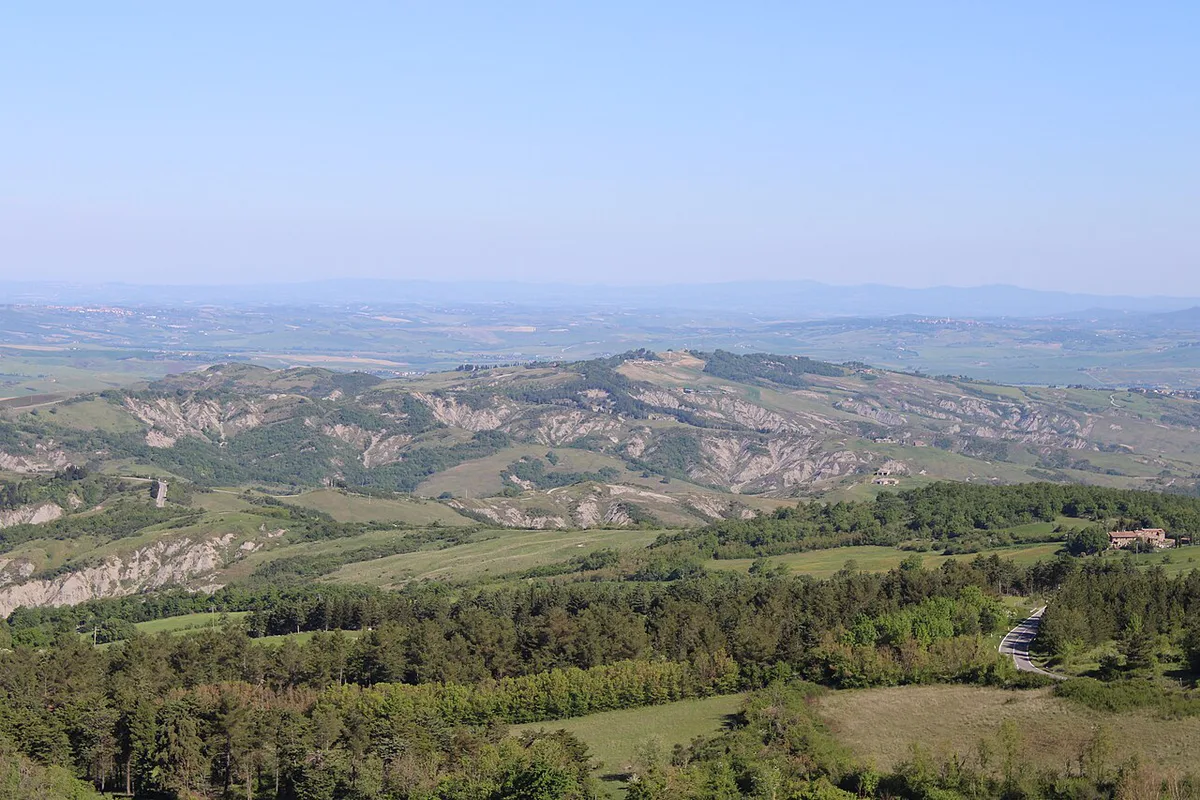
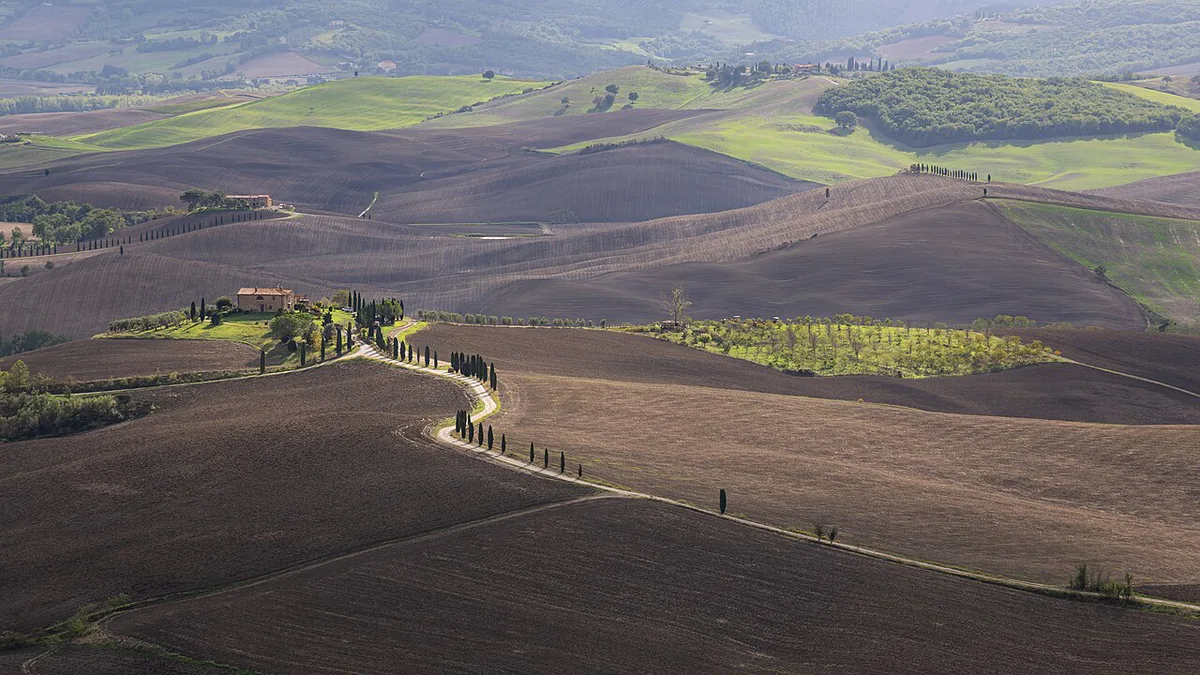
A car earns its cost where buses thin out. Chianti roads, the Val d'Orcia and farm stays reward drivers with stops no timetable covers. Siena and San Gimignano work as destinations on a drive, but their old centres restrict traffic. Florence and Pisa are easier on foot and by train.
| Trip style | Best option | Why |
|---|---|---|
| Florence, Siena and Pisa city trip | Train and bus | Centres restrict cars and parking is awkward |
| Chianti and Val d'Orcia | Car | Villages and wineries sit off the rail lines |
| Hill towns such as San Gimignano | Car or mixed | Drive in, then park outside the walls |
| Agriturismo stay | Car | Farms are usually reached by country roads |
| Florence base with day trips | Mixed | Rent only for the countryside days |
- Skip the car if your whole stay is in Florence, Siena or Pisa.
- Skip it if you dislike narrow lanes, manual gears or parking on hills.
- Skip it if you only want one wine-country day; a small-group tour costs less effort.
Where to Pick Up and Drop Off Your Rental
Rental desks operate at Florence Peretola airport and around Florence Santa Maria Novella station. Pisa Galilei airport suits arrivals heading to the coast or south. Collect the car when you leave Florence rather than on arrival, so it does not sit in a garage for days. City-centre depots mean driving through restricted zones, so ask the desk for the route out before you leave the lot. Pick-up in one city and drop-off in another usually adds a one-way fee, so compare it in your quote.
Colle di Val d'Elsa back to Florence at 56 minutes covers only the drive, so a city-centre depot return can take longer.
| Pick-up point | Best for | Watch for |
|---|---|---|
| Florence Peretola airport | Leaving Florence for Chianti or Siena | Fly-in timing and late-arrival desk hours |
| Florence Santa Maria Novella area | Train arrivals with a countryside leg next | Restricted zones near the depot |
| Pisa Galilei airport | Arrivals on the coast or heading south | One-way fee if you return in Florence |
| Siena or other city-edge depots | Starting inside the hills | Fewer car types and shorter hours |
Documents and Requirements for Renting a Car in Tuscany
Bring a valid home licence, a passport and a credit card in the main driver's name for the deposit. Non-EU drivers should also carry an International Driving Permit, so check current rules with the Polizia di Stato before you travel. American drivers can read our US licence guide for Italy. Young-driver surcharges apply under a minimum age set by each company. Our general Italy rental guide covers booking steps in more detail.
Choosing the Car and Insurance
Pick the smallest car that fits your luggage. Village lanes and hillside car parks punish wide cars. Manual cars are the default in Italy, so book an automatic early if you need one. Base cover usually bundles collision damage waiver (CDW) and theft protection with an excess. Read the excess line first, since it is the amount you pay before cover starts. Ask whether a zero-excess upgrade is worth it for narrow roads, and compare it with the policy from your card issuer.
ZTL Zones, Parking and Tolls: The Tuscany Traps
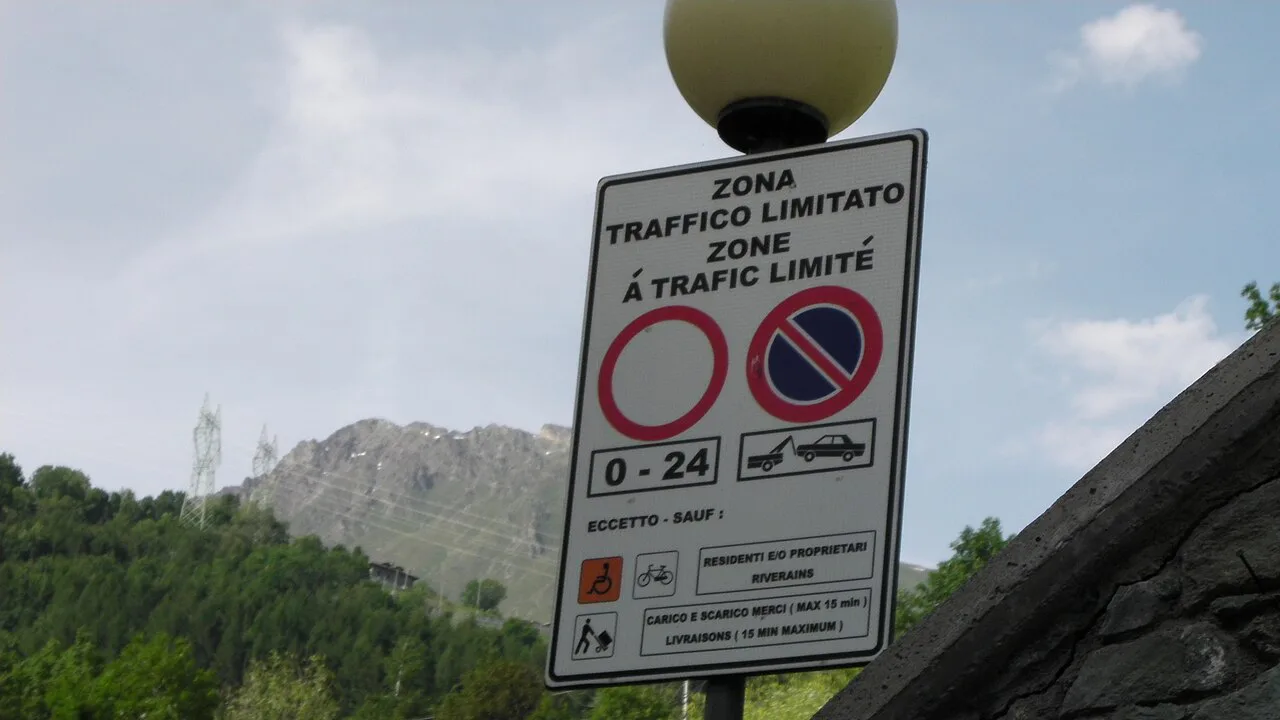
A ZTL is a limited-traffic zone watched by plate-reading cameras. A fine arrives months later through the rental company, with an admin fee on top. Florence publishes its restricted areas through the Comune di Firenze. Look for the round sign with ZTL and a red-lit panel, and treat any lit panel as a stop. If your hotel sits inside a zone, ask it to register your plate in advance. In Siena, San Gimignano, Lucca and Florence, park outside the walls and walk in. Our Italy parking guide explains the coloured bay lines. Motorway costs are covered in our toll roads guide. Check limits for each road type in our speed limits guide.
- Mistake to avoid: following a sat-nav into a historic centre.
- Mistake to avoid: booking a large car for hill towns.
- Mistake to avoid: leaving the fuel stop until a siesta closure.
- Mistake to avoid: skipping a read of the excess terms.
Sample Routes by Time and Trade-Off
Published loop figures start in Florence and cover about 178 miles and 5h 21m of driving. Individual legs include Florence to Pontassieve at 35 minutes, Arezzo to Siena at 1h08, Siena to Chianti at 30 minutes, and Colle di Val d'Elsa back to Florence at 56 minutes. Treat these as best-case times. Photo stops, parking walks and narrow roads add hours to each day. The route through Poppi and Casentino is atypical for a first visit, so most drivers do better with Chianti and Siena–San Gimignano.
Siena to Chianti at 30 minutes is only the drive, so add the walk in from outside Siena's walls.
| Plan | Stops | Suits |
|---|---|---|
| 2 days | Chianti, Siena, Colle di Val d'Elsa, San Gimignano | First-timers with limited time |
| 4 days | Adds Arezzo and a farm-stay night | Drivers who prefer short legs |
| 7 days | Adds Pontassieve, Poppi and Casentino for the full loop | Slow travellers comfortable with rural roads |
Costs and Budget Logic
Build the budget from parts, then request current quotes for each one. Rental rates move with season and car type, so price your exact dates. A three-day trip often favours a train plus one day tour when most nights are in cities. A rental wins once you add a farm stay and two countryside days.
- Rental rate and one-way fee
- Fuel for the loop
- Motorway tolls
- Parking outside city walls
- Insurance upgrades
- Risk of a ZTL fine plus admin fee
Driving Tips: Narrow Roads, Fuel and Winter
White-gravel strade bianche lead to many farms, so drive slowly and check whether your cover excludes unpaved roads. Some fuel stations are unstaffed and self-service only. Many shops and pumps close at midday, so refuel before the break. Winter brings fog and short daylight in the hills, so plan to arrive before dark. Our Italy driving guide sets out the basics. Read our driving rules overview before the first roundabout.
Alternatives to Renting
Trains reach Siena, Pisa, Lucca and Arezzo, and regional buses serve smaller towns. A private driver beats a rental when wine tastings are planned. Small-group tours suit travellers who want one countryside day without navigation. Planning another region? See our Sicily rental guide. Road conditions are covered in our Sicily driving guide. Island trips are set out in our Sardinia car hire guide. Coastal roads are covered in our Amalfi Coast rental guide. Regional trip ideas are on Visit Tuscany.
Frequently Asked Questions
Is it easy to rent a car and drive around Italy?
Renting is straightforward with a licence, passport and credit card. Driving is easy on motorways and country roads. Historic centres with ZTL zones are the hard part.
Road-rule changes worth knowing
Optional updates to our guides.
You might also like
Continue reading
More guides you'll find useful