7 Best Italy Road Trip Routes: Driving Rules & Costs
Plan an Italy road trip: compare Amalfi, Tuscany, Puglia, Sicily, Sardinia and the lakes, with ZTL rules, tolls, season advice and route trade-offs.
On this page
Last updated November 2026: an Italy road trip works best as one or two regional loops, not a sweep of the whole country. Amalfi, Tuscany, Puglia, Sicily, Sardinia and the northern lakes each suit a different kind of driver. Use the table below to pick a region, then follow the route links for details.
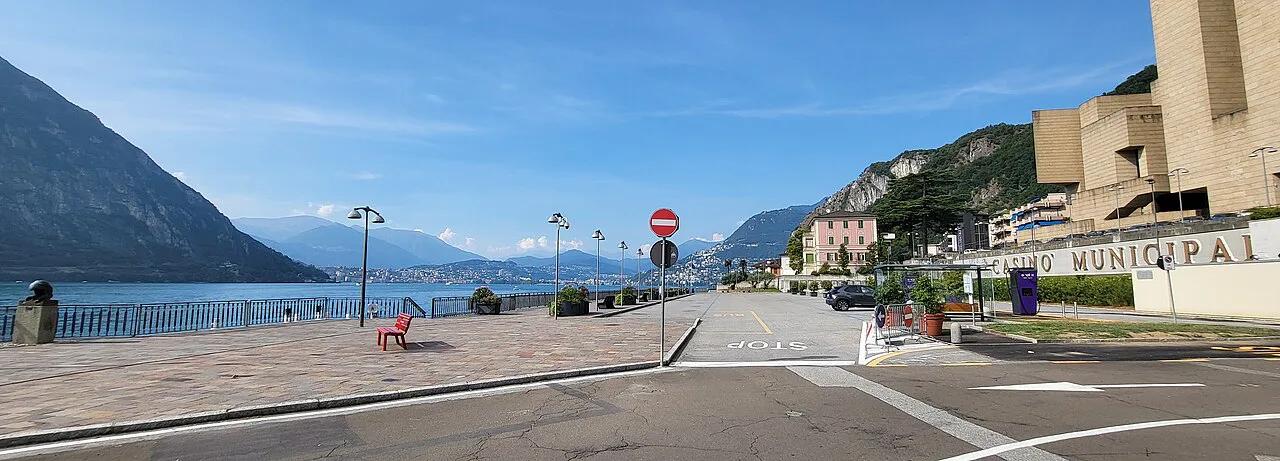
Featured image: Federico Cantoni (Jollyroger), CC BY-SA 2.5, via Wikimedia Commons.
Italy Road Trip at a Glance
Italy rewards depth over distance. Choose one or two regions, then match the drive to your season and your tolerance for narrow roads. Popular itineraries suggest 7 days for Amalfi, 10 for Tuscany, 10 for Sicily, 7 for Sardinia and 7 for Puglia. Treat those as starting points, not rules. Our difficulty ratings are editorial assessments.
| Region | Suggested days | Driving difficulty | Best months | Car |
|---|---|---|---|---|
| Amalfi Coast and Campania | 7 | Hard: one narrow coastal road | April–June, September–October | Essential for the coast, skip in Naples |
| Tuscany and Chianti | 10 | Moderate | April–June, September–October | Essential outside Florence |
| Puglia | 7 | Moderate | April–June, September–October | Essential for trulli and hill towns |
| Sicily | 10 | Moderate to hard | April–June, September–October | Essential, plus ferry or flight to arrive |
| Sardinia | 7 | Moderate | April–June, September–October | Essential, plus ferry or flight to arrive |
| Northern lakes | Short loop | Moderate | Spring to early autumn | Optional around towns with ferries |
How to Choose Your Italy Road Trip Route
Start with trip length. A week fits one region, and 10 days suits Tuscany or Sicily at an easy pace. Season comes next, because spring and autumn work for nearly every route. First-timers usually do best in Tuscany or Puglia, where roads are wider than on the Amalfi cliffs. Repeat visitors who like hairpin bends can take the Amalfi road. Food and wine point to Tuscany and Chianti. Coastlines point to Amalfi, Puglia or Sardinia. Culture and volcanoes point to Sicily. Islands add a ferry or flight, so plan those legs early.
Plan Sicily's 10 days around a ferry or flight, since ferries need advance booking, and book that island leg early.
7 Best Italy Road Trip Routes by Region
Each route below is a summary. Follow the link for the full driving plan.
1. Amalfi Coast and Campania
One road links the Amalfi Coast towns, and it is narrow and heavily trafficked from June through August. Popular itineraries run 7 days from Naples through Sorrento, Positano, Amalfi and Salerno. This route suits confident drivers who can travel in spring or autumn and accept slow progress.
Main trade-off: tight hairpins and limited parking near Positano and Amalfi town centres. Many hotels and restaurants close in low season, so winter trades traffic for closures. Skip the car in Naples and collect it when you leave. Read our guide to driving the Amalfi Coast road before you commit, and see Amalfi Coast tourism information for local traffic notes.
2. Tuscany and Chianti
Tuscany suits food and wine drivers who want rolling countryside and wider roads than the coast. A 10-day itinerary links Montepulciano, Val d'Orcia, Siena, San Gimignano, Pisa and Lucca. Siena to San Gimignano takes about an hour, and San Gimignano to Pisa about an hour and a half.
Florence needs no car, so start there on foot and collect the vehicle on your way out. Main trade-off: ZTL zones around historic centres, which cause fines for visitors. Our Tuscany road trip route covers the full loop. Wine drivers should also read the Chianti road guide, and the Chianti Classico Consortium lists producers.
3. Puglia
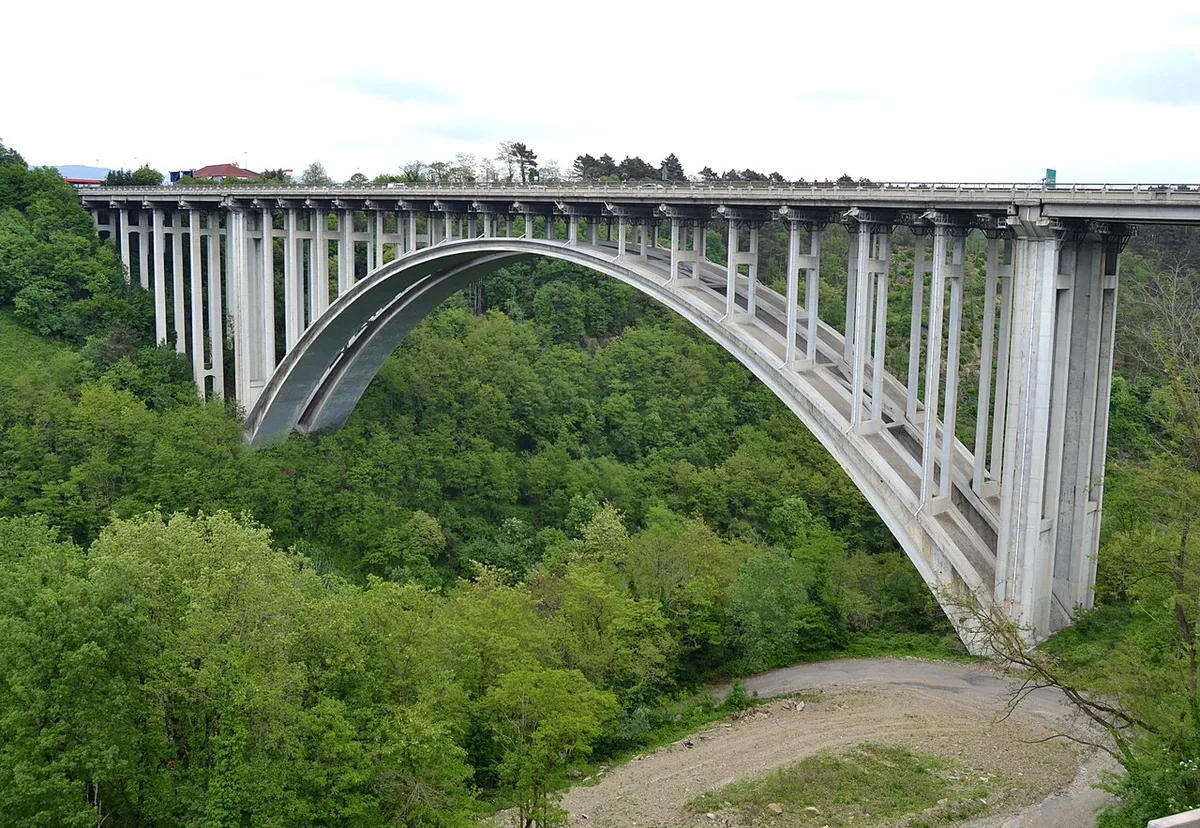
Puglia runs along the heel of Italy's boot, with white hill towns and Adriatic cliffs. A 7-day itinerary runs from Bari to Lecce via Polignano a Mare, Alberobello, Locorotondo, Martina Franca and Ostuni. It suits first-timers who want a compact route with short hops between towns.
Main trade-off: old town centres are tight and parking is limited, so leave the car outside the walls. Summer fills the coast, so spring and autumn give easier driving. Our Puglia road trip route maps the Bari to Lecce loop in detail.
4. Sicily
Sicily is the largest island in the Mediterranean, and a car is the practical way to see it. A 10-day itinerary runs Palermo, Cefalù, Milazzo, Taormina, Catania, Mount Etna, Syracuse, Noto and Agrigento. Agrigento back to Palermo takes about two hours, so leave buffer before a flight or ferry.
Main trade-off: you must reach the island by ferry or flight, and ferries need advance booking. Milazzo is the departure point for ferries to the Aeolian Islands, where you will not need the car. This route suits confident drivers with 10 days. Our Sicily road trip planner has the details, and Visit Sicily covers regional events.
5. Sardinia
Sardinia is the second-largest Mediterranean island, with beaches in the south and Costa Smeralda in the northeast. A 7-day itinerary runs from Cagliari to Olbia via Barumini, Oristano, Bosa and Porto Cervo. Su Nuraxi at Barumini is the Bronze Age highlight on the way.
Main trade-off: the island leg, since you arrive by ferry or flight and may pay to drop the car at a different airport. Beach-focused routes need a car, and resort areas fill in summer. Our Sardinia road trip route covers the loop, and Sardegna Turismo lists regional information.
6. Northern Lakes
The northern lakes suit short trips, such as a weekend loop around Lake Garda. From Milan you reach Lake Como in about 1 hour, which makes this the easiest region to start from a city. A 2-day trail links Lake Maggiore, Stresa, Orta and the Langhe hills in Piedmont.
Main trade-off: winter brings heavy snow in the Alps and the north, so go in spring or early autumn. Car is optional in lakeside towns but useful for the hills. See our Lake Garda driving guide for the loop.
7. Rome to Florence
This connecting route links two of Italy's biggest cities, and it fits at the start or end of a Tuscany trip. You can reach the Tuscany countryside from Rome or Florence in 2–3 hours. Skip the car in both cities, where ZTL zones and parking cost more than a train ticket.
Main trade-off: you give up the train's speed for the freedom to stop in hill towns. It suits travellers building a longer Italy road trip from two cities. Our Rome to Florence drive compares the road with the train.
Italy Car Rental, Licence and Driving Rules
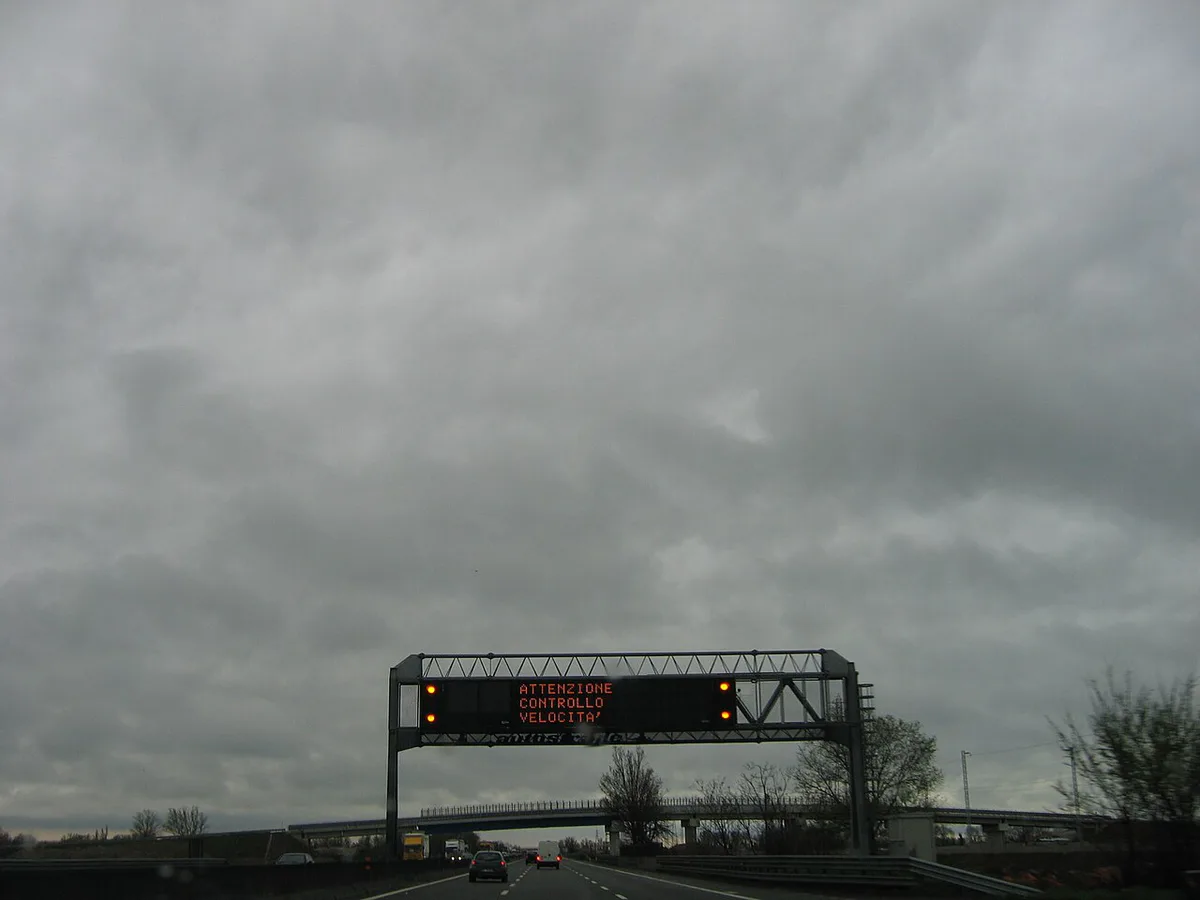
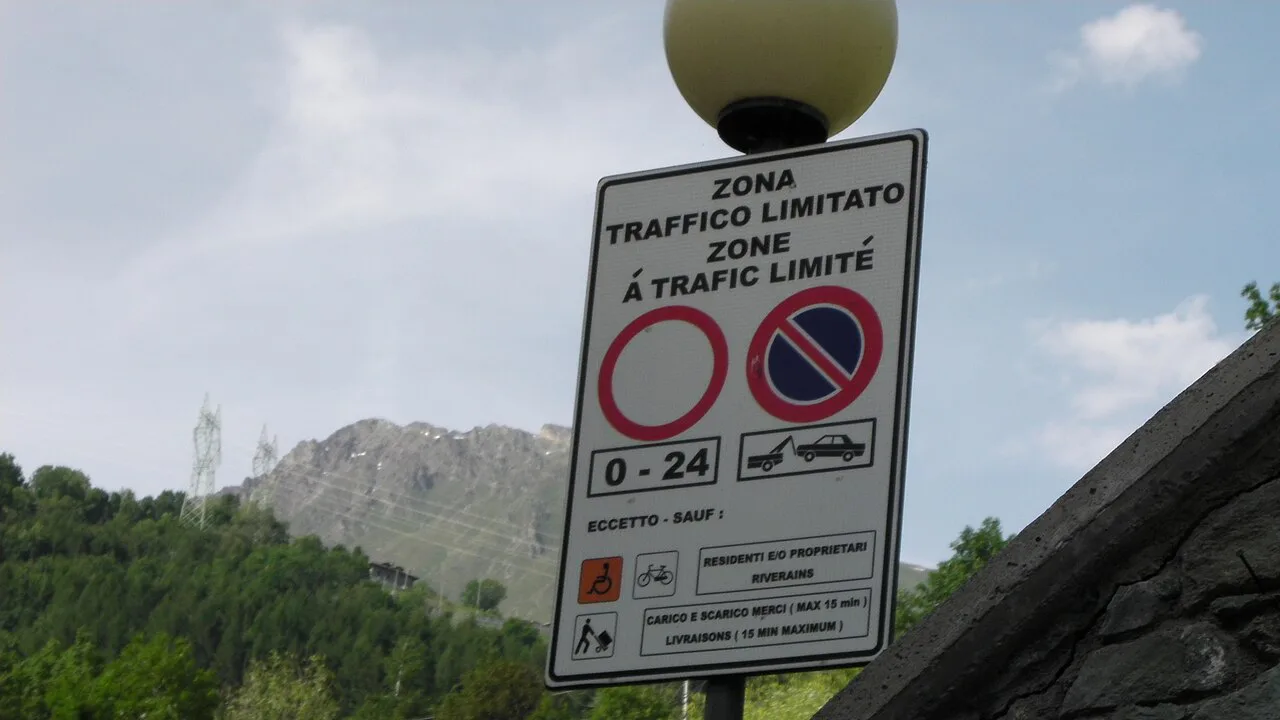
Do this before you book. Non-EU drivers, including US and UK renters, need an International Driving Permit alongside a valid licence. Rental desks also ask for a passport and a credit card for the deposit. Read the current guidance on Polizia di Stato road safety pages before you travel, because rules change. Italy drives on the right, and seat belts are mandatory. Speed cameras operate on highways and near towns. Phones are allowed only hands-free. ZTL zones are limited-traffic areas in many city centres. Unauthorised entry brings a fine, and notices often arrive by post after the trip. Ask your hotel whether it sits inside a ZTL, and park outside the centre if it does. A compact car suits narrow streets, and a small SUV helps in mountain areas.
Tolls, Parking, Fuel and Costs on an Italy Road Trip
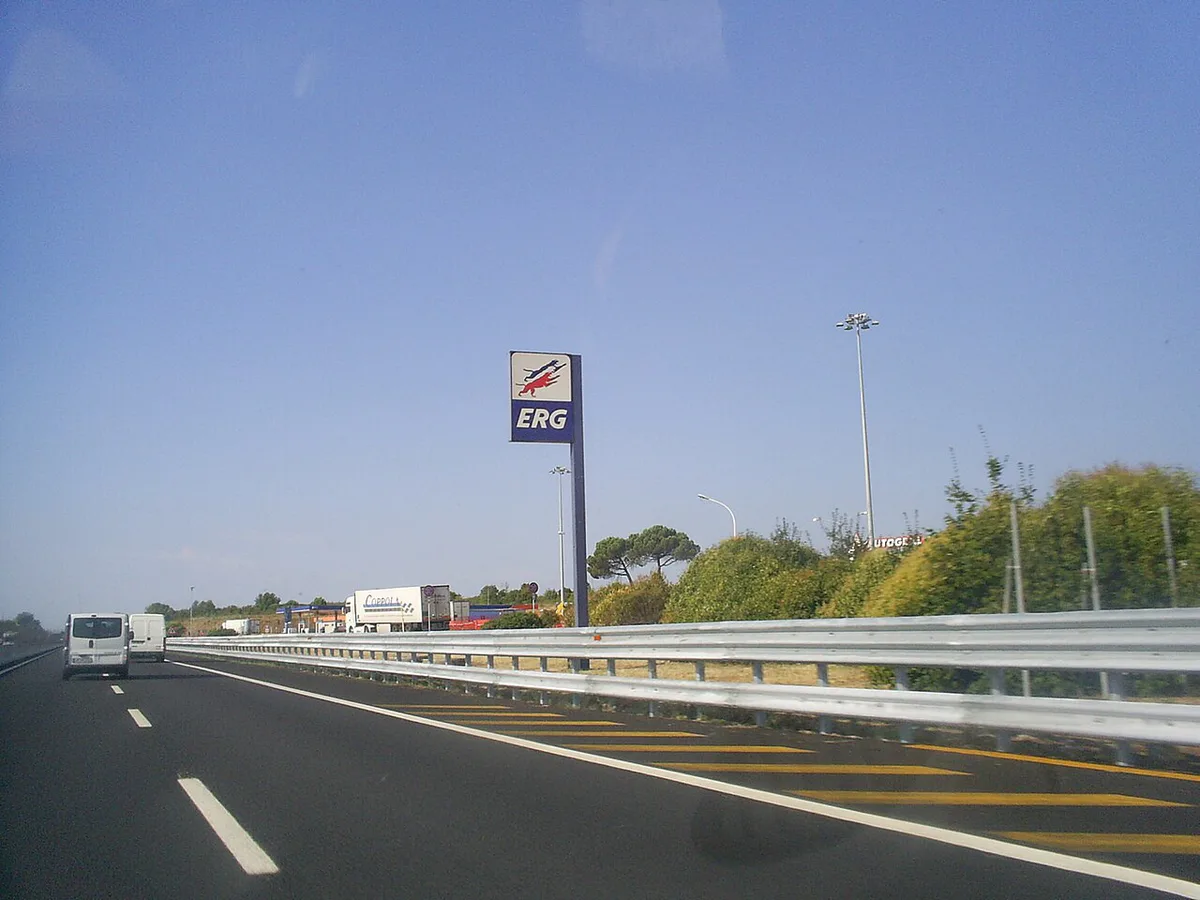
Italy has toll motorways called autostrade. Pay at booths or electronically when you exit. There is no vignette. Check route fares on Autostrade per l'Italia, and use ANAS road network information for state roads. Prices and hours checked November 2026: this page gives no fixed fares, so use the operators' own tools. Fuel stations are frequent on highways and main roads but sparse in remote mountain zones. Fill up before crossing the Alps.
| Cost | What to check | Where |
|---|---|---|
| Rental | Deposit on a credit card, one-way drop fee | Your rental company |
| Fuel | Fill up before remote mountain stretches | Motorway service areas |
| Tolls | Fares between your start and end points | Autostrade per l'Italia |
| Parking | Fees are common in cities and tourist towns | Hotel or town website |
| Ferries | Island legs need booking in season | Operator's own site |
| ZTL fines | Fines arrive by post after the trip | Rental contract |
Best Time for an Italy Road Trip
Spring (April–June) and autumn (September–October) give the best conditions, with mild weather and lighter traffic. Summer suits coastal routes but is crowded and hot, especially in August. The Amalfi road is narrow and highly trafficked from June through August. Winter is manageable in major cities and the south, but the north and the Alps get heavy snow. Many coastal hotels and restaurants close in low season, so beach routes feel empty.
Where to Skip the Car in Italy
Florence, Rome, Naples and the Amalfi town centres are better on foot or by train. ZTL zones and parking fees make a car a burden there. Collect the rental when you leave the city, and return it before you come back. In Florence, walk the historic centre first, then pick up the car at the airport or an independent rental service outside the centre.
Skip the car in Rome and Florence, then reach the Tuscany countryside in 2–3 hours from either city.

Common Mistakes to Avoid on an Italy Road Trip
Most problems come from overpacked plans. Fix them before you book.
| Mistake | Fix |
|---|---|
| Too many regions | Pick two or three at most |
| Driving into a ZTL | Park outside the centre and walk in |
| Big car on narrow roads | Rent a compact car |
| Forgetting island ferries | Book Sicily and Sardinia crossings early |
| August with no parking plan | Book parking ahead or travel in spring or autumn |
Ways to Combine Italy Road Trip Regions
Fly into one city and out of another to avoid backtracking. One-way rentals may add a drop fee, so compare quotes. Rome, Tuscany and Amalfi suits a first trip: spend time in Rome without a car, then drive Tuscany, then end near Naples. Milan with Lake Como and Lake Maggiore makes a compact northern loop. Puglia works well as a single region from Bari. More ideas are in our guide to Scenic Drives in Italy: Routes by Region and Season.
Frequently Asked Questions
How to plan a road trip in Italy?
Pick one or two regions and a season first. Then book the rental with an International Driving Permit, plan ferries for any island leg, and park outside ZTL zones. Leave Florence, Rome and Naples to trains and collect the car when you leave.
Explore More Guides
Keep planning your trip with these guides.
Guides
- Amalfi Coast Drive: Route, Parking and Rules (Guide)
- Tuscany Road Trip: Itinerary, Driving Tips and Best Route
- Chianti Road (SR222) Drive
- Sicily Road Trip: Routes, Driving Tips & Itinerary
- Sardinia Road Trip: 7-Day Route, Driving Tips & Costs
- Puglia Road Trip: Routes, Bases & Driving Tips
- Lake Garda Drive: Routes, Time Needed and Tips
- Driving From Rome to Florence: Route, Tolls & Tips
- Scenic Drives in Italy: Routes by Region and Season
Road-rule changes worth knowing
Optional updates to our guides.
You might also like
Continue reading
More guides you'll find useful