Tuscany Road Trip: Itinerary, Driving Tips and Best Route
Plan a Tuscany road trip with a clear 7-day route, driving rules, costs, season tips and time trade-offs for first-timers and wine lovers.
On this page
Last updated November 2026: our pick for a Tuscany road trip is a 7-day loop from Florence through Siena, the Val d'Orcia, San Gimignano and Volterra. Collect the car outside central Florence, change hotels twice, and keep each driving day short. For other regions, see our Italian road trip planning guide.
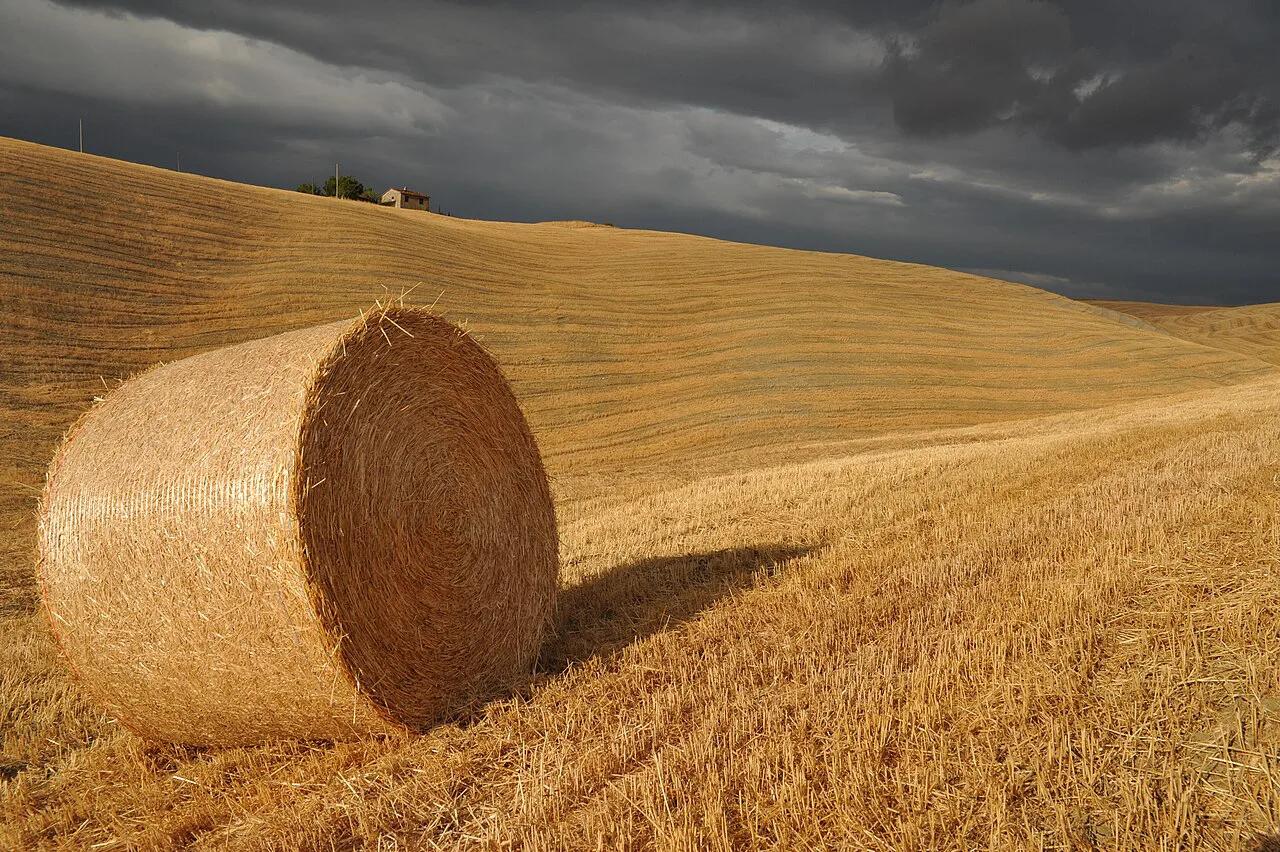
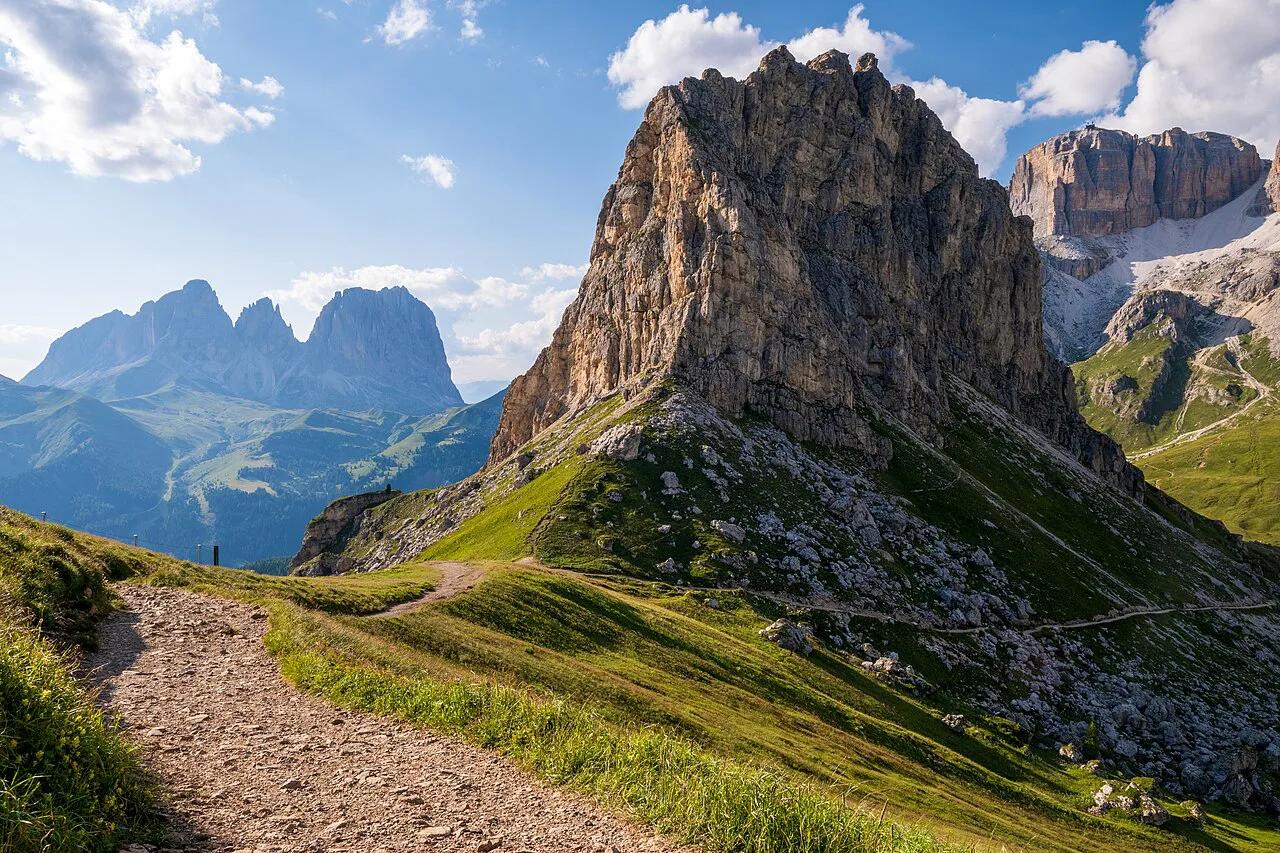
Featured image: JP Vets, CC BY-SA 4.0, via Wikimedia Commons.
Tuscany Road Trip at a Glance
We recommend 7 days for a first Tuscany road trip. Three to four days works if you pick two bases and skip the southern springs. Ten days adds Saturnia, Pitigliano and Cortona. Move hotels rather than driving back to Florence every night. Drivers who tried a permanent Florence base report that the return leg cut their day trips short. Spring and early autumn suit the drive best, while winter closes many wineries. Our short version is below.
- Route: Florence, Siena, Val d'Orcia, San Gimignano, Volterra, then back to Florence.
- Roads: the Florence–Siena raccordo first, then the SR2 Cassia south into the Val d'Orcia.
- Hotels: one night in Siena, two in the Val d'Orcia, one near San Gimignano.
- Daily limit: we cap driving at about 3 hours a day, because parking and stops take longer than maps suggest.
Best Route Shapes: Loop, One-Way or Single Base
Four shapes work, and we pick the loop for first-timers. A single Florence base is the weakest option because every evening ends with a long drive back on narrow roads. A one-way line to Rome saves backtracking but adds a one-way drop-off fee, so price it before you book. Our Rome-to-Florence driving guide covers that direction in detail.
| Route shape | Best for | Daily driving burden | Hotel changes | Main risk |
|---|---|---|---|---|
| Single base, Florence | Short stays, city lovers | High: return every evening | None | Tired drivers, shortened day trips |
| Chianti or Siena base | Wine and short drives | Low to medium | 0-1 | Few mornings in the Val d'Orcia |
| Val d'Orcia base | Pienza, Montalcino, springs | Low locally, long to Florence | 1 | Peak-season rooms sell out |
| Loop from Florence (our pick) | First 7-day trip | Medium | 2-3 | Too many towns per day |
| One-way Florence to Rome | Onward travel to Rome | Medium | 3 or more | One-way drop-off fee |
Tuscany Road Trip Itinerary: 7 Days, With Short and Long Versions
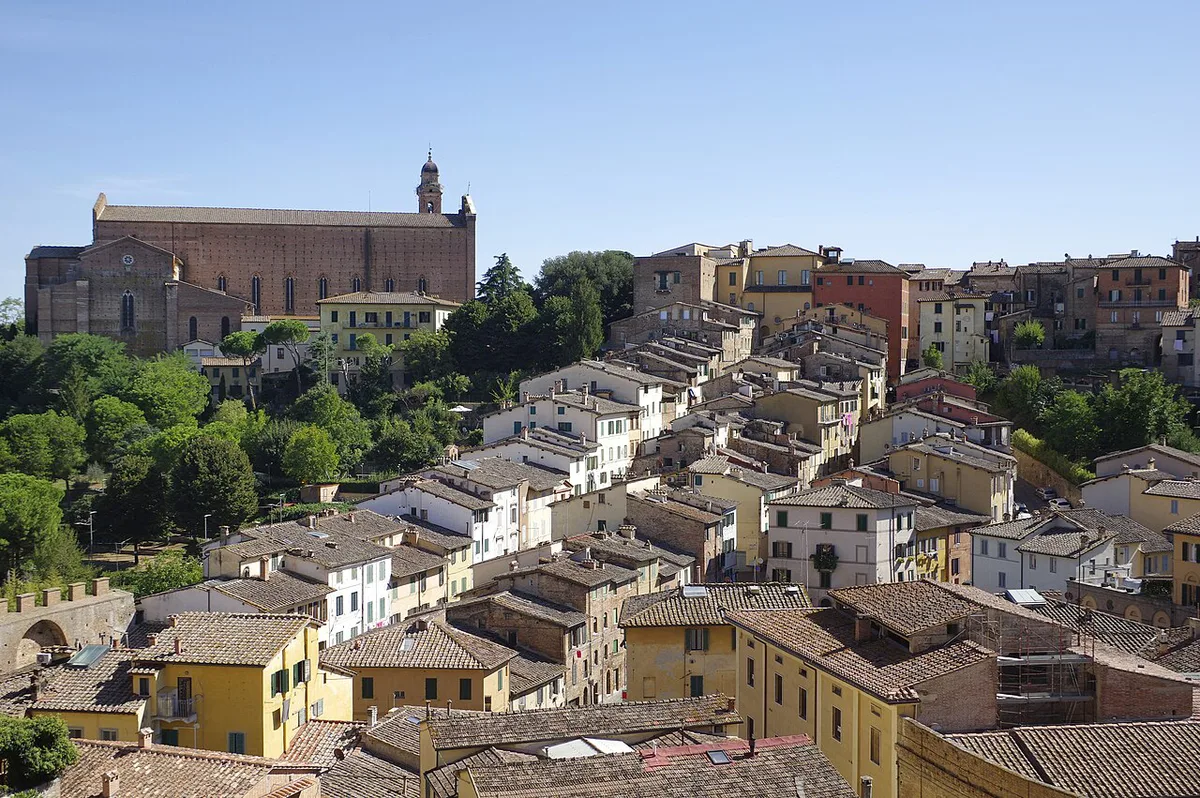
Our core route keeps each leg short and puts the hardest driving in the middle. Start in Florence on foot, because you do not need a car there. Book museum tickets ahead through the official museum sites. Three-to-four-day travelers should keep Florence, Siena, and one night around Pienza and Montalcino. Ten-day travelers can add Saturnia, Pitigliano and Cortona before returning north.
- Day 1: Florence on foot. Pre-book the museums you care about and skip the car.
- Day 2: Collect the car outside the centre. Take the Florence–Siena raccordo to Siena. Walk Piazza del Campo, then loop the park around the Fortezza Medicea.
- Day 3: Drive the SR2 Cassia south. Stop at San Quirico d'Orcia and Bagno Vignoni, then sleep near Pienza.
- Day 4: Pienza, a Montalcino tasting booked ahead, then Montepulciano. Sleep a second night in the Val d'Orcia.
- Day 5: Head north past Siena. Stop at Monteriggioni and sleep near San Gimignano.
- Day 6: Volterra in the morning, then return to Florence.
- Day 7: Drop the car and depart.
Chianti and Siena Stretch
Greve in Chianti is about an hour's drive from Florence, which makes it an easy first night for wine-focused travelers. Chianti Classico producers take tastings by appointment, so book directly. The Chianti Classico Consortium lists producers and visit information. Our Chianti wine villages route goes deeper. Chianti Sculpture Park makes a good stop between Greve and Siena. In Siena, one blogger felt two nights was more than needed, so we would plan one night at most. A 5-hour Brunello tour from Siena cost about €60 per person, with one winery and one wine-shop tasting. We would rather drive to two booked wineries ourselves.
Val d'Orcia Stretch: Pienza, Montalcino, Montepulciano, San Quirico, Bagno Vignoni
This is the postcard part of the Tuscany road trip, and the SR2 Cassia is the natural way in. Pienza takes under an hour to walk. Pope Pius II gave it city status in 1459, and Bernardo Rossellino laid out its Renaissance centre. In San Quirico d'Orcia, the 16th-century Horti Leonini gardens sit next to the Collegiata church. Bagno Vignoni has a 50 m by 30 m pool of 40° water, but swimming there is forbidden. Spa entry at Bagno Vignoni costs €38 per person. Montalcino's Brunello is aged five years, while its Rosso is aged one. Montepulciano rooms were scarce and expensive when booked last-minute, so reserve early.
Hot Springs and Southern Villages: Saturnia, Pitigliano, Montemerano
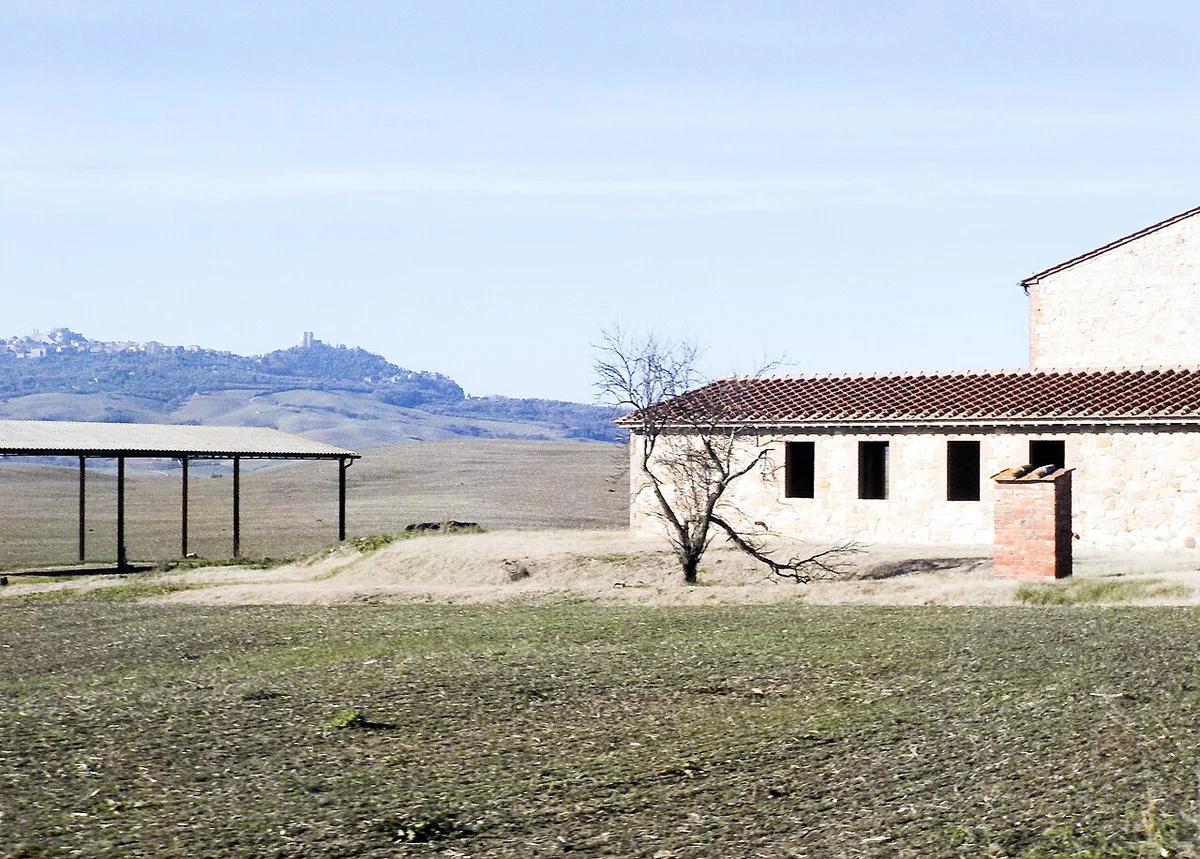
Prices below were checked November 2026. Searching for Saturnia thermal baths often leads to a private hotel spa, where entry is about €29-38 depending on day and season. Free access is at Cascate del Mulino, a 35-minute walk from Saturnia village. From the camper park below the village it takes about 20 minutes. Rocks are slippery and there are no lockers, so bring water shoes. Early mornings are quiet, and early October was far from crowded. Pitigliano rewards a short walk: park at the panoramic viewpoint and follow the trail through the tuff canyons to the Sovana Gate. Montemerano, with about 450 residents, has a few cafés and a bakery rather than souvenir shops.
San Gimignano and Volterra: The Northern Hill Towns
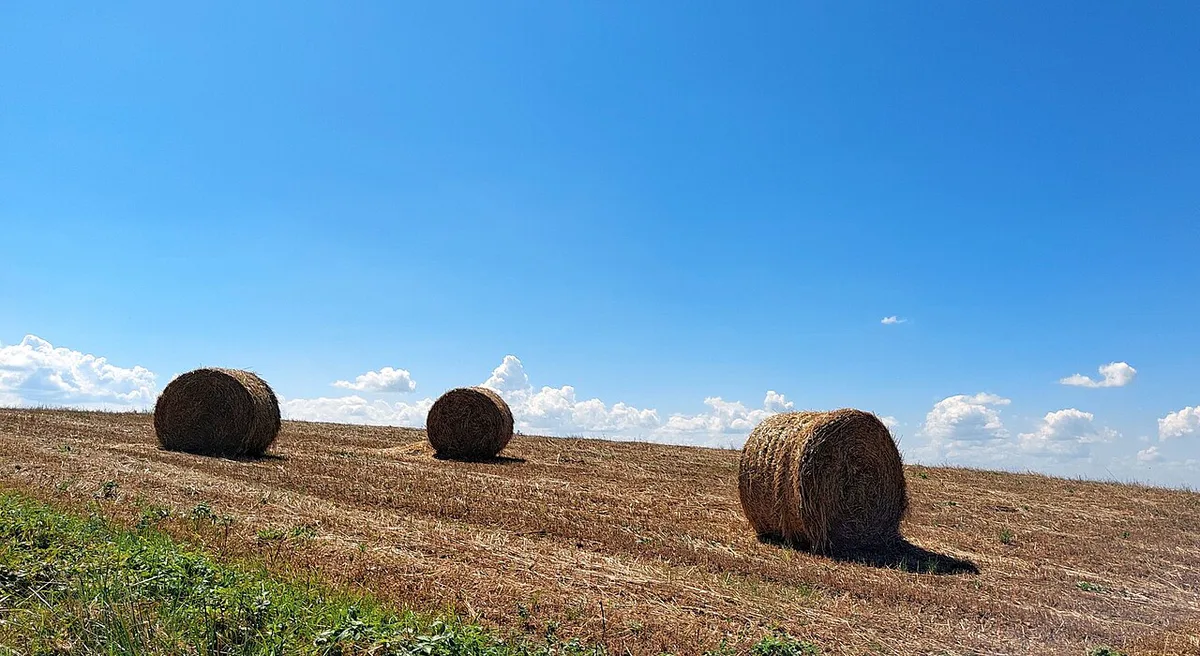
San Gimignano is best known for its towers, and Parco della Rocca gives a quieter view away from the main streets. Volterra has about 12,000 residents and is the largest town on many loops. Its Etruscan and Roman remains and the cathedral of Santa Maria Assunta fill a 2-hour stroll. Some travelers choose only one of the two, but we would do both on a 7-day trip. Monteriggioni sits on the road between Florence and Siena and has over 300 parking spaces. That scale tells you it is a popular stop, not a secret. Parts of this loop are covered in our scenic Italian drives collection.
Driving in Tuscany: ZTL, Parking, Tolls and Rental Tips
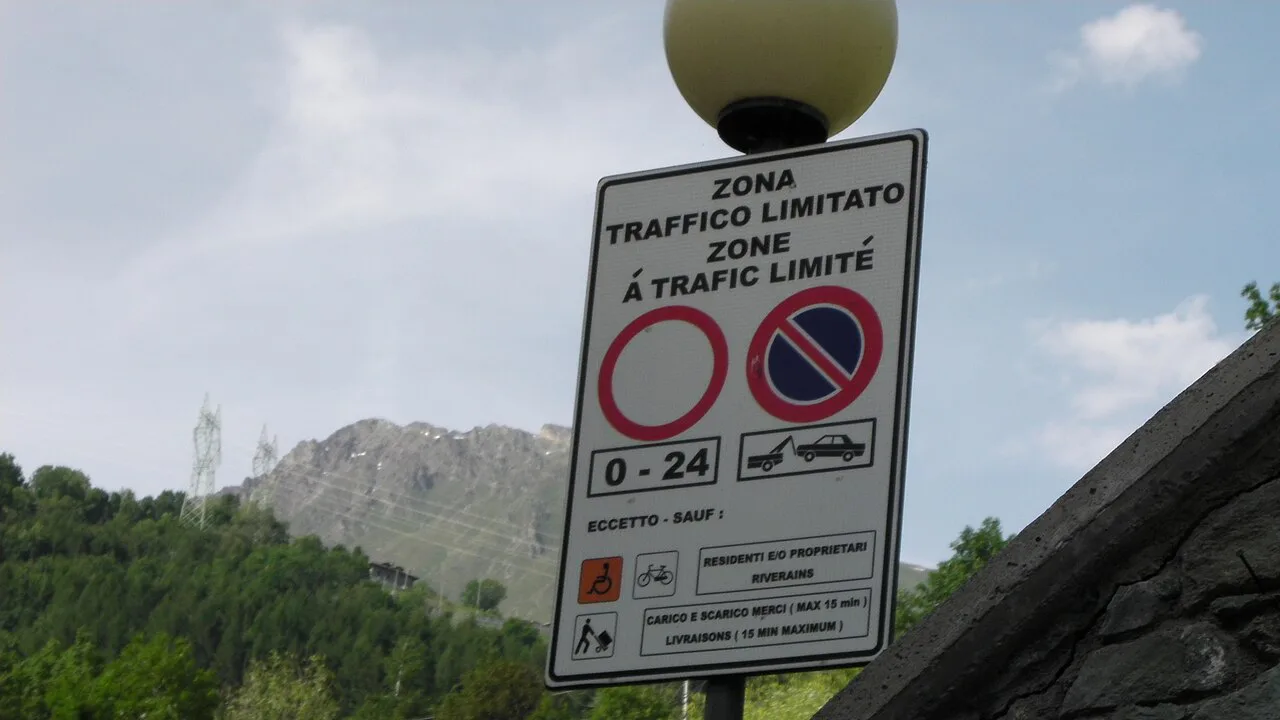
Most hill towns restrict traffic in the old centre with a ZTL, and fines arrive by mail weeks later. Park outside the walls and walk in. If your hotel is inside a ZTL, ask it to register your plate before arrival. One driver spent a stressful 20 minutes leaving Florence by car, so we collect rental cars outside the centre. A local rental agency cost another traveler 2-3 hours at each pick-up and drop-off. We prefer an international company unless the wait is confirmed. Check licence and IDP rules with your rental company. Autostrade per l'Italia publishes current toll information. Autogrill rest stops appear roughly every 50 miles. Let faster local drivers pass on winding roads.
Rest stops come roughly every 50 miles, so build one into each 3 hours a day of driving.
Best Time for a Tuscany Road Trip: Season and Closures
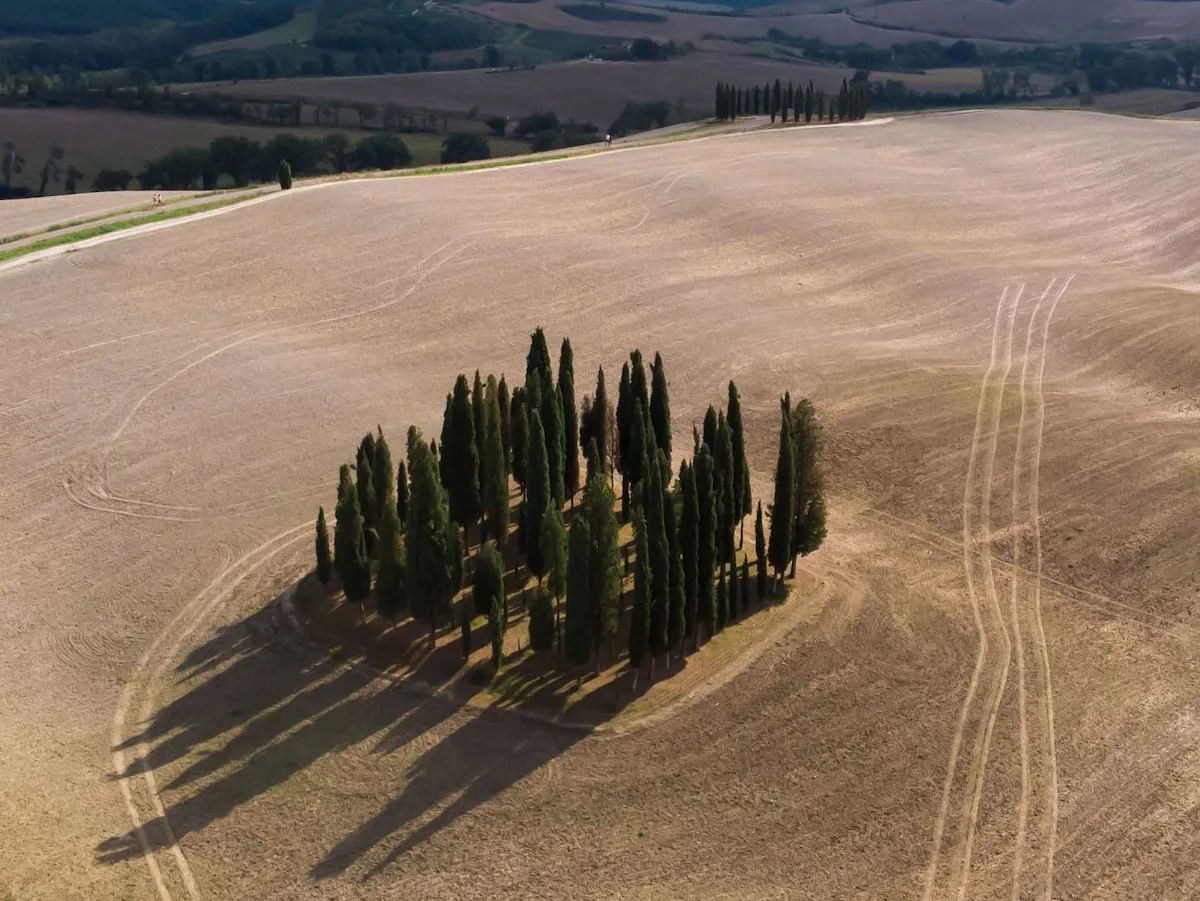
Spring and early autumn give the best mix of open venues and manageable heat. In May, the cypress walk at San Quirico d'Orcia is already hot, so carry water. Winter brings the biggest closures. Some restaurants shut for 1-4 months in the cold season, and many wineries close. Our Visit Tuscany link is the best place to check current events.
| Season | Heat and crowds | Closures | Hot springs |
|---|---|---|---|
| Spring | Warm by May, moderate crowds | Most venues open | Pleasant for Cascate del Mulino |
| Summer | Hot, agriturismo season | Few | Crowded; go at dawn |
| Autumn | Quieter; early October was calm at Saturnia | Few | Comfortable |
| Winter | Few visitors | Many wineries and some restaurants closed | Warm water, cold walk |
Costs and Booking Timing
Your biggest costs are the car, lodging and wine. Agriturismo rooms start from about €80 a night with breakfast. A Saturnia-area agriturismo cost about €130-140 for two with breakfast. Book winery tastings and Montalcino visits ahead, and reserve rooftop tables. Pienza and Montepulciano rooms sell out in peak season.
| Cost line | Level | Reference |
|---|---|---|
| Rental car | Mid | Check one-way fee before booking |
| Fuel and tolls | Mid | Current tolls on Autostrade site |
| Parking | Low to mid | Outside hill-town walls |
| Brunello tour | Mid | About €60 per person |
| Private spa | Mid | About €29-38; Bagno Vignoni €38 |
| Cascate del Mulino | Free | 35-minute walk from village |
| Agriturismo | Budget to mid | From about €80 with breakfast |
Where to Stay and Whether to Change Hotels
We recommend changing hotels two or three times. Use a Chianti agriturismo or a Siena hotel for night one, then stay two nights in the Val d'Orcia. The final night goes near San Gimignano or Volterra. Agriturismo stays are very popular in summer and less common in winter. Arrive early at hill-town hotels, because parking can mean a steep walk with luggage.
Agriturismo rooms start from about €80 a night with breakfast, and summer is when those farm stays are most popular.
Mistakes to Avoid
These are the errors that cost the most time and money.
- Driving into old towns and collecting a ZTL fine.
- Collecting the car in central Florence.
- Booking more than two towns in one day.
- Letting a pool afternoon replace a planned town.
- Picking a local rental agency without checking the pick-up wait.
- Following Google to the private Saturnia spa when you want the free pools.
- Expecting to swim in Bagno Vignoni's historic pool.
Plan Meals Around Sunday and Winter Closures
Do not leave food planning until the end of a driving day. Small-town grocers and bakeries may close on Sundays and public holidays, especially outside larger centres. Buy water, breakfast items and picnic supplies the day before if you will be staying in the countryside.
Restaurant schedules also change sharply by season. In winter, some restaurants close for 1–4 months, and many wineries reduce visits or stop them entirely. Confirm dinner service and tasting appointments before committing to an agriturismo far from town.
Keep the driving plan realistic on closure days. A 3-hour daily driving cap leaves time to find parking, walk uphill from the car park and adjust if your first restaurant choice is shut. In Pienza, Montalcino and Montepulciano, reserve popular dinner tables early in peak season.
Frequently Asked Questions
How many days in Tuscany is enough?
Seven days covers Florence, Siena, the Val d'Orcia, San Gimignano and Volterra without rushing. With 3-4 days, pick two bases. With 10 days, add Saturnia, Pitigliano and Cortona.
Is it worth driving around Tuscany?
Yes, if you want hill towns, wineries and farm stays. Public transport is limited outside the main towns. Park outside the walls and avoid ZTL zones.
Road-rule changes worth knowing
Optional updates to our guides.
You might also like
Continue reading
More guides you'll find useful