Scenic Drives in Italy: Routes by Region and Season
Choose the best scenic drives in Italy by region, season and difficulty, with ZTL and parking tips, rental advice and who each route suits.
On this page
Last updated November 2026: the best scenic drives in Italy are SS163 on the Amalfi Coast, SR222 in Chianti and SS241 in the Dolomites. Your pick depends on season, car size and tolerance for narrow or restricted-traffic roads. Use our Italy road trip planner to link several routes into one trip.
Featured image: kallerna, CC BY-SA 4.0, via Wikimedia Commons.
Scenic Drives in Italy at a Glance
Pick one region per drive and match it to your season. Difficulty ratings below are our editorial assessment, not measured scores. Time blocks are planning guides for a relaxed pace with stops.
| Drive | Region | Planning time | Difficulty | Best season | Best for |
|---|---|---|---|---|---|
| Amalfi Coast (SS163) | Campania | Half day to full day | High: narrow, busy | Spring or autumn | Confident drivers who want sea views |
| Chianti (SR222) | Tuscany | Full day | Low to medium | Spring or autumn | Wine and village stops |
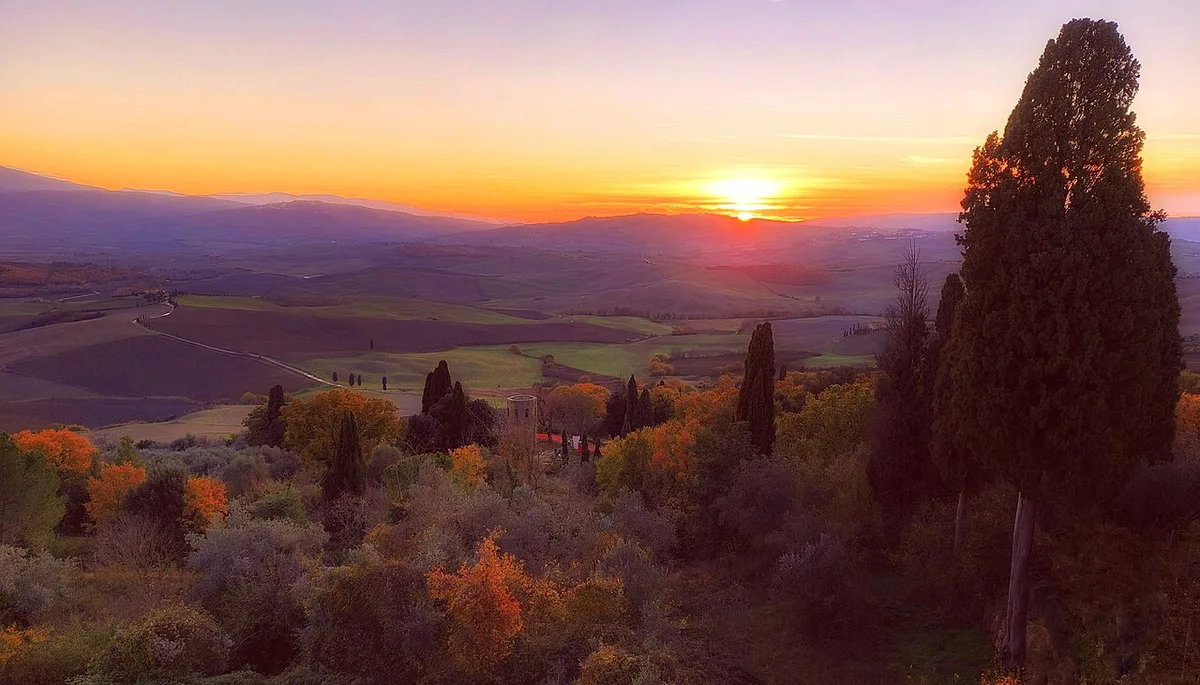
| Val d'Orcia | Tuscany | Full day | Low | Spring or autumn | Hill towns and slow driving |
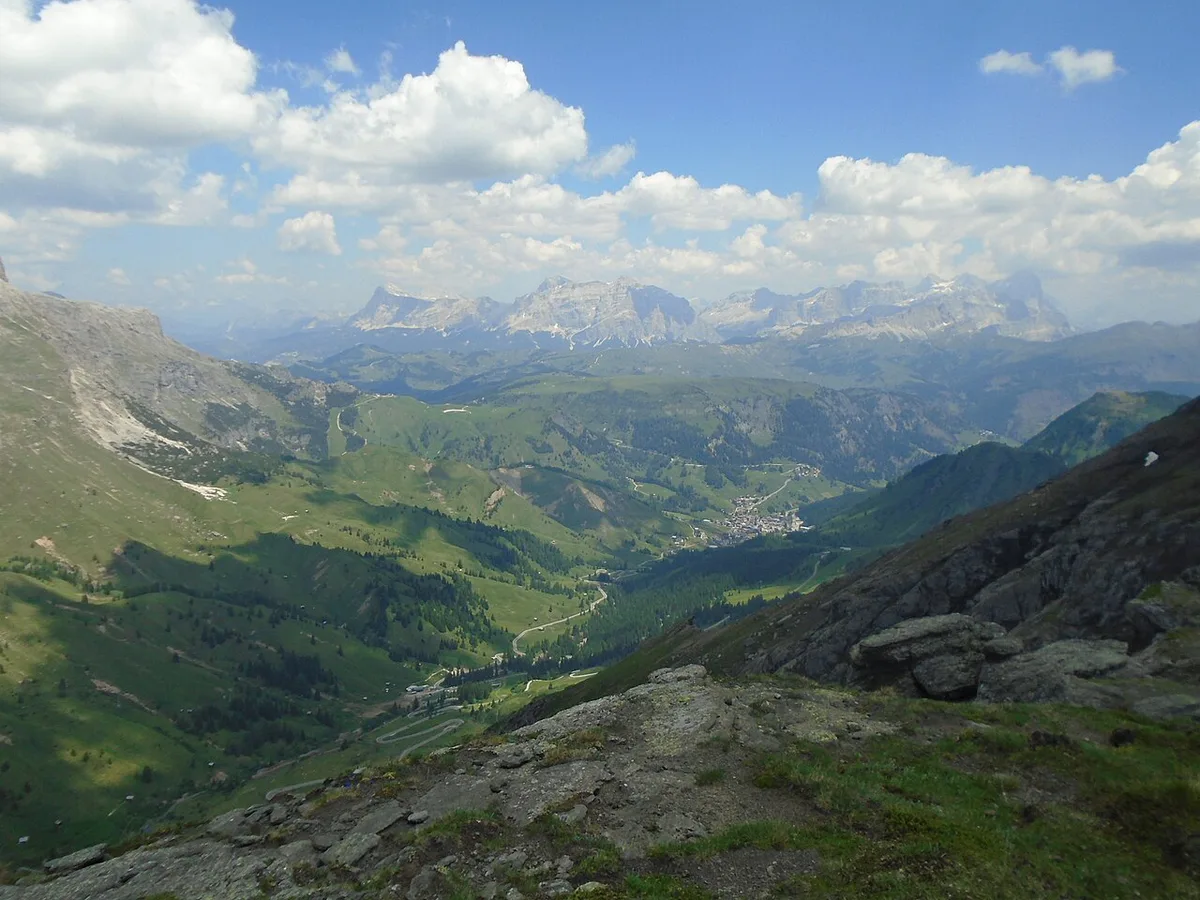
| Great Dolomites Road (SS241) | South Tyrol and Veneto | Full day to 2-3 days | Medium to high | Summer | Mountain scenery |
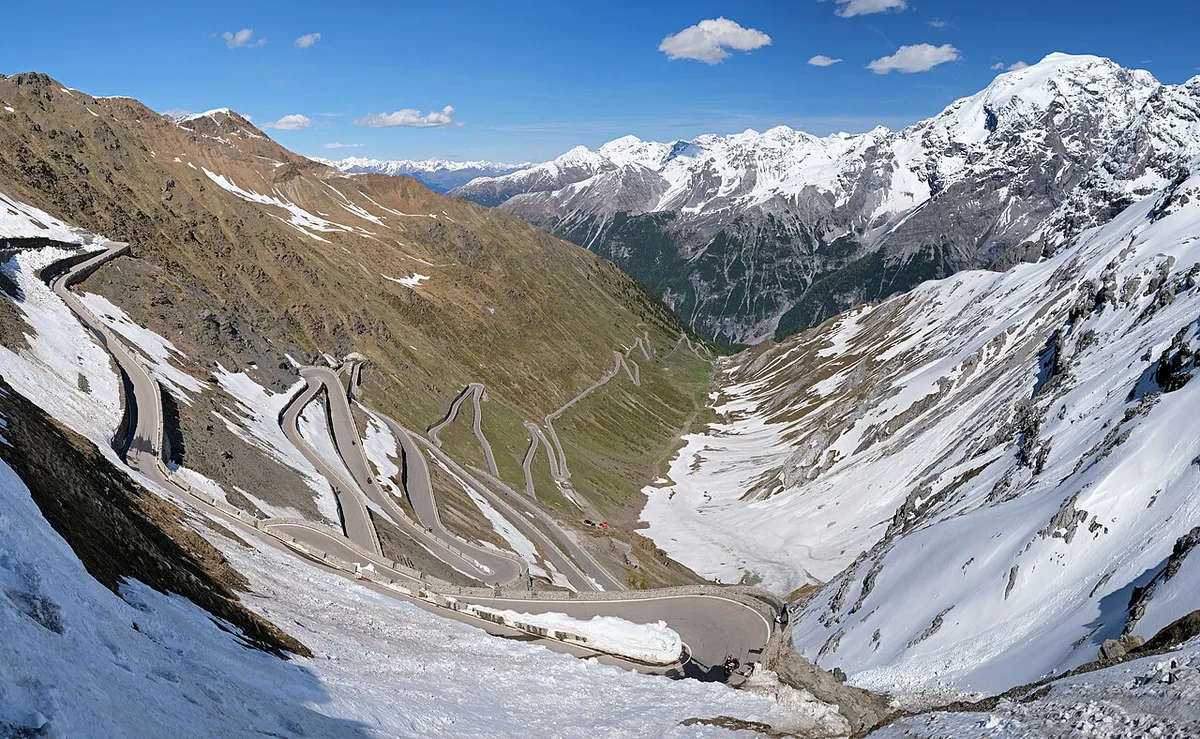
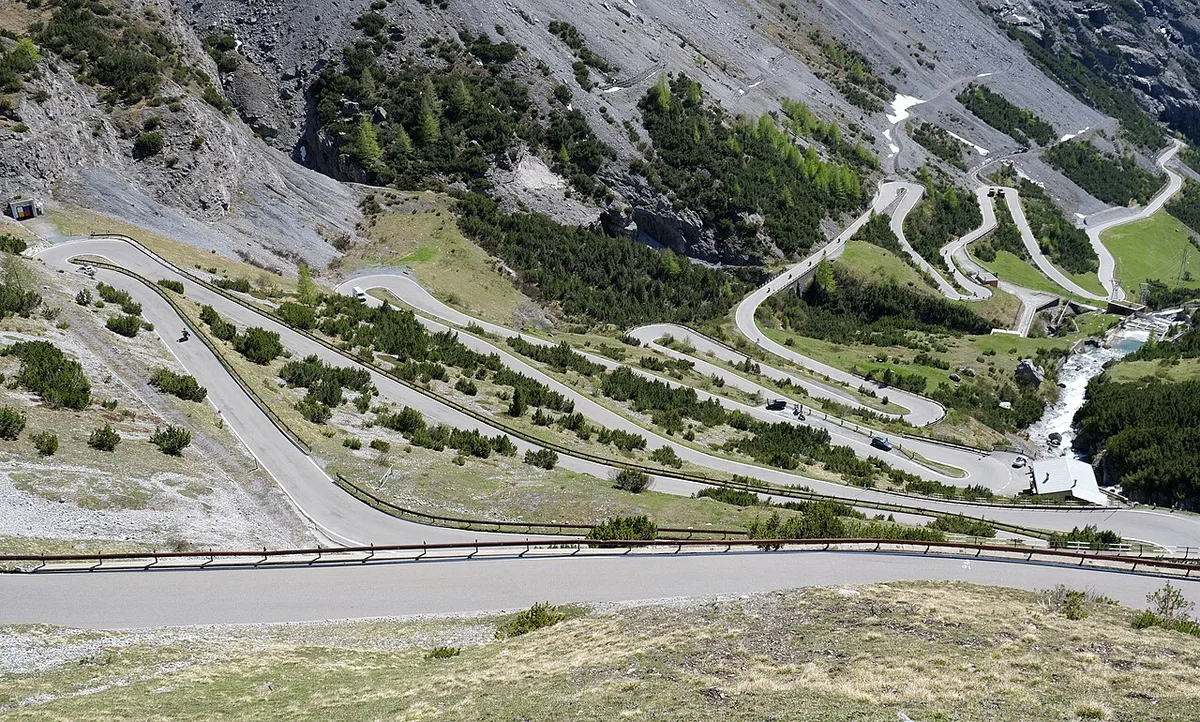
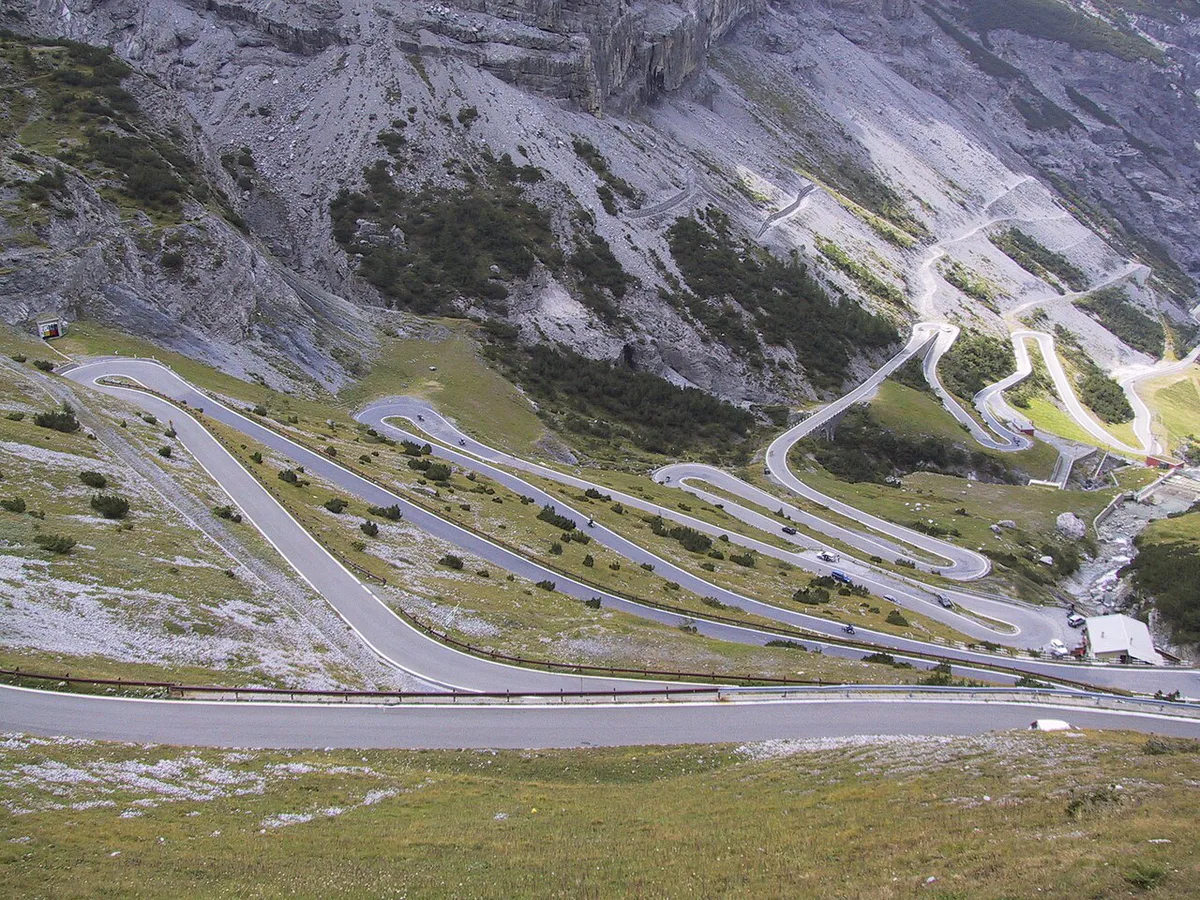
| Stelvio Pass (SS38) | Alps, north | Half day | High: hairpins | Summer | Experienced mountain drivers |
| Lake Garda (Gardesana) | Lombardy, Veneto, Trentino | Half day | Medium | Spring to early autumn | Lake views and short hops |
| Ligurian coast | Liguria | Full day | Medium to high | Spring or autumn | Coastal villages |
| Puglia, Sicily, Sardinia | South and islands | 2-3 days each | Low to medium | Spring or autumn | Slower, longer trips |
How to Choose Your Drive
Start with the calendar. Spring (April to June) suits coastal roads and wine country. September and October work well for Tuscany and Chianti, with milder temperatures. July and August bring beach crowds, so the coast gets slow. High mountain roads belong to summer. Winter suits ski resorts, and pass access then needs a check on local road information. Allow 7-10 days for a single-region trip and 2-3 weeks for several regions.
- Narrow cliff roads: choose a small car and drive early.
- Confidence on hairpins: choose Chianti or Val d'Orcia over Stelvio.
- Only a few days: stay in one region and skip long transfers.
- Summer heat and crowds: head for the Dolomites or the lakes.
Amalfi Coast Drive
SS163 links Sorrento, Positano, Amalfi and Ravello along a cliff edge. You get sea views at every bend, plus a stop at Furore Fjord. The trade-off is width. Buses and scooters share narrow bends, and midday traffic in peak season crawls. Go early or in shoulder season, and park outside the villages instead of searching their lanes. A ferry or bus can replace one leg if the road wears you down. Skip it if you dislike tight bends or have a large car. Our Amalfi Coast drive guide covers stops and timing. Local conditions are listed by Costiera Amalfitana tourism.
Tuscany and Chianti Roads
SR222, the Chiantigiana, runs from Florence through wine country toward Siena. The Chianti Classico Consortium covers the producers along it. From there, Val d'Orcia adds Montalcino, Pienza and Montepulciano. Plan stops in advance because village centers are usually restricted. Our Tuscany road trip route maps the wider loop. For Chianti alone, use the Chianti road guide. Rome to Florence works as a scenic transfer via the Via Cassia through Viterbo and Siena. See Driving From Rome to Florence: Route, Tolls & Tips for that option. Skip Tuscany in midsummer if you dislike heat and crowded hill towns.
The Dolomites
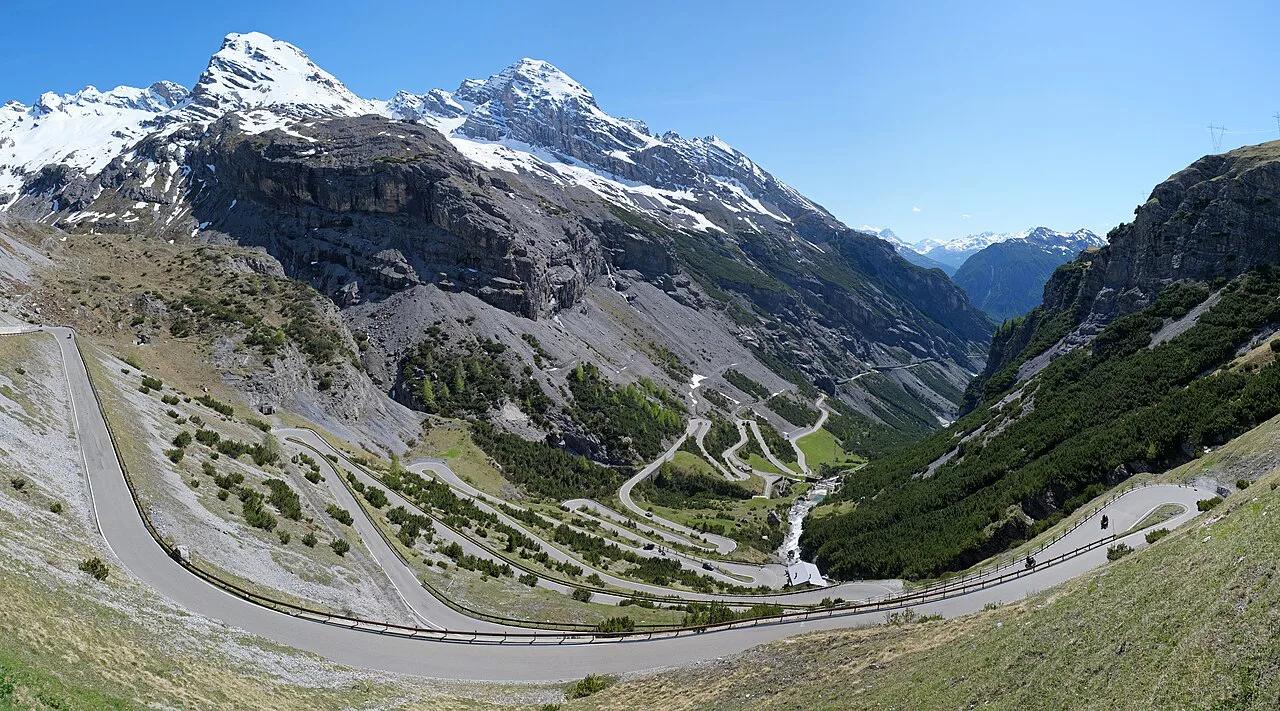
The Great Dolomites Road follows SS48 and SS241 through mountain passes. A typical line runs from Bolzano through Val Gardena to Cortina d'Ampezzo and Tre Cime di Lavaredo. Stelvio Pass on SS38 is a separate, harder drive. Passes can close outside summer, so check Visit South Tyrol before you set out. Underestimating pass timing is the common mistake, so leave extra hours for stops. Skip these roads in winter unless you are confident with mountain conditions. This region has no dedicated page on our site yet.
Liguria and the Italian Riviera
A coastal run from Genoa through Portofino and Cinque Terre to La Spezia mixes sea views with village stops. Parking is the main limit. Cinque Terre villages are better reached on foot or by public transport than by car, so park at the edge and plan your access. Choose spring or autumn to avoid summer queues. Skip this drive if you want fast, simple miles.
Lake Garda and the Northern Lakes
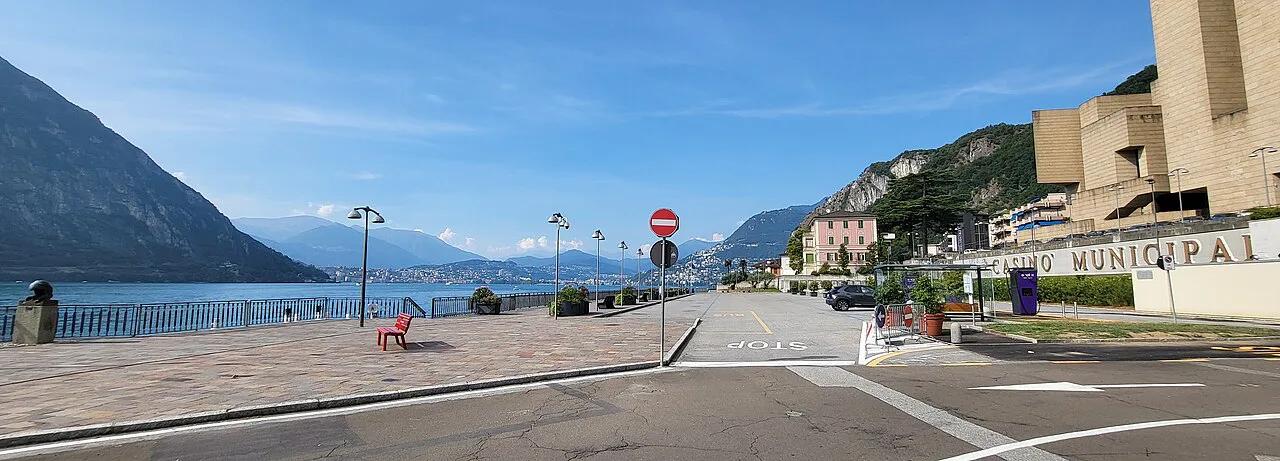
Garda's Gardesana road hugs the shore and suits short drives with lakeside stops. Our Lake Garda drive guide covers the route in detail. Lake Como is a second candidate for lake lovers, with similar shoreline roads. Expect slow traffic on summer weekends and tight parking in village centers. Skip the lakes at peak midday if you dislike queues.
Puglia, Sicily and Sardinia
The south and islands reward slower trips, usually 2-3 days per region. Each one has a dedicated route page.
Allow 2-3 days per region in Puglia, Sicily or Sardinia, and 7-10 days for a single-region trip.
- Puglia: trulli country and coastal stops such as Polignano a Mare. See Puglia road trip routes.
- Sicily: Mount Etna and the town of Nicolosi make a natural base for a volcano day. See Sicily road trip routes. Regional details are on Visit Sicily.
- Sardinia: coastal roads suit drivers who want fewer crowds. See Sardinia road trip routes.
Driving in Italy: ZTL, Tolls, Parking and Rental Tips
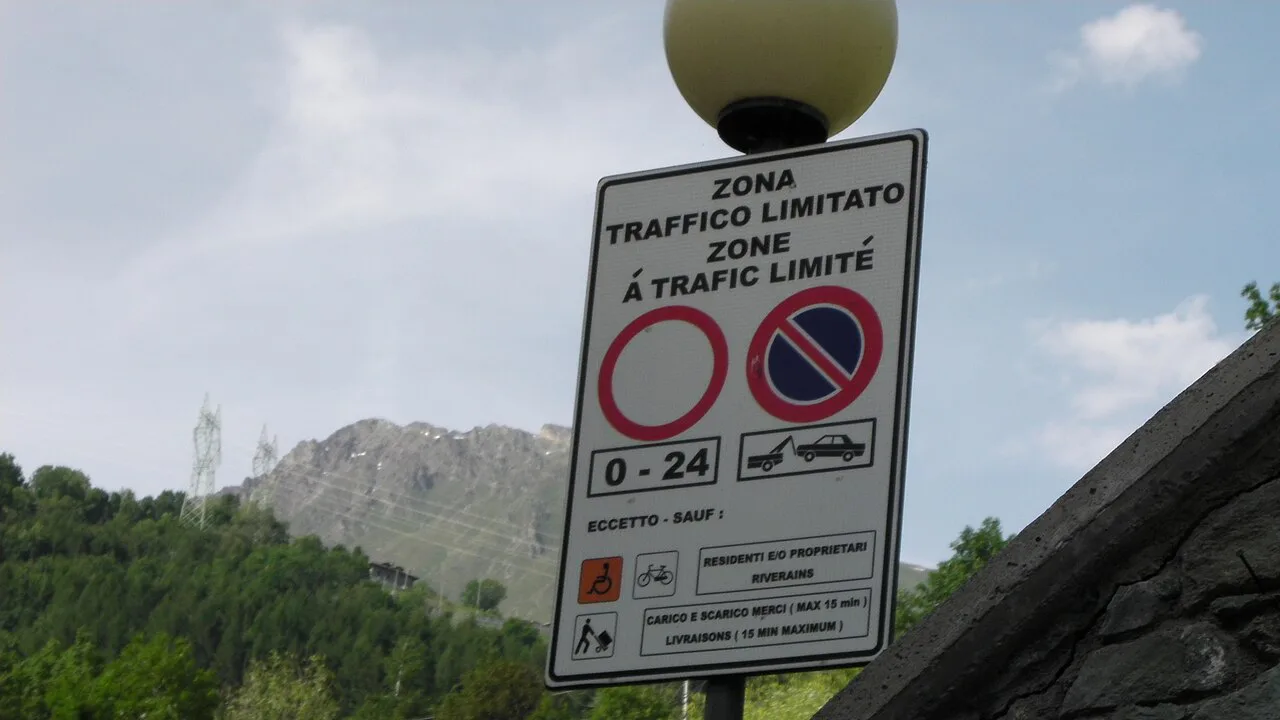
Speed limits are 50 km/h in towns, 90 km/h on rural roads and 130 km/h on motorways. Autostrade charge tolls, so keep a card handy and see Autostrade per l'Italia for network details. ZTL zones restrict traffic in historic centers. Cameras record entries, and fines usually reach you through the rental company. Non-EU drivers may need an International Driving Permit, so check with your rental company and licence issuer. A small car handles village parking and narrow roads best, and automatics may need early booking. One-way drop-offs can add fees. Main cost drivers are tolls, fuel, parking and rental extras.
Speed limits reach 130 km/h on motorways, but narrow Amalfi bends and Dolomite passes need far slower driving.
- Following GPS into a ZTL.
- Driving the Amalfi road at midday in peak season.
- Underestimating Dolomite pass timing.
- Overpacking a rental for village parking.
Frequently Asked Questions
How to plan a road trip in Italy?
Choose one region per 7-10 days, or allow 2-3 weeks for several. Match each drive to its season and pick a small car. Book parking near ZTL zones and use our Italy road trip planner for the full route.
Road-rule changes worth knowing
Optional updates to our guides.
You might also like
Continue reading
More guides you'll find useful