Renting a Car in Italy: Costs, Insurance, ZTL & Tips (2026)
Renting a car in Italy? Know when it's worth it, what documents and insurance you need, and how to avoid ZTL fines and surprise fees.
On this page
Last updated November 2026: renting a car in Italy pays off in rural Tuscany, Sicily, Sardinia, the Dolomites and the lakes. It is a liability in Rome, Florence, Venice, Milan and Naples, where ZTL zones and parking cause most of the trouble. Three traps catch most visitors: ZTL fines, insurance excess and deposit holds, and licence or IDP paperwork. Our hub on 6 Things to Know About Driving in Italy: ZTL, Tolls & Rules covers the road side in more depth.
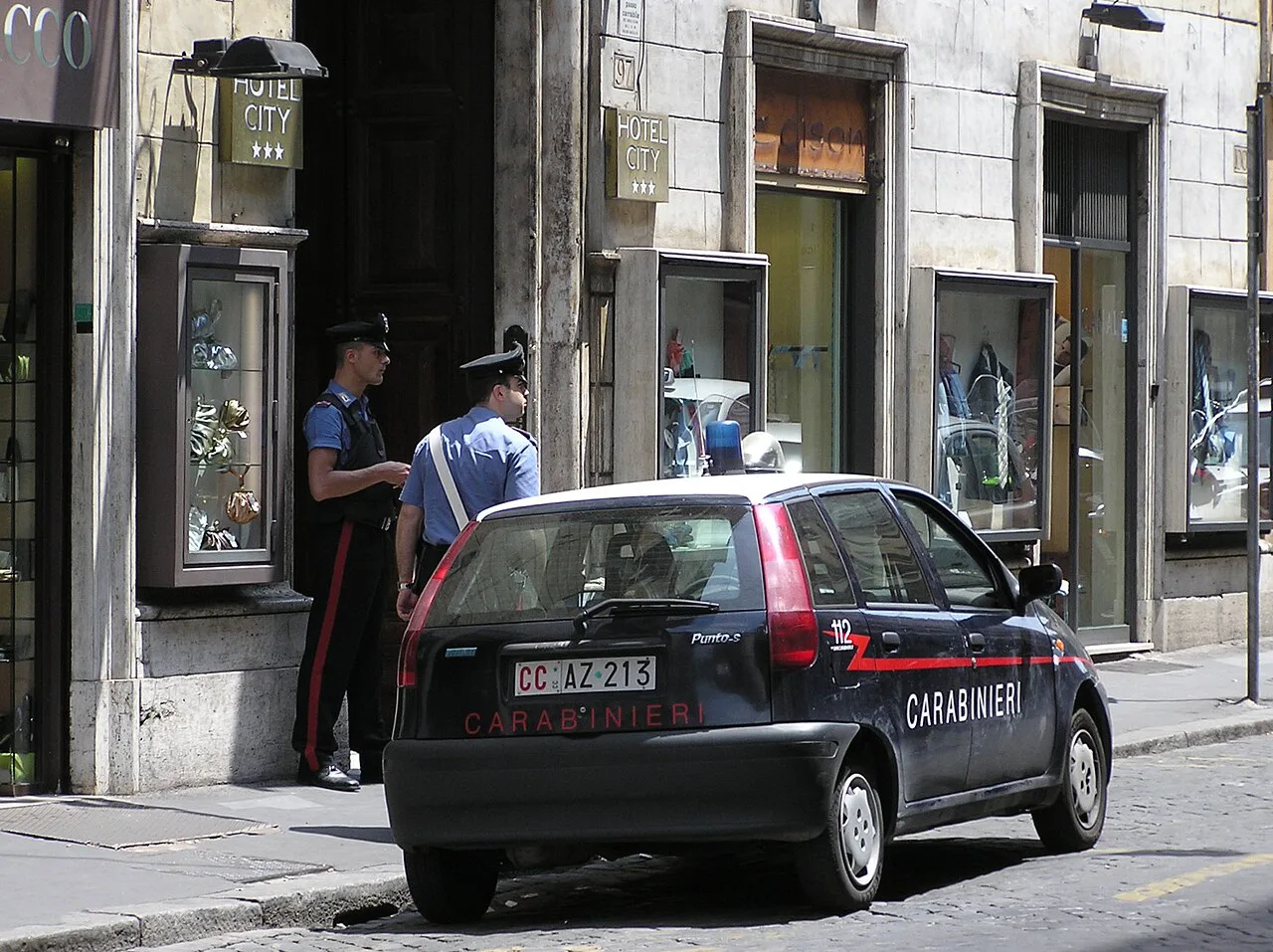
Featured image: l0da_ralta, CC BY 2.0, via Wikimedia Commons.
Should You Rent a Car in Italy?
Rent when your route runs through places trains and buses reach poorly. Skip the car when your trip is a string of big cities. Combining the two works well: take trains between cities and add a short rental for the countryside leg.
| Trip type | Rent or skip | Why | Alternative |
|---|---|---|---|
| Big-city trip (Rome, Florence, Venice, Milan, Naples) | Skip | ZTL zones and scarce parking | Trains and local transit |
| Tuscany and Umbria | Rent | Hill towns sit far from stations. See Renting a Car in Tuscany: Do You Need One? (ZTL, Pickup, Costs). | Regional trains plus taxis |
| Amalfi Coast | Usually skip | Narrow coast road and tight parking. See Amalfi Coast car rental. | Ferries and buses |
| Sicily | Rent | Distances between sights are long. See car rental in Sicily. | Buses between main cities |
| Sardinia | Rent | Beaches and inland villages are spread out. See car hire in Sardinia. | Limited bus links |
| Dolomites and lakes | Rent | Mountain passes and lakeside villages | Seasonal buses and boats |
| North to south by rail | Short rental only | Rail covers the long legs | Pick up a car where the trains stop |
Documents and Eligibility for Renting a Car in Italy
Bring your full driving licence, your passport and a credit card in the main driver's name. Many suppliers refuse debit and prepaid cards, so read your own booking terms before you pay. Many suppliers also set a minimum age of 21 and add a young-driver surcharge under 25. Each additional driver usually needs to show a licence and ID at the desk. Under article 135 of the Italian highway code, any non-EU licence must be carried with an International Driving Permit or an official translation, and the permit is only valid alongside the original licence. Driving without one risks a fine of €408 to €1,634. UK photocard licences and EU licences need no permit. US readers should read our guide to driving in Italy with a US licence. For current permit rules, see the Automobile Club d'Italia.
Suppliers set a minimum age of 21, and young-driver fees are extra when you're under 25, so the quoted rate may not be the final total.
Booking: What to Compare and When
Aggregators show the widest range, while booking direct can make changes and disputes simpler. Pick-up location changes both price and stress, so compare airport, city and train-station desks. Manual cars are the default in Italy, and automatics are scarcer and pricier. Book an automatic early, especially for summer. One-way rentals usually carry a drop-off fee, so price an open-jaw route before you commit.
- Is the price all-in, or are taxes, airport fees and young-driver fees extra?
- Is the car manual or automatic, and is the fuel type stated?
- Is the deposit amount shown, and does your card have room for it?
- Can you cancel free of charge, and until when?
- Are there mileage limits or a one-way fee?
- Does the desk open when your flight lands?
Insurance, Excess and Deposit
Third-party liability is mandatory and covers damage to other people and their property. It does not cover the rental car. For that, suppliers sell a collision damage waiver (CDW) and theft protection (TP). Both leave an excess, which is the amount you pay before cover starts. Tyres, glass, underbody and interior are often excluded, so read the exclusions list. Three routes exist: the supplier's own cover, a third-party excess policy, and credit-card cover. Supplier cover is simplest and usually means a smaller deposit hold. Third-party and card cover are often cheaper. They usually mean paying the supplier first, claiming back later, and accepting a larger deposit hold. Check that your card's cover applies in Italy, because some cards exclude certain countries.
What a Rental Really Costs
The daily rate is only one line. Add insurance extras, young-driver and one-way fees, airport surcharges, fuel, tolls, parking and any ZTL fine. Rates swing with season and car type, so price each line at booking. A 7-day Tuscany trip, as an illustrative structure, has base rate, excess cover, fuel for the days driven, a few motorway tolls and paid parking at hill-town edges. Fill each line with a quote before you decide. For toll planning, see Toll Roads in Italy: How to Pay, Costs & Tips for Drivers.
Price a 7-day Tuscany trip line by line, and pick up outside Florence's centre, since ZTL risk starts near the city office.
Choosing a Car: Size, Transmission and Fuel
A compact car suits narrow hill-town streets, tight car parks and two people with two bags. Larger cars give families luggage space, but they are harder to park. Air conditioning matters in summer, so make sure the booking lists it. Automatic or manual should be settled at booking. Match the fuel type on the contract to the label on the fuel flap at pick-up. Putting petrol in a diesel is expensive, and damage is often not covered.
Pick-Up and Return Logistics
As a rule, collect the car at the airport or on a city's edge, not in the centre. Look up the desk's opening hours and the late-arrival policy before you fly. Before you drive off, photograph and film every panel, wheel and the interior. Get any damage written on the contract. Fuel policies differ, so read yours. One large supplier's FAQ lists three outcomes: return at the same level, pay for missing fuel plus a refuelling fee, or prepay a full tank with no refund for unused fuel. Return the car at the agreed level and keep the receipt.
| Arrival city | Pick-up options | Onward route |
|---|---|---|
| Rome Fiumicino | Airport office | Avoid the city centre. Head out on the motorway. |
| Milan | Malpensa and Linate airport offices, plus city offices | Pick up at an airport for lakes trips |
| Naples | Airport and city offices | Amalfi Coast: read our Amalfi rental notes first |
| Venice | Airport office | Mainland pick-up only. Venice itself has no car use. |
| Florence | City office | ZTL risk nearby. Prefer an edge-of-town pick-up. |
| Pisa | City office | Tuscany: see Tuscany car rental |
| Catania and Palermo | Airport and city offices | Sicily: see Driving in Sicily: Roads, ZTL Zones, Tolls and Rental Tips |
| Cagliari and Olbia | Airport offices | Sardinia: see Sardinia car hire |
ZTL, Parking and Fines
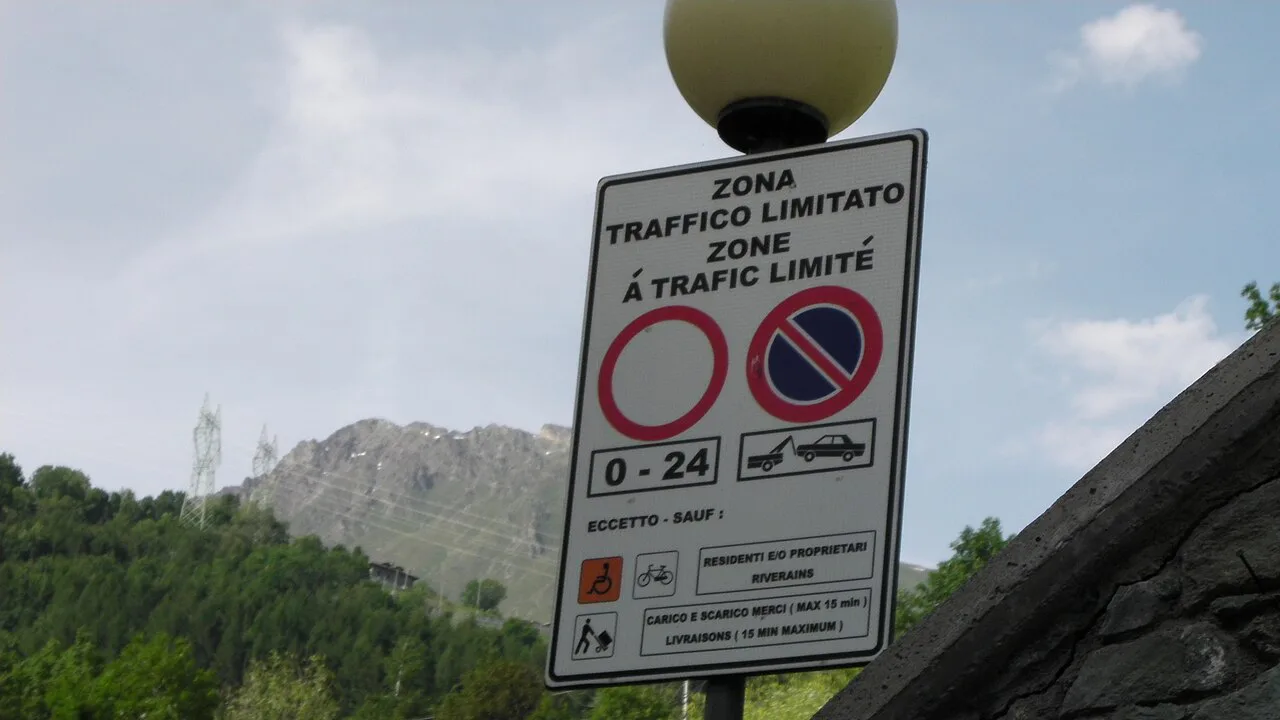
A ZTL (zona a traffico limitato) is a restricted-traffic zone covering many historic centres. Entry is camera-enforced, and signs mark the boundary. The fine is €83 to €332 plus notification costs, and repeat entries into the same zone on one calendar day count once. Fines reach you months later through the rental company, which adds an admin fee. Ask your hotel before arrival whether it sits inside a ZTL and can register your plate. Otherwise, park outside and walk or take transit. Florence, for example, sells day permits through Servizi alla Strada. Our guide to Parking in Italy: Colour Codes, ZTL Zones & Where to Park covers car parks and street markings. Paying within 5 days of notification cuts the fine by 30%.
Road Rules, Tolls and Fuel Essentials
Rules and limits get their own guides: Driving Rules in Italy: Speed, ZTL, Tolls & Documents and Speed Limits in Italy: Motorway, Rural & Town (2026 Guide). Toll motorways cost more but are faster and less stressful. Free roads are slower and often more scenic. Current tariffs are on Autostrade per l'Italia. Fuel stations offer self-service and attended pumps, and attended pumps usually cost more per litre. Motorway service areas stay open for long hours.
Traveling With Kids: Car Seats
Under article 172 of the Codice della Strada, children shorter than 150 cm must ride in an approved restraint suited to their size. Italian-registered cars, which includes almost every rental, also need an anti-abandonment alarm for children under 4, and the fine without one is €83 to €332. Ask the supplier whether the seat it fits has the alarm. Renting a seat saves luggage space, but the model and condition vary. Bringing your own costs baggage room but gives you a seat you know and have fitted before. For a short trip, ask the supplier which seat will be fitted.
Mistakes to Avoid
Five errors cause most disputes at the desk or after you return.
- Skipping the IDP when your licence needs one.
- Arriving with a debit card when the supplier wants a credit card.
- Driving into a ZTL because the sat nav routed you there.
- Taking the wrong fuel at the pump.
- Assuming the quoted price includes everything.
Frequently Asked Questions
Is it easy to rent a car and drive around Italy?
Renting is straightforward if your documents and credit card are in order. Driving is easy on motorways and in the countryside. City centres are the hard part because of ZTLs and parking, so read our driving hub before you go.
Which car rental company has the lowest rates?
No single supplier is always cheapest, because rates change by date, location and car type. Compare the all-in price, including insurance, young-driver and one-way fees. Read the deposit and cancellation terms before you book.
Road-rule changes worth knowing
Optional updates to our guides.
You might also like
Continue reading
More guides you'll find useful