
Car Hire Gran Canaria: Do You Need One and How to Book
Is car hire in Gran Canaria worth it? Compare pick-up spots, what drives the total cost, insurance and driving tips before you book.
On this page
Last updated November 2026: car hire Gran Canaria is the practical choice if you plan to go beyond the southern resorts or Las Palmas. A resort-and-capital stay can work on buses and transfers alone. We'd book a car as soon as the plan includes the interior peaks or the north coast.
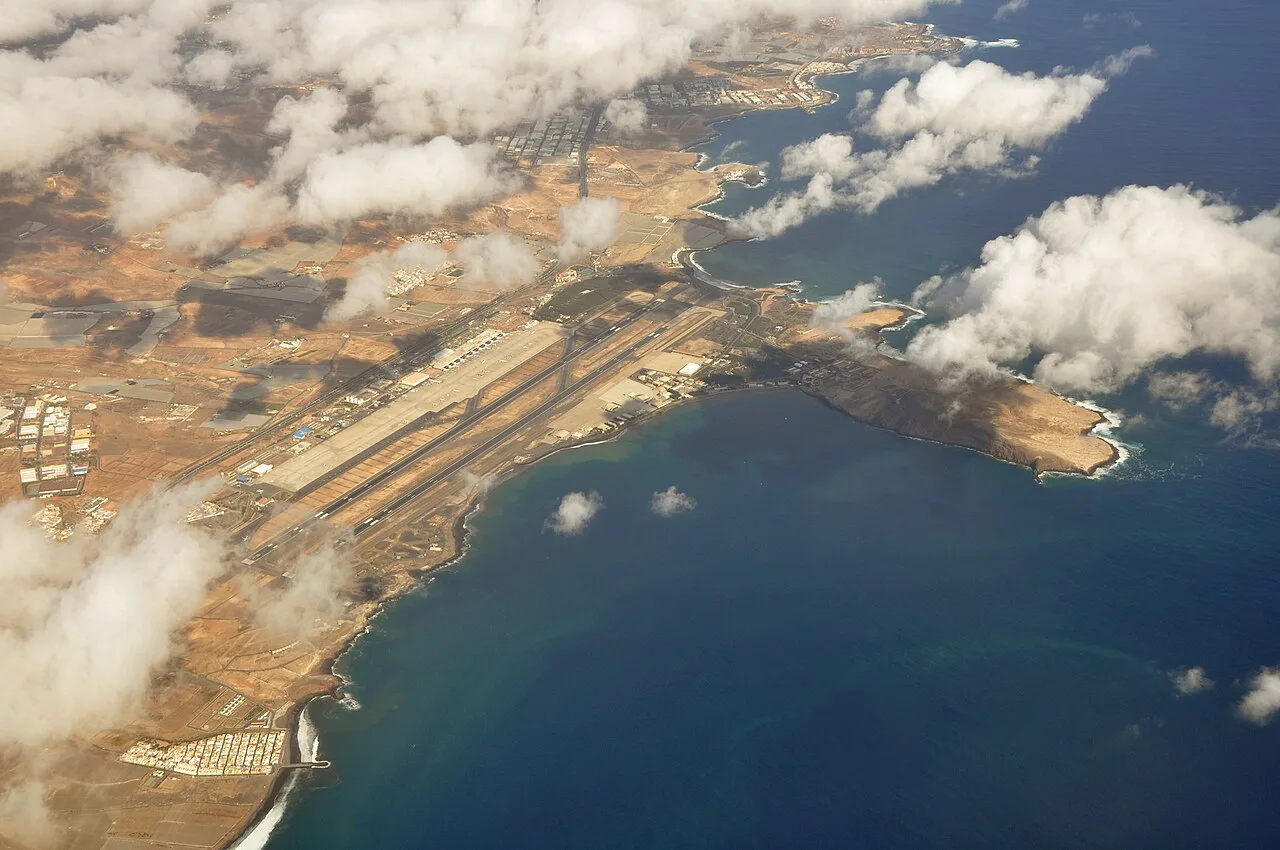
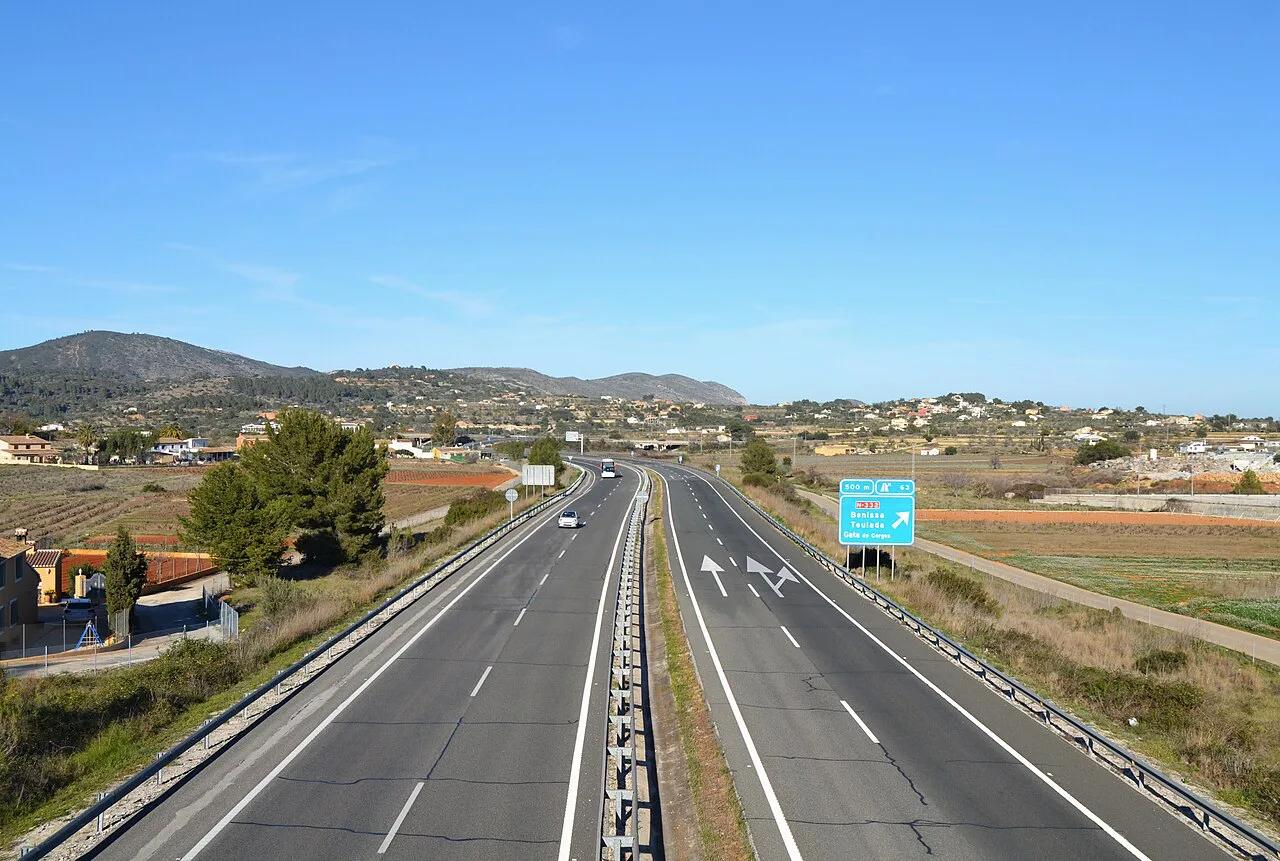
Featured image: Marc Ryckaert, CC BY 3.0, via Wikimedia Commons.
Car Hire Gran Canaria: Do You Need a Car?
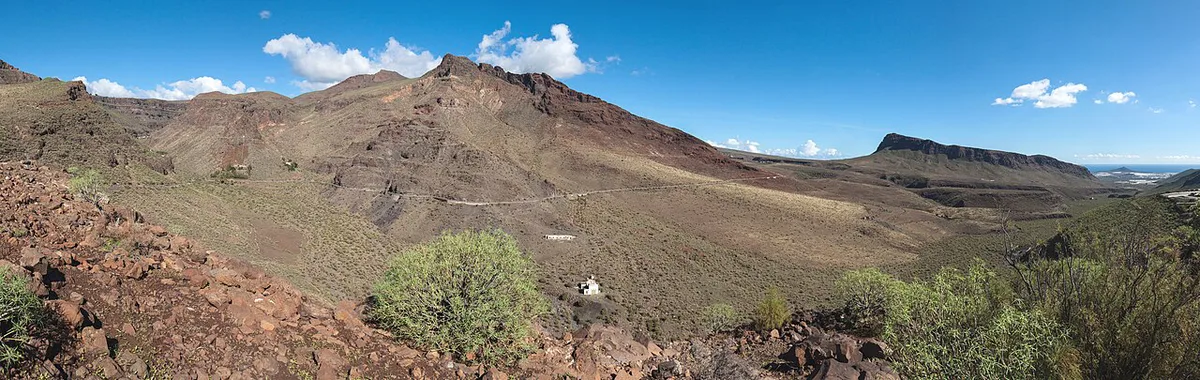
Most visitors who want more than a beach and a city walk will want a car. The interior around Roque Nublo and the road to Mogán are far easier on your own schedule. A stay split between Maspalomas or Playa del Inglés and Las Palmas works by bus, taxi or transfer. For that trip we'd skip the car and avoid the parking hassle. The table below matches traveler type to the likely answer.
| Traveler type | Bus, taxi or transfer enough? | Car recommended? |
|---|---|---|
| Resort beach stay in the south | Yes, for beach, dining and the airport run | Optional; useful for one or two day trips |
| Las Palmas city break | Yes, the city is compact enough for taxis and buses | No; parking costs time |
| Hiker or interior explorer | Limited; mountain villages are hard to chain by bus | Yes |
| Family with luggage | Transfers cover arrival; day trips get awkward | Yes, for flexibility |
| 3+ day island circuit | No | Yes |
Where to Pick Up Your Hire Car
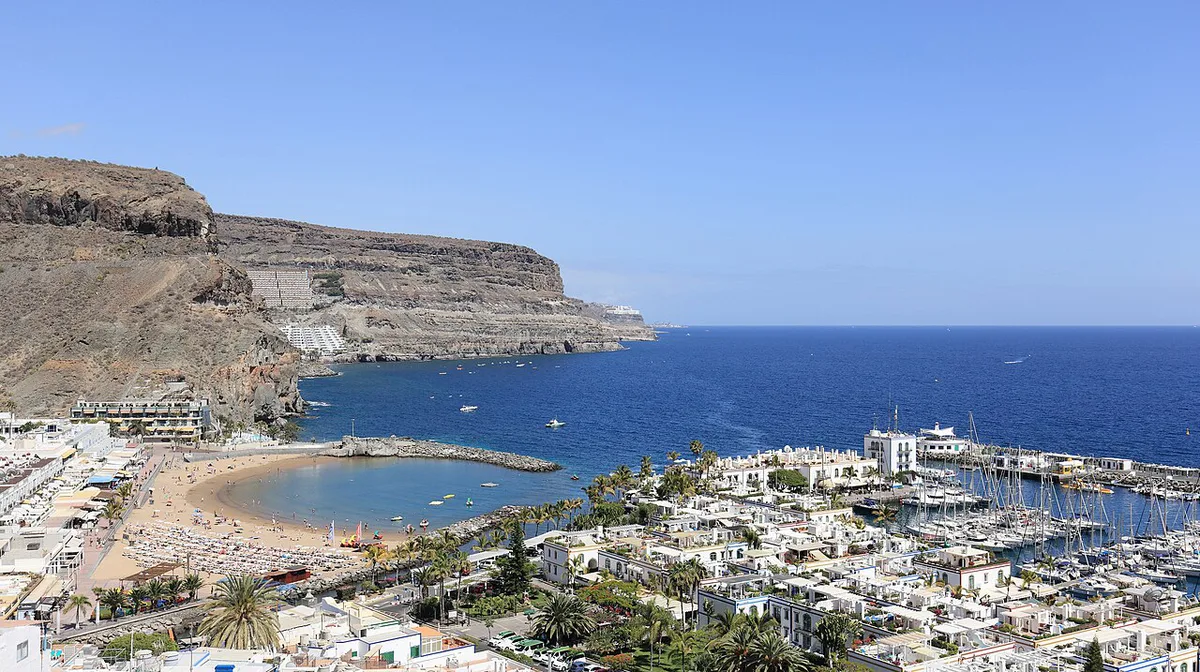
Gran Canaria Airport (LPA) is the simplest start if you are driving straight to the interior or the south. The airport sits about 19 km south of Las Palmas and about 25 km from the southern resorts, according to Wikipedia's airport entry, so a downtown office costs you a transfer before you even collect the keys. In the resorts, offices in Maspalomas, Playa del Inglés and Puerto Rico suit a car taken for only part of the stay. We'd collect at the airport for a full-week circuit. For a resort stay with one big day out, pick up in town on that day.
Las Palmas is about 19 km from the airport, and central parking is hardest there, so a city pick-up adds both a transfer and a parking search.
| Pick-up point | Convenience | One-way and drop-off | Best fit |
|---|---|---|---|
| Gran Canaria Airport (LPA) | Collect on arrival; no transfer | Usually simplest to return here | Island circuits, late arrivals |
| Las Palmas de Gran Canaria | Needs a transfer from the airport | Drop-off options vary by supplier | City-based stays |
| Maspalomas / Playa del Inglés | Short hop from most southern hotels | Returning elsewhere can carry a fee | Resort stays with day trips |
| Puerto Rico | Close to west-coast hotels | Returning elsewhere can carry a fee | West-coast stays, Mogán trips |
What Drives the Cost of Car Hire in Gran Canaria
We won't quote a daily rate, because headline "from" prices rarely say which season, car class or insurance they assume. Prices and terms move with demand. Winter demand from northern Europe makes early booking worth it. Compare the total at checkout across suppliers, not the first number you see. Some booking platforms offer free cancellation up to 48 hours before pick-up, so an early booking can be revised if a better quote appears.
- Season and how far ahead you book
- Car class and transmission
- Insurance excess and any cover to reduce it
- Fuel policy: full-to-full is usually cleaner than pre-paid fuel
- Airport surcharge, extra drivers and child seats
- One-way fees if you return in a different town
Choosing a Car and Insurance
A small car suits towns, the coast and tight village streets. Choose more engine for the mountain roads, where long climbs with passengers and luggage test a minimal-power car. You do not need a four-wheel drive for the main routes, but road conditions can change, so ask the supplier about unpaved tracks. Our general rules on deposits, excess and cover are in our guide to Renting a Car in Spain: Documents, Insurance, Deposits. Expect a card hold for the security deposit, so use a credit card with enough limit. Minimum age depends on the supplier; some set it at 21, and young-driver surcharges may apply. Additional drivers are normally allowed but must be named on the agreement.
Driving in Gran Canaria: Roads, Parking and Rules
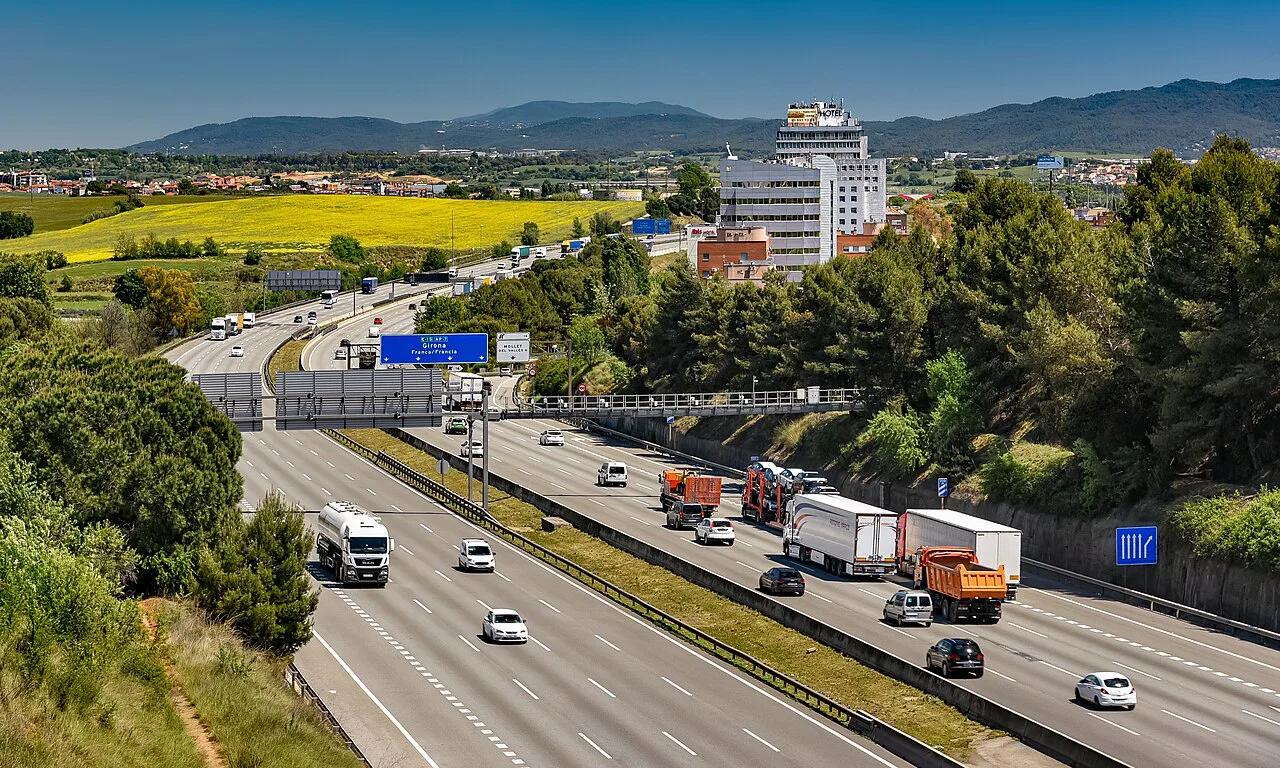
Traffic drives on the right. The GC-1 and GC-2 coastal motorways link Las Palmas, the airport and the southern resorts, and they are the easy part. The mountain roads, including the GC-60 and GC-200 routes toward Roque Nublo and Mogán, are slower. Expect hairpins, steep drops and slower drivers ahead, so pull in where it is safe and let traffic pass. Weather changes with height. The north is greener than the south, so cloud and cooler air often appear as you climb, even when the resorts are sunny. Spanish limits apply: 120 km/h on the motorways, 90 km/h on conventional roads, and in towns 50 km/h on streets with two or more lanes each way and 30 km/h on streets with one. Our Spain speed limits guide covers the rest. Children 135 cm tall or shorter must use an approved child seat, so book one with the car. Parking is hardest in central Las Palmas and at popular beach areas, so check parking at your accommodation before you book. Our parking in Spain guide explains street colors and payment. A UK photocard licence is valid on its own, while US visitors should carry an International Driving Permit with their license and read driving in Spain with a US license before collecting a car. For the national picture, start with 8 Things to Know About Driving in Spain (2026).
A small car suits towns and tight village streets, where most single-lane streets are limited to 30 km/h.
Booking Checklist and Common Mistakes
Most problems come from small print, not from the roads. Run through these points before you pay.
- Pick a full-to-full fuel policy and return the car with a full tank.
- Read the excess amount and decide whether to reduce it.
- Find out the card hold amount and make sure the main driver's credit card is accepted.
- Add every driver to the agreement before pick-up.
- Photograph every scratch and wheel before leaving the car park.
- Ask whether ferries and inter-island travel are allowed; many suppliers restrict them.
- Get late-arrival desk hours in writing if your flight lands late.
Gran Canaria vs. Other Spanish Islands
Gran Canaria's roads suit a mixed itinerary of coast, city and mountains. For comparison, our Tenerife car hire guide covers a different volcanic layout. Tenerife's own visitor board, Tenerife tourism, is the place for island-specific planning. Our Lanzarote car hire guide suits flatter, shorter drives. For the Balearics, see car hire in Mallorca.
Frequently Asked Questions
Is it cheaper to rent a car from an airport or a local location?
Airport desks often add a surcharge, while a town office can cost you a transfer to reach it. Compare the total, including extras and one-way fees, for both before you book.
How much is a hire car in Spain?
The price depends on season, car class, insurance excess and fuel policy. Run a live quote for your exact dates, and compare the full total rather than the daily headline.
Why are car rentals so expensive in Spain?
Peak-season demand, airport surcharges and low-excess insurance add the most. Booking early and checking the fuel policy usually trims the final bill.
Road-rule changes worth knowing
Optional updates to our guides.
You might also like

Continue reading
More guides you'll find useful