8 Things to Know About Driving in Spain (2026)
Driving in Spain explained: license and permit basics, speed limits, V-16 beacon, tolls, low-emission zones, parking and when a rental car is worth it.
On this page
Last updated November 2026: driving in Spain is straightforward for most visitors, who drive on the right with a valid license from home. Paperwork rules depend on your license country and your rental company, so item 1 below shows what to carry. Read all eight points before you collect a rental car.
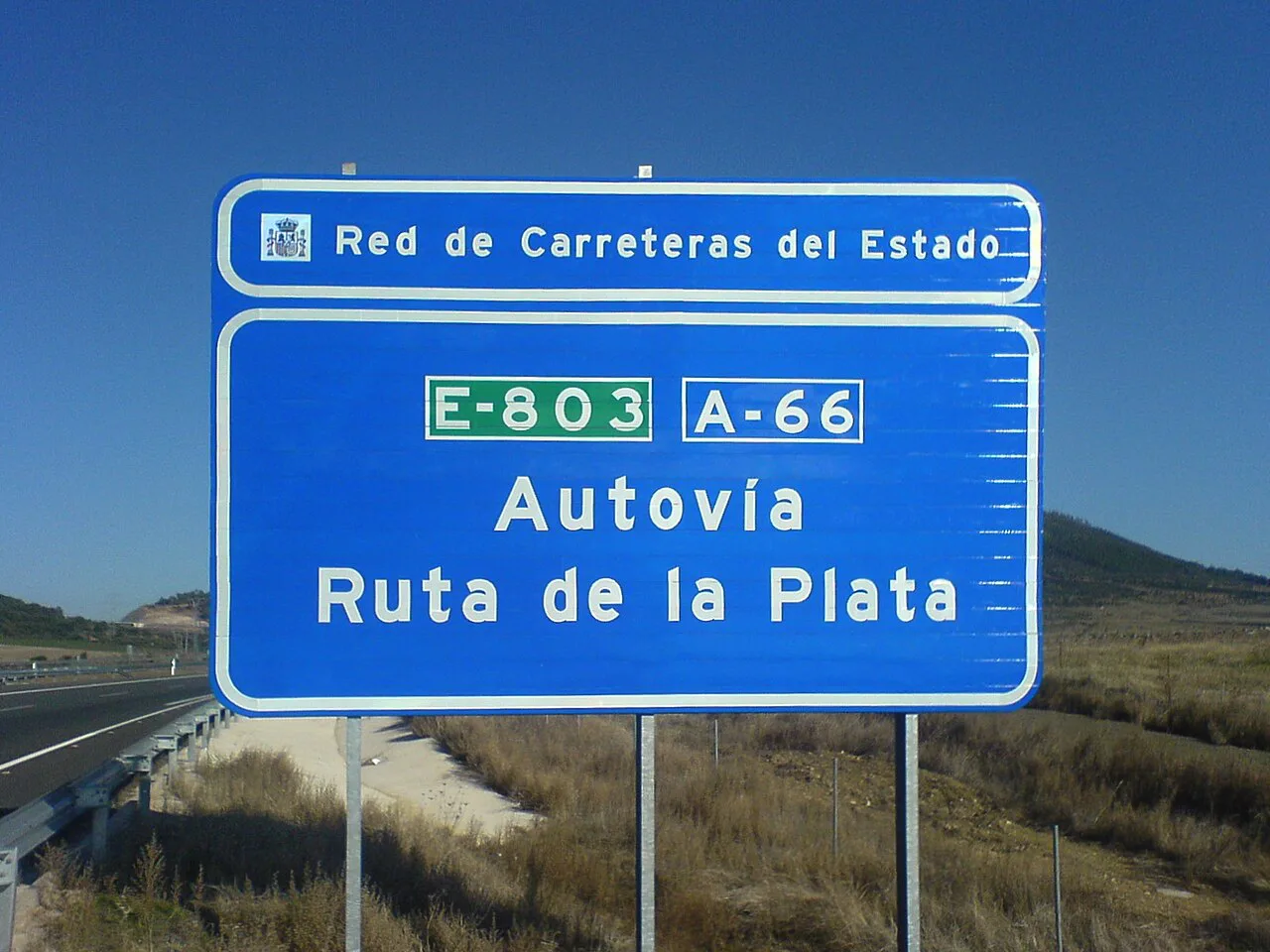
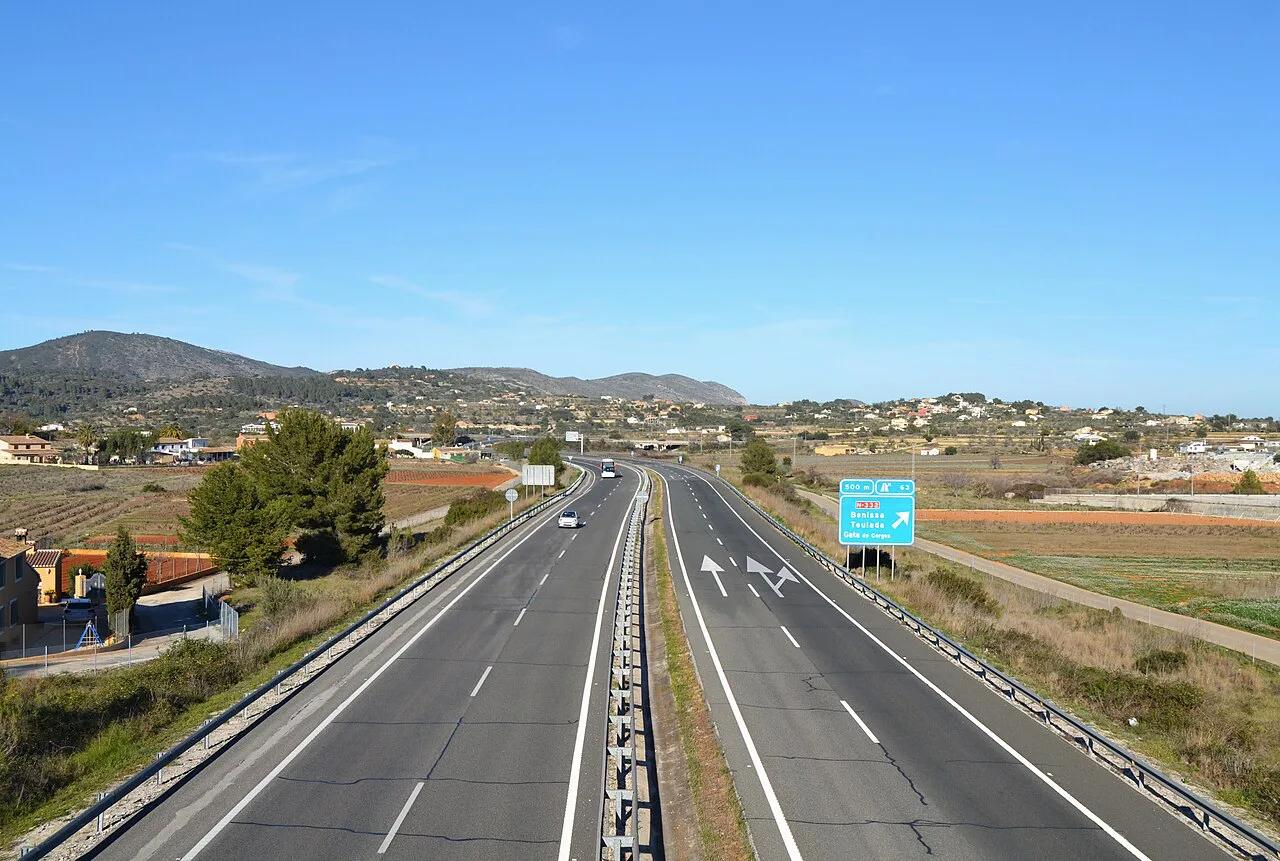
Featured image: Jorge Franganillo, CC BY 2.0, via Wikimedia Commons.
Quick answer: can you drive in Spain?
Yes, most visitors can drive in Spain on a valid home license. Traffic keeps to the right, and the steering wheel sits on the left. Americans should read our US license rules for Spain before booking. Rules checked November 2026.

- Drive on the right and overtake on the left.
- At unsigned junctions, traffic from your right has priority.
- Right turn on red is not allowed.
- Limits run 120 km/h on motorways and 90 km/h on conventional roads.
- Many city centers restrict cars through low-emission zones.
- Call 112 in an emergency.
Do you need a car in Spain?
A car pays off outside the big cities. In Madrid and Barcelona, low-emission zones, parking and transit often make a car more trouble than help. Read our Madrid driving guide before you decide. Our Barcelona driving guide covers the same choice for Catalonia.
| Trip type | Car worth it? | Why |
|---|---|---|
| Madrid or Barcelona city break | Usually no | Low-emission zones, costly parking and strong transit |
| Andalusia and Costa del Sol road trip | Yes | Towns and beaches sit far apart |
| Balearic and Canary Islands | Usually yes | Beaches and viewpoints lie beyond main bus routes |
| Rural and interior regions | Yes | Villages are hard to reach without your own wheels |
8 Things to Know About Driving in Spain
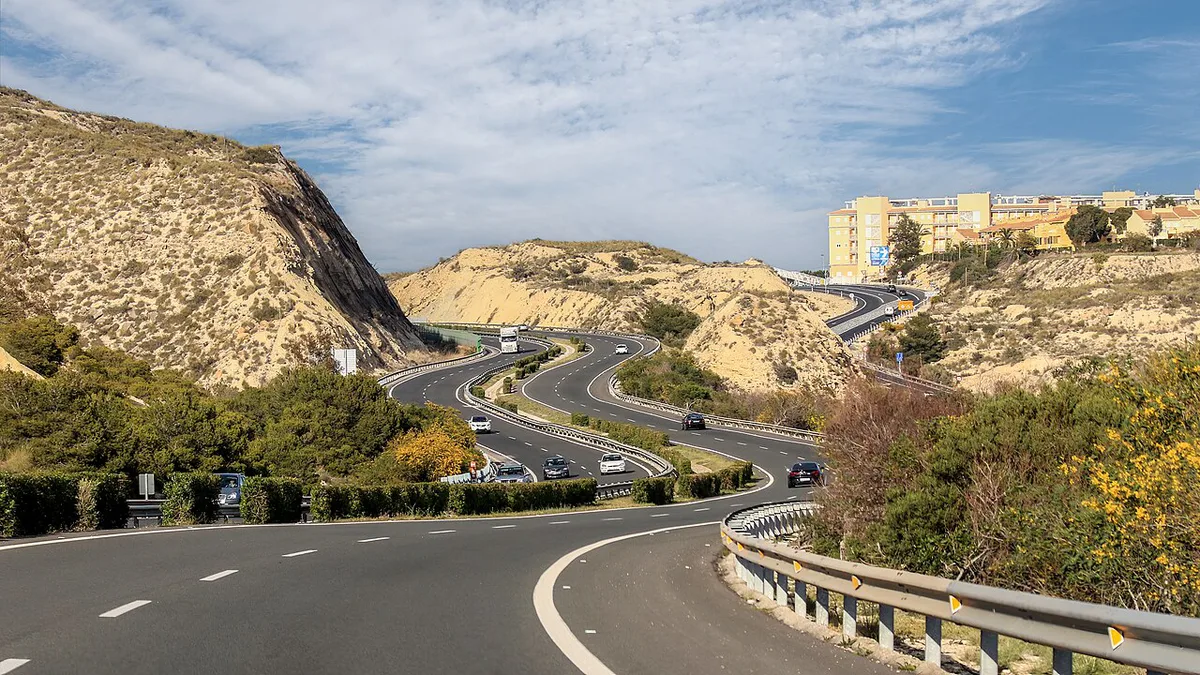
These eight points cover what trips up most visitors. Each one hands off to a longer guide where you need more depth.
1. License, permit and documents
Carry your home driving license, your passport and your rental confirmation. You must be at least 18 to drive a car in Spain, and rental firms often set a higher minimum age of their own. EU and EEA licenses are valid as issued, but drivers from other countries should check the DGT for their license type.
Rental counters may add conditions on top of the legal minimum. AAA's International Driving Permit page explains what the permit is and how Americans get one. Our car rental guide covers age fees, deposits and extra drivers.
2. Right-hand traffic, junctions and red lights
Traffic keeps right, overtakes on the left and runs counterclockwise around roundabouts. Yield to cars already inside a roundabout, and take the outer lane if you plan to exit soon. At unsigned junctions, priority goes to traffic coming from your right.
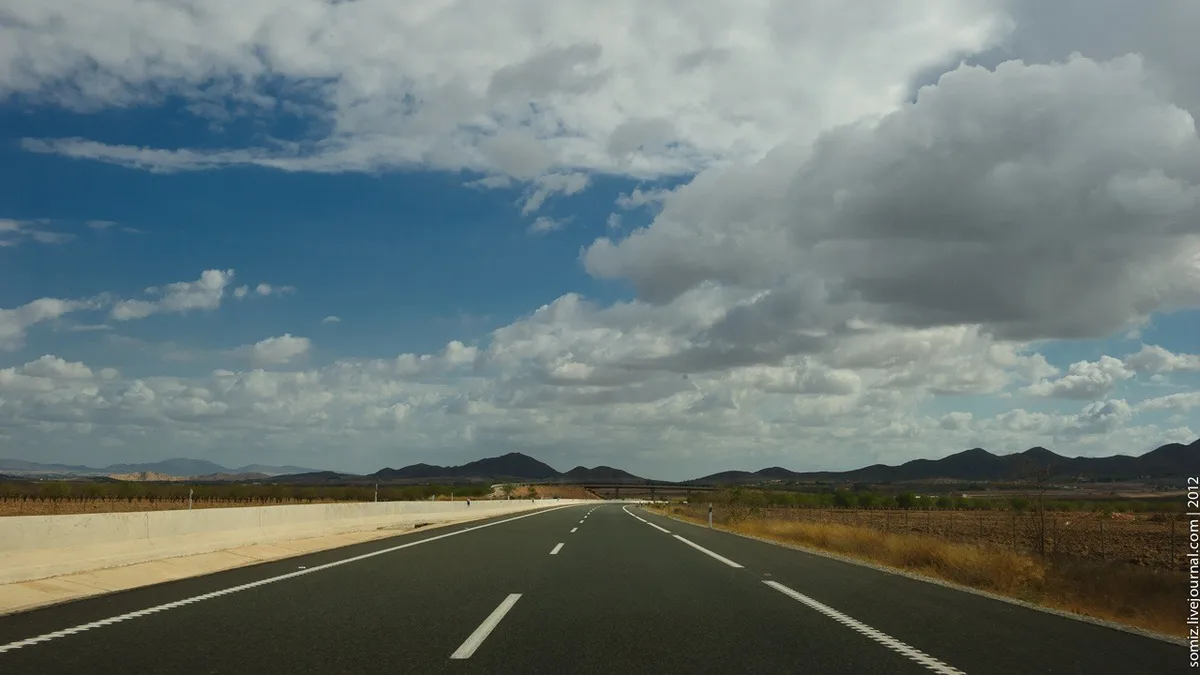
Right turn on red is not allowed in Spain. Turn only when a lit green arrow says so; otherwise wait for green. Stop for pedestrians at marked crossings, especially if you come from a left-driving country.
3. Phones, alcohol, seat belts and child seats
Handheld phone use is banned, and headphones are off-limits even with hands-free calling. The adult alcohol limit is 0.5 g/L in blood, or 0.25 mg/L in breath. Novice drivers face 0.3 g/L, or 0.15 mg/L in breath.
Zero alcohol is the safest plan on a rental-car trip. Every occupant must wear a belt, front and back. Children under 135 cm need an approved child restraint, so reserve seats with the rental company.
4. Speed limits and the mph trap
Motorways and dual carriageways allow 120 km/h, which is about 75 mph. Conventional roads allow 90 km/h, about 56 mph. Urban streets usually allow 50 km/h, about 31 mph, and many single-lane streets drop to 30 km/h.
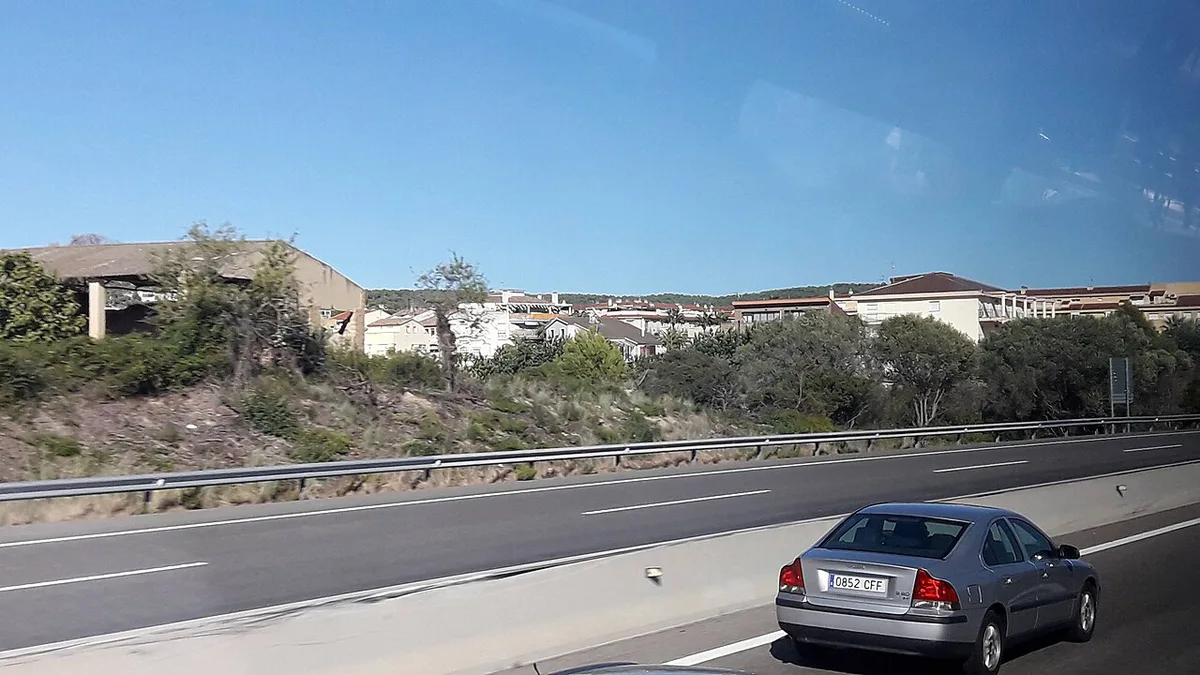
Rental cars show km/h, so leave your mph habits at home. Speed cameras are common, and posted signs override the defaults. Read our speed limit guide for road-by-road detail.
5. Required equipment and the V-16 beacon
Keep a reflective vest within reach, and wear it if you leave the car on an interurban road. From 1 January 2026, the connected V-16 beacon is the required warning device, replacing triangles. It sits on the roof with a magnet and flashes in all directions.
A rental car should already carry one, so look for it in the trunk before you drive away. Cars also need a spare tire or a puncture repair kit. Ask the rental desk to show you any item you cannot find.
6. Low-emission zones and city driving
Spain's low-emission zones, called ZBE, restrict some vehicles in many city centers, and rental cars are not automatically exempt. Our national zone overview explains how the system works. Rules for the capital are in our Madrid zone guide.
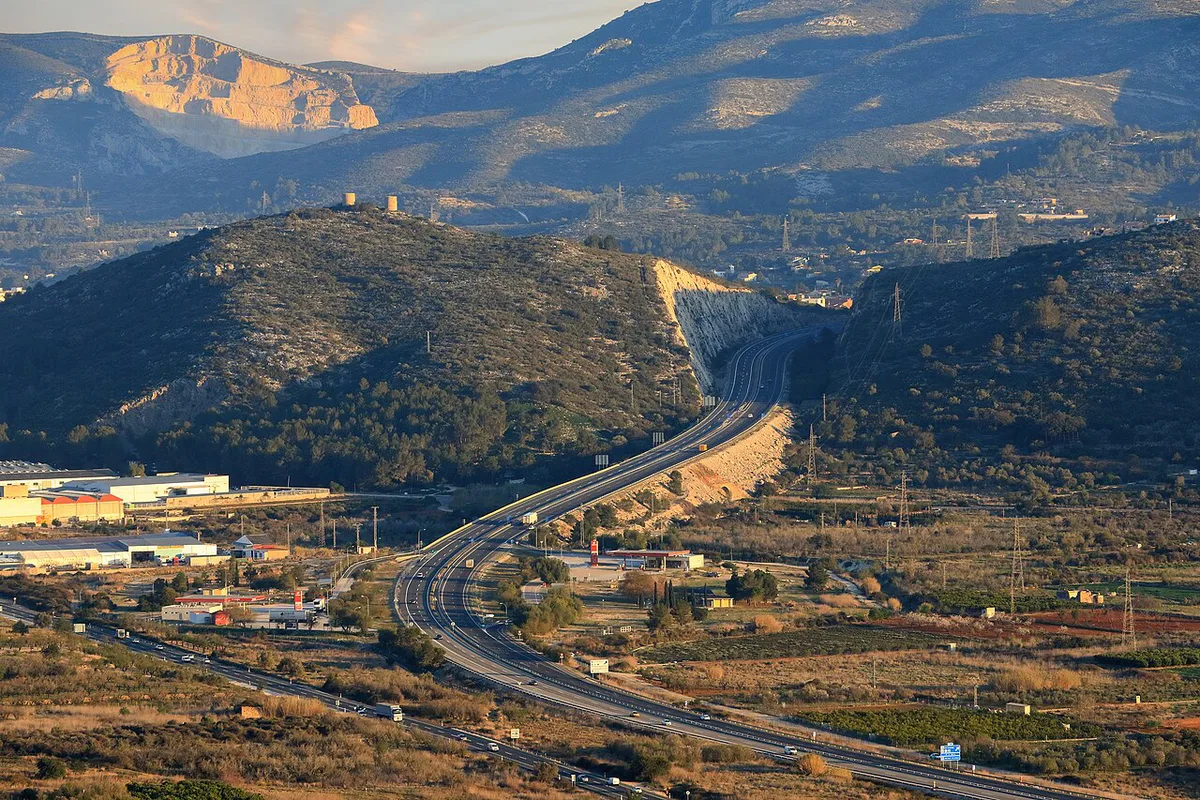
Barcelona visitors should read our Barcelona zone guide before arriving. The ZBE Rondes de Barcelona site maps that city's zone. City-break travelers can sidestep all of this by skipping the car.
7. Tolls, parking and fuel
Roads numbered AP are toll motorways, while many A-numbered autovías are free. Tolls are paid at booths, so carry a card. Our toll road guide compares paid and free routes.
City parking in Madrid and Barcelona adds up fast, so read our parking guide first. Fuel is gasolina for petrol and gasóleo for diesel.
8. Fines, police checks and breakdowns
Guardia Civil officers run alcohol and drug checks, and cameras enforce speed limits. Non-resident drivers can be asked to pay a fine on the spot. Call 112 for any emergency.
After a breakdown, put on your vest, switch on the V-16 beacon and move away from traffic. Then call the assistance line printed in your rental agreement. Fine amounts change, so use the DGT as your source for figures.
Speed limits in Spain at a glance

Defaults are 120 km/h on motorways, 90 km/h on conventional roads and 50 km/h in towns. Posted signs always override these numbers. Check mph conversions before you set cruise control.
| Road type | km/h | Approx. mph |
|---|---|---|
| Motorway or dual carriageway | 120 | 75 |
| Conventional road | 90 | 56 |
| Urban street | 50 | 31 |
| Single-lane urban street | 30 | 19 |
Rental car checklist before you leave the lot
Airport pickup is the easiest start, but spend ten minutes on the car before leaving. Photograph every scratch with the agent present.
Since 1 January 2026, the V-16 beacon replaces warning triangles, so check the trunk for it before you drive away.
- Manual cars are common, so book an automatic early if you need one.
- Compare the deposit and the excess, which is what you pay if the car is damaged.
- Choose a fuel policy and note whether the tank takes gasolina or gasóleo.
- Confirm a V-16 beacon, vest and spare or repair kit are on board.
- Reserve child seats in advance.

Where driving in Spain is worth it: islands and regions
Roads reward you most where public transport thins out. Madeira is Portuguese, not Spanish, so it is not covered here.
- Mallorca: Mallorca car hire suits beaches and villages across the island, and Illes Balears tourism lists destinations.
- Tenerife: Tenerife car hire helps with volcanic landscapes and coastal towns, and webtenerife has island planning.
- Lanzarote: use Lanzarote car hire for lava fields and beaches.
- Gran Canaria: see Gran Canaria car hire for mountain and coast routes.
- Málaga and the Costa del Sol: Málaga car hire opens up Andalusian towns along the A-7.
Mistakes to avoid when driving in Spain
Most visitor fines come from habits carried over from home. Watch for these six.
Reading km/h as mph is costly: 120 km/h, which is about 75 mph, is the default motorway limit.
- Turning right on red.
- Wearing headphones while driving.
- Reading speed in mph.
- Entering a low-emission zone unprepared.
- Leaving without checking the V-16 beacon.
- Filling a diesel car with petrol, or the reverse.
Frequently Asked Questions
What should I expect when driving in Spain for the first time?
Expect right-hand traffic, priority from the right at unsigned junctions and speeds posted in km/h. Motorways are fast at 120 km/h, and city centers can be tight and restricted. Start with a quiet route out of the airport.
Is car insurance required in Spain?
Yes, liability insurance is mandatory for every vehicle. Rental cars include the legally required cover. Check the excess and the price of extra cover before you sign.
Explore More Guides
Keep planning your trip with these guides.
Guides
- Renting a Car in Spain: Documents, Insurance, Deposits
- Driving in Spain With a US License
- Speed Limits in Spain: km/h, mph and Road Types
- Toll Roads in Spain: Which Charge and How to Pay
- Spain Low Emission Zones (ZBE)
- Madrid Low Emission Zone (ZBE)
- Barcelona Low Emission Zone (ZBE)
- Parking in Spain: Zones, Costs, Fines and Tips
- Driving in Barcelona: Rules, LEZ, Parking & Tolls
- Driving in Madrid: Do You Need a Car? Rules, Zones, Parking
- Car Hire Mallorca: Do You Need One, Where to Pick Up & What to Avoid
- Car Hire Tenerife: Pick-Up Points, Cars and Checks
- Car Hire Lanzarote: Airport Pickup, Costs & What to Check
- Car Hire Gran Canaria: Do You Need One and How to Book
- Car Hire Malaga: Airport Pick-Up, Deposits & Insurance
- Car Hire Madeira: Funchal Airport Tips & Costs
Road-rule changes worth knowing
Optional updates to our guides.
You might also like

Continue reading
More guides you'll find useful