
Driving in Madrid: Do You Need a Car? Rules, Zones, Parking
Thinking of driving in Madrid? Learn when a car helps, how the low-emission zone and parking work, and which alternatives save time and stress.
On this page
Last updated November 2026: driving in Madrid is usually unnecessary, and access to parts of the centre depends on your vehicle. A car earns its place on trips out of the city, not on trips across it. Read this before you book a rental, so you choose the right pickup day, parking plan and route out.
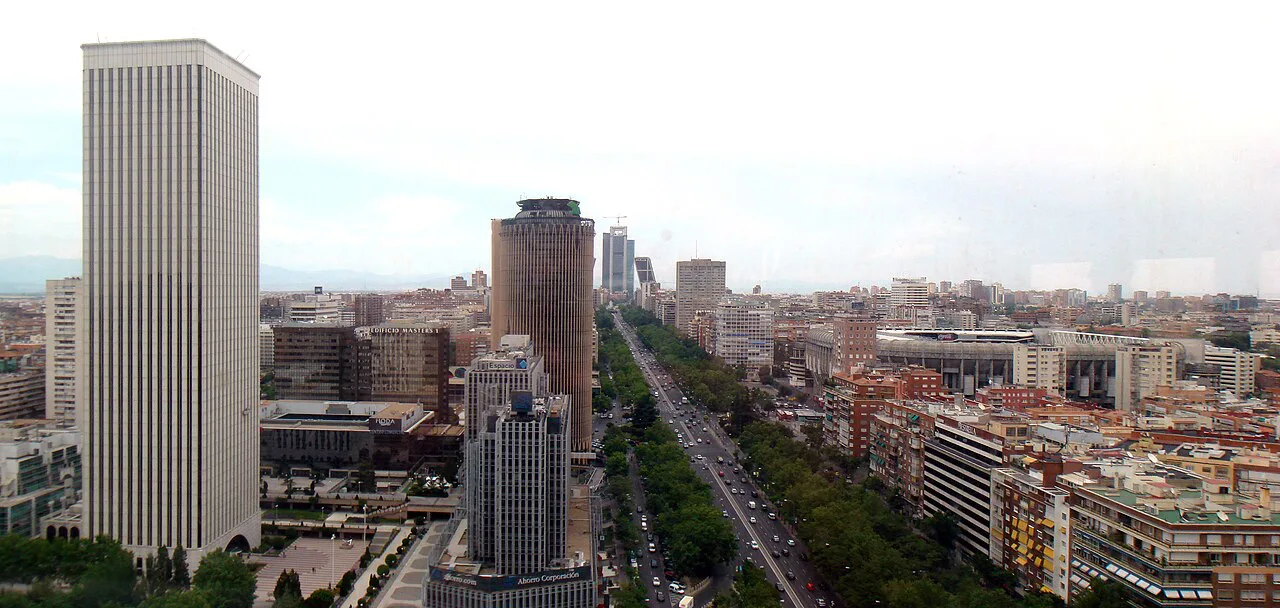
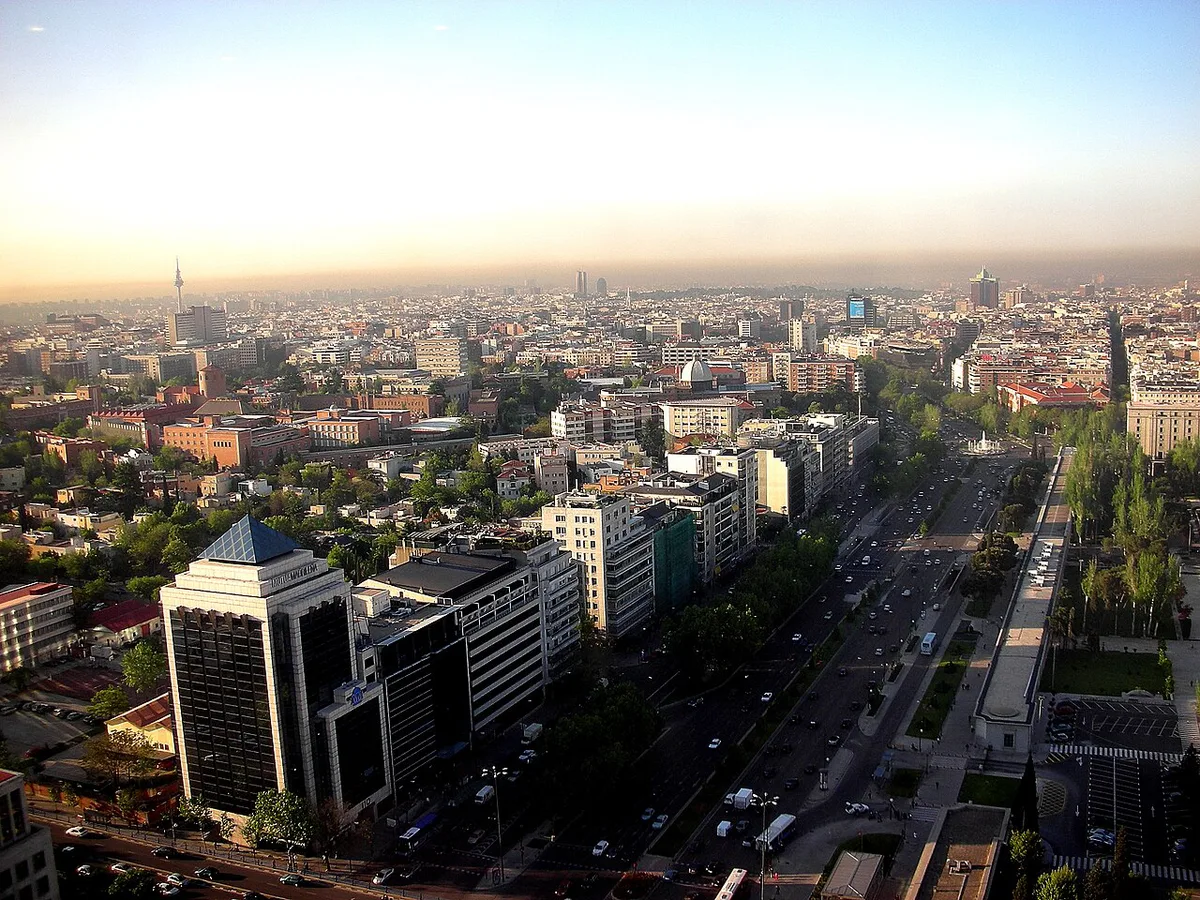
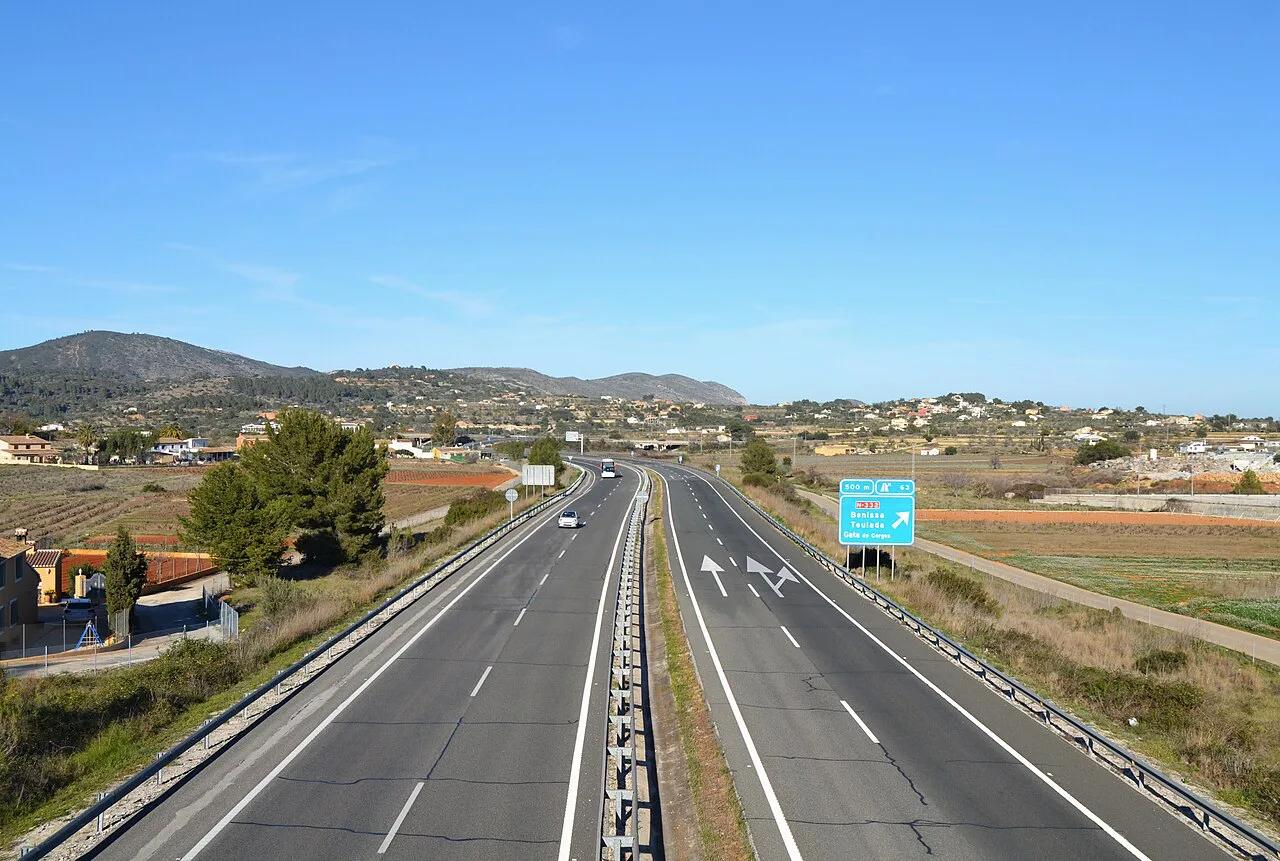
Featured image: Álvaro Ibáñez from Spain, CC BY 2.0, via Wikimedia Commons.
Short answer: should you drive in Madrid?
Skip the car for sightseeing. Metro, buses, taxis and walking cover the central districts faster than a car can find a space. Take a car when your plans lie outside Madrid, such as towns in the surrounding region. Access to central streets depends on your vehicle's environmental label, and our Madrid zone rules explain how that works. For the national picture, start with our complete Spain driving guide.

- Sightseeing in the centre: use the metro, taxis or your feet.
- Day trips and onward travel: a car can help, if you collect it when you leave town.
- Before any drive: know your vehicle's environmental label and where you will park overnight.
Car vs. metro, taxi and train: decision table
Match the transport to the trip, not to the trip's length. Central Madrid rewards people who walk and ride. The ring roads and motorways reward people who drive. The table sets out the trade-offs without pretending a car is cheaper or faster than it is.
| Scenario | Car | Metro, rail or taxi | Our editorial take |
|---|---|---|---|
| Sightseeing around Gran Vía and Distrito Centro | Restricted access, hard parking, slow traffic | Direct, no parking search | Leave the car out of it |
| Airport transfer from Madrid-Barajas | Useful only if you are driving on immediately | Simple and predictable | Public transport or taxi for city stays |
| Day trips to nearby towns | Flexible timing and stops | Works where rail or bus lines serve the town | Car is worth it for several stops |
| Onward travel across Spain | Good for rural routes | Good between big cities | Pick by route; see our car rental guide |
Driving in Madrid: the roads you will meet
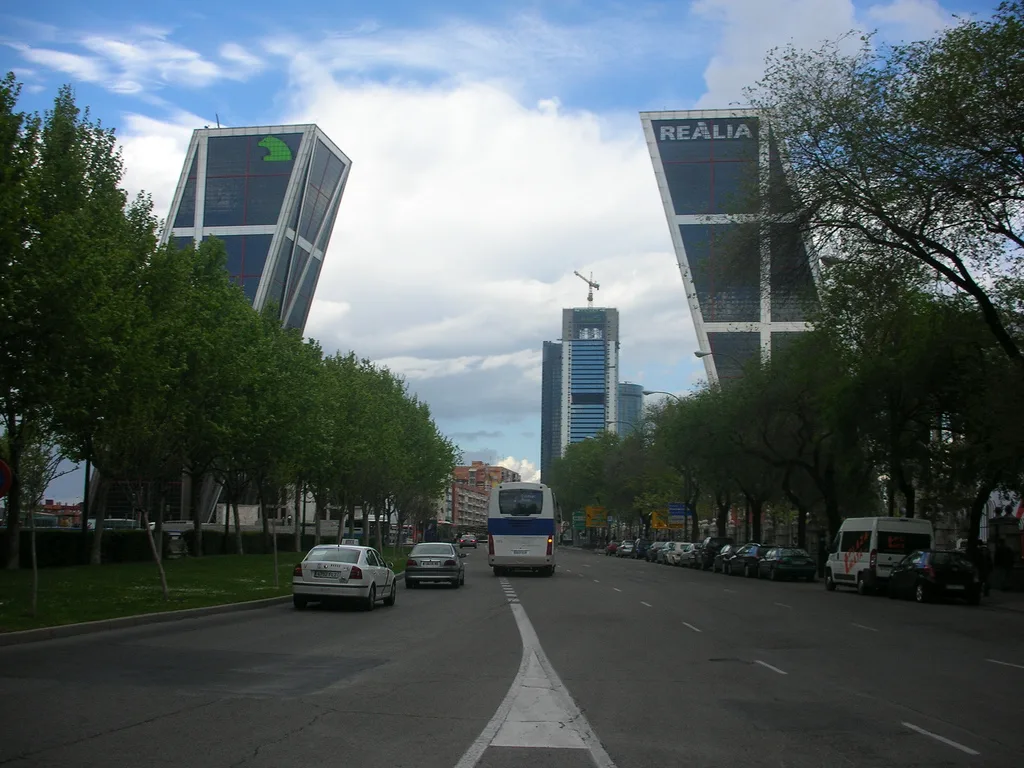
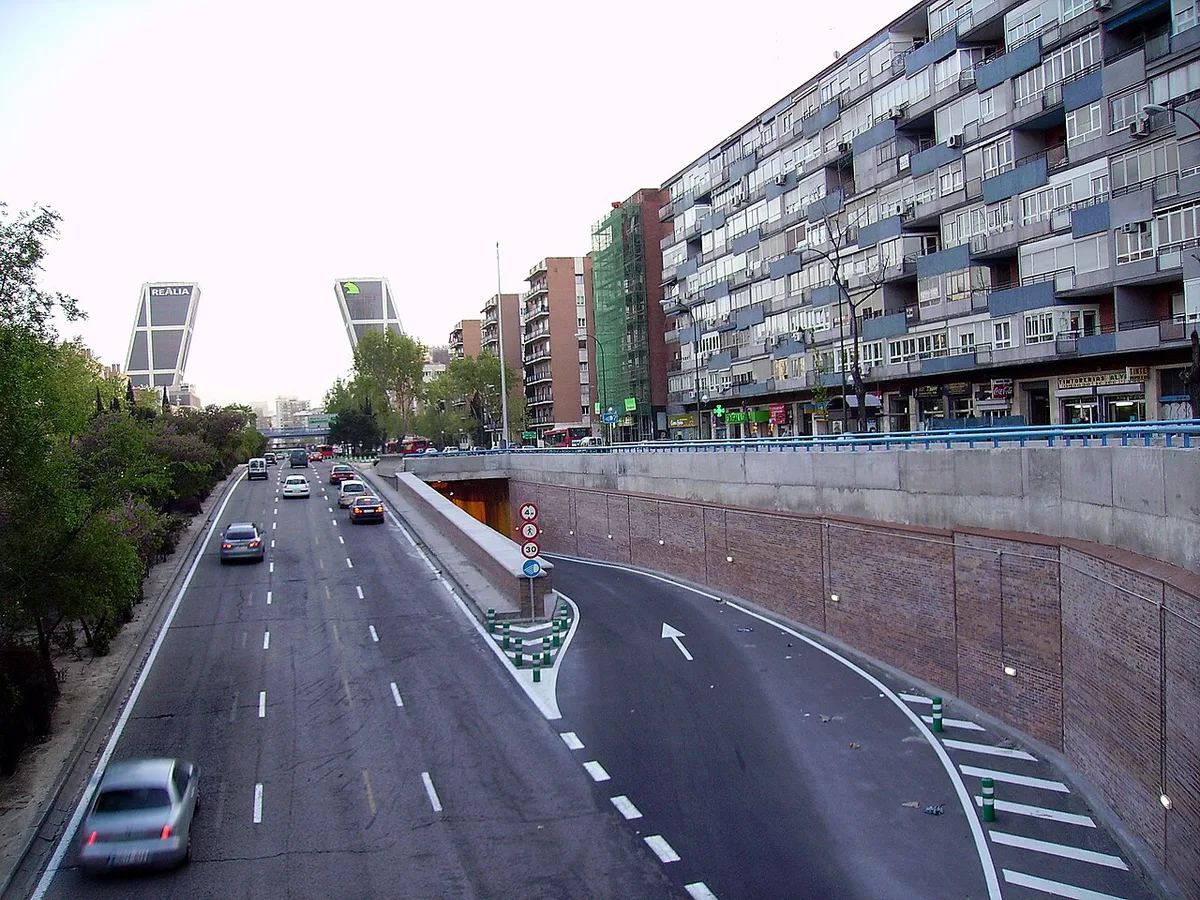
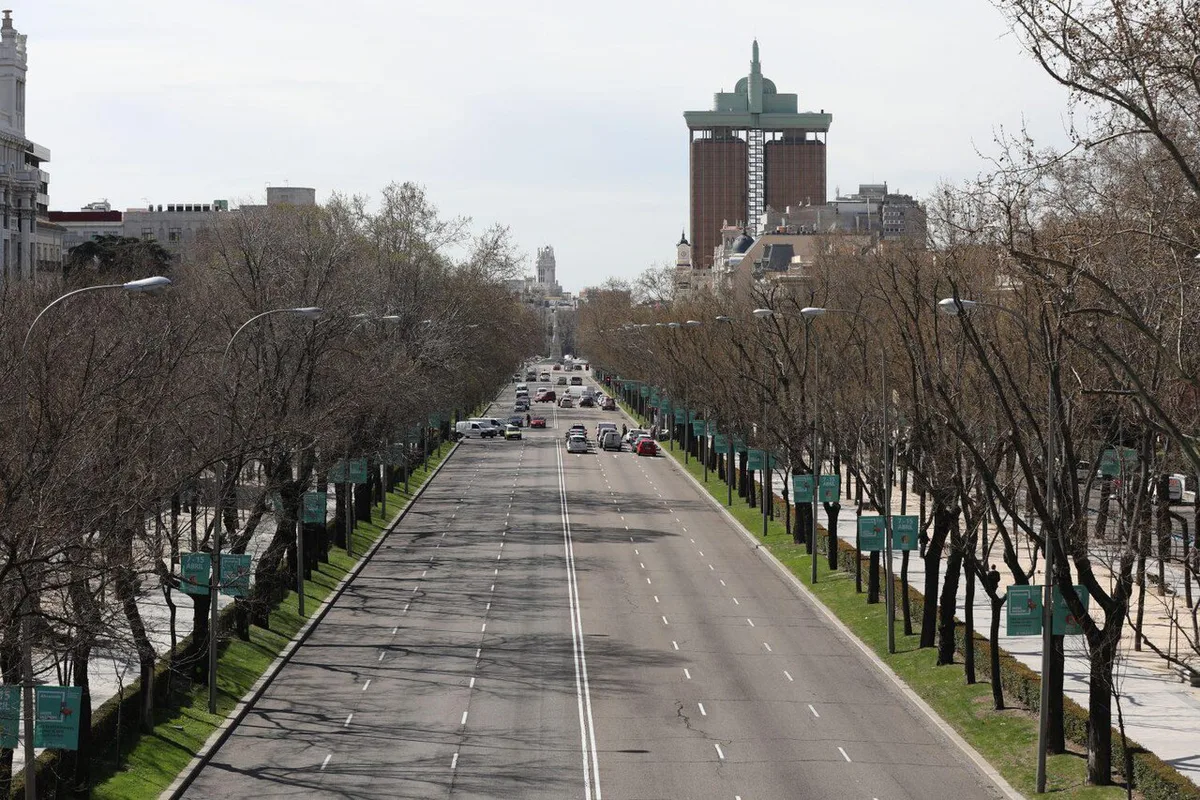
Madrid's road network works in rings. The M-30 is the inner ring road and wraps the central districts. The M-40 sits outside it, and the M-50 is the outer ring that links the suburbs and the radial motorways. Most visitors arriving by car meet one of these three before they see a city street. Paseo de la Castellana is the main north-south axis through the city, and Gran Vía cuts across the centre. Both are heavy with buses, taxis and delivery traffic. Distrito Centro has restricted access for many vehicles, so do not let a navigation app route you into it. Turismo Madrid, the city's official tourism site, is a good place to plan the visit itself.
Madrid's low-emission zone and the environmental badge
Spain labels vehicles with an environmental badge, known as the distintivo ambiental. Whether you may enter a restricted area depends on that label. Rental cars and foreign-registered cars both need checking. Ask your rental company which label the car carries before you accept the keys. Then compare it with the city's current rules in our Madrid low-emission zone spoke. Zones in other cities follow different rules, which our national zone overview covers. Rules for zones and badges change often. This page was last verified in November 2026, so use Madrid's official mobility pages for the current position.
Parking in Madrid: what to ask before you book
A dense city has little free kerb space, and street parking comes with local regulation. Many hotels in the centre have no parking at all. Settle the parking question before you pay for the room or the rental. Our Spain parking guide explains the colour-coded street bays and garage options. Put these questions to the hotel or the rental company.
- Does the hotel have its own garage, or does it use a public one nearby?
- Is parking included in the rate, or charged separately each night?
- Is the entrance to the garage inside a restricted zone?
- Can the car stay overnight, or must it leave by a set time?
- Will the hotel hold the car for a late arrival?
Picking up and returning a rental car
Collect the car on the day you leave Madrid, not the day you arrive. You avoid paying for days of parking while you sightsee. Airport pickup at Madrid-Barajas puts you near the ring roads and away from the centre. A city pickup can mean a short drive through restricted streets, so ask for the exact route. Returns need the same planning. Know where the drop-off sits, and whether the approach crosses a zone. Allow time for fuel and for the inspection. A late return can add charges, and our guide to renting a car in Spain covers the paperwork.
Airport pickup at Madrid-Barajas keeps the car out of the centre, but your first drive will likely meet the M-30, M-40 or M-50 ring roads.
Motorways, tolls and speed limits when leaving the city
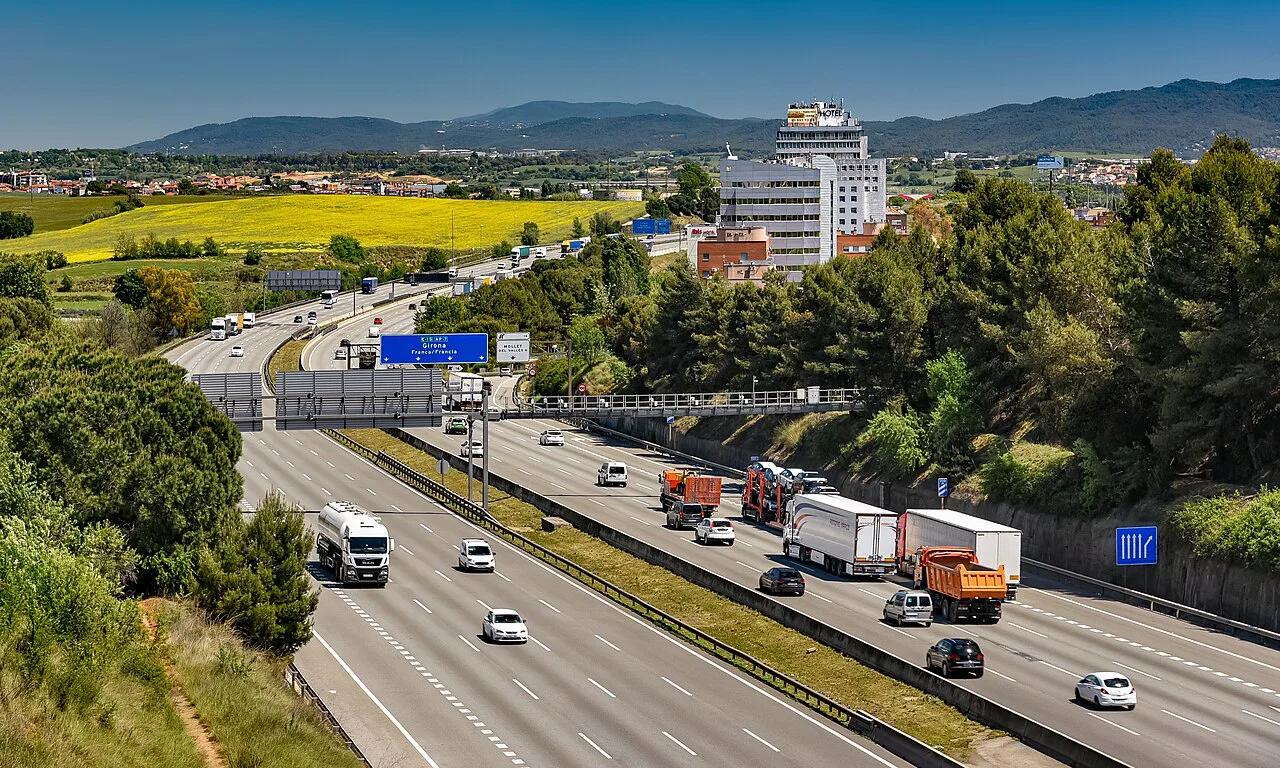
Leaving Madrid usually means joining the M-30, M-40 or M-50 and then a radial motorway. Some of those routes are toll roads and others are free. Check the route in your navigation app before you set off. Our toll roads guide explains how payment works. Limits differ between city streets, ring roads and motorways. Our Spain speed limits guide lists them. Spain's government portal also has a traffic rules section covering regulations, tolls and emissions badges.
Driving rules visitors often miss
Carry your driving licence and your rental papers at all times. Drivers from outside the EU should ask whether they need an international driving permit. Our guide for US licence holders covers that case. The AAA permit page explains how US drivers obtain one. Insurance terms vary by rental company, so read them at the counter. Spain's traffic authority, the DGT, publishes the national rules.
Common mistakes to avoid
Most problems come from assumptions, not from the roads themselves. These are the ones that catch visitors out.
- Entering a restricted zone without knowing your car's label.
- Trusting a navigation app alone to avoid Distrito Centro.
- Assuming your hotel offers overnight parking.
- Collecting the car too early and paying to park it.
- Returning the car late, or to the wrong location.
- Planning to drive into the centre when the metro is faster.
Frequently Asked Questions
Are there any areas to avoid in Madrid?
Avoid driving into Distrito Centro and the streets around Gran Vía unless you have confirmed access. Restrictions depend on your vehicle's environmental label. Our zone guide explains the rules.
What should I expect when driving in Spain for the first time?
Expect ring roads, some toll motorways and tight city parking. Read our Spain driving guide before you collect the car. Carry your licence and rental papers at all times.
Road-rule changes worth knowing
Optional updates to our guides.
You might also like

Continue reading
More guides you'll find useful