Renting a Car in Spain: Documents, Insurance, Deposits
Plan renting a car in Spain: what to bring, how insurance and deposits work, pick-up choices, and the mistakes that cost travelers money.
On this page
Last updated November 2026. Renting a car in Spain takes a valid driving licence, a passport or ID card, and a credit card in the main driver's name. Book at an airport desk such as Madrid-Barajas, Barcelona-El Prat or Málaga, or at a city office. Insurance excess, the card deposit, fuel policy and restricted zones are where most renters lose money.
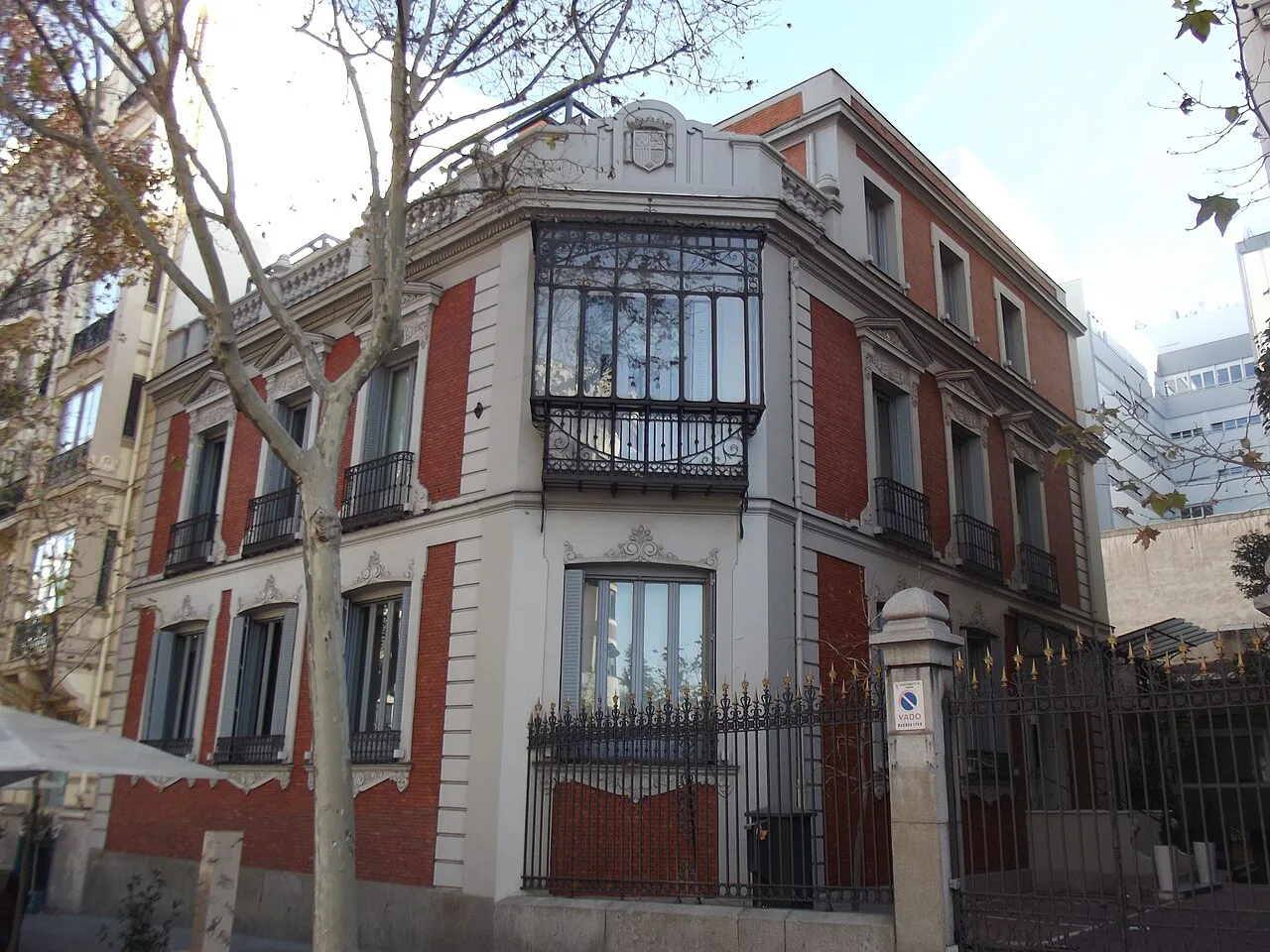
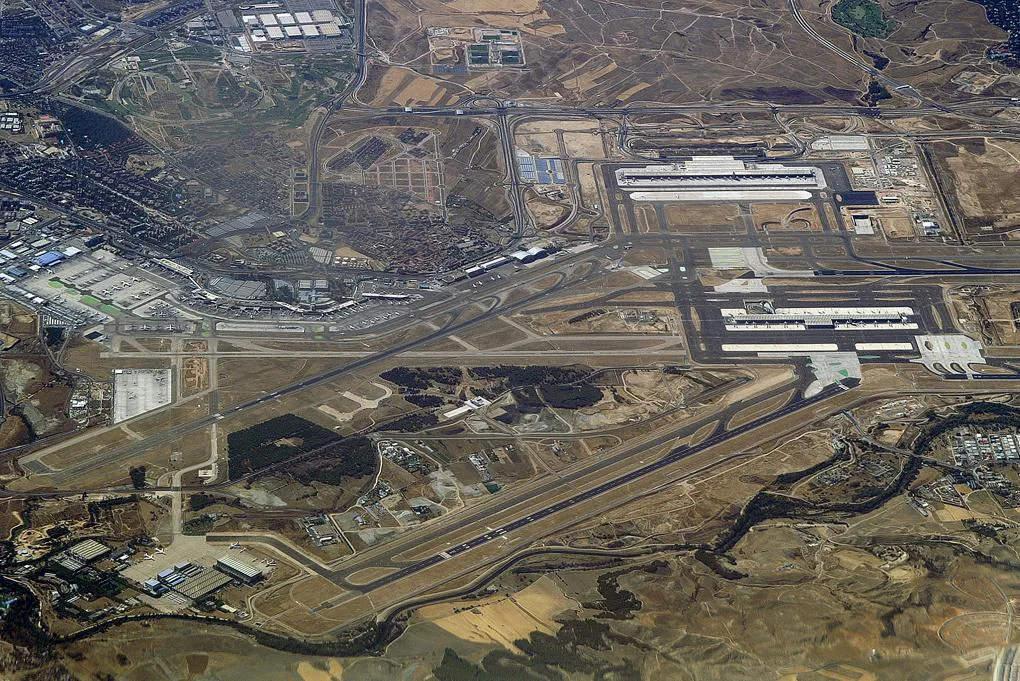
Featured image: Alonsoquijano, Public domain, via Wikimedia Commons.
What you need for renting a car in Spain
Bring your driving licence, your passport or ID card, and a credit card. Rental desks expect the main driver's name to match the licence and the payment card. A card in someone else's name can mean a refused rental. Debit cards are often rejected for the deposit hold, so ask the rental company before you book. Minimum age and young-driver surcharges differ by company and car class. Read the terms on your booking page. Non-EU licence holders should read our guide to driving in Spain with a US licence. For the permit question, AAA's international driving permit page explains how the document works. Our driving in Spain guide covers the wider rules.
- Valid driving licence held long enough to meet the company's rules
- Passport or national ID card
- Credit card in the main driver's name for the deposit
- Booking voucher, printed or on your phone
Choose pick-up: airport, city office, or island
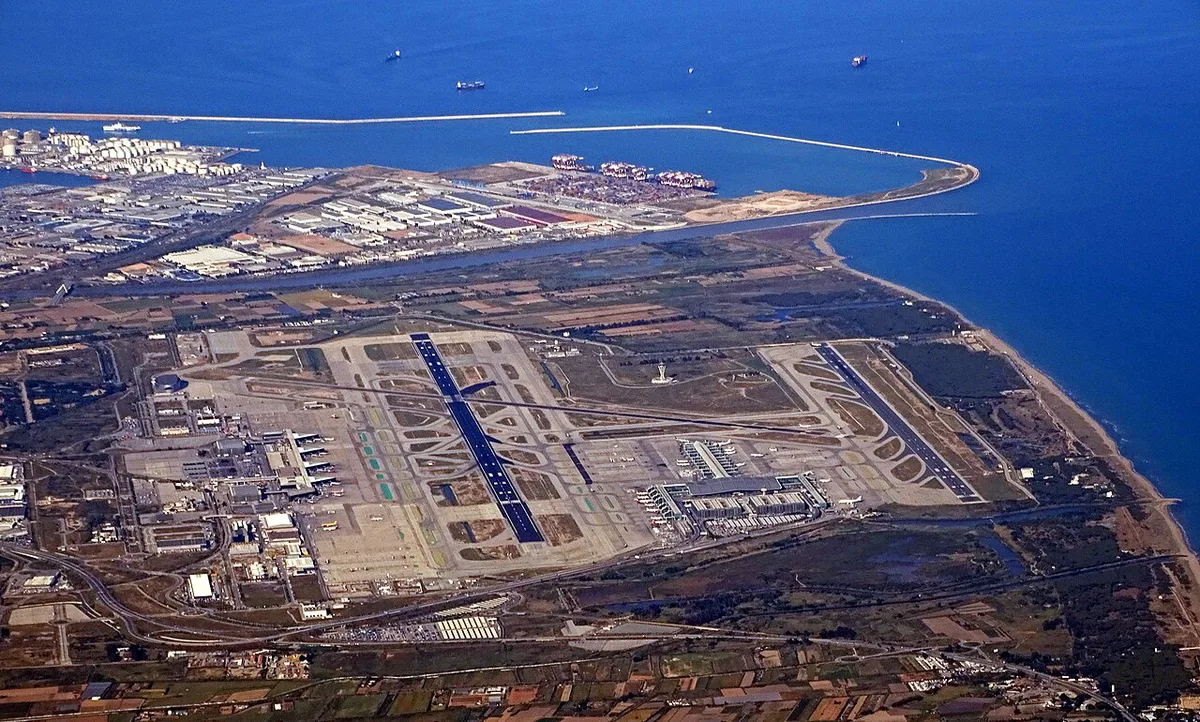
Airport desks suit anyone landing at Madrid-Barajas, Barcelona-El Prat or Málaga. You collect the car and head straight onto the ring roads. Queues form after big arrivals, so allow extra time. City offices suit train arrivals and people who do not need a car on day one. They can also put you straight into restricted streets. Check Spain's low-emission zones before you leave the car park. Madrid and Barcelona each have their own rules, set out in our Madrid zone guide and our Barcelona zone guide. The official ZBE Rondes de Barcelona site covers the Barcelona zone. Many visitors skip a car in the big cities altogether. See Driving in Madrid: Do You Need a Car? Rules, Zones, Parking and Driving in Barcelona: Rules, LEZ, Parking & Tolls before deciding. Rental days are counted in 24-hour blocks, so set your pick-up and return times with care.
| Pick-up point | Access | Queues | Best for |
|---|---|---|---|
| Airport desk | Direct road links on arrival | Can be long after peak landings | Fly-in trips and road trips |
| City office | Central, but near restricted zones | Usually shorter | Train arrivals and later pick-ups |
| Island airport | Short drive to resorts | Heavy in high season | Island-only holidays |
Pick the right car: size, gearbox, fuel
Choose the smallest car that fits your luggage. Old-town streets and underground car parks in Spain are tight, and a compact car makes parking far easier. Manual cars are the default on many fleets. Automatics cost more and run out first in high season. Book early if you need one. Ask whether the car runs on petrol, diesel or electric. An electric car only helps if your hotel or route has charging, so plan stops in advance.
Insurance, excess and deposit explained
Basic cover is included in the rental price, but it leaves you liable for an excess if the car is damaged. The excess is the amount you pay before the insurer pays. The deposit is a hold placed on your credit card, often sized to the excess plus fuel. It reduces your available credit until the company releases it after return. Deposit sizes vary by company and car class, so check your booking terms. Desk staff will offer supplier full cover, which cuts the excess or removes it. A third-party excess policy is cheaper but works differently. You pay the rental company for damage first, then claim the money back from the policy. Your US auto policy usually does not cover you abroad, so ask your insurer. Card benefits vary too.
| Cover level | Excess | Deposit hold | Claim route | Best for |
|---|---|---|---|---|
| Basic cover | You carry the excess | Larger hold on card | Pay the rental company | Confident drivers on short, simple trips |
| Supplier full cover | Reduced or removed | Smaller or no hold | Handled with the rental company | Narrow streets, long drives, no hassle |
| Third-party excess policy | You still carry it at the desk | Larger hold on card | Pay first, reclaim from the insurer | Cost-conscious renters with a credit limit to spare |

Fuel policy, mileage and extras
Full-to-full is the fairest policy. You collect the car with a full tank and return it full. Full-to-empty means you prepay for a tank at the company's price and get no refund for unused fuel. Photograph the fuel gauge at pick-up and at return. Check whether mileage is unlimited. Additional drivers must be named on the contract, usually for a fee. Child seats are compulsory depending on a child's height. Look up the current rules on the official DGT site and book the right seat in advance. Your phone can replace a rented GPS if you download offline maps.
Tolls, parking and speed on a rental
Many motorways in Spain charge tolls. Our toll roads in Spain guide explains how to pay. Parking in city centres is limited and often paid. See our parking in Spain guide for the colour-coded bays and fines. Speed cameras are common, so learn the limits in our speed limits guide. Fines reach you through the rental company. It identifies you as the driver to the authorities, and it may charge an admin fee. Read the contract for the amount.
Mainland vs islands: where renting changes
Mainland rentals suit road trips between cities and coasts. In the south, car hire in Málaga is the usual starting point for Andalusia. Island rentals are different. A car is often the only practical way to reach beaches and mountain villages, and fleets sell out in summer. Compare car hire in Mallorca with car hire in Tenerife for coast versus volcano driving. Gran Canaria car hire and Lanzarote car hire follow the same booking logic. Madeira is not Spain. It belongs to Portugal, but car hire in Madeira is relevant if you are comparing Atlantic islands. Island tourism offices, such as Tenerife's official tourism site, list local driving notes.
Cross-border and one-way rentals
Never assume you can drive into Portugal or France. Many contracts require permission, a cross-border fee, or both. Insurance can be void if you cross without approval. One-way rentals within Spain often carry a drop-off fee. Compare the total with the cost of a return trip. Ask about the fee before you book.
Pick-up and drop-off checklist
Walk around the car before you drive off. Film every panel, wheel and the windscreen, with the timestamp on. Make sure every existing mark is on the rental form. Check the fuel level against the contract. Keep the paperwork and the return receipt. Return the car on time, because a 24-hour billing block can add a whole extra day. Next steps: read our full driving in Spain guide before you collect the keys.
Queues after big airport arrivals eat into your slack, and each 24-hour block can add a full day.
- Card not in the driver's name: the desk can refuse the rental
- Skipping a damage photo: you may pay for old scratches
- Unchecked fuel policy: you can pay for fuel you never use
- Entering a restricted zone: fines arrive weeks later
- Assuming cross-border is allowed: cover may be void
- Ignoring the late-return charge: one hour late can cost a day
Frequently Asked Questions
Where can I book a car in Spain?
Book online with a rental company before you travel, or compare options through a booking site. Airport desks at Madrid-Barajas, Barcelona-El Prat and Málaga all handle collection. Booking ahead gives you better choice, especially for automatics.
Does my American car insurance cover me in Europe?
Most US personal auto policies do not extend to Spain. Ask your insurer in writing before you travel. Some credit cards offer rental cover with exclusions, so read the terms.
Do you need to rent a car in Spain?
Not always. Madrid and Barcelona work well without one. A car helps in rural areas and on the islands, where public transport is thinner.
Road-rule changes worth knowing
Optional updates to our guides.
You might also like
Continue reading
More guides you'll find useful