
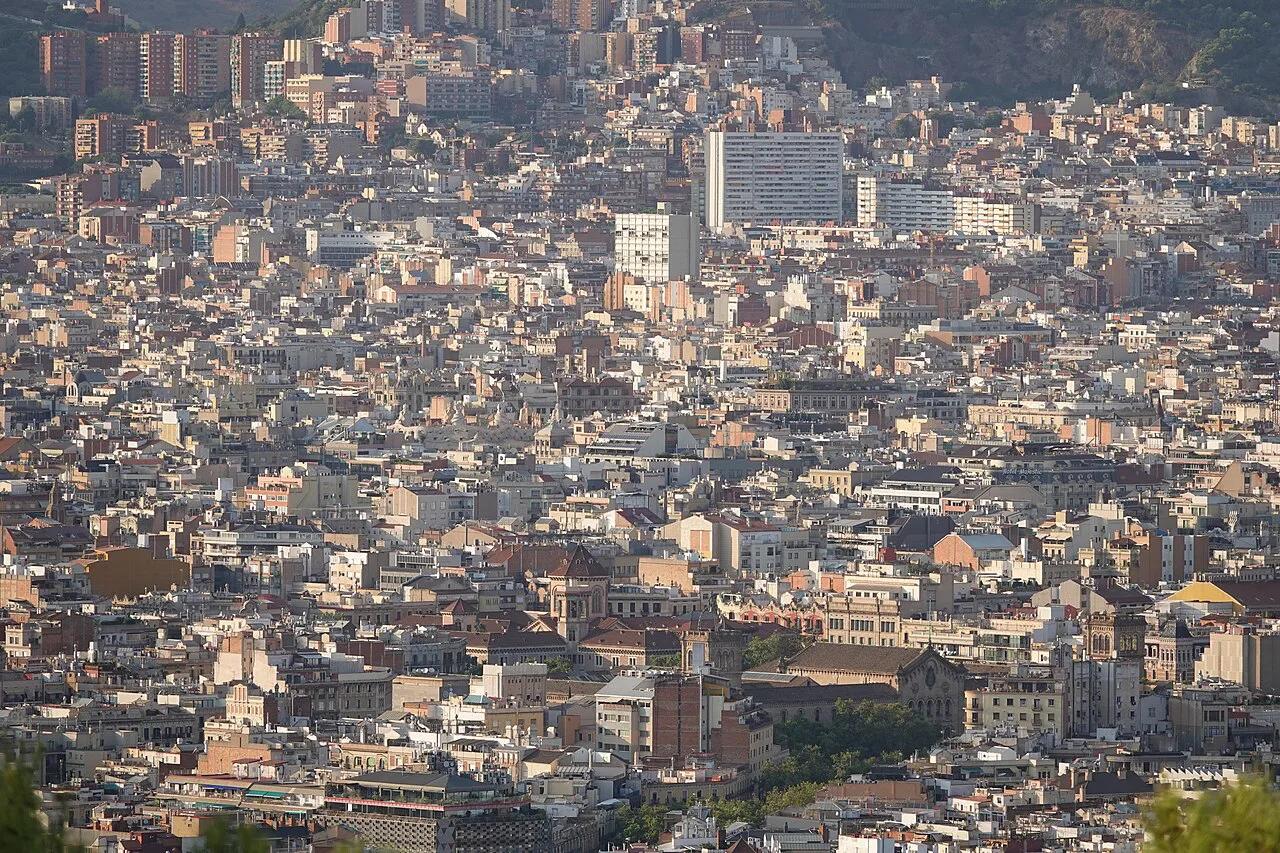
Driving in Barcelona: Rules, LEZ, Parking & Tolls
Thinking of driving in Barcelona? See whether you need a car, the low-emission zone, parking, tolls and rules before you rent.
On this page
Last updated November 2026. Driving in Barcelona is rarely worth it if you are staying in the centre, because metro, bus and taxi cover the main sights. A car earns its place on day trips to Montserrat, the Penedès or the Costa Brava. Three hazards decide the experience: the low-emission zone, parking, and the ring roads with their tolls. Our Spain driving guide covers the national rules.
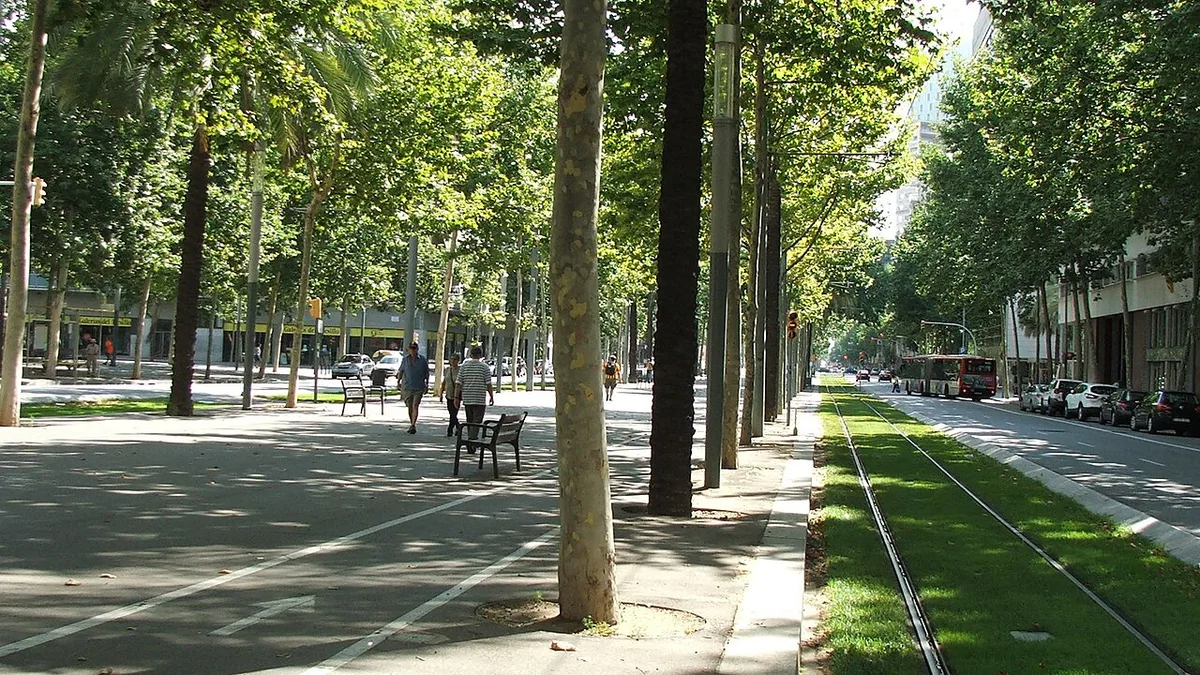
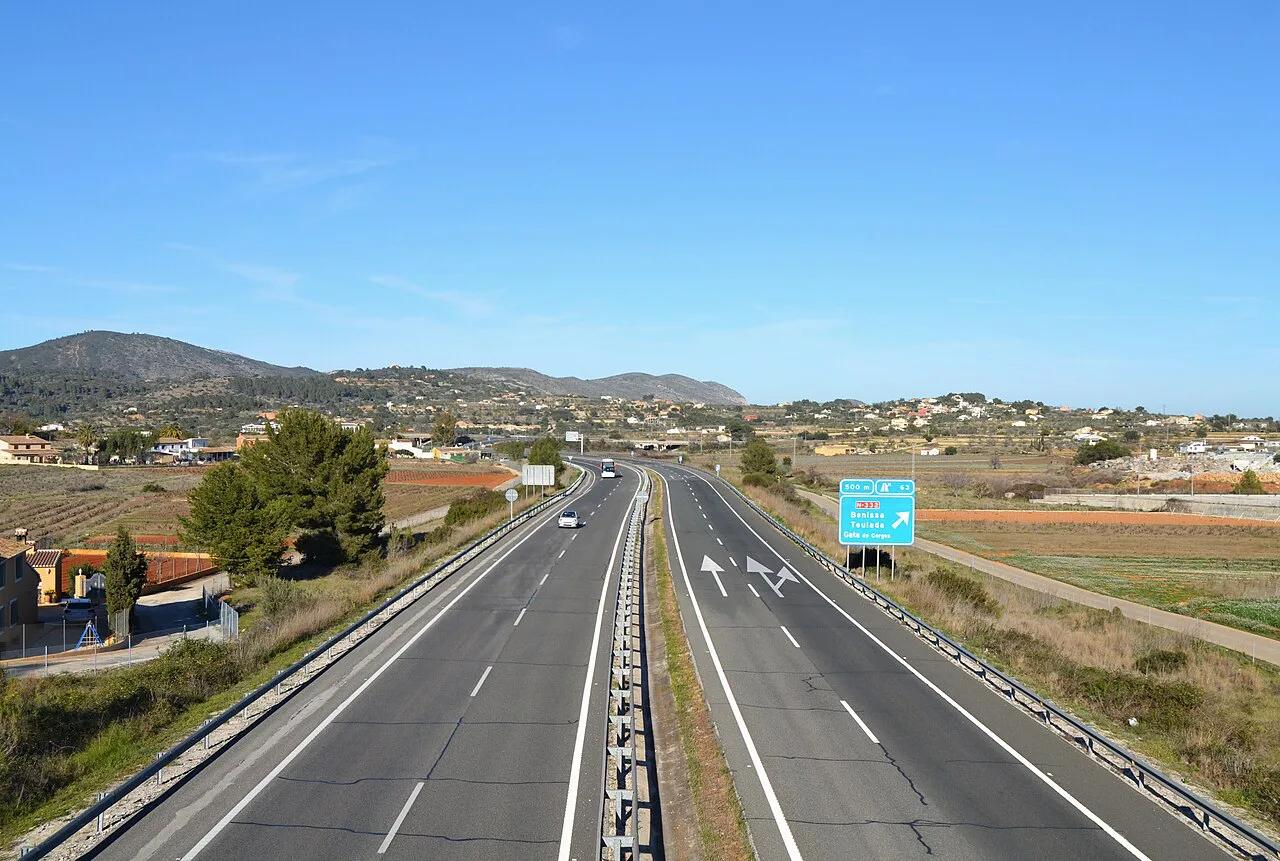
Featured image: Ilkka Simomaa, CC BY 4.0, via Wikimedia Commons.
Do You Need a Car in Barcelona?
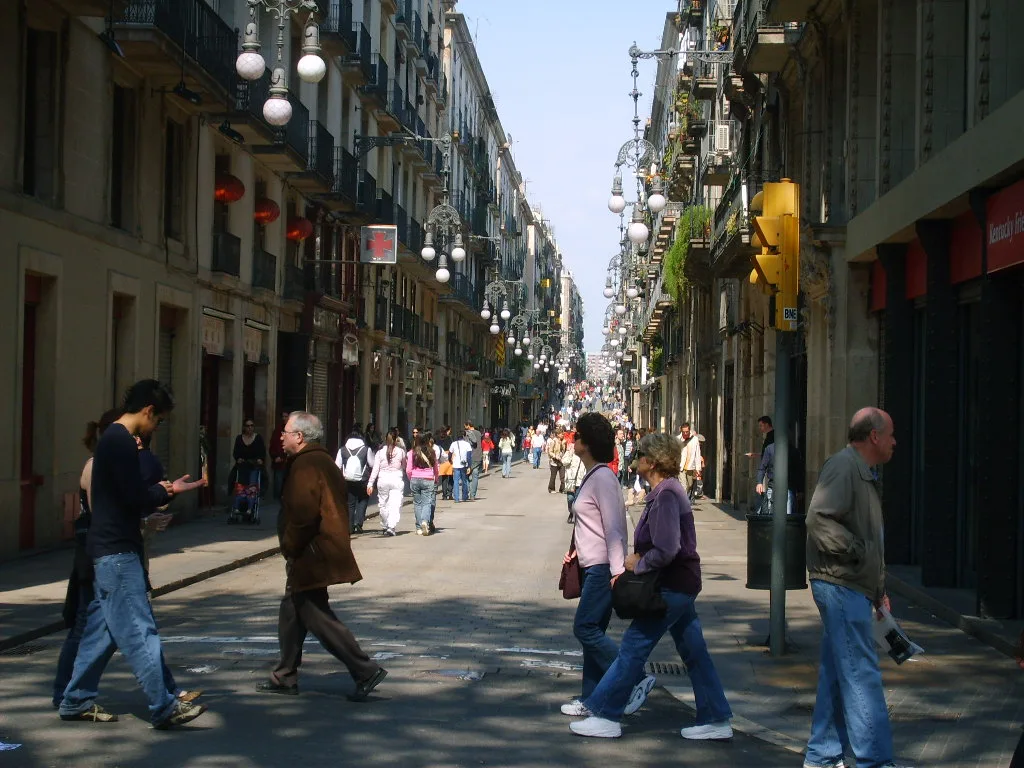
Most city-break visitors do not. Barcelona's sights sit along metro and bus lines, and taxis fill the gaps. A car adds parking searches, zone checks and a one-way street maze in the old town. Use the table below to decide.
| Your situation | Car or no car | Why |
|---|---|---|
| Staying in or near the centre, 2-4 nights | No car | Metro, bus and taxi are faster door to door, and parking is the main cost. |
| Day trips to Montserrat, Penedès or Costa Brava | Car for those days only | Rent for the day trip, not the whole stay. |
| Heavy luggage, young children or reduced mobility | Car can help | Get hotel parking in writing before you book. |
| Arriving by air and heading straight out of town | Car from the airport | Pick up on arrival and skip the city centre. |
- Where you stay: a hotel with its own garage changes the equation.
- Trip length: the longer the stay, the more days a parked car sits idle.
- Day-trip plans: two or more out-of-town days justify a rental.
- Luggage and mobility: door-to-door access matters more than speed.
Barcelona Low-Emission Zone: Check Before You Enter
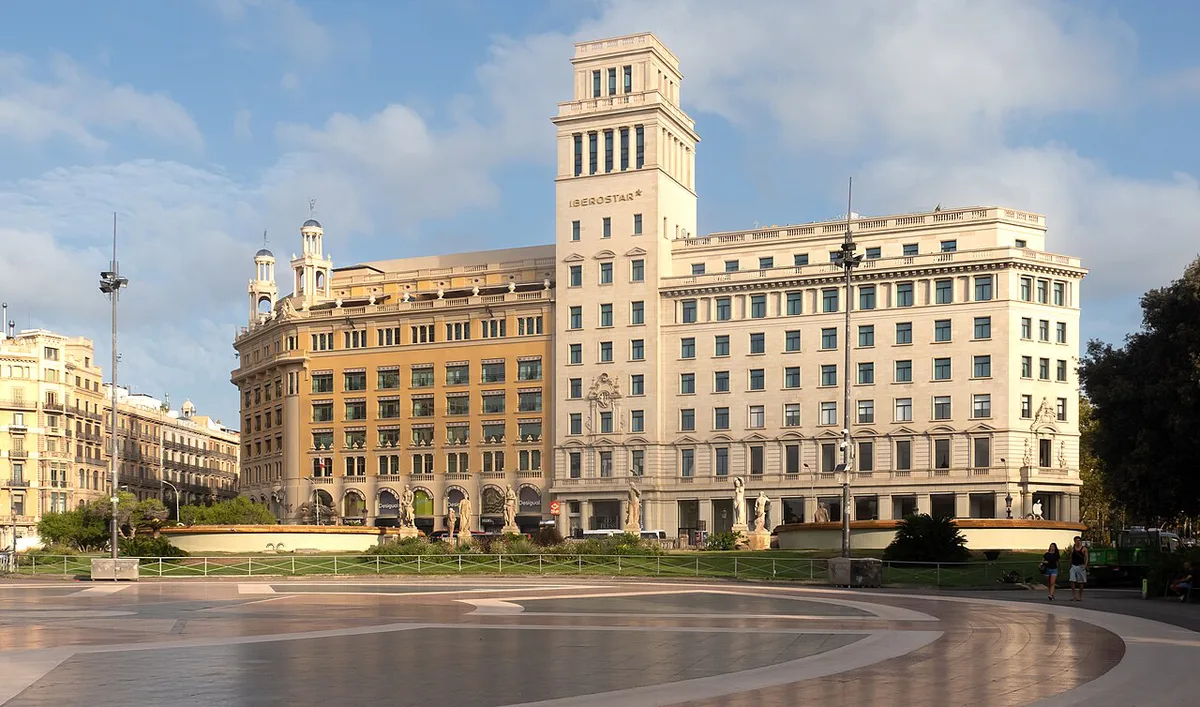
Barcelona's ZBE covers the city and neighbouring towns inside the Ronda de Dalt and Ronda Litoral. From Monday to Friday, 7:00 to 20:00, cars with no DGT environmental label may not enter, and cameras issue a €200 fine. Foreign-registered cars must be entered in the metropolitan register on the official ZBE Rondes de Barcelona site before driving in. A Spanish rental should carry a label sticker on the windscreen, but ask the rental desk before you leave the lot. The fine passes from the rental company to you, often with an admin fee. Our Barcelona zone guide goes deeper. For other cities, see low-emission zones across Spain.
Rules That Matter When Driving in Barcelona
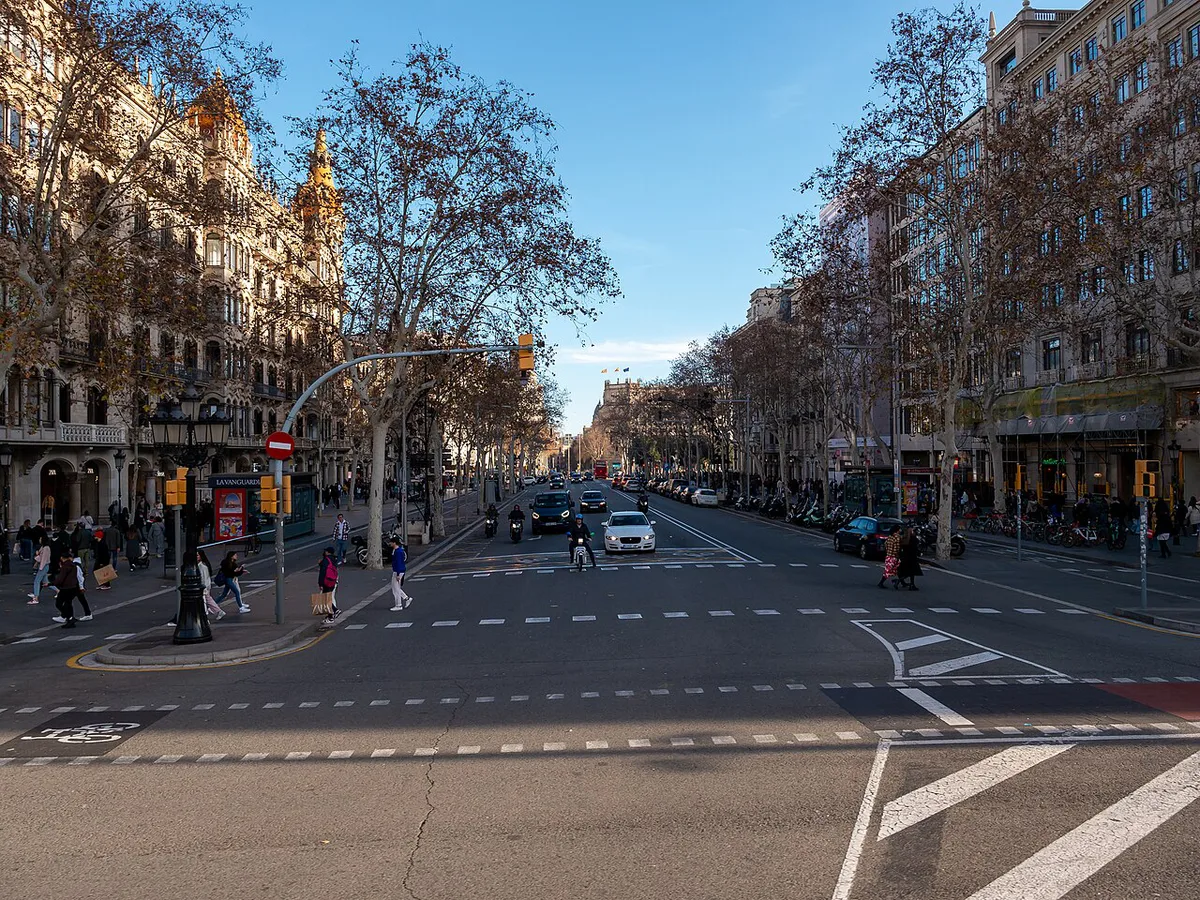
Traffic keeps to the right, and you give way to vehicles already on a roundabout. Roundabouts demand lane discipline, so pick your exit lane early. Spanish urban limits are 50 km/h on streets with two or more lanes each way, 30 km/h on streets with one lane each way, and 20 km/h on single-surface streets with no kerb, a rule set nationally in 2021. Speeding fines run from €100 to €600, halved if paid within 20 days. Our Spain speed limits guide lists the road-type limits.
| Rule | What to know | Detail |
|---|---|---|
| Side of road | Drive on the right; give way on roundabouts | Traffic already on the roundabout has priority |
| Wider city streets | 50 km/h (about 31 mph) | Two or more lanes each way |
| Most city streets | 30 km/h (about 19 mph) | One lane each way |
| Single-surface streets | 20 km/h (about 12 mph) | No kerb between road and pavement |
| Alcohol | 0.5 g/L blood alcohol | 0.3 g/L for drivers with under two years' licence |
| Seatbelts | Required in front and rear seats | Children up to 135 cm need an approved child seat |
Parking in Barcelona
Parking comes in three forms: regulated street zones, public car parks and hotel garages. Street zones run under the Àrea Verda scheme, which has its own tariffs and time limits. Public car parks cost more but save search time. Hotel parking is the simplest option if the hotel confirms a space in writing. Never leave luggage visible or stored in a parked car. Our Spain parking guide explains the colour-coded zones.
- Ask the hotel whether parking is on site, its height limit and its daily rate.
- Ask whether a space is guaranteed or first come, first served.
- Ask how far the nearest public car park is.
Ring Roads, Tolls and Leaving the City
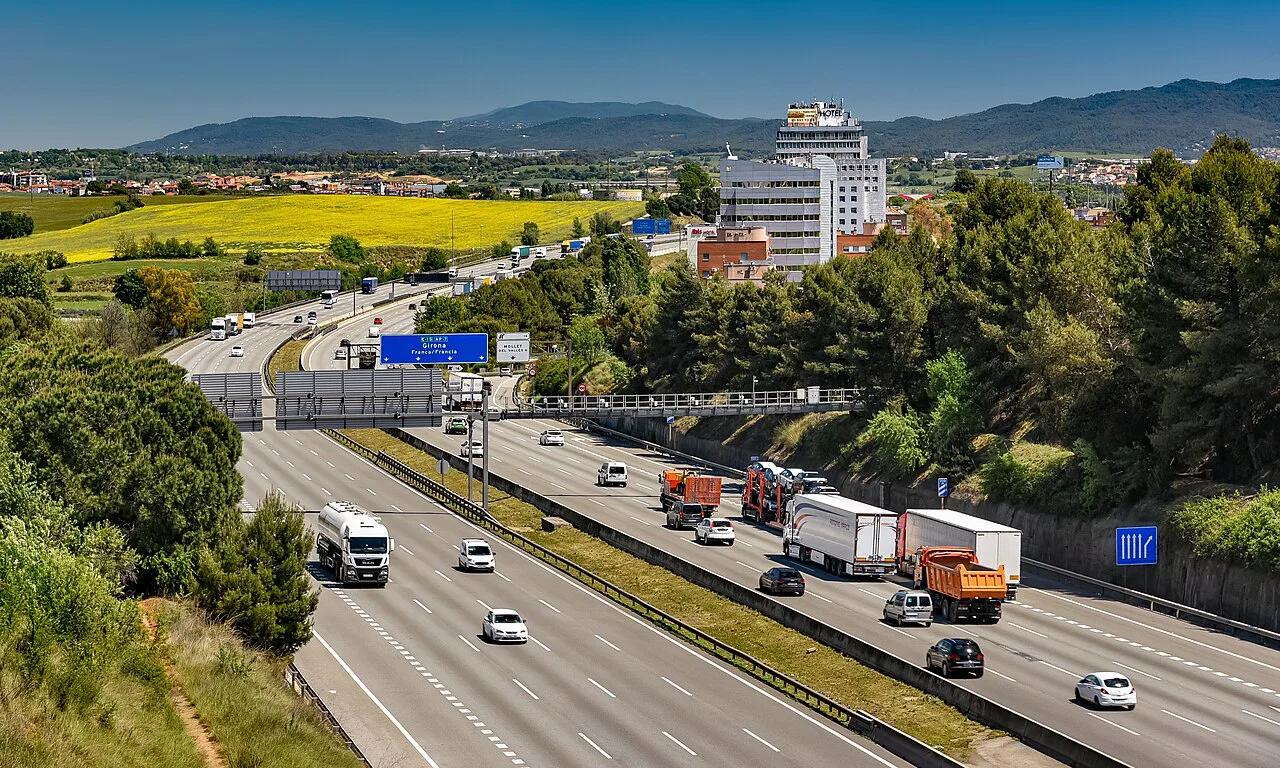
Two ring roads carry most through traffic: the Ronda de Dalt on the hillside and the Ronda Litoral along the coast. Inside the grid, Avinguda Diagonal and Via Laietana cut across the Eixample and old town. The Eixample's grid is easy to read, but old-town one-way streets in the Gothic Quarter are not. Leave by ring road, not through the centre. The AP-7 between La Jonquera and Salou has been free since its tolls ended on 31 August 2021, but some routes out of the city are still toll roads, including the Vallvidrera tunnels toward Sant Cugat, which have peak and off-peak rates. Our Spain toll roads guide covers payment methods.
Leave by ring road rather than through the centre. Most city streets are 30 km/h, and the urban streets are the slow part.
Renting a Car for Barcelona
Choose the pickup point to match your plan. An airport pickup suits a trip straight out of the city. A station or city office suits a day trip, but you must still cross town to reach it. The minimum rental age is often 21, though many agencies set their own limits. Bring your licence and a credit card for the deposit. Ask what the excess is and which insurance covers it. A UK photocard licence is valid in Spain on its own, according to the UK government's Spain travel advice. US drivers should carry an International Driving Permit with their license; AAA's permit page explains how to get one for $20. Read our US licence driving guide for details. For booking steps, see Renting a Car in Spain: Documents, Insurance, Deposits.
Children 135 cm tall or shorter must ride in an approved child seat, normally in the back, under Spain's traffic regulation. Book one with the car and give the rental company each child's height.
What You Must Carry and Mistakes to Avoid
Carry your licence, ID and the rental papers. Since 1 January 2026, Spain's required breakdown warning device has been the connected V-16 flashing beacon, which replaced warning triangles, according to Wikipedia's entry on the beacon. Ask the desk where the beacon and the reflective vest are kept before leaving the lot.
- On-the-spot fines: ask for a receipt. Most fines are halved if paid within 20 days.
- Low fuel: rural stations can close at night and over lunch.
- Fuel type: unleaded 95 for petrol, gasóleo for diesel.
- Phone use: handheld calls while driving are penalised.
Best Day-Trip Routes by Car vs Public Transport
Day trips are where a car pays off. Public transport still covers some of them well, so compare Rodalies and TMB timetables before deciding.
| Destination | Car worth it? | Main constraint |
|---|---|---|
| Montserrat | Optional | Mountain road and parking at the monastery area |
| Penedès wine towns | Yes | Vineyards are spread out; the driver cannot taste freely |
| Costa Brava coves | Yes | Small coastal roads and limited summer parking |
| Central Barcelona sights | No | Zone rules and parking cost |
Frequently Asked Questions
What should I expect when driving in Spain for the first time?
Expect right-hand traffic, lane discipline on roundabouts and toll motorways. Cities add low-emission zones and paid street parking. Our Spain driving overview covers the basics.
Is it worth it to rent a car in Spain?
It depends on the trip. A car suits rural routes and day trips, but a city stay such as Barcelona works better without one. Rent only for the days you leave town.
Road-rule changes worth knowing
Optional updates to our guides.
You might also like

Continue reading
More guides you'll find useful