Parking in Spain: Zones, Costs, Fines and Tips
Parking in Spain explained: blue and green zones, typical costs, garages, low-emission-zone traps and hire-car tips for cities and islands.
On this page
Last updated November 2026. Parking in Spain works on a colour code: blue kerbs mean pay and display, green kerbs favour residents, and yellow means no stopping. Street rates in Madrid are commonly quoted at €1–€2 per hour, and private garages at roughly €15–€30 per day. Rules differ by municipality, so use this guide as a map and let the signs on each street have the final word.
Featured image: Asqueladd, CC BY-SA 3.0, via Wikimedia Commons.
Quick answer: how parking in Spain works
Each city sets its own regulated parking, so no single national rulebook covers every kerb. Most visitors meet the same four situations. Prices and hours in this guide were checked in November 2026, and rates change by city and zone.
| Marking | Usual meaning | Best for |
|---|---|---|
| Blue (zona azul, ORA) | Pay and display with a time limit | Short stops in shopping and tourist areas |
| Green (zona verde) | Resident priority, visitors pay a higher tariff | Brief stays only |
| Yellow | No stopping or parking | Never; it is for loading or access |
| White or unmarked | Usually free, but check for signs | Longer stays away from the centre |
Reading kerb colours and signs
Blue zones, often called ORA or zona azul, sit in busy commercial and tourist districts. You pay at a machine or through a mobile app, and a time limit applies. Madrid's blue zones are described as allowing roughly one to four hours, but each city sets its own cap. Green zones prioritise residents. In Barcelona, the Àrea Verda scheme gives residents priority and charges visitors a tariff. Yellow markings mean you should not stop at all.
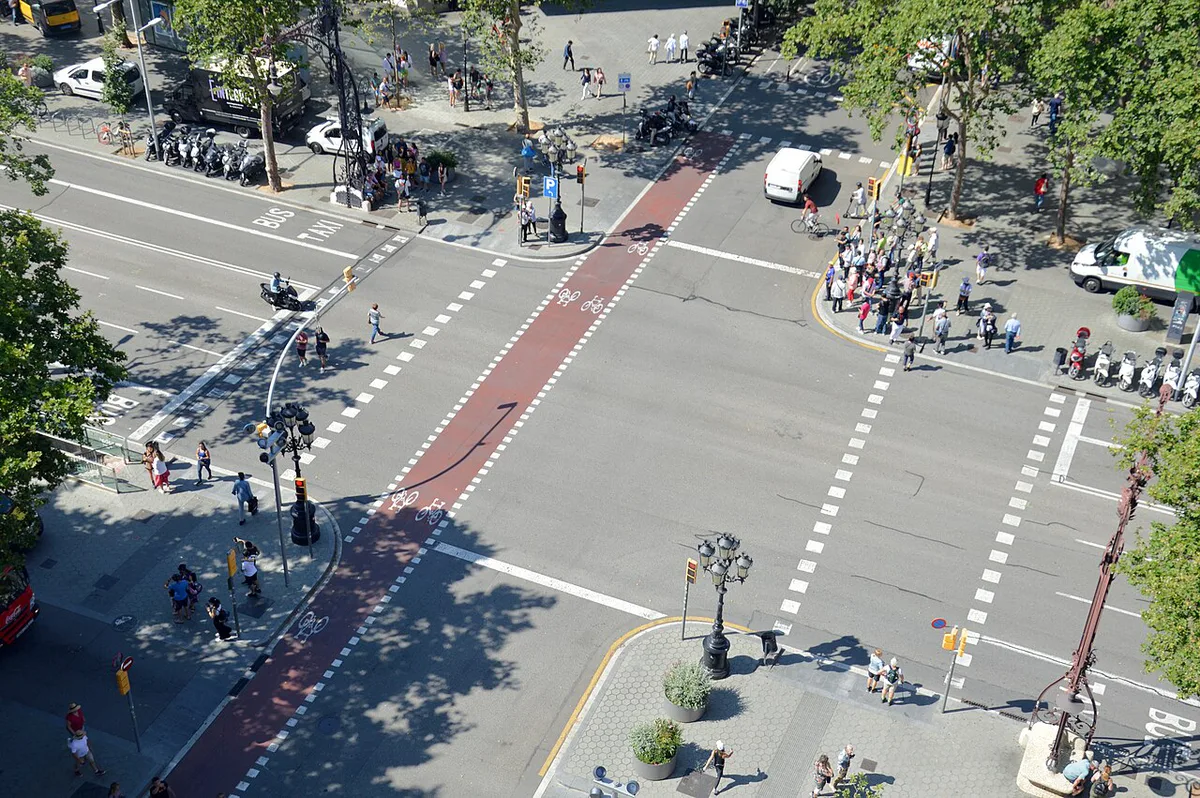
White or unmarked kerbs are usually free, though a nearby sign can still ban parking on market days or for loading. Read every sign on the pole before you walk away. A panel with a day and hour range overrides the kerb paint.
- Resident-only bays: a blue or green bay can still be reserved, so read the sign for the permit wording.
- Expired tickets: a few minutes over the limit can still bring a fine, so set a phone alarm.
- Loading zones: bays marked for carga y descarga carry hour restrictions, and tow-away risk is real.
- Yellow kerbs: treat them as no-stop, even for a quick photo.
How to pay: machines, apps and tickets
Street machines take coins and often cards. Enter your licence plate or follow the prompts, pay for the time you need, and display the printed ticket on the inside of the windscreen where it is visible. Some cities skip the paper ticket and register the plate instead, so read the machine's instructions. Many cities also run payment apps, which let you pay from your phone and extend time remotely. Foreign plates are normally accepted at machines, so a machine is the safer first choice if an app asks for a Spanish phone number or account. Carry a few coins as a backup.
Overstaying is the main trade-off. A short ticket saves money, but a missed return can cost more than a longer one. If you plan to wander, buy the maximum time the zone allows.
Costs: street vs garage vs outside the centre
Street parking in blue zones is commonly cited at €1–€2 per hour in Madrid. Private garages are commonly cited at €15–€30 per day. Treat both as approximate, because rates vary by city, zone and season. Check the ayuntamiento or the parking operator for current tariffs.
The real choice is between money, time and access. A cheaper car park on the edge of town costs less per day but adds a metro or bus ride. A central garage costs more but removes the search and the walk.
| Option | Cost | Time | Access | Best for |
|---|---|---|---|---|
| Blue-zone street bay | About €1–€2 per hour (Madrid, approximate) | Limited by zone cap | Central, but spaces fill up | Short visits |
| Central garage | About €15–€30 per day (approximate) | No search time | Right by the sights | Overnight and luggage |
| Outer car park plus metro | Lower than central, varies | Adds a transit ride | Good in big cities | Full-day sightseeing |
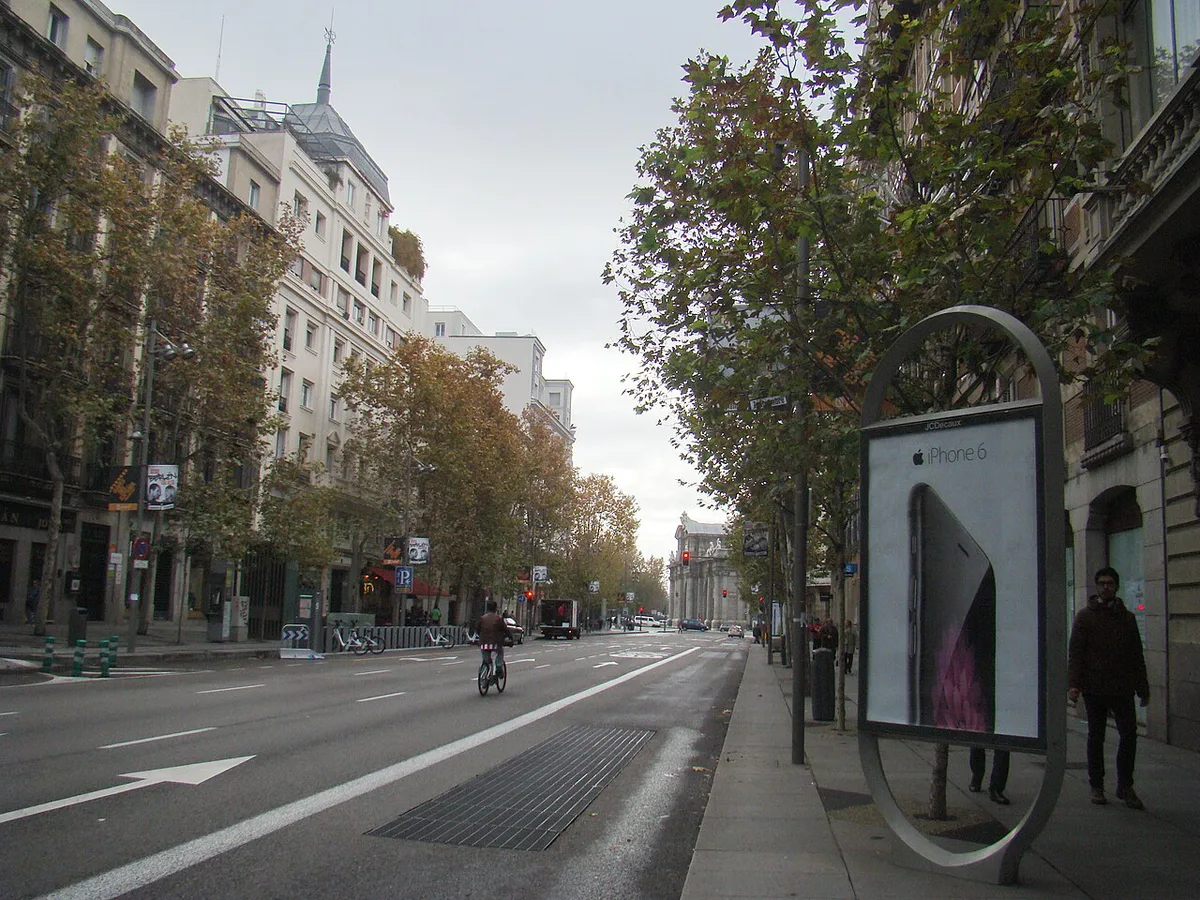
Underground garages and when to book
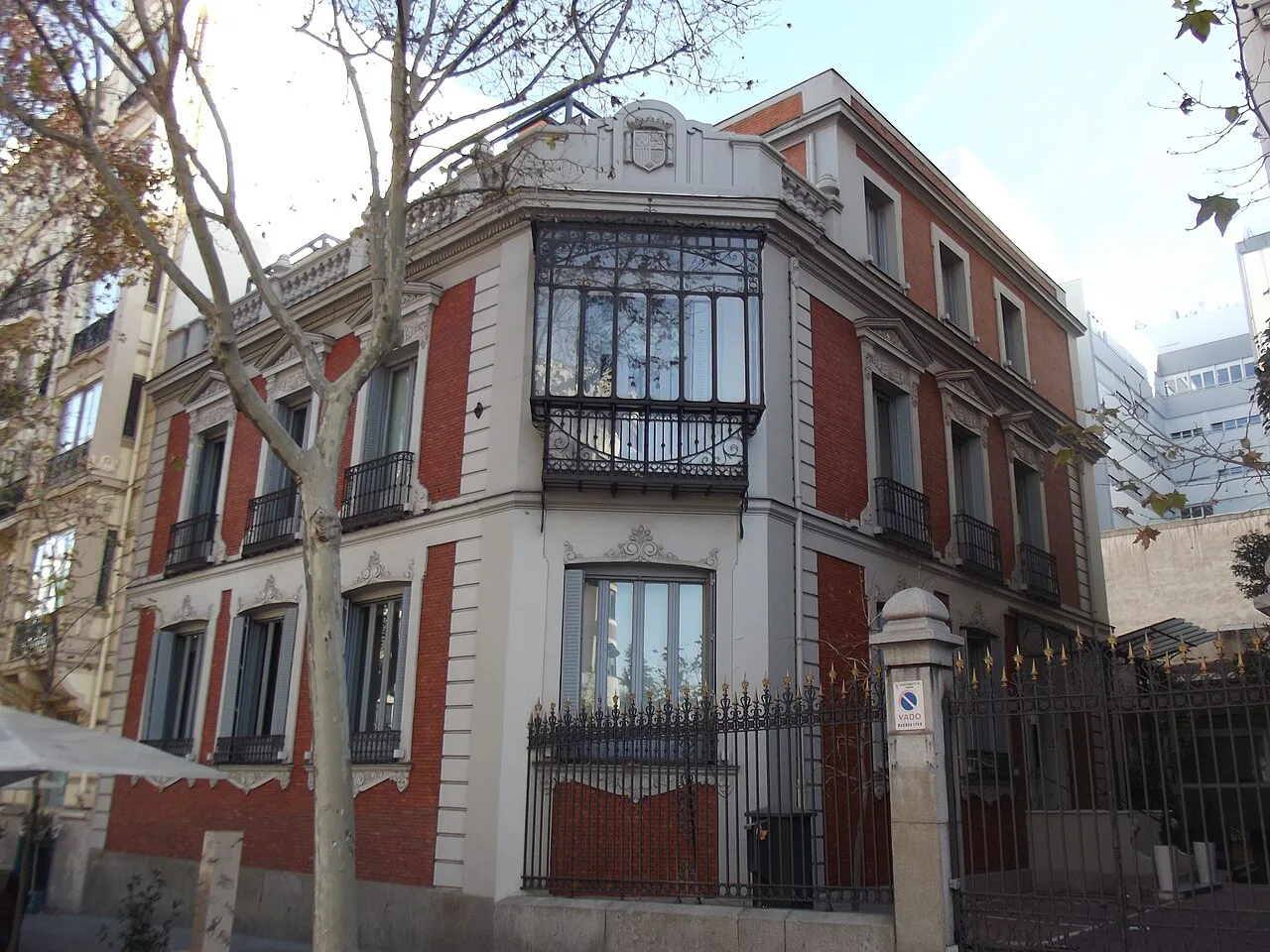
Garages beat the street when you stay overnight, carry luggage, or visit a historic core with few bays. Madrid's Salamanca district, with its mix of blue zones and garages, rewards a garage booking in advance. Entrances are often narrow, and ramps can be tight. Look for the height limit sign at the entrance before you drive in.
Compare the €15–€30 per day garage rate with the €1–€2 per hour street fee before you decide where to leave the car overnight.
A compact hire car makes every ramp easier. Large SUVs and vans may not fit older garages. Ask your hotel whether it has its own garage or a partner car park, and ask about the nightly rate before you arrive.
City snapshots: Madrid, Barcelona and beyond
Each region has a different pressure point. Use the local guides below for route and driving detail.
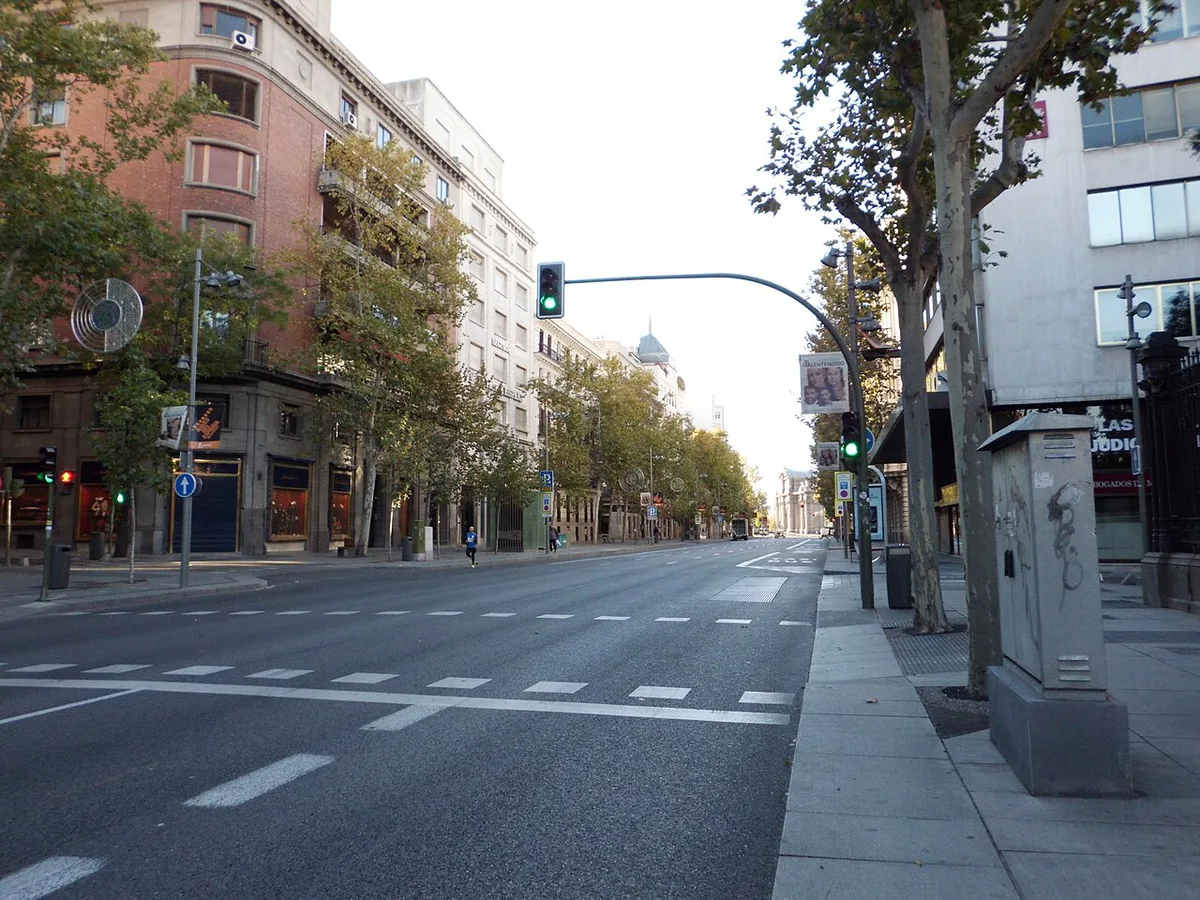
- Madrid: Centro, around Gran Vía, Puerta del Sol and Plaza Mayor, has blue zones but few free spaces, so many drivers choose a garage. Salamanca mixes blue zones with garages, while Chamberí and Malasaña have limited street parking. Read our Madrid driving guide before you arrive.
- Barcelona: green-zone bays in the Àrea Verda favour residents, with a visitor tariff. Our Barcelona driving guide covers the approach roads.
- Costa del Sol: coastal towns fill up in summer. See our Málaga car hire guide for pickup and parking basics.
- Mallorca: resort and beach car parks get busy in the high season. Start with Mallorca car hire.
- Tenerife: plan beach and viewpoint stops early. See Tenerife car hire.
- Lanzarote: our Lanzarote car hire guide covers pickups and local driving.
- Gran Canaria: read Gran Canaria car hire before booking.
Low-emission zones and parking
A low-emission zone, or ZBE, can restrict entry as well as parking. Your hire car's environmental label affects whether you may drive in. Barcelona's ZBE Rondes de Barcelona is the official source for its rules. Our low-emission zones overview covers the national picture. City detail is in the guides to the Madrid zone and the Barcelona zone. A garage inside a restricted area does not exempt you from the entry rules.
Hire-car parking tips
Fines on a hire car usually reach the rental company first, and many companies pass them on with an admin fee. Read your contract for the fee and the payment process. Our Spain car rental guide covers contract basics. Drivers from the US can read about driving with a US licence.
Pick a compact car if your trip centres on old towns. Ask your hotel about parking and overnight rules before you book. Leave no valuables in view, and take luggage with you when you can. Overnight street parking is limited in many central areas, and private garages are the safer option for long stays.
Park once: when to leave the car
In dense centres, the best strategy is to park once and walk, or use the metro. Parking on the outer ring and riding in saves time during peak tourist seasons. Arrive early in busy areas, when spaces are easier to find. Use this checklist before you reach a city.
- Choose a garage or outer car park before you start driving.
- Check the height limit and your car's width.
- Carry coins and a payment card.
- Check your car's environmental label against the ZBE.
- Photograph your ticket and your parked car.
Plan the rest of your drive
Parking is one part of the trip. For the wider picture, read our Spain driving guide. Fast roads bring their own costs, covered in our toll roads guide. Know the limits from our speed limits guide.
Frequently Asked Questions
How do I pay a parking ticket in Spain?
Follow the payment instructions printed on the notice. Many cities let you pay through the ayuntamiento's website or at a bank. If the car is a rental, the company may handle the fine and charge you an admin fee.
How much is parking in Barcelona per day?
Barcelona has no single daily rate, because street and garage tariffs vary by zone. Check the Àrea Verda site for the current street tariff, and ask garages for their daily price before you enter.
Road-rule changes worth knowing
Optional updates to our guides.
You might also like
Continue reading
More guides you'll find useful