
Madrid Low Emission Zone (ZBE): Rules for Visitors and Drivers
Driving in Madrid? See how the ZBE works, what DGT labels mean for rental and foreign cars, which central areas are restricted, and how to avoid fines.
On this page
Last updated November 2026. The Madrid low emission zone (Zona de Bajas Emisiones, or ZBE) restricts vehicles by their DGT environmental label, and two central areas, Distrito Centro and Plaza Elíptica, carry extra protection. Know three things before you drive: your car's label, where you will park, and whether your route crosses Distrito Centro. Our wider guide to Spain's low emission zones shows how Madrid compares with other cities.
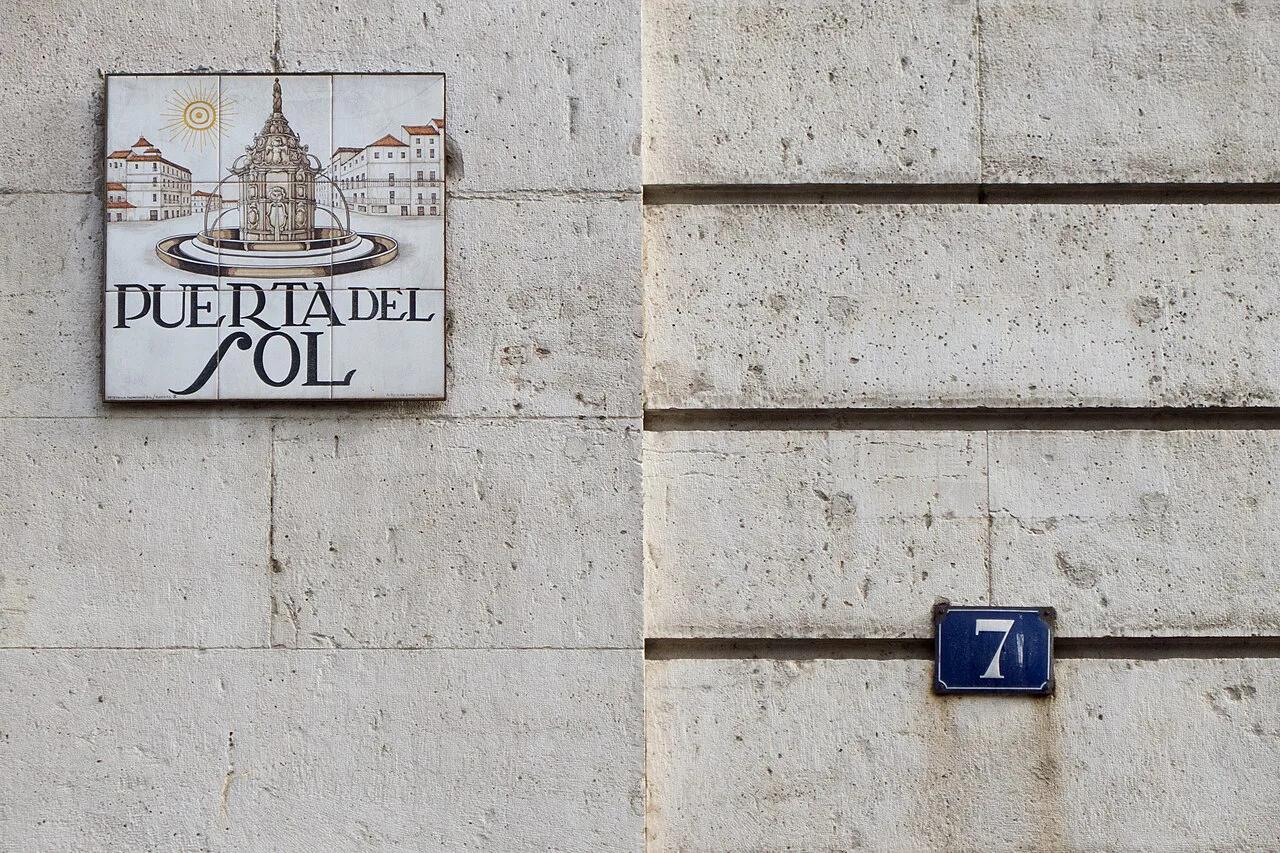
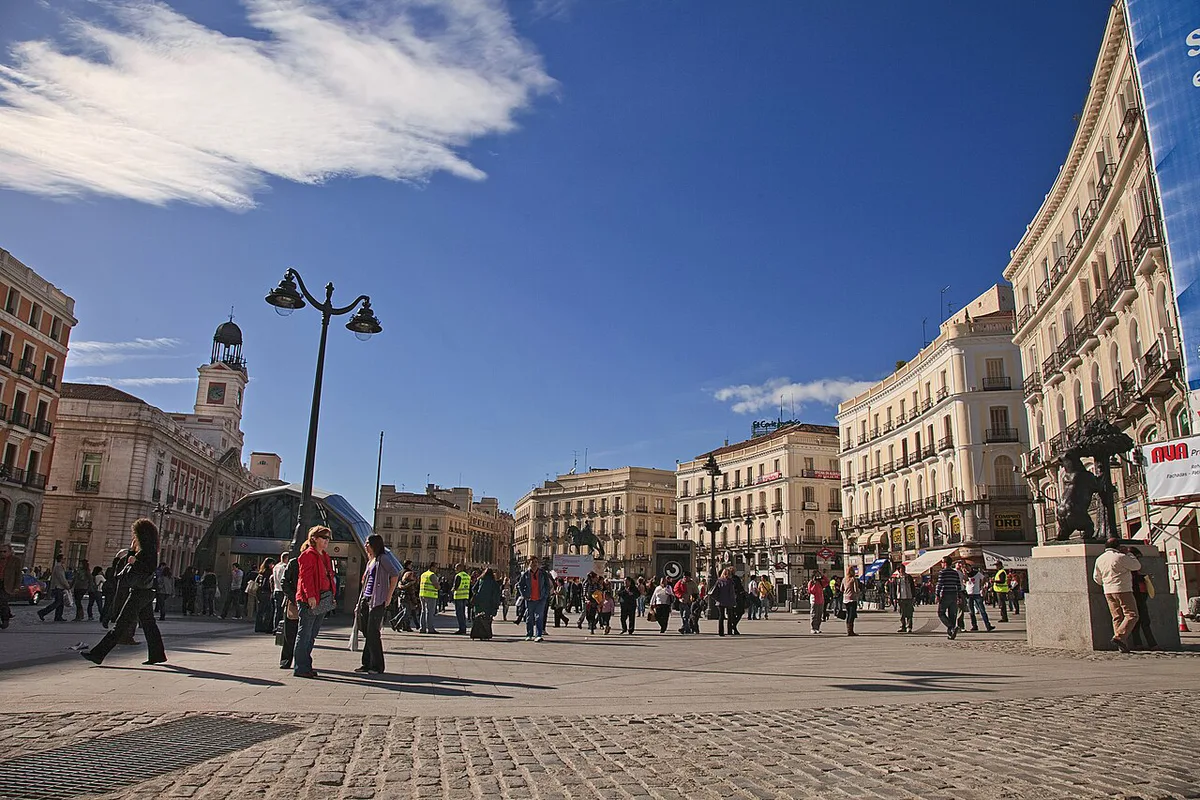
Featured image: Carlos Delgado, CC BY-SA 3.0, via Wikimedia Commons.
Short Answer: Can You Drive in Madrid's Low Emission Zone?
Yes, if your car carries a DGT label that the zone accepts for the area you enter. Cars with no label are the group Madrid targets. Since 1 January 2025, unlabelled cars that are not domiciled and taxed in Madrid may not drive anywhere in the municipality, and the fine is €200, halved for prompt payment, according to the Spanish motoring club RACE's March 2026 guide. Madrid residents' unlabelled cars keep a temporary permission that ends if air-quality limits are breached. Visitors in a rental car should ask the rental company for the label before leaving the lot. A car that is compliant on paper can still be fined if you drive it into a restricted street without a permitted label.
How Madrid's Low Emission Zone Works
Madrid's ZBE covers the whole municipality, all 21 districts, not just the historic core. The M-30 ring counts as an urban road and sits inside it, while the M-40, M-45 and M-50 are interurban roads outside it. In September 2024 the regional high court annulled the original ordinance over its economic report, and the Supreme Court declined Madrid's appeal in 2026. The council had already passed a new sustainable mobility ordinance in March 2025, so the restrictions remain in force, according to Motor.es in April 2026. Inside that wider zone sit two special protection areas: Distrito Centro and Plaza Elíptica. Spain's national traffic data portal lists both areas in its published geometry of the Madrid ZBE. Distrito Centro is the tighter zone around the old centre. Madrid Central was the earlier central restriction, and the current rules sit under the ZBE name. Plaza Elíptica is the second protected area and is separate from the centre.
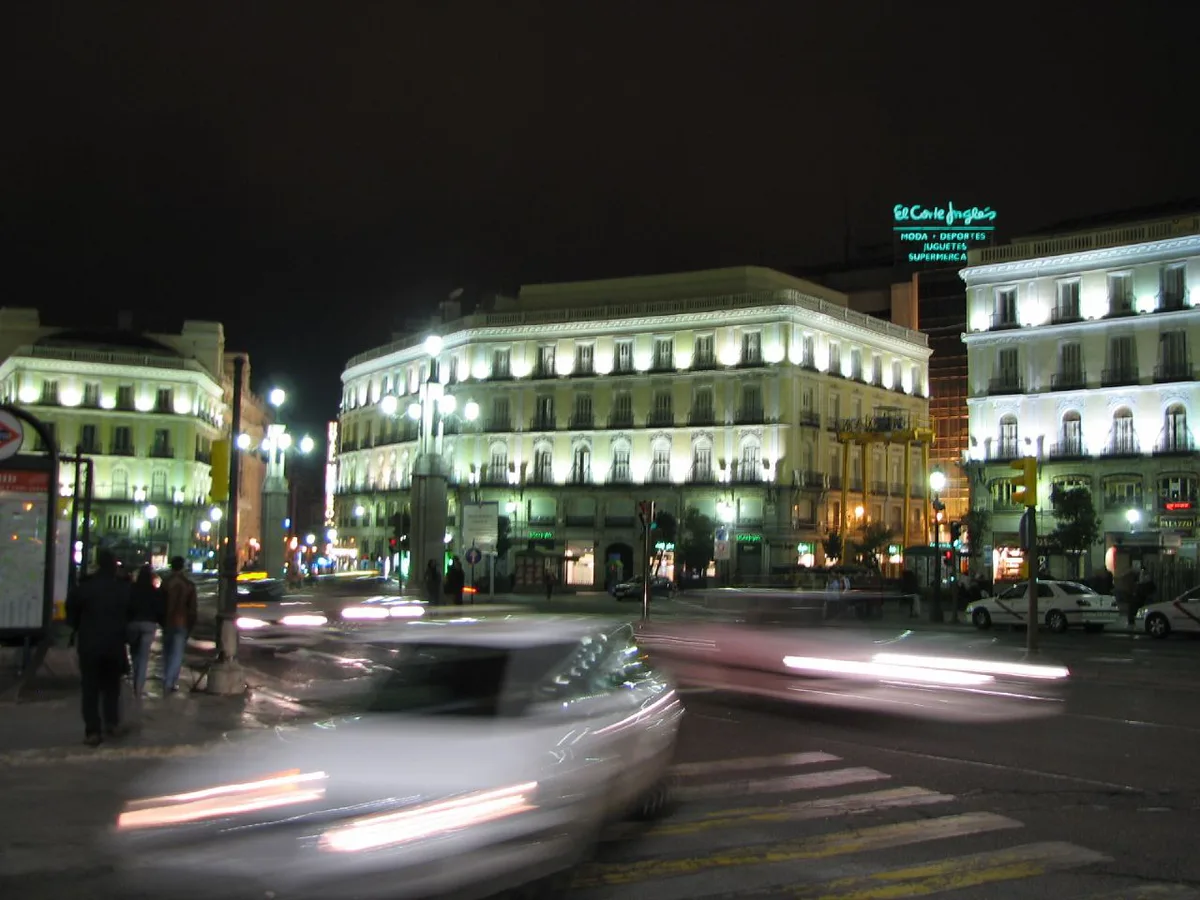
- Wider city zone: the whole municipality, closed to unlabelled cars from outside Madrid.
- Distrito Centro: 0 and ECO cars move freely; B and C cars may enter only to park in a car park registered with the zone's access system.
- Plaza Elíptica: protection area, also closed to unlabelled cars from outside Madrid.
- M-30: inside the zone. The M-40 and outer rings are outside it.
DGT Environmental Labels Explained
Spain's DGT issues environmental labels (distintivo ambiental) in four classes: 0, ECO, C and B. Cars that qualify for none of them have no label. A windscreen sticker usually shows the label, and the rental company can look it up from the registration. As a rule of thumb, petrol cars from before about 2000 and diesel cars from before 2006 get no label, because they miss the Euro 3 (petrol) or Euro 4 (diesel) standard. The DGT assigns labels from the Euro standard in the registration data, so the year alone can mislead.
Diesel cars from before 2006 usually have no label, so ask about the label of any older rental before you drive into the city.
- Label 0: battery electric, fuel-cell and range-extended cars, plus plug-in hybrids with at least 40 km of electric range.
- Label ECO: other hybrids and natural gas or LPG cars that meet the criteria.
- Label C: petrol cars from about 2006 and diesel cars from about 2015. Label B: petrol cars from about 2001 and diesel cars from about 2006.
- No label: older cars, the group Madrid has aimed to exclude.
Rental Cars and Foreign-Plated Cars: What Applies
Rental cars registered in Spain carry a DGT label like any other Spanish car. Ask for it in writing when you collect the keys. Our guide to renting a car in Spain covers the wider pickup checks. Foreign-plated cars cannot get a DGT sticker, as the UK government's Spain travel advice notes. Madrid instead gives them the classification of an equivalent Spanish vehicle, based on the registration certificate and technical data sheet. For Distrito Centro, that equivalence is handled by the zone's citizen service office at Calle Bustamante 6, by appointment. Non-EU drivers also need the right licence paperwork, which our guide to driving in Spain with a US license explains. An International Driving Permit is covered on AAA's permit page.
| Your vehicle | What to check | Action |
|---|---|---|
| Spanish-registered rental with a label | Label class and whether it fits Distrito Centro | Ask the rental desk for the label in writing |
| Older rental | Whether it has a label at all | Request a newer car or skip the centre |
| Foreign-plated personal car | Its Spanish-equivalent classification | Apply with the registration certificate and technical data sheet before travel |
| Motorcycle | Its own DGT label | Look up the label on the registration |
Fines and Enforcement
Cameras read plates at zone entries and compare them with the DGT's label records. You get no warning at the kerb. The fine for an unlabelled car from outside Madrid is €200, cut by 50% if you pay promptly. In Distrito Centro, cameras log a B or C car at entry and then at the registered car park, so driving through without parking is caught too. A fine on a rental car normally goes to the rental company first. Companies commonly pass the cost to the driver and may add an admin charge, so read your rental contract. Notices for foreign-plated cars can follow you home, so paying a fine late can cost more than avoiding it.
The €200 fine drops to €100 when paid promptly. Notices for foreign-plated cars can follow you home.
ZBE vs Regulated Parking (SER): Don't Confuse Them
The ZBE controls which vehicles may enter. SER is Madrid's regulated street-parking scheme, which controls where and how long you may park. A car can be allowed into the zone and still need a paid SER ticket. A car can also be denied entry no matter what it paid for parking. In Distrito Centro the two meet: ECO and 0 cars may park on SER streets as well as in car parks, while B and C cars may park only in a car park registered with the zone's access system, according to RACE's March 2026 guide to Distrito Centro access. Hotel guests may drive in if the car has a label and the hotel registers the plate in advance. Our guide to parking in Spain covers the basics.
Drive or Skip? Decision Guide for Visitors
Most visitors do better leaving the car outside the centre. Metro and Cercanías commuter trains cover the core, and Madrid's official tourism site lists visitor transport. Our guide to Driving in Madrid: Do You Need a Car? Rules, Zones, Parking covers the practicalities in more depth. Choose the option that matches your trip.
- Pick up at the airport and skip the centre: lowest fine risk, but you still pay for parking while the car sits unused.
- Park outside the zone and use the metro or Cercanías: cheaper and quicker for city sightseeing, with a transfer each way.
- Drive in with a compliant label: the most flexible, but you carry the fine risk and must plan the route and the garage.
Pre-Trip Checklist and Common Mistakes
A few checks before you travel prevent most problems. Do them in order, since the hotel answer may change your route.
- Ask the rental company for the car's DGT label and its ZBE status.
- If your hotel is in Distrito Centro, ask it to register your plate before arrival.
- Plan your route on the Ayuntamiento's ZBE map.
- Keep the rental paperwork in the car.
- Mistake: assuming a rental is always compliant.
- Mistake: ignoring the central protection areas.
- Mistake: treating ZBE and SER parking as one scheme.
- Mistake: assuming the 2024 court ruling ended the zone. A new ordinance replaced the annulled one in March 2025.
Day Trips and Other Spanish Cities
On a day trip by car, the ZBE matters mainly at the city edge, as you leave and return. Plan your return route and the hotel garage before you go. Our guide to 8 Things to Know About Driving in Spain (2026) covers the national rules. Tolls on some day-trip routes are explained in our guide to Toll Roads in Spain: Which Charge and How to Pay. Limits on open roads are in our guide to Speed Limits in Spain: km/h, mph and Road Types. Barcelona runs its own scheme, covered in our Barcelona low emission zone guide, and its official site is ZBE Rondes de Barcelona.
How to Check Your Car and Route Before You Drive
Start with the vehicle. Ask the rental company for the DGT label from the registration, rather than guessing from the car’s age or fuel type. A label 0 or ECO car can go anywhere in the city, while B and C cars need a registered car park in Distrito Centro.
Then map the route between your arrival point and your garage. Distrito Centro and Plaza Elíptica have tighter rules than the wider city zone, so note whether your garage sits inside either one, and use the garage entrance address, not just its postcode.
The city-wide ban on unlabelled cars from outside Madrid has applied since 1 January 2025. Save the route, the garage booking and your rental paperwork in case a notice arrives later.
Frequently Asked Questions
Can I drive my car in the Low Emission Zone?
Only if its DGT label is accepted for the area you enter. Unlabelled cars from outside Madrid have been barred from the whole municipality since 1 January 2025, with a €200 fine. In Distrito Centro, B and C cars may enter only to park in a registered car park.
Road-rule changes worth knowing
Optional updates to our guides.
You might also like

Continue reading
More guides you'll find useful