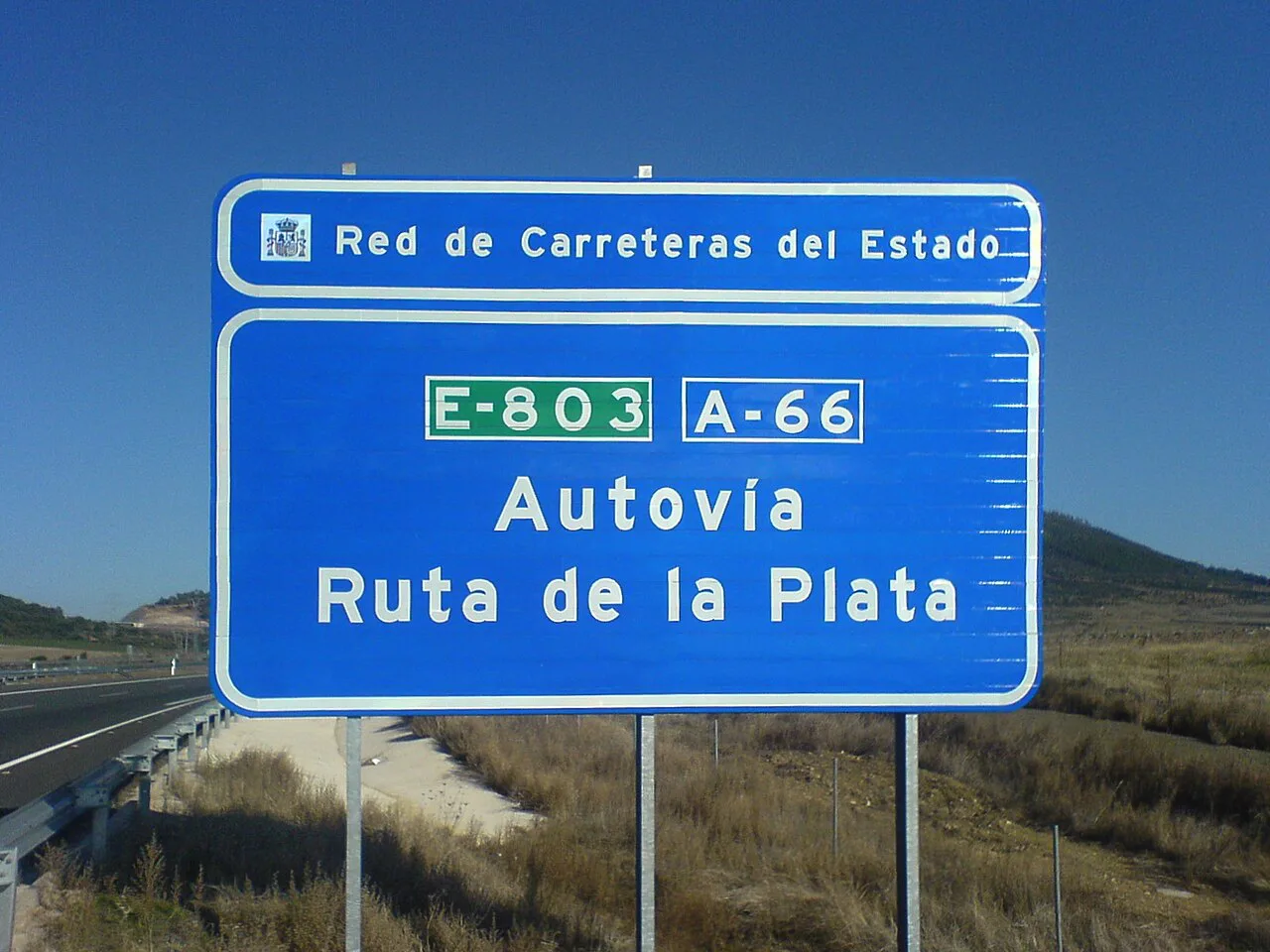
Speed Limits in Spain: km/h, mph and Road Types
Spain speed limits by road type in km/h and mph, plus vehicle rules, cameras and tips for visitors driving rental cars.
On this page
Last updated November 2026: speed limits in Spain are 120 km/h (about 75 mph) on motorways and dual carriageways, 90 km/h (about 56 mph) on most conventional roads, and 50 km/h (about 31 mph) or lower in towns. Signs override every default, so read each one. The table below gives all the mph conversions in one place.
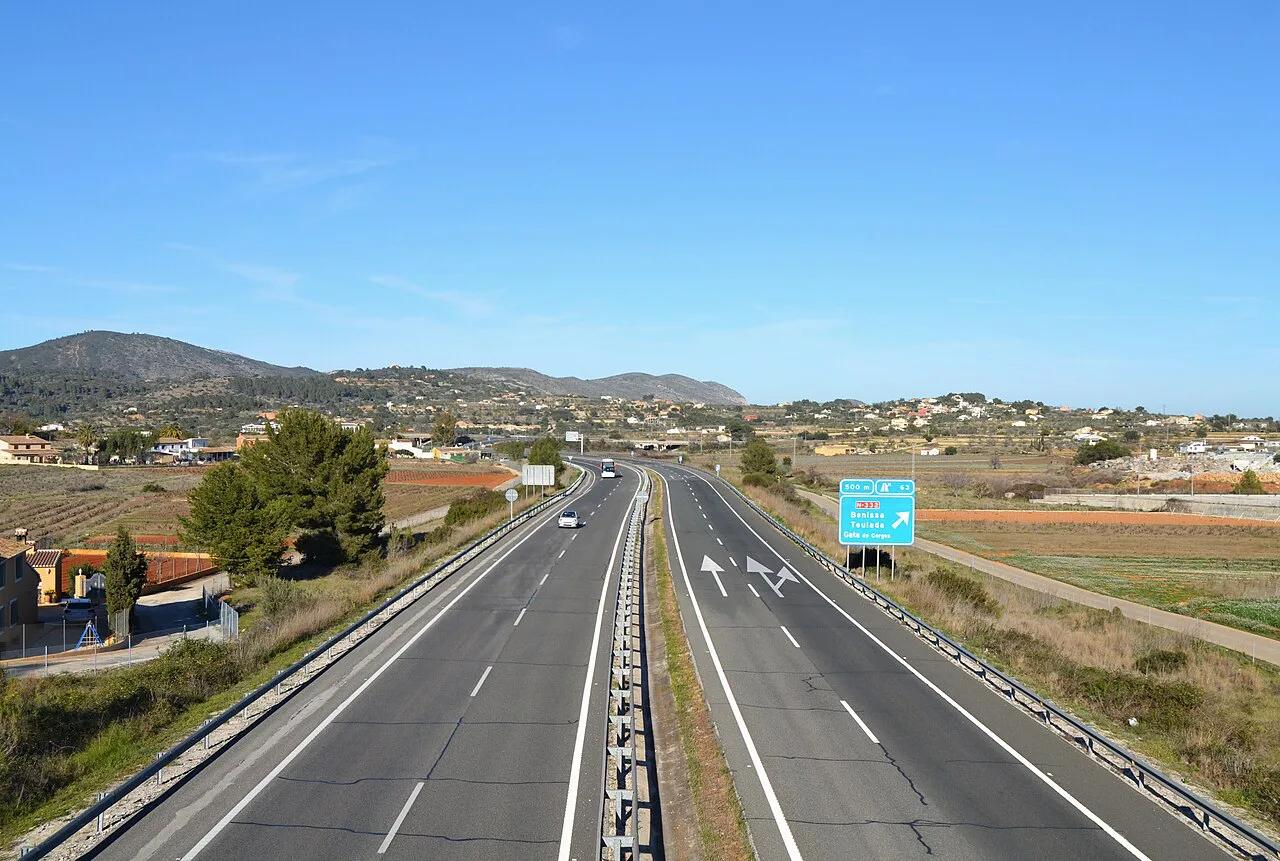
Featured image: Caminetero, CC BY 4.0, via Wikimedia Commons.
Speed limits in Spain at a glance
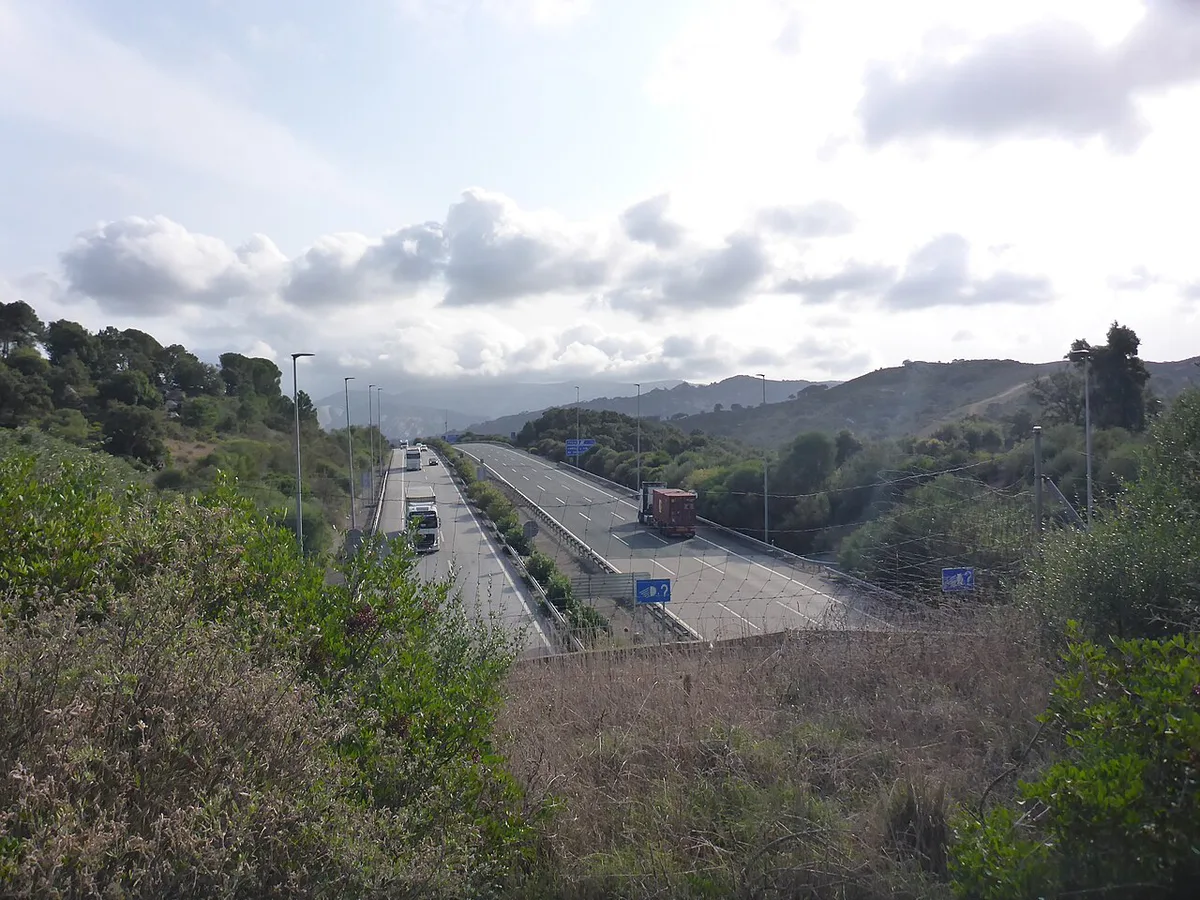
Spain sets its general limits by road type in articles 48 and 50 of the General Traffic Regulation, and the Dirección General de Tráfico (DGT) enforces them. Local signs can raise or lower any figure in the table. Treat these numbers as the default when no sign says otherwise.
| Road type | Limit (km/h) | Approx. mph | Notes |
|---|---|---|---|
| Motorway (autopista) and dual carriageway (autovía) | 120 | 75 | Cars towing a trailer or caravan, and motorhomes over 3,500 kg: 90 km/h (56 mph) |
| Conventional road | 90 | 56 | Roads with physically separated directions can be signed 100 km/h (62 mph) for cars |
| Urban street with two or more lanes each way | 50 | 31 | Signs can lower this |
| Urban street with one lane each way | 30 | 19 | Common in residential areas since 2021 |
| Urban street with a single shared surface | 20 | 12 | No kerb between road and pavement |
| Car towing a trailer, conventional road | 80 | 50 | Any trailer or caravan, light or heavy |

Limits by road type
Motorways (autopistas) and autovías both carry 120 km/h. Autopistas are often tolled, while autovías are usually free. Conventional roads default to 90 km/h, and the road owner may sign 100 km/h for cars and motorcycles where the two directions are physically separated. Spain tightened urban limits in 2021. Single-lane city streets now default to 30 km/h, and roads with two or more lanes per direction stay at 50 km/h. A street with no kerb between road and pavement is 20 km/h. Town councils may set lower limits, and a motorway or autovía inside a built-up area defaults to 80 km/h, as the driving-test site Practicatest's October 2026 summary sets out. Read the sign at every town entrance, because limits can change within a few hundred metres.
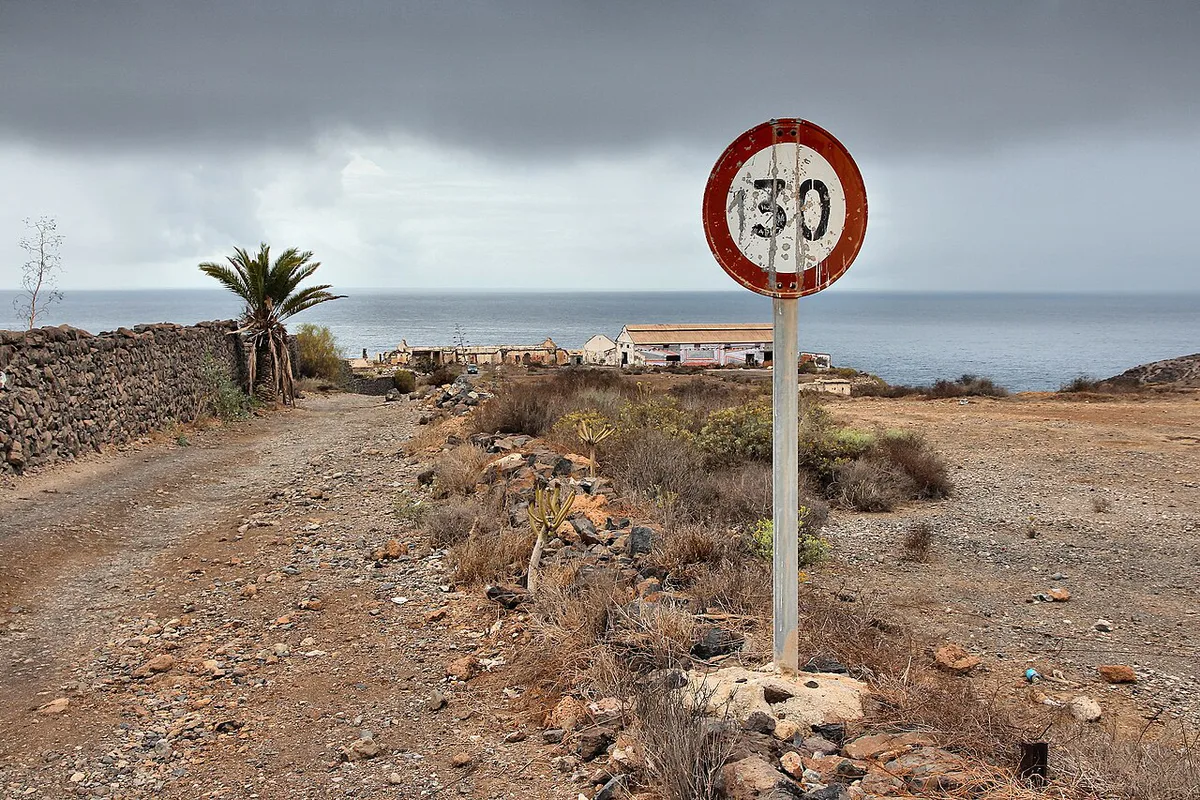
- Motorway or autovía: 120 km/h, about 75 mph.
- Conventional road: 90 km/h, with 100 km/h only where signed.
- City street, two or more lanes each way: 50 km/h.
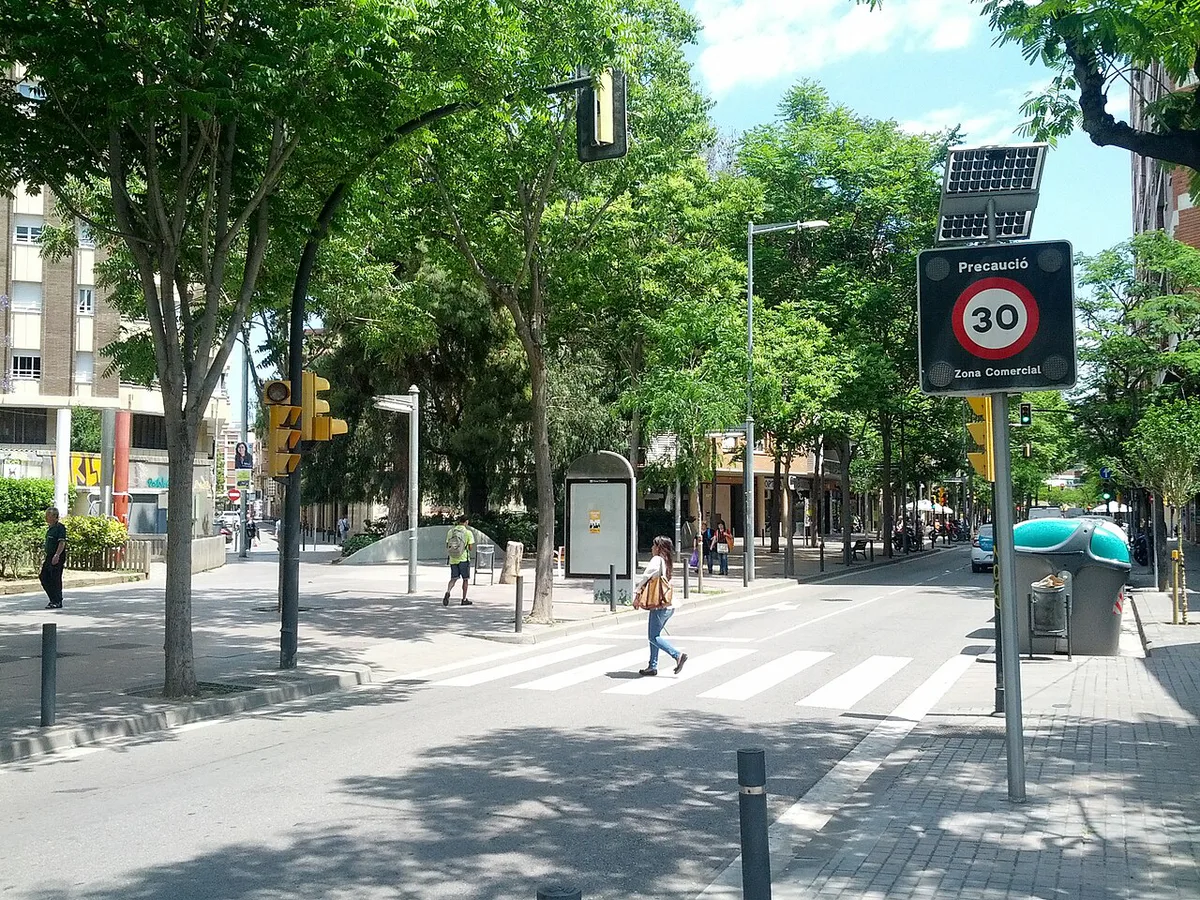
- City street, one lane each way: 30 km/h.
- Single-platform street: 20 km/h.
Converting km/h to mph and avoiding the mph-car trap
Multiply km/h by 0.62 for a quick mph figure. At 120 km/h that gives about 74 mph, and the usual rounding is 75 mph. At 90 km/h you get about 56 mph, and at 50 km/h about 31 mph. Spanish rental cars show km/h on the main dial. A UK-registered or imported car may show mph, so read the small print on the speedometer. Most digital displays let you switch units in the settings menu, and doing this at pickup removes the arithmetic. Our Spain car rental guide covers what to inspect at the desk. US drivers will find the other differences in driving in Spain with a US license. Limits in the US vary by state, but Spain uses one national set.
Limits by vehicle type
A standard rental car follows the general limits in the table. Motorhomes up to 3,500 kg have the same limits as a car, as the DGT's caravan and motorhome page states, so 120 km/h applies on motorways and 90 km/h on conventional roads. Over 3,500 kg, lower limits apply: 90 km/h on motorways and 80 km/h on conventional roads. Towing a trailer or caravan puts a car at 90 km/h on motorways and autovías and 80 km/h on conventional roads, and the 100 km/h exception on separated roads does not apply to it. Limits follow the road and the vehicle class rather than the driver's age, although new drivers face a lower alcohol limit. A temporary space-saver spare carries its own maximum speed on the wheel label, usually 80 km/h, so slow down if you fit one.
Over 3,500 kg, a motorhome drops to 80 km/h on conventional roads, the same limit as a car towing a caravan.
Reading Spanish speed signs
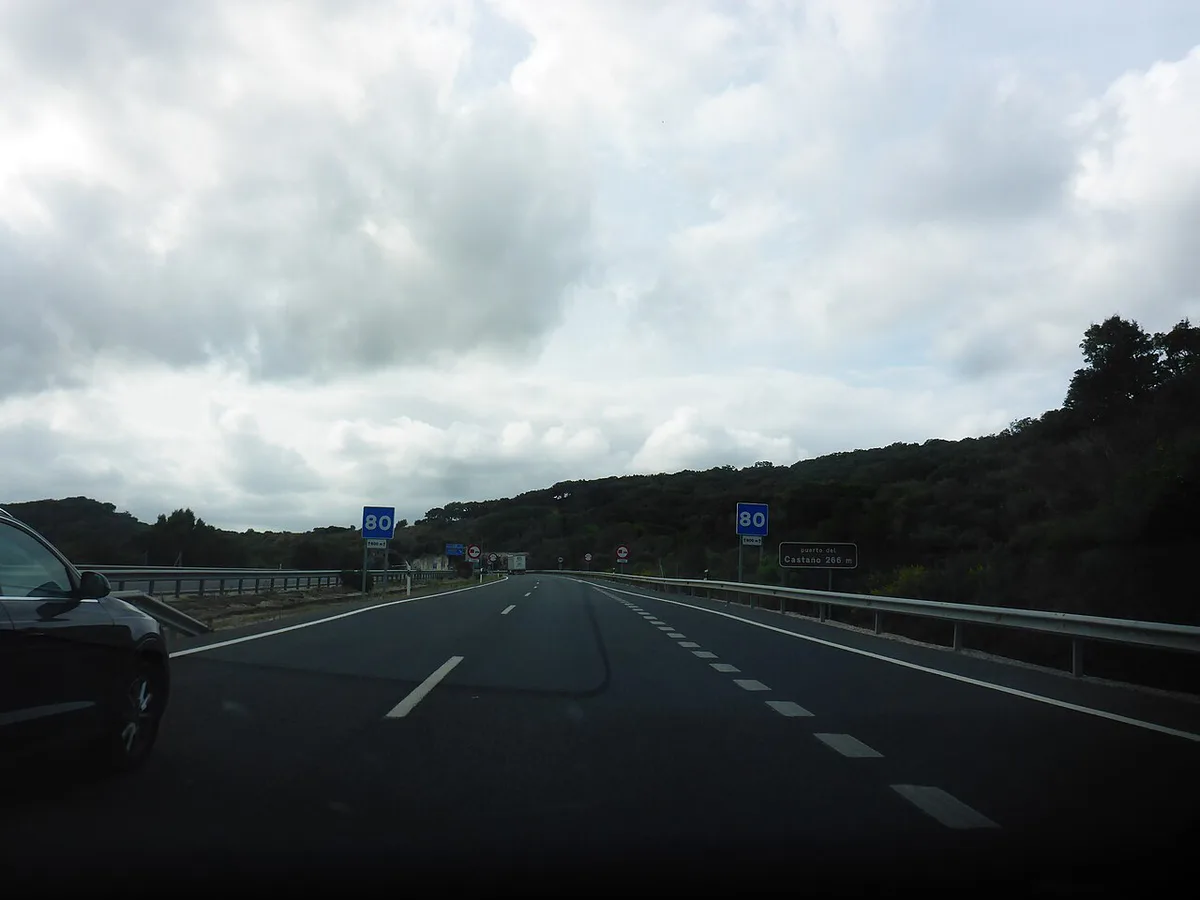
Three sign types matter for speed. A maximum-speed sign sets a new limit that applies until you pass an end-of-limit sign or another maximum. An advisory speed sign recommends a speed, typically before bends or junctions. An end-of-limit sign cancels the restriction and returns you to the default for that road type. A minimum-speed sign also exists, so a slow-moving car on that stretch can break the rules. Roadworks and weather panels often show temporary limits that override the permanent signs. Treat the most recent sign you passed as the limit, not the number you remember from the last town.
Speed cameras and enforcement
Spain enforces limits with fixed cameras, mobile radar units and patrol cars. Guardia Civil traffic officers work the intercity roads, so do not assume that a clear road means no enforcement. Foreign drivers face the same rules as residents, and police can collect fines on the spot. Fines are halved if paid within 20 days, and exceeding the limit by more than 60 km/h in town or 80 km/h elsewhere is a criminal offence, according to the Spanish motoring club RACE's speeding-fines guide.
| Speed on a 120 km/h road | Fine | Licence points |
|---|---|---|
| 121–150 km/h | €100 | 0 |
| 151–170 km/h | €300 | 2 |
| 171–180 km/h | €400 | 4 |
| 181–190 km/h | €500 | 6 |
| Over 190 km/h | €600 | 6 |
Fine bands are from Motor16's August 2026 table; in a 50 km/h street the same €100 to €600 scale starts at 51 km/h and tops out above 100 km/h. You will also hear that locals routinely drive 160 km/h or more on motorways. That is illegal, and matching local pace is a poor reason to risk a penalty.
Conditions that call for going slower than the limit
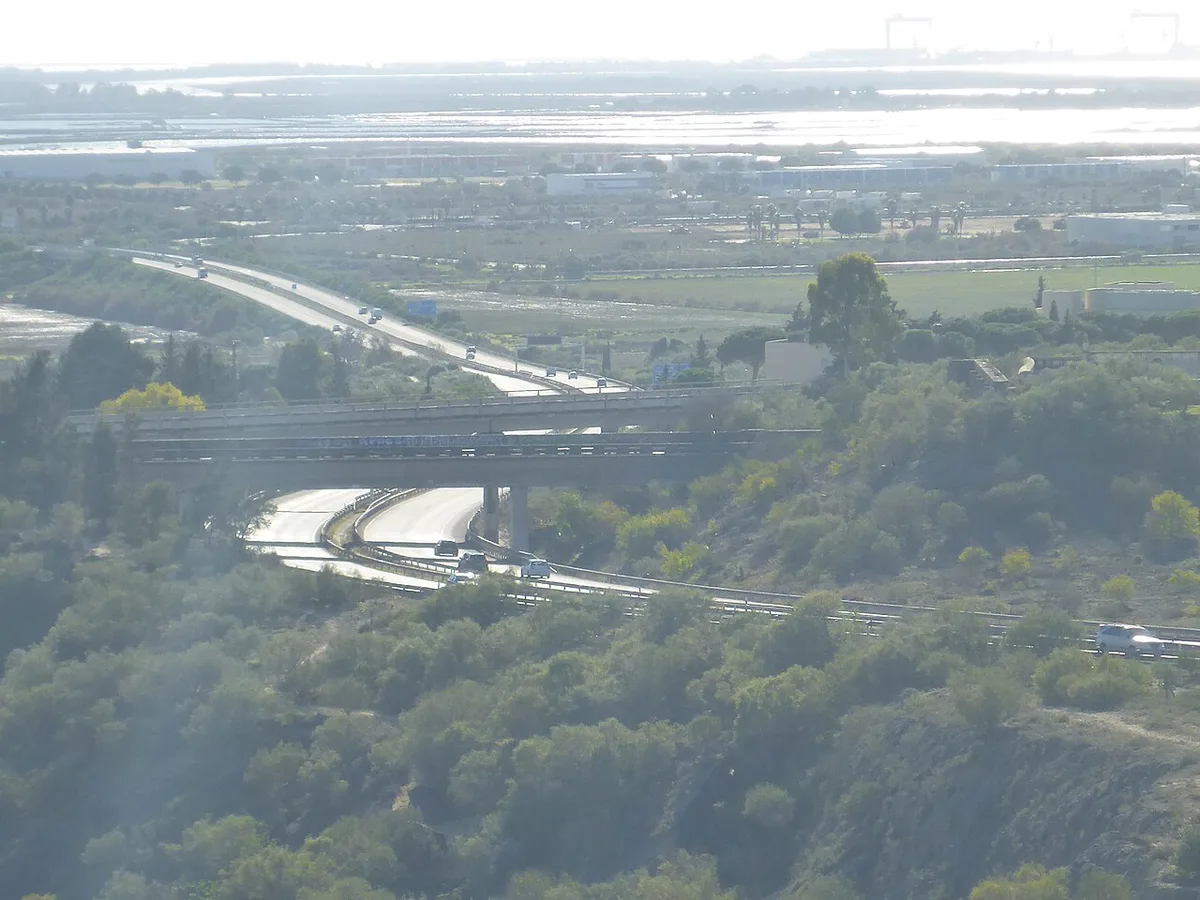
A limit is a ceiling for good conditions, not a target. Rain, fog and wet surfaces call for more distance and less speed. Heavy lorries run between the north and south and between the east and west of Spain, and traffic thickens at weekends and on bank holidays. Overtaking lorries on toll-free national roads often causes jams. Road surfaces vary, particularly in parts of the south-west and north, so expect uneven patches, narrow lanes and roadworks. Weather also swings between regions. Read the forecast before long drives, because mountain passes and coastal stretches can turn windy or cold within an hour. Crosswind warning panels mean you should ease off, especially in a motorhome or a car with a roof box.
Planning drives: tolls, rental pickup and cities
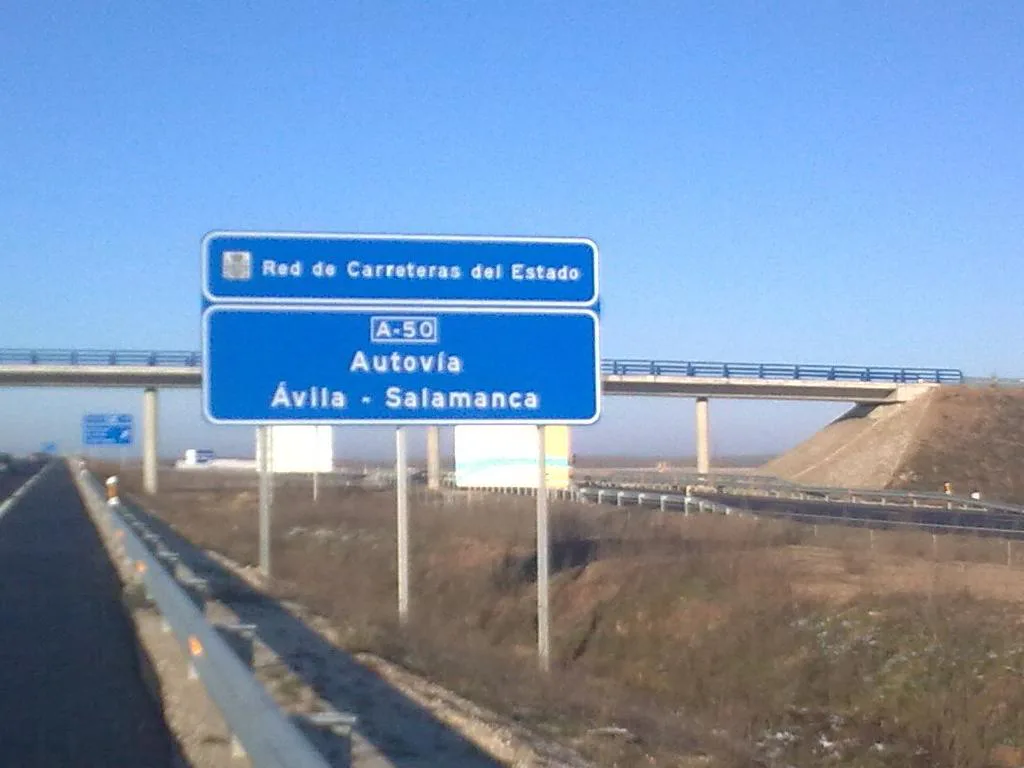
Motorway versus toll-free road is a time-and-cost choice. Toll sections carry the 120 km/h limit and move faster. Parallel national roads are free but slower and busier with lorries. Most of the AP-7 along the Mediterranean has been free since 2020 and 2021, while stretches between Crevillente and Vera and on the Costa del Sol still charge. Read Toll Roads in Spain: Which Charge and How to Pay before you pick a route. City driving adds another layer, because low-emission zones restrict access as well as speed. Start with Spain's low-emission zones for the overview. Then use Madrid's zone rules and Barcelona's zone rules for local detail. For street-level advice, see Driving in Madrid: Do You Need a Car? Rules, Zones, Parking and Driving in Barcelona: Rules, LEZ, Parking & Tolls. Parking rules matter after the drive ends, so read Parking in Spain: Zones, Costs, Fines and Tips. Rental pickups on the islands and the coast start you on local roads rather than motorways. Browse car hire in Málaga, car hire in Mallorca or car hire in Tenerife. Island tourism boards such as Tenerife tourism are good starting points for route ideas. Keep the broader rules in our Spain driving guide open as well.
Toll sections carry the 120 km/h limit, yet an island rental pickup starts you on local roads, not on motorways.
- Mistake: reading an mph dial as km/h. Switch the display at pickup.
- Mistake: assuming one limit all day. Signs change within a few hundred metres.
- Mistake: matching local speeds on motorways. Stay at or under 120 km/h.
- Mistake: tailgating or cutting in front of lorries. Leave distance and overtake only on the left.
Frequently Asked Questions
What is the national speed limit in Spain?
Spain has no single national limit. The default is 120 km/h (75 mph) on motorways and dual carriageways and 90 km/h (56 mph) on conventional roads. Urban streets run from 20 to 50 km/h. Signs override all of these.
Is there a speed limit in Europe?
Europe has no single limit, because each country sets its own. Spain's general motorway limit is 120 km/h (75 mph). No stretch of Spanish motorway is signed unlimited, unlike some German autobahn sections. Always check local signs when you cross a border.
Road-rule changes worth knowing
Optional updates to our guides.
You might also like
Continue reading
More guides you'll find useful