Scenic Drives in Switzerland: Best Passes and Routes
Choose the best scenic drives in Switzerland by season, time and driving confidence, with pass-closure, vignette and parking tips before you go.
On this page
Last updated November 2026: our pick of scenic drives in Switzerland starts with the Furka, Susten and Grimsel passes. Add the Julier and Albula passes for Graubünden, or the Lake Geneva shoreline for easier driving. Choose by season, time and confidence, and read our driving in Switzerland guide for the basics.
Featured image: Norbert Aepli, Switzerland (noebu), CC BY 2.5, via Wikimedia Commons.
Short answer: the best scenic drives at a glance
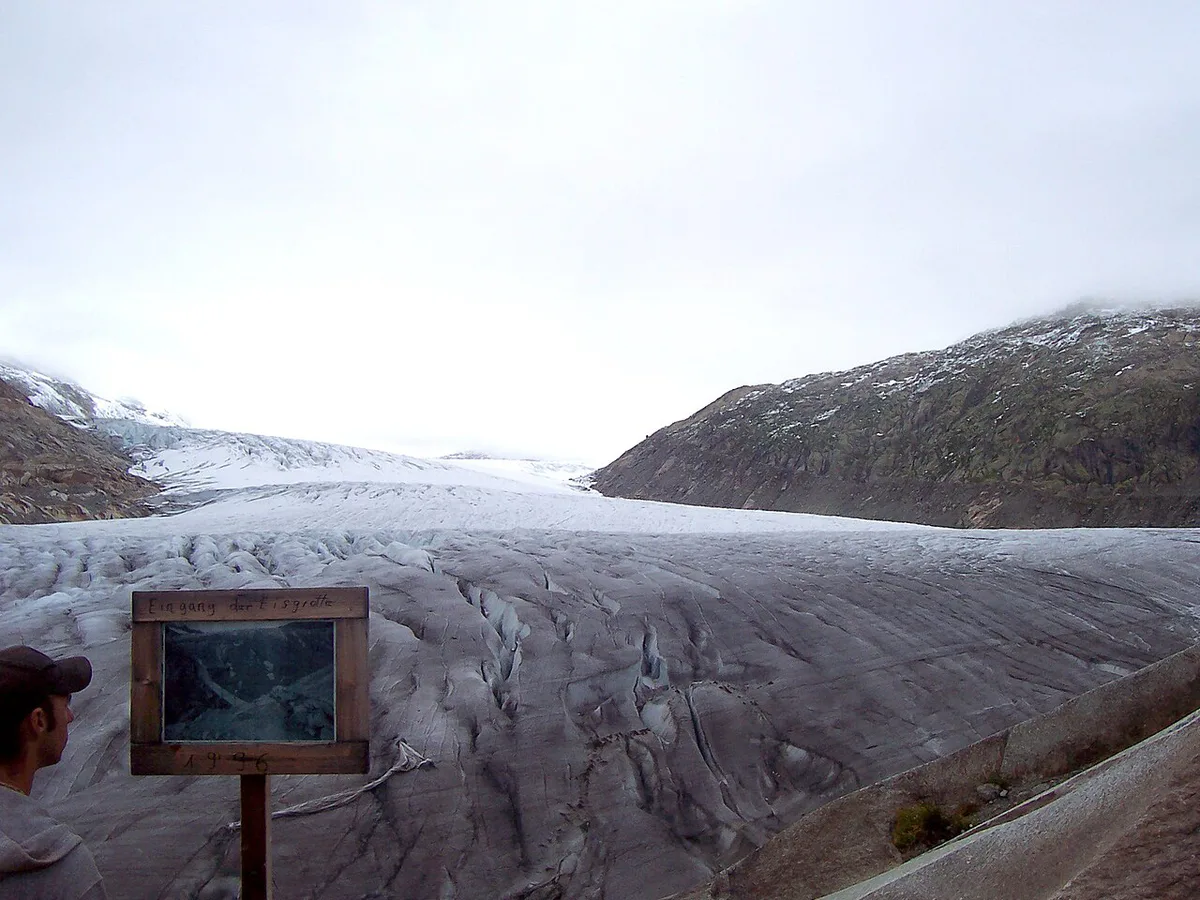
These five routes cover most first-time plans. Furka, Susten and Grimsel sit close together in the central Alps and link into one long day. Julier and Albula serve Graubünden and suit a slower, quieter day. Lake Geneva's shoreline road in Vaud works when high passes are shut. Use the table to match a route to your season and nerves.
| Route | Region | Character | Best season | Key catch |
|---|---|---|---|---|
| Furka Pass | Uri and Valais | Open high terrain, long switchbacks, glacier views | Summer to early autumn | Closes in winter; buses and bikes on hairpins |
| Susten Pass | Uri and Bern | Wide, well-engineered curves with tunnels and valley views | Summer | Closes in winter; weather can turn fast |
| Grimsel Pass | Bern and Valais | Granite slopes and reservoir lakes | Summer | Closes in winter; heavy weekend traffic |
| Julier Pass | Graubünden | Usually gentler climb on the way to the Engadin | Late spring to autumn | Snow can linger early and late in the season |
| Albula Pass | Graubünden | Quiet road with narrow stretches | Summer | Narrow sections need patience and passing places |
| Lake Geneva shoreline | Vaud | Vineyard terraces above the water | Spring to autumn, usable year-round | Town traffic and parking |
How to choose your drive
Time, season and confidence decide most of it. Match your answers to one of these starting points.
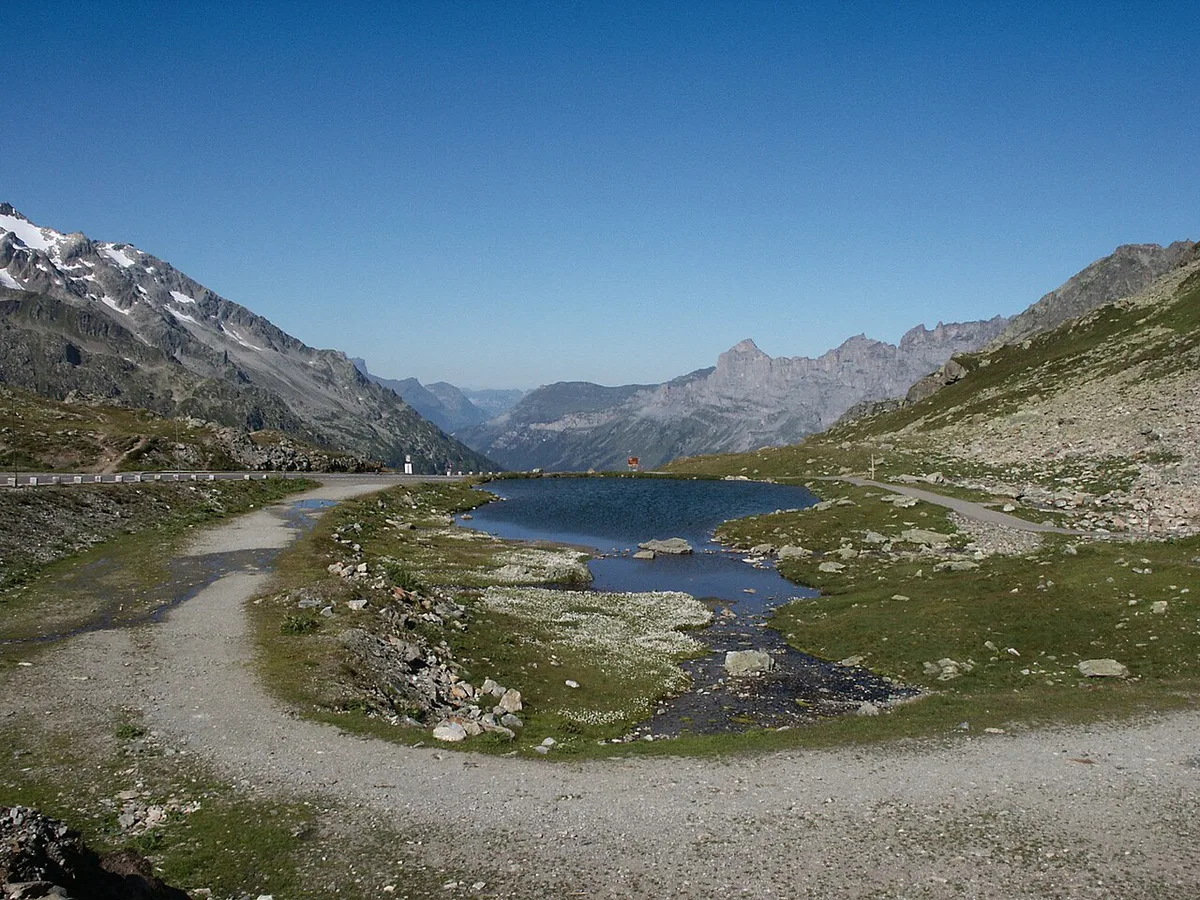
- Half a day: the Lake Geneva shoreline in Vaud, with no pass closures to worry about.
- One full day in summer: Furka, Grimsel and Susten as a loop, with early starts.
- Two to three days: add Julier and Albula in Graubünden, and overnight in the Engadin.
- Nervous on hairpins: start with Susten or Julier, then step up to Furka.
- Large rental car: skip the narrow stretches of Albula and pick wider roads.
Alpine pass drives: Furka, Susten, Grimsel, Julier and Albula
High passes give the strongest views and the biggest scheduling risks. Each entry below covers its character and its main catch.
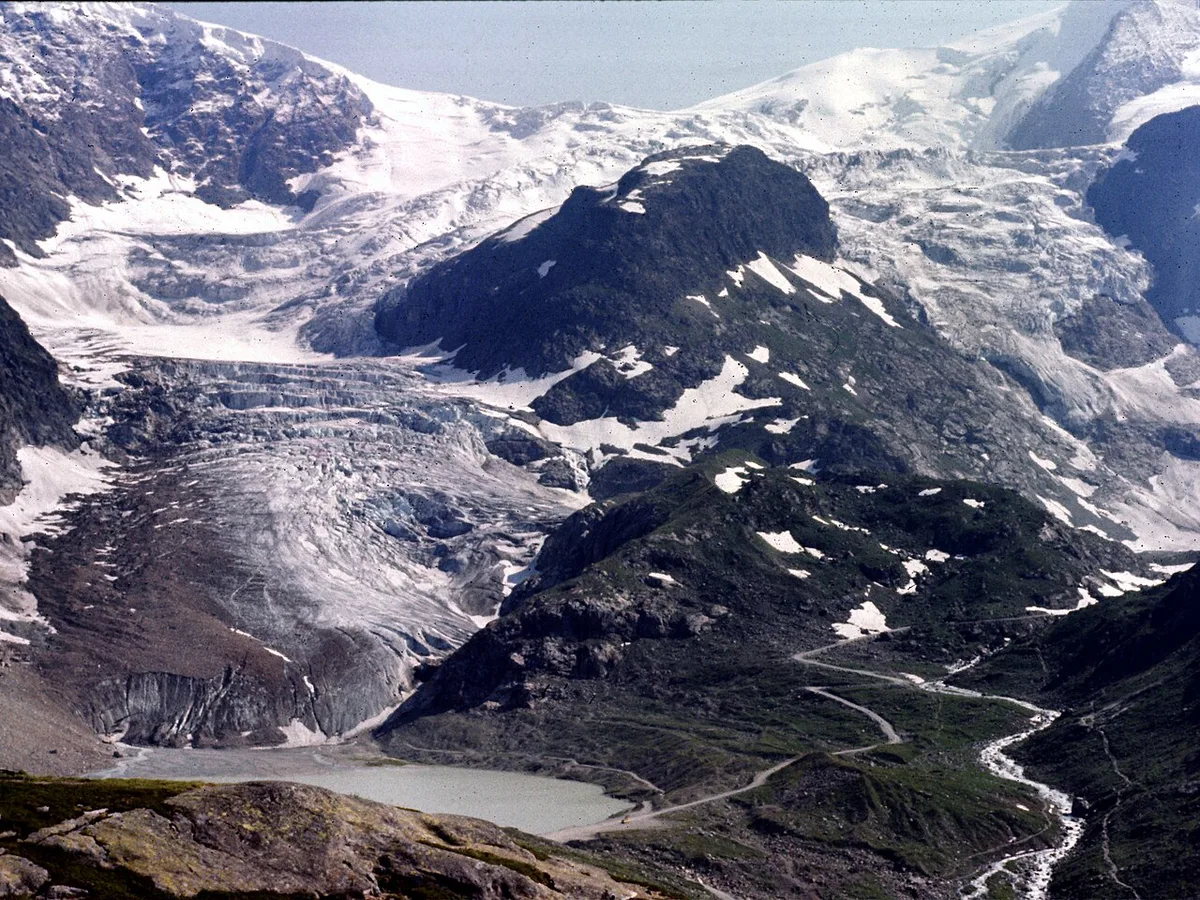
- Furka Pass: the most open and exposed of the group, with long switchbacks and glacier-edge scenery. Expect slow bus traffic on tight corners.
- Susten Pass: smooth, wide and easy to read, so it suits drivers new to Alpine roads. Tunnels and fast-changing weather are the main surprises.
- Grimsel Pass: granite walls, dark reservoirs and a high plateau feel. Weekend traffic builds, so go on a weekday.
- Julier Pass: a usually gentler climb that links Graubünden valleys toward the Engadin. Early and late season snow is the risk.
- Albula Pass: a quieter road in Graubünden with narrow stretches. Allow extra time for oncoming traffic.
Pass, tunnel or car shuttle
Some crossings give you a choice. Driving the old Gotthard pass is slower and more scenic than the road tunnel, so read our Gotthard tunnel guide before deciding. When a pass is shut or the weather is poor, a car-transport train can save a long detour. The BLS car shuttle is one option to look at. Compare timetables and fares with the extra driving time before you commit.
Lake and valley drives for easier driving
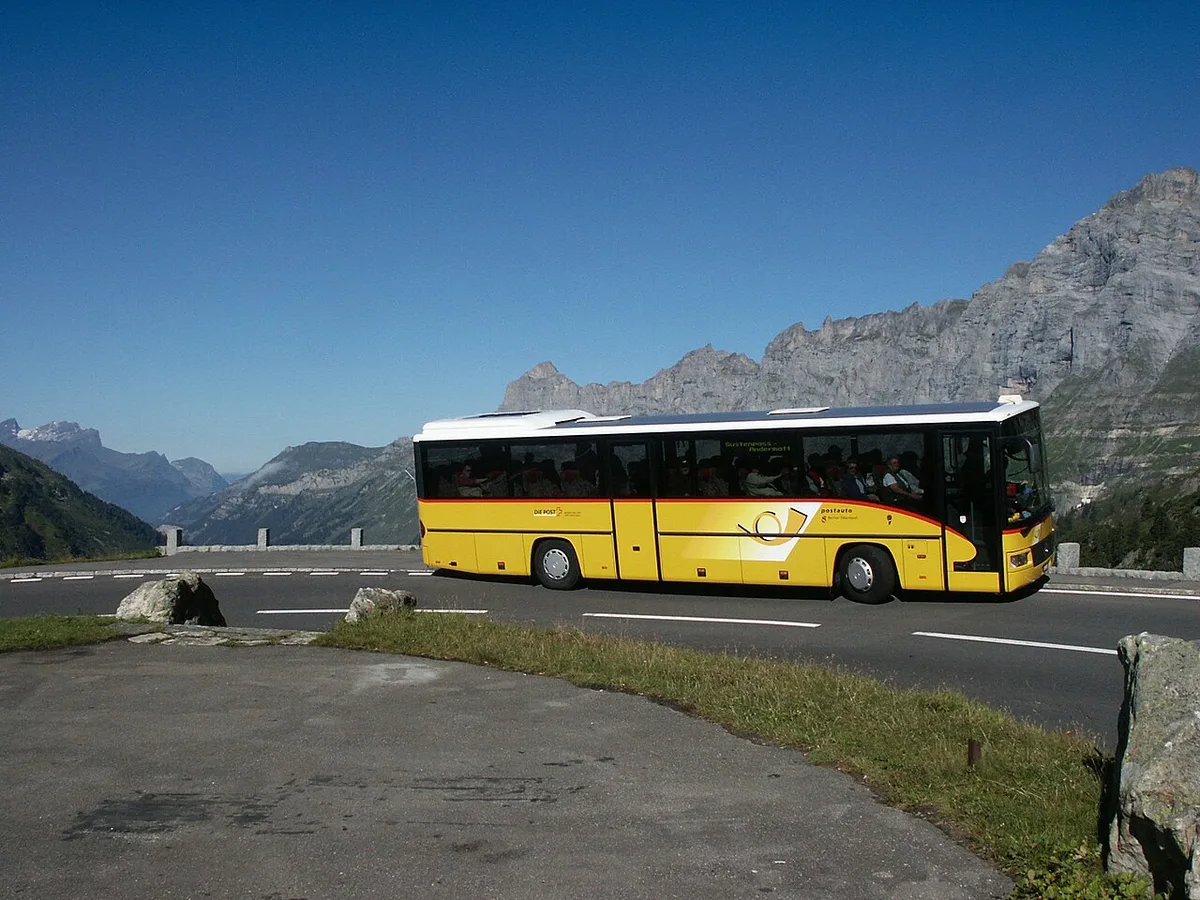
The Lake Geneva shoreline road in Vaud is the low-stress alternative. Terraced vineyards slope down toward the water, and villages along the shore make natural coffee stops. Traffic is heavier than on the passes, and weekend parking in lakeside towns fills early. Use this drive as a fallback when snow closes the high roads. Our Swiss parking guide explains the zone rules you will meet in town centres.
Best time to drive Swiss mountain passes
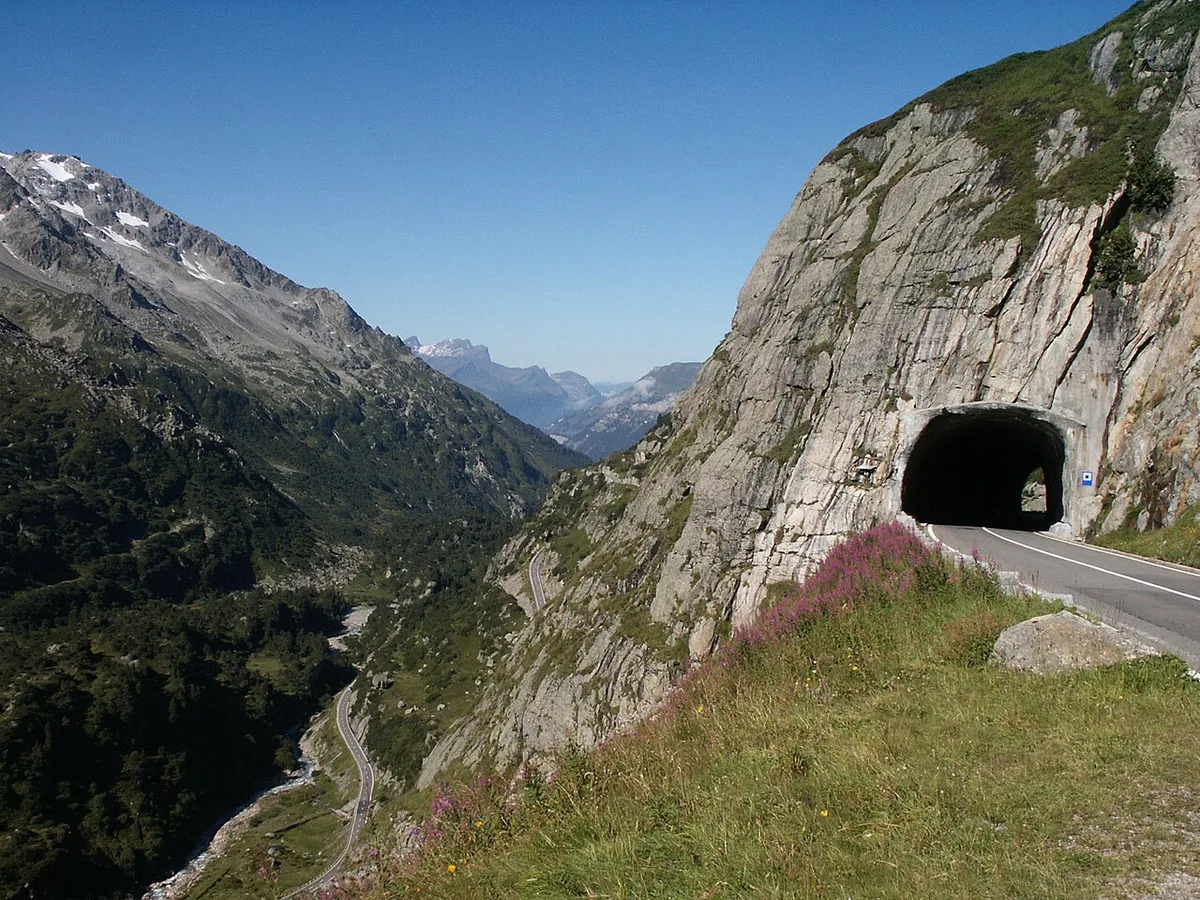
Opening dates vary every year with snowfall and weather, so no calendar date is reliable. Summer into early autumn gives the best odds, while late spring and late autumn bring the most closures. Shoulder months also give quieter roads but cooler air and a shorter margin for error. Check live pass status on the TCS website on the morning you drive. Never trust a GPS route over a posted closure sign. If your pass is shut, switch to the Lake Geneva shoreline or take a rail-and-bus day instead.
Road rules and costs that affect scenic drives
Swiss motorways require a vignette, and you need one even if your route is mostly passes. Buy it from the official e-vignette shop and see our vignette guide for the rules. Tunnel and pass charges are covered in our Swiss toll roads guide. Limits are posted and enforced, so review Swiss speed limits before you leave. US readers should also read our guide for US license holders.
Parking, fuel, charging and car rental
Viewpoints and trailheads fill by late morning in summer, so arrive early or stop at off-peak hours. Fill the tank in a valley town before climbing, and plan EV charging at the start of the route rather than on the pass. Rental cars may carry restrictions and seasonal equipment rules, so confirm terms in our car rental guide before booking. Smaller cars handle narrow hairpins more easily.
Sample itineraries
Three plans cover most trips. Each assumes summer conditions and open passes.
- One day: Susten, Grimsel and Furka as a loop, starting early and stopping for fuel in a valley town.
- Weekend: day one on the central Alps trio, day two on Julier and Albula in Graubünden.
- Three to five days: link Alpine passes with the Lake Geneva shoreline, or follow the longer Swiss Grand Tour route.
Mistakes to avoid
Most problems come from over-planning and weak weather checks.
- Overpacking a day: three passes take far longer than the map suggests.
- Trusting GPS on a closed pass.
- Skipping a fuel stop in the valley.
- Driving passes in rain, fog or snow.
- Assuming summer conditions in shoulder months.
- Underestimating hairpin driving time, especially behind buses.
Frequently Asked Questions
How can I drive in Switzerland?
You need a valid license, a car with a motorway vignette, and attention to posted limits. Start with our guide for US license holders if that applies to you.
Where is the most beautiful scenery in Switzerland?
That depends on your taste. For Alpine drama, start with Furka, Susten and Grimsel. For gentler lake views, the Lake Geneva shoreline in Vaud is an easier choice.
Road-rule changes worth knowing
Optional updates to our guides.
You might also like
Continue reading
More guides you'll find useful