Driving in Switzerland With a US License: Rules, Vignette & Tips
Can Americans drive in Switzerland? Check license and IDP rules, the vignette, differences from US driving, fines, and winter tips before you rent.
On this page
Last updated November 2026: driving in Switzerland with a US license is legal for visitors, and no International Driving Permit is required because a US license is printed in Latin script. Only residents must swap it for a Swiss license, after 12 months. Switzerland drives on the right, as the US does, but the motorway vignette, priority to the right and a 0.05% alcohol limit catch many Americans out. Our Switzerland driving guide covers the wider country, and this page covers what a US license holder needs to know.
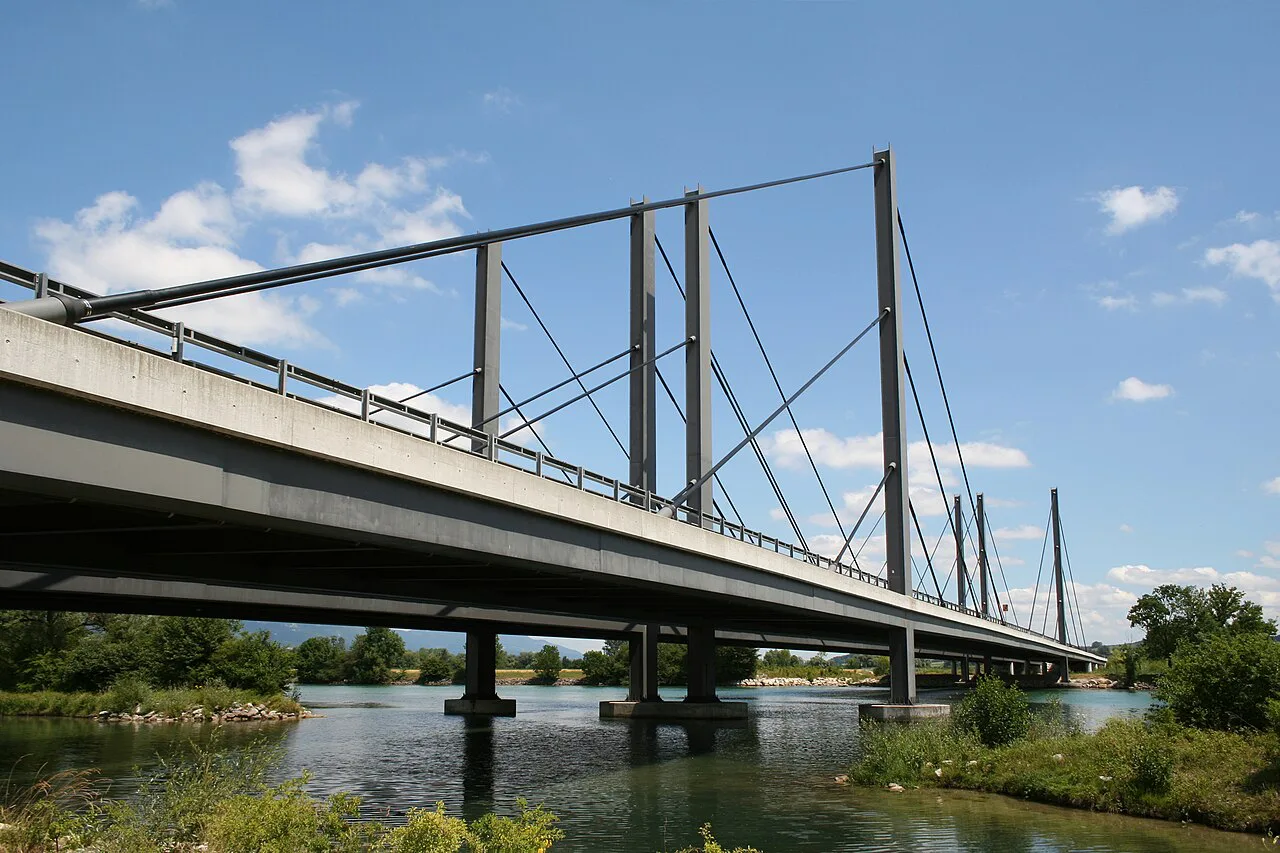
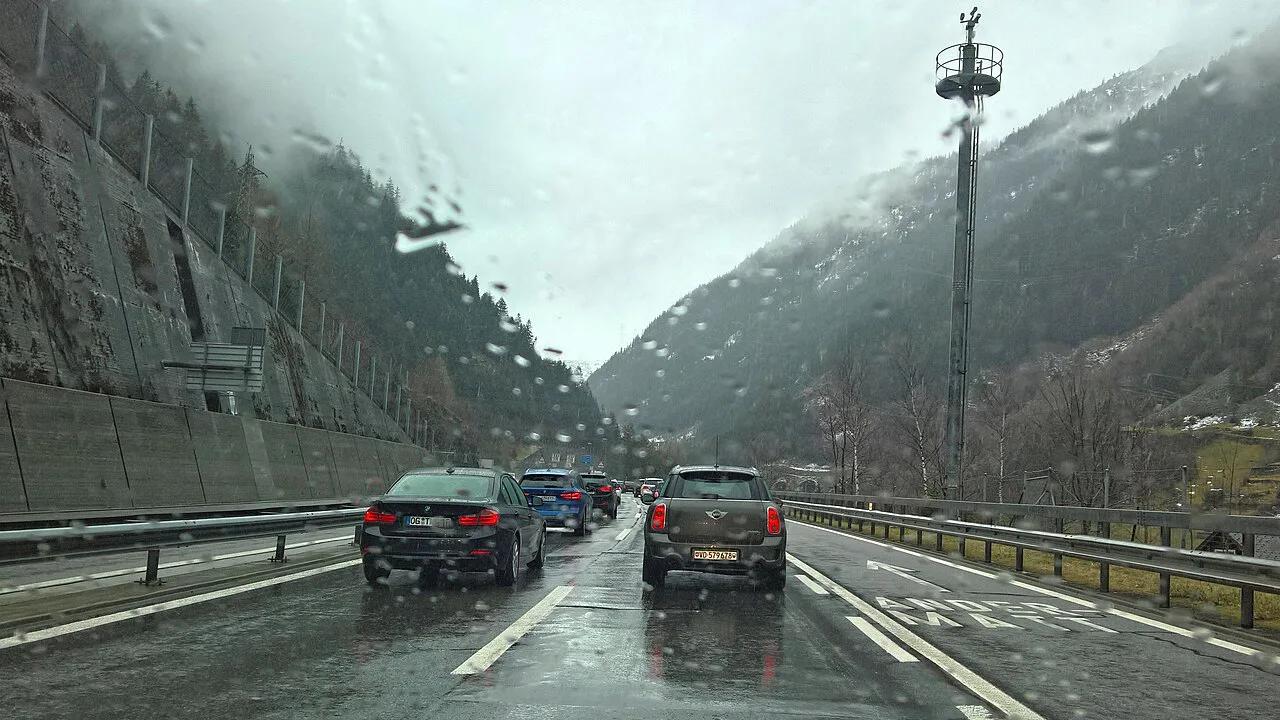
Featured image: Ikiwaner, CC BY-SA 3.0, via Wikimedia Commons.
Can you drive in Switzerland with a US license?
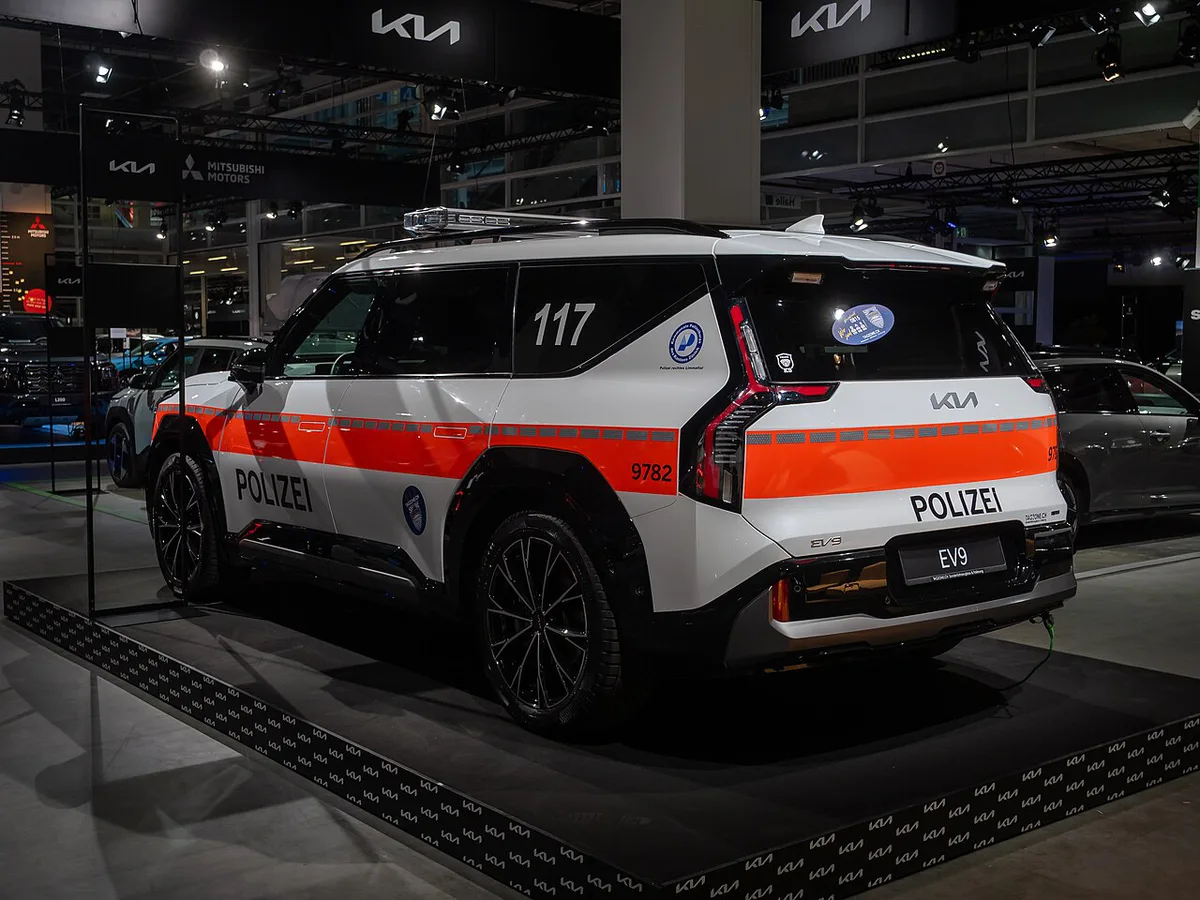
Yes. The Swiss foreign ministry says a valid foreign national license entitles you to drive the vehicle categories it covers. Foreign residents who stay more than 12 months must get a Swiss license, but that rule does not touch a vacation. No IDP is needed for a trip. Look for a vignette on the rental car before you leave the lot, because a motorway without one is a CHF 200 fine plus the CHF 40 vignette. Prices and fines in this guide were checked in November 2026.
| Item | What applies to US visitors |
|---|---|
| License validity | Valid for visits; residents swap after 12 months |
| IDP | Not required; optional extra proof |
| Side of road | Right, as in the US |
| Motorway limit | 120 km/h (about 75 mph) |
| Alcohol limit | 0.05% (0.5 per mille) |
| Motorway vignette | CHF 40, fine of CHF 200 if missing |
License, IDP and age rules for US drivers
Swiss rules accept a valid foreign license on its own when its categories are in Latin script, as a US license is. An IDP is optional extra proof, valid only together with your US license. Some rental firms ask for one anyway, so read your rental terms. Residents must exchange their license for a Swiss one within 12 months, unless they spent more than three consecutive months abroad in that period. The minimum driving age is 18. Rental firms set their own minimum age and license-held-time rules, which our rental pickup rules page explains. Official guidance on permits sits on the ch.ch government portal.
The vignette: check before you leave the rental lot
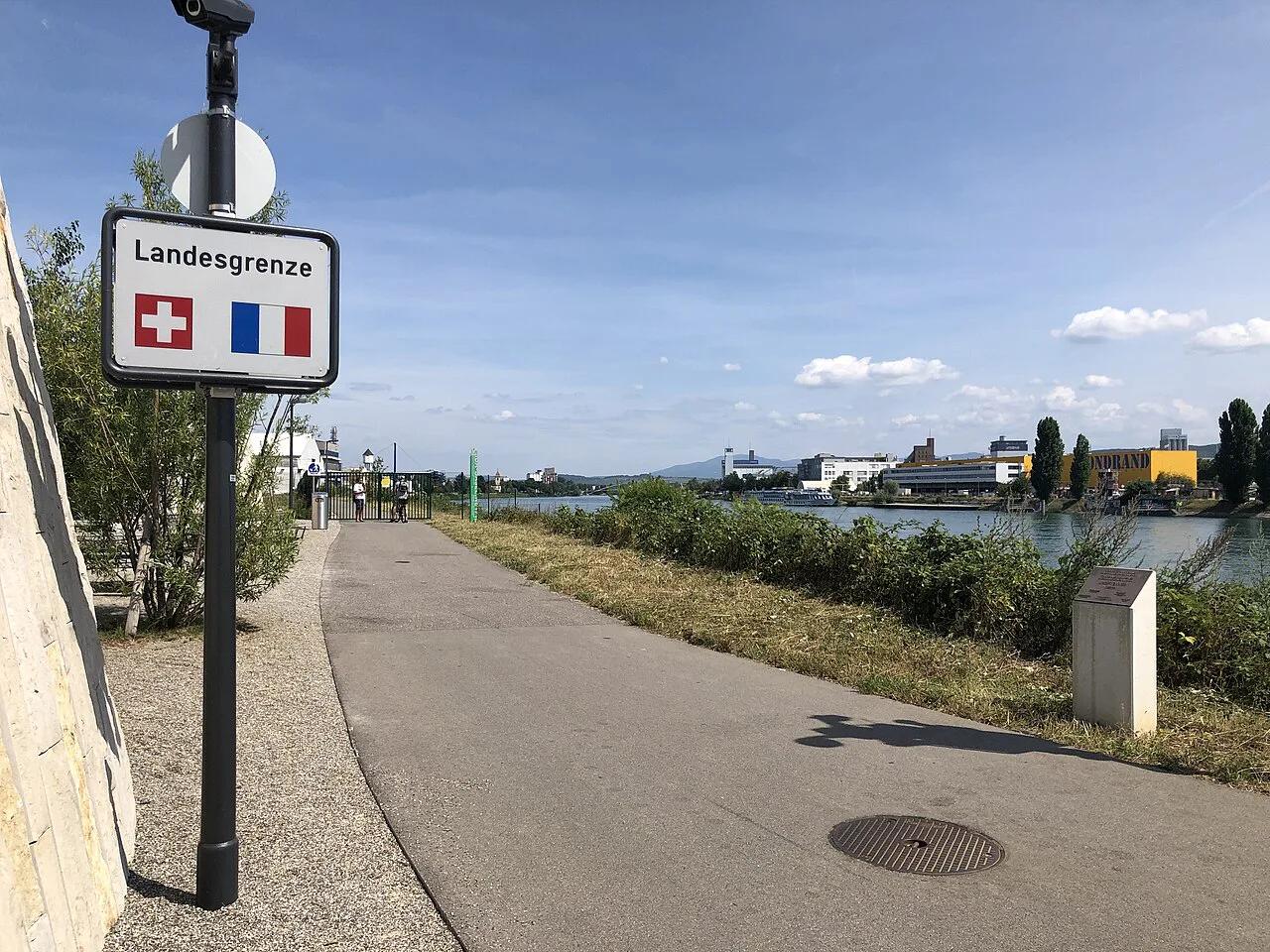
Cars rented in Switzerland usually carry a vignette. Look for the sticker on the windshield, or ask whether an e-vignette is registered to the plate. Pickups in Germany, France, Italy or Austria work differently, because buying it becomes your job. Buy the e-vignette online before you cross, since it is valid immediately and the border sells stickers only at a few customs offices. Inside Switzerland, post offices and petrol stations sell stickers. It costs CHF 40 at the official e-vignette shop. Validity runs from 1 December of the previous year to 31 January of the following year. A motorway without it is a CHF 200 fixed fine. Buying details are in our vignette purchase guide. Charges beyond the vignette are covered in toll roads and tunnels.
- Mistake to avoid: assuming the car has a vignette because it is a rental.
- Mistake to avoid: turning right on a red light out of habit.
- Mistake to avoid: pulling out in front of traffic that has priority from the right.
- Mistake to avoid: ordering a second glass of wine before the drive.
Rules that differ from US driving
Lane markings and sign placement differ from the US, so expect last-minute maneuvers by other drivers. Roundabouts are everywhere. One glass of wine at a mountain lunch can already be too much at 0.05%, against the 0.08% most US states use.
| Rule | At home | In Switzerland | What to do |
|---|---|---|---|
| Right on red | Usually allowed after a stop | Illegal unless a sign allows it | Wait for green |
| Junctions | Main road usually wins | Traffic from the right goes first unless signs say otherwise | Slow down at every side street |
| Pedestrians, bikes, trams | Varies by place | Generally have right of way | Give way and watch tram tracks |
| Headlights | Often daytime off | Dipped headlights or daytime running lights at all times | Switch on at pickup |
| Speed-camera alerts | Apps widely used | Radar detectors and navigation warnings of speed checks are banned | Turn camera alerts off in your app |
| Phone | State rules vary | No talking or texting while driving | Use a mount and voice directions |
| Alcohol | 0.08% in most states | 0.05% | Treat it as no drinking before driving |
Speed limits in mph, and what a ticket costs
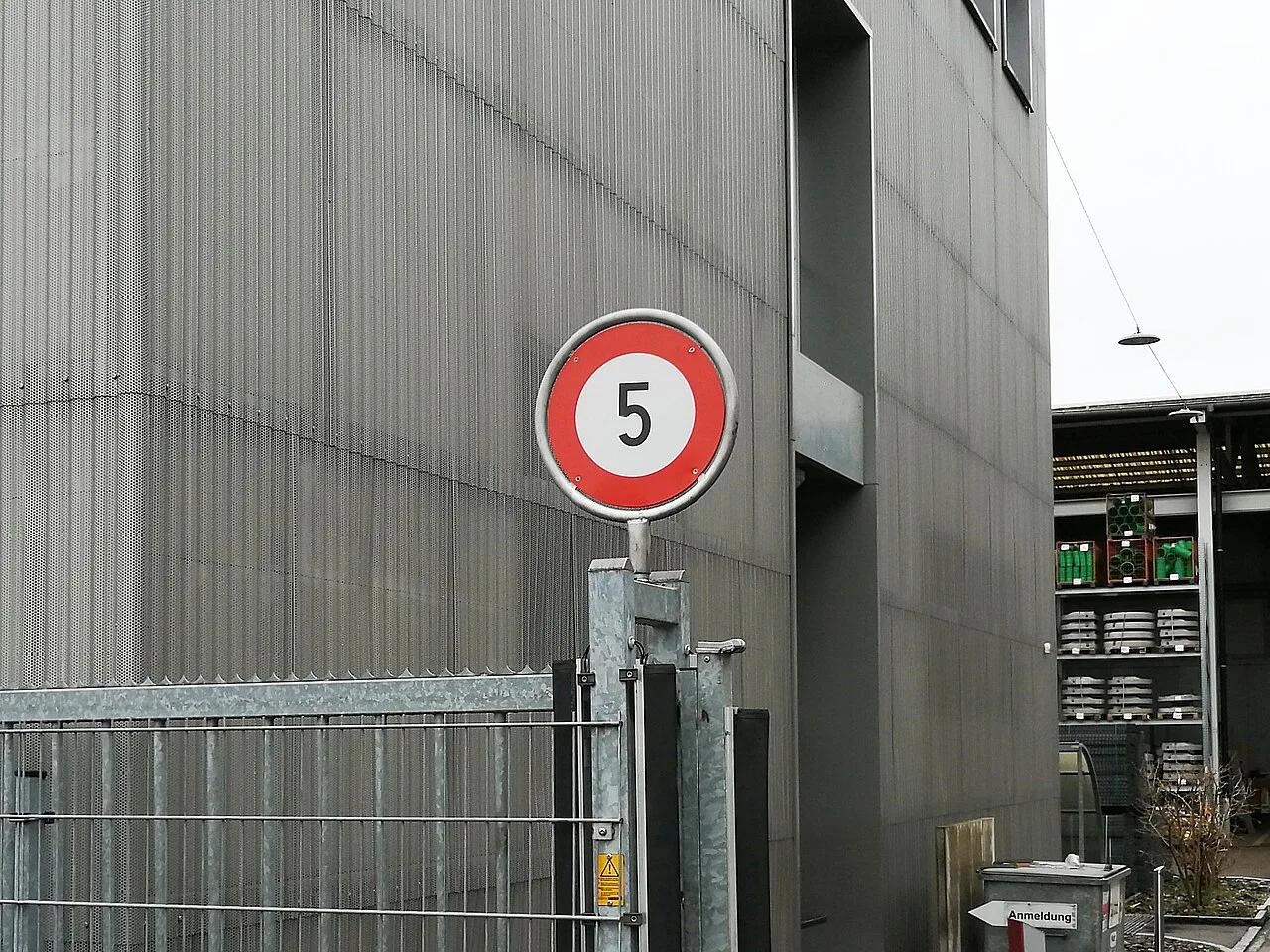
Speed cameras are not the only risk, because fines climb fast. The US State Department's Switzerland advisory puts typical speeding fines at CHF 60 to 250. Fixed fines rise with each band of a few km/h, and the same overage costs more in a village than on a motorway. Past the fixed-fine bands, the case goes to the public prosecutor, and the State Department says prosecutors commonly ask foreign drivers for a deposit that can exceed CHF 1,000. At 50 km/h over in a 50 zone you reach the Raser offence, with prison and a licence withdrawal of at least two years. More detail is in our full speed limit guide.
Turning right on red out of habit counts as running a red light, which brings a fine on the spot or by mail from a camera.
| Road type | Limit in km/h | Approx. mph |
|---|---|---|
| Neighborhood streets | 30 | under 20 |
| Urban areas | 50 | 31 |
| Outside towns | 80 | 50 |
| Expressways | 100 | 62 |
| Motorways | 120 | 75 |
Rental car checklist for US drivers
Liability insurance is compulsory, and a Swiss rental includes it. If you rent in a neighboring country and drive in, ask the rental firm how it applies. The car must carry a warning triangle. Book automatics early in peak season, since manuals are common in Europe. One-way rentals can carry extra fees, so ask before you book. Extra cover is a decision about your excess: ask what you would owe after damage, then compare that with any coverage your card or home policy already gives. Our Swiss rental car guide goes deeper on pickup.
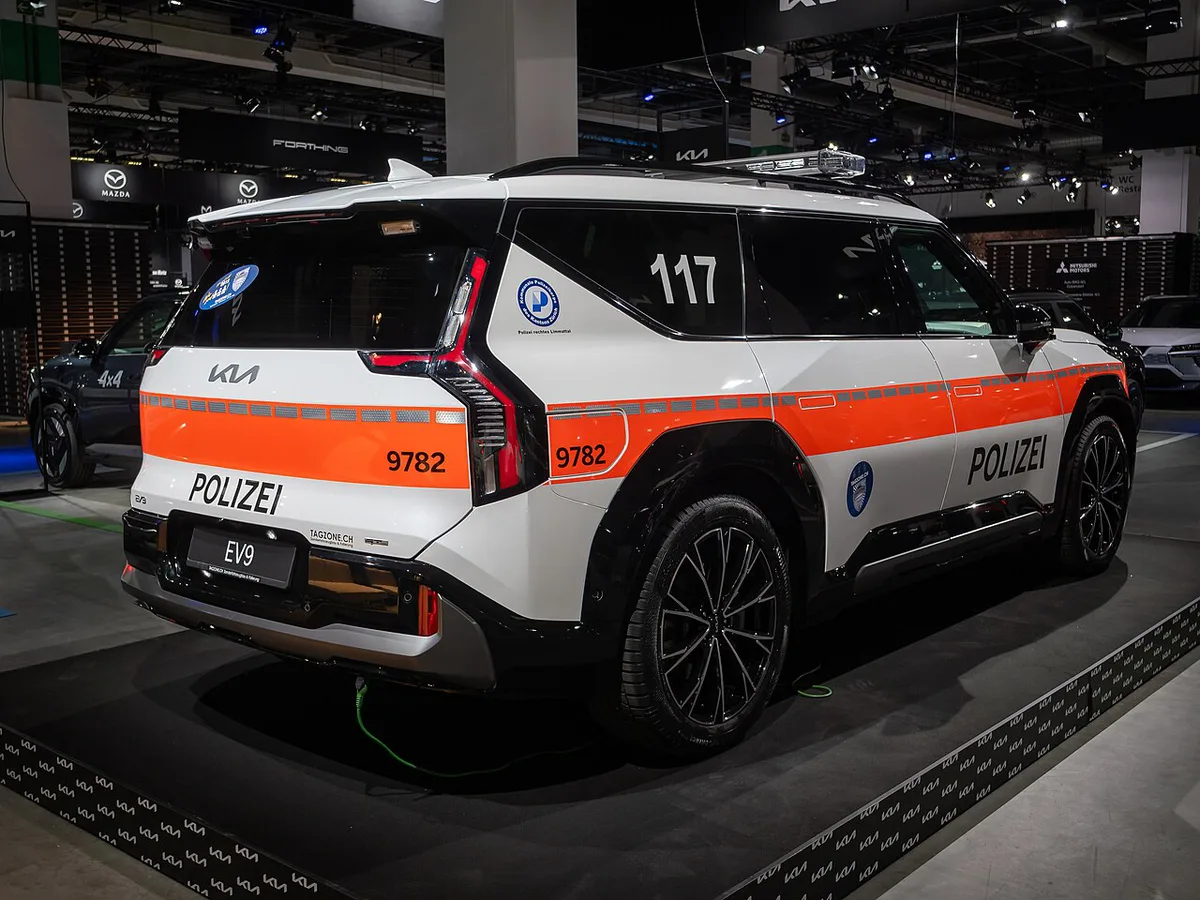
- Vignette: sticker on the windshield or e-vignette on the plate.
- Equipment: warning triangle present, and snow chains in winter if the route needs them.
- Fuel: read the filler cap for diesel or petrol before you leave the lot.
- Transmission: automatic or manual, as booked.
- Insurance: write down the excess and what extra cover removes.
- Return: note fuel level, return conditions and any one-way fee.
Winter and mountain driving: chains, tyres and closed passes
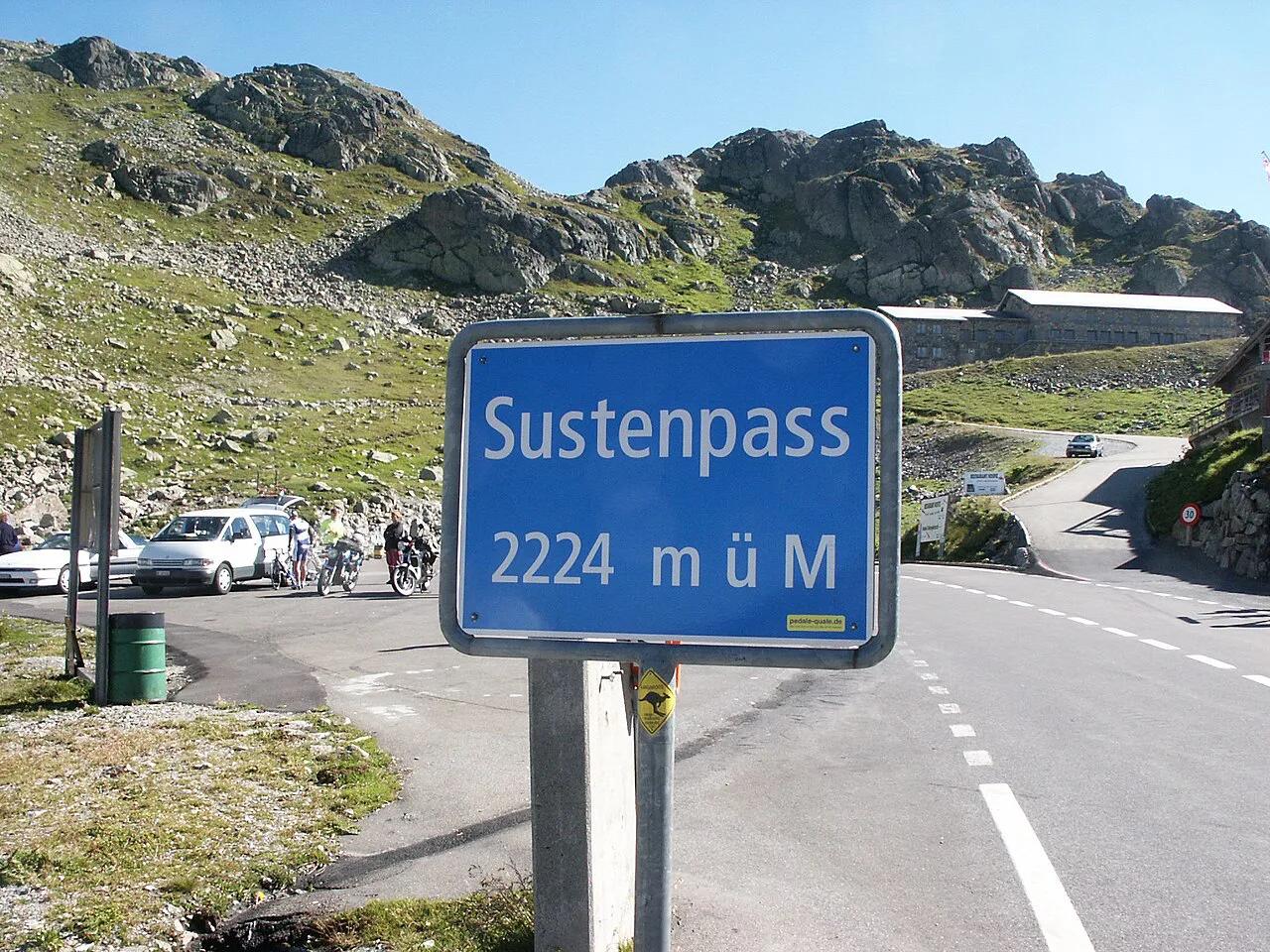
Switzerland has no general winter-tyre law, but ADAC notes that a driver on summer tyres who blocks traffic on a snowy road can be fined and may share the blame after an accident. Minimum tread is 1.6 mm. Where a round blue sign reads "chains obligatory", chains must go on at least two driven wheels, so ask the rental agency what the car carries. Alpine roads can turn dangerous with snow, ice or avalanches. Some close for long periods. Check Touring Club Switzerland for current road status. The Swiss Federal Roads Office publishes official road information. Our Gotthard Tunnel: Road vs Rail vs Pass (Driving Guide) page covers one major crossing. Pass-heavy trips are mapped in scenic drive routes. Planning a longer loop? See the Swiss Grand Tour route.
Ask the rental agency about chains when you collect the car, and look at the tread: 1.6 mm is the legal minimum.
Should you drive at all? Car vs train trade-offs
Trains often beat cars between cities, where parking costs time and effort. Cars win on multi-stop scenic loops. Mountain villages and trailheads depend on the access route. Many resorts are car-free, so you park at the station or a lot and finish by train or cable car. Parking rules are worth reading before you commit. Some routes also use car shuttle trains, such as the BLS Autoverlad car shuttle.
| Trip type | Usually better | Why |
|---|---|---|
| City to city | Train | No parking, frequent connections |
| Mountain villages and trailheads | Depends on access route | Some resorts are car-free |
| Multi-stop scenic loops | Car | Flexible stops and detours |
Emergency numbers and what to do after an accident or ticket
There is no single 911. After any accident, call the police straight away. If you receive a fixed-fine notice, pay it as instructed. A prosecutor request is more serious, so read it carefully and respond by the deadline given. For wider planning, return to our complete Switzerland driving guide.
- Police: 117
- Fire: 118
- Medical: 144
- 112 also works
Frequently Asked Questions
Is it a good idea to rent a car in Switzerland?
It depends on your route. Trains usually win between cities, while a car suits multi-stop scenic loops and flexible mountain days. Many resorts are car-free, so factor in parking at a station or lot.
How do I convert my foreign driving license to a Swiss one?
Visitors do not need to convert anything, since a valid US license covers a trip. Foreign residents must get a Swiss license after 12 months in the country. The road traffic office of your canton of residence handles the exchange.
Road-rule changes worth knowing
Optional updates to our guides.
You might also like
Continue reading
More guides you'll find useful