Renting a Car in Switzerland: Requirements, Costs, Traps
Should you rent a car in Switzerland? Requirements, true costs, insurance, vignette and pass-driving tips, plus when the train is the better choice.
On this page
Last updated November 2026. Renting a car in Switzerland pays off for multi-region trips, mountain passes, families and heavy luggage, and it is often unnecessary for city-to-city travel by rail. This guide covers what you need at the counter, what a rental really costs, and where the traps sit. For road rules beyond the rental desk, start with our complete Switzerland driving guide.
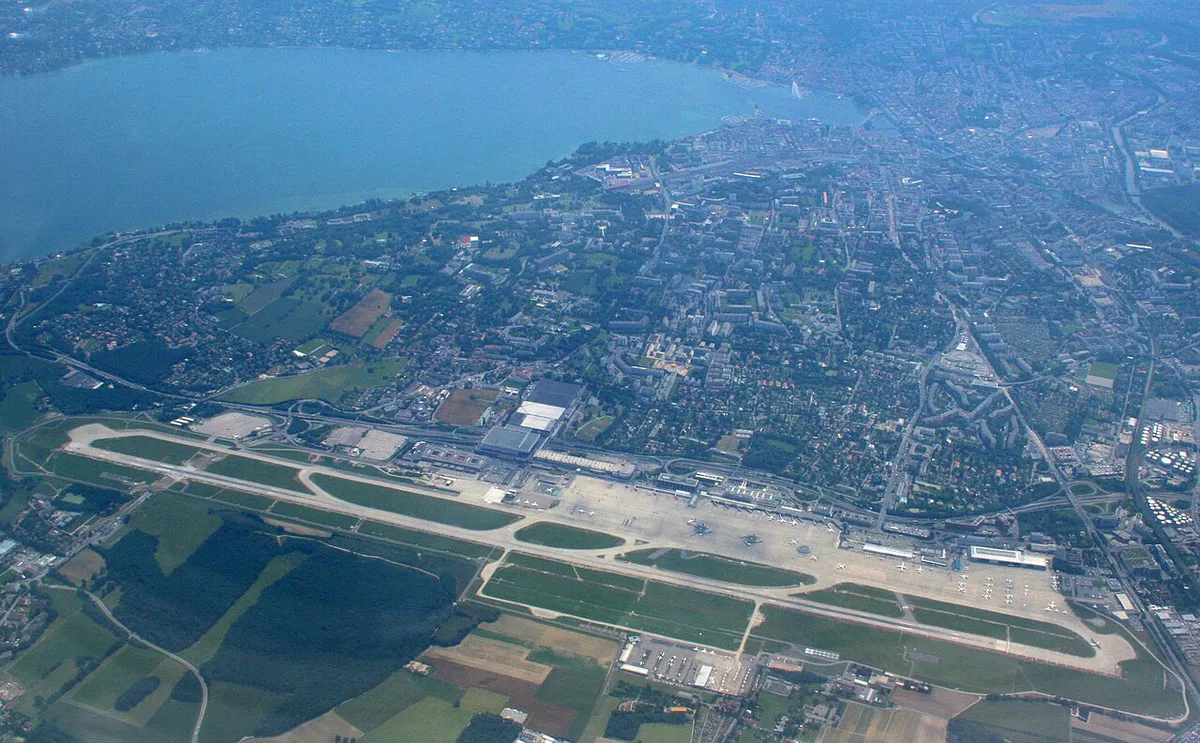
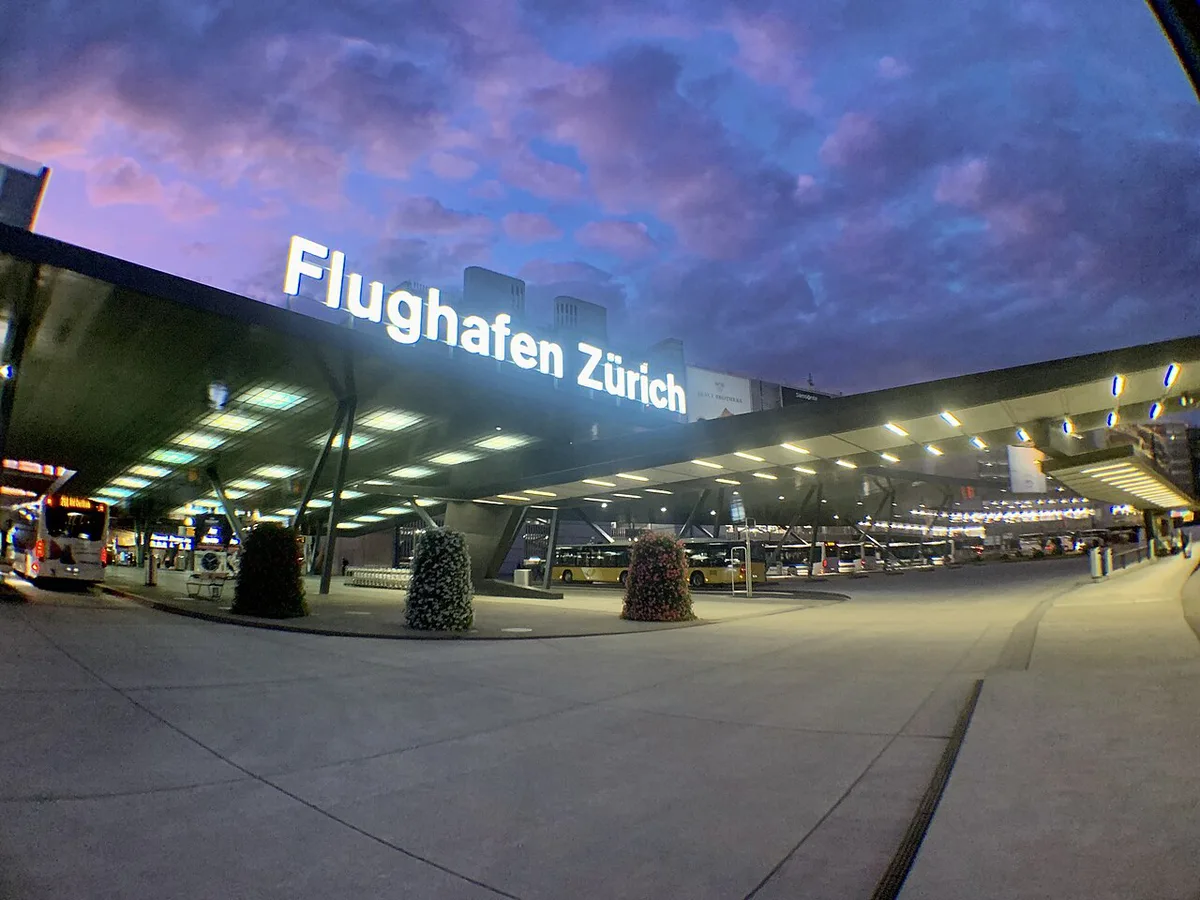
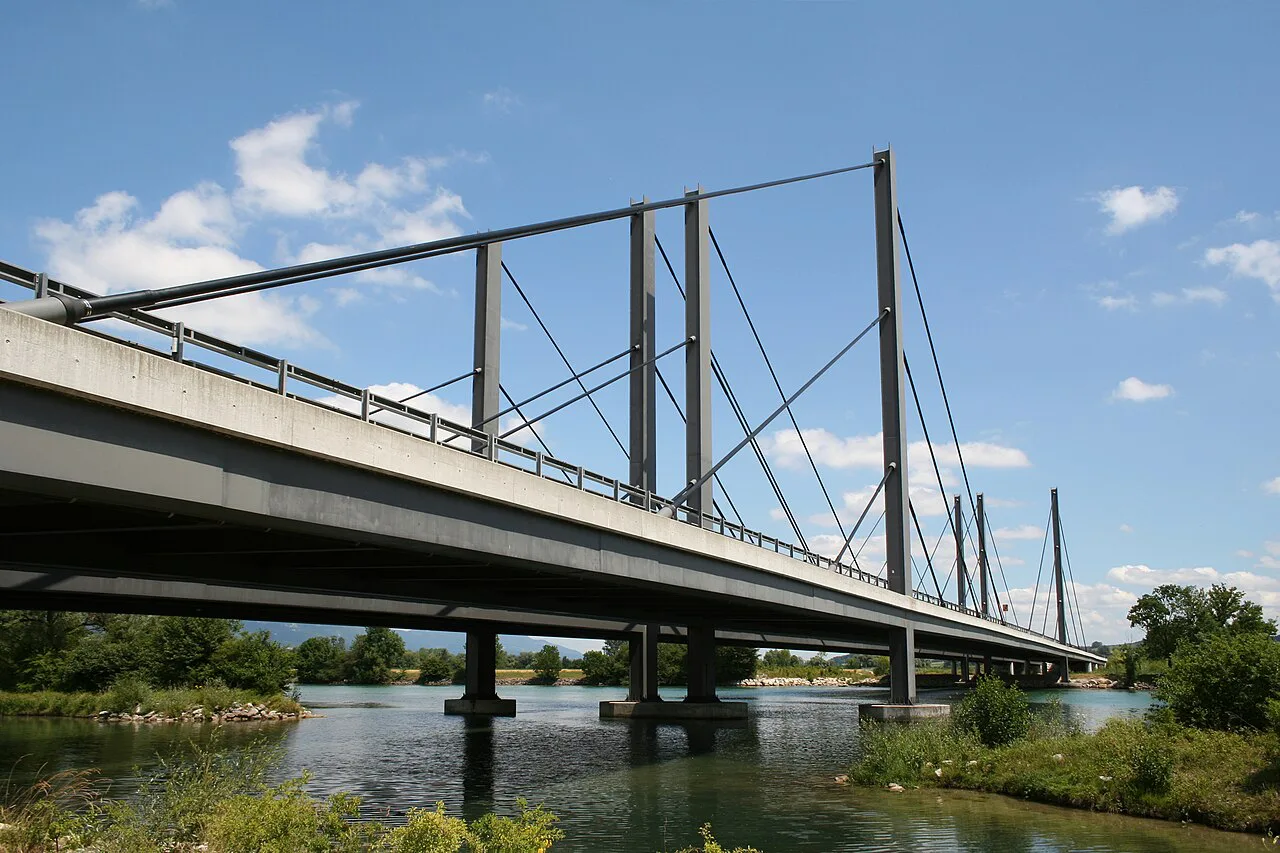
Featured image: © Ra Boe / Wikipedia, CC BY-SA 3.0 de, via Wikimedia Commons.
Renting a Car in Switzerland: Quick Answer
Rent a car if your route links several regions, crosses passes, or involves children and bulky bags. Skip it if you are hopping between Zurich, Lucerne and Interlaken, where trains do the work. Car-free Zermatt is the clearest example: the drive from Geneva to Täsch is about 230 km (roughly 143 miles) and takes 4 to 5 hours. You park at Täsch and continue by rail, so the car sits idle for the rest of your stay. The table below matches each trip type to the better option.
| Trip type | Better option | Why |
|---|---|---|
| Zurich, Lucerne, Interlaken city and lake trip | Train | Rail links the main stops, and parking in towns adds cost |
| Zermatt or other car-free resort | Train for the last leg | You leave the car at Täsch for Zermatt |
| Mountain-pass road trip | Car | Passes and viewpoints are hard to reach on a timetable |
| Ticino and Italian-speaking regions | Car | Valley and lake detours suit flexible driving |
| Family or group with luggage | Car | Seats, bags and child seats stay in one vehicle |
What You Need to Rent a Car
Bring your driving licence, your passport and a card in the main driver's name. Some firms accept only credit cards for the security deposit, so a debit card alone can fail at the counter. US readers should read our guide to driving in Switzerland on a US licence before booking. Licences in non-Roman scripts, such as Japanese or Chinese, usually need an International Driving Permit or an official translation. Age rules conflict between sources. Some say 18 is the minimum, others say 21, and fees often apply under 25. Read the rental company's own Swiss terms, because they set the rule that binds you. Official background on licence recognition is on the ch.ch government portal.
What a Swiss Rental Really Costs
A headline daily rate is only the first of about ten cost layers. Add them up before you compare offers. Prices and hours checked November 2026: rental firms publish no single fixed Swiss rate, so compare final totals rather than base rates. Highway use needs a vignette, so ask whether your car already carries one and read our vignette explainer. Official vignette details are on the e-vignette shop. Tunnel and toll charges are covered in our toll roads guide. Overnight costs are in our parking guide.
- Base rate for the car class and season
- Insurance or excess reduction
- Additional driver fee
- Young-driver fee, usually under 25
- Vignette, if the car does not carry one
- Fuel, returned at the level the contract requires
- Parking in towns and at resorts
- Tunnel and toll charges
- One-way fee for a different drop-off
- Airport or rail-station surcharge
Insurance and Excess: What to Check Before You Pay
Three kinds of cover exist: the rental firm's collision damage waiver with an excess, third-party cover bought from an aggregator, and cover from your credit card. Each pays out differently. The deposit hold on your card exists so the firm can charge for damage or fees, and its size depends on the company and the cover you choose. Ask what the excess is, what the card hold will be, and whether glass and tyres are included. Treat any "full cover for a few dollars a day" claim as a marketing line until you read the policy wording.
- Mistake to avoid: buying third-party cover without asking how a claim is paid, since you may pay the rental firm first and reclaim later.
- Mistake to avoid: assuming your credit card covers Switzerland without reading the card's terms.
- Mistake to avoid: signing without photographing every scratch at pickup.
Where to Pick Up and Return
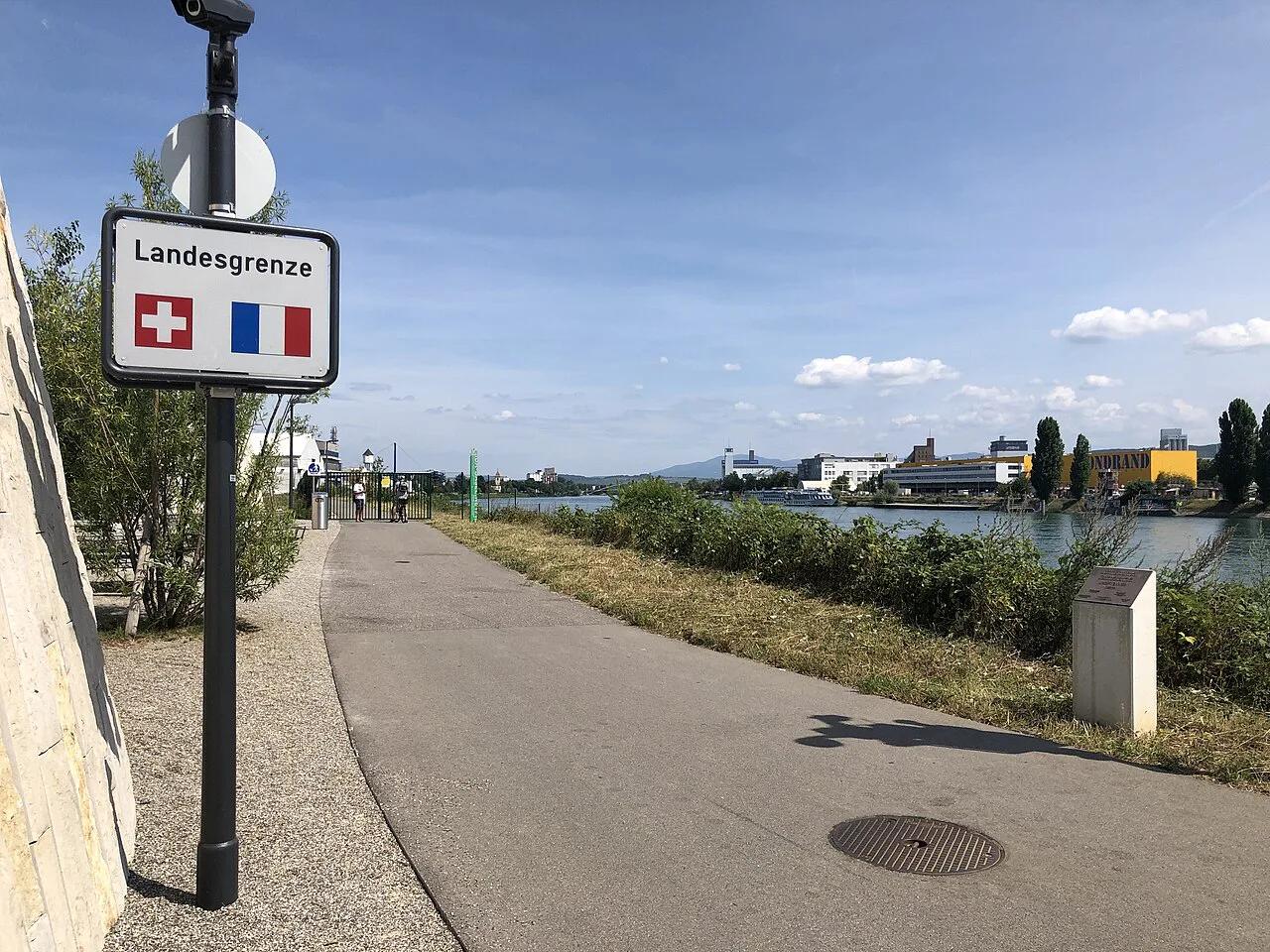
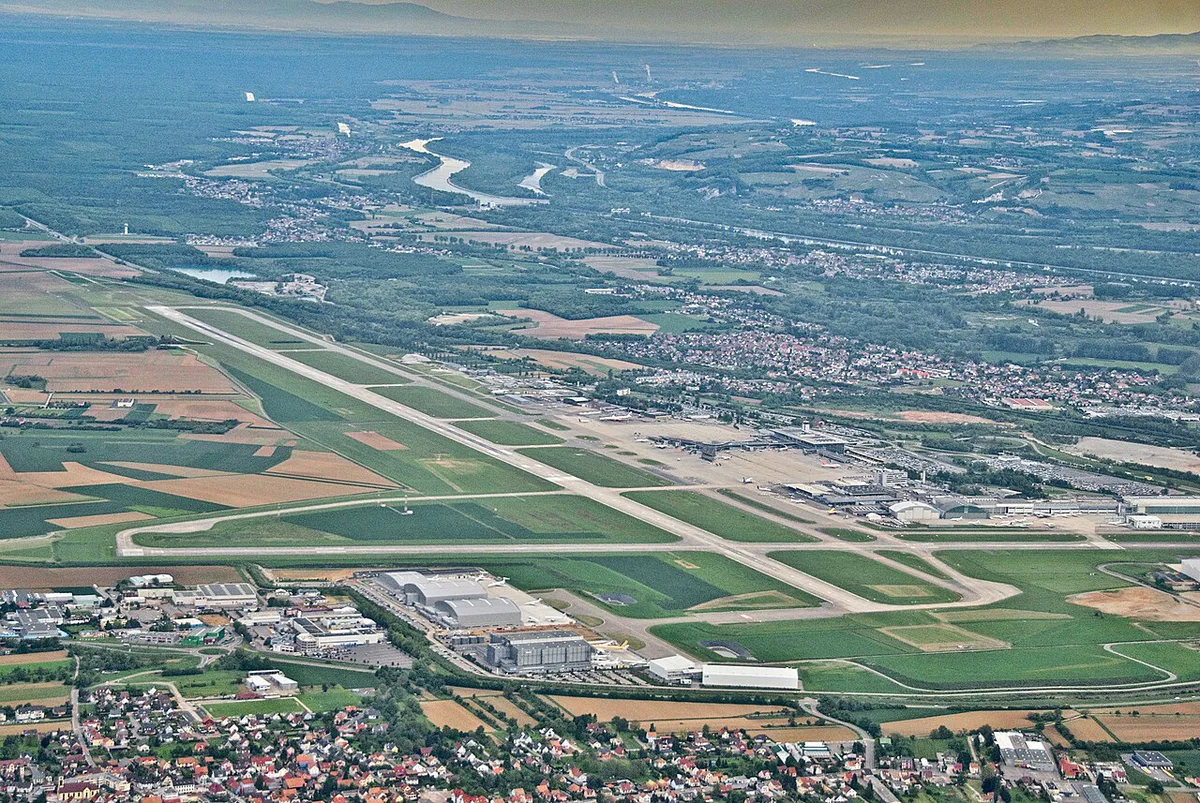
Zurich, Geneva, Basel, Bern and Lugano all have airport or city options, and many rail stations host rental desks. Geneva airport has a Swiss side and a French side. A French-side pickup can mean a car without a Swiss vignette and different cross-border charges. Basel airport also serves France, so check which side your booking uses. One-way drop-offs in another city usually add a fee, and taking the car into Italy, France, Germany or Austria can carry cross-border terms. Read the contract before you plan a loop through a neighbouring country.
Choosing the Car: Size, Gearbox, Winter Gear and Families
A small car handles narrow mountain roads and tight town parking best. Automatics are less common than manuals in many fleets, so book early for peak demand in summer, ski season and school holidays. Ask whether winter tyres or snow chains are supplied for winter trips, and what they cost. Swiss rules require approved child seats for children under 12 who are shorter than 150 cm (59 inches). Rental firms rent seats, but reserve them when you book. The Touring Club Switzerland publishes current guidance for visitors.
Children under 12 shorter than 150 cm (59 inches) need approved seats, so add seat hire to your rental total.
Driving Reality Check: Passes, Tunnels, Seasons
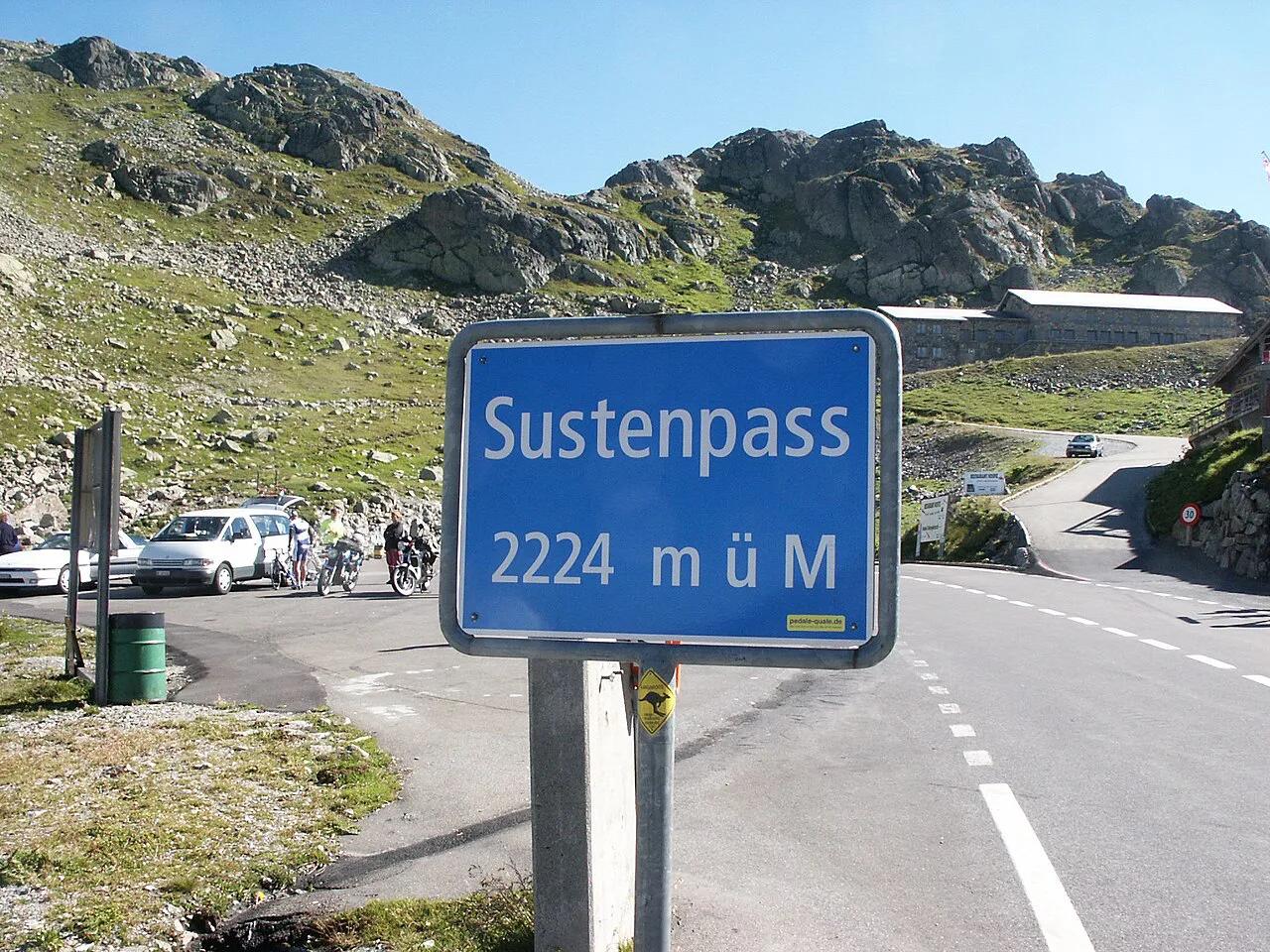
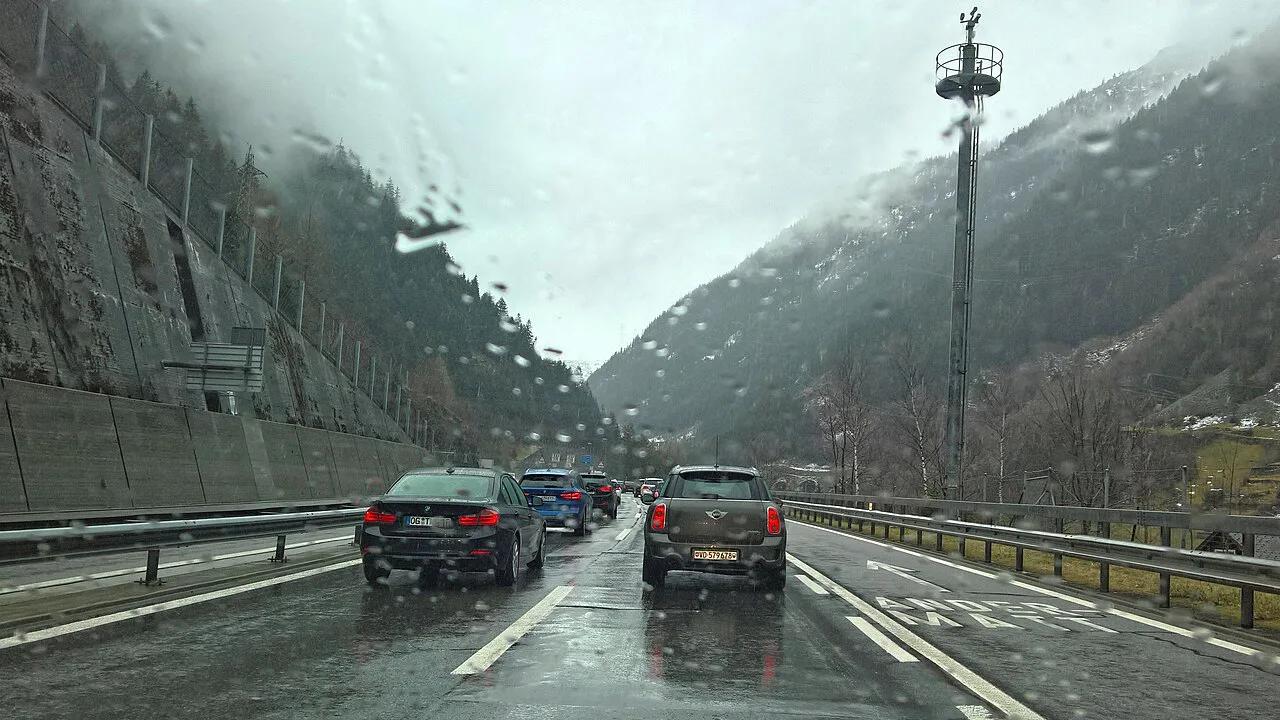
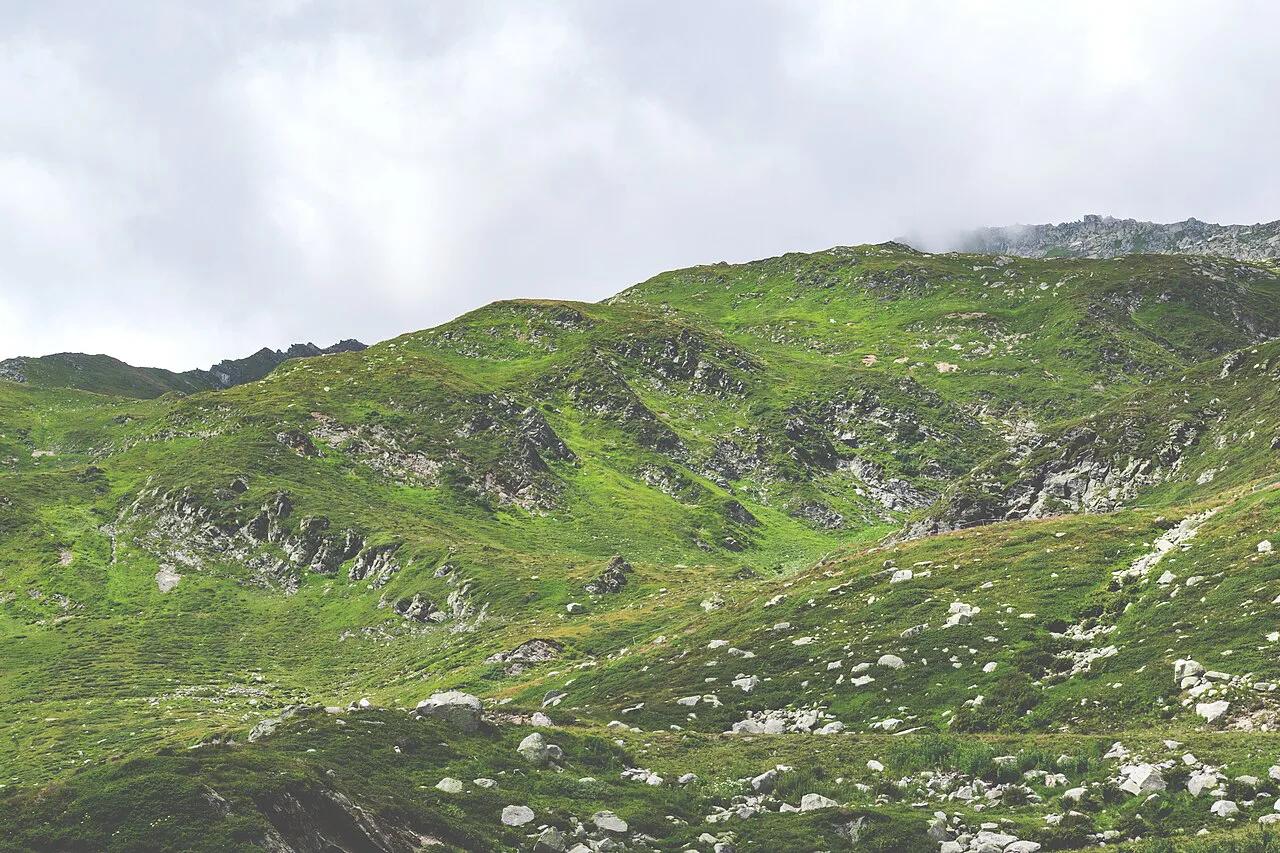
Swiss roads are well signed, and drivers follow the rules closely. Limits are 50 km/h in towns and 80 km/h outside them, with a blood alcohol limit of 0.05%. Our speed limits guide gives the full set, including motorways. Passes take longer than the distance suggests: Grimsel from Gletsch to Innertkirchen is 38 km (about 24 miles) and takes 1 to 2 hours. Susten from Wassen to Innertkirchen is 45 km (about 28 miles), also 1 to 2 hours. Many passes close in winter, so check current road status before you set out. For Ticino, read about the Gotthard Tunnel: Road vs Rail vs Pass (Driving Guide). For route ideas, see our scenic drives roundup. The 1,600 km (about 994 miles) loop on the Swiss Grand Tour: Route, Stages, Days Needed & Driving Tips suits 7 to 14 days.
Grimsel is 38 km (about 24 miles) and takes 1 to 2 hours, which makes it hard to fit into a train timetable.
When Not to Rent a Car
Skip the car for a stay in Zurich, Bern or Lucerne, where parking costs more than a day pass is worth. Skip it for Zermatt, where you leave the car at Täsch anyway. Skip it for a trip built around rail and cable cars between Interlaken and Lucerne. In these cases, a rental adds fees for a vehicle you barely use. A hybrid works well: take the train between cities, then rent a car for two or three days of pass driving.
Frequently Asked Questions
What are the dos and don'ts of driving in Switzerland?
Drive on the right and keep to 50 km/h in towns and 80 km/h outside them. Do not drive with more than 0.05% blood alcohol. Make sure the car carries a valid vignette before you use a motorway.
Road-rule changes worth knowing
Optional updates to our guides.
You might also like
Continue reading
More guides you'll find useful