Toll Roads in Switzerland: Vignette Rules, Exceptions & Costs
Does Switzerland have toll roads? Learn what the vignette covers, which tunnels charge extra, and what rental drivers need to check.
On this page
Last updated November 2026: toll roads in Switzerland come down to one windshield sticker, because motorways have no pay-per-use toll booths. Cars pay once for an annual vignette that covers motorways, tunnels and bridges on that network. Our Switzerland driving guide covers the wider rules, and this page covers the exceptions.
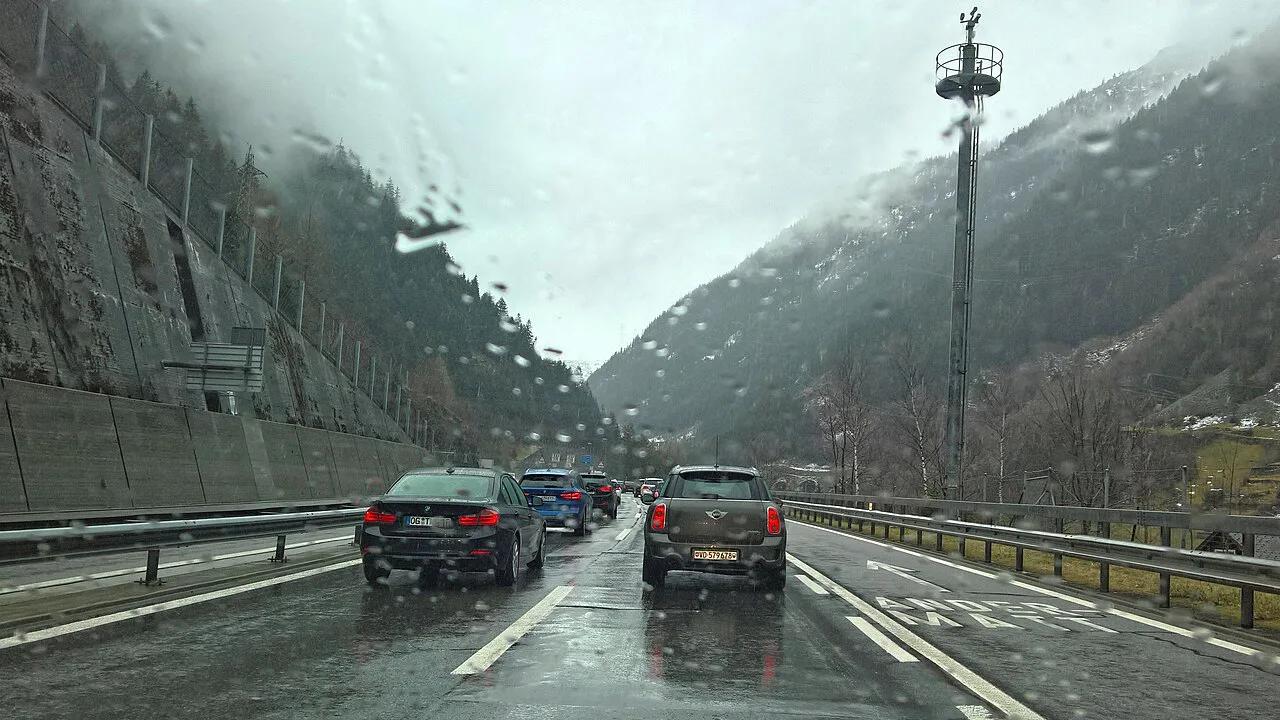
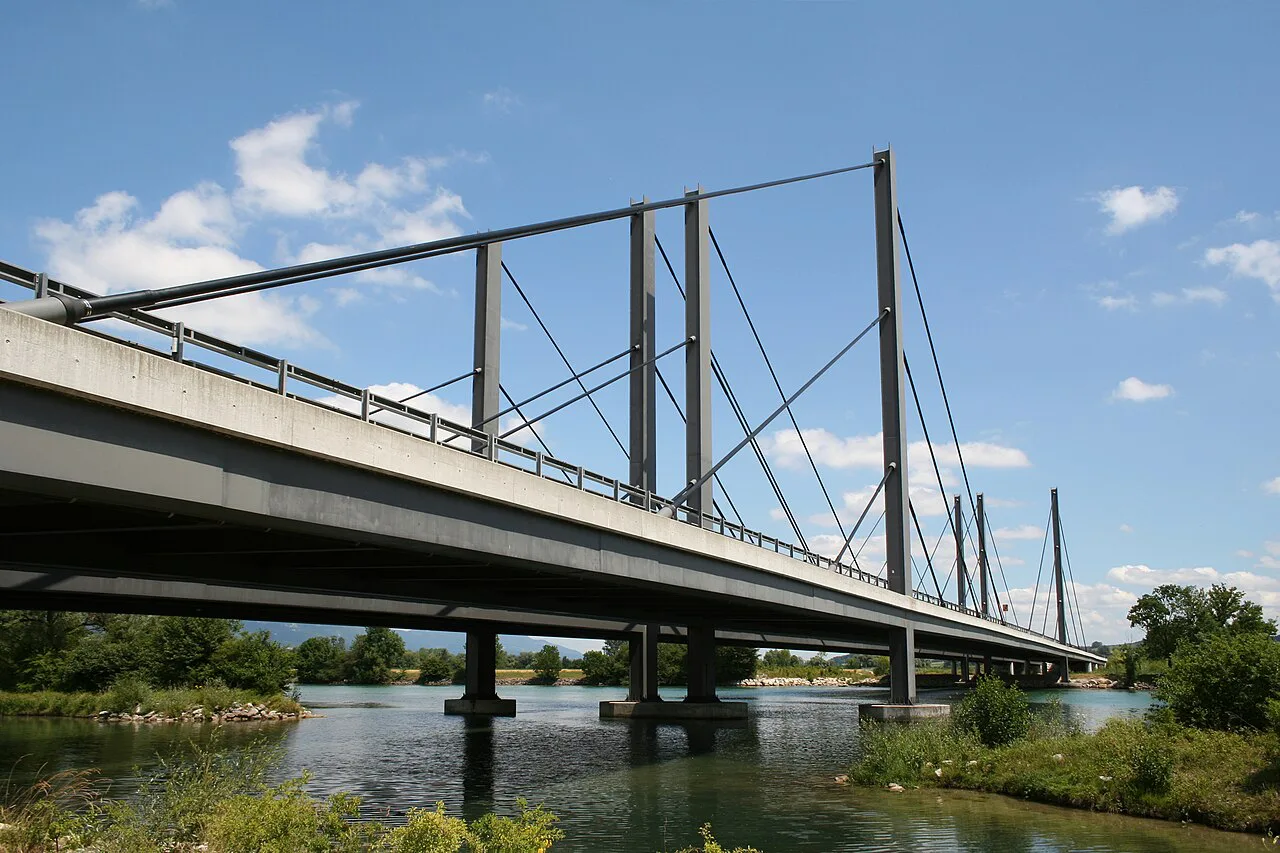
Featured image: Gabriel Rinaldi, CC BY-SA 3.0, via Wikimedia Commons.
Quick Answer: Does Switzerland Have Toll Roads?
No, not in the booth-and-barrier sense. Swiss motorways rely on a prepaid vignette sticker for cars. Expect to pay CHF 40 for it, valid from 1 December of the previous year until 31 January of the following year. Prices and rules checked November 2026 against the customs office (BAZG), which sells the e-vignette through the official e-vignette shop. Buying steps are in our Swiss vignette guide. Exceptions are few. The Grand St Bernard tunnel charges its own toll, and a handful of private Alpine roads do the same.
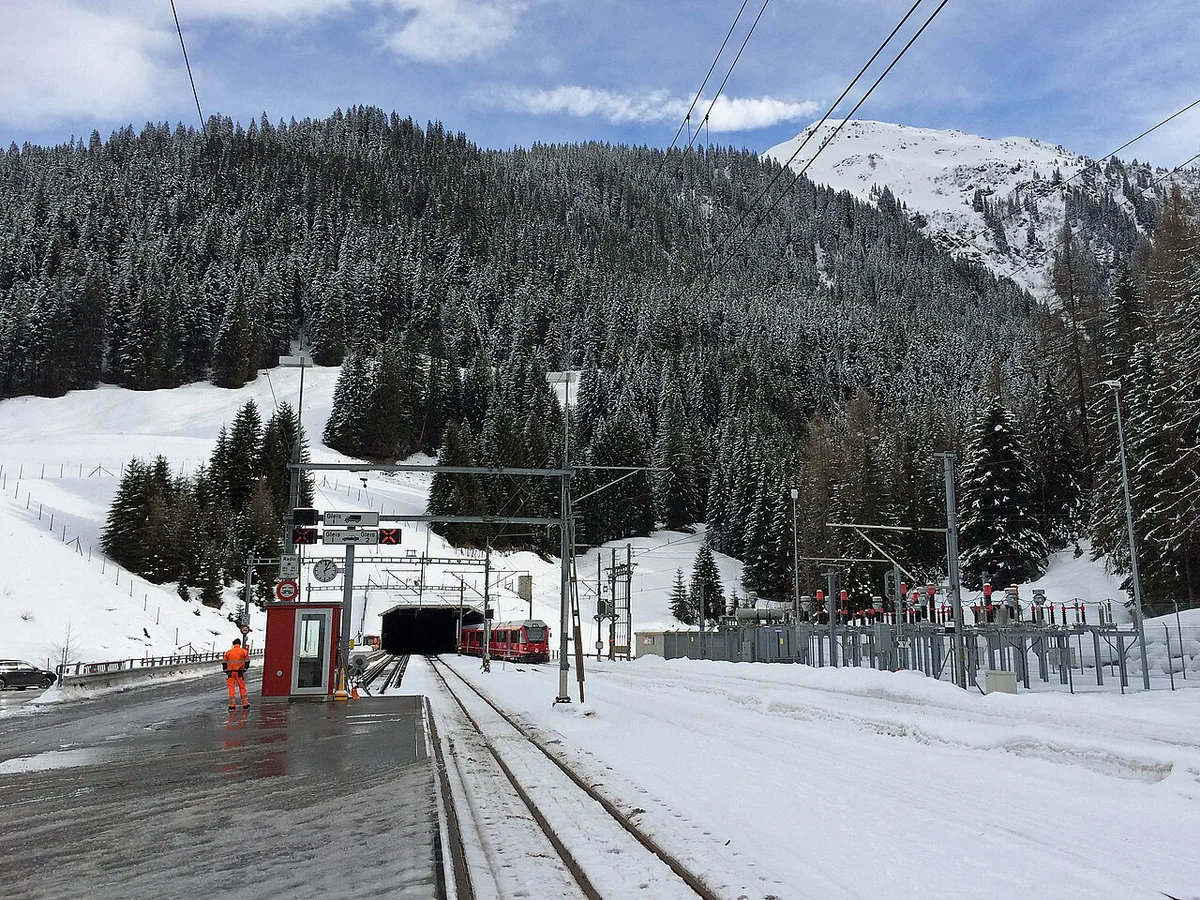
What the Swiss Vignette Covers (and What It Doesn't)
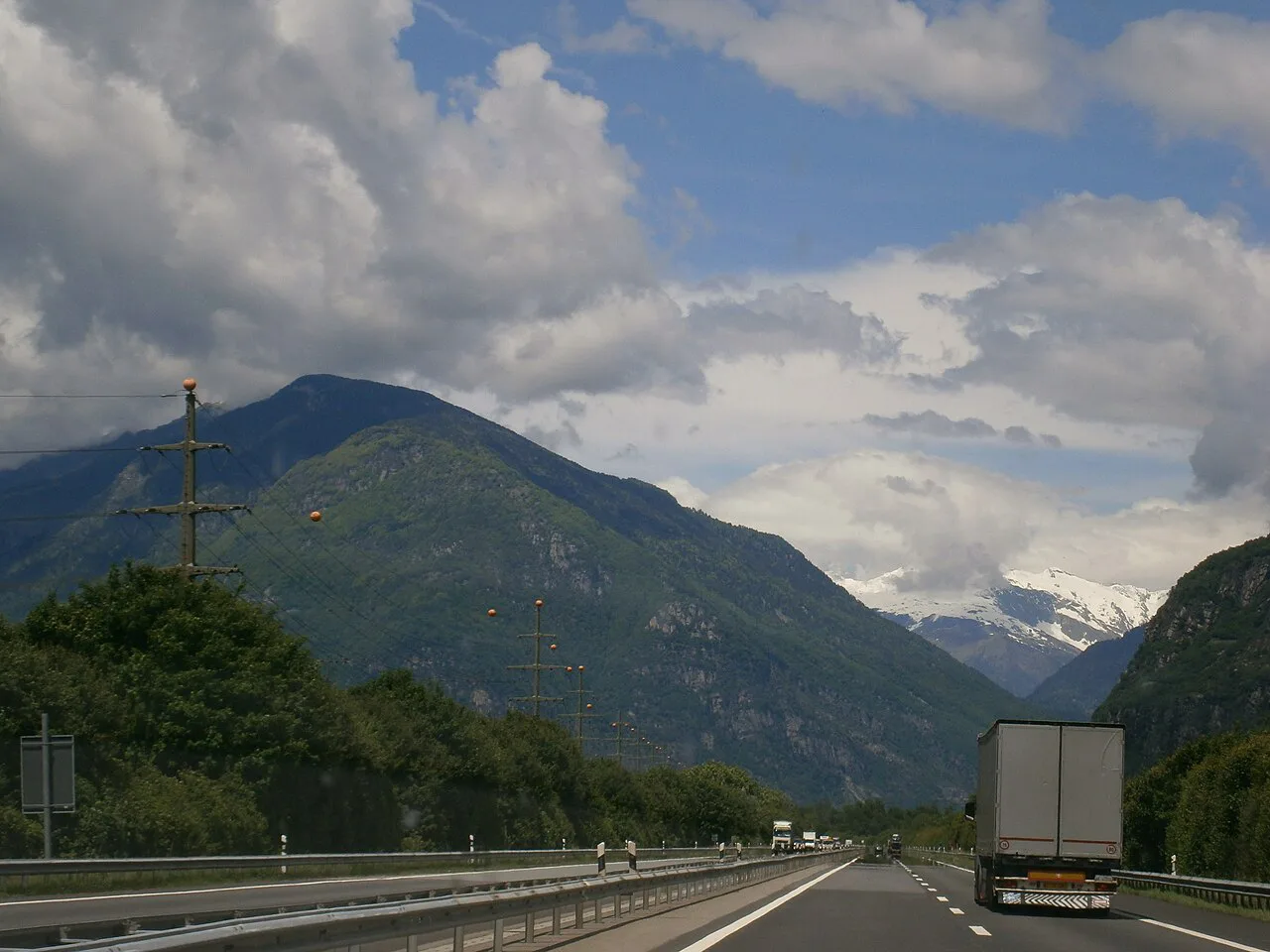
A Swiss motorway means a limited-access expressway, like a US interstate. The vignette unlocks that whole network. Open road, tunnels, bridges and dams on a motorway all fall under one sticker. Ordinary roads and mountain passes are not tied to the sticker at all. The Swiss Federal Roads Office oversees the national road network. Use the table below to see where an extra charge can appear.
| Item | Covered by vignette? | Extra cost? | Where to look |
|---|---|---|---|
| Motorways | Yes | No | Sticker on the windshield |
| Tunnels and bridges on motorways | Yes | No | Same sticker, no separate payment |
| Gotthard road tunnel | Yes | No | Part of the motorway network |
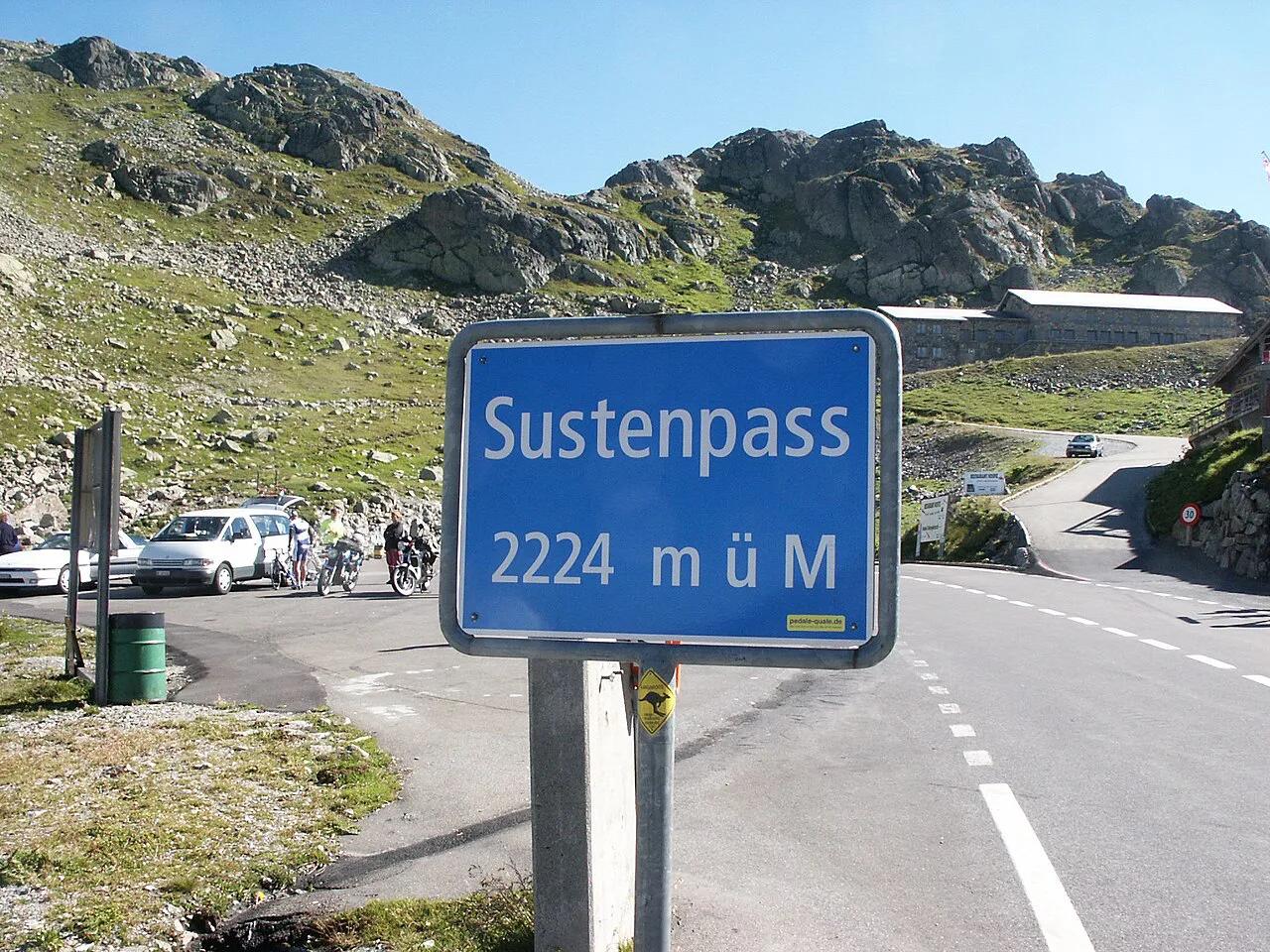
| Mountain pass roads | Not applicable | No pass toll | Season and road status, not payment |
| Grand St Bernard tunnel | No | Yes, separate toll payable in full even with a vignette | Tunnel operator's website |
| Private Alpine toll roads | No | Yes, a few | Signs at the start of the road |
| Car-carrying trains | No | Yes, a rail ticket | Rail operator's website |
| Parking | No | Yes | Signs and meters at each car park |
Roads and Tunnels That Cost Extra
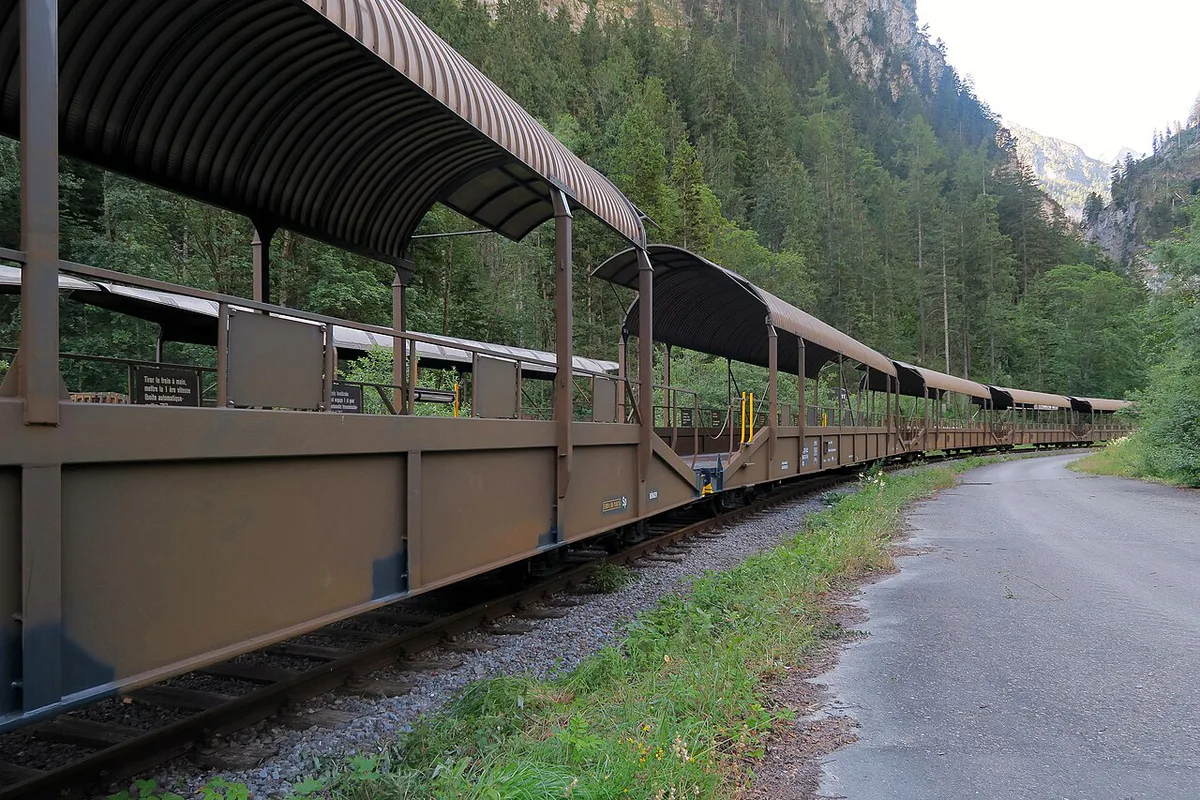
The Grand St Bernard tunnel is the best-known exception. The 5.8 km tunnel, open since 1964, links the Valais with the Aosta Valley in Italy and runs all year, while the pass road above it is usually snowbound from October to May. Its toll is payable in full whether or not you hold a vignette. Private toll roads in the Alps are very few. Each one posts its charge at the entrance. Look up the operator's current rate before you commit to a detour. Big Alpine crossings on the motorway network are different. The Gotthard road tunnel sits on that network, so the vignette covers it.
Holding a CHF 40 vignette will not cover the Grand St Bernard tunnel, which charges its own toll either way.
- Grand St Bernard tunnel: separate toll, with or without a vignette.
- Private Alpine toll roads: a few, each with its own charge.
- Car-carrying trains: a rail ticket, not a road toll.
- Parking: always a separate cost, covered in our Swiss parking guide.
Vignette Cost, Validity and Where to Buy It
A car vignette costs CHF 40, and so does one for a motorcycle or a trailer. It runs from 1 December of the previous year to 31 January of the year after the year printed on it. A 2026 vignette therefore runs to 31 January 2027, and the 2027 one is valid from 1 December 2026. Buy the right year, because an expired sticker does not count. The e-vignette is valid the moment you pay and is tied to your licence plate, so enter the plate carefully when ordering. Sticker sales at the border happen only at certain customs offices, so drivers arriving by road do better with the e-vignette.
- Online: the federal e-vignette shop, valid immediately
- Post offices in Switzerland
- Most petrol stations and garages in Switzerland
- TCS offices and cantonal road traffic offices
- A few border customs offices, as an exception
Rental Cars: Is the Vignette Included?
Rental cars picked up in Switzerland usually carry a vignette already. Look for the sticker on the windshield before you drive away. Ask at the counter if you cannot see one. Our guide to renting a car in Switzerland covers pickup in more detail. A car rented abroad and driven in is a different case. Do not assume it carries a Swiss sticker. Buy an e-vignette for its plate before you reach the border if it does not.
- Find the sticker on the windshield at pickup.
- Check that its year is current.
- Ask whether it covers your whole rental period.
- If you cross in from a neighbouring country, ask the desk who supplies the vignette.
- Keep the rental paperwork handy in case of a roadside stop.
Mountain Passes, Car-Trains and Time Trade-Offs
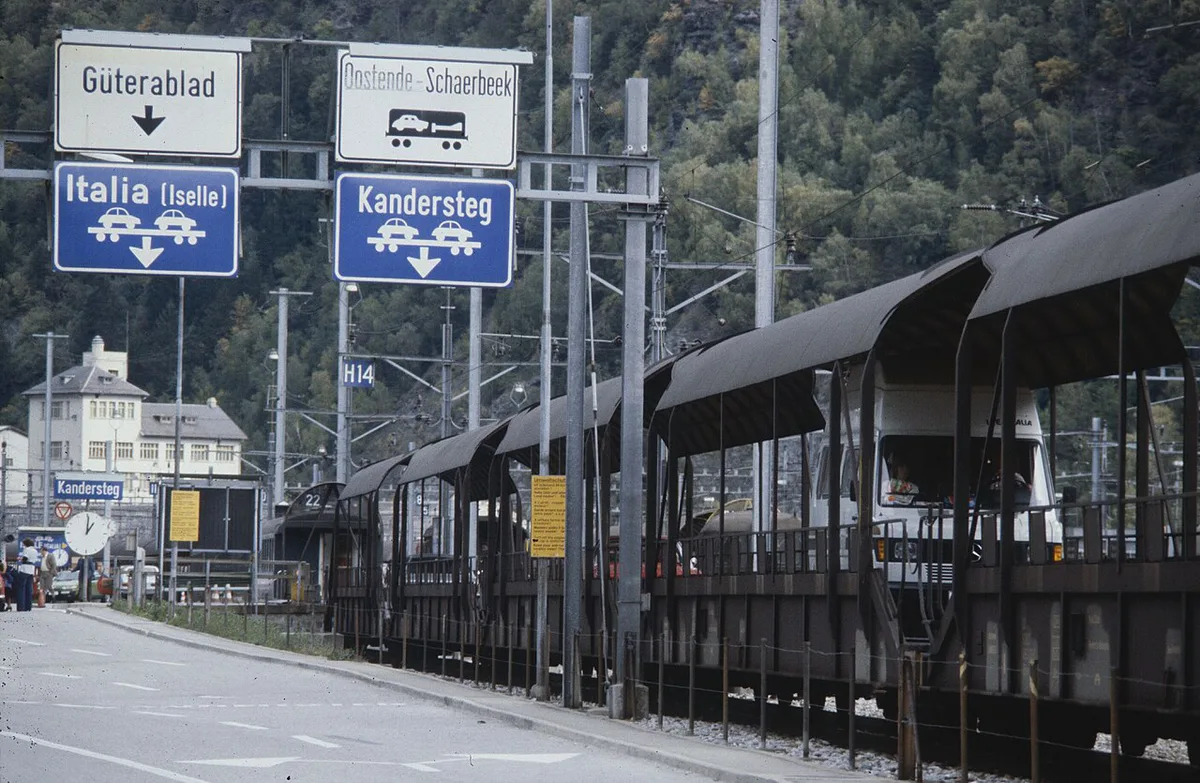
In summer, mountain passes carry no extra toll, so you can drive them on the vignette alone. Passes are slower than motorways, which is the real cost. Car-carrying trains trade money for time. The Lötschberg shuttle runs between Kandersteg in the Bernese Oberland and Goppenstein in the Valais, and BLS lists fares and timetables. The Furka tunnel train saves time compared with the slow Furka pass road. Choose the pass for scenery and the train for speed. Our Scenic Drives in Switzerland: Best Passes and Routes page ranks pass roads worth the extra hours. Planning a longer loop? The Swiss Grand Tour: Route, Stages, Days Needed & Driving Tips route strings several passes together.
- Motorway: fastest, covered by the vignette, limited views.
- Mountain pass: no pass toll in summer, slowest, best scenery.
- Car-carrying train: separate ticket, saves time on slow pass roads.
Fines and Common Mistakes
Driving a motorway without a valid vignette costs a CHF 200 fine, and you still have to buy the CHF 40 vignette on the spot. Checks happen on the motorway and at border crossings, and a short hop between two exits counts the same as a long drive. Rules on speed matter too, so read our Swiss speed limits guide. Most vignette problems are simple oversights.
- Assuming a short drive needs no vignette.
- Buying the wrong year's sticker.
- Forgetting that a trailer or caravan needs its own vignette.
- Assuming a car rented abroad includes a Swiss sticker.
- Mixing up a car-train ticket with a road toll.
Trucks, Campers and Trailers: Different Rules
Vehicles over 3.5 t pay the distance-based LSVA instead of buying a vignette. Buses pay a flat-rate fee called PSVA. Camper owners near that weight should read the heavy-vehicle fee rules on the official Swiss government portal before they travel. Motorhomes up to 3.5 t use the normal vignette. A car towing a caravan is a common trap, because the trailer needs its own CHF 40 vignette; only trailers towed by motorcycles are exempt. US drivers can find the permit question in our guide to driving with a US license.
Vehicles over 3.5 t pay distance-based LSVA rather than a vignette, so check your vehicle's weight before buying a sticker.
Road-rule changes worth knowing
Optional updates to our guides.
You might also like
Continue reading
More guides you'll find useful