
Swiss Grand Tour: Route, Stages, Days Needed & Driving Tips
Plan the Swiss Grand Tour: the 8 stages, how many days to allow, best months, and driving rules for vignette, passes, parking and Zermatt.
On this page
Last updated November 2026: the Swiss Grand Tour, officially the Grand Tour of Switzerland, is a signposted road loop of 1,643 km (1,021 miles) in 8 stages. Allow at least 7 days, or 10 to 14 days at a relaxed pace, and aim for June to September. Zurich is the official start, and this guide covers each stage, the entry points and the driving rules.
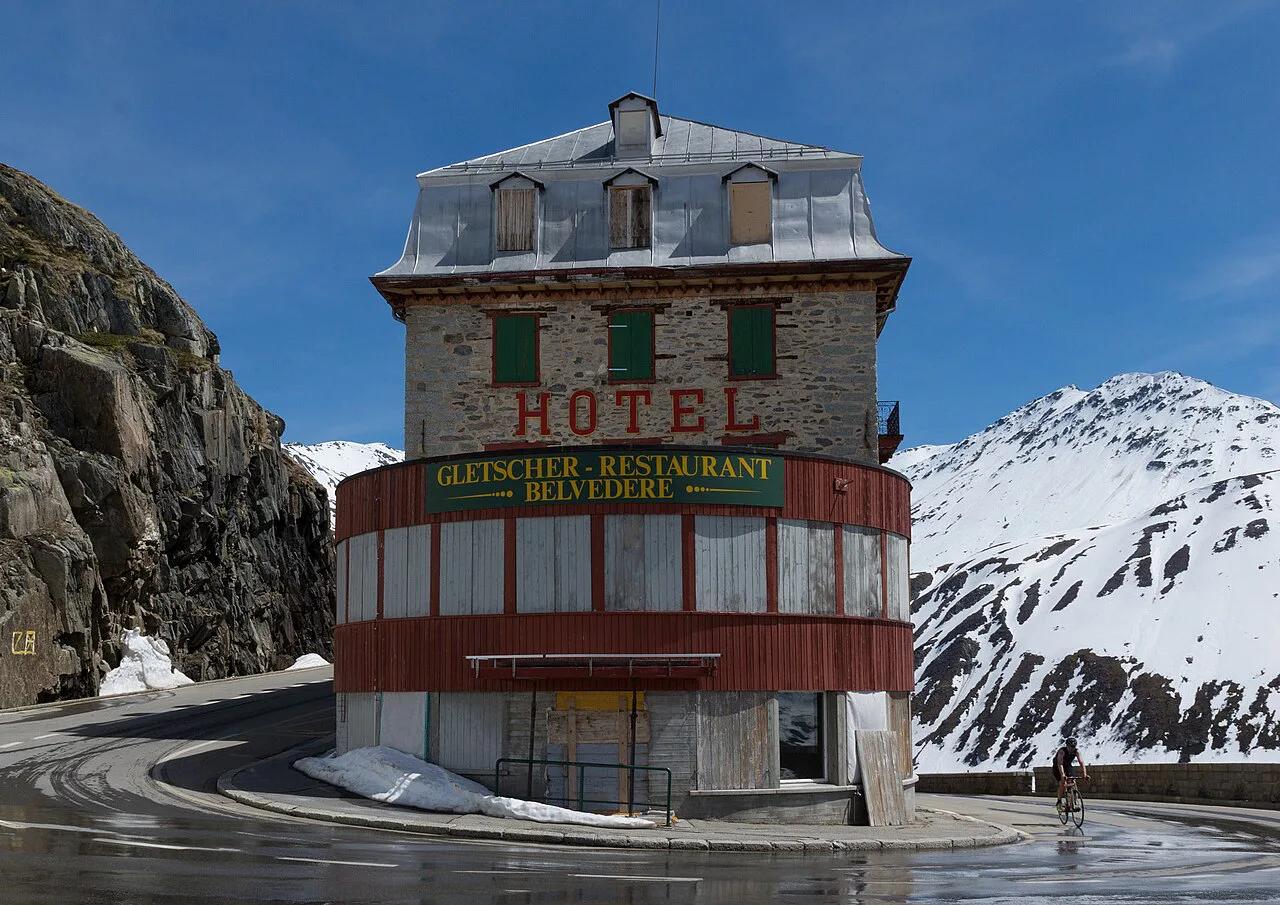
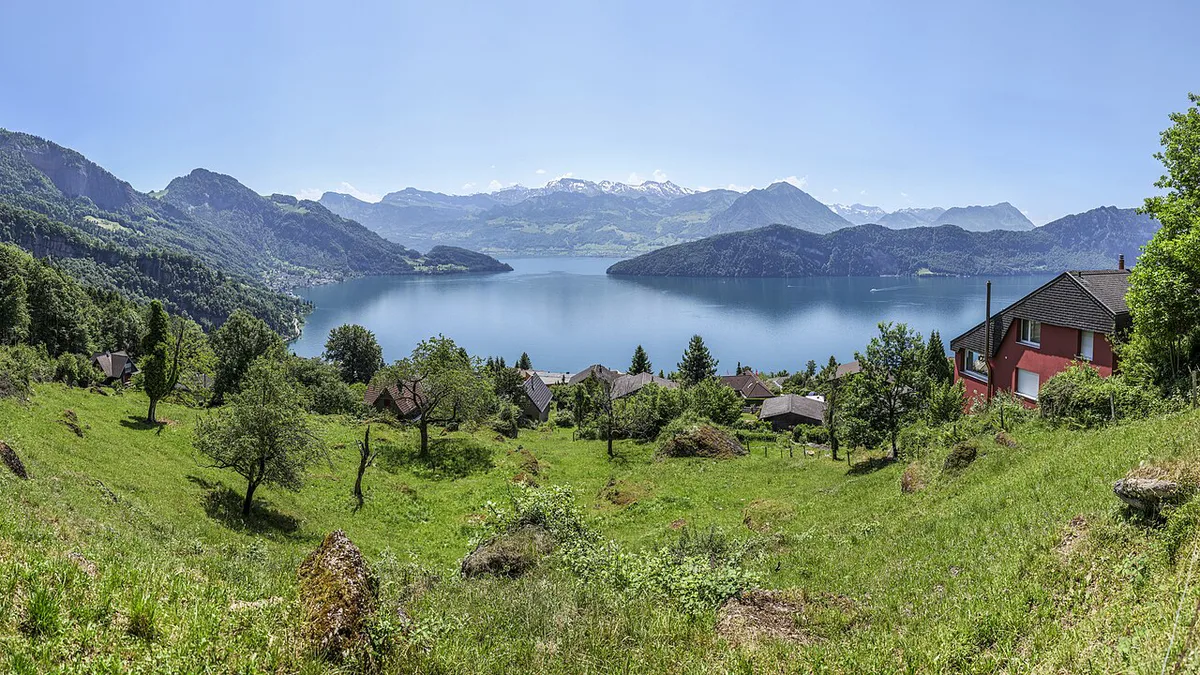
Featured image: Jakob Signer, CC BY 3.0, via Wikimedia Commons.
The Swiss Grand Tour at a glance
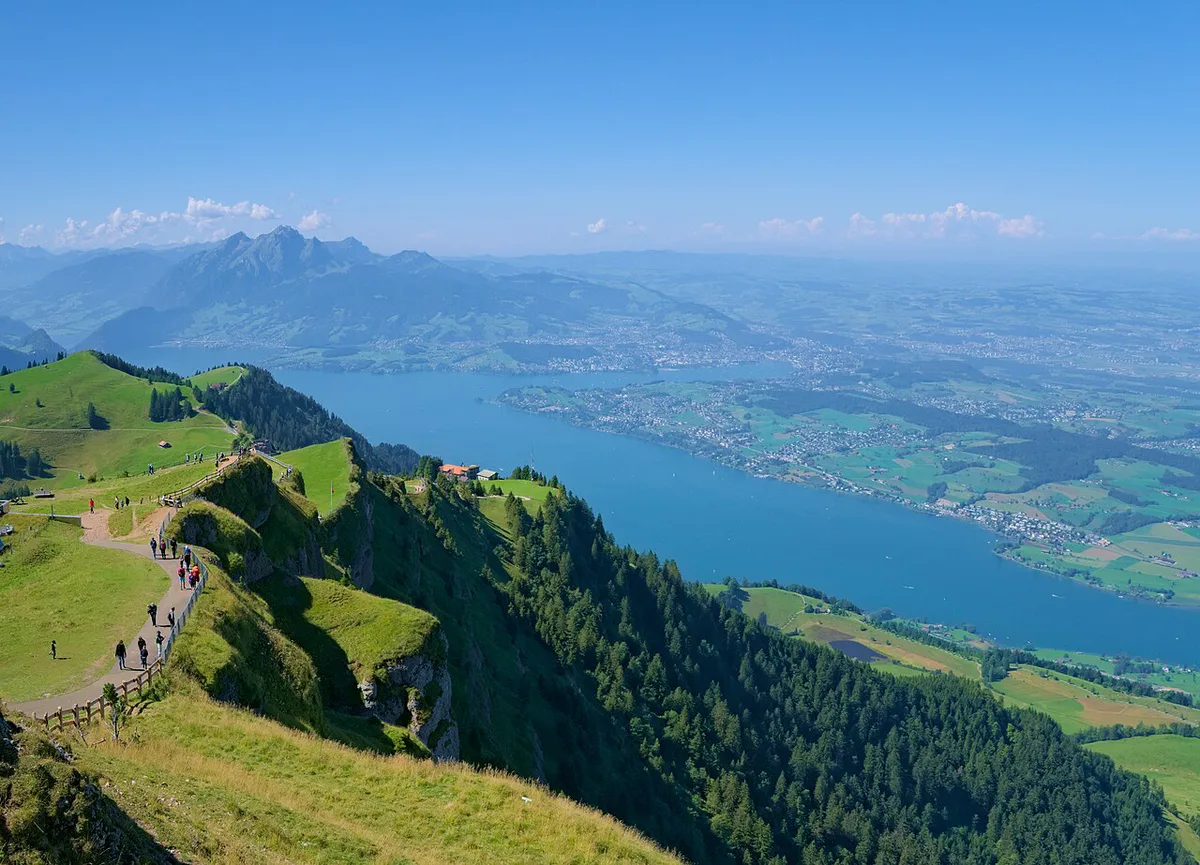
Switzerland Tourism and the Grand Tour association created the route in 2015. According to Switzerland Tourism, the circuit links 46 top attractions, 22 lakes, 5 Alpine passes and 13 UNESCO World Heritage sites. About 650 road signs mark the way, so you can follow signs or a GPS. It suits drivers who want a ready-made route rather than a custom one. Electric cars can do it too, with more than 300 charging stations reported along the loop.
- Length: 1,643 km (1,021 miles), or about 1,600 km in round figures
- Structure: 8 stages, plus 3 access roads from Geneva, Basel and Chiasso
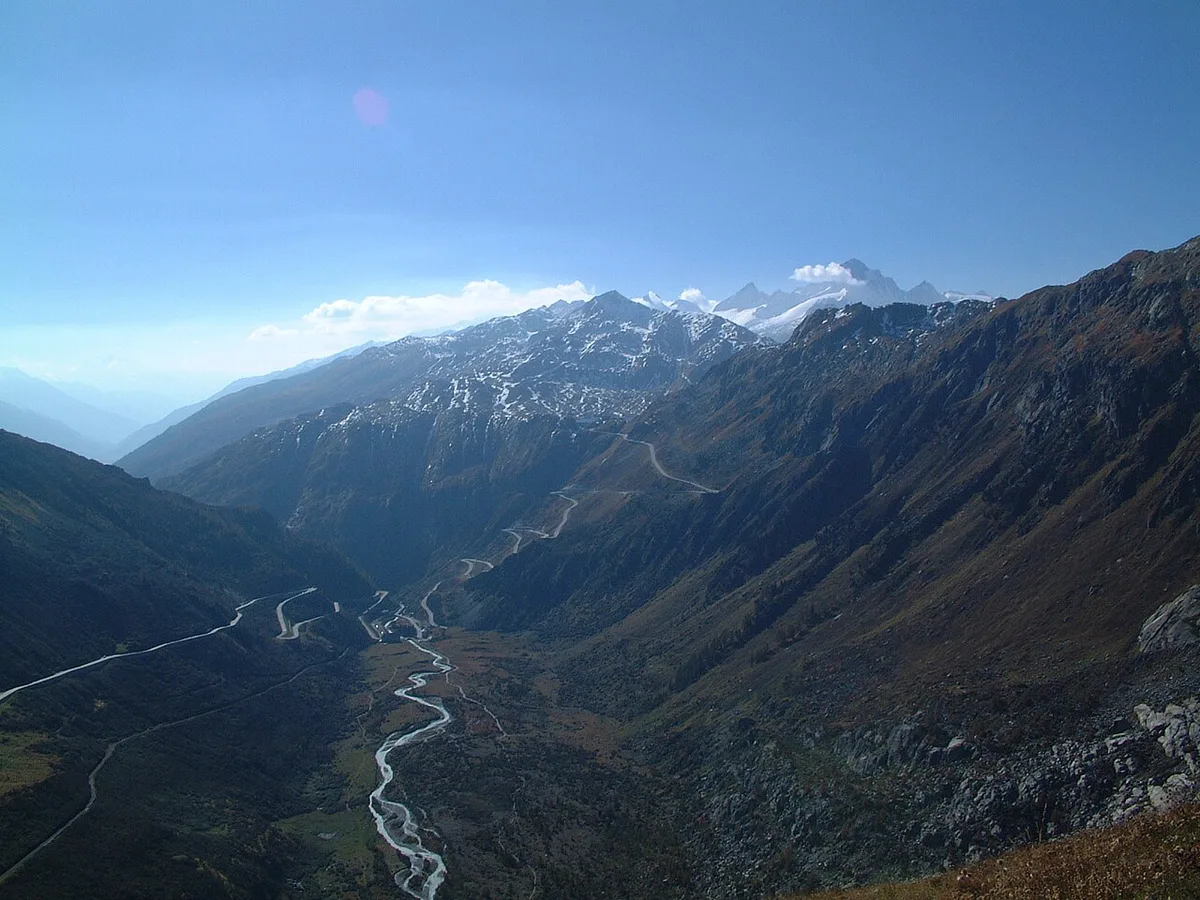
- Highest point: Furka Pass at 2,429 m (7,970 ft)
- Language regions: all 4, from German in Zurich to Italian around Lugano
- Direction: signposted clockwise, joinable at any point
How many days do you need for the Swiss Grand Tour?
Published recommendations start at 7 days, which means about 5 hours of driving a day and little time to explore. Most people take 10 to 14 days, which leaves room for meals, short hikes and side trips. A slow trip runs 2 to 3 weeks. Zurich, Lucerne, Geneva and Bern each deserve at least half a day. These are published recommendations, not measurements. For a 7-day trip, skip the three access roads and the side trips around Zermatt. Split stages 3, 4 and 5 first if you add days, because they hold the biggest descent, the Tremola hairpins and the Zermatt train leg.
| Pace | Days | What you gain | What you skip |
|---|---|---|---|
| Fast | 7 | The full loop, about 5 hours of driving a day | Detours, hikes, most city time |
| Standard | 10 to 14 | Meals, short hikes, side trips, half days in cities | Little beyond the access roads |
| Slow | 14 to 21 | Overnights in smaller towns, boat rides, museum visits | Nothing on the main loop |
Best time to go
The season runs April to October. June to September is the recommended window, and July and August are high season with crowds almost everywhere. High passes usually reopen from late spring, often from the end of May to mid-June depending on the weather, and close again in autumn. September and October suit wine regions and thinner crowds, though some passes can close in late autumn. Parts of the route are restricted or closed from November to March, so winter does not suit the complete loop. Opening dates change every year, so check the current cantonal pass status before you fix your dates.
The 8 Swiss Grand Tour stages, with drive burden and overnight base
Each stage ends in a named town, which makes natural overnight stops. Stage 3 drops from St. Moritz at 1,822 m to Bellinzona at about 240 m. Stage 4 holds the Tremola, where the road climbs 300 m over 4 km in 24 hairpin bends. Stage 5 is where you park the car in Täsch.
- Stage 1, Zurich to Appenzell: Rhine Falls and St. Gallen are the standouts. No pass is named for this stage. Sleep in St. Gallen or Appenzell.
- Stage 2, Appenzell to St. Moritz: Chur and the Salginatobel Bridge are the standouts. Allow time for climbing into the Engadine. Sleep in Chur or St. Moritz.
- Stage 3, St. Moritz to Bellinzona: the biggest altitude change, from 1,822 m down to about 240 m. Bellinzona's castles are a UNESCO site. Sleep in Bellinzona or Lugano.
- Stage 4, Bellinzona to Zermatt: the Tremola road from Airolo to Gotthard Pass is the standout. Weigh the Gotthard road tunnel against the pass. Sleep in Täsch or Zermatt.
- Stage 5, Zermatt to Lausanne: Zermatt is car-free, so you leave the car in Täsch and take the train. The road then follows Valais to Lake Geneva. Sleep in Lausanne or Montreux.
- Stage 6, Lausanne to Neuchâtel: this is the watchmaking stage, with the Creux du Van rock formation on the way. Sleep in Neuchâtel.
- Stage 7, Neuchâtel to Bern: the wateriest stage, passing Lake Murten, Lake Thun and Lake Brienz before the Aare River and Bern. Sleep in Bern.
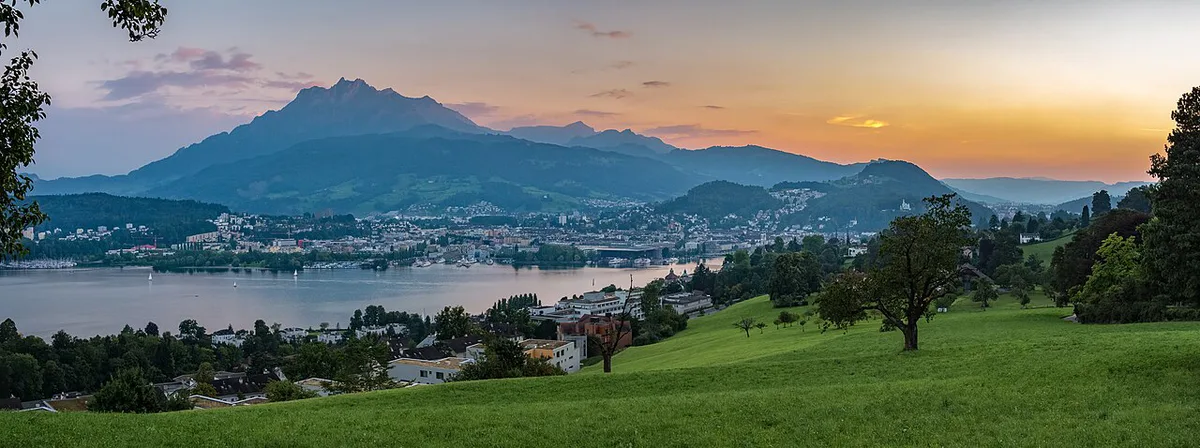
- Stage 8, Bern to Zurich: the route enters Uri, home of the Rütli meadow where the 1291 oath was sworn. Lucerne is a natural last night. Sleep in Lucerne or Zurich.
Where to start and end
Zurich is the official start, but the loop can be joined anywhere. Signs point clockwise, which keeps junctions and motorway exits simple. From Zurich airport, begin with stage 1. Three access roads feed into the loop for other arrivals. If you fly in, compare pick-up and drop-off cities in our rental car guide before you book flights.
- Geneva to Saint-George: passes Nyon and the Vaud Jura Park. Best for arrivals at Geneva or from France.
- Basel to Neuchâtel: follows the Doubs River through La Chaux-de-Fonds and Le Locle. Best for arrivals at Basel or from France.
- Chiasso to Bellinzona: runs through Lugano and Locarno. Best for drivers coming from Italy.
Full loop, a section, or the Grand Train Tour?
Pick the version before you pick hotels. The official 8-stage route is not the same as the Switzerland Travel Centre's 9-day Zurich to Lucerne package, which routes via Davos, Gstaad and Lucerne. For a partial trip, our guide to more scenic drives covers other roads.
- Full loop: needs 7 to 14 days and suits first-timers who want every region.
- One section: each stage works as a short trip, so pick stages 3 to 5 for passes and the Matterhorn.
- Clockwise or reverse: the signs run clockwise, so reversing means more map reading.
- Grand Train Tour: about 1,285 km by rail, including the Bernina Express, Glacier Express and GoldenPass line. It suits travelers who do not want to drive.
Driving the Swiss Grand Tour: vignette, rental, tolls, speed limits, parking
The route follows scenic roads more than motorways, but any motorway stretch needs a sticker. Our Switzerland driving guide covers each rule in detail. These are the points that matter most on this loop.
Rail is about 1,285 km on the Grand Train Tour, against 1,643 km by road, so weigh both before renting a car.
- Vignette: motorways need a sticker. Read our vignette sticker guide. You can also use the official e-vignette shop.
- Rental cars: compare automatic and manual options. Our rental cars page explains deposits and insurance.
- Tunnels and tolls: read about toll roads and tunnels before stage 4.
- Speed limits: Switzerland has many cameras. See the current speed limits for motorways, main roads and towns.
- Parking: Zermatt is car-free, so you park in Täsch and take the train. Our parking rules cover city stops such as Zurich, Lucerne and Bern.
- US drivers: see our guide to driving with a US license.
Costs and what to budget for
Prices and hours checked November 2026. Budget by category rather than by a single trip figure: car rental, vignette, fuel or charging, parking, hotels, the Zermatt train and any pass or mountain-lift tickets. As a package example only, the Switzerland Travel Centre lists a 9-day, 8-night Zurich to Lucerne trip from $1,530 per adult, in a 3-star double room, with car rental not included. That price is calculated for January 8, 2027. Its daily drives range from 87 to 180 miles. Treat it as a package example, not a driving-trip cost.
Electric cars can plan charging costs with more than 300 charging stations reported along the loop.
Photo spots and the official app
Dozens of official red-and-white photo frames stand at viewpoints along the loop. Rhine Falls, the Tremola road, Montebello Castle in Bellinzona and the Matterhorn are popular frames. The official Grand Tour app handles navigation, route sections and charging stations, and it works offline. Säntis, at 2,502 m above Schwaegalp, is another frame on stage 1.
Mistakes to avoid
Most problems come from planning too tightly. These are the five that cost time on this route.
- Driving into Zermatt: cars stop at Täsch, so budget time and parking for the train leg.
- Underestimating drive days: 7 days means about 5 hours behind the wheel daily.
- Travelling in winter: passes close, and parts of the route are restricted from November to March.
- Skipping the vignette: motorways need one, so buy it at the border or online.
- Over-stopping at photo frames: pick a few frames per stage instead of every one.
Frequently Asked Questions
What is the Grand Tour of Switzerland?
It is a signposted road loop of 1,643 km created in 2015 by Switzerland Tourism. It links 46 top attractions, 5 Alpine passes and 13 UNESCO sites in 8 stages.
How long does it take to drive the Grand Tour of Switzerland?
Plan at least 7 days at about 5 hours of driving a day. Most travelers take 10 to 14 days. A slower trip runs 2 to 3 weeks.
Where did the Grand Tour go in Switzerland?
It starts in Zurich and runs through Appenzell, St. Moritz and Bellinzona. It then continues through Zermatt, Lausanne, Neuchâtel and Bern, before returning to Zurich.
Road-rule changes worth knowing
Optional updates to our guides.
You might also like

Continue reading
More guides you'll find useful