Speed Limits in Switzerland: Road-Type Limits and Fines
Swiss speed limits by road type in km/h and mph, how cameras and fines work (income-linked for serious cases), and what changes on motorways at peak times. Checked November 2026.
On this page
Last updated November 2026: the default speed limits in Switzerland are 50 km/h in built-up areas, 80 km/h on open roads, 100 km/h on semi-motorways and 120 km/h on motorways. Cameras enforce them, small overages bring fixed fines, and serious cases go to a prosecutor, where penalties scale with income. Any posted sign overrides these defaults, and the official Swiss government portal publishes the federal rules.
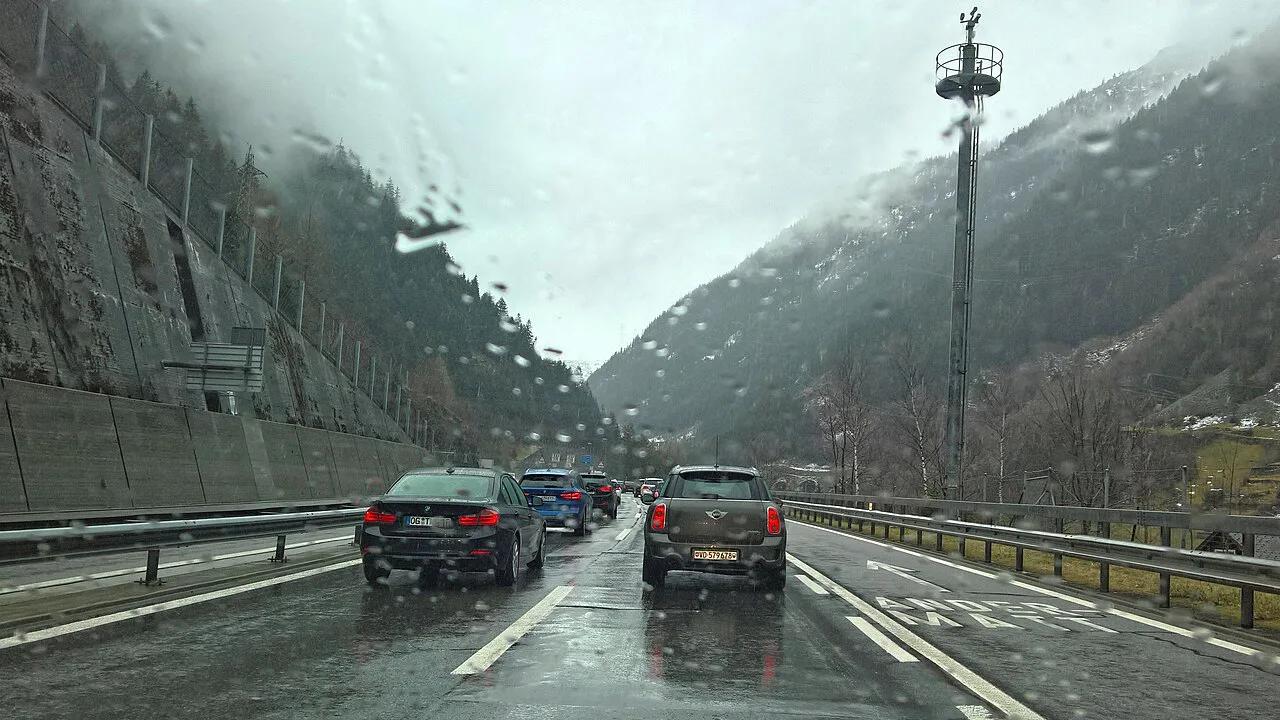
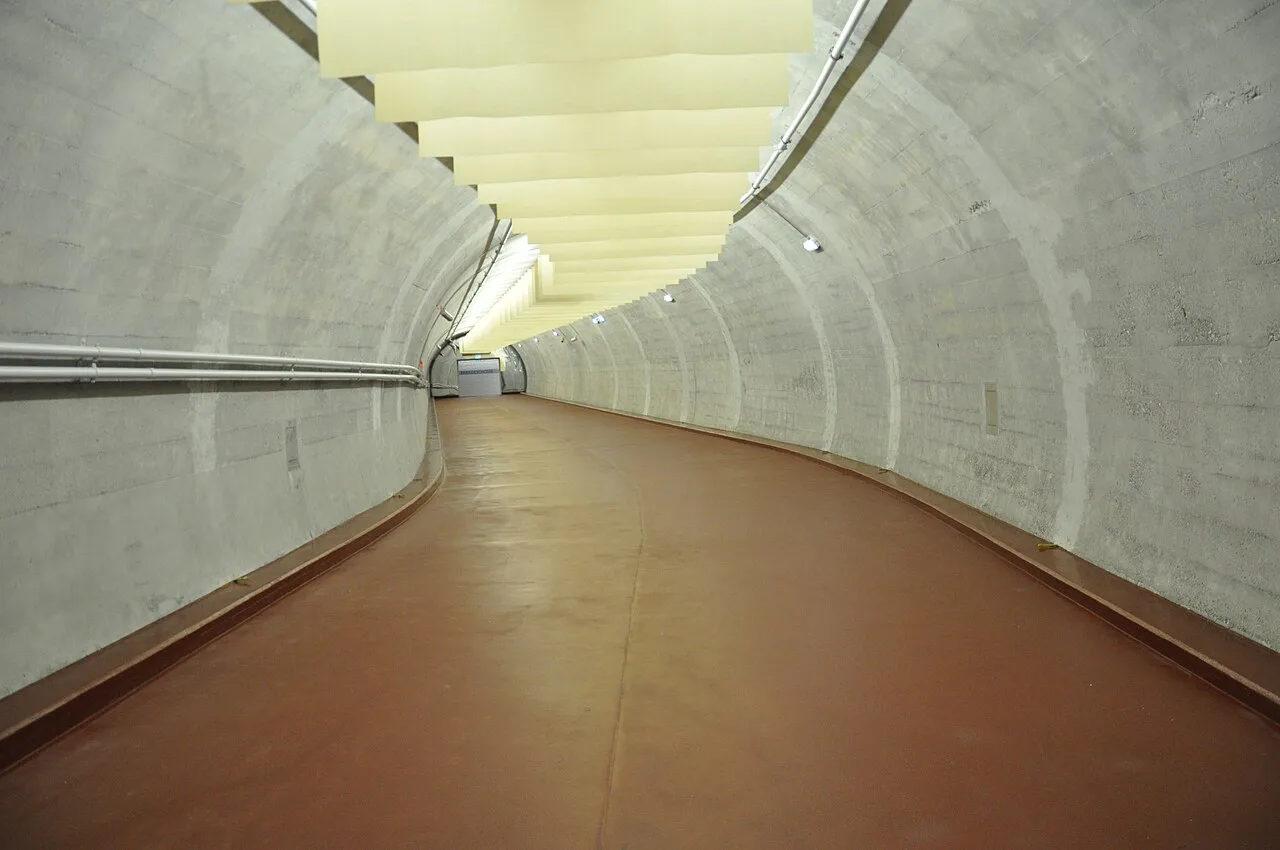
Featured image: 1-Byte, CC BY 4.0, via Wikimedia Commons.
Swiss speed limits at a glance
Swiss limits are posted in km/h, so a US driver needs a quick mental conversion. Use the table below as your default, then follow whatever sign you actually pass. Rules were checked in November 2026. Fine schedules and variable-speed rollouts change, so treat the enforcement sections as a snapshot.
| Road type | Default limit (km/h) | Approx. mph |
|---|---|---|
| Built-up area (towns, villages) | 50 | 31 |
| Open road outside built-up areas | 80 | 50 |
| Semi-motorway (Autostrasse) | 100 | 62 |
| Motorway (Autobahn) | 120 | 75 |
- Quick conversions: 50 km/h is about 31 mph, 80 km/h about 50 mph, 120 km/h about 75 mph.
- The default applies only when no sign says otherwise.
- Towing: ADAC lists 80 km/h on motorways and semi-motorways for car-and-trailer combinations, with 100 km/h allowed only for light cars or vans towing trailers up to 3.5 t.
- Motorhomes up to 3.5 t follow car limits; heavier ones are capped at 100 km/h on motorways.
How to tell which limit applies
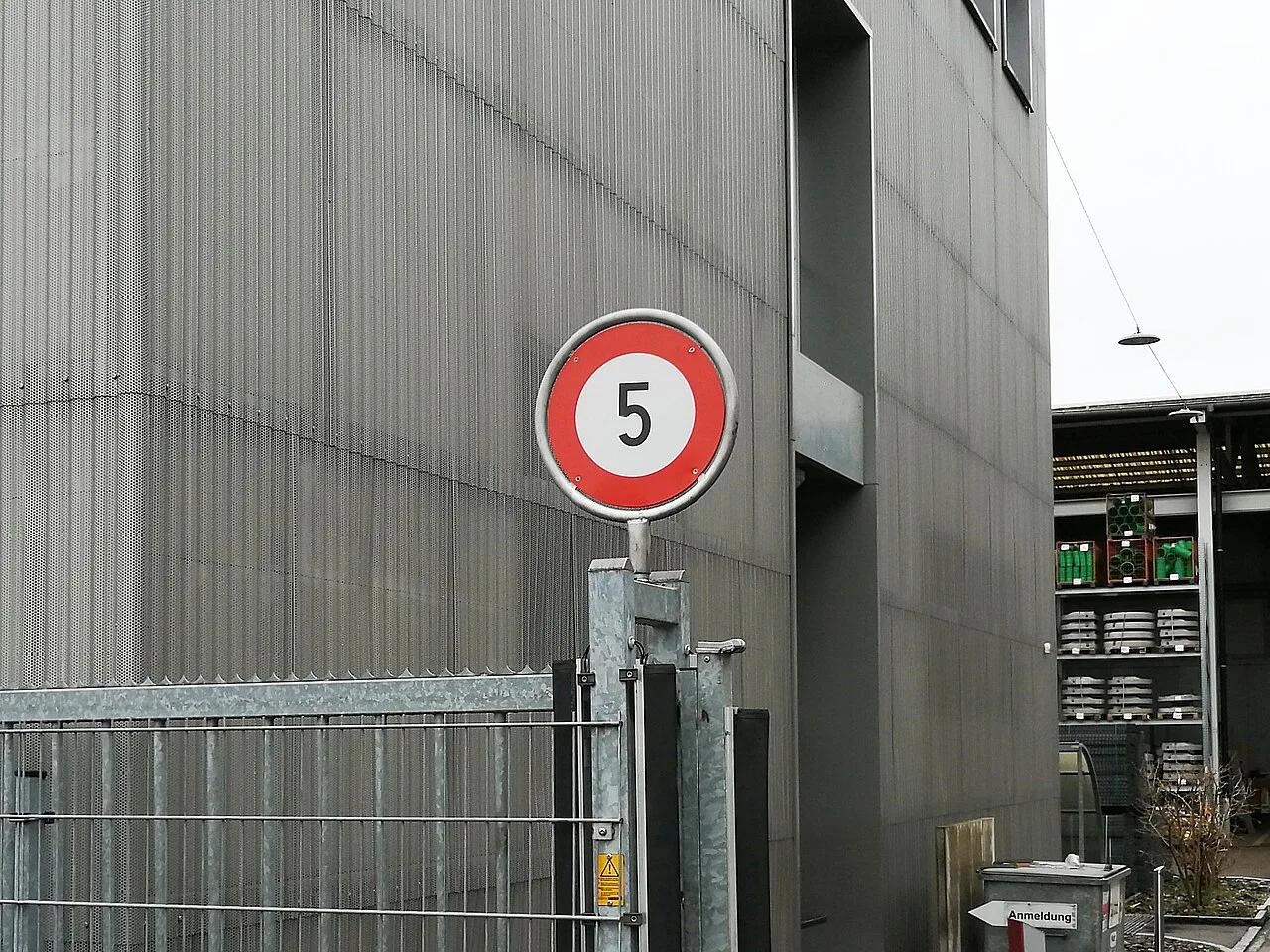
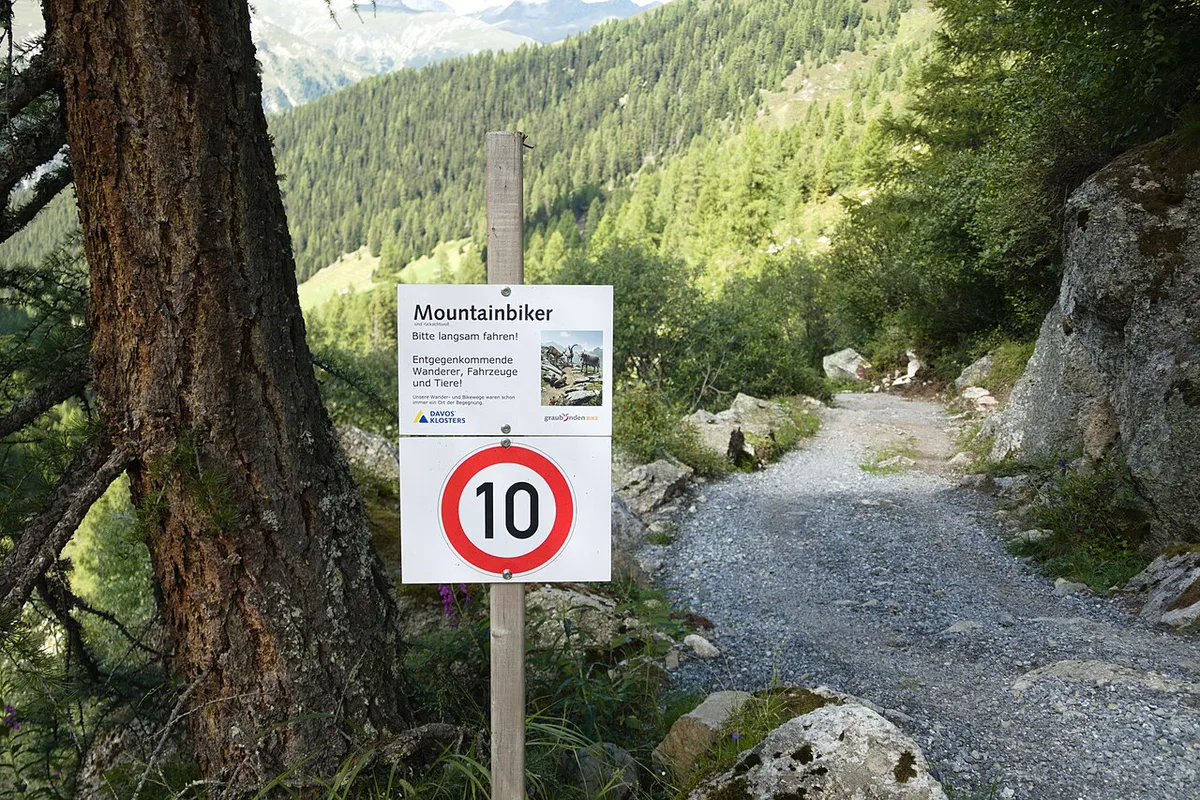
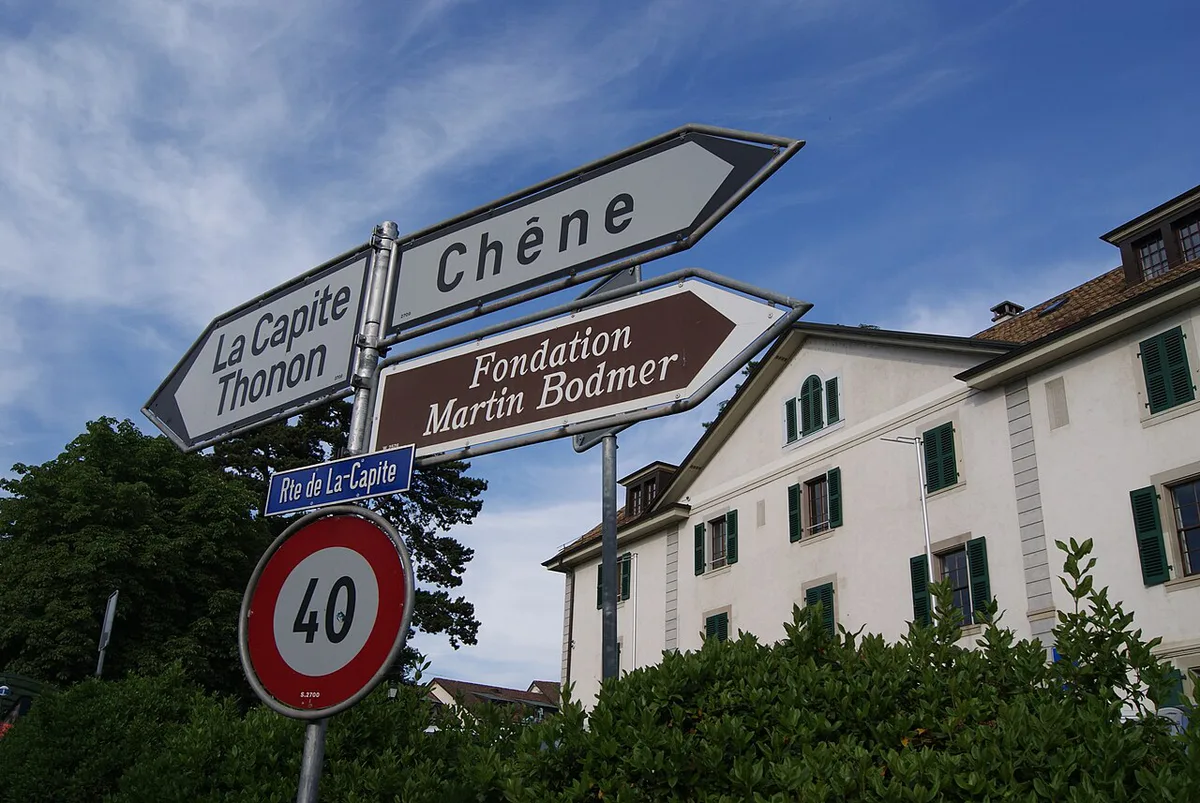
Limits depend on the type of road, and the road type changes at signs. A village entrance sign marks the start of the 50 km/h zone, even if the road looks like an open country road. Motorways carry a green sign with a white motorway symbol. Semi-motorways use the same style of road but are not full motorways, so the lower 100 km/h default applies. A circular sign with a red border and a number overrides the default in both directions. If you pass a sign showing a lower number, keep to it until a sign lifts it. A built-up-area sign also resets your speed, so do not carry open-road speed into a village. A navigation app can lag behind these signs, so trust the roadside number over the screen.
Motorway limits, variable speed and the 80 km/h peak-time plan
Motorways default to 120 km/h, but electronic gantries can lower the limit when traffic builds or conditions change. The Federal Roads Office (FEDRO) uses these signals to cut the limit to 80 km/h or lower when traffic is heavy, to keep it moving rather than stopping. Whatever the default, the number on the gantry is the legal limit, and it can change between one gantry and the next. Motorways also need a vignette, which is covered in our Swiss vignette guide. Our overview of Toll Roads in Switzerland: Vignette Rules, Exceptions & Costs explains what else you may pay on the road.
Passes already pull your average well below 80 km/h, and rush-hour gantries on busy motorway stretches add another slowdown.
Cameras and enforcement: what visitors should expect
Switzerland enforces limits with fixed and mobile cameras, and a foreign plate does not exempt you. Expect cameras at village entrances, in tunnels and at roadworks. Drivers in rental cars are traced through the rental company, which can pass your details to the authorities. Contracts often add an administrative fee for this, so read the fine-handling clause before you sign. Radar detectors are banned, and ADAC notes the ban also covers navigation devices that warn of speed checks; police confiscate and destroy them. Foreign drivers stopped at a roadside check are usually asked to pay on the spot. The Swiss Council for Accident Prevention publishes road-safety material at bfu.ch. For visitor guidance, Touring Club Switzerland is a secondary source. Local police pages explain the fine procedure in each canton.
Fines and penalties for speeding in Switzerland
Small overages lead to a fixed fine (Ordnungsbusse) set by the federal fines ordinance. Paid without objection, it closes the case with no criminal record. The bands are tighter in towns than on motorways, so a few km/h over costs less on a motorway than in a village. Larger overages go to a prosecutor. The penalty there is a monetary penalty in daily rates, which, unlike a fixed fine, takes your personal and financial circumstances into account, so a high earner pays more. Foreign drivers are often asked for a cash deposit before they leave the country.
The top tier is the "Raser" offence under Article 90 of the Road Traffic Act, in force since 2013. You fall into it at 40 km/h over in a 30 km/h zone, 50 km/h over where the limit is 50, 60 km/h over where it is 80, and 80 km/h over where the limit is above 80. It carries one to four years in prison, a licence withdrawal of at least two years and possible confiscation of the car. Since 2023 courts may go below the minimum sentence in exceptional cases. Alcohol is a separate risk: the limit is 0.5 per mille (0.05%), and 0.1 per mille for new drivers.
Doing 100 km/h through a 50 km/h village counts as a Raser offence, so missing a village entrance sign can cost far more than a fixed fine.
Driving a rental car or with a US licence
Most US licence holders can drive in Switzerland for short visits, and our guide to driving with a US licence covers the paperwork. Check that the speedometer shows km/h, because some cars show mph in small print. Remember that 120 km/h is about 75 mph, so a motorway cruise feels slower than the number looks. Your rental car booking will set the terms for fines. Ask the rental desk how it handles tickets and what admin fee applies. Our wider driving in Switzerland guide covers the other basics.
Mountain roads, tunnels and trip planning
Motorway limits do not predict your arrival time in the Alps. Passes have bends, village limits of 50 km/h and slow-moving traffic, so your average speed falls well below 80 km/h. Plan fewer stops per day than a map suggests. The Gotthard road tunnel is a single route where posted limits and queues set the pace. Our Scenic Drives in Switzerland: Best Passes and Routes list helps you choose routes worth the extra time. A multi-day loop such as the Swiss Grand Tour: Route, Stages, Days Needed & Driving Tips works best with slack in each day. The BLS car shuttle is another option when a route is slow. Parking rules matter as well, and they are covered in Parking in Switzerland: Blue Zones, Discs, Fines & Rules.
Common mistakes to avoid
Most visitor tickets come from a handful of habits. Fix these before you leave the rental lot.
- Relying on a navigation app's limit instead of the roadside sign.
- Missing the drop to 50 km/h at a village entrance.
- Treating 120 km/h as universal when a gantry shows a lower number.
- Using a phone while driving.
- Assuming a foreign plate or rental car will not be traced.
Frequently Asked Questions
What are speeding fines in Switzerland?
Small overages bring a fixed fine that rises with each km/h band and is lower on motorways than in towns. Larger overages go to a prosecutor, where the penalty is set in daily rates tied to income. Raser cases, such as 50 km/h over in a 50 zone, bring prison, a licence withdrawal of at least two years and possible loss of the car.
What is the fastest speed limit in Switzerland?
Motorways have the highest default limit at 120 km/h, about 75 mph. Gantries and signs can set a lower number, and that posted figure is the legal limit.
Road-rule changes worth knowing
Optional updates to our guides.
You might also like
Continue reading
More guides you'll find useful