7 Things to Know About Driving in Switzerland (2026 Guide)
Should you drive in Switzerland? Seven essentials: vignette, licence, rental, road rules, passes and parking, plus when a train is the better call.
On this page
Last updated November 2026: driving in Switzerland pays off in alpine valleys and small villages, and it costs you time and money between big cities. Take a car for flexible road trips and trains for hops between Zurich, Bern and Lucerne. Below are seven essentials, a cost table and links to our detailed guides.
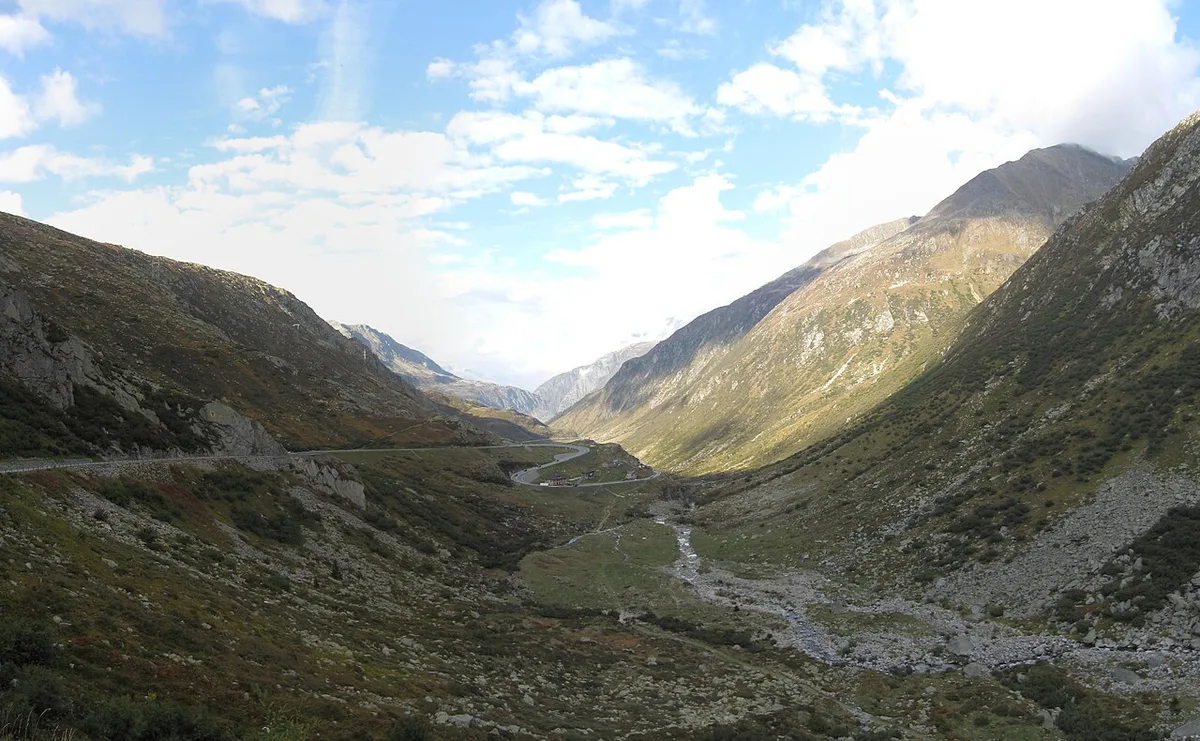
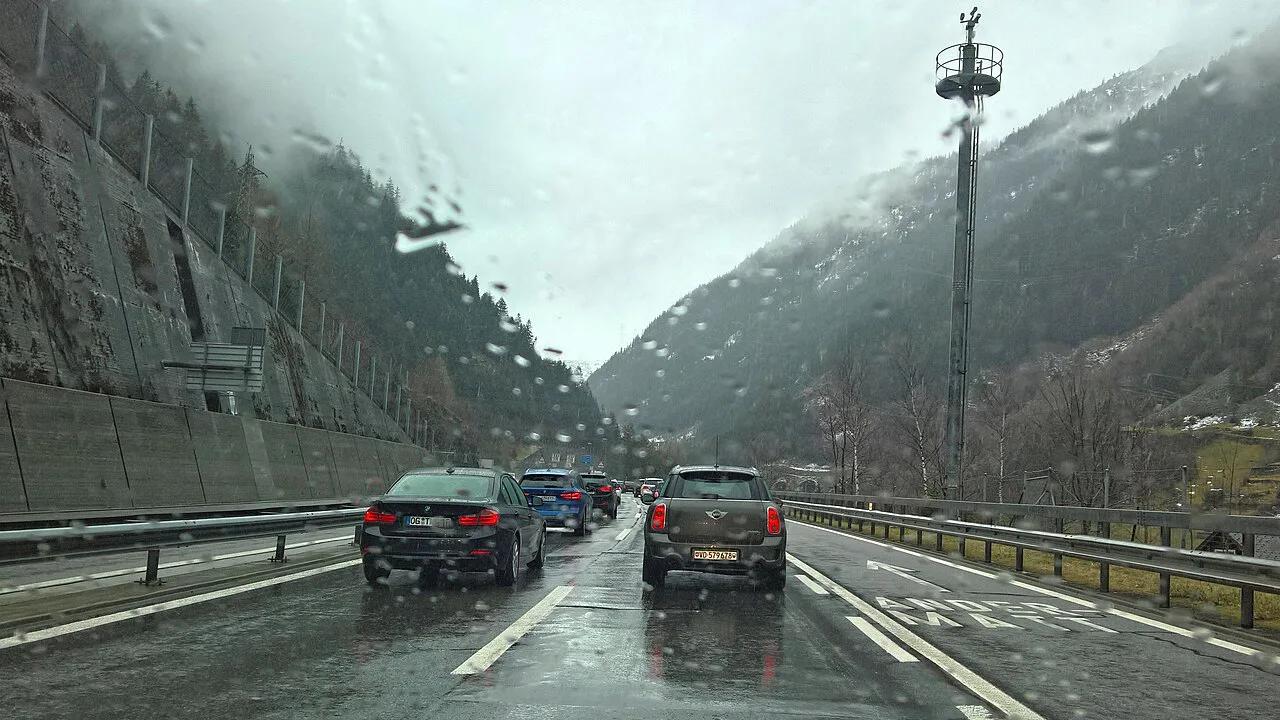
Featured image: Teresa Kluge lum3n, CC0, via Wikimedia Commons.
7 Things to Know About Driving in Switzerland
Rules and costs were checked in November 2026. Each item gives a short answer and points to a full guide.
Rental drivers, mountain tourists and city visitors all share the 0.05% blood alcohol limit, so plan lunch before you take the wheel.
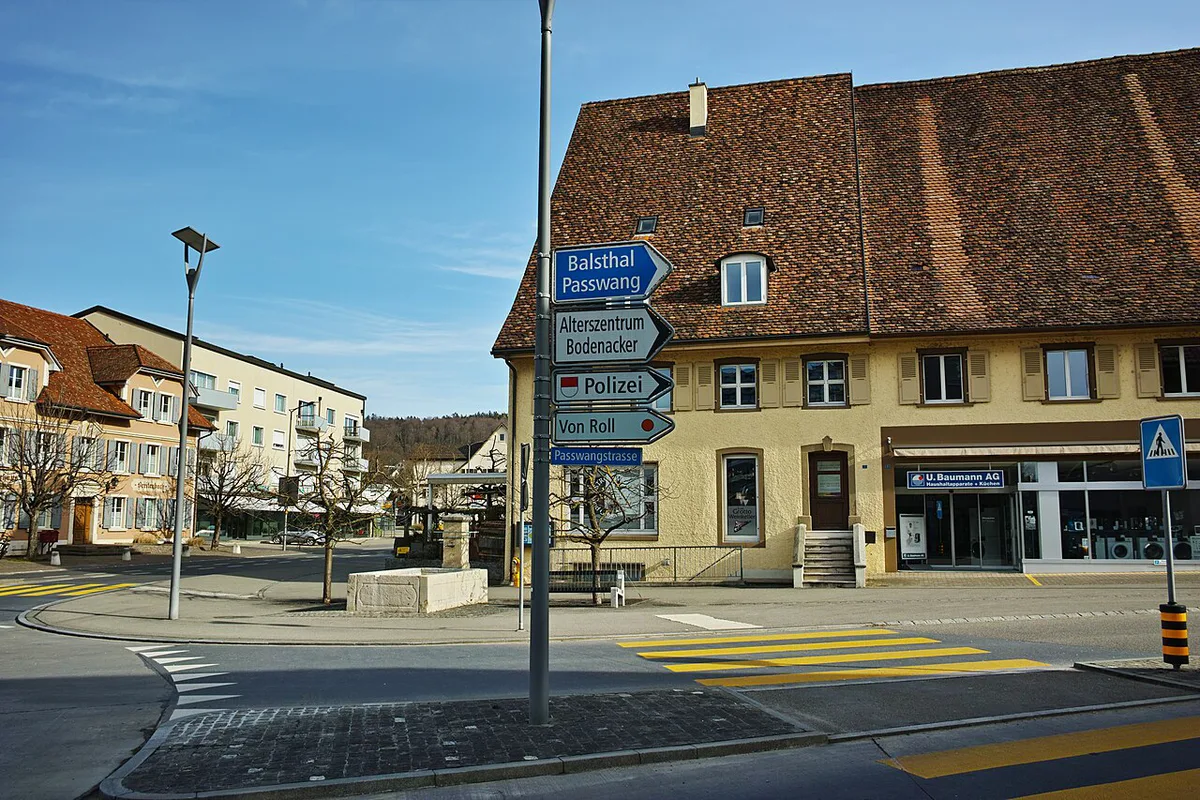
1. Decide whether you need a car at all
A car pays off for remote villages, flexible alpine itineraries, families with luggage and multi-stop road trips. Skip it for single-base stays in Zurich, Lucerne or Bern, where parking is costly and trains are fast. Zermatt, Wengen and Mürren restrict cars, so you leave the car outside and continue by rail.
Switzerland's rail network, run by SBB, covers most city-to-city legs well. If you lean towards driving, read how Swiss car rental works before you book. Travelers who sleep in one resort for a week should skip the car entirely.
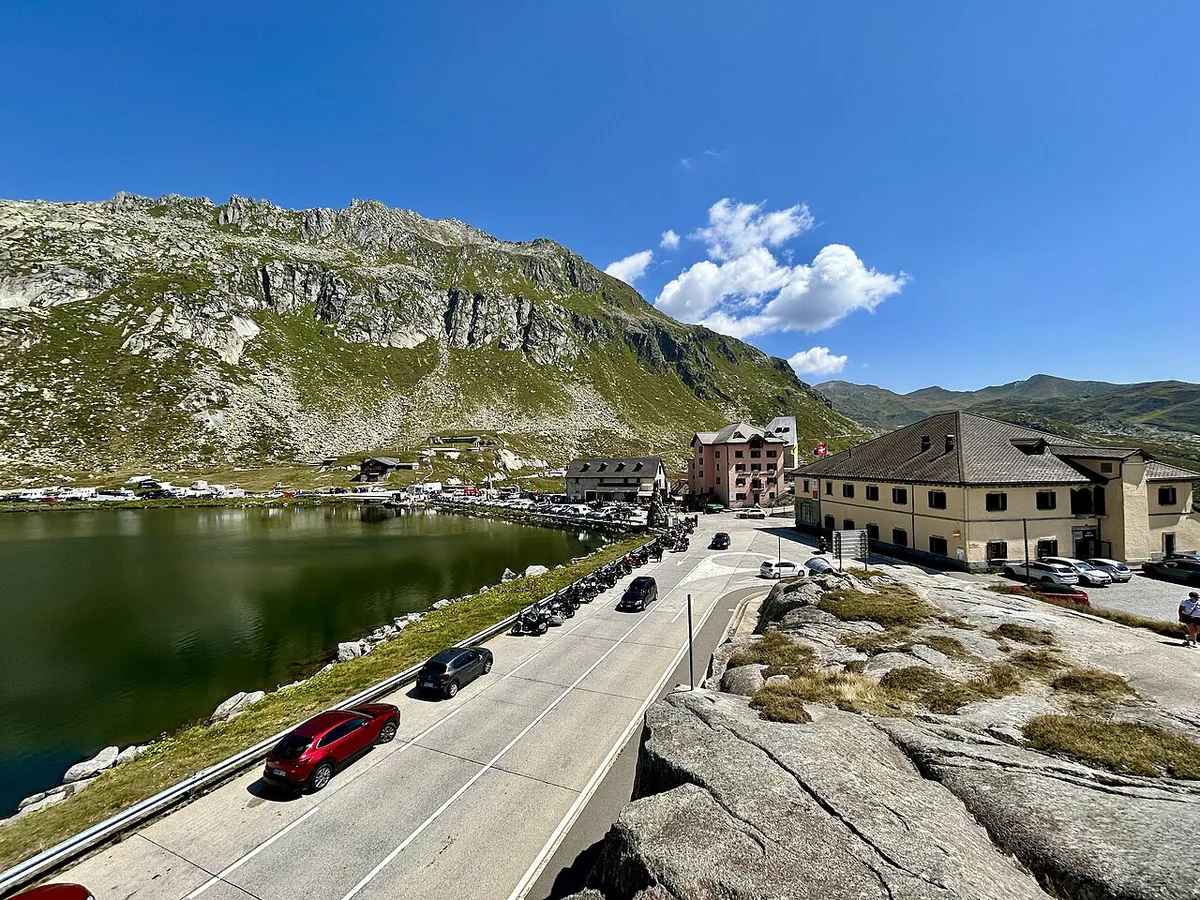
2. Sort out your licence and vignette
Motorways require a vignette, the sticker or e-vignette that covers the road network for the year. You need it even for a short motorway stretch, and driving without one risks a fine. Buy the e-vignette on the official Swiss e-vignette shop and avoid lookalike resellers.
Our motorway vignette rules explain where and when to buy. Visitors from the US should read the US licence rules. Residents can use a foreign licence for up to 12 months after moving, then must exchange it.
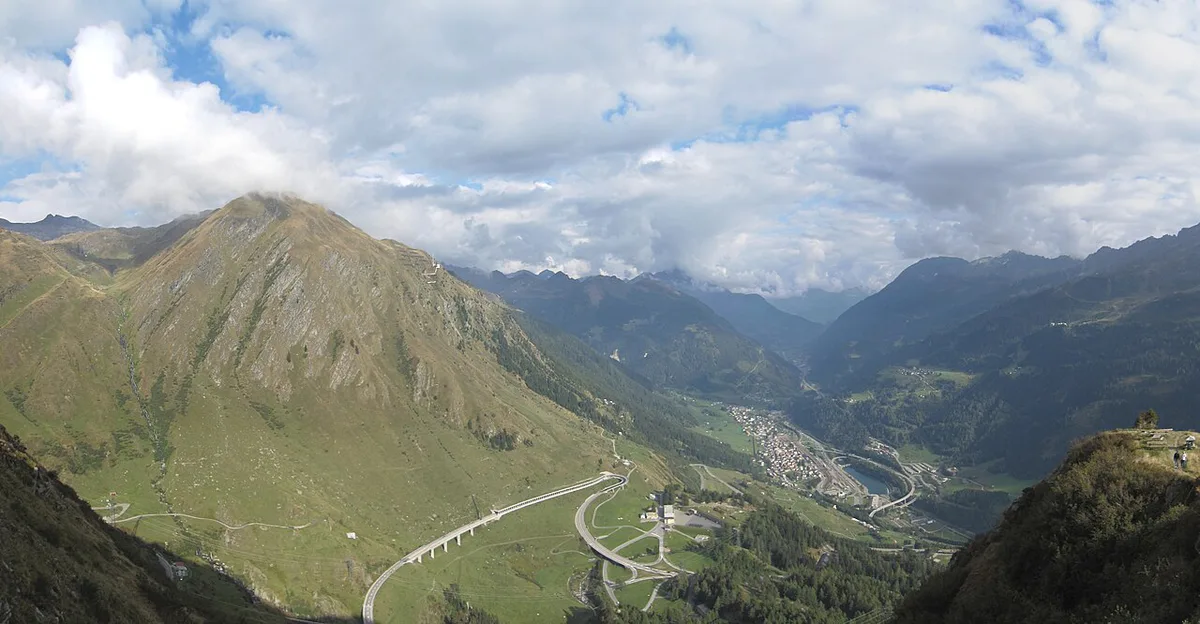
3. Check rental terms before you pay
Rental conditions decide your real cost more than the daily rate does. Look at the minimum driver age and licence conditions, which vary by company. Ask about winter equipment, cross-border permission and one-way drop-off fees.
Ask whether the car already carries a valid vignette. Travelers who only need a car for one day trip can rent locally instead of at the airport. Those who plan to stay in one city should skip this step.
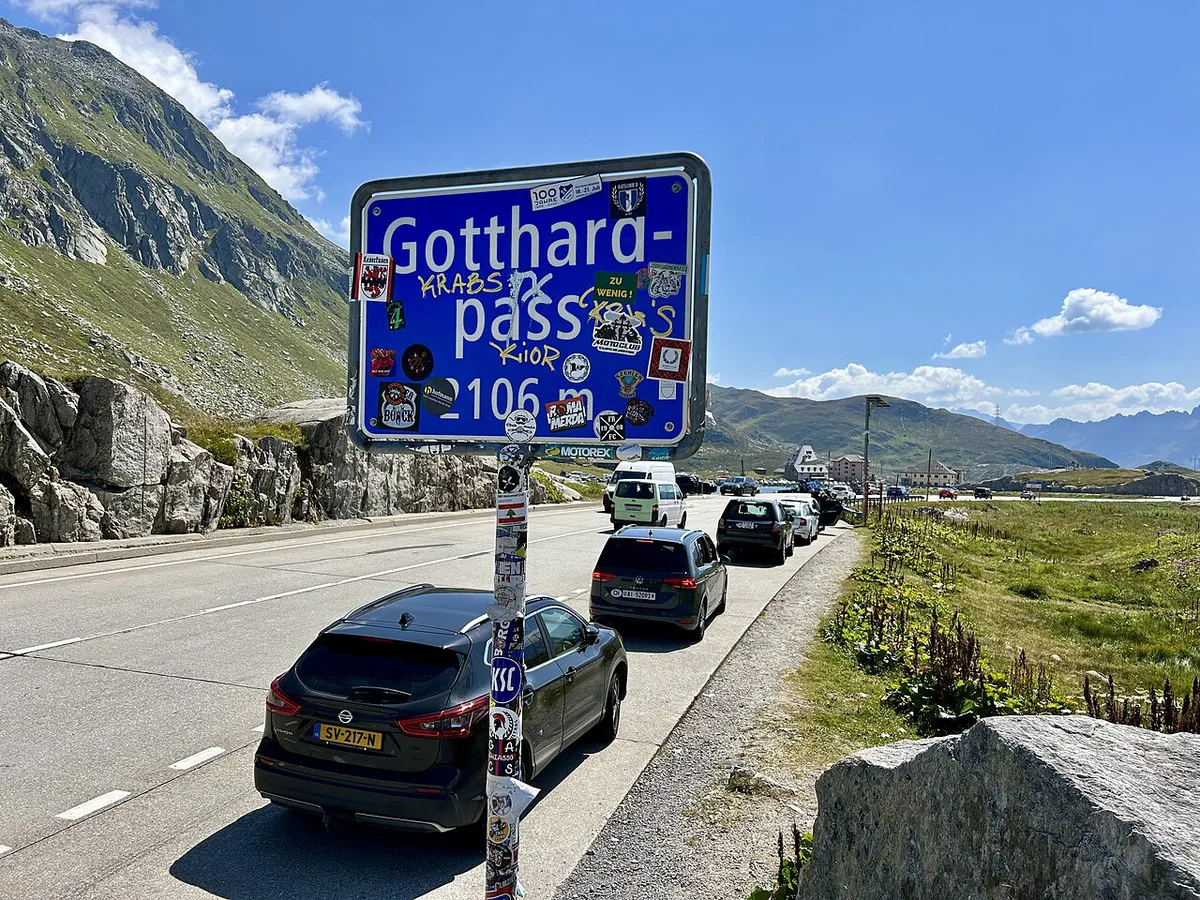
4. Learn the rules that catch visitors out
Drive on the right, overtake on the left and give way to traffic from the right on secondary roads unless a sign says otherwise. Always yield to police, ambulance and fire vehicles. The blood alcohol limit is 0.05%, and phone use at the wheel is penalised strictly.
Speed limits differ by road type, and cameras are common. See Swiss speed limits by road type for the full breakdown. Carry a warning triangle, and ask your rental desk where the car keeps it.
5. Budget for tolls, tunnels and passes
The vignette is the main road charge, but it is not the only cost. Some tunnels and car shuttles charge extra, so check them per route. The BLS car shuttle loads cars onto trains through the Alps.
Our toll and tunnel costs guide lists the charges. For the best-known road tunnel, read our Gotthard tunnel crossing notes. Drivers who want to avoid every extra charge should plan routes around open passes.
6. Plan parking before you arrive
Parking is the hidden cost in Swiss cities and resorts. Zone colours and time limits differ by town, so read the signs before you leave the car. Many resorts steer visitors to Park & Ride lots at the edge of town.
Car-restricted villages mean you park first and walk or ride in. Details are in our guide to Swiss parking zones and apps. Anyone staying in a city centre hotel should ask about garage space when booking.
7. Pick a route that fits your time
A road trip works best when you choose a loop and keep stops to a few bases. The Grand Tour route links major highlights in one long circuit. The official Grand Tour of Switzerland site shows its stages.
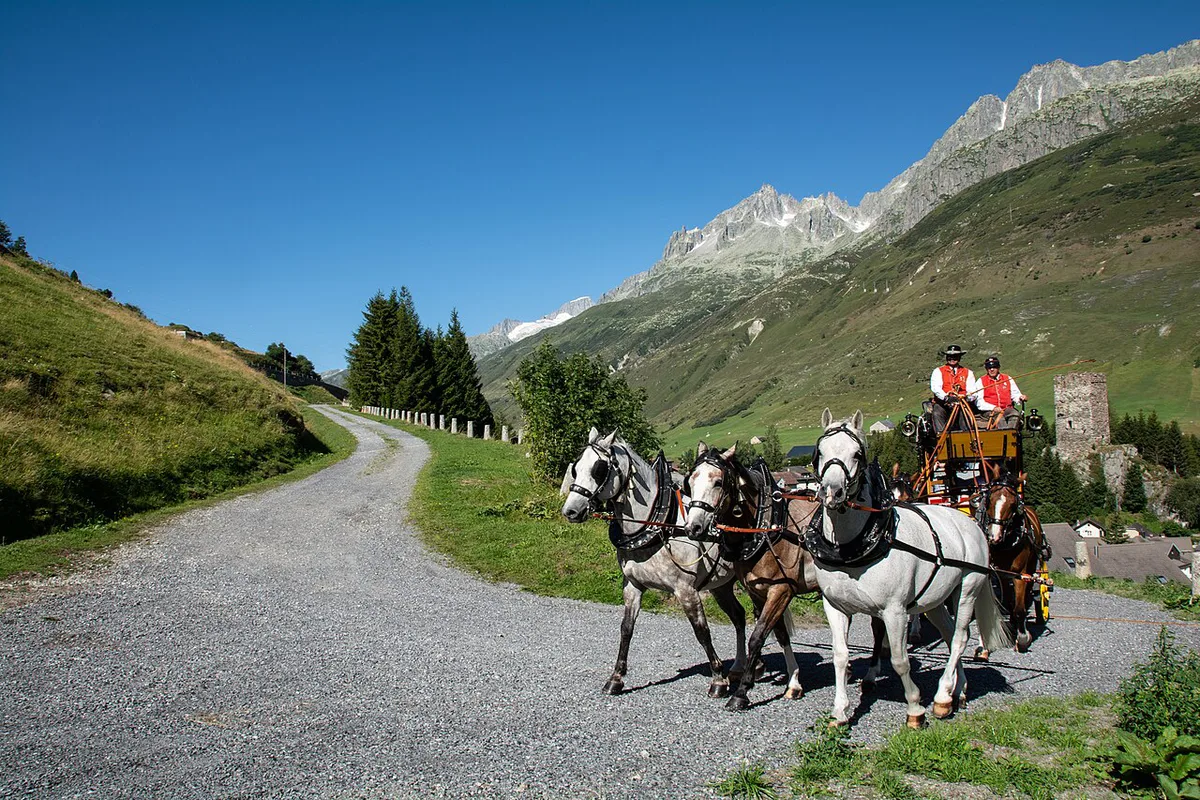
For shorter options, browse scenic mountain drives. Mountain roads add time because of curves and slower traffic. Nervous drivers should choose valley routes over high passes.
Driving in Winter vs Summer in Switzerland
Many alpine passes close in winter, so a summer route may not exist in January. Tunnels stay the all-season option on main corridors, such as the one in our Gotthard tunnel crossing notes. Winter tyres and chains matter on mountain roads, and cold weather cuts EV range. Check pass status with Touring Club Switzerland before you set out. Summer opens more passes but brings heavier traffic.
Cost Snapshot: Car vs Train
Relative levels below compare typical costs. Check current figures with each operator, since prices change by season.
| Cost | Car | Train |
|---|---|---|
| Road charge | Vignette needed for motorways | None |
| Fuel or charging | Medium to high | Included in fare |
| Parking | Low in villages, high in cities | None |
| Flexibility | High, especially in the Alps | Medium, fixed timetables |
| Best for | Families and remote villages | City-to-city trips |
Common Driving Mistakes in Switzerland
Buying no vignette is the most common error, and it can lead to a fine. Ignoring parking zone colours is another. Tailgating on mountain roads and missing speed cameras also catch visitors. Check the Swiss Council for Accident Prevention for safety advice, and read our motorway vignette rules before your first motorway.
Frequently Asked Questions
How do I pay tolls on a rental car in Switzerland?
Swiss motorways use a vignette rather than toll booths. Ask the rental desk whether your car carries a valid one. Some tunnels and shuttles charge separately, as covered in our toll and tunnel costs guide.
Is it a good idea to rent a car in Switzerland?
It is a good idea for remote villages, alpine road trips and travel with luggage or children. It is a poor idea for stays based in Zurich, Lucerne or Bern. Trains cover those routes well.
Explore More Guides
Keep planning your trip with these guides.
Guides
- Switzerland Vignette: Price, Where to Buy and Rules
- Renting a Car in Switzerland: Requirements, Costs, Traps
- Speed Limits in Switzerland: Road-Type Limits and Fines
- Toll Roads in Switzerland: Vignette Rules, Exceptions & Costs
- Parking in Switzerland: Blue Zones, Discs, Fines & Rules
- Driving in Switzerland With a US License
- Swiss Grand Tour: Route, Stages, Days Needed & Driving Tips
- Gotthard Tunnel: Road vs Rail vs Pass (Driving Guide)
- Scenic Drives in Switzerland: Best Passes and Routes
Road-rule changes worth knowing
Optional updates to our guides.
You might also like
Continue reading
More guides you'll find useful