
7 Rules for Driving in Sweden: Winter Tyres, Wildlife and City Charges
Driving in Sweden: 7 road rules for US and UK visitors, plus winter tyre dates, moose risk, city charges and when a train beats a car.
On this page
Last updated November 2026: driving in Sweden is straightforward for most US and UK visitors, with traffic on the right and headlights on by day. Winter tyres, wildlife and city charges decide whether a car helps or hurts your trip. Read the seven rules first, then pick the spoke guide that matches your route.
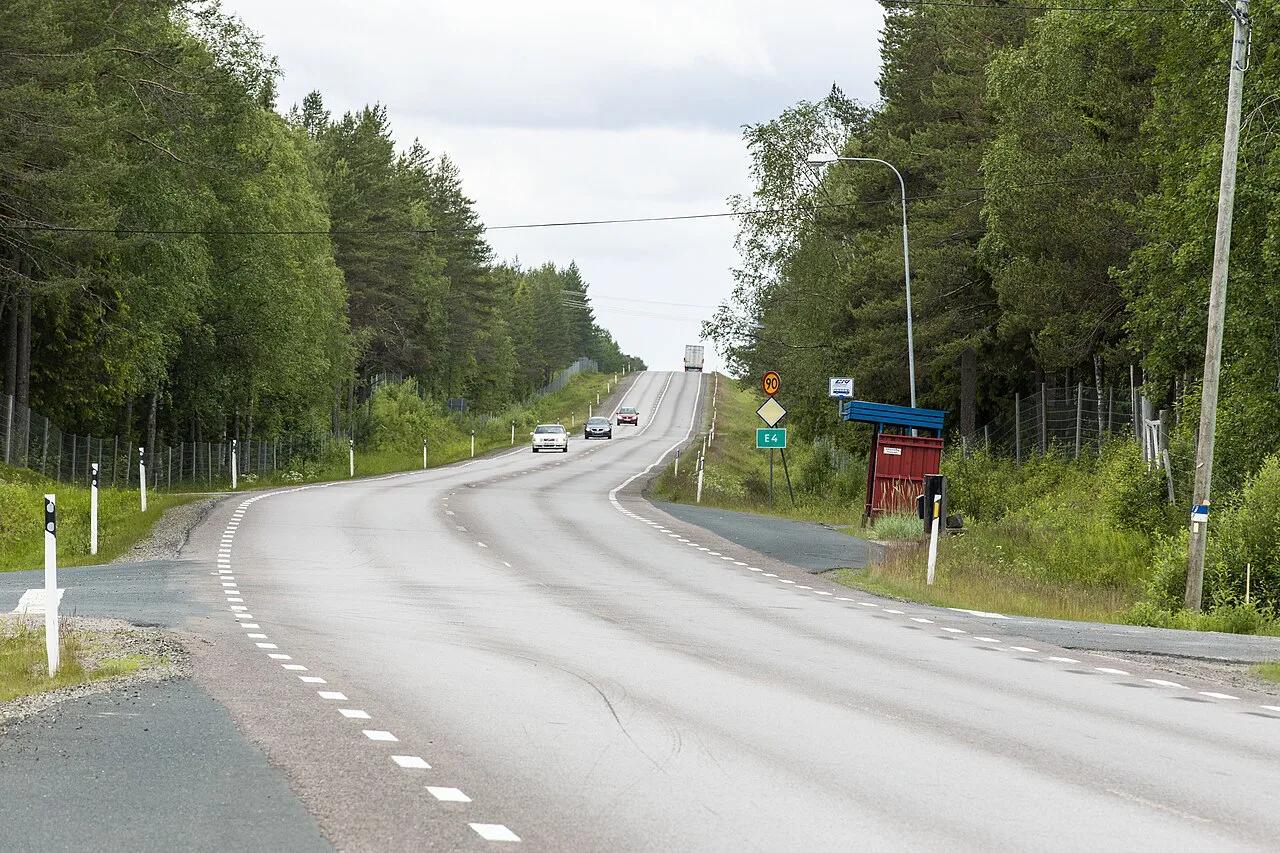
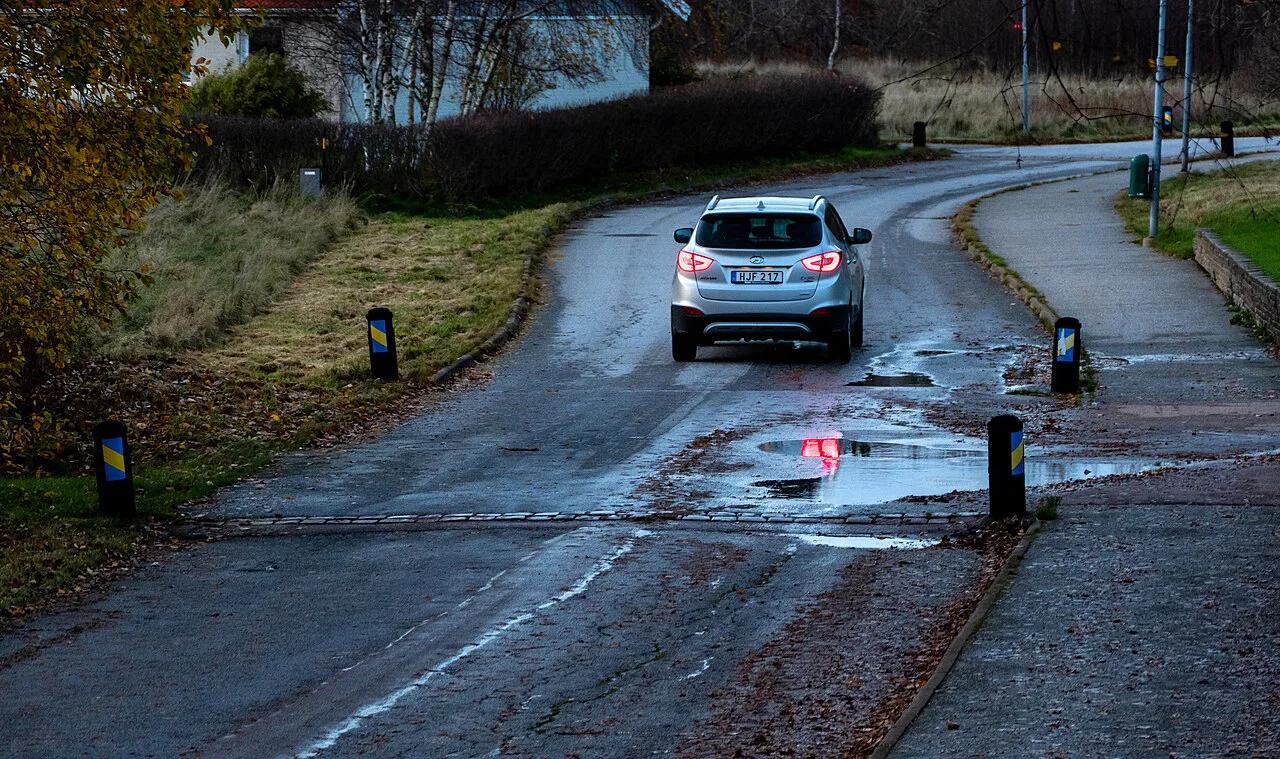
Featured image: Adrian R. Johansson, CC BY-SA 4.0, via Wikimedia Commons.
7 Rules for Driving in Sweden Every Visitor Should Know
These seven rules cover most of what catches visitors out. Rules checked November 2026. Limits by road type sit in a separate guide, so use this list for habits and legal basics.
1. Carry the right licence and documents
Sweden's road authority, Transportstyrelsen, publishes the current licence and vehicle rules for visitors. Transportstyrelsen's road pages are the place to check whether your licence type needs a translation or an international driving permit. Your rental company will also list the documents it wants at the desk, usually a licence, a passport and a payment card in the driver's name.
Keep all of them in the car, not in the hotel safe. Skip the shortcut of assuming a licence from another country works the same way. Check before you fly, because a missing document can end a pickup.
2. Drive with headlights on at all times
Swedish rules call for headlights during the day as well as at night. Modern rental cars usually switch on daytime running lights automatically. Look at the dashboard when you set off, because a car with only sidelights on is easy to miss at dusk.
This matters most on long forest roads where low sun and shadow alternate every few seconds. Drivers who rely on old habits from sunny US states should build the check into the pickup routine.
3. Give way to the right at unsigned junctions
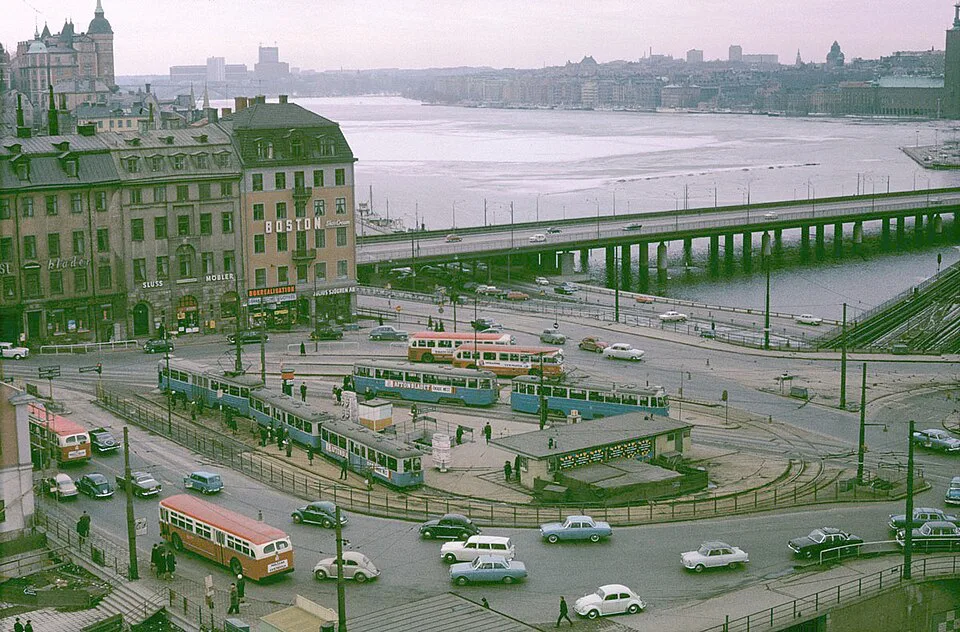
Traffic keeps to the right in Sweden, a change made in 1967. At junctions with no signs or signals, you yield to vehicles approaching from your right. The rule bites on quiet residential streets and in small towns, where nothing warns you that a junction is unsigned.
Slow down at every side street until you have seen the whole junction. UK drivers face the extra job of unlearning left-side reflexes at roundabouts and when pulling out of car parks.
4. Belt up and use the correct child seat
Seat belts are required for every passenger, front and back. Children under 135 cm (about 4 ft 5 in) need an appropriate child restraint. Many children pass that height at nine or ten years old, which surprises parents used to age-based rules.
Book seats with your rental firm in advance, and test the fit before leaving the lot. Anyone travelling with a child who sits right on the height line should ask for a booster as a precaution.
5. Treat alcohol as a zero-tolerance rule
Sweden's blood alcohol limit is 0.02%, far below the 0.08% familiar in most US states. One glass of wine with dinner can put a small person near that line. Police can test drivers at the roadside, and penalties include fines, licence suspension and even prison.
Plan taxis or trains for evenings at restaurants in Stockholm or Gothenburg. Anyone who wants a relaxed wine-tasting trip should skip driving that day altogether.
6. Respect speed cameras and posted limits
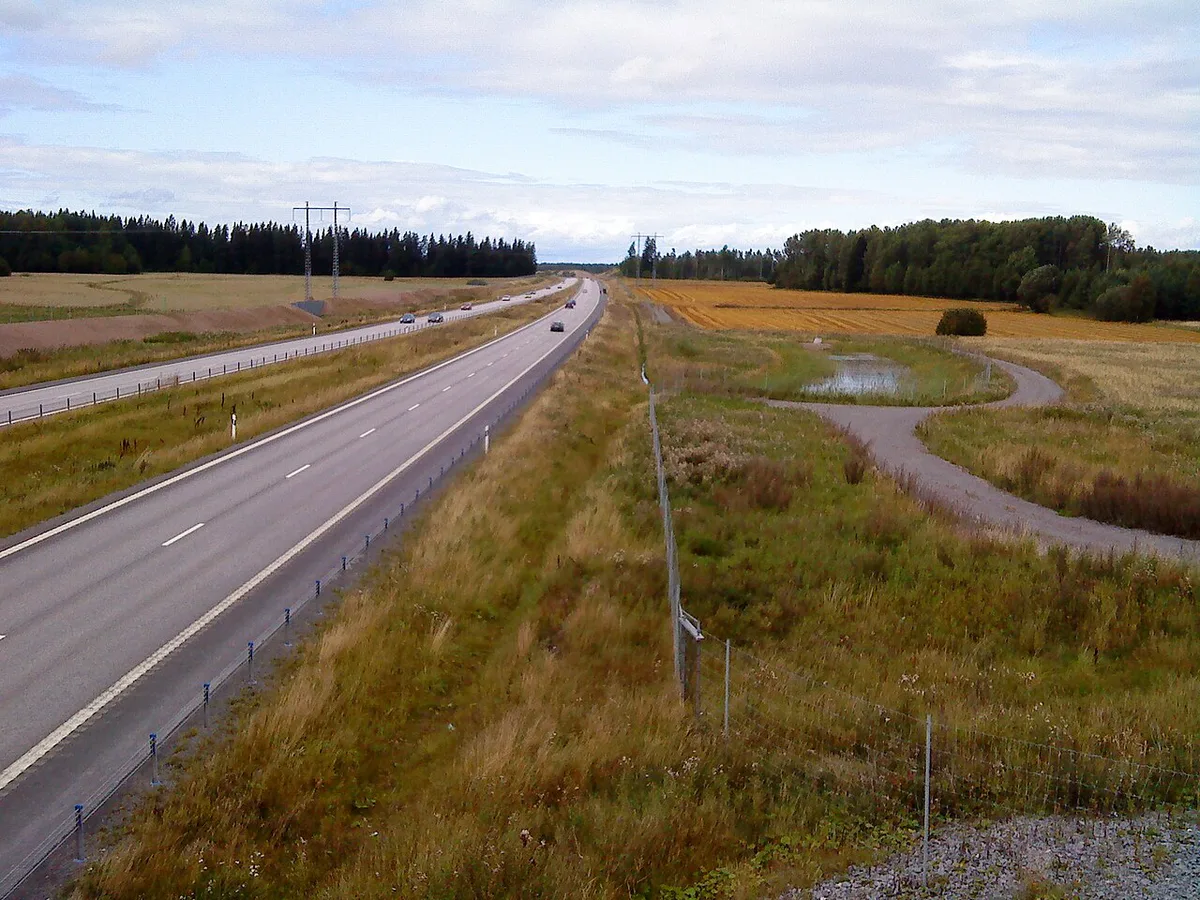
Sweden has a wide network of fixed speed cameras, and police run speed checks as well. Limits change often along a single road, so read each sign rather than guessing from the last one. Our guide to Swedish speed limits breaks them down by road type.
Cruise control helps on straight highways, but disable it on wet or icy surfaces. Visitors who treat limits as suggestions will find rental firms pass fines on with a handling fee.
7. Stop for pedestrians and overtake on the left only
At marked pedestrian crossings, you yield to anyone waiting to cross, not just those already on the road. Pass other vehicles on the left, because overtaking on the right is illegal and can bring a fine. Both rules reward patience, especially in town centres with narrow streets and cyclists.
Look for a gap to overtake only on straight sections with clear sight lines. Drivers who are nervous about passing slow tractors on two-lane roads should stay behind and wait for a lay-by.
Winter Driving and Seasonal Timing
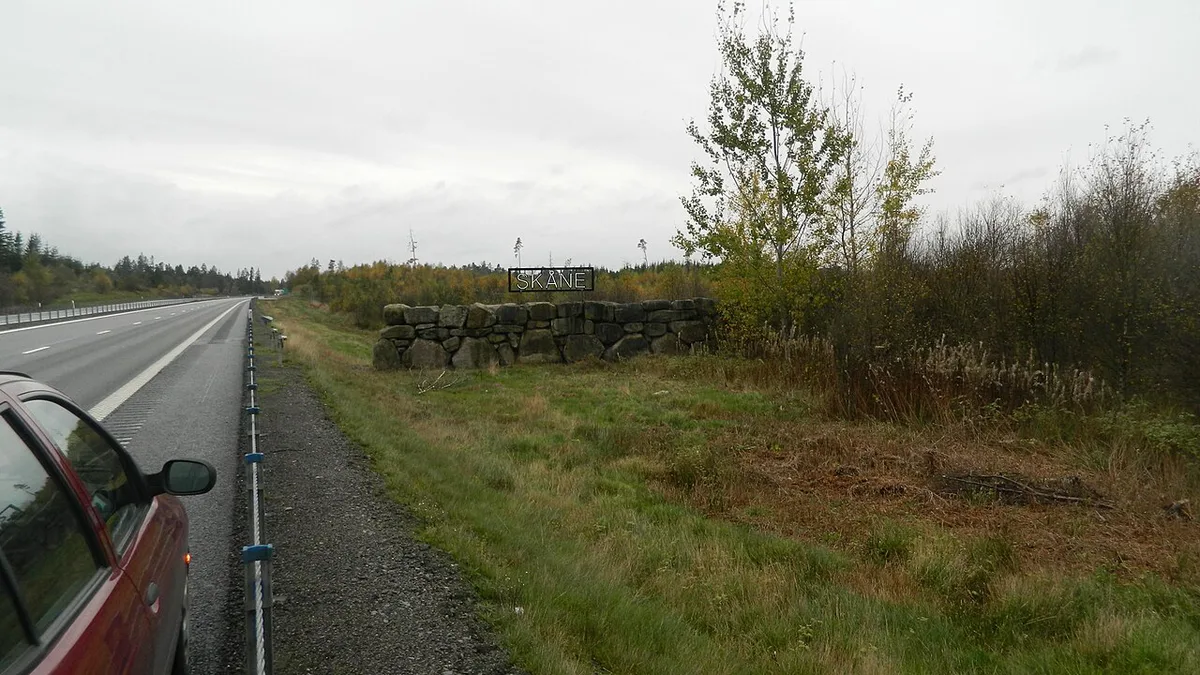
Winter tyres are required from December 1 to March 31, and at any other time when winter road conditions apply. Rental firms normally fit them for you in that window, but ask when you book. Snow, ice and short daylight hours slow every journey, so allow far more time than a summer map suggests. Pack a snow brush and an ice scraper, because clearing the roof is your job. Lapland and the north can see winter conditions outside those dates too.
Headlights stay on all day, even in the short-daylight months from December 1 to March 31.
| Season | Daylight | Road conditions | Who should think twice |
|---|---|---|---|
| Summer | Very long days, so late arrivals are easy | Mostly dry, with roadworks and holiday traffic | Few drivers; just watch for wildlife at dawn and dusk |
| Shoulder (spring and autumn) | Variable, shortening fast in autumn | Mixed, with frost and wet leaves | Anyone not ready for sudden slippery patches |
| Winter | Short days, with long dark evenings | Snow, ice and winter tyres in force | First-time winter drivers heading north or into the forest |
Wildlife on the Road: Moose, Deer and Reindeer
Moose and deer live across Sweden's forests, and reindeer roam in the north. Risk peaks around dawn and dusk, especially on roads that cut through woodland. Slow down at yellow wildlife warning signs and scan the verges, because an animal that big can wreck a car. If a collision happens, stop safely, set out a warning triangle and call the emergency number 112. Follow the authorities' instructions and do not chase an injured animal. Current national guidance sits with Trafikverket and the police, so check their pages for the latest procedure.
City Driving in Stockholm and Gothenburg: When to Skip the Car
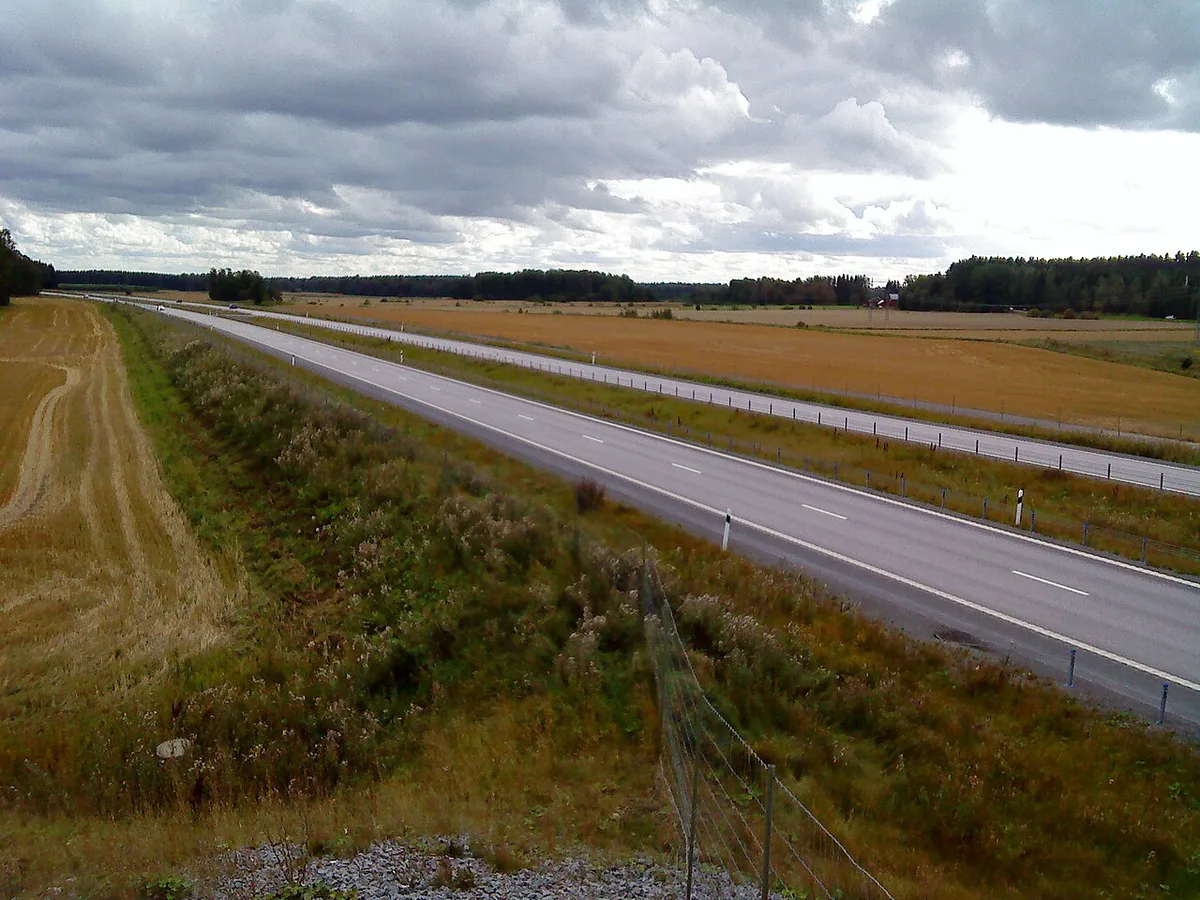
Stockholm and Gothenburg both charge congestion fees for vehicles entering central zones, and foreign-registered cars are not exempt. Ask your rental company how the bill reaches you and whether it adds a handling fee. Parking in both cities is tight, and public transport covers the centres well. Sweden's longer distances flip that calculation, so match the transport to the trip type.
| Trip type | Better choice | Why |
|---|---|---|
| City break in Stockholm or Gothenburg | Train and public transport | Charges, parking and short distances make a car a burden |
| Southern road trip | Car | Small towns and lakes sit off the rail lines |
| Lapland and the north | Car, or train plus local transfers | Distances are long and winter conditions apply |
| Archipelago day trips | Public transport and ferries | Many islands are reached by boat, not by road |
Renting a Car in Sweden
Rental terms vary by company, so compare minimum age, insurance excess, cross-border permission and one-way fees before you book. Do not rely on old claims about a minimum rental age, because policies change. Electric cars are common, and charging points exist in cities, towns and rural areas, but plan long northern legs carefully. Our Sweden car rental guide walks through the booking steps. Anyone staying only in Stockholm should read the decision table above and consider skipping the car.
Planning a Sweden Road Trip and Crossing Borders
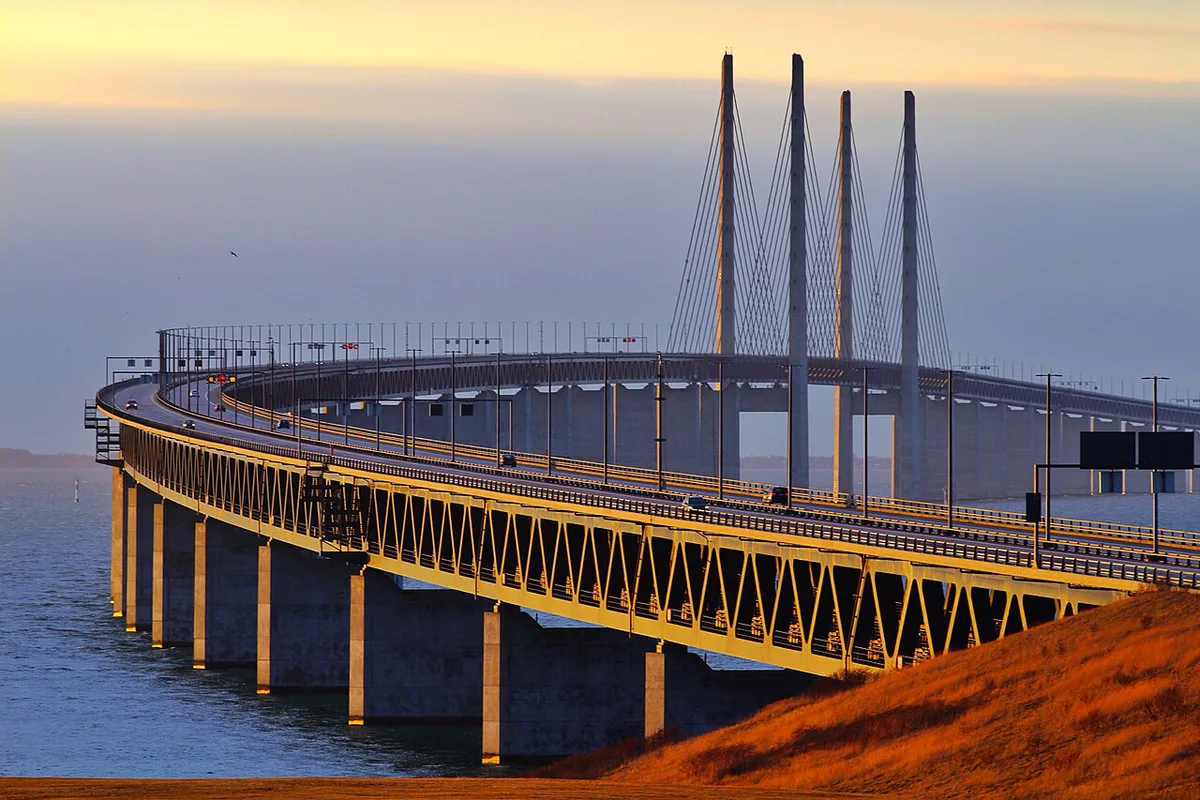
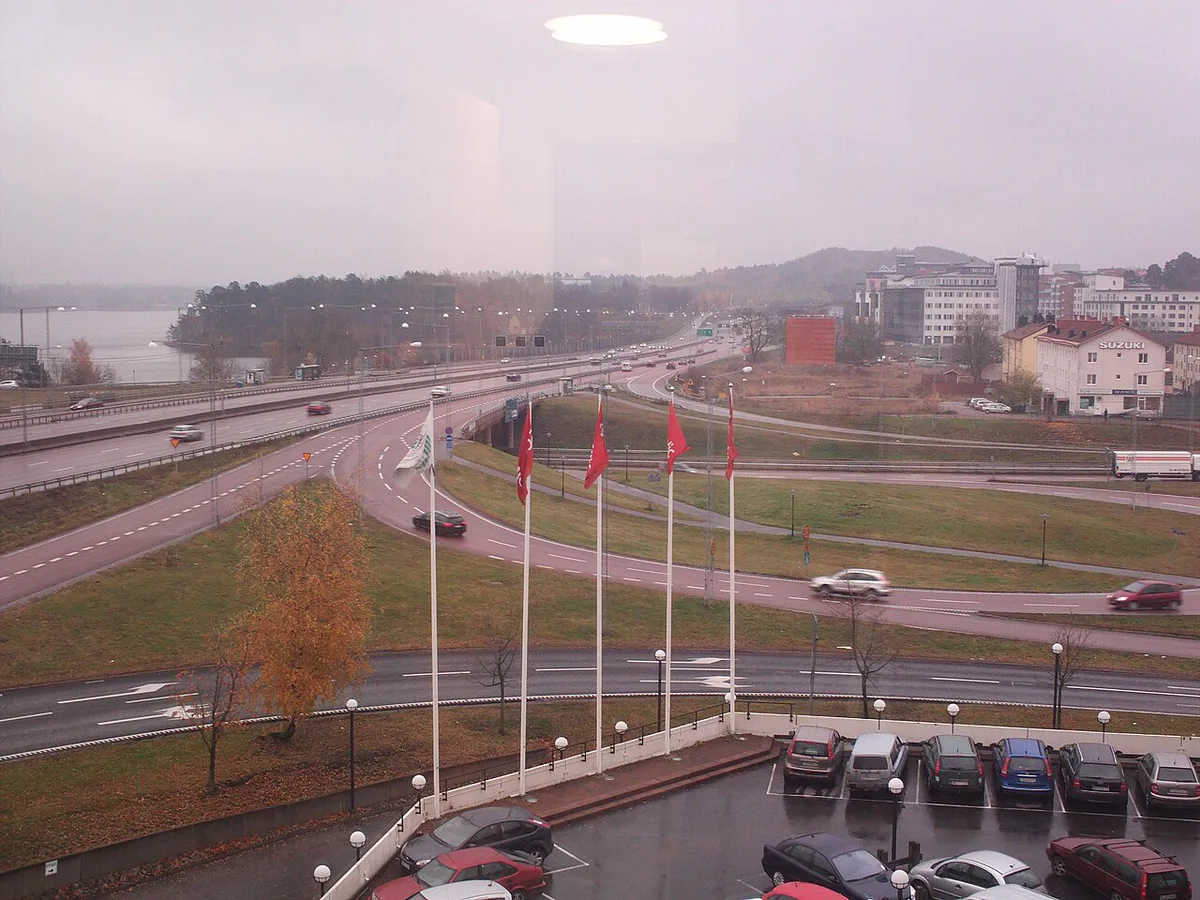
Distances in Sweden are long, so build in extra time for ferries, roadworks and winter weather. Our Sweden road trip itinerary turns these rules into a route. Heading to Denmark, you cross the Øresund link, and Øresundsbron's site explains tolls and payment. Read our guide to driving in Denmark next, and our Denmark car rental guide if you plan to switch cars. For Finland, start with Driving in Finland: Rules, Winter Tips & Rental Advice and Renting a Car in Finland: Rules, Costs & Winter Tips. Fintraffic's live road conditions page helps with winter planning there. Our Finland road trip guide covers routes. Always ask your rental firm whether it permits the border crossing.
Common Mistakes to Avoid When Driving in Sweden
Most problems come from a short list of avoidable errors.
- Ignoring congestion charges in Stockholm or Gothenburg until the rental firm bills you.
- Driving in winter without checking the tyres.
- Having a drink before driving, given the 0.02% limit.
- Driving through forest at dusk without scanning for moose.
- Trusting the fuel gauge in remote northern areas, where stations are far apart.
- Assuming the right-hand rule does not apply on quiet streets.
Frequently Asked Questions
Can US citizens drive in Sweden?
Yes, US visitors can drive in Sweden as long as they carry the right documents. Transportstyrelsen publishes the current licence rules, and your rental company will tell you what it needs at pickup.
Explore More Guides
Keep planning your trip with these guides.
Guides
- Renting a Car in Sweden: Requirements, Costs & Tips
- Speed Limits in Sweden: Limits by Road Type, Fines and Cameras
- Sweden Road Trip: Routes, Itineraries, Costs & Driving Tips
- Driving in Denmark: Rules, Bridge Tolls and Tips for Visitors
- Renting a Car in Denmark: Requirements, Pickup & Costs
- Driving in Finland: Rules, Winter Tips & Rental Advice
- Renting a Car in Finland: Rules, Costs & Winter Tips
- Finland Road Trip: Routes, Seasons and Driving Tips
Road-rule changes worth knowing
Optional updates to our guides.
You might also like


Continue reading
More guides you'll find useful