
Sweden Road Trip: Routes, Itineraries, Costs & Driving Tips
Plan a Sweden road trip: pick a route by season and days, see cost and driving trade-offs, and find the rules that matter before you rent a car.
On this page
Last updated November 2026: a Sweden road trip works best when you pick one region instead of the whole country. South-coast cities suit a week, Jämtland's mountain roads suit summer, and Swedish Lapland rewards long days at the wheel. Distance is the trade-off, because the last leg of a full south-to-north drive alone takes about 7.5 hours.
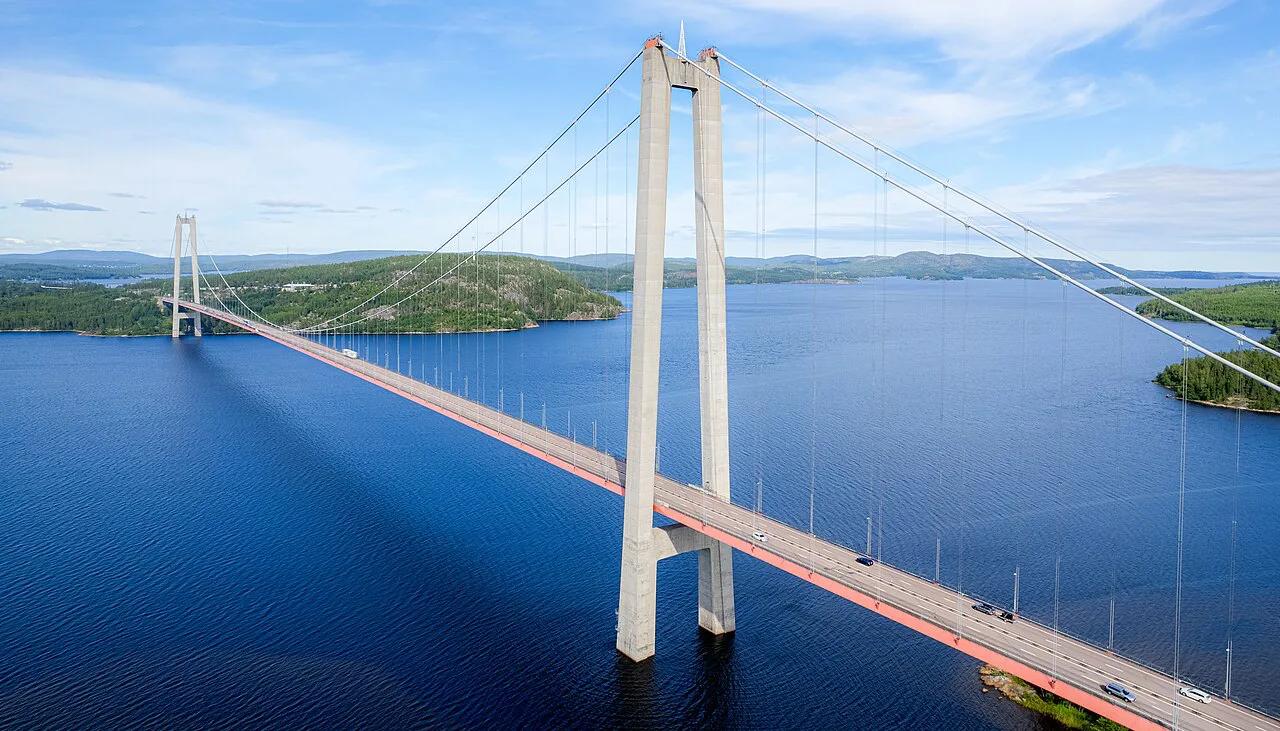
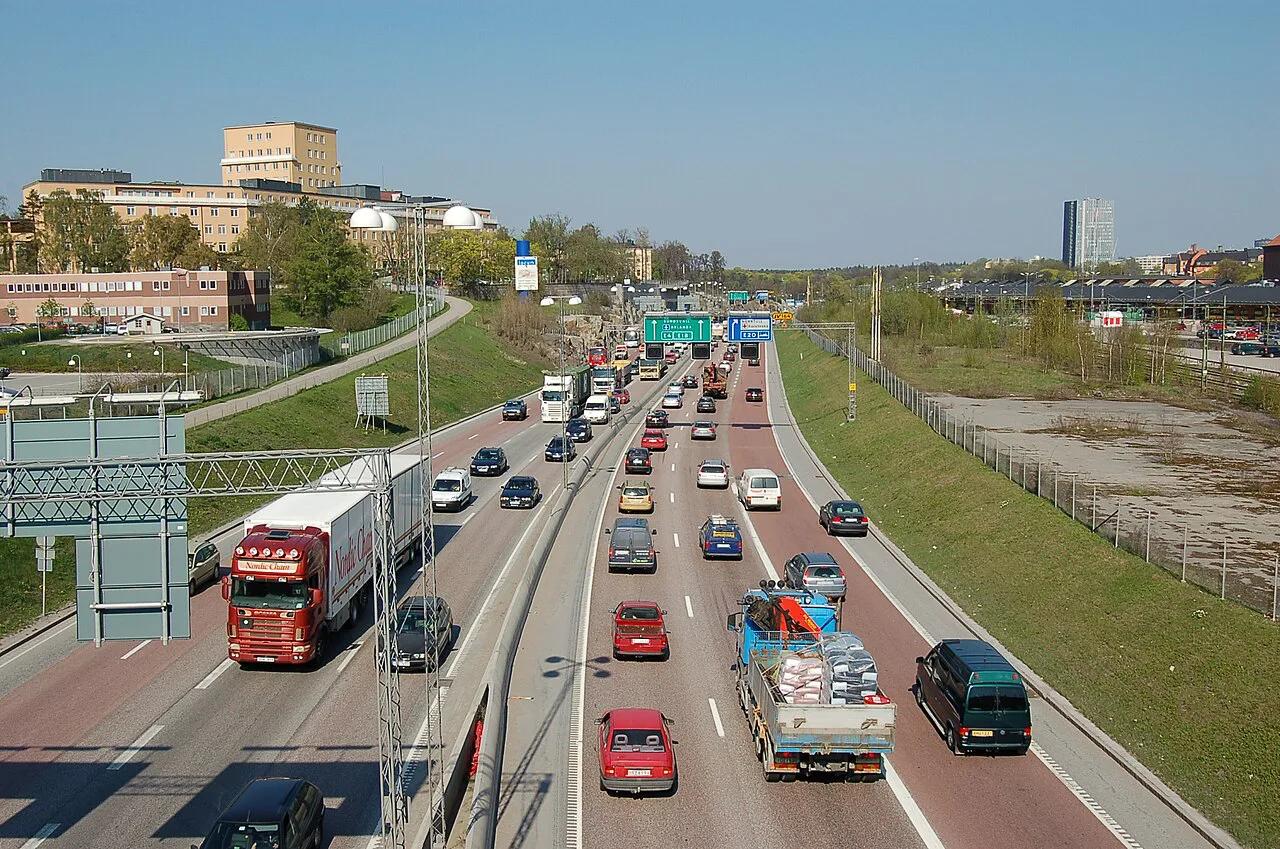
Featured image: This image was produced by me, David Castor (user:dcastor), CC BY-SA 4.0, via Wikimedia Commons.
Quick answer: which Sweden road trip fits you
Choose by season and days first, then by how much driving you will tolerate. Four routes cover most renters. Each one below has its own section with a "skip this if" line.
| Route | Best months | Suggested days | Driving intensity | Best fit |
|---|---|---|---|---|
| South coast and cities (Malmö to Stockholm) | May to September | 8 to 10 | Moderate, 1 to 4 hours per leg | First-timers who like cities, beaches and castles |
| Mountain roads in Jämtland and Dalarna | June to September | 4 to 6 | Moderate, with unpaved sections | Drivers who want empty roads and hiking |
| Swedish Lapland | June to August, or winter for northern lights | 6 to 8 | High, long gaps between towns | Travelers who value solitude over sights per day |
| Full south to north | June to August | 14 | Very high, up to 7.5 hours on the last leg | Two-week trips with flexible drivers |
When to go
Summer gives long daylight, and in Swedish Lapland the sun stays up around the clock for a couple of months. That helps on long legs, but the south coast fills with domestic holidaymakers in July. Winter suits the northern lights season, and February is the month one major itinerary recommends for it. Winter also means snow-covered roads and studded tyres, so expect slower legs. Mountain roads such as Vildmarksvägen are seasonal, with an opening window reported as roughly June 6 to October 15. Check Trafikverket for the current status before you plan around those dates.
Vildmarksvägen's reported window runs June 6 to October 15, so a late-October trip needs the coastal fallback day.
- Summer crowds: south coast and Stockholm, especially July.
- Northern solitude: Lapland and the Jämtland mountains, with fewer services.
- Fixed versus flexible: mountain roads close, so keep a coastal fallback day.
Route 1: South coast and cities, Malmö to Stockholm
This is the easiest Sweden road trip for first-time renters. Roads are well maintained, and legs run from 1 to 4 hours. Allow 8 to 10 days if you want one or two nights per stop. Skip it if you want empty roads, because cities and coastal towns are busy in July. Malmö is the starting point, with Turning Torso in Västra hamnen and three art museums. Österlen and Kivik are next, via Ystad and the Eastern Coastal Road past Ales Stenar. Varberg follows, with its medieval fortress and a 19th-century wooden cold bath house. In Gothenburg, allow two nights for Haga and Liseberg. Bohuslän, around Lysekil, rewards a night on the coast north of the city. Läckö Castle and the Kinnekulle nature reserve come next. After that, Vadstena sits above Lake Vättern, and the Gränna ferry runs to the island of Visingsö. Stockholm closes the loop with two nights.
- Malmö: 1 night.
- Kivik: 1 night, about 2 hours from Malmö.
- Varberg: 1 night, about 3 hours from Kivik.
- Gothenburg: 2 nights, about 1 hour from Varberg.
- Lysekil and Bohuslän: 1 night, about 2 hours from Gothenburg.
- Kinnekulle and Skövde: 1 night, about 3.5 hours from Lysekil via Läckö.
- Vadstena: 1 night, about 2.5 hours from Skövde.
- Stockholm: 2 nights, about 3 hours from Vadstena.
Route 2: Mountain roads in Jämtland and Dalarna
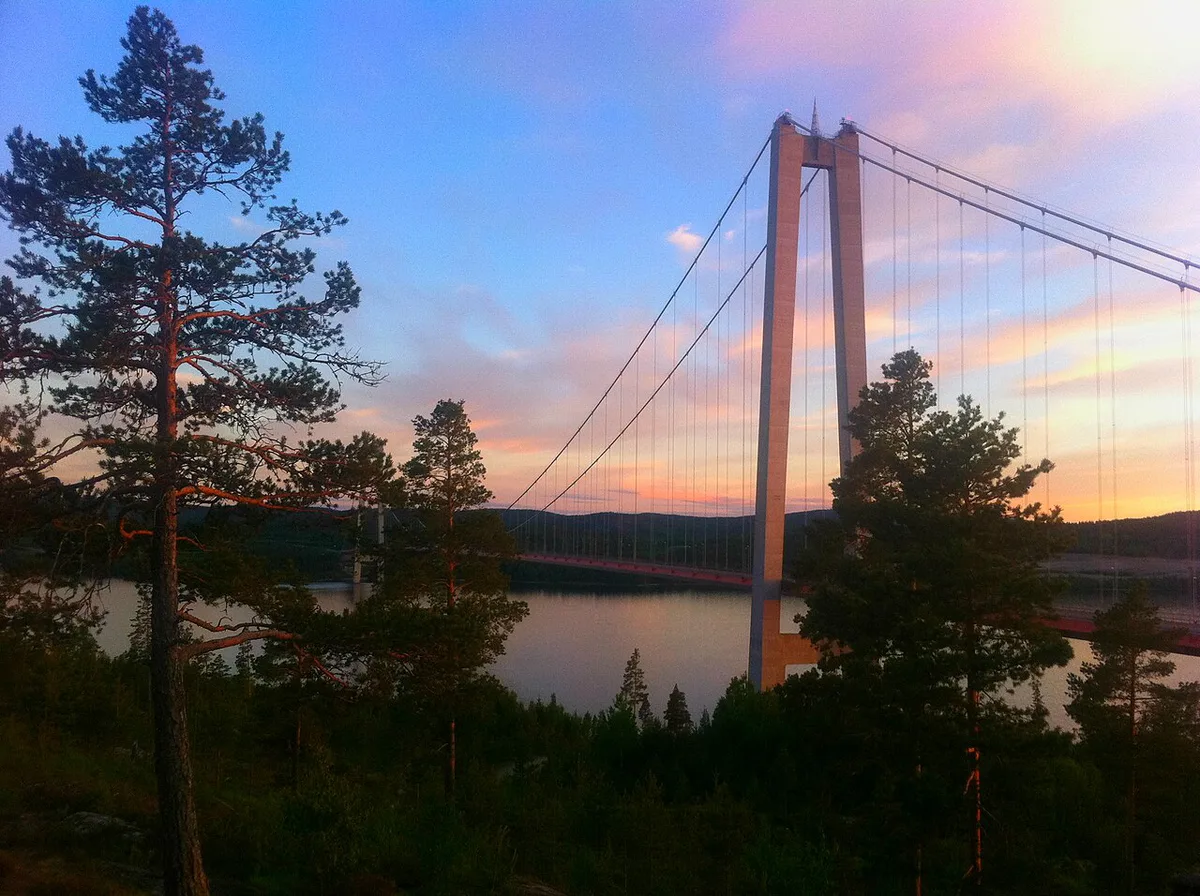
Four to six days is enough for this route. Vildmarksvägen, the Wilderness Road, runs about 500 km from Strömsund over Stekenjokk into Swedish Lapland. Flatruet, at 947 m, is the highest road in Sweden and mostly unpaved. Ordinary cars generally manage it, but drive slowly and expect gravel. The E14 from Östersund toward the Norwegian border has numerous scenic side roads, including one to Storulvån. Near Idre, the road to Nipfjället reaches the treeline at the so-called Magic Road, where reindeer sometimes cross. Fuel and services are thin on these roads, so fill up in Östersund, Funäsdalen or Idre before you head up. Skip this route if you travel outside summer, because the high roads close in winter.
- Vildmarksvägen: about 500 km, seasonal opening.
- Flatruet: 947 m, mostly unpaved, between Funäsdalen and Ljungdalen.
- E14: Östersund to the Norwegian border, paved and well maintained.
- Idre to Nipfjället: short drive, parking lot at the end, short walk to the summit.
Route 3: Swedish Lapland
Swedish Lapland covers about a quarter of Sweden and is larger than Austria, with roughly 300,000 residents. A kilometre here feels different from the south, so budget six to eight days and fewer stops. Tornedalen follows the Torne River from the Haparanda archipelago up to the source above lake Torneträsk. Silvervägen and Luleå to Ritsem are the other long routes. Near Luleå, Gammelstad is a church village of red log cabins. Treehotel in Harads and Icehotel in Jukkasjärvi, outside Kiruna, need booking well ahead. The paved Ritsemvägen ends at Naturum Laponia in Stora Sjöfallet National Park. Beyond it the road is narrower and rougher, and Áhkka, a sacred Sámi mountain, comes into view near Ritsem. Many place names here are Sámi, and black plastic bags on plow sticks warn of reindeer herders' animals nearby. Skip this route if you dislike long solo stretches.
- Wildlife: moose, reindeer and deer cross quickly. Be alert at dawn and dusk.
- Midnight light: low summer sun can dazzle, so keep sunglasses in reach.
- Winter: studded tyres are standard, braking distances are longer, and fresh snow can cause whiteouts.
Extending a Torne Valley drive into Finland
Tornedalen borders Finland, so the Haparanda end links naturally to a Finnish leg. Read our Finland driving rules before you cross. Rental terms differ between countries, so see the Finland car rental guide for policies. For a full route on the other side, try the Finland road trip itinerary. Live road conditions across the border are on Fintraffic's traffic page.
The 14-day south-to-north option
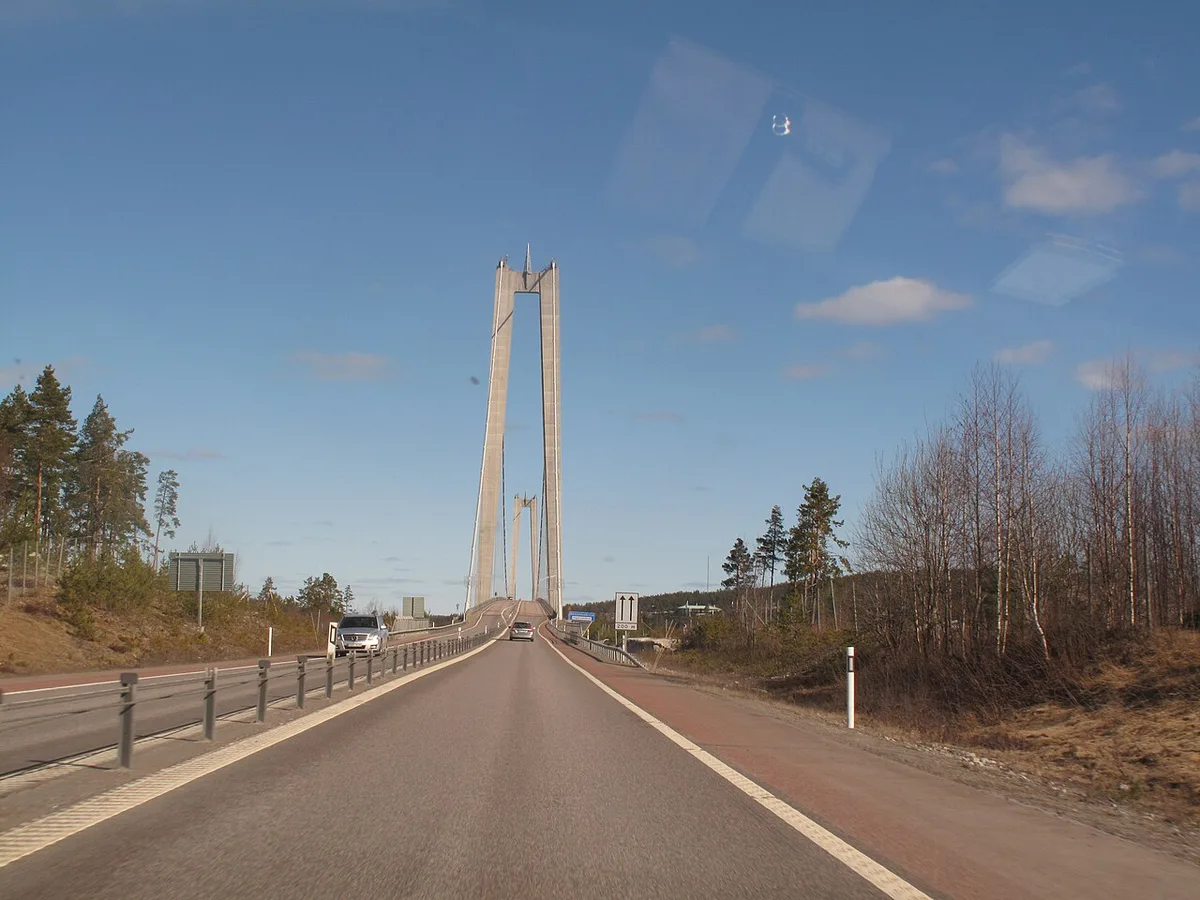
A full south-to-north drive covers roughly 2,720 km over 14 days. Stops run from Malmö to Gällivare, and the table condenses the drive times between them. Drive times are per leg and approximate. Cut days in the middle if needed. Gothenburg and Stockholm each take two nights, and either one can drop to one. The final leg from Höga Kusten to Gällivare takes about 7.5 hours, so treat it as a full travel day. Höga Kusten has a World Heritage coastline between Kramfors and Örnsköldsvik, plus a boat from Docksta to Ulvön. On a tight schedule, skip the Mora and Östersund nights and head straight north from Stockholm.
| Stop | Nights | Drive from previous stop |
|---|---|---|
| Malmö | 1 | Start |
| Kivik | 1 | About 2 hours |
| Varberg | 1 | About 3 hours |
| Gothenburg | 2 | About 1 hour |
| Lysekil and Bohuslän | 1 | About 2 hours |
| Kinnekulle and Skövde | 1 | About 3.5 hours |
| Vadstena | 1 | About 2.5 hours |
| Stockholm | 2 | About 3 hours |
| Mora | 1 | About 4 hours |
| Östersund | 1 | About 4.5 hours |
| Höga Kusten | 1 | About 4 hours |
| Gällivare | Final stop | About 7.5 hours |
Costs: what a Sweden road trip really costs
Prices and hours checked November 2026. A mid-2025 average put car rental at SEK 666 per day, or SEK 9,324 for 14 days. The same estimate used SEK 1,784 for a mid-range hotel double and SEK 950 for a hostel bed, per night. Treat those as a structural guide, not a quote, and check current rates before booking. Fuel is priced per litre at the pump, so multiply your daily kilometres by your car's consumption. Road tolls and congestion charges are billed to the rental company and passed on to you. Stockholm and Gothenburg both charge congestion tax, so look up current rates for your dates.
| Cost item | Formula | Notes |
|---|---|---|
| Car rental | Days × daily rate | Mid-2025 average SEK 666 per day. Add a one-way fee, young-driver surcharge, extra driver and winter tyre fee if they apply. |
| Fuel | Km per day × price per litre × consumption | Check the current per-litre price at publication. |
| Accommodation, low | Nights × hostel or camping rate | SEK 950 per night was a mid-2025 hostel figure. |
| Accommodation, mid | Nights × double-room rate | SEK 1,784 per night was a mid-2025 mid-range figure. |
| Extras | Bridge, ferries, congestion tax, parking | Öresund bridge, Visingsö and Ulvön ferries, Stockholm and Gothenburg congestion charges. |
Renting a car and driving rules
Start with our Sweden car rental guide for insurance excess and one-way drop fees. One-way rentals ending in a different city usually add a fee, so price your route before you commit. Our Sweden driving guide covers winter conditions and everyday rules. Daytime headlights are expected, and winter tyres are a seasonal requirement. Official vehicle and licence rules are on Transportstyrelsen's road pages. Every collision with a wild animal must be reported to the police on 112, even when the animal looks unhurt. Mark the location, because failing to report is punishable. Our Sweden speed limits page lists limits by road type.
Driving into Sweden from Denmark or Finland
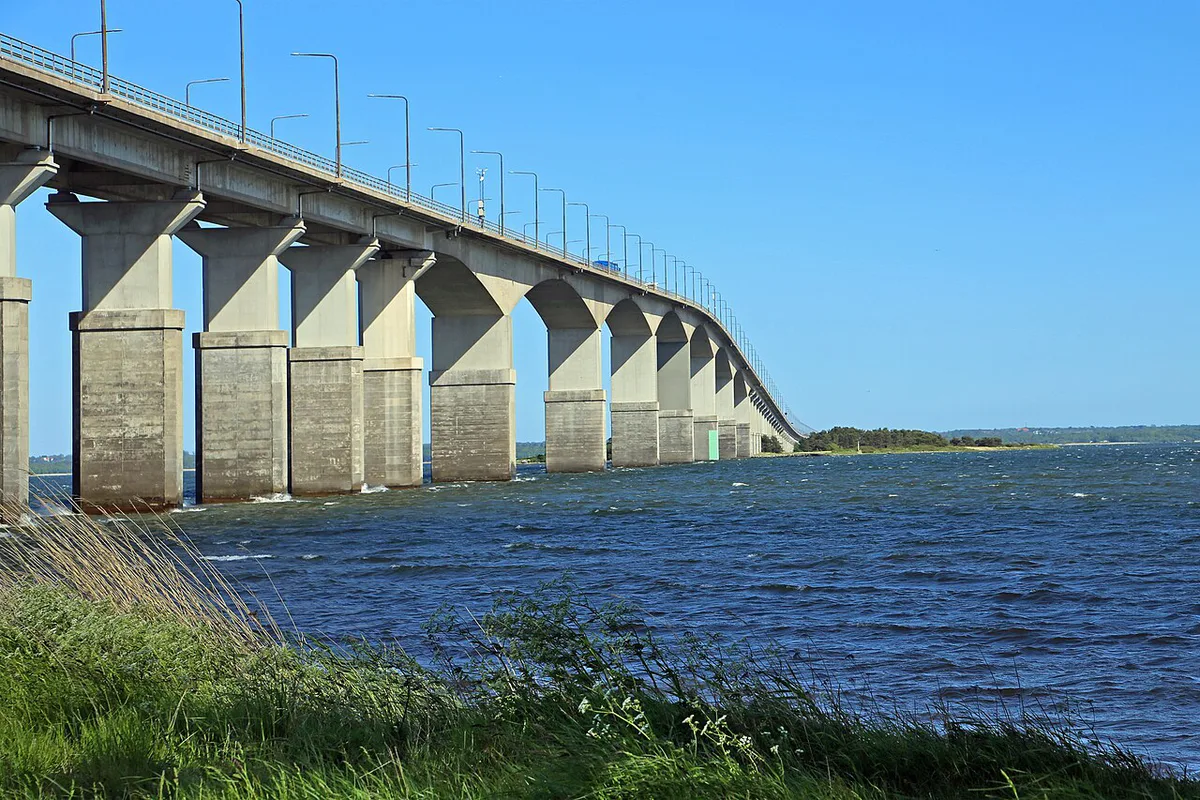
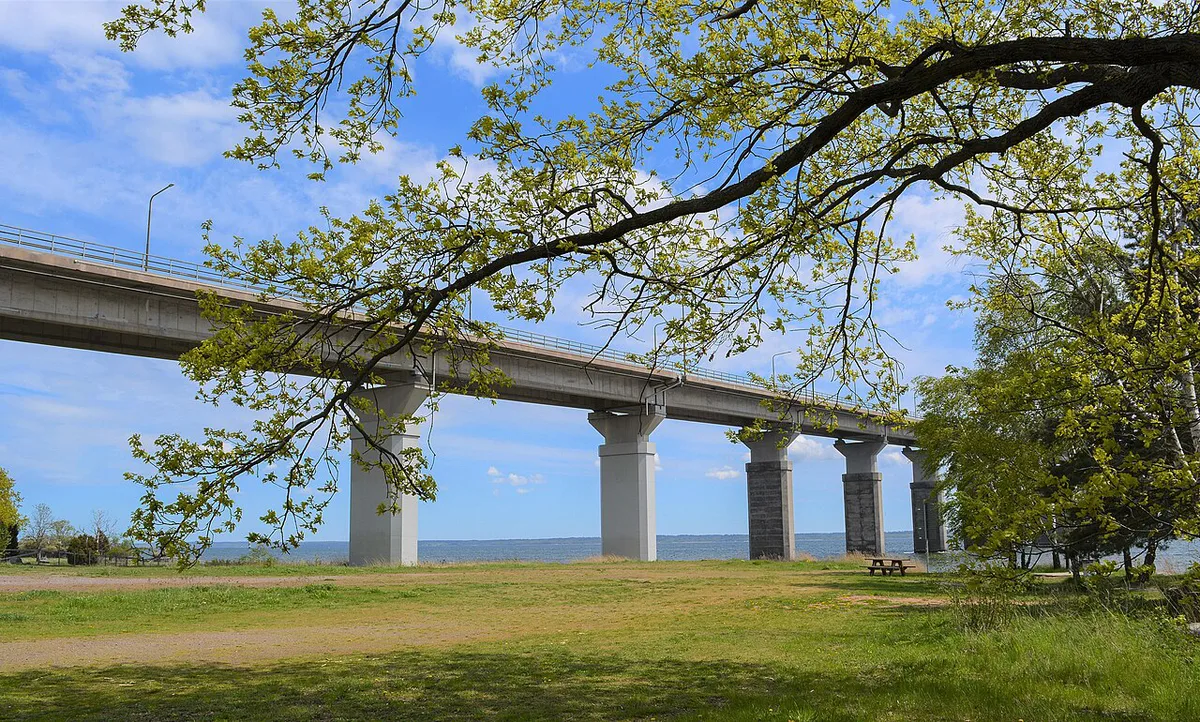
From Denmark, the Öresund Bridge is 16 km long and links Copenhagen with Malmö. Drivers go underground near Copenhagen before emerging onto the bridge. Current toll prices are on the Øresundsbron site. Read our Denmark driving guide before you start. Rental companies set their own cross-border policies, so see the Denmark car rental guide and ask the company directly. Cross-border fees and insurance conditions vary by company, so ask before you book.
Crossing the 16 km Öresund Bridge from Copenhagen lands you at Malmö, where Route 1 begins.
Mistakes to avoid
A few planning errors cost renters the most time and money.
- Planning the north in one week: the last leg alone takes about 7.5 hours.
- Assuming mountain roads are open: Vildmarksvägen and similar roads close in winter.
- Skipping lodging bookings: Treehotel, Icehotel and summer coast stays fill early.
- Forgetting fuel: services are sparse on Flatruet and in Swedish Lapland.
- Ignoring 112: wildlife collisions must be reported even without visible injury.
- Overlooking drop fees: one-way rentals can add a charge.
What to book before a Sweden road trip
Book the rental car before you fix the route, especially if you need a one-way return or winter equipment. A mid-2025 average was SEK 666 per day, but the final price can rise with extra drivers, winter tyres and drop fees. Confirm the cross-border policy before driving from Denmark or Finland.
Reserve high-demand stays early. Treehotel in Harads, Icehotel near Kiruna and south-coast accommodation can fill well ahead in peak periods. A 14-day south-to-north itinerary covers roughly 2,720 km, so pre-booking the first and last nights prevents a long driving day from becoming a late accommodation search.
Check ferry timetables before building an island stop into the plan. The Visingsö ferry from Gränna and the boat from Docksta to Ulvön can shape your overnight schedule. For Denmark arrivals, check the current Øresund Bridge toll before committing to the 16 km Copenhagen-to-Malmö crossing.
Frequently Asked Questions
How long does it take to drive through Sweden?
A full south-to-north itinerary from Malmö to Gällivare covers about 2,720 km. It takes 14 days at a relaxed pace, with a final leg of about 7.5 hours. Non-stop driving would be far shorter, but that skips the point of the trip.
What is the best month to visit Sweden?
June to August gives the warmest weather and the longest daylight. February suits northern lights trips, but expect winter driving. Mountain roads like Vildmarksvägen open only in summer.
Road-rule changes worth knowing
Optional updates to our guides.
You might also like

Continue reading
More guides you'll find useful