
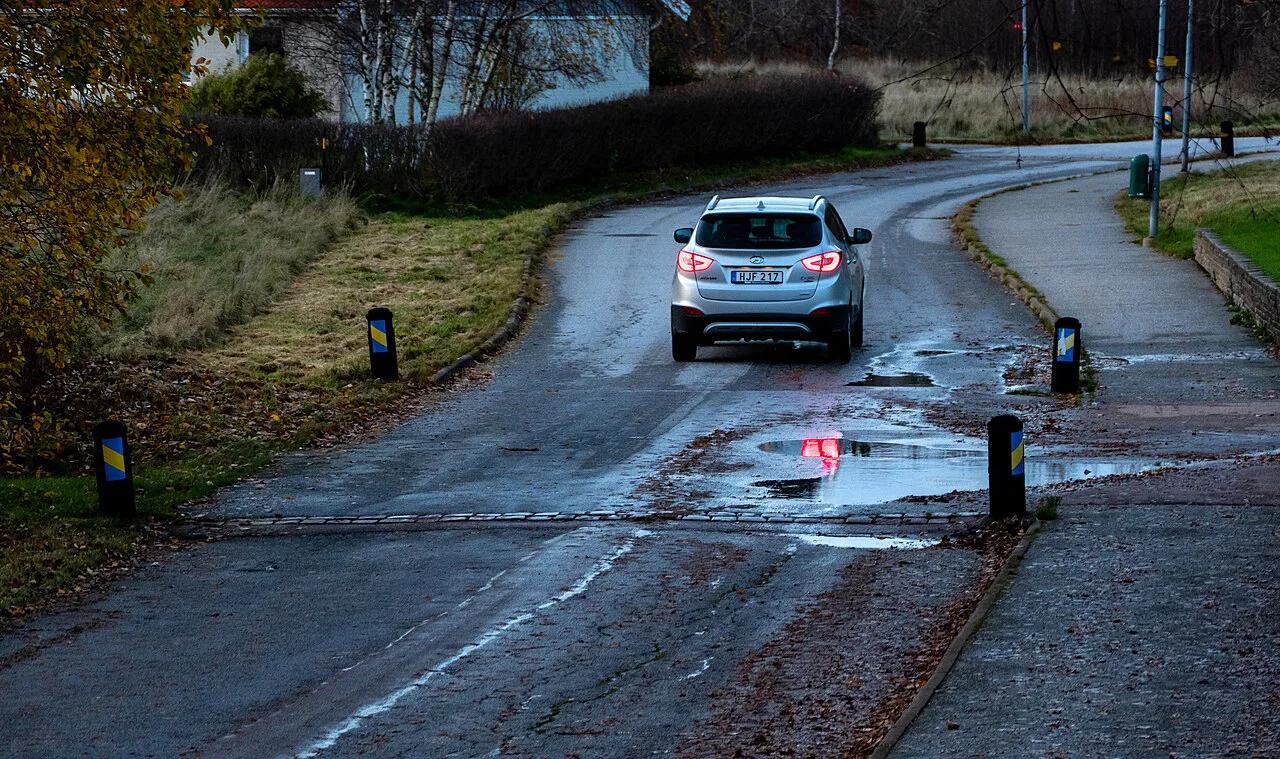
Speed Limits in Sweden: Limits by Road Type, Fines and Cameras
Default speed limits in Sweden by road type, how signs override them, camera and fine basics, and tips for tourists in rental cars.
On this page
Last updated November 2026: speed limits in Sweden default to 50 km/h in built-up areas, 70 km/h on rural roads and 110 km/h on motorways. Signs override those defaults, and many roads carry lower or higher signed limits. Swedish limits are set section by section, so the sign you just passed is the rule. For the full rulebook, see our guide to driving in Sweden.
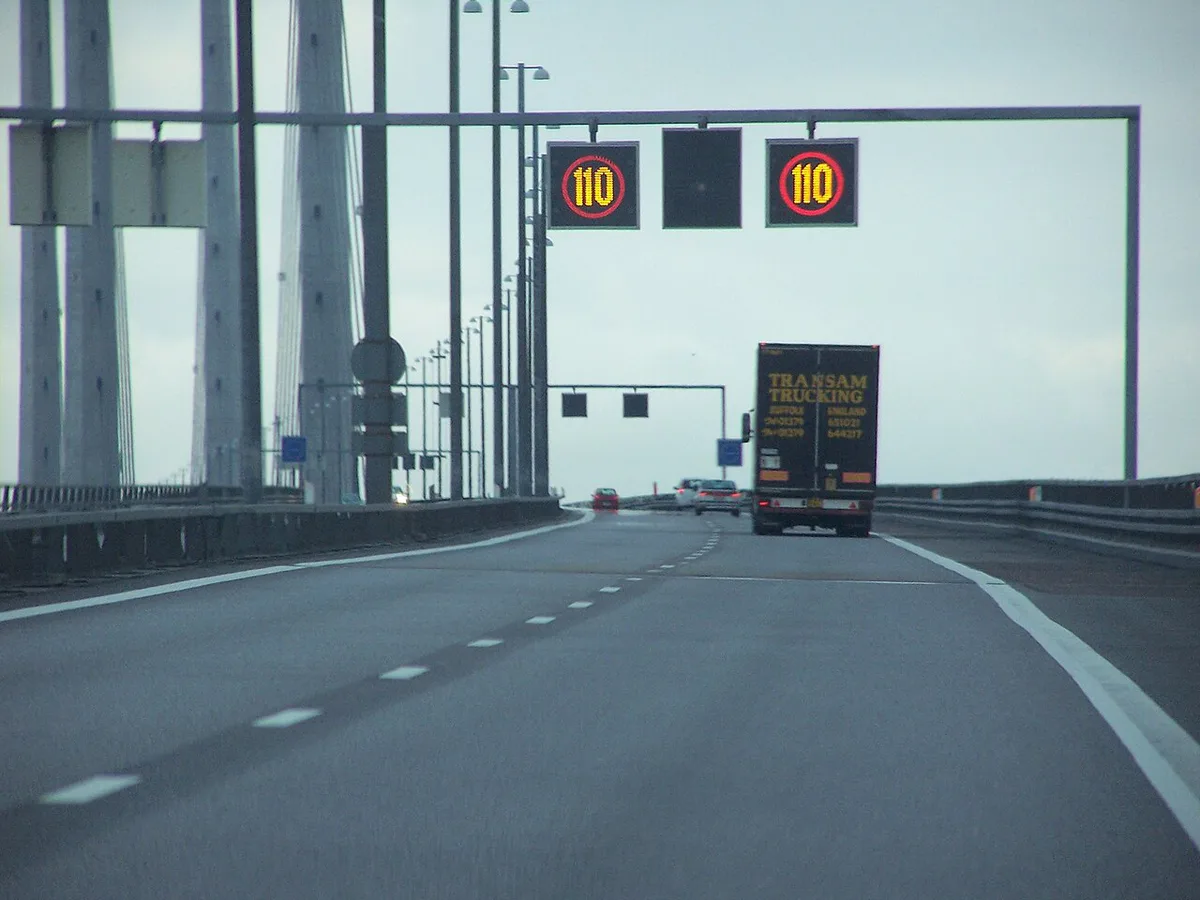
Featured image: W.carter, CC BY-SA 4.0, via Wikimedia Commons.
Speed Limits in Sweden at a Glance
Start with these defaults, which apply only where no sign says otherwise. Sweden uses km/h, and limits are set per road section. Signed limits on rural roads run up to 100 km/h, and some motorway stretches are signed at 120 km/h. Rental-car basics sit in our Sweden car rental guide.
| Road type | Default limit | Note |
|---|---|---|
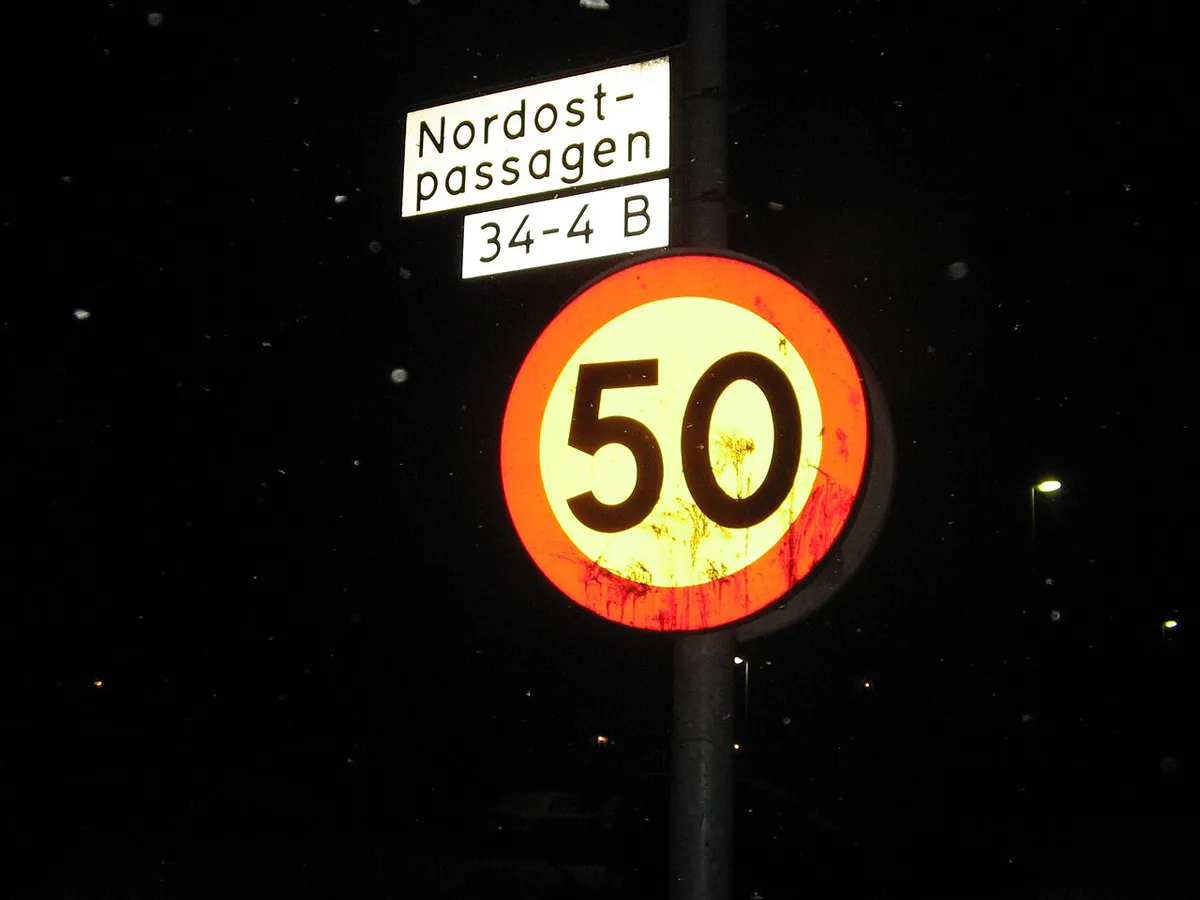
| Built-up area | 50 km/h | Signed 30 and 40 km/h zones are common in town centres and near schools |
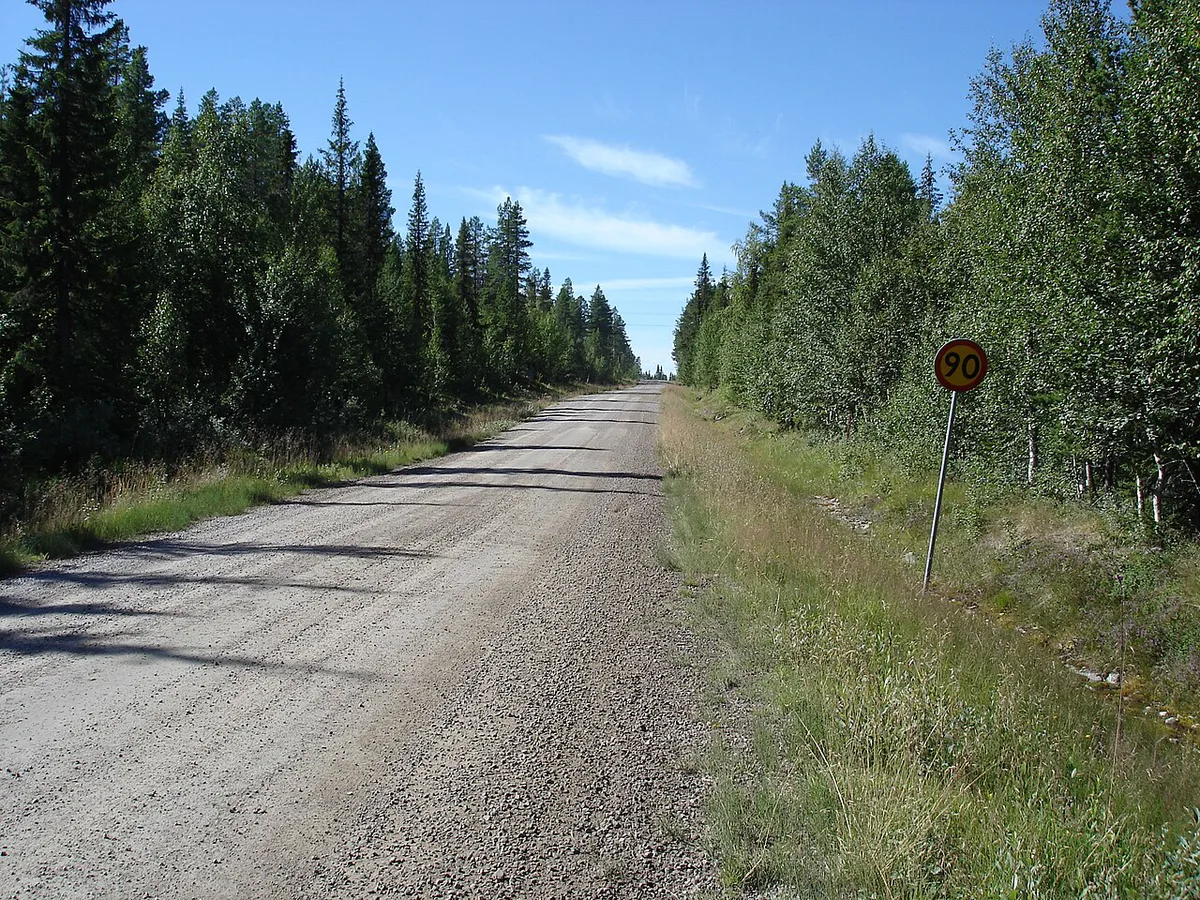
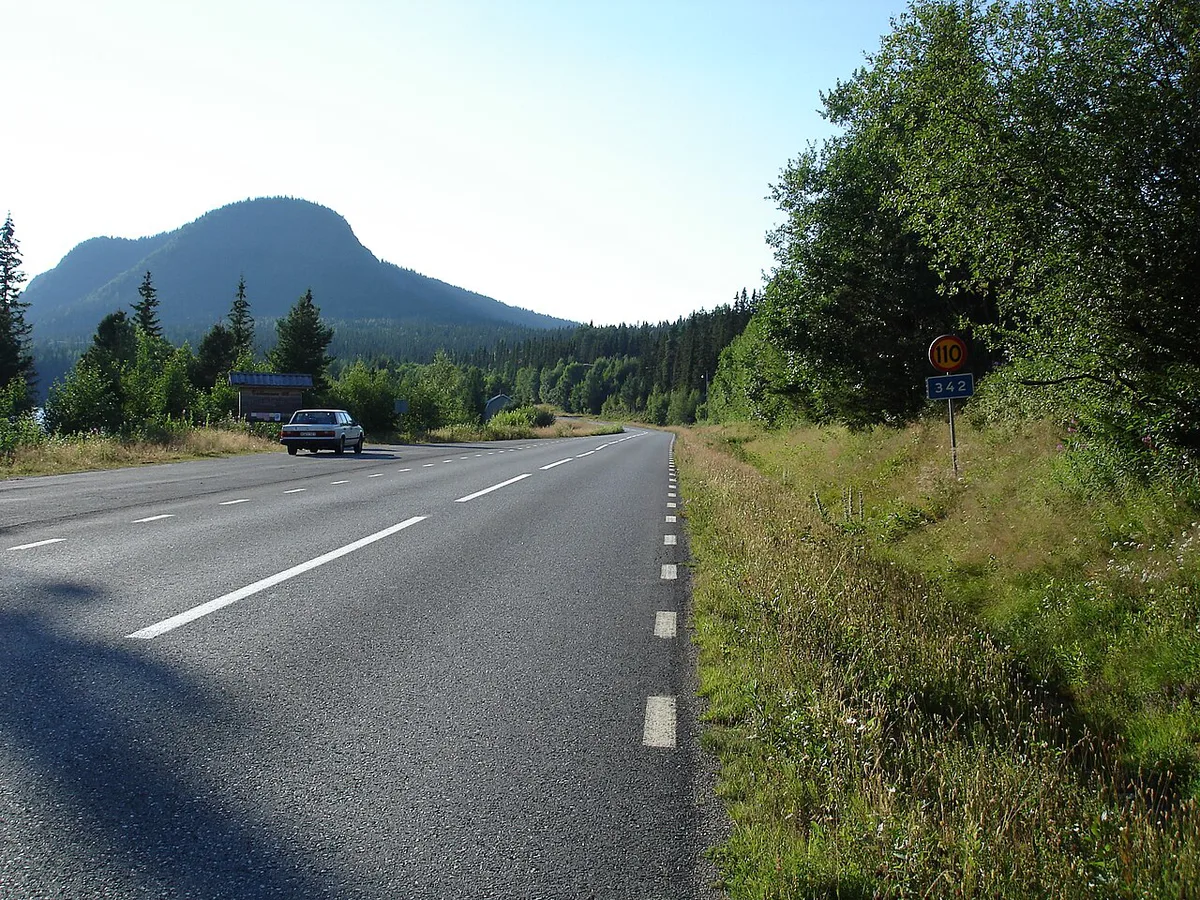
| Rural road | 70 km/h | Signs often raise this to 80, 90 or 100 km/h on better roads |
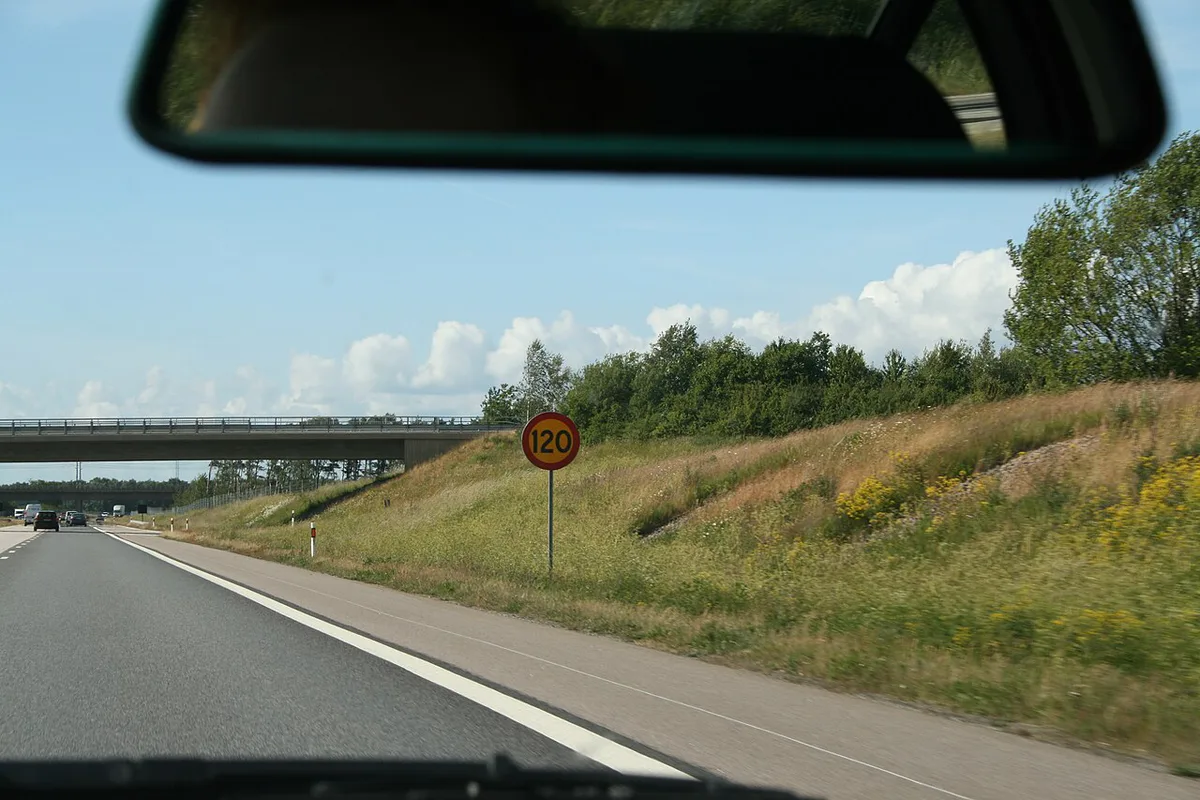
| Motorway | 110 km/h | Some stretches are signed at 120 km/h |
| Car with trailer | 80 km/h | Your Europe lists 80 km/h for cars and light lorries with a trailer |
How Swedish Speed Limits Actually Work
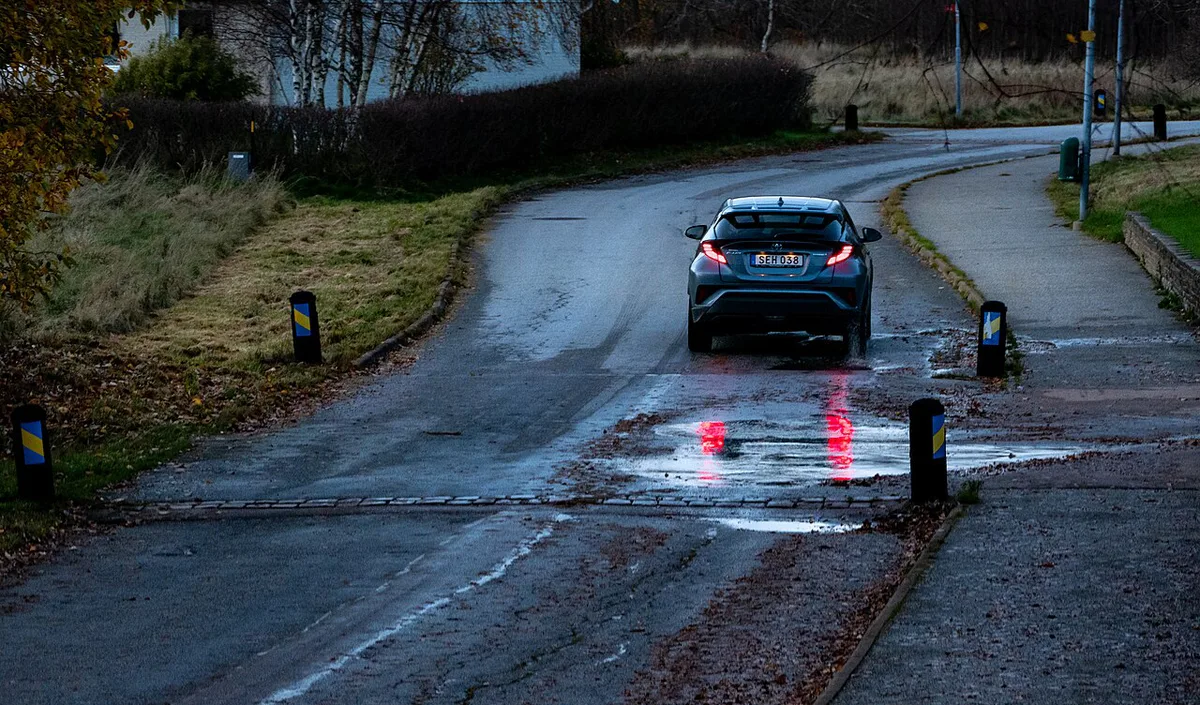
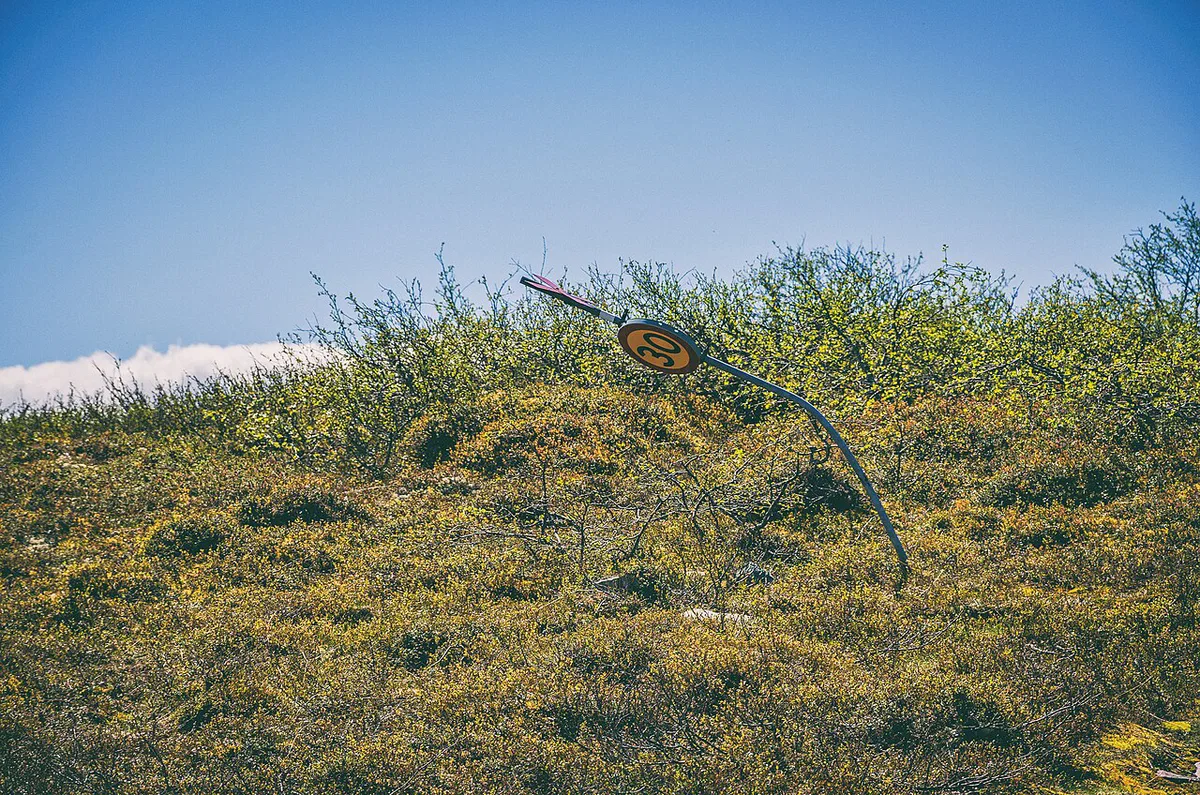
A speed sign beats any default. Limits change often, sometimes within a few kilometres. A road that allowed 100 km/h can drop to 70 km/h at a junction, a village or a stretch of roadworks. Towns use 30 and 40 km/h zones, especially near schools and pedestrian crossings. Watch for sign changes after every junction rather than trusting the last number you saw. Drivers arriving from another country should reset their expectations, because limits there will not map onto Sweden's.
Motorways and Rural Roads: What to Expect Between Cities
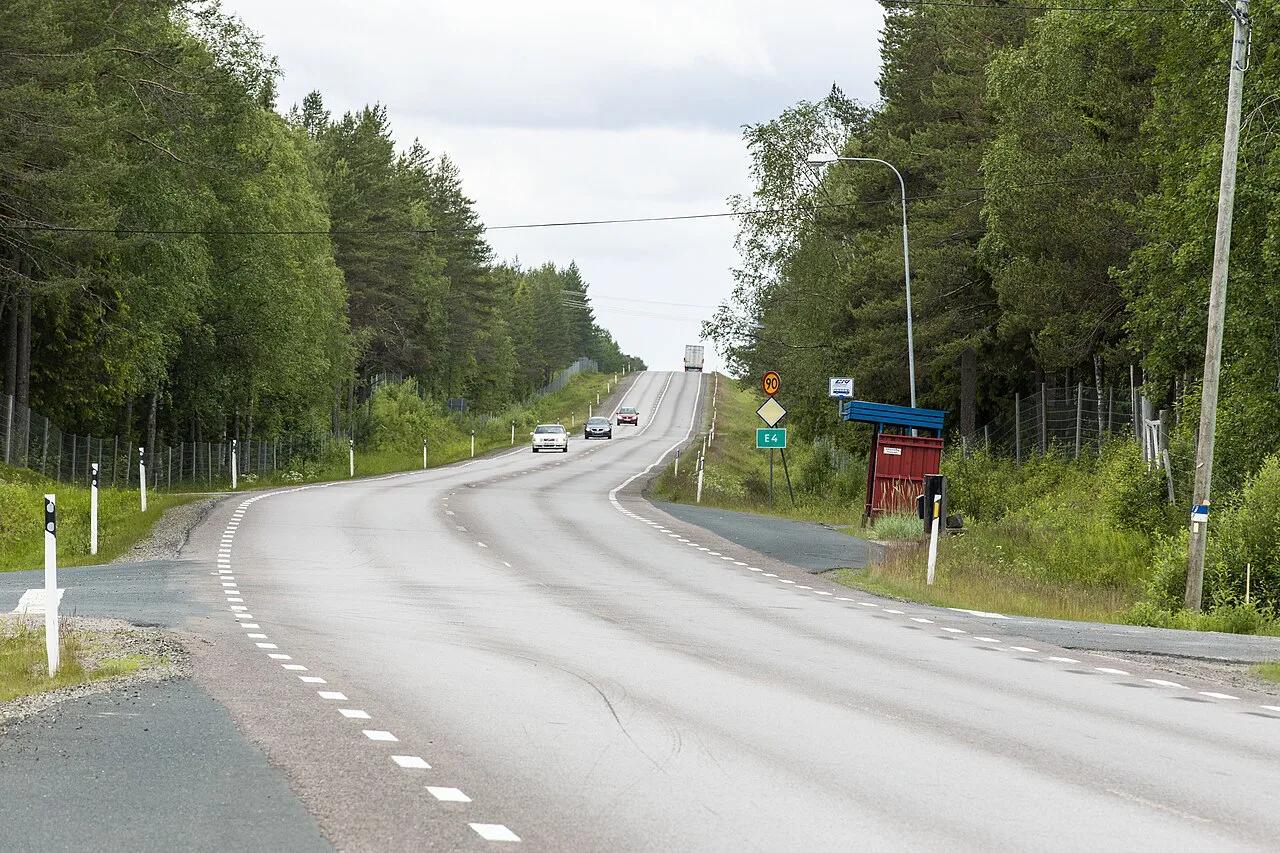
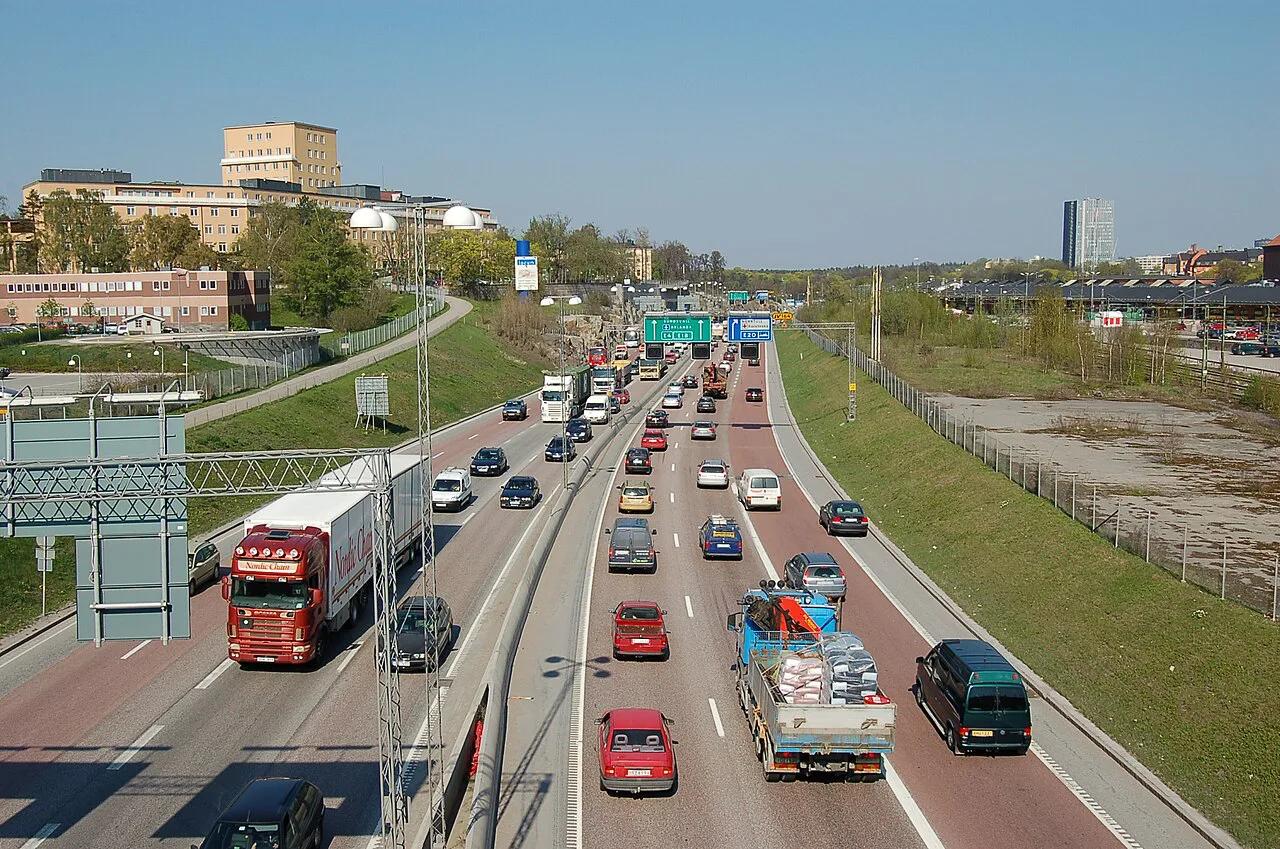
Motorways default to 110 km/h, and only some stretches are signed at 120 km/h: about 300 km of a network of roughly 1,500 km, while other sections are signed 100 km/h. Do not assume 120 km/h applies on every motorway. On rural roads the default is 70 km/h, while signed limits climb as high as 100 km/h on wide, well-built roads. Even a straight, empty road in the north is not a licence to go faster. Moose and deer cross these roads, and a longer braking distance matters more than a few minutes saved. For route ideas and driving distances, use our Sweden road trip planner.

Cars With Trailers, Caravans and Motorhomes
Towing lowers your limit. Your Europe lists 80 km/h for cars and light lorries towing a trailer under 3.5 t. A rental campervan or motorhome may be heavier than a car, and heavier vehicles have their own limits. The vehicle weight is on your rental papers, so ask the rental company which limits apply to that weight before you set off. Do not assume car limits apply to a heavy camper.
Speed Cameras and Enforcement
Fixed speed cameras are normally announced by signs showing a camera symbol. Mobile checks are not announced. Police can also stop you at the roadside. Treat every signed limit as live, because the absence of a camera sign does not mean nobody is measuring your speed. Cameras and roadside checks are most common on busy approaches to towns and on major routes between cities.
Watch the 30 and 40 km/h zones in town centres, because cameras and roadside checks cluster near busy town approaches.
Speeding Fines for Visitors
Swedish speeding penalties scale with how far over the limit you were, and we do not quote amounts because the schedule is revised. Lesser speeding is usually settled with an ordningsbot, an on-the-spot fine the police can issue directly. According to the Swedish Police, once you sign it, it counts as a final judgment and must be paid within three months, and payment from abroad goes to the police's IBAN account. Licence matters are handled by the Transportstyrelsen (Swedish Transport Agency). In a rental car, the notice usually goes to the registered keeper, which is the rental company. The company identifies you as the driver and may add an admin fee under your rental terms. Do not ignore a notice that reaches you later, since unpaid foreign fines can be pursued across EU borders.
Wildlife, Weather and Safe Speed
Moose and deer are the practical reason to stay at or below the limit. Risk peaks at dusk and dawn and on forest stretches, especially in the north. Slow down where wildlife warning signs appear. In winter, Your Europe states winter tyres are mandatory from 1 December to 31 March in winter road conditions. Studded tyres are allowed from 1 October to 15 April, and the Swedish Police set a minimum tread of 3 mm for winter tyres on cars up to 3.5 tonnes. Ice and snow mean the safe speed is often well below the posted one.
Practical Tips Before You Drive
A few habits prevent most problems for visitors. Coming from Denmark over the Öresund bridge, read our Denmark driving guide first, since Sweden's limits differ. Continuing to Finland later, the Finland driving guide covers the next set of rules.
Winter tyres are mandatory from 1 December to 31 March in winter road conditions, which means snow, ice, slush or frost on any part of the road.
- Keep headlights or daytime running lights on at all times, since Your Europe notes you must use them even in daylight.
- Use a hands-free setup only if you must take a call, because holding a phone while driving has been banned since 1 February 2018.
- Treat alcohol as off limits, as Your Europe lists a limit of 0.2 mg/ml (0.2‰) for ordinary drivers.
- Read the current road conditions and warnings before long legs in winter.
- Read your rental agreement for how fines and admin fees are passed on.
Road-rule changes worth knowing
Optional updates to our guides.
You might also like

Continue reading
More guides you'll find useful