
Driving in Denmark: Rules, Bridge Tolls and Tips for Visitors
Planning to drive in Denmark? Check licence rules, Storebælt and Øresund bridge tolls, speed limits, fines and whether you need a car.
On this page
Last updated November 2026: driving in Denmark is simple for most visitors, with right-hand traffic, no motorway vignette and a 0.05% alcohol limit. Only the Storebælt and Øresund bridges charge tolls: DKK 235 and DKK 470 for a car paying at the toll station, with cheaper rates for regular users and online tickets. City-only trips are often easier without a car, while islands and coasts reward one.
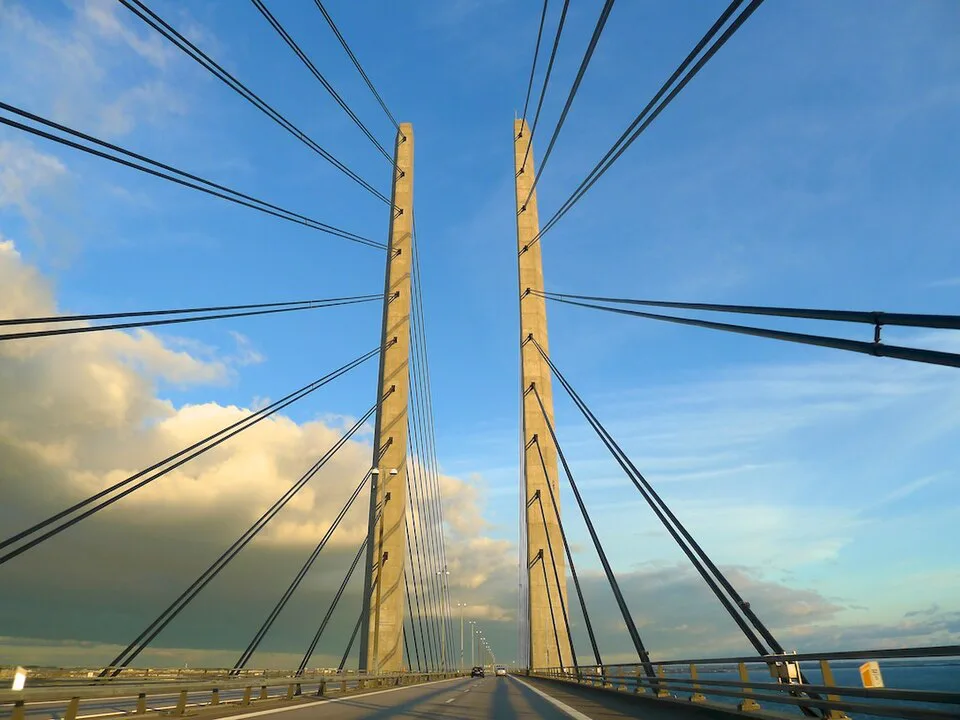
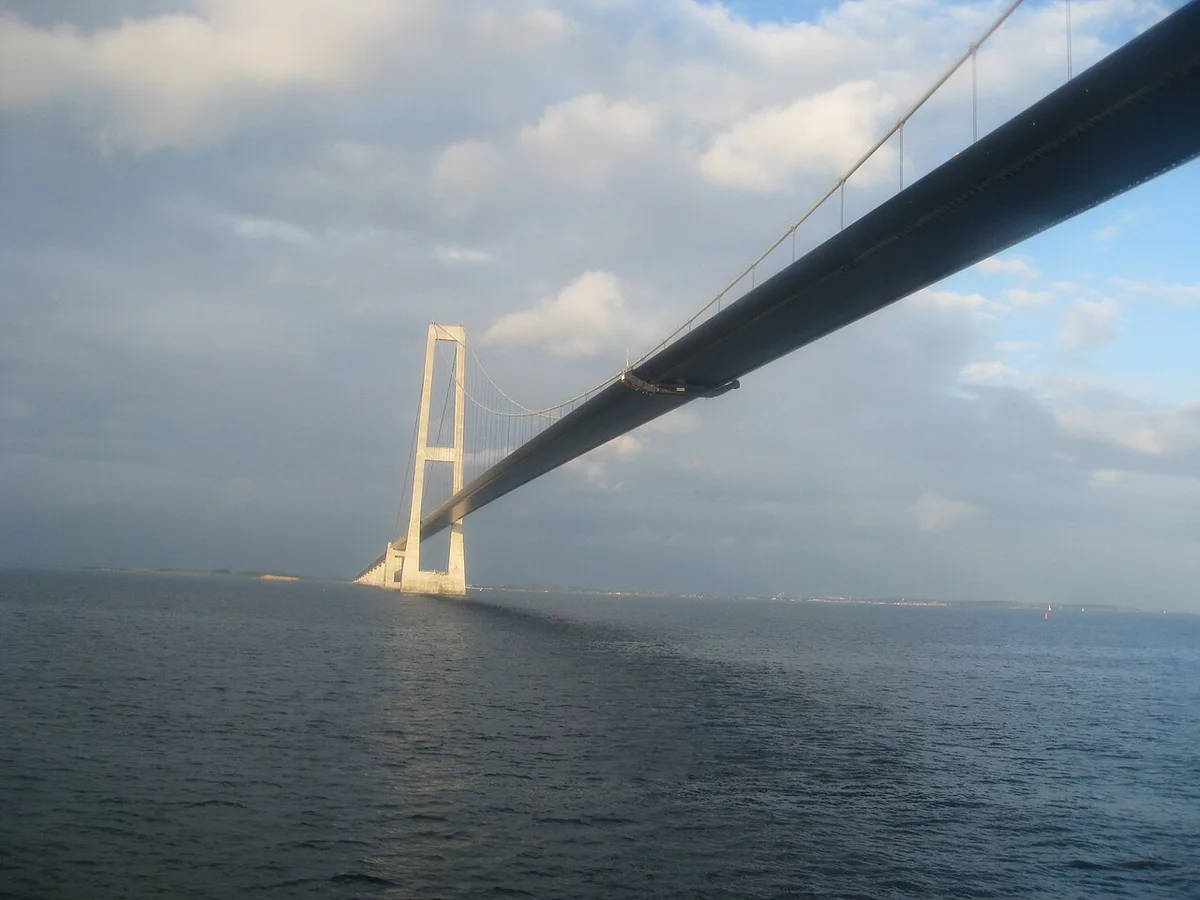
Featured image: Jan Hazevoet, CC BY 3.0, via Wikimedia Commons.
Driving in Denmark: the quick answer
Denmark has no motorway vignette, so you never buy a windscreen sticker. The main fixed driving costs are the two bridge tolls, at the operators' 2026 prices below. Limits are 50 km/h in towns, 80 km/h on rural roads and 130 km/h on motorways. Enforcement is strict, and the margin for error is small. Rental desks can also set stricter rules than the law, so read your hire terms before you pay.
- Drive on the right and overtake on the left.
- No vignette; only Storebælt and Øresund are tolled.
- Alcohol limit: 0.05%.
- Emergency number for police, ambulance and fire: 112.
- Carry your licence and passport whenever you drive.
Licence, IDP and rental requirements
An EU/EEA licence is valid in Denmark on the same terms as a Danish one. According to the Danish Road Traffic Authority, a licence from another country can be used for driving while you are visiting and not resident, provided it is written in the Latin alphabet, carries a translation into Danish, English or French, or comes with an International Driving Permit. Rental companies are a separate gatekeeper. Some ask for an IDP even when the law does not, and they set their own minimum age and documents. Ask for those terms in writing before you travel.
| Licence origin | Usual position | What to do |
|---|---|---|
| EU/EEA | Valid as a Danish licence; no IDP | Carry the card and your passport |
| Non-EU, Latin script | Valid for a visit; IDP not needed by law | Ask the rental firm whether it wants one anyway |
| Non-Latin script | IDP, or a translation into Danish, English or French, needed | Get the permit in your home country before you fly |
Do you need a car in Denmark?
Copenhagen and Aarhus are usually easier by train, bus and bike. Parking in city centres is mostly paid, and cyclists dominate many streets. A car earns its keep on islands, along the coast and in rural Jutland, where public transport thins out. If that matches your plan, start with our guide to Renting a Car in Denmark: Requirements, Pickup & Costs. Mixed trips work well too. Take the train between cities, then hire a car for two or three days of countryside.
| Trip type | Best mode | Why |
|---|---|---|
| Copenhagen or Aarhus only | Train, bus, bike | No parking hassle and no tolls |
| Zealand to Funen to Jutland | Car or train | Car adds flexibility; Storebælt toll applies |
| Islands and coast | Car | Fewer bus links and more stops to chain |
| Copenhagen to Malmö | Train or car | Car adds the Øresund toll |
Bridge tolls: Storebælt and Øresund
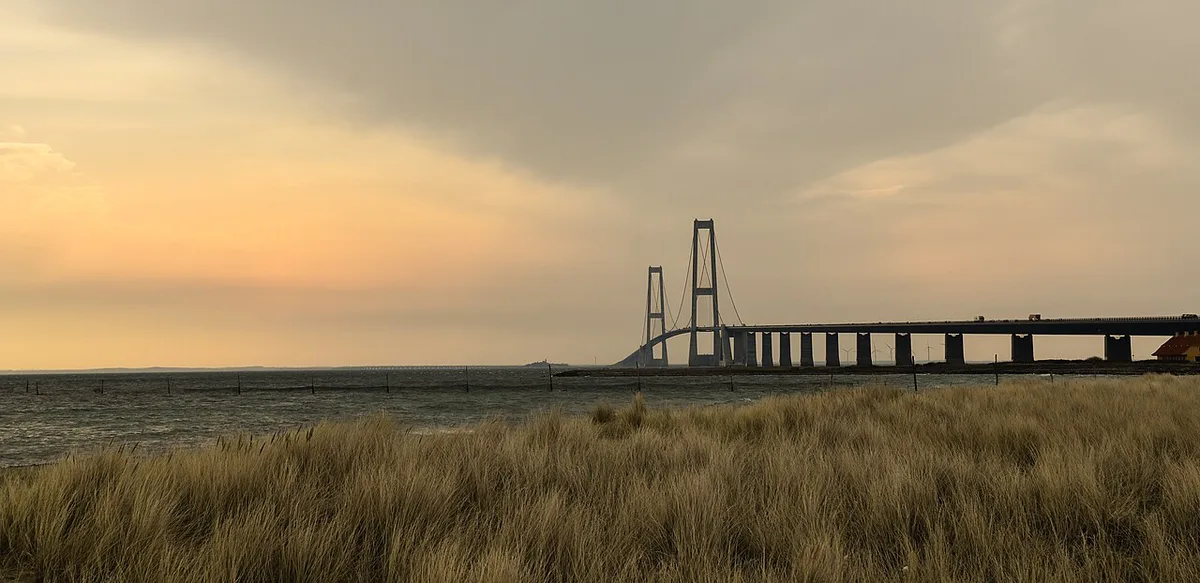
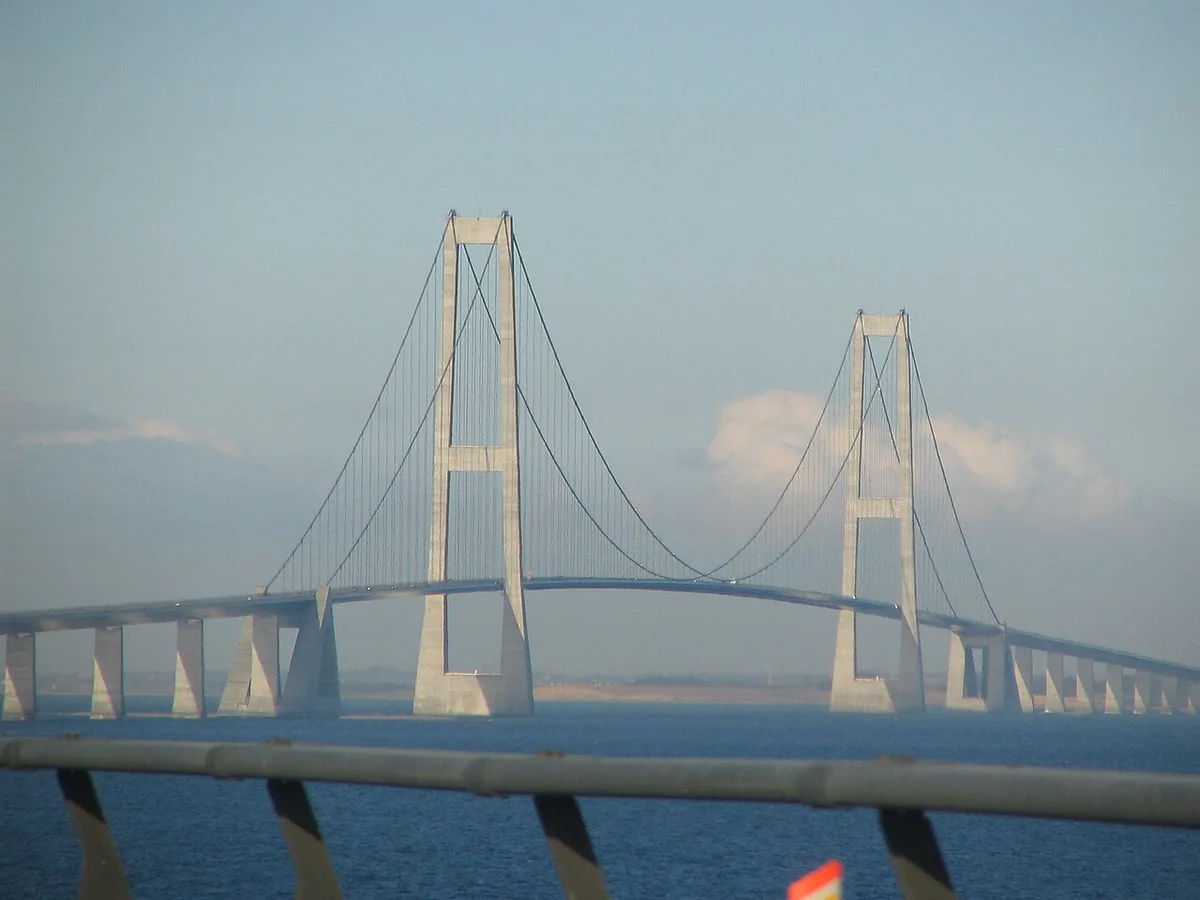
Denmark is a country of islands, and two big crossings carry tolls. Storebælt links Zealand and Funen, and a car from 3 to 6 m long pays DKK 235 by card or cash, or DKK 205 with Storebælt's Express payment, according to Storebælt's prices page. Øresund links Copenhagen and Malmö. From 14 September 2026 a car pays DKK 470 at the toll station or DKK 420 for a ticket bought online, and regular users with an ØresundGO agreement (DKK 370 a year) pay DKK 182 a trip, as listed on Øresundsbron's prices page. Tariffs differ by vehicle length, so a campervan or a car with a trailer pays more. Ask your rental company how it bills tolls and whether a transponder is fitted. A Copenhagen to Jutland drive crosses Storebælt once each way. A return trip to Malmö crosses Øresund twice.
Speed limits, cameras and fines
Danish limits are 50 km/h in towns, 80 km/h on rural roads and 130 km/h on motorways. Cameras are extensive and mobile radar is common. Foreign plates are not exempt, and fines follow the vehicle. In the Danish police's guideline fine table, speeding in a car starts at DKK 1,200 and rises with the speed and the percentage over the limit. More than 30% over also earns a penalty point (klip), and more than 60% over, or 160 km/h or more, means conditional loss of your licence. Holding a phone while driving and not wearing a seatbelt cost DKK 1,500 each. Sweden uses different limits, so compare them in our guide to Swedish speed limits before you cross the Øresund.
Enforcement is strict across Denmark, and the lowest speeding fine for a car is DKK 1,200, so a few km/h over the limit still costs money.
| Road type | Limit |
|---|---|
| Towns | 50 km/h |
| Rural roads | 80 km/h |
| Motorways | 130 km/h |
Danish road habits that surprise visitors
Cyclists are part of daily traffic. Look along the inside lane and cycle path before every right turn. Roundabouts reward early signalling, and traffic already circulating has priority. Horns are rare and read as rude unless you are avoiding a crash. Rural roads can be dark and narrow after sunset, so slow down and use high beams only when nobody approaches. Ask the rental desk how the lights on your car work. For the current headlight rule, see Danish road safety guidance.
- Mistake 1: assuming a speed tolerance; fines start at DKK 1,200.
- Mistake 2: forgetting to ask the rental firm about bridge tolls.
- Mistake 3: turning right without checking for cyclists.
- Mistake 4: driving after any drinks, with the limit at 0.05%.
Parking, fuel and city driving
Parking in Copenhagen and Aarhus is mostly paid, and prices differ by zone. Each pay station or parking app shows the current rate for its zone, so read it before you walk away, and avoid weekday peak hours when you can.
Winter driving, equipment and emergencies
Only a warning triangle is required in a Danish car. There is no winter-tyre mandate, and studded tyres are restricted. Frost can make bridges and untreated rural roads slippery, so cut your speed and leave extra braking distance. Call 112 for police, ambulance or fire. After a crash, switch on hazard lights, move to safety, photograph the scene and call your rental company. Do not admit fault at the roadside.
Crossing from Sweden: planning a cross-border trip
Drivers from Malmö reach Copenhagen over the Øresund Bridge, and the toll is the main added cost. Ask your Swedish rental company in advance whether it allows travel to Denmark and how it bills the crossing. Swedish rules differ in places, so read our overview of 7 Rules for Driving in Sweden: Winter Tyres, Wildlife and City Charges for the home side. Hiring on the Swedish side? See Renting a Car in Sweden: Requirements, Costs & Tips. For a longer trip, use the Sweden Road Trip: Routes, Itineraries, Costs & Driving Tips route as a base. Licence rules for Swedish vehicles are listed by Transportstyrelsen.
Drivers from Malmö pay the Øresund toll, DKK 470 at the toll station or DKK 420 online, on each crossing, and a return trip crosses the bridge twice.
Road-rule changes worth knowing
Optional updates to our guides.
You might also like

Continue reading
More guides you'll find useful