Speed Limits in Scotland: Cars, Campervans & HGVs (2026)
Scotland's speed limits by road type for cars, campervans and lorries, with how to read the signs, a note on recent changes, and Highland driving tips.
On this page
Last updated November 2026. Speed limits in Scotland for cars are 30 mph in built-up areas, 60 mph on single carriageways and 70 mph on dual carriageways and motorways, as set out on GOV.UK's speed limit tables. Those are the same national figures as in England. Signs are in mph, and a lower posted limit always overrides the national one.
Featured image: ogwen, CC BY-SA 3.0, via Wikimedia Commons.
Speed limits in Scotland at a glance
Scotland uses the same national limits for cars as England: 30 mph, 60 mph and 70 mph depending on the road. Your speedometer may show km/h on an overseas-registered or imported vehicle, so find the mph scale before you set off. For wider rules, see our parent guide to 6 Things to Settle Before Driving in Scotland.
| Road type | Car limit (mph) | Notes |
|---|---|---|
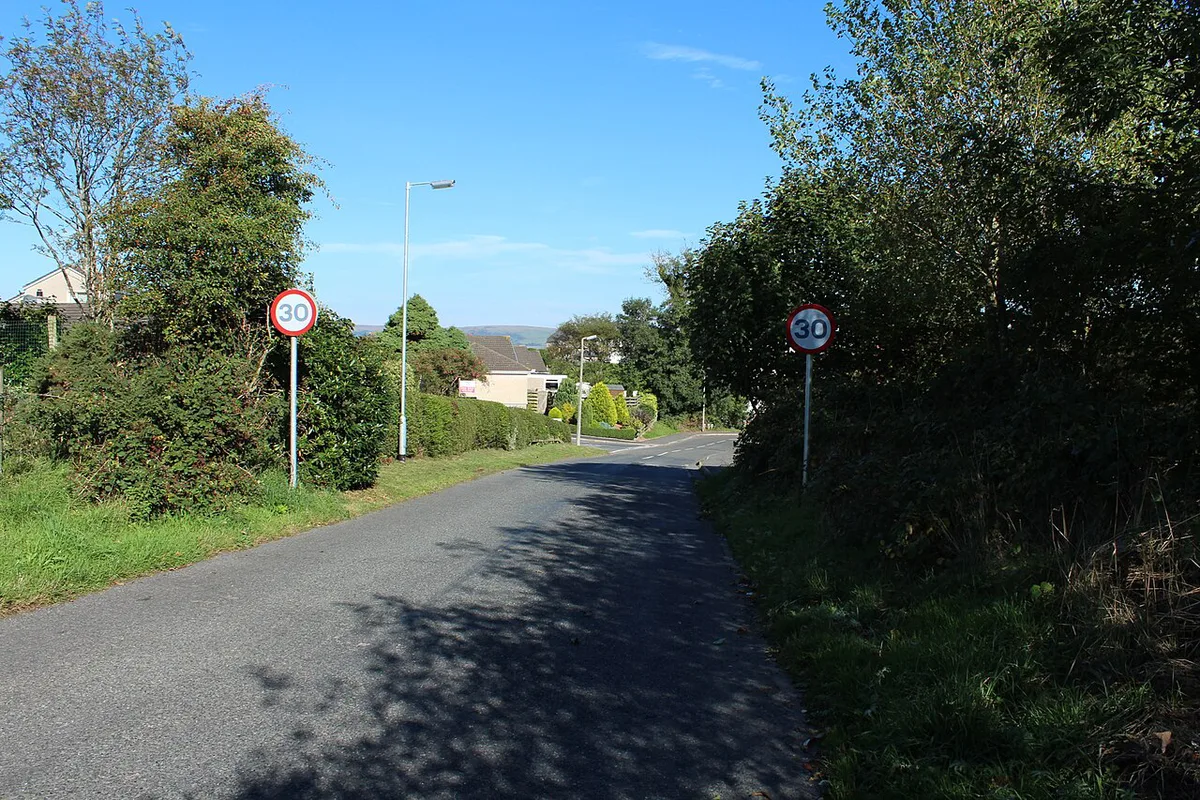
| Built-up area with street lights | 30 | Unless signs show otherwise |
| Single carriageway | 60 | National limit, often unsigned |
| Dual carriageway | 70 | Needs a central reservation |
| Motorway | 70 | Variable limits can be lower |
How to tell which limit applies
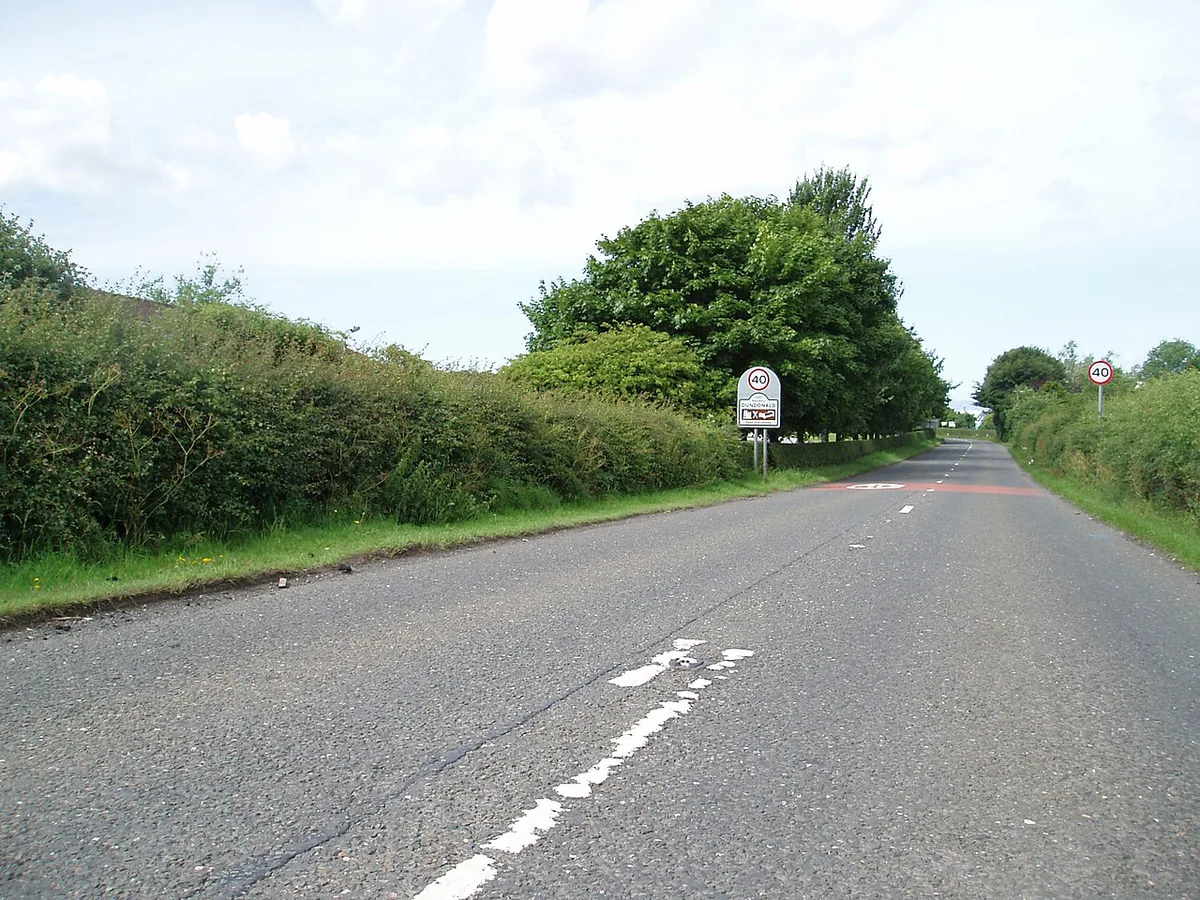
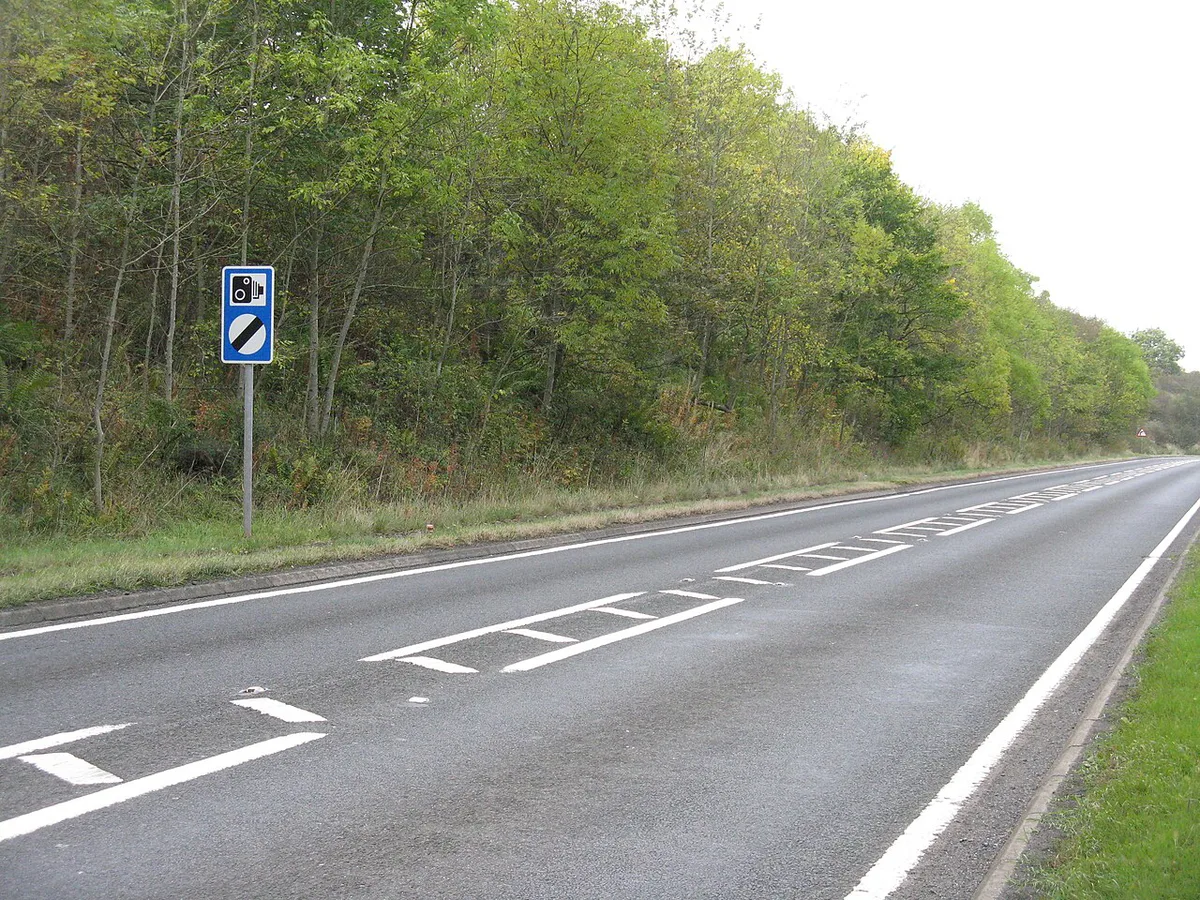
National limit signs are not always posted. A white circle with a black diagonal stripe means the national limit for your vehicle and road applies. Any sign showing a number overrides it.
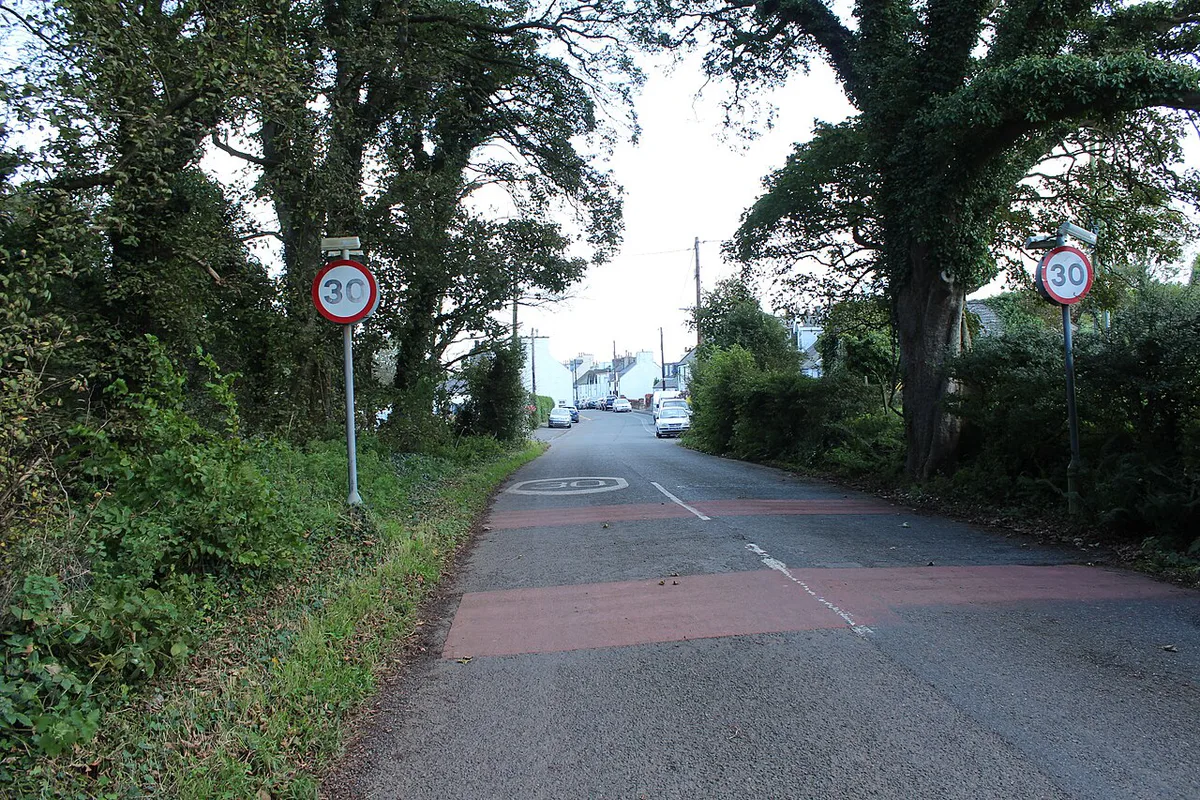
- Street lights: a road with lamps roughly 200 yards apart is a built-up area, so 30 mph applies unless signs say otherwise.
- Central reservation: a dual carriageway separates opposing traffic. Two lanes in your direction can still be a single carriageway, so lane count alone does not decide it.
- Lower signs: village stretches on A-roads often drop to 30 mph or lower without warning.
- Variable limits: gantry signs on motorways override the 70 mph default.
Campervans, motorhomes and towing
Limits depend on vehicle type and weight, not on the word "campervan". Light motorhomes and car-derived vans follow the car limits. Vehicles up to 7.5 tonnes maximum laden weight that fall under the goods-vehicle rules get 50 mph on single carriageways and 60 mph on dual carriageways. Their motorway limit is 70 mph, or 60 mph if articulated or towing. Cars towing a caravan or trailer are capped at 50 mph on single carriageways and 60 mph on dual carriageways and motorways. Motorhomes over 3.05 tonnes unladen get 50 mph on single carriageways, 60 mph on dual carriageways and 70 mph on motorways. Look at your vehicle's weight plate before you leave the depot. Our campervan hire guide covers what to ask the rental desk.
Read the unladen weight on the motorhome's plate before you leave the depot: over 3.05 tonnes drops the single-carriageway limit from 60 mph to 50 mph.
HGV limits and the proposed change
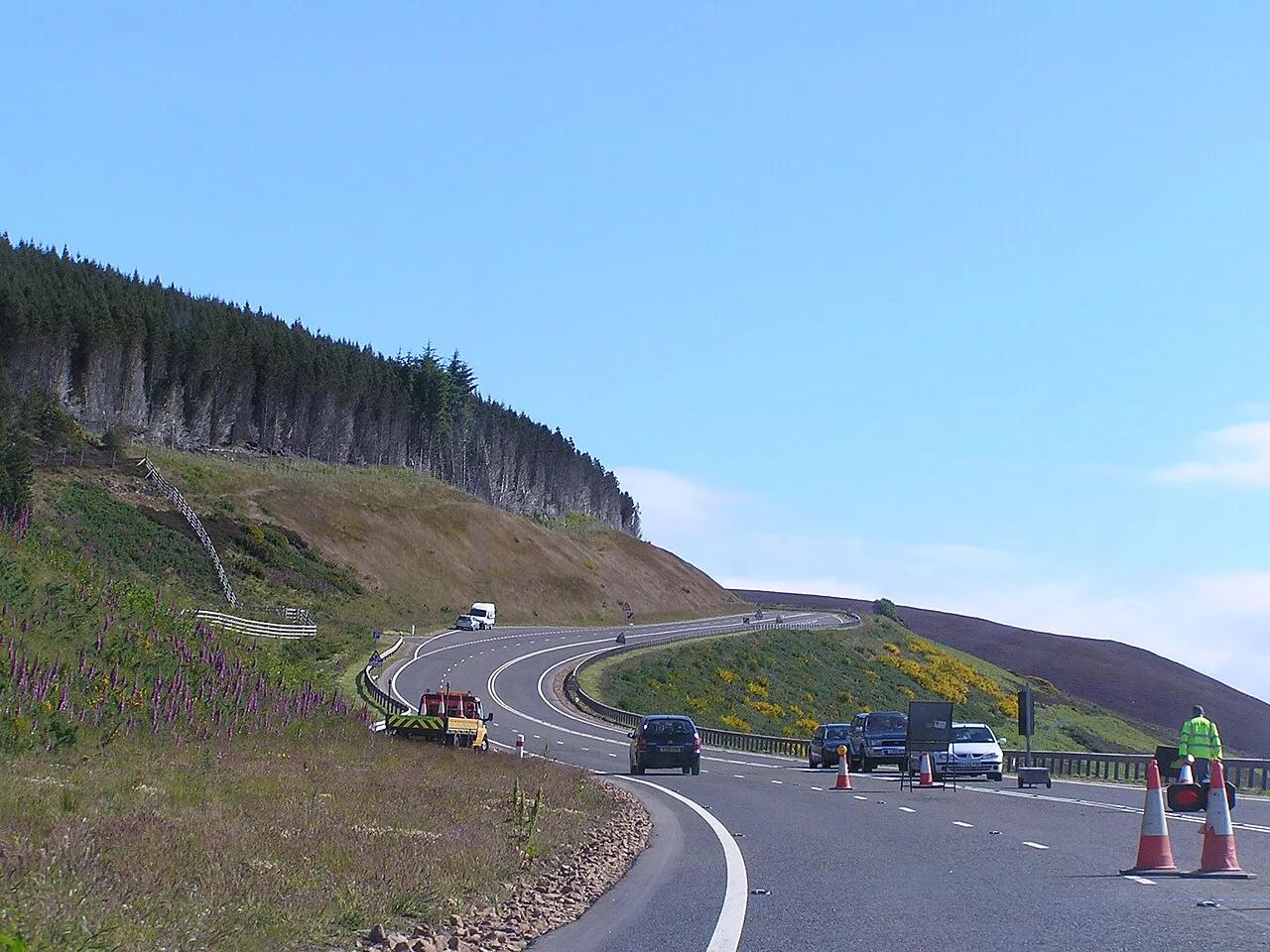
Goods vehicles over 7.5 tonnes laden have the lowest limits in Scotland. GOV.UK lists 40 mph on single carriageways, 50 mph on dual carriageways and 60 mph on motorways for them, against 50, 60 and 60 mph in England and Wales. Expect to meet slow lorries on Highland A-roads for that reason. In its National Speed Management Review update of 15 December 2025, Transport Scotland said it would work on raising HGV limits on single and dual carriageways to narrow the gap with other traffic. No new figures or start date were given, so the 40 and 50 mph limits still apply. The single-carriageway A9 between Perth and Inverness has had a 50 mph HGV limit since a 2014 decision. Follow the signs there.
Did Scotland cut its national speed limit?
No. On 15 December 2025 the Scottish Government dropped its plan to cut the single-carriageway limit from 60 mph to 50 mph. The National Speed Management Review consultation drew more than 19,500 responses. Ministers kept the national limits as they are and said they would study the casualty and journey-time effects of a change on different standards of single carriageway. Your 60 mph figure on single carriageways is therefore unchanged in 2026.
Driving in the Highlands: why the limit isn't the speed
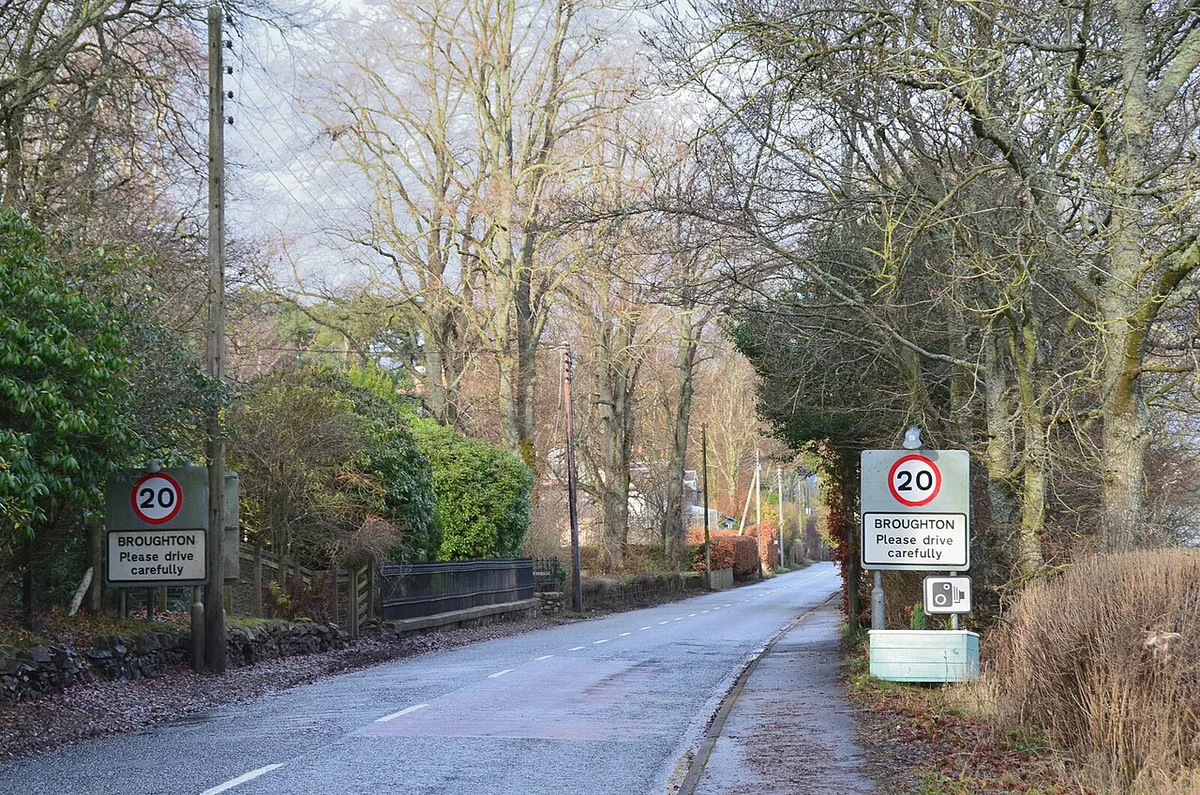
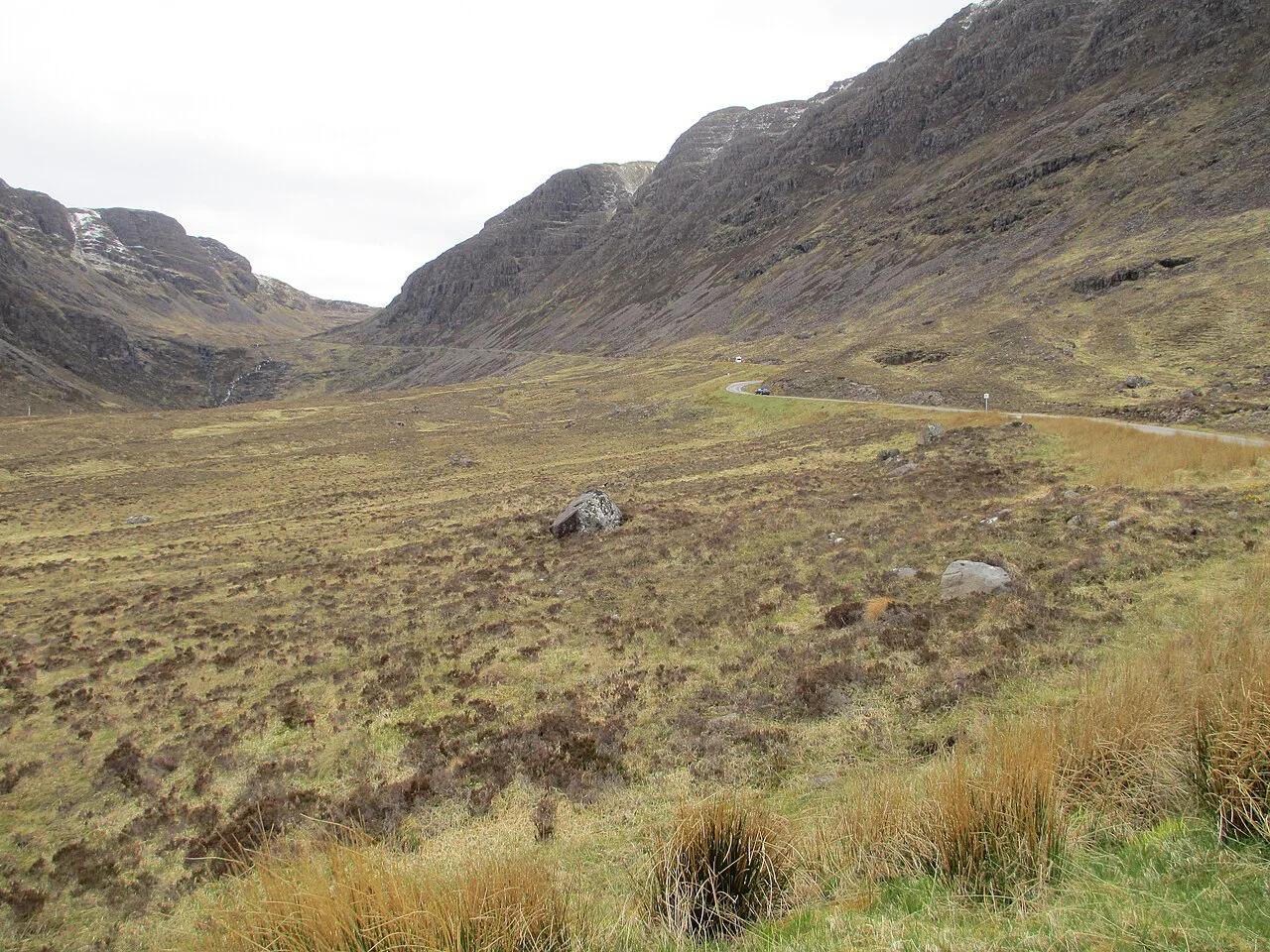
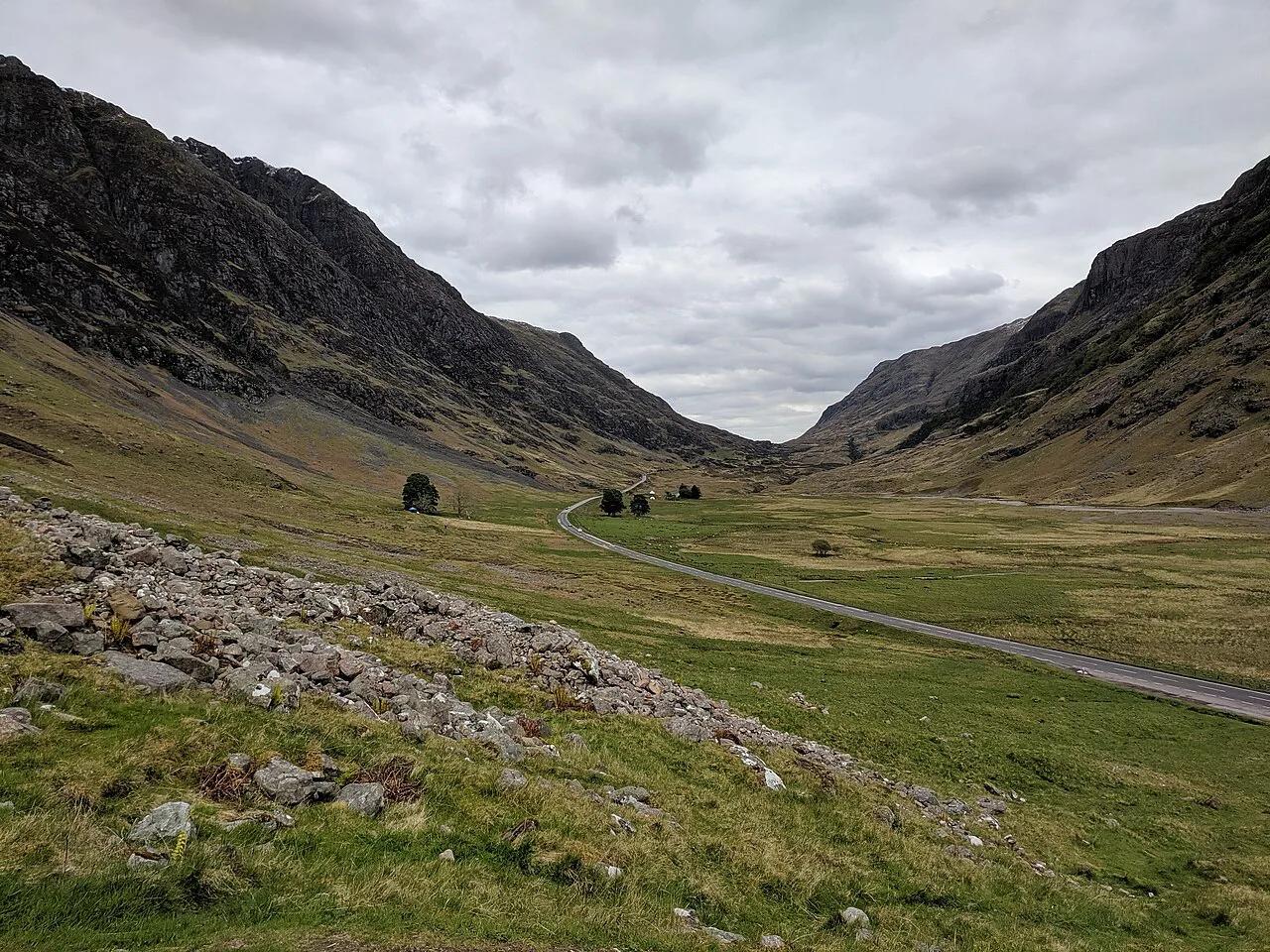
A 60 mph limit on a Highland road tells you the legal ceiling, not a realistic pace. Single-track roads with passing places, sheep on the carriageway and tight bends mean you will often drive far below it. Read our guide to single-track roads in Scotland before you go. On the North Coast 500 Guide: Route, Days Needed & Planning Tips, allow more time than the map suggests. The Bealach na Bà and the Glencoe Drive: Route, Stops and Driving Tips reward slow, careful driving. Pull into a passing place to let faster traffic by.
The 60 mph single-carriageway limit survived the 2025 review, but Highland single-track roads mean you will often drive well below it.
Crossing the border: England and Wales differences
Scotland and England share the same default limits for cars, so the border itself changes little. Wales is different, with a 20 mph default in built-up areas. Watch the signs when you cross, because lower limits are signed locally in all three nations. Scotland also differs from England on alcohol, so read our guide to the drink-driving limit in Scotland.
| Rule | Scotland | England | Wales |
|---|---|---|---|
| Built-up default | 30 mph | 30 mph | 20 mph |
| Car, single carriageway | 60 mph | 60 mph | 60 mph |
| Car, motorway | 70 mph | 70 mph | 70 mph |
Fines, cameras and rental cars
Police Scotland enforce limits with fixed and mobile cameras and patrols. The minimum penalty is a £100 fine and 3 penalty points, according to GOV.UK's speeding penalties page. In court the fine is usually a percentage of weekly income, up to £1,000, or £2,500 on a motorway. On a hire car, the rental company receives the notice and passes your details to the authorities. It may also charge an admin fee under its own terms. Read the contract before you sign, and see our guides to Renting a Car in Scotland: Costs, Insurance & Tips and car hire in Edinburgh. Signs on the road always override any guide, including this one.
- Mistake: assuming 70 mph on every dual carriageway. Lower signs and roadworks limits still apply.
- Mistake: reading km/h as mph on a foreign-spec speedometer.
- Mistake: missing a lower sign on an A-road village stretch.
Frequently Asked Questions
What are the speed limits for vans in the UK?
Car-derived vans follow car limits. Larger goods vehicles up to 7.5 tonnes get 50 mph on single carriageways, 60 mph on dual carriageways and 70 mph on motorways. Check your van's weight plate against GOV.UK.
What do you get for speeding in Scotland?
The minimum penalty is a £100 fine and 3 penalty points. Court cases can bring a fine of up to £1,000, or £2,500 on a motorway, plus more points or a ban. Hire companies may add their own admin fee.
Road-rule changes worth knowing
Optional updates to our guides.
You might also like
Continue reading
More guides you'll find useful