
North Coast 500 Guide: Route, Days Needed & Planning Tips
Plan the North Coast 500: how many days you need, which direction to drive, when to go, single-track tips and where to stay.
On this page
Last updated November 2026: the North Coast 500 is a loop of about 516 miles that starts and ends in Inverness. Most drivers allow 5–7 days, and this guide covers direction, timing, single-track manners and bookings. For licence rules and general road basics, start with our guide to driving in Scotland.
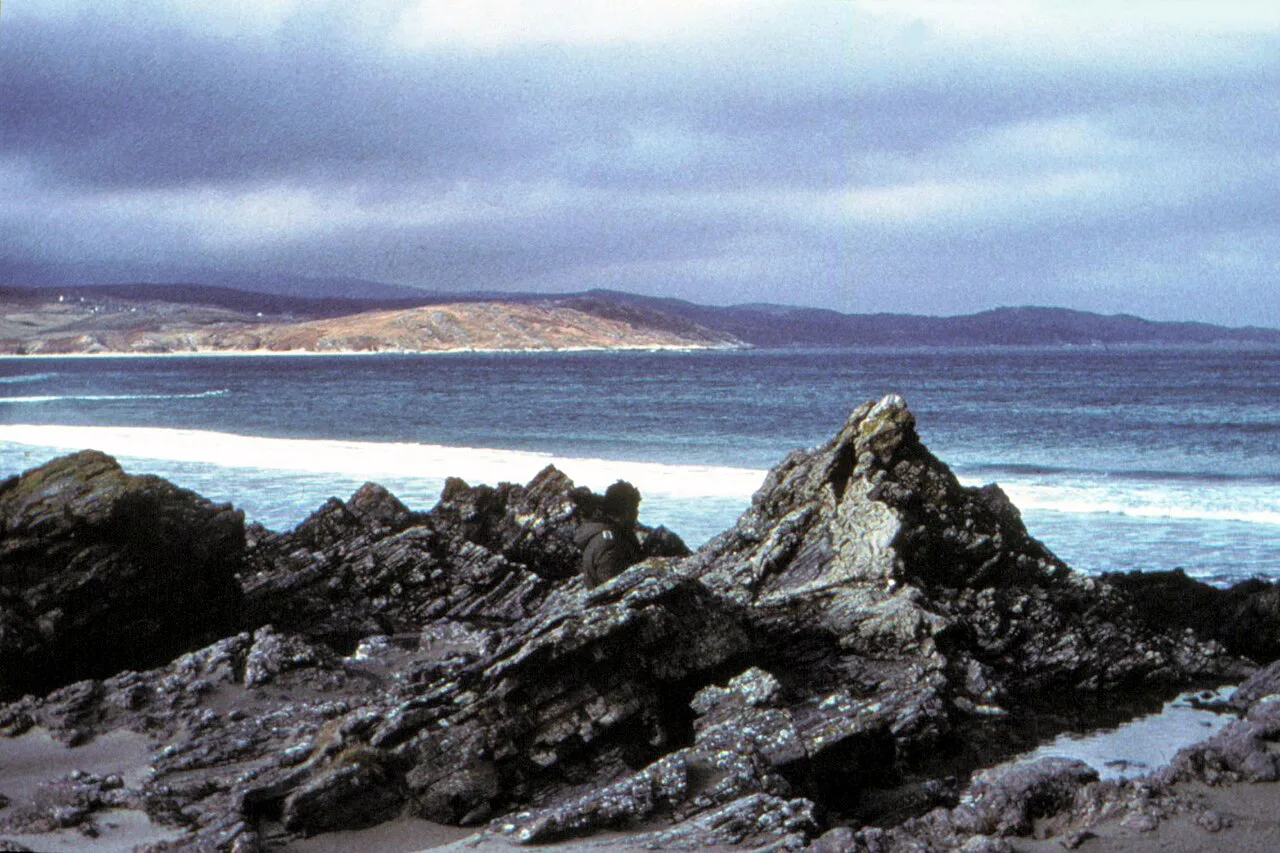
Featured image: Helmut Zozmann, CC BY-SA 2.0, via Wikimedia Commons.
What Is the North Coast 500?
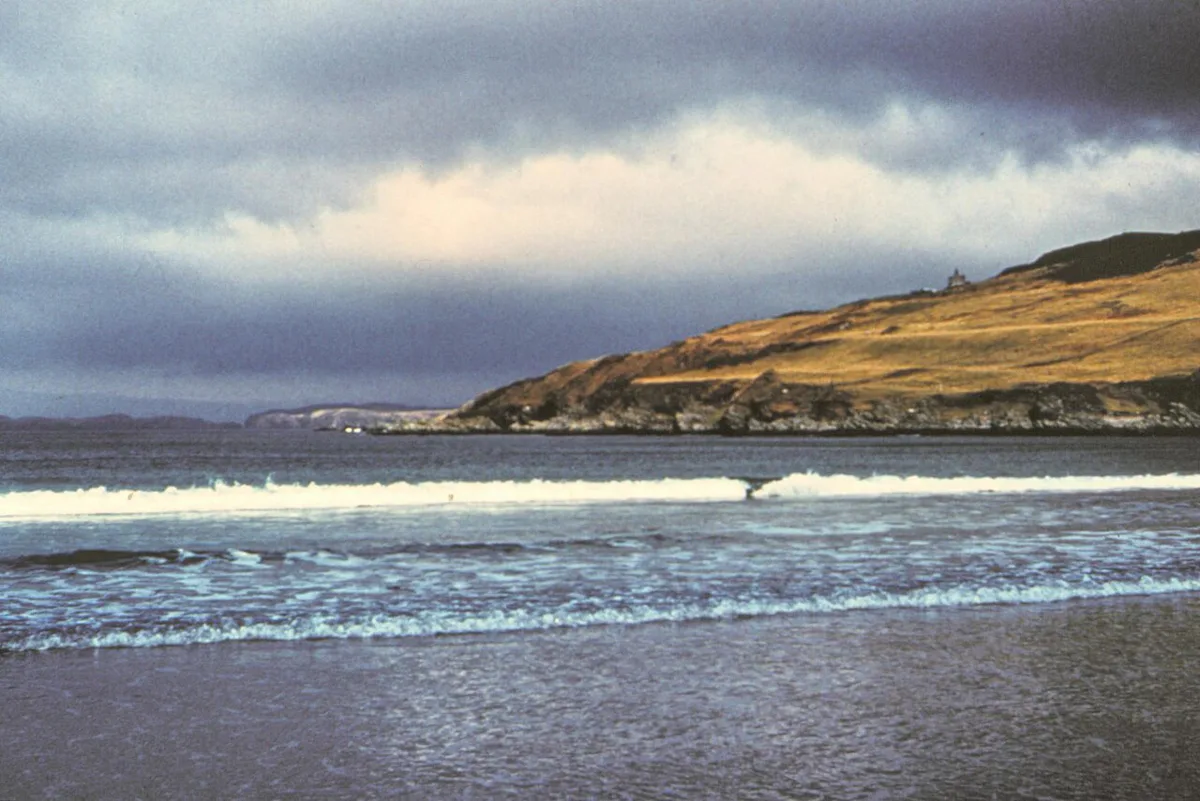
NC500 is a circular driving route of about 516 miles around the top of the Scottish Highlands. Inverness Castle is the official start and end point, according to the official North Coast 500 site. From Inverness, the loop follows the Moray Firth coast north-east, crosses the far north via Durness and John o' Groats, and returns down the west coast through Ullapool, Torridon and Applecross. It is a modern marketing creation, launched in 2015 and often compared to Route 66. Use the route owner's map rather than a third-party copy. VisitScotland's route page gives a second overview.
How Many Days Do You Need for the North Coast 500?
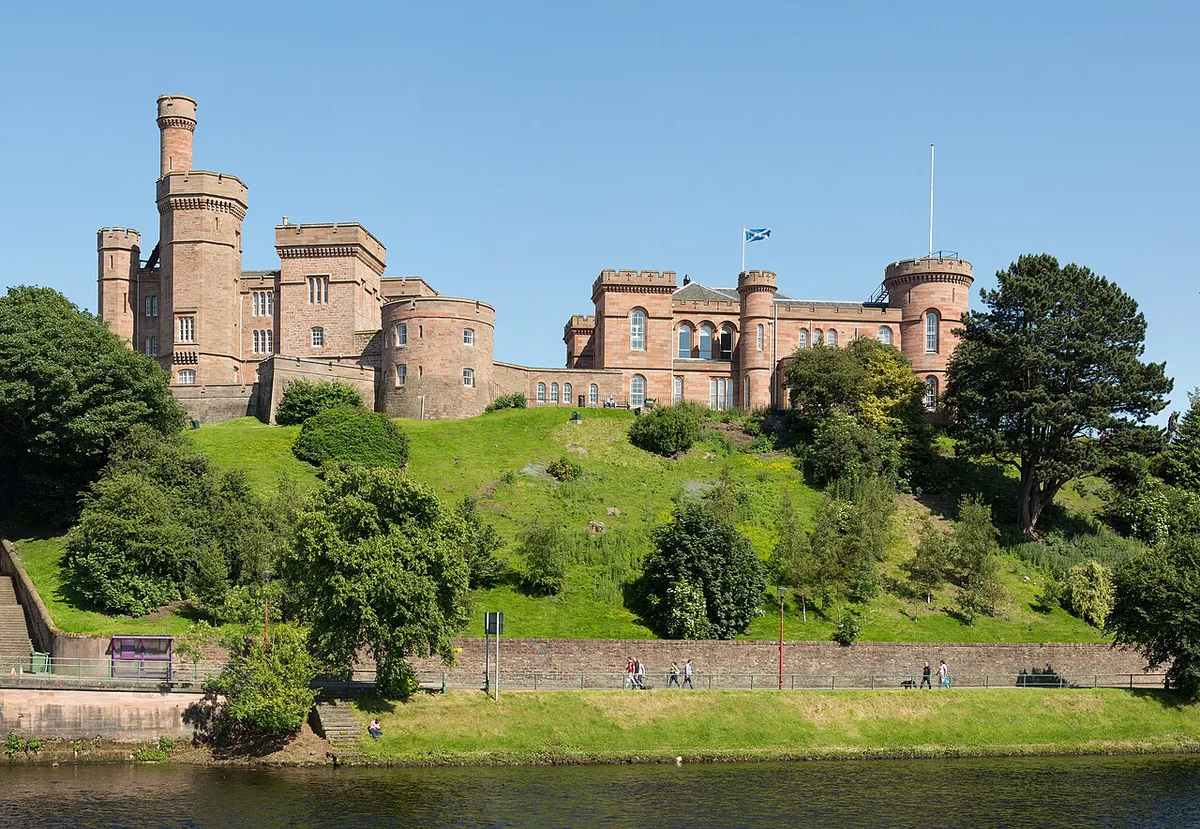
Five to seven days is the commonly advised pace. Three days is technically possible, but it leaves almost no time to leave the car. Roads are slow by design, and every viewpoint invites a stop. Ten days or more suits walkers, photographers and anyone adding a side trip.
| Days | What you realistically see | Driving pace | Suits | What you sacrifice |
|---|---|---|---|---|
| 3 | Headline stops only, such as Dornoch, Durness and Applecross | Long days behind the wheel | Confident drivers short on time | West-coast walks and most detours |
| 5 | Main stops on all three sections | Steady, with two or three real stops a day | First-timers with limited leave | Slow mornings and side roads |
| 7 | All main stops plus beaches, castles and short walks | Relaxed, with time to wait at passing places | Most visitors | Little, apart from remote peninsulas |
| 10+ | Every section in depth, plus Cape Wrath or a Skye extension | Unhurried | Walkers, photographers, campervan travellers | Nothing, but accommodation costs rise |
Clockwise or Anticlockwise?
Clockwise is the convention, and it heads east from Inverness first. Anticlockwise works just as well. Treat the choice as a trade-off, not a rule. Whichever way you go, the west coast deserves unhurried time.
| Factor | Clockwise | Anticlockwise |
|---|---|---|
| Convention | Default direction, so most guides and itineraries assume it | Less common, so stops can feel quieter |
| Bealach na Bà | Comes late, after the far north | Comes early, while you are fresh |
| Light | West coast arrives in the afternoon and evening, typically good for sea views | West coast is covered earlier in the day |
| Traffic and single-track | More cars travelling with you, so passing places fill in one direction | Fewer cars in your direction, but more oncoming traffic on narrow stretches |
| Booking pressure | Popular stops fill in the order most visitors reach them | Gives a small edge if you book flexible stays |
Best Time to Drive the North Coast 500
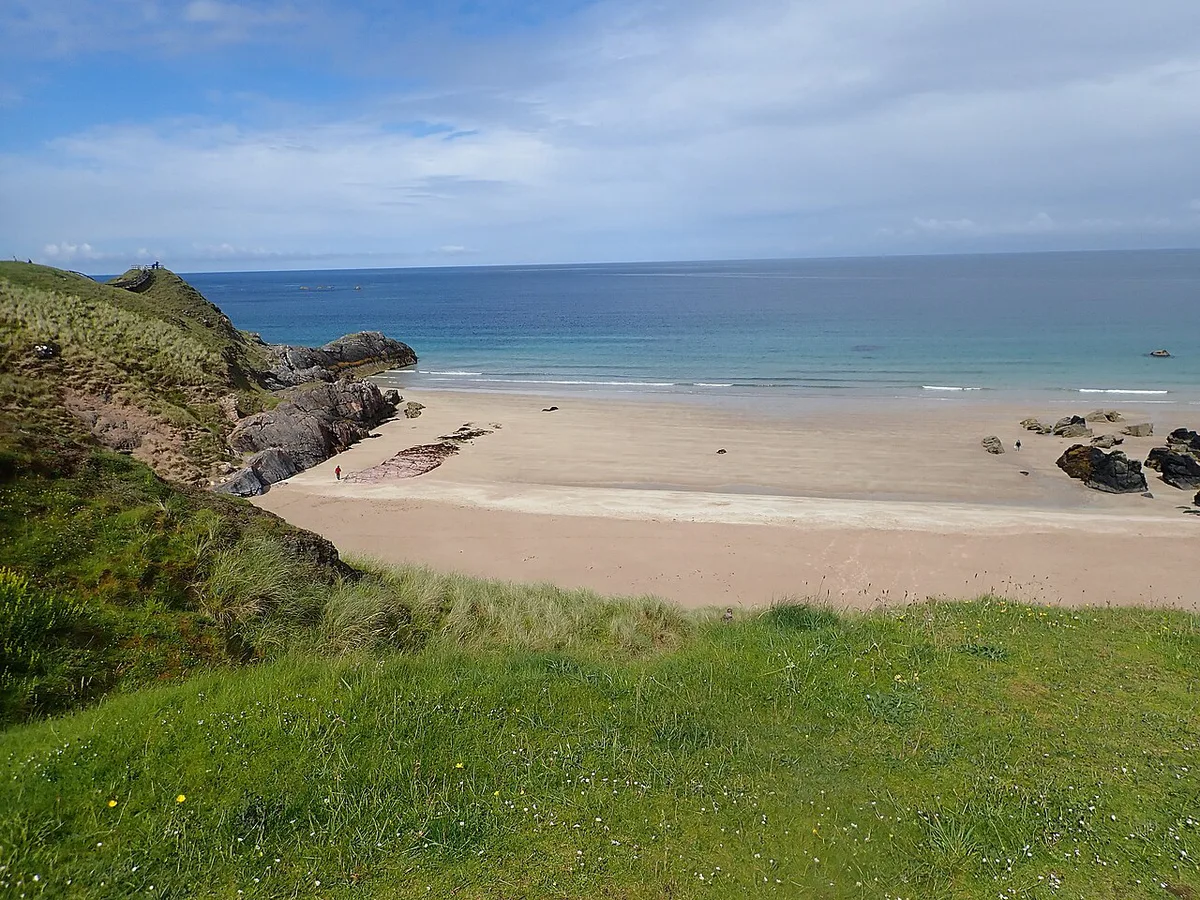
May to September is the reliable window. June and July bring the longest days, and in the far north it barely gets dark at midsummer. August is popular, so expect more traffic on single-track roads and tougher competition for rooms. September has a strong claim to being the best month. Crowds thin out, afternoon light turns golden and bracken on the hillsides shifts to rust and amber. October is possible, but rain, wind and early darkness are part of the deal. Winter needs extra caution on Bealach na Bà, a pass of about 2,054 feet with tight switchbacks that can be dangerous in bad weather. Check Transport Scotland for current road conditions.
Route Highlights by Section
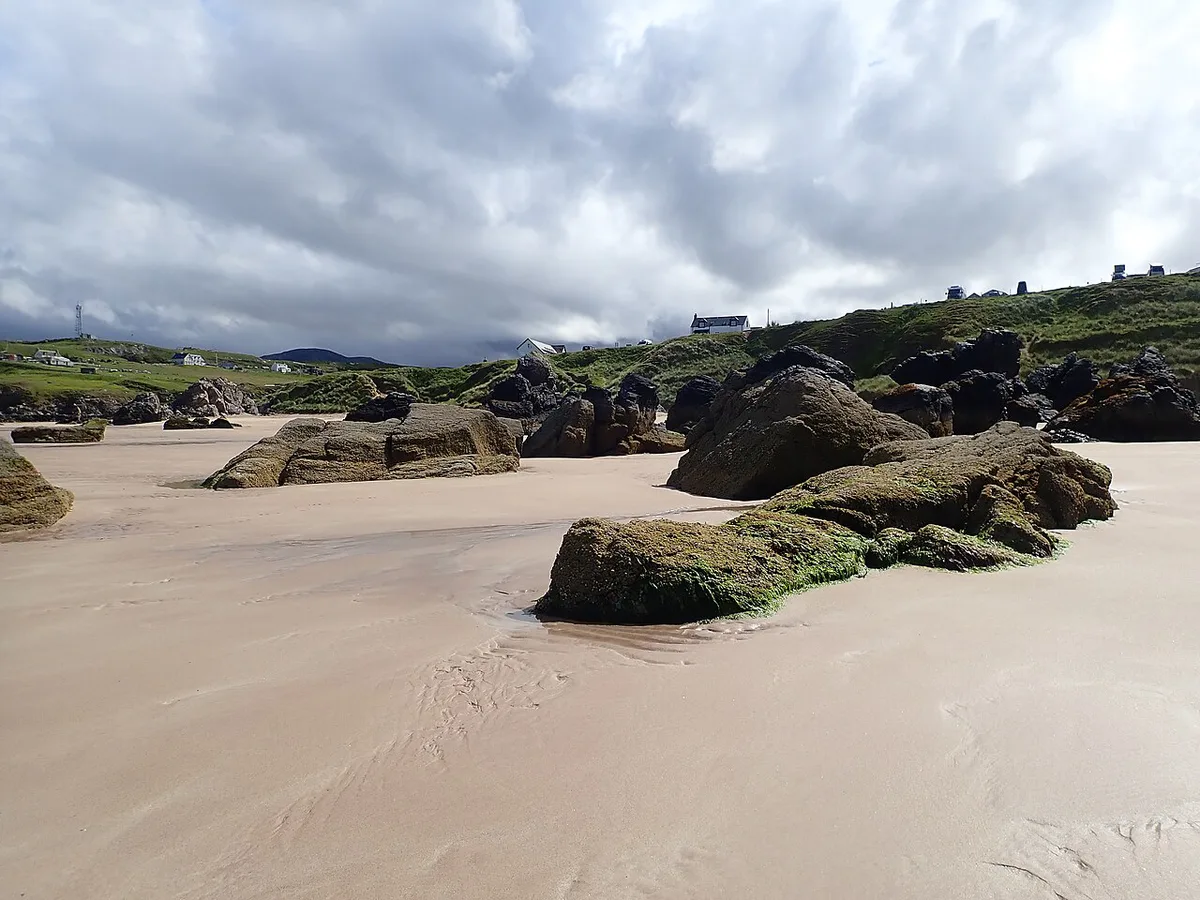
Each section has one or two stops worth real time and a few you can drop. Smoo Cave is dramatic enough for an hour or two. Its entrance is about 50 feet (15 m) tall, and the cave is floodlit inside. Depending on the tide, you view it by boat or by a path from the clifftop car park. Cape Wrath needs a small passenger ferry and a minibus across open moorland. Both depend on season and tide, so check each operator's current schedule.
- East coast: Dornoch has a medieval cathedral and quiet streets. Dunrobin Castle sits just outside Golspie and is open from April to October. Skip extra castle time if you are short of days.
- Far north: Duncansby Head, just east of John o' Groats, has sea stacks and seabird colonies. Castle of Mey is the most northerly castle on mainland Britain. Smoo Cave is at Durness. Skip John o' Groats itself if time is tight.
- West coast: Ullapool is the largest settlement on this side and a useful base. Glen Torridon has some of the route's best mountain scenery. Applecross is reached over Bealach na Bà. Add the Isle of Skye Road Trip: 1, 2 and 3-Day Itineraries only if you have days to spare.
- If the weather turns: Dunrobin Castle interiors and Ullapool's pubs and shops work in rain. Smoo Cave is partly sheltered. Duncansby Head, Cape Wrath and the Bealach na Bà views need clear conditions, so keep those days flexible.
Driving It: Single-Track, Speed, Fuel and Vehicles
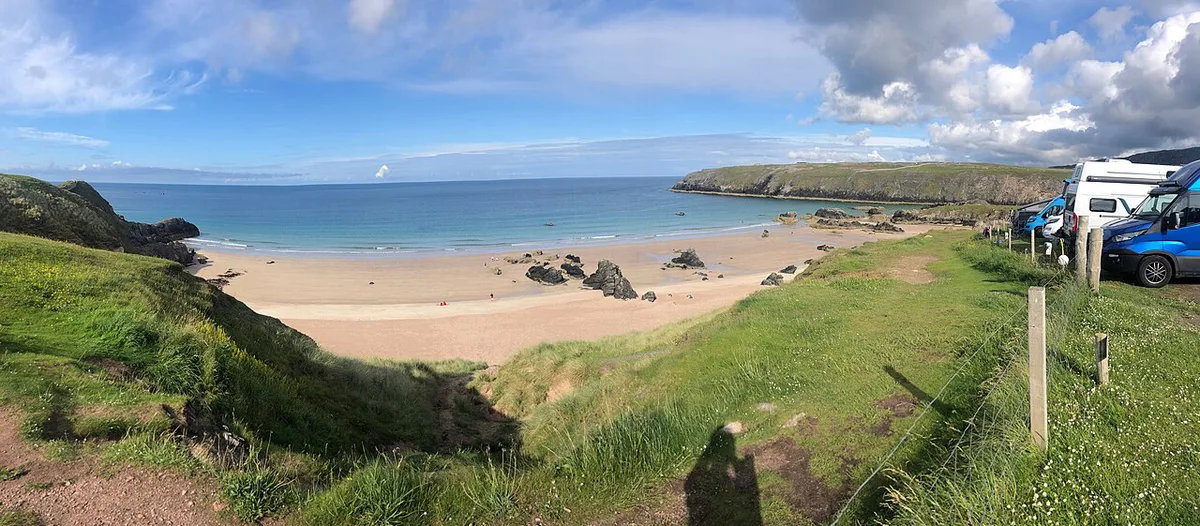
Large sections run on single-track roads with passing places. Pull into a passing place on your left, or stop opposite one on the right, to let oncoming traffic by. Slower drivers should also pull in to let faster vehicles overtake. Our single-track road guide covers etiquette in detail. For limits on open and built-up roads, see Scotland's speed limits. Scotland's rules on alcohol are strict, so read the drink-drive limit before any pub stop. Fuel and charging points can be sparse in the far north and west. Fill up at larger towns such as Inverness and Ullapool rather than waiting for the gauge to drop. A standard car handles the route well, and most guides say you do not need a 4×4. Confidence on narrow roads matters more than drive type. Campervans and motorhomes can do it, but passing places are tight, so read about campervan hire in Scotland first. For hire cars, see Renting a Car in Scotland: Costs, Insurance & Tips. Arriving by air into Edinburgh? Our Edinburgh car hire guide covers pick-up options before the drive north.
A 4×4 is not required, yet Bealach na Bà in bad weather is where careful driving matters most.
Where to Stay and What It Costs
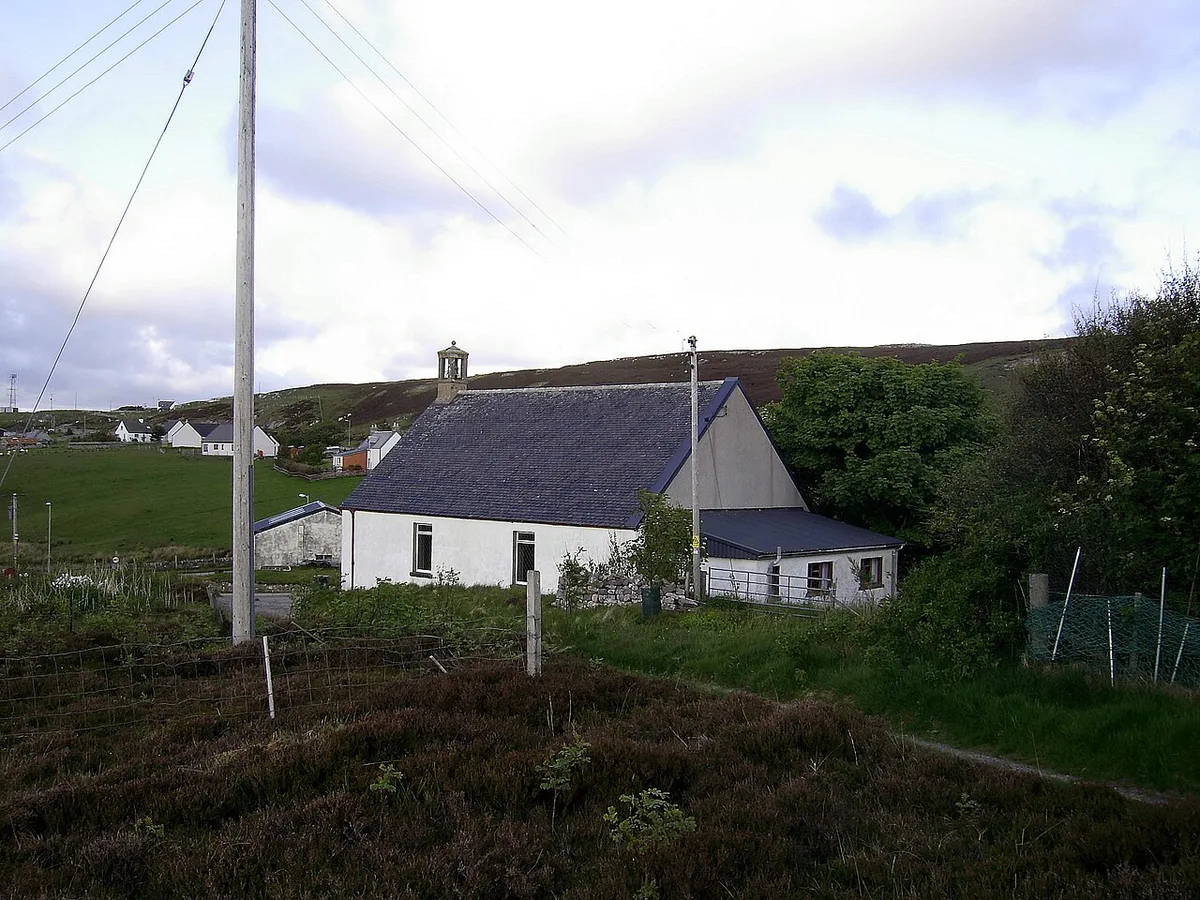
Towns often used as bases are Dornoch, Thurso, Durness, Ullapool, Torridon and Applecross. Accommodation runs from self-catering cottages and campsites to small hotels. In summer, book months ahead. In autumn, flexibility helps, and rooms are easier to find. Applecross is small, so its few rooms go early. Prices change by season, so check each property's own site.
Reaching Applecross means crossing Bealach na Bà, about 2,054 feet at the top, and its few rooms go early.
| Cost | Budget | Mid-range | Luxury |
|---|---|---|---|
| Accommodation | Campsites and simple B&Bs | Guesthouses and self-catering cottages | Country-house hotels in Torridon or near Dornoch |
| Fuel and charging | Biggest variable on long days | Rises with detours | Same as mid-range |
| Hire car or campervan | Small hire car from Inverness | Larger car with more luggage space | Premium vehicle or campervan |
| Food | Supermarket lunches in Inverness or Ullapool | Pub meals each evening | Fine dining and seafood restaurants |
| Attractions | Free walks and beaches | Castle entry and a boat trip | Private tours and guided experiences |
Common Mistakes on the North Coast 500
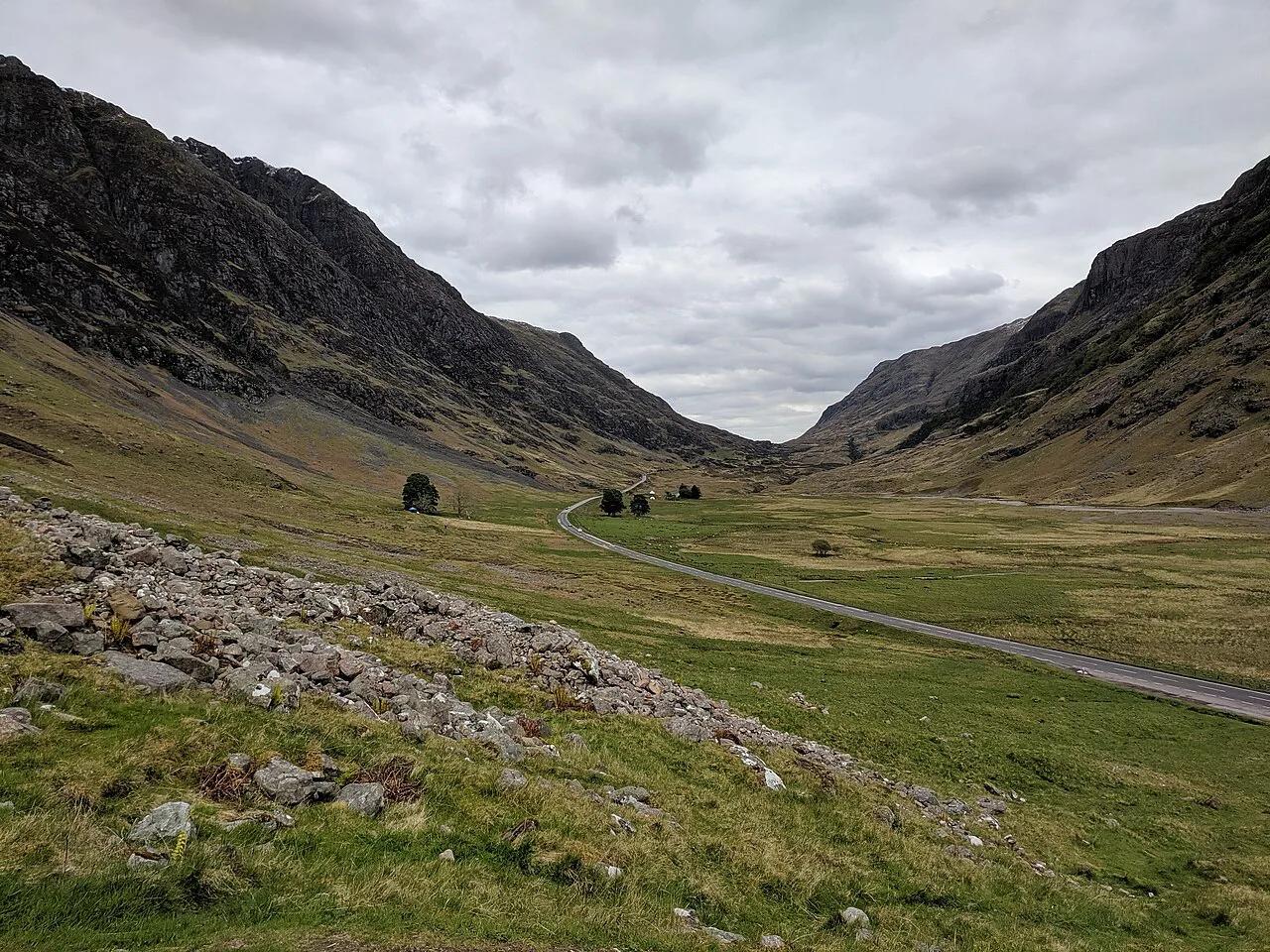
Most problems come from planning too tightly. Many people plan three days and spend the trip regretting it. Highland Council covers local roads and travel updates. If you want other routes after this one, the Scotland road trip guide shows how to combine them. Our Scenic Drives in Scotland: Best Routes, Timings and Tips list adds more. Glencoe is a separate route, not part of the loop.
- Underestimating time: five days is a good minimum, and seven is better.
- Rushing the west coast: Torridon, Applecross and Ullapool deserve slow mornings.
- Skipping single-track etiquette: read it before your first passing place.
- Ignoring tide and ferry times: Smoo Cave boats and the Cape Wrath crossing both depend on them.
- Booking late in summer: popular towns fill months ahead.
- Assuming fuel is available everywhere: fill up at larger towns.
Frequently Asked Questions
Can the NC500 be done in 2 days?
Technically yes, but it means driving about 516 miles with almost no time to stop. Three days is already rushed. Five to seven days gives a far better trip.
What vehicle is best for NC500?
A standard car is fine for most drivers. Narrower vehicles are easier on single-track roads. Campervans and motorhomes can manage, but passing places and the Bealach na Bà are tighter.
How expensive is it to do the NC500?
Accommodation is the largest cost, especially in summer when rooms need booking months ahead. Fuel, vehicle hire, food and attractions make up the rest. Budget campsites and self-catering keep costs down.
Road-rule changes worth knowing
Optional updates to our guides.
You might also like

Continue reading
More guides you'll find useful