8 Things to Know Before Driving in the UK
Can you drive in the UK as a visitor? Eight essentials: licence basics, left-side driving, ULEZ and toll charges, and when to skip the car.
On this page
Last updated November 2026. Visitors can generally drive in the UK, and traffic keeps to the left. The main hurdles are licence and insurance rules, narrow roads, and city charges. This guide covers driving in the UK in eight steps and routes you to a detailed guide for each.
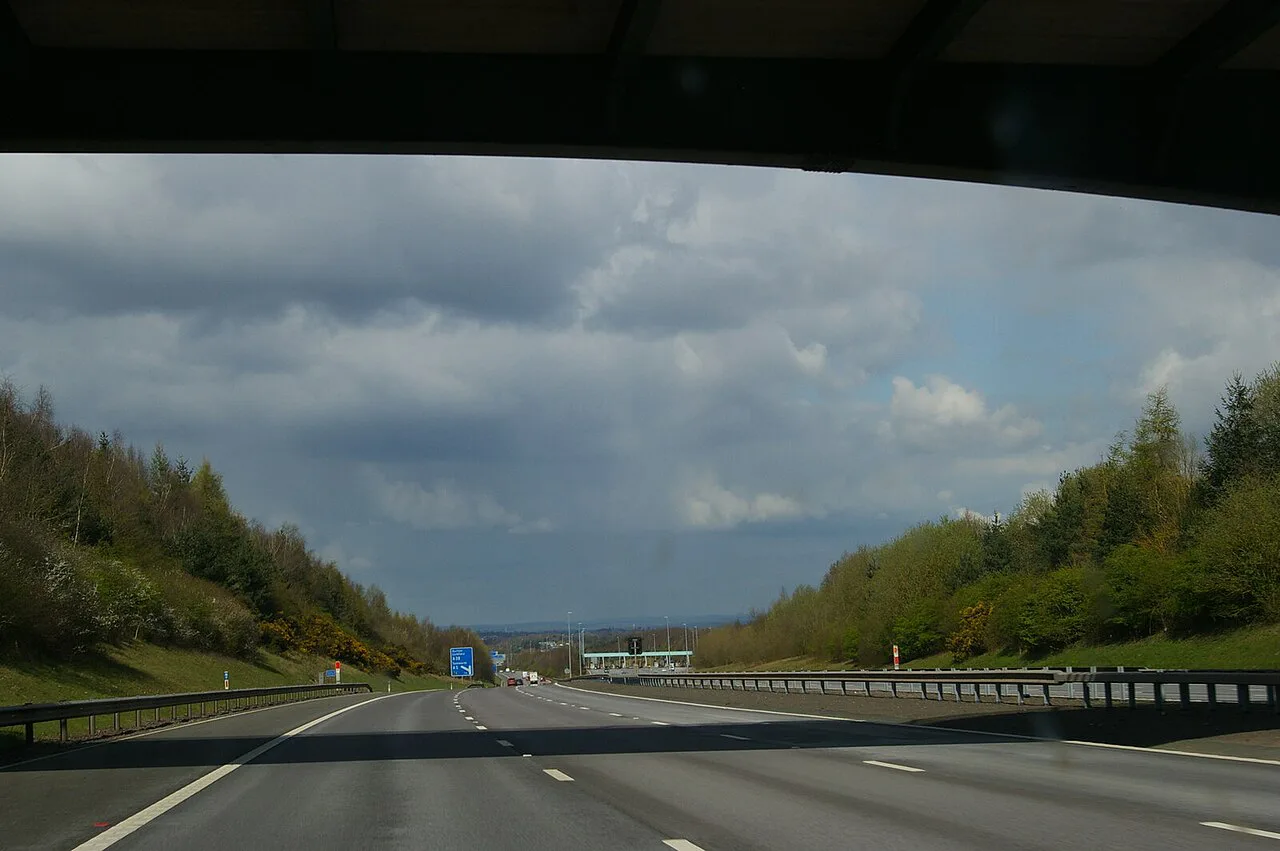
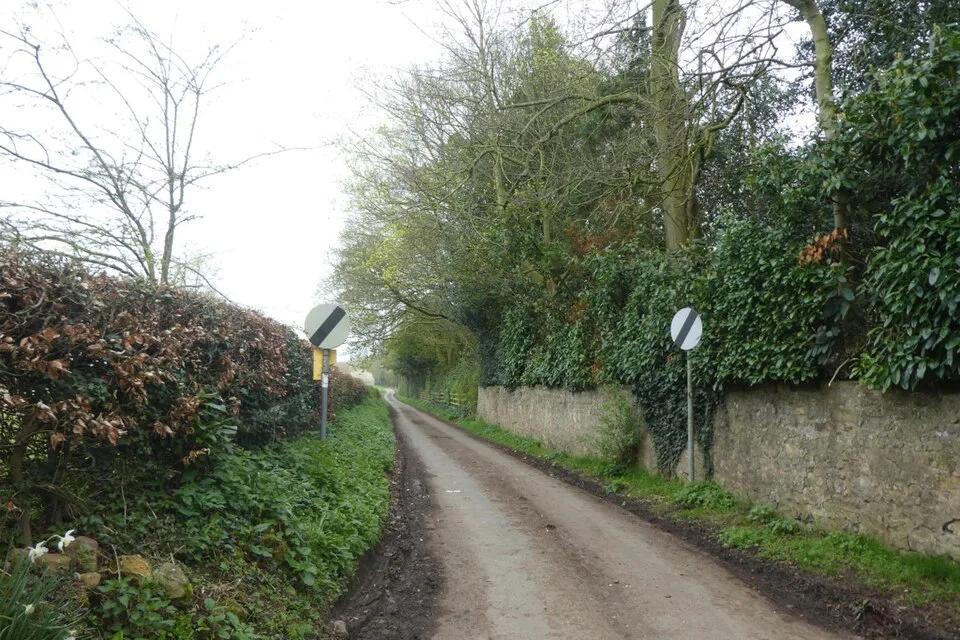
Featured image: John Reeves, CC BY-SA 2.0, via Wikimedia Commons.
Should You Drive? Trip Types at a Glance
A car suits some trips and wrecks others. Rural regions reward flexibility. Central London punishes it. Use this table to decide before you book anything.
Tolls matter outside London too, since the M6 Toll bypass appears on the toll roads list.
| Trip type | Drive, skip or hybrid | Why |
|---|---|---|
| London only | Skip | Trains, the Tube and taxis beat parking and city charges. |
| England countryside | Drive | Villages and viewpoints sit far from rail stations. |
| Cotswolds | Drive | Public transport thins out between small villages. |
| Lake District and Peak District | Drive, with care | Roads are narrow and weather can close passes. |
| Multi-country road trip | Hybrid | Drive the rural legs and take trains between big cities. |
8 Things to Know About Driving in the UK
Work through these in order, from paperwork to scenic routes. Each item points to a longer guide when you need detail.
1. Check your licence and permit rules first
Visitors can generally drive in Britain on a valid foreign licence. GOV.UK sets out how long you may do so and under what conditions. Read that guidance before you fly, because rules decide your rental options.
Our guide to driving with a US licence covers American drivers in detail. International Driving Permit questions belong in official guidance, so confirm there whether you need one. Carry your licence and rental paperwork on every drive.
2. Learn what changes when you drive on the left
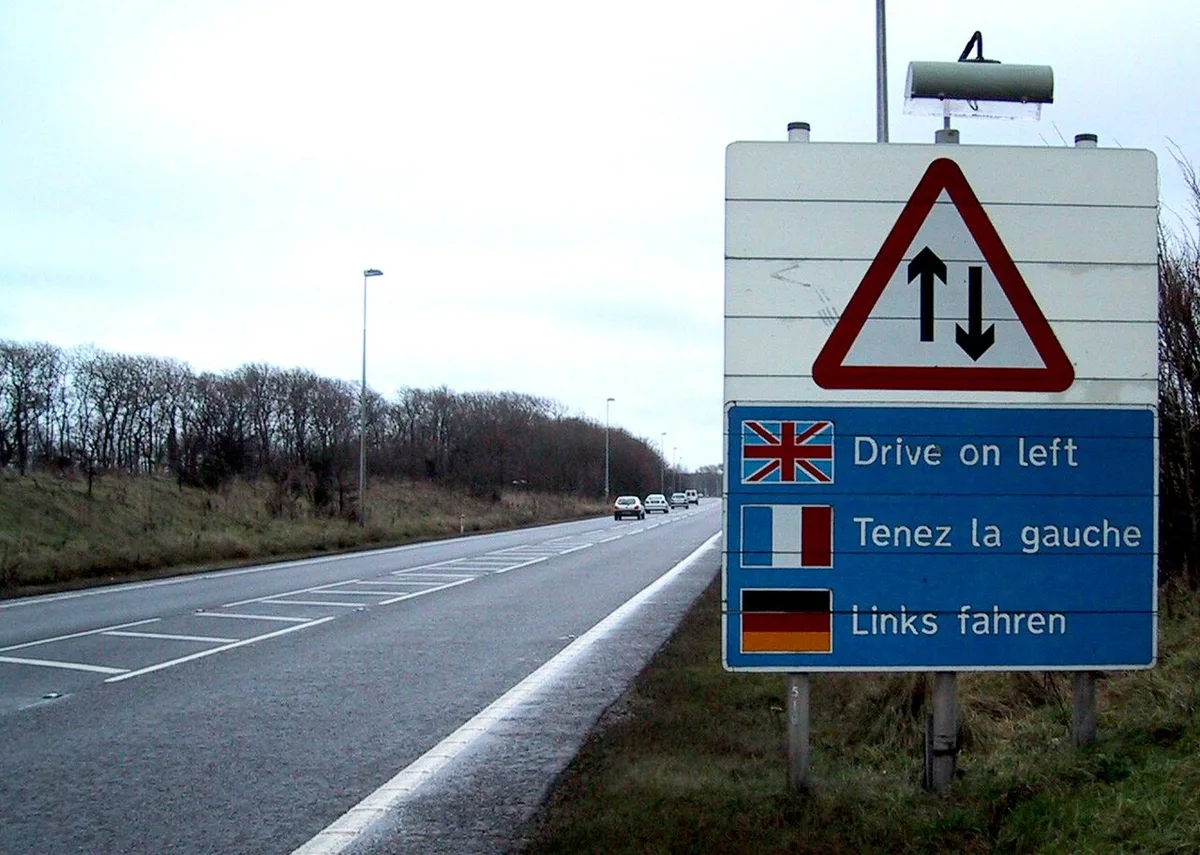
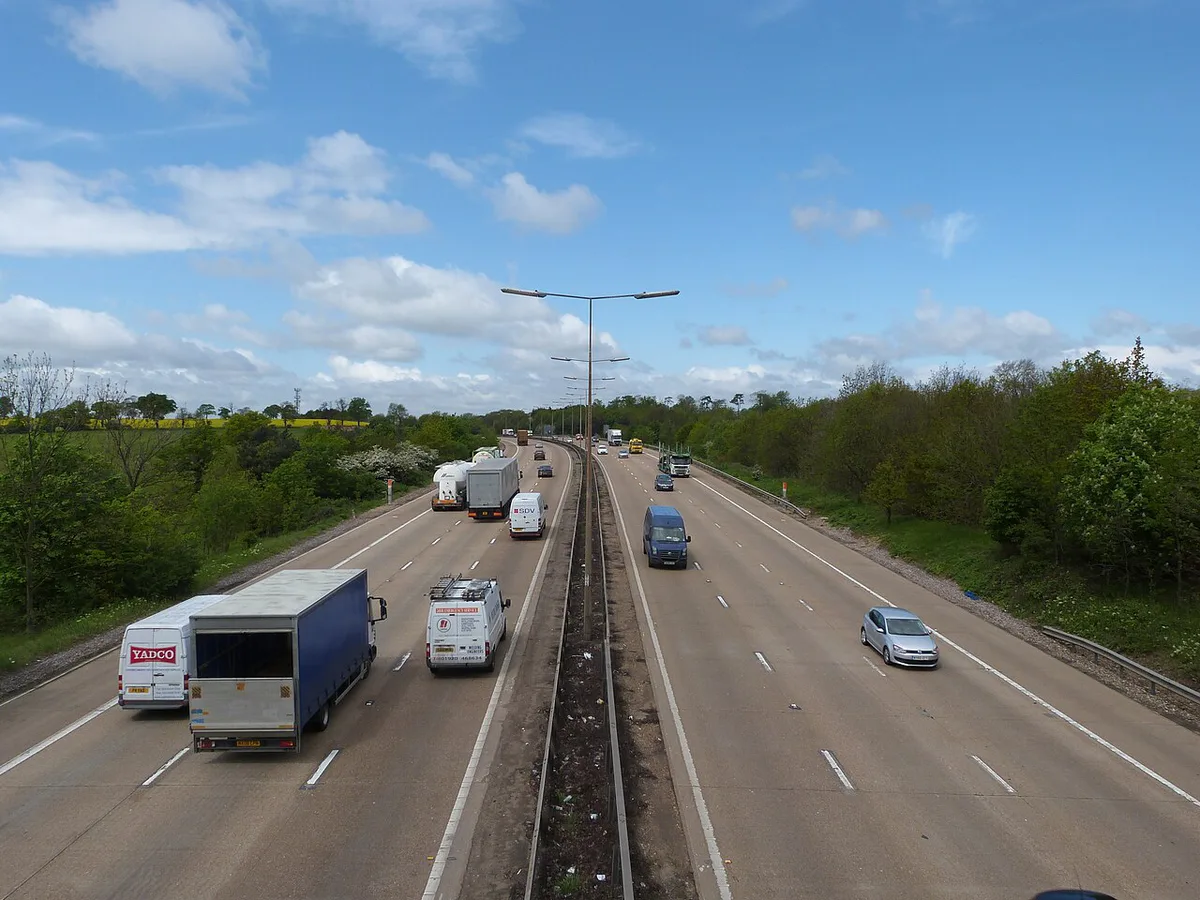
Traffic keeps left, and the driver sits on the right side of the car. Roundabouts are the biggest adjustment. Give way to traffic already on the roundabout, coming from your right, and signal when leaving. The Highway Code on GOV.UK is the official rulebook for lane use and signals.
Wrong-side mistakes happen at quiet junctions and after a break, so say "stay left" aloud when you pull out. Do a first-day checklist: adjust mirrors, find the indicator stalk, and drive a quiet road before any motorway.
3. Sort your rental car before you book
Pick-up location matters. Airport desks are easiest for your first hour on the left, while city branches drop you straight into traffic. Book an automatic if you are not used to shifting with your left hand. Manual is often the default, so choose deliberately. Pick a compact car. Village lanes and car parks are tighter than most visitors expect.
Confirm the fuel type at pick-up, because petrol and diesel pumps are easy to mix up. Our UK car rental guide covers insurance and booking choices. For England-specific pick-ups, see hiring a car in England.
4. Understand speed limits and road types
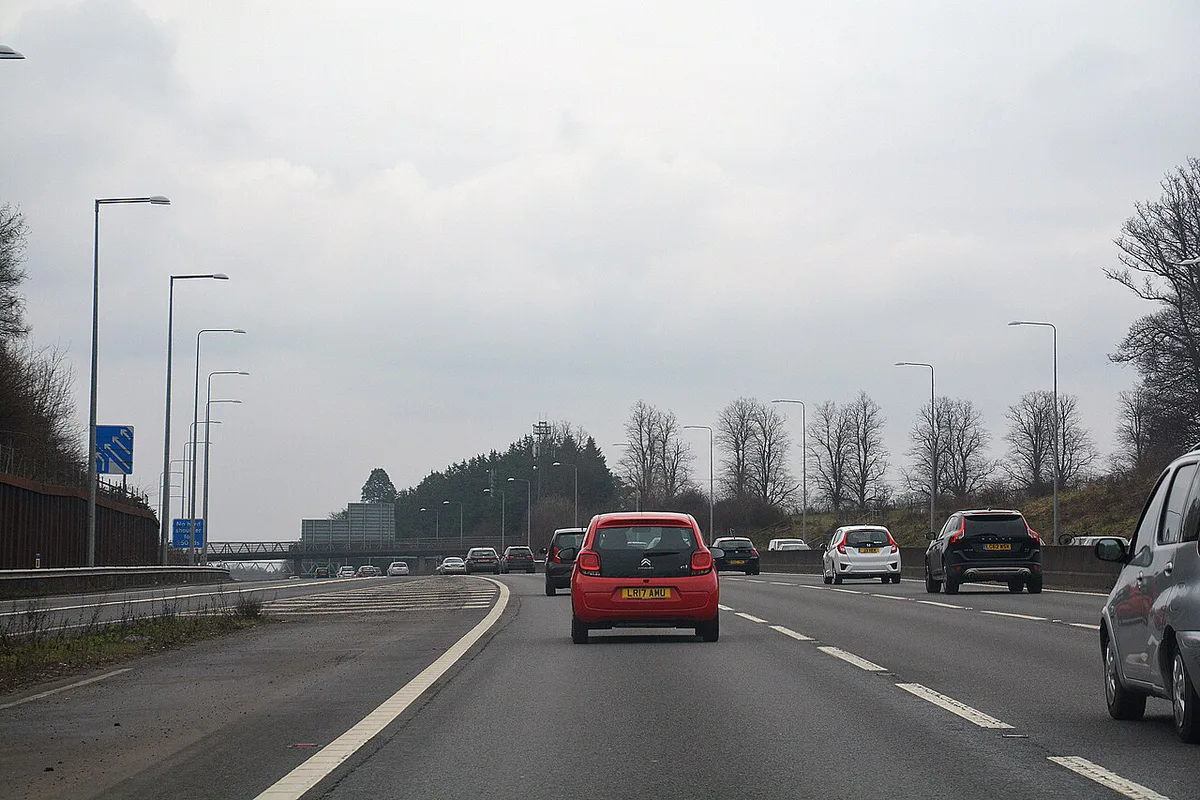
Limits are posted in miles per hour, and they vary by road type and vehicle. Motorways, A-roads, village streets and single-track lanes all behave differently. Single-track roads use passing places, so pull into the left-hand one or stop opposite a right-hand one.
Our UK speed limits guide lists the values by road type. National Highways traffic information shows live problems on motorways and major A-roads. Nations differ on some rules, so read signs closely when you cross into Scotland, Wales or Northern Ireland.
5. Map the charges, tolls and parking traps
Most charges are paid online, and fines arrive weeks later through your rental company. Central London has two separate schemes. Read about the ULEZ emissions zone first. The London Congestion Charge: Who Pays, How to Pay, Fines is a different daily fee.
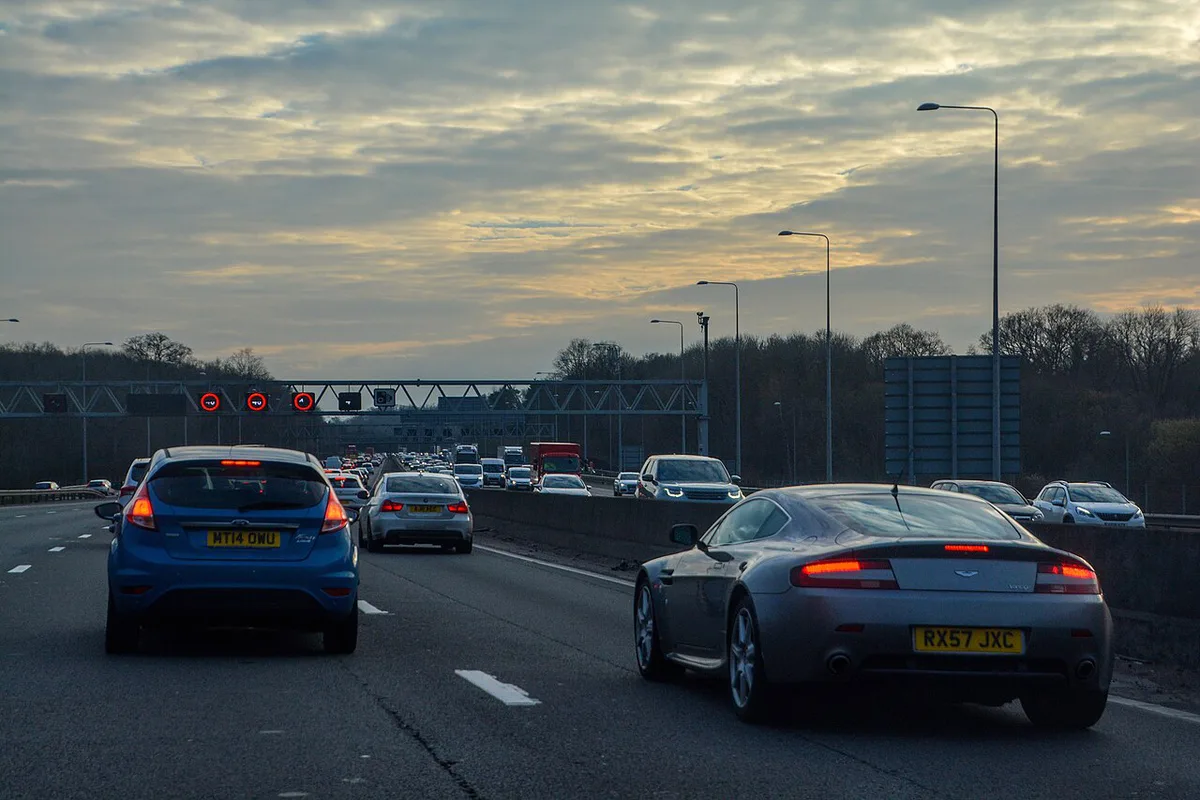
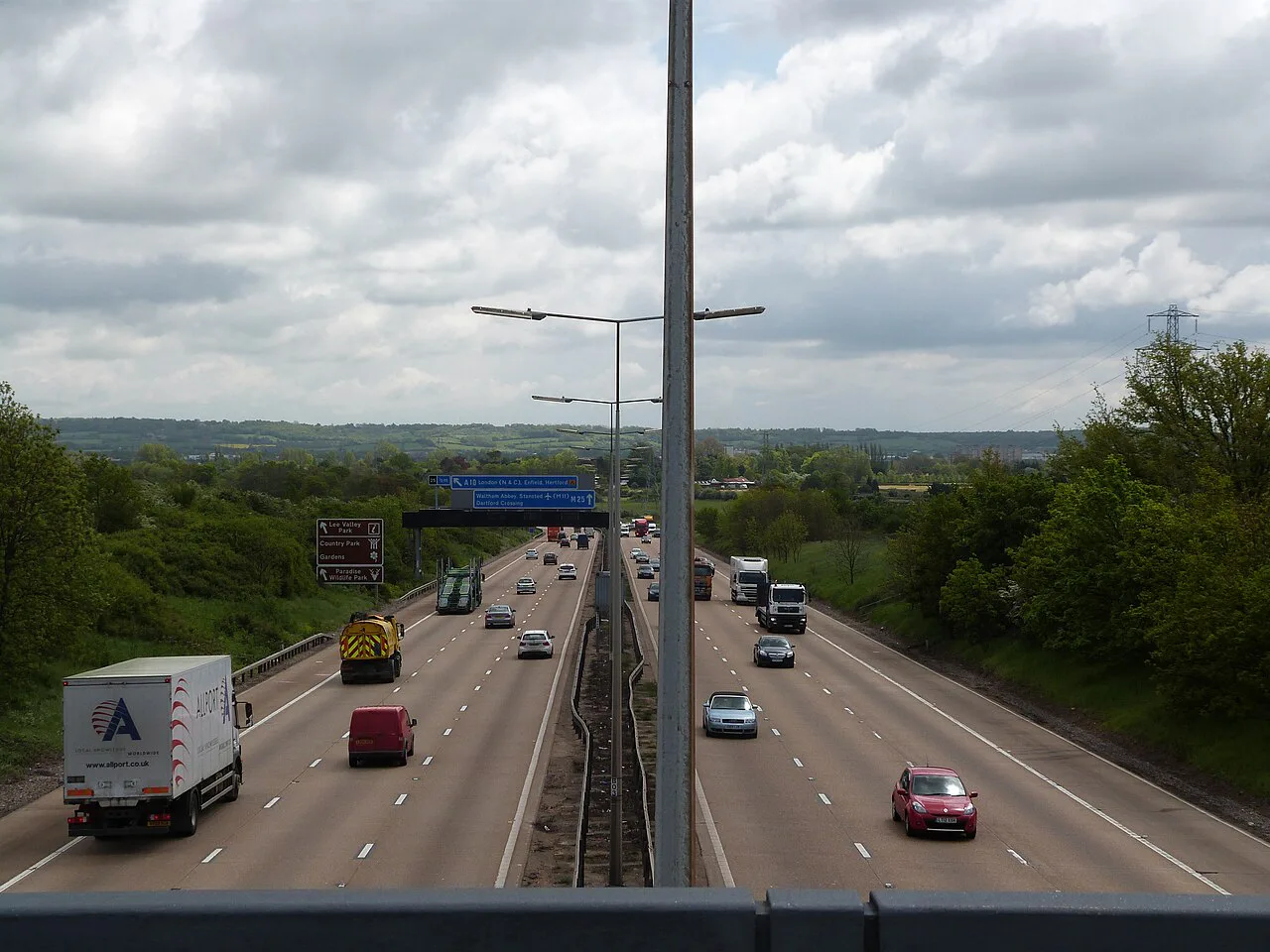
East of London, the Dartford Crossing is paid online rather than at a booth. Our UK toll roads guide covers the rest, including the M6 Toll bypass. Parking fines are common. Read every kerb sign and pay-and-display rule before you leave the car.
6. Decide between London and the countryside
Driving into central London is usually the worst-value choice. You pay for parking, charges and time lost in traffic. If London is your only stop, skip the car. Trains and taxis cover it. Our London driving guide explains what to expect if you still want to drive.
Countryside trips reverse the logic. Hire the car on the way out of the city, not on arrival. Our England driving guide covers regional road habits and trip planning.
7. Know the laws that catch visitors out
Drink-driving limits differ between England and Scotland, so do not assume one number applies everywhere. Our English drink-driving limit guide gives the figures for England. The safest approach for any visitor is no alcohol before driving.
Mobile phone use at the wheel and seat belt rules also lead to fines. Read the Highway Code for current wording, since penalties change over time.
8. Pick scenic drives that match your nerves
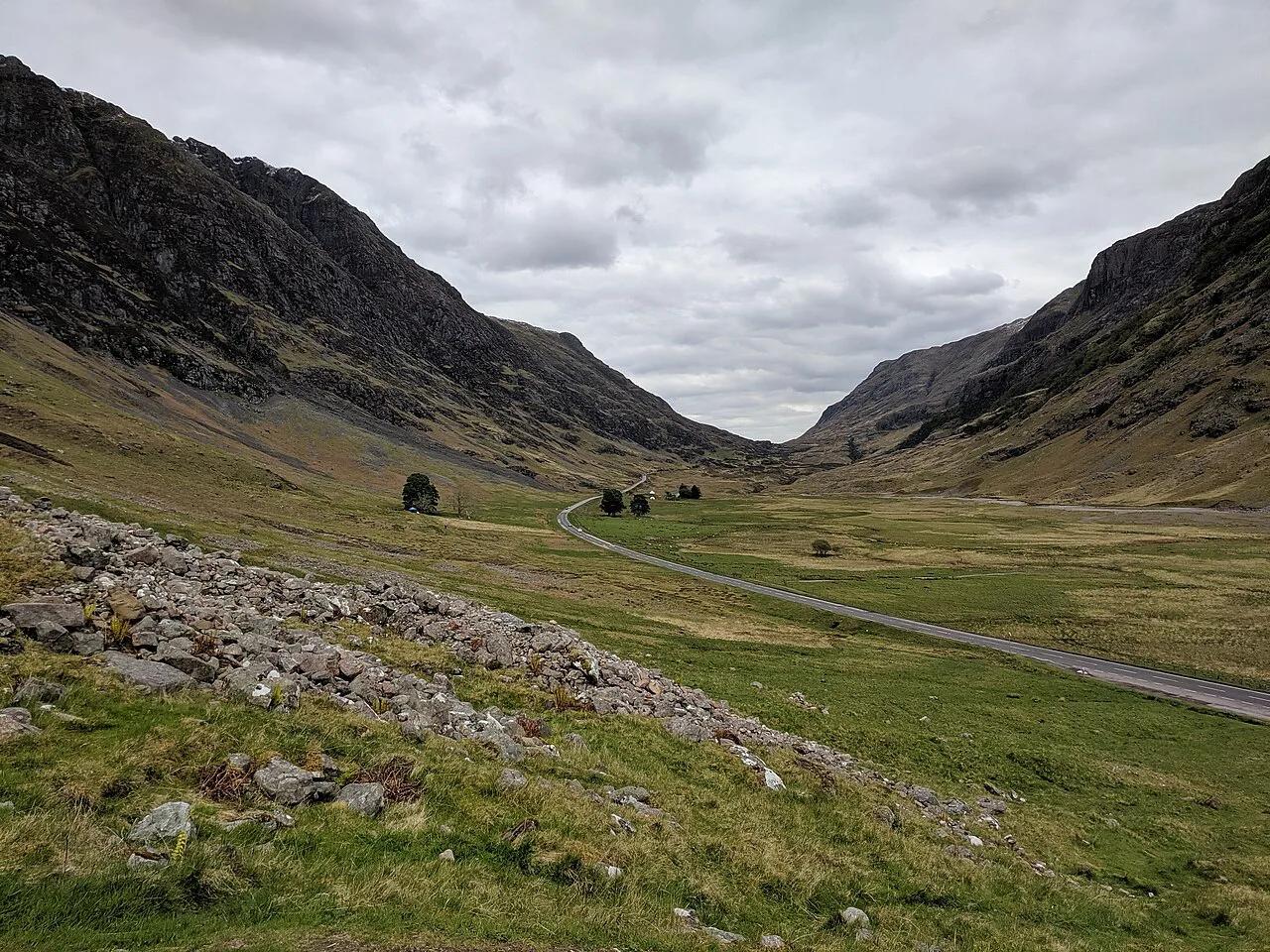
The Cotswolds Drive: Routes, Tips and Driving on the Left suits first-timers. Roads are narrow but villages come often. For a longer plan, use the England road trip route as a framework. The Hardknott Pass: How to Drive It Safely (Tips & Alternatives) in the Lake District has steep gradients and tight bends. Skip it in poor weather or if you are nervous.
The Snake Pass Driving Guide: Route, Closures & Tips crosses the Peak District and can close in bad conditions. Check Derbyshire roadworks and travel before a Peak District run. Allow extra time. Distances on a map understate how long narrow roads take.
Mistakes to Avoid on Your First UK Drive
Drifting to the wrong side at a junction after a break is the classic error. Ignoring ULEZ and congestion charges comes second, and the fine reaches you later. Hiring a manual by default is a third. Many visitors also underestimate road width and parking space. Finally, do not assume every rule is identical across England, Scotland, Wales and Northern Ireland. Check the Highway Code and local signs as you cross borders.
Frequently Asked Questions
What is the 2 second rule when driving in the UK?
Leave at least a two-second gap between you and the vehicle ahead in good conditions. Pick a fixed point, such as a sign, and count after the car in front passes it. The Highway Code advises longer gaps in rain and ice.
Explore More Guides
Keep planning your trip with these guides.
Guides
- Renting a Car in the UK: Costs, Rules & Mistakes
- Renting a Car in England: Costs, Rules & Tips
- Driving in England: Rules, Rentals and Tips for Visitors
- Driving in the UK With a US License
- Speed Limits in the UK: Cars, Vans and Signs by Nation
- UK Toll Roads
- Dartford Crossing: Charge, Hours & How to Pay (Dart Charge Guide)
- ULEZ London: Zone, Charge, Hours And How To Pay
- London Congestion Charge: Who Pays, How to Pay, Fines
- Driving in London: Charges, Parking and Whether to Drive
- Drink Driving Limit in England
- Hardknott Pass: How to Drive It Safely (Tips & Alternatives)
- Snake Pass Driving Guide
- Cotswolds Drive: Routes, Tips and Driving on the Left
- England Road Trip: Routes, Driving Tips & Planning
Road-rule changes worth knowing
Optional updates to our guides.
You might also like

Continue reading
More guides you'll find useful